
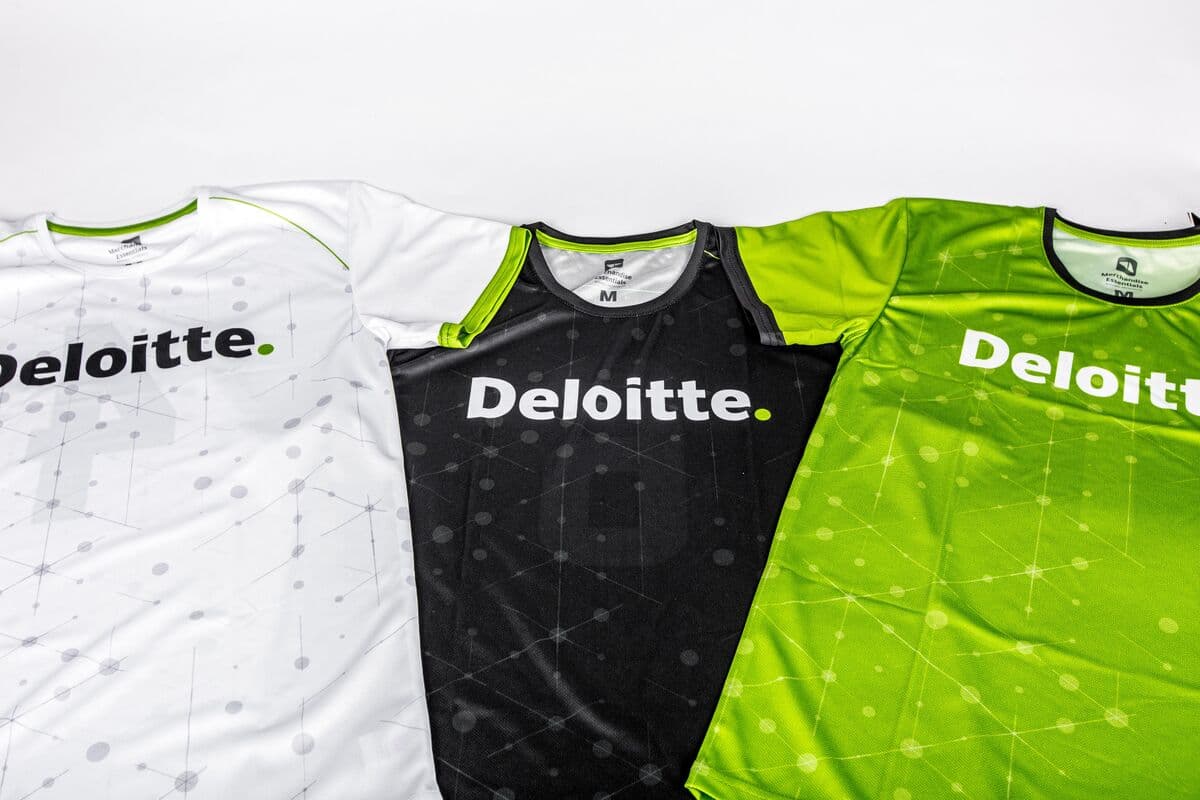
To run an employee wellness gifts program, start with the activity, not the merch. Pick a real initiative such as a marathon team, a walking challenge or a wellness week, then choose accessible merch that supports it. Set a budget of around 25 to 30 euros per person, keep participation voluntary and inclusive, run remote challenges with direct-to-home delivery, and measure participation and repeat participation rather than merch spend. The merch is the incentive that makes the activity visible and grows the crowd.
The single most important idea: Sunday's role is not to design your wellbeing policy. It is to make a genuine initiative tangible through products participants use before, during and after. Strong campaigns do not start as branding exercises, they start from real intent to support health, activity and connection. The employer-branding benefit comes after. Here is how to build one.
Step 1: start with a real activity
The merch supports an initiative, so define the initiative first. A running or cycling team, a yoga programme, a walking challenge, a wellness week, a company sports day. The activity is the programme, the merch is what makes it visible and social. A jersey for the marathon team, a bottle for the fitness challenge, a towel for the sports event. Without the activity, the merch is just another object. With it, the merch turns participants into people who wear and share the initiative.
Step 2: time it to the activity calendar
Do not force wellness into a random gifting moment. Follow the natural calendar so the programme has built-in context.
- Wellness weeks or company rest weeks are a natural launch moment.
- Spring sports season is when running, walking and cycling pick up.
- January and February suit ski and snowboard for relevant teams and locations.
- September company fitness days work as post-summer wellbeing events.
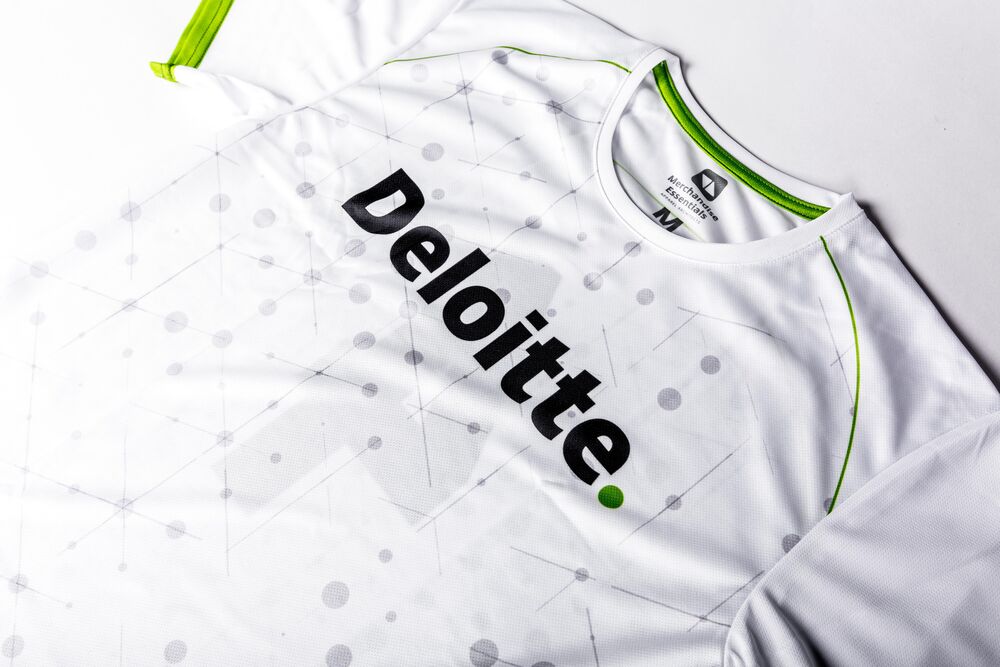
The activity comes first. A company sports day or a seasonal challenge gives the merch a reason to exist.
Step 3: choose accessible merch that supports it
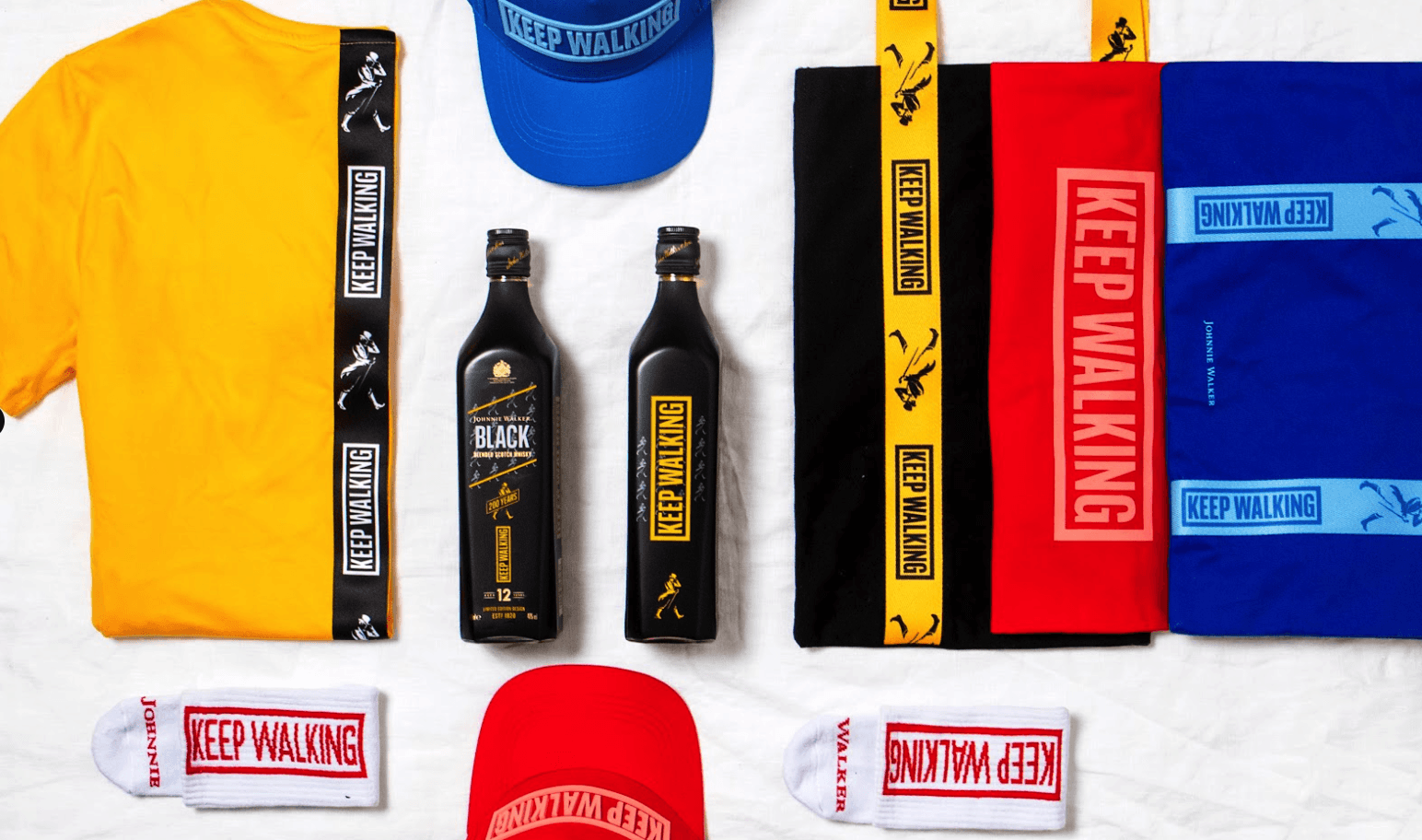
Pick two or three complementary items rather than one expensive piece. A jersey plus bottle, a running jacket plus bottle, a towel plus socks plus drawstring bag, or a selection packed into a fitness bag that doubles as packaging. Match the items to the activity. Custom sportswear for the run, a custom water bottle for the hydration push. Preview designs in your colours with the free sportswear mockup generator or the free water bottle mockup generator before you commit. Design matters because it is worn in public, so it must look good and represent the employer well.
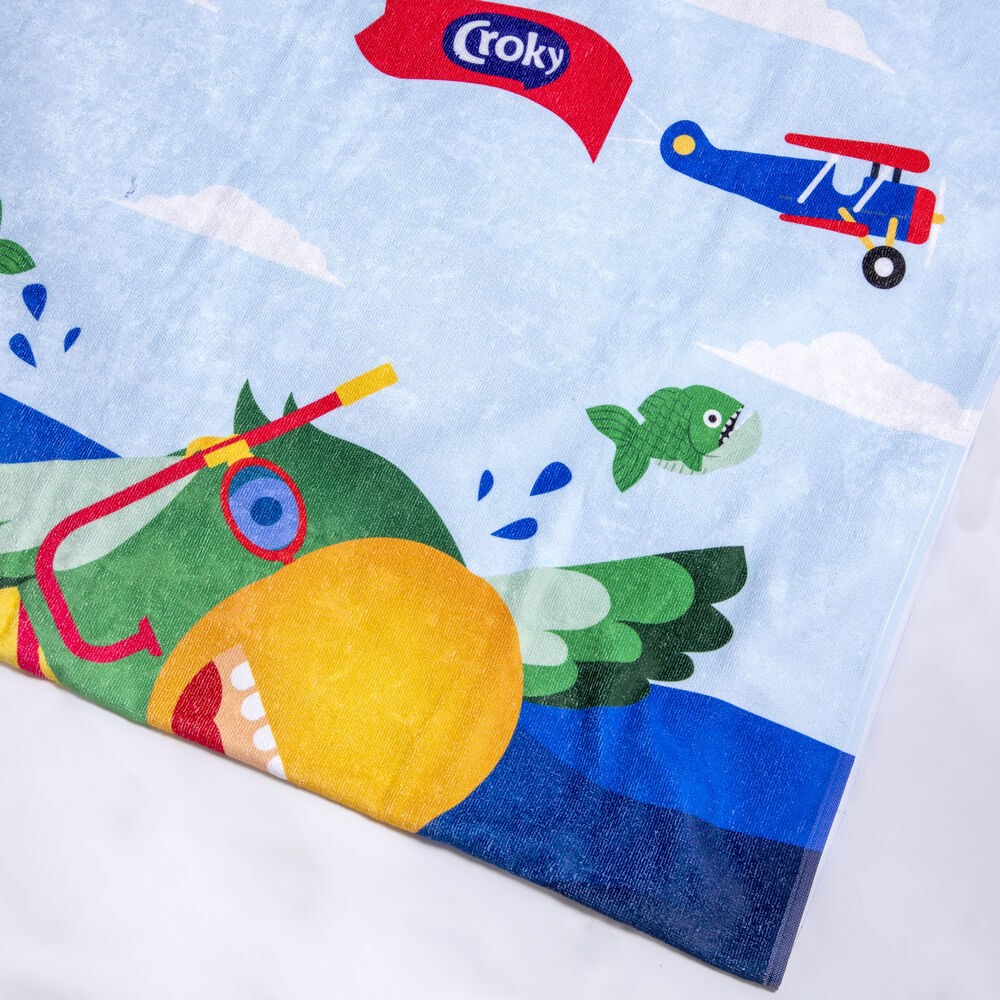
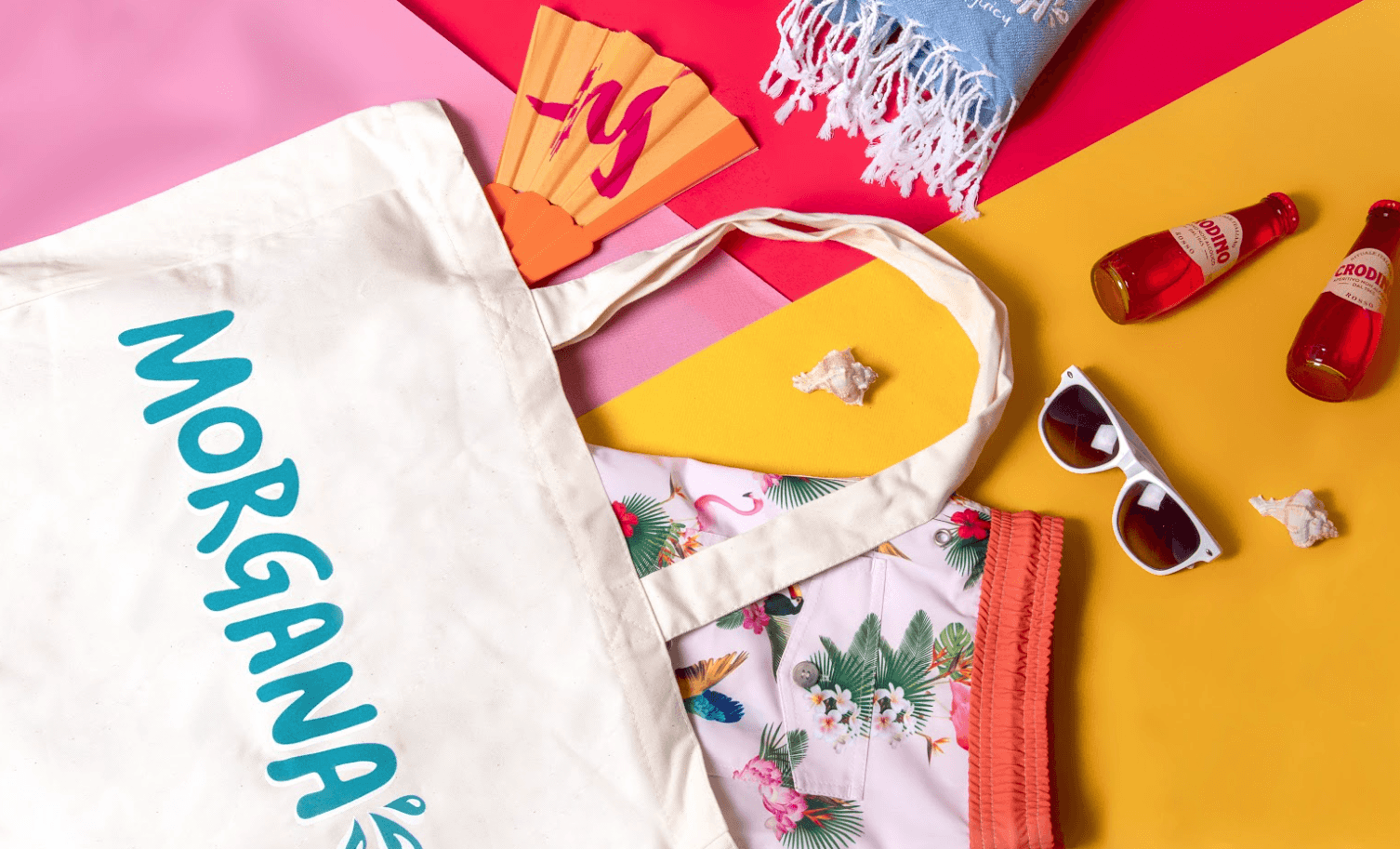
Accessible items like a branded towel combine into a complete kit without any single piece being expensive.
Step 4: set the budget
Wellness merch generally does not need to be expensive. Plan around 25 to 30 euros per recipient depending on the activity, with a basic sports jersey around 15 euros. Do not give pro-level kit to recreational participants. It is usually better to combine two accessible products than to blow the budget on one technical jersey. Bottle pricing, unlike textiles, stays fairly stable across volumes, so plan the kit around the items rather than chasing a volume discount.
Step 5: make it inclusive and voluntary
This is where well-meaning programmes go wrong. Keep it inclusive and voluntary, because not everyone enjoys sport, and never imply participation is expected. Avoid making it overly competitive. Leadership may like rankings and aggressive targets, but many employees do not, and collaboration, participation and shared progress beat winner-takes-all. Keep products and activities accessible to beginners, with no intimidating technical kit or performance expectations. Invite people in, do not make them feel inadequate.
Step 6: run it remotely if you need to
A wellness programme does not need everyone in one office at one time. Use Strava challenges, virtual walking or running programmes, Fit-at-Home sessions, Peloton challenges, individual distance goals or async collaborative events. Then ship merch directly to each participant. This creates a shared identity and an internal movement even across locations, which is what hybrid and distributed teams need.
Step 7: ship to each person
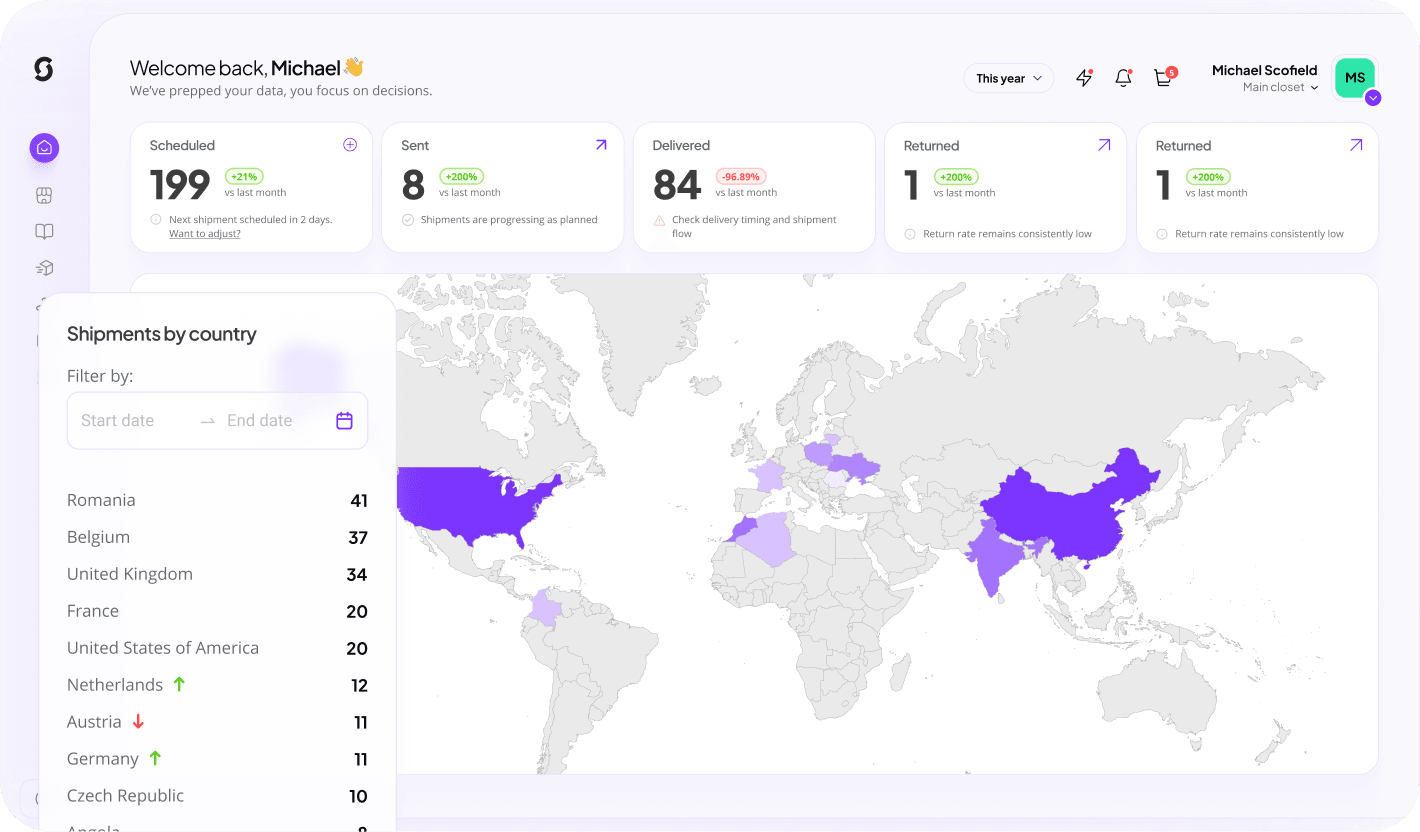
Collect sizes and addresses, then deliver one kit per person, wherever they are. A redeem page lets each participant choose their size and confirm their address, which removes the admin headache of a distributed team. Sunday handles international logistics and direct delivery to remote employees, so the campaign reaches everyone without a spreadsheet. See distribution and how it works.
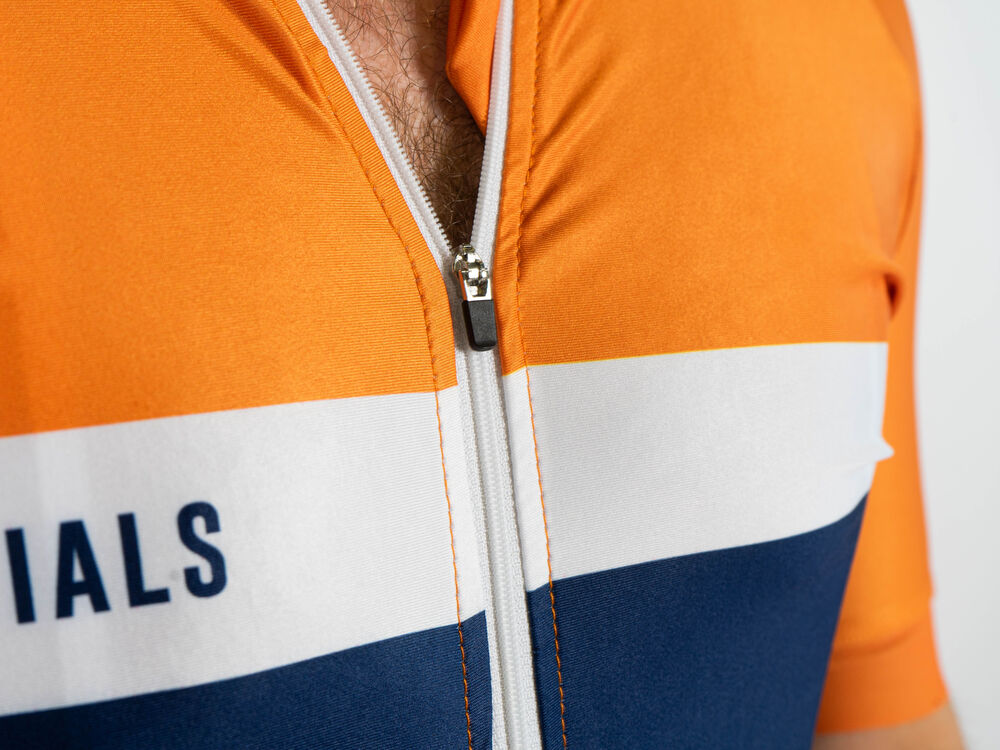
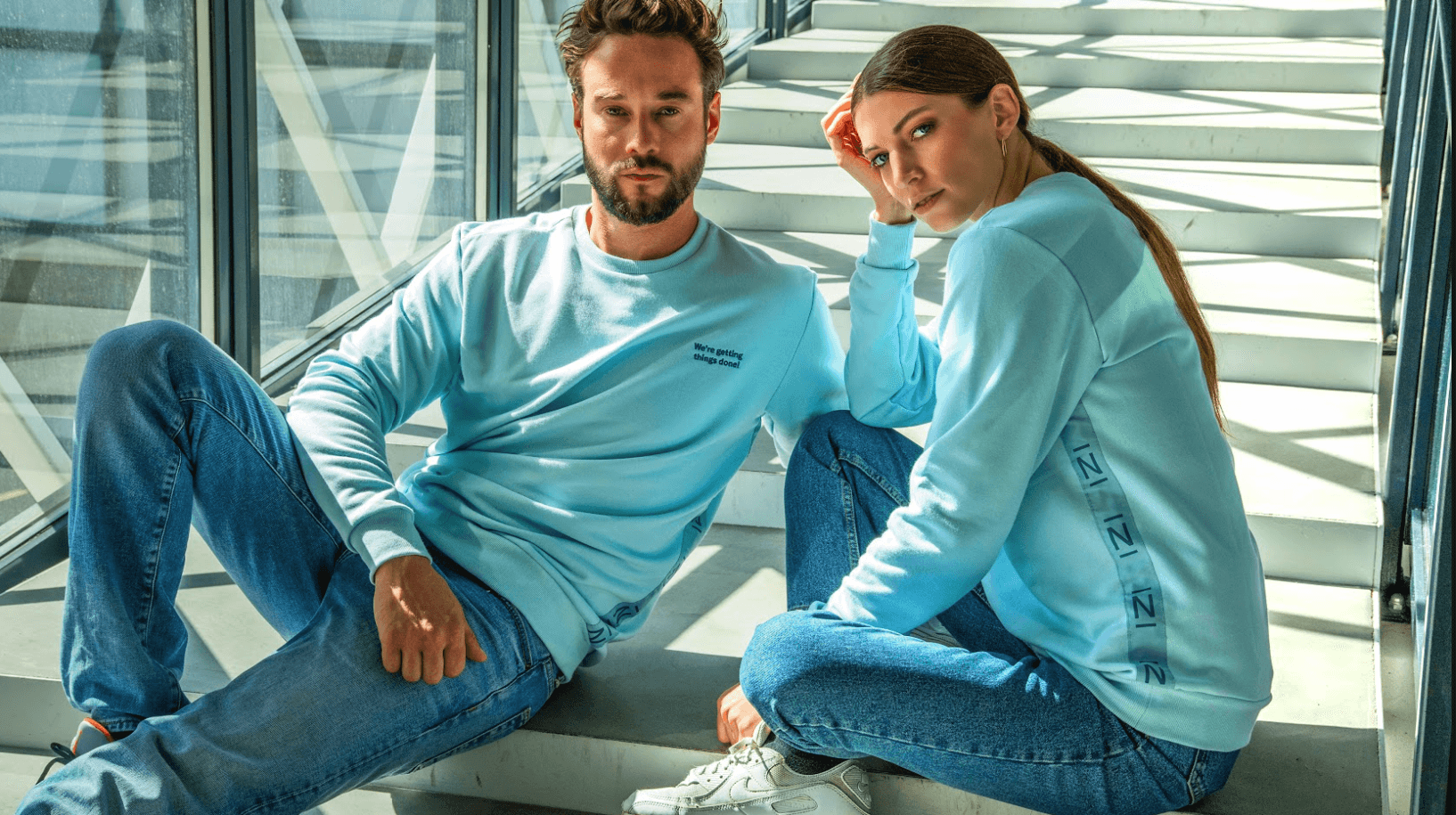
Whether in person or remote, every participant gets the kit. Direct delivery turns a scattered team into one visible movement.
Step 8: measure participation, not just spend
Merch is one component, so do not expect hard health outcomes from it alone. Track what it actually drives.
| Metric | What it tells you |
|---|---|
| Participation rate | Whether the merch is pulling people into the activity |
| Repeat participation | Whether the programme has staying power |
| Employee feedback | Whether it lands as genuine or tone-deaf |
| Programme visibility | Reach of worn merch and shared content |
| Wellbeing survey results | The broader effect over time |
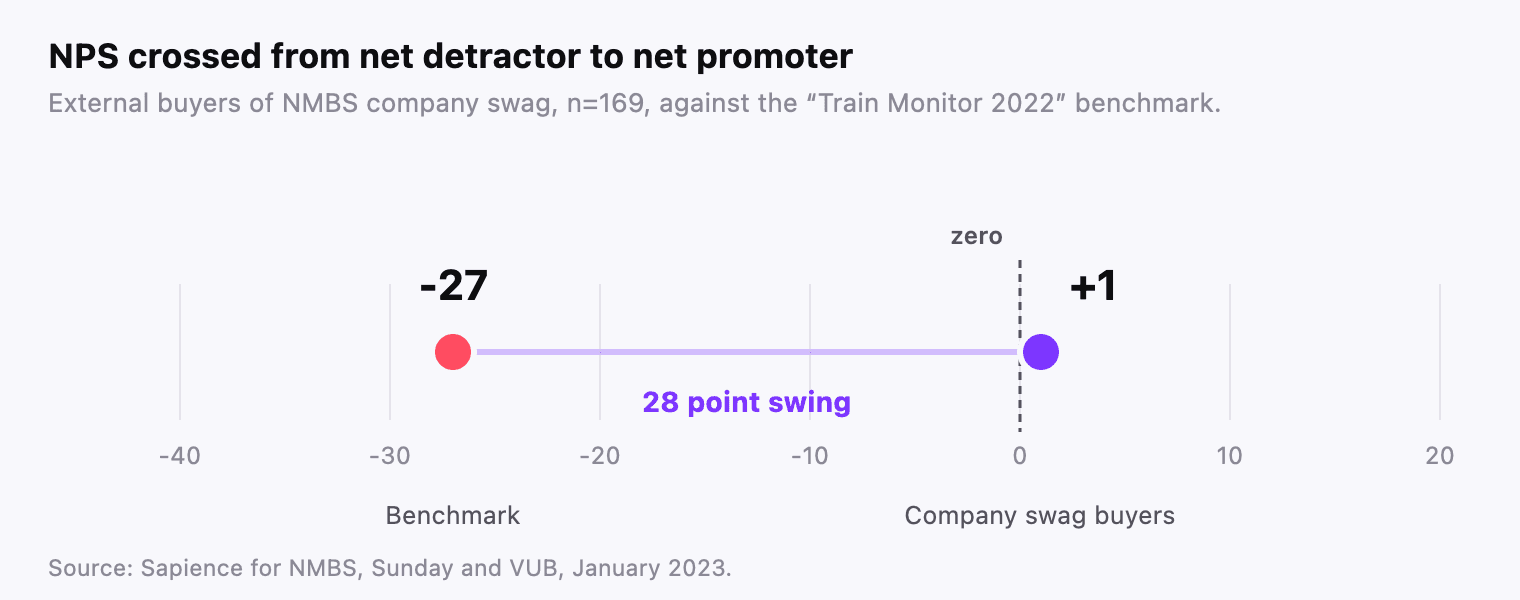
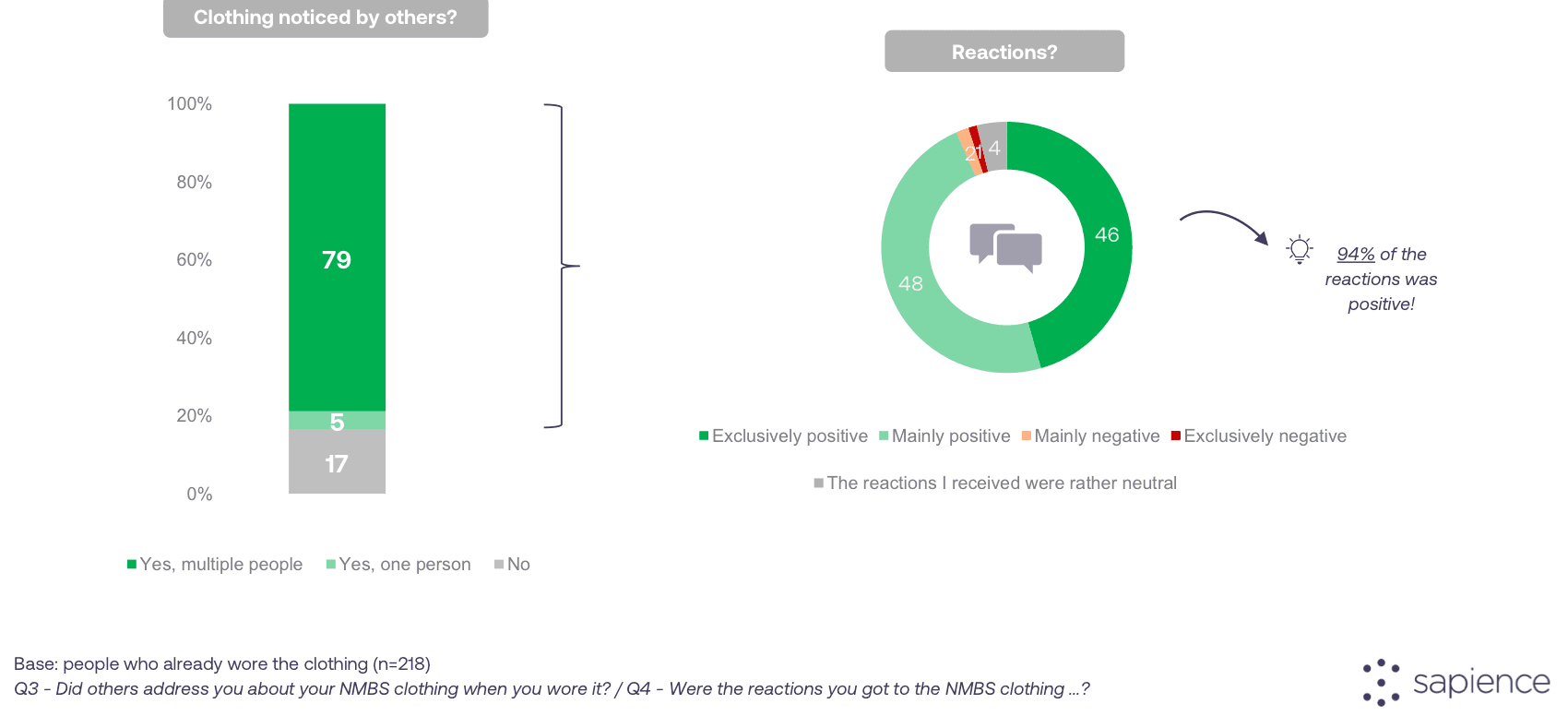
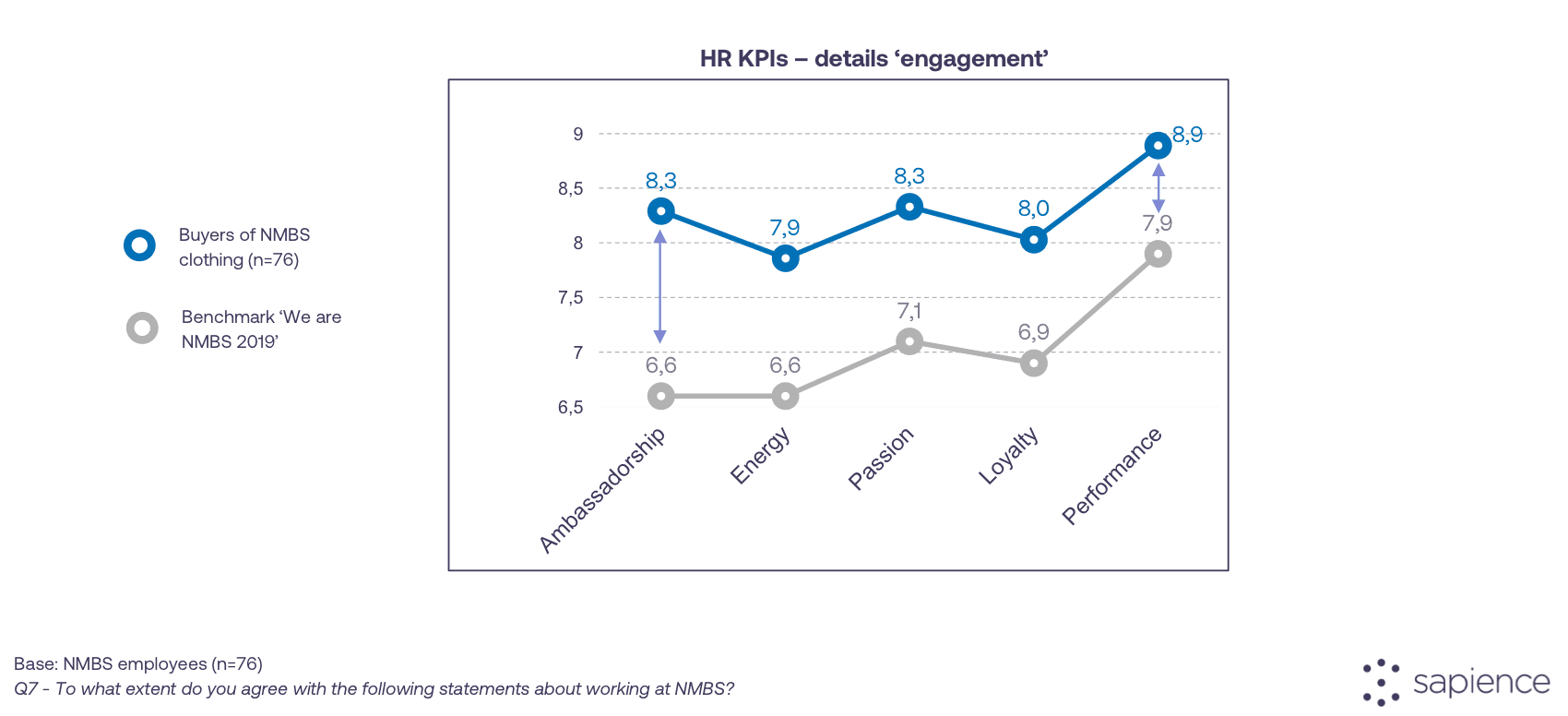
The standout metric is participation growth. One company saw a ten-mile run grow from around 10 employees to more than 100 once people saw the branded sports shirts and knew participants would get them. The merch is an incentive to join, and wearers become brand ambassadors. The real value is awareness, participation, employer branding and positive association, not strict merch ROI. And remember: you cannot fake a healthy culture. It has to come from a genuine place backed by real opportunities, not just branded products.
Running a wellness gifts program: questions answered
How do I run an employee wellness gifts program?
Start with a real activity such as a marathon team, a walking challenge or a wellness week, then choose accessible merch that supports it. Set a budget of around 25 to 30 euros per person, keep participation voluntary and inclusive, run remote challenges with direct-to-home delivery, and measure participation and repeat participation rather than merch spend.
What should a wellness program budget be per employee?
Generally around 25 to 30 euros per recipient depending on the activity, with a basic sports jersey around 15 euros. Combine two accessible items, like a jersey and a bottle, rather than spending the whole budget on one technical piece, and do not give pro-level kit to recreational participants.
How do I run a wellness program for remote employees?
Use virtual challenges such as Strava competitions, Fit-at-Home sessions, Peloton challenges or individual distance goals, then ship merch directly to each participant. A redeem page collects sizes and addresses, and the shared kit creates an internal movement even when nobody shares an office.
How do I measure a wellness gifts program?
Track participation rate, repeat participation, employee feedback, programme visibility, and wellbeing survey results over time. The standout metric is participation growth: branded merch is an incentive to join, so a run can grow from a handful of people to a crowd once the kit is introduced. Do not expect hard health outcomes from merch alone.
How do I avoid a tone-deaf wellness program?
Keep it inclusive and voluntary, since not everyone enjoys sport. Avoid making it overly competitive, because collaboration and shared progress beat winner-takes-all for most employees. Keep activities beginner-friendly, and remember you cannot fake a healthy culture, so it must come from genuine intent backed by real opportunities.
What merch works best for a wellness program?
Two or three complementary items tied to the activity: a jersey plus bottle, a running jacket plus bottle, or a towel, socks and bag packed into a fitness bag that doubles as packaging. Match the items to the activity and make sure they look good, because they are worn in public and represent the employer.
Keep reading: employee wellness gifts
Run your wellness program with Sunday
Design the kit, collect sizes and addresses, and deliver to every participant, in person or remote. Live in 30 seconds.
Build this campaign with Sunday