
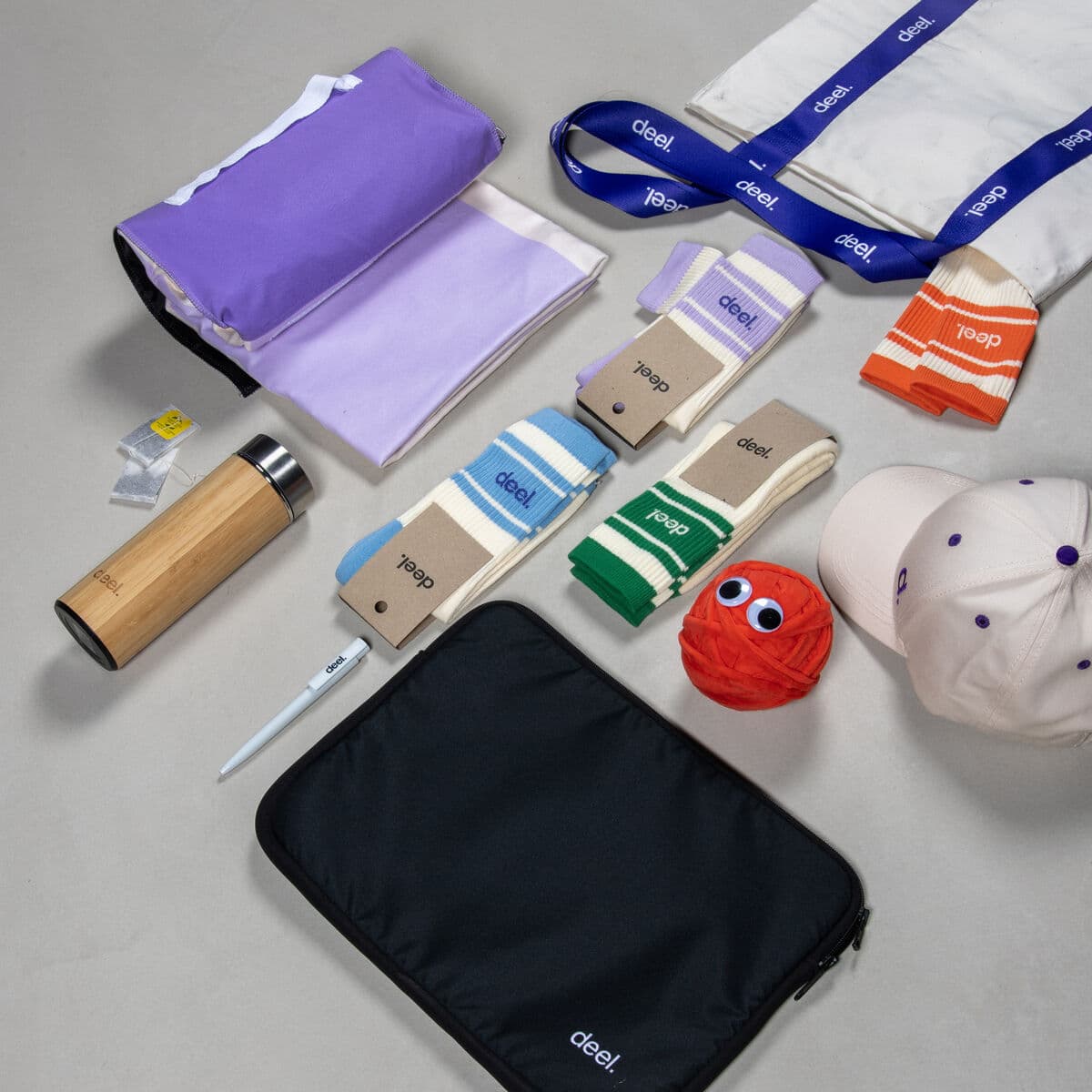
The best B2B event merchandise examples succeed because people keep, use or talk about the product after the event. Dilo made fully custom bags with a luggage-attach travel strap, Cloudflare built audience-specific collections like a gaming-event set, Deel ran collectible sock designs and popular bags, and AnyDesk used premium backpacks and tumblers for partner events. Each worked because the merch matched the audience and stayed useful, not because it was cheap or expected.
Event merch fails when it is chosen only because it is cheap, easy to distribute, or expected at a booth. It works when it gives people a reason to keep, use or talk about it afterwards, built on three principles: uniqueness, quality and usefulness, with tasteful branding that connects it to the company without feeling like disposable advertising. The examples below show all three in practice.
1. Dilo: fully custom travel bags with a luggage strap
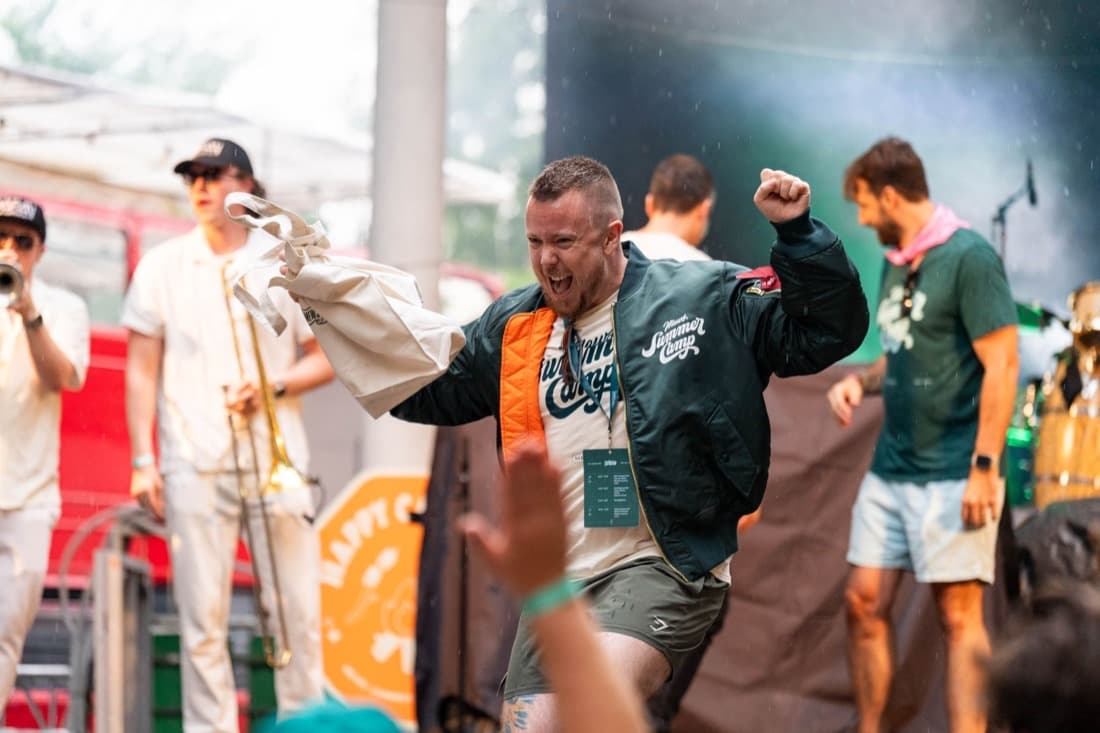
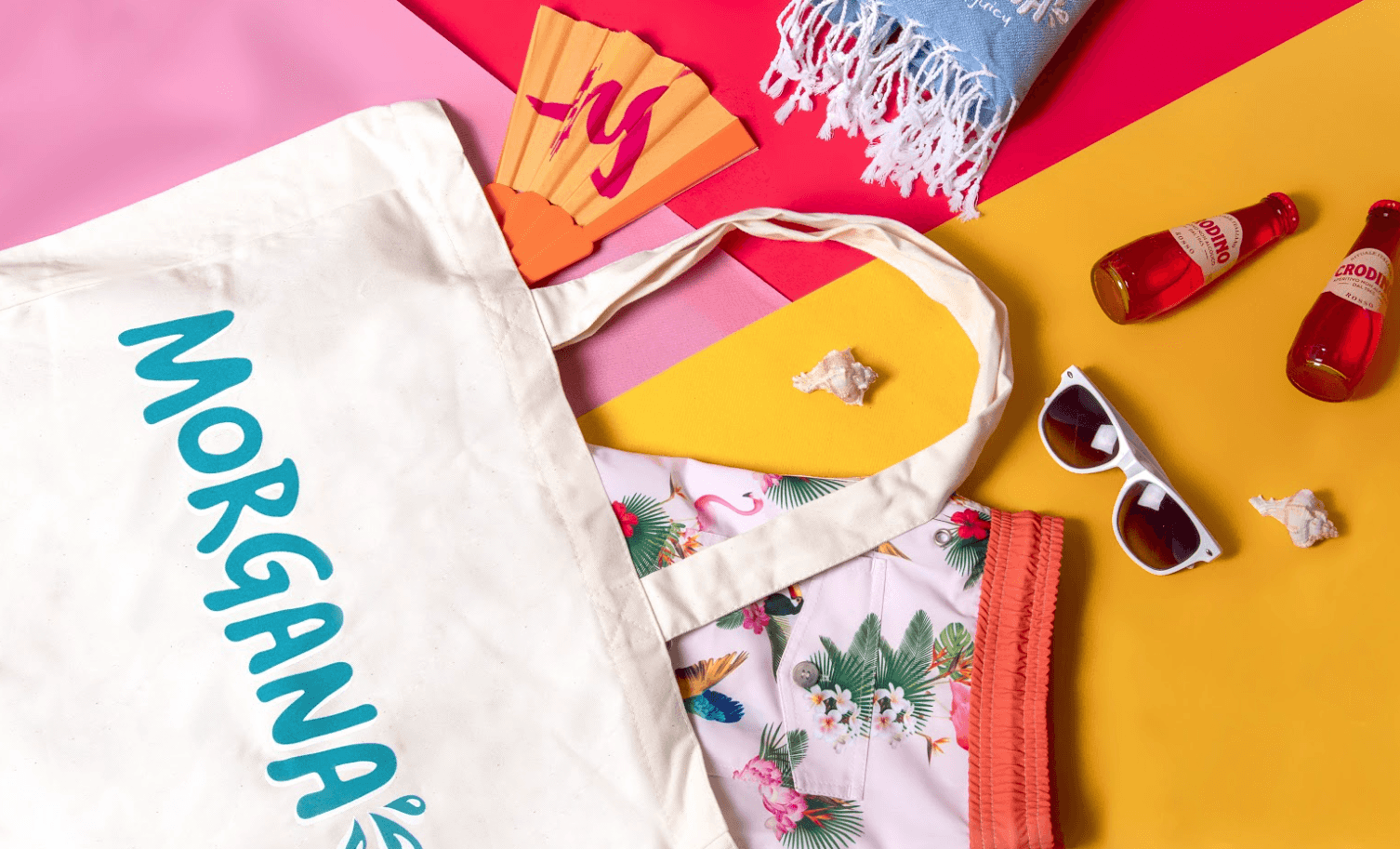
Dilo produced fully custom bags with a luggage-attach travel strap. Practical, distinctive and genuinely useful in travel, the bag earned ongoing visibility long after the event because people kept using it. That is the whole point: a useful product that travels keeps the brand in front of the recipient every time they pack.
The design lesson is the biggest, most useful bag wins. Visitors stuff other merch into the largest, best bag they get, so it becomes a mobile ad that travels the venue and then the airport. A premium tote, travel bag or oversized carrier does double duty as a giveaway and a billboard. Explore the bag options in the catalog.
A useful, premium bag is the example to copy. It carries other merch, travels the venue and the airport, and keeps the brand visible for months.
2. Cloudflare: audience-specific collections
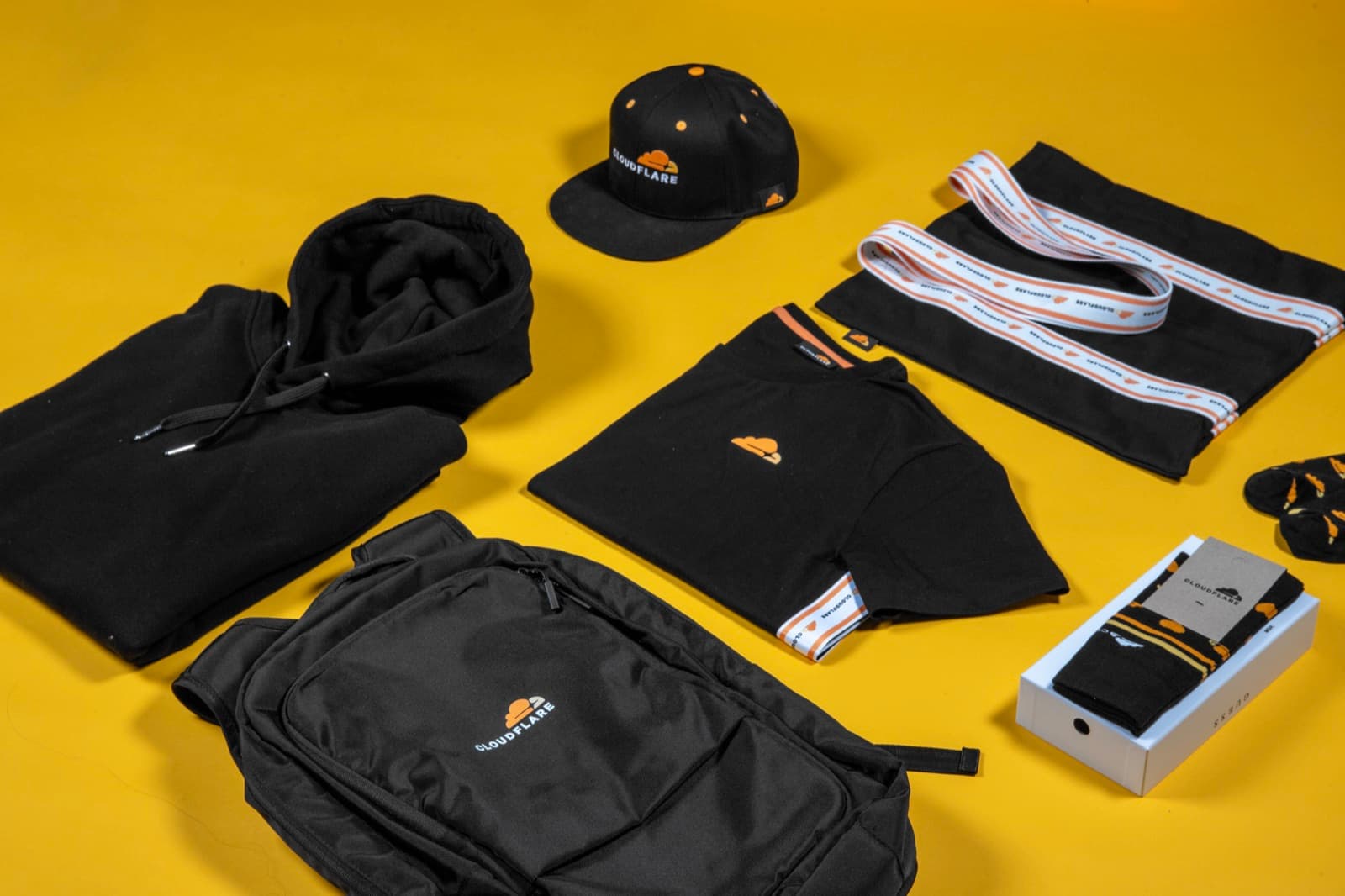
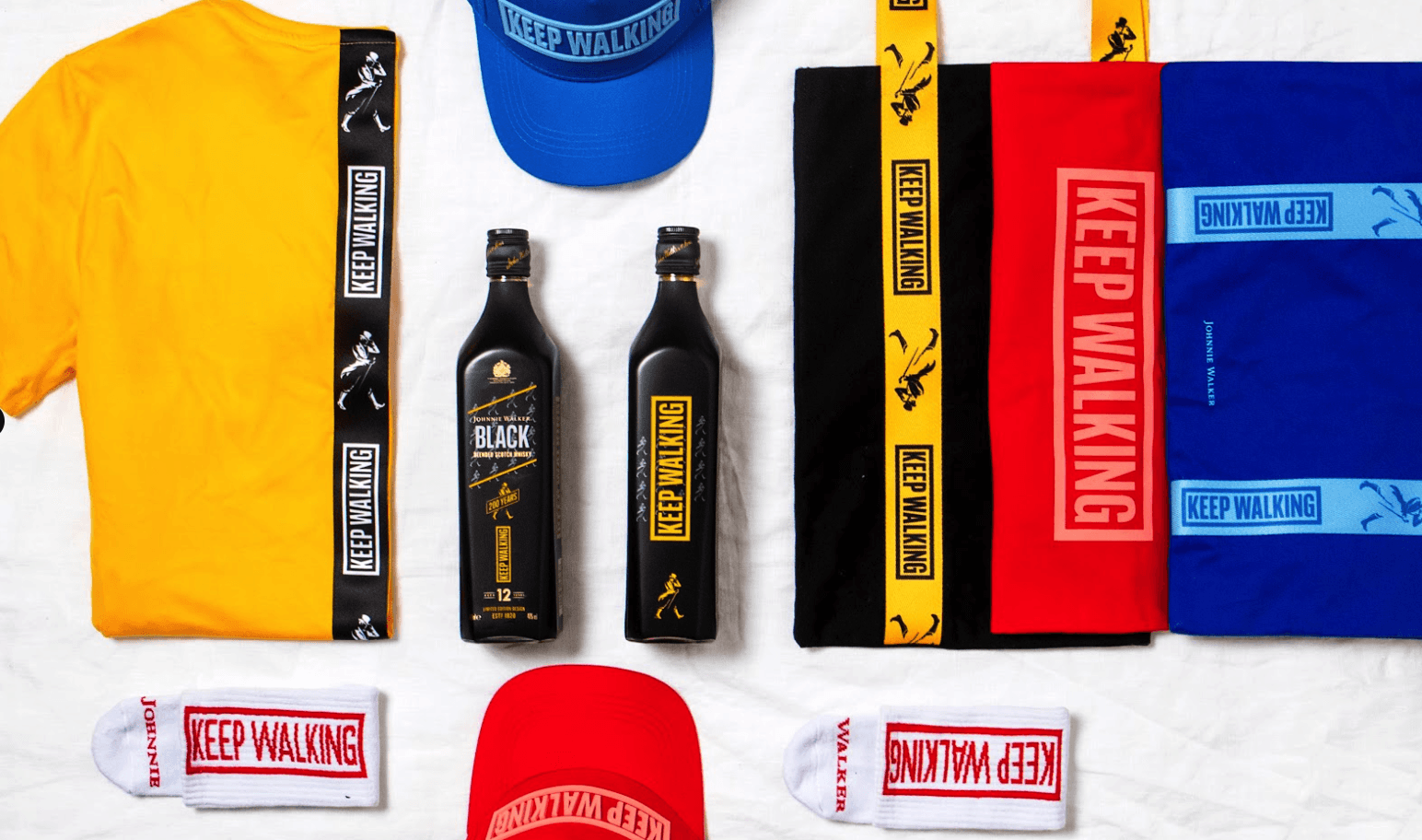
Cloudflare built audience-specific collections, including a gaming-event collection that matched gaming culture. It worked because it was not generic. When the merch speaks the language of the people in the room, it gets attention and recall that a generic logo item never earns.
The lesson is to design for the audience, not the average. A conference audience is more qualified than mixed booth traffic because they are there for a topic, an industry or a community. If your merch matches that audience, you can spend more per recipient on something more relevant, useful and substantial, and it lands harder.
3. Deel: collectible socks and popular bags
Deel ran a global collection built around collectible sock designs and products that created repeat engagement, and the bags were popular and highly visible. Collectible is the key word. A series of designs people seek out turns a one-off giveaway into ongoing engagement, because recipients want the next one.
Well-designed socks are a perfect example of the second principle: beautiful, high-quality familiar products. People keep a premium sock, an attractive mug, a durable bag or a high-quality bottle because they are executed well, not because they are unusual. Make them collectible and you create a reason to come back.
A curated collection beats a pile of random freebies. When every item is something people want to keep, the whole kit works harder.
4. AnyDesk: premium partner-event merch
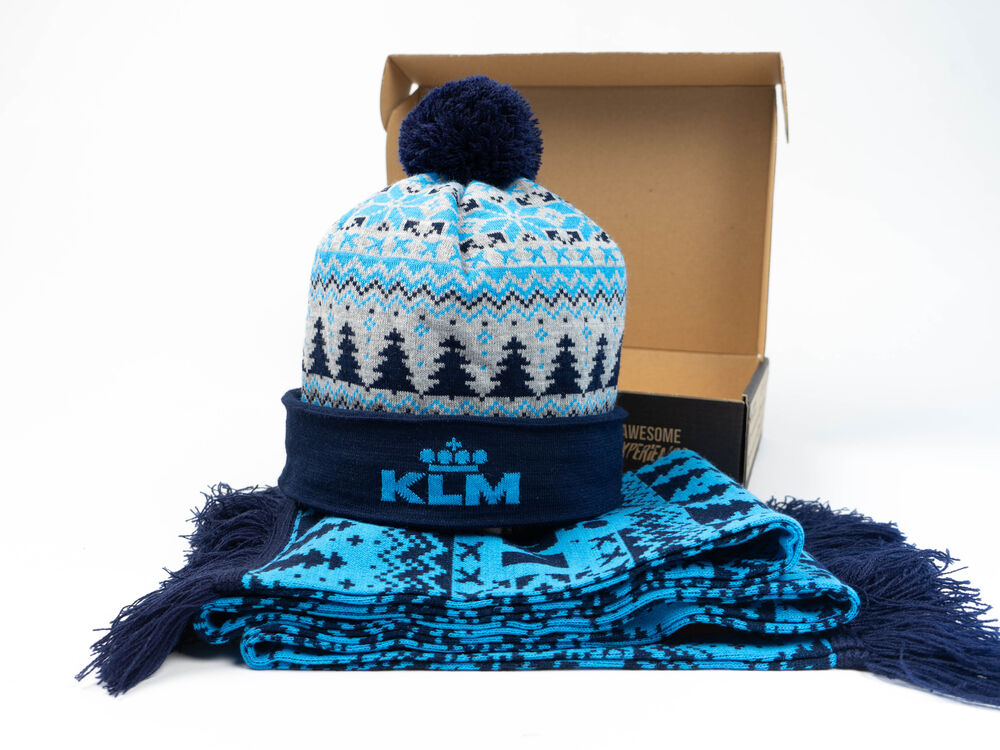
AnyDesk used more premium merch for partner events: backpacks, tumblers and co-branded items. It made sense because partner audiences are highly relevant and commercially connected, so the per-recipient spend is justified. When the audience is people you already do business with, premium and practical beats cheap and disposable every time.
This is the third tier of a smart event-merch strategy in action. Pre-identify the accounts you most want, known attendees, target accounts, partners, and prepare a tailored, higher-value gift tied to a clear commercial objective. The budget tracks the commercial importance of the recipient.
Premium partner merch in a presentation box. When the audience is people you already do business with, higher-value and practical beats cheap and disposable.
5. The shared patterns
Different companies, different products, but the same playbook underneath.
| Company | What they did | Why it worked |
|---|---|---|
| Dilo | Custom bags with a luggage-attach strap | Useful in travel, ongoing post-event visibility |
| Cloudflare | Audience-specific gaming collection | Matched the culture, not generic, high recall |
| Deel | Collectible socks + popular bags | Repeat engagement, premium familiar products |
| AnyDesk | Premium partner merch: backpacks, tumblers | Spend matched a relevant, connected audience |
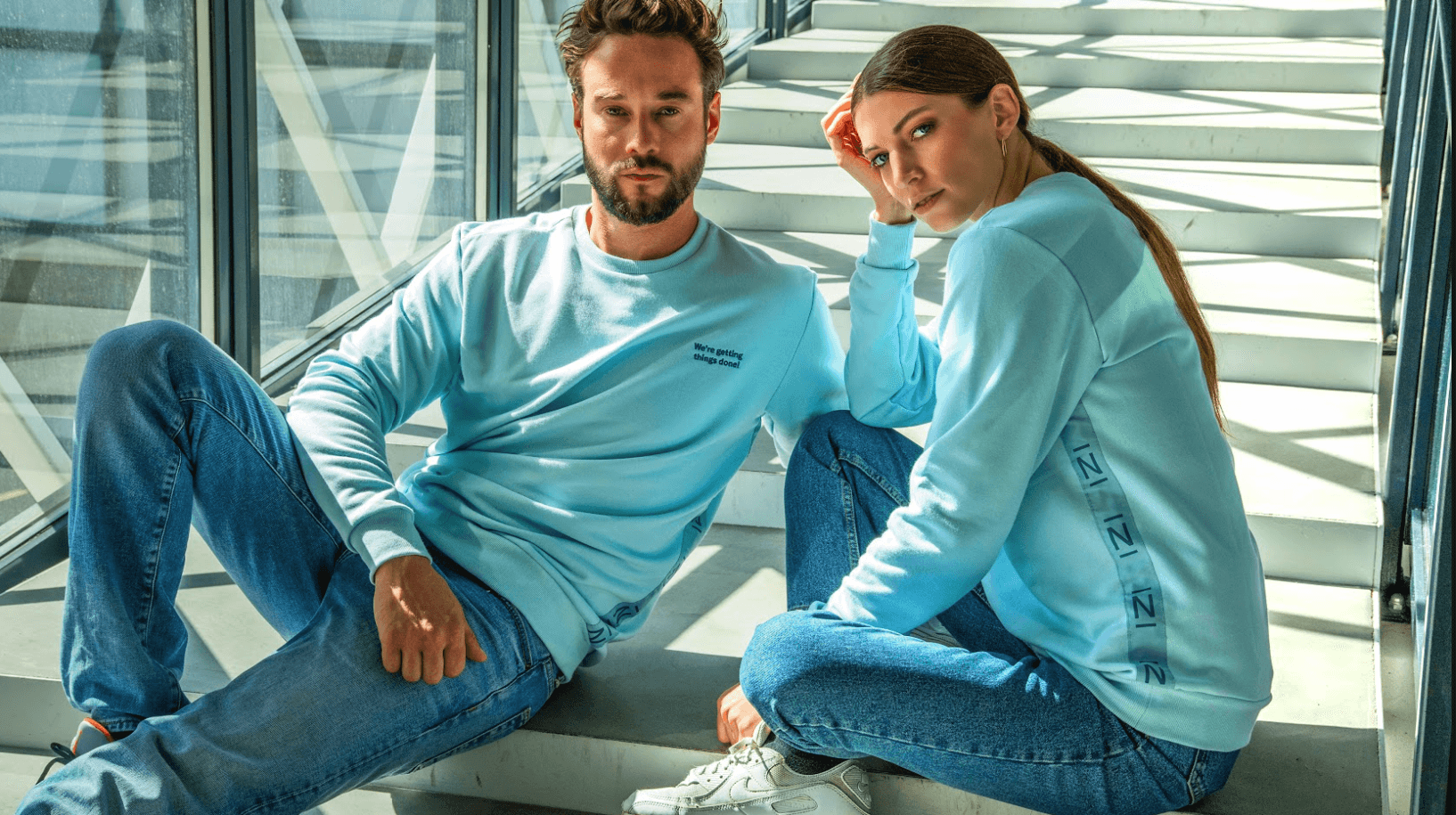
Three things people keep: unique products they have never seen, beautiful high-quality familiar products, and genuinely useful products like chargers, dongles, travel adapters and practical travel items. Even a useful product gets binned if it is drowned in branding, so keep the branding restrained.
6. A model you can copy
You do not need a famous logo to apply these examples. Use the three-tier model that runs underneath all of them:
- Tier 1, volume giveaways. Affordable, easy to distribute, memorable, available in volume, for general booth traffic and basic recall.
- Tier 2, gifts for ideal prospects. More distinctive and valuable, handed to ICP-match visitors at the booth or sent afterwards via a redeem page.
- Tier 3, strategic gifts. Pre-identified target accounts and partners get a tailored, high-value gift tied to a clear commercial objective.
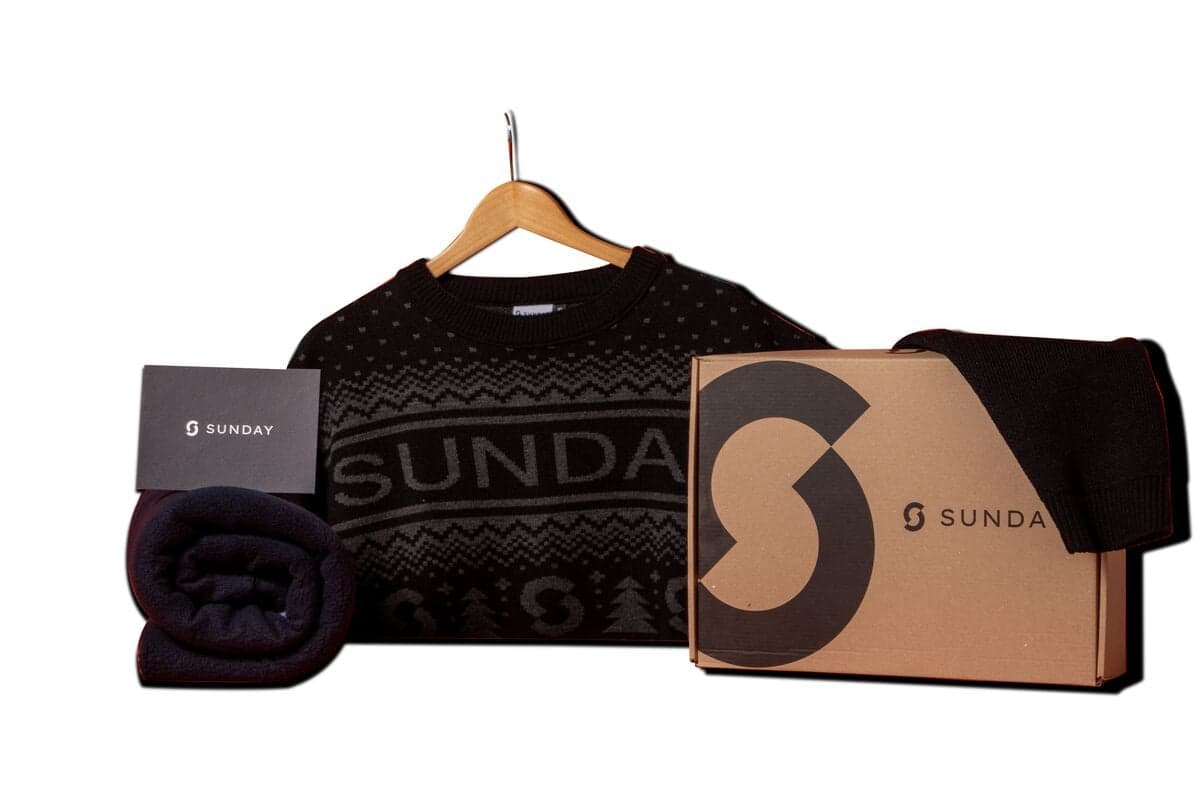
For food activations, festivals and tastings, the apron is itself event merch: a crew apron or a premium gifting apron fits a tasting or BBQ activation perfectly. Design one on the custom aprons page, or preview a design in the free apron mockup generator. To make any of this operable, Sunday handles distribution and kitting.
Keep reading: event merchandise
Build your event merch campaign with Sunday
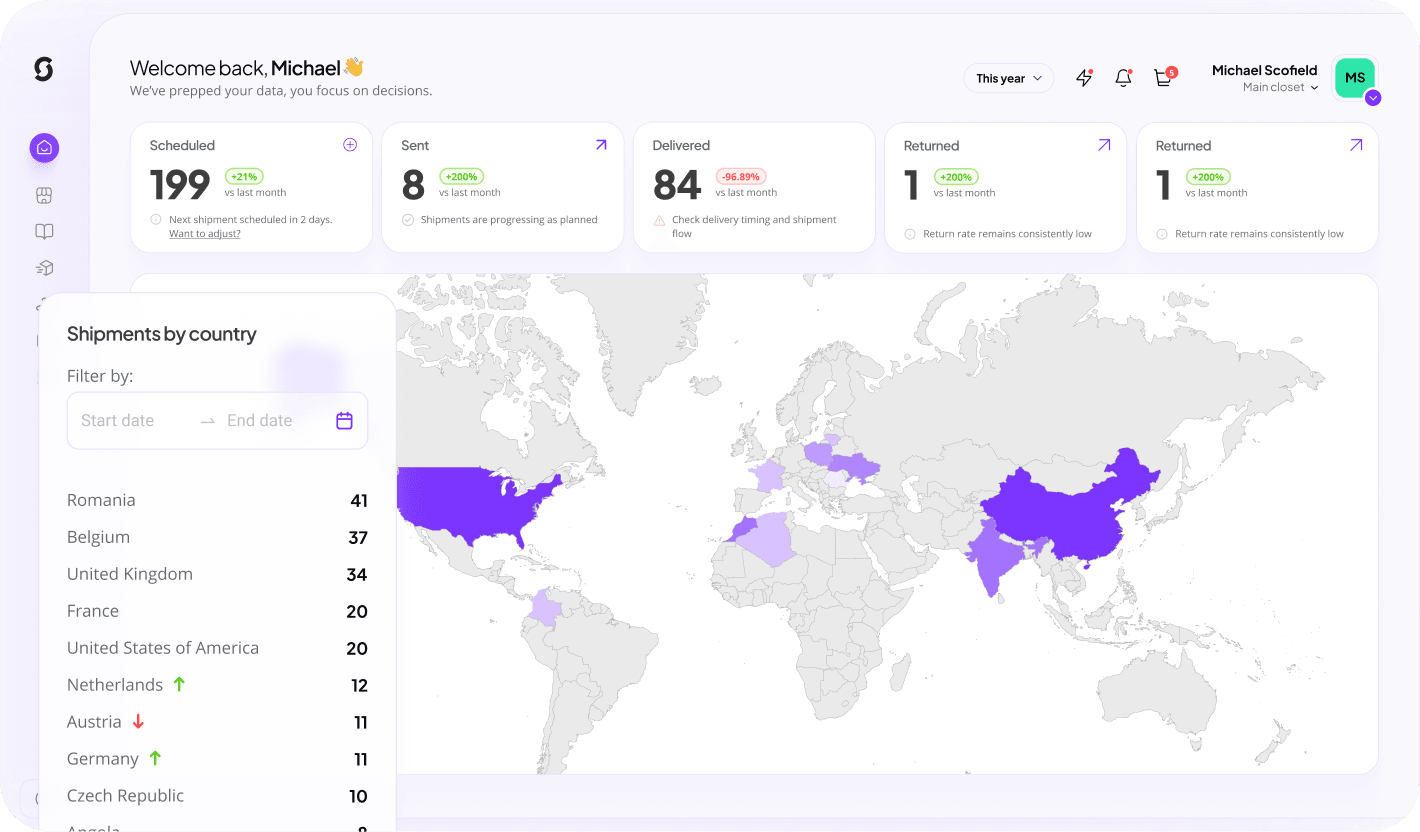
Forecast, bulk order, store, kit and ship to every event in 1 to 2 days, with redeem pages and tracking so you know exactly who received what.
Build this campaign with Sunday