
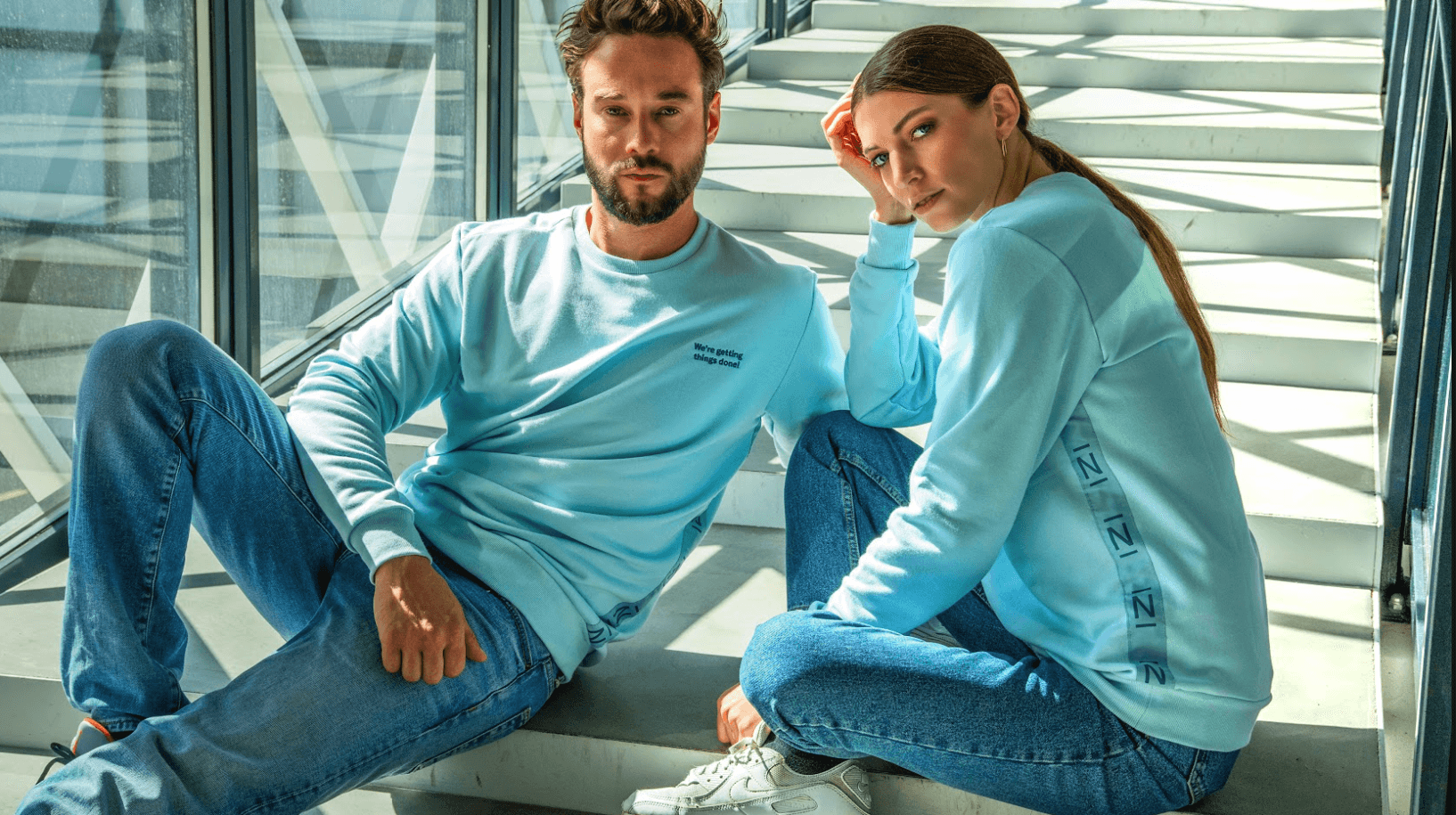

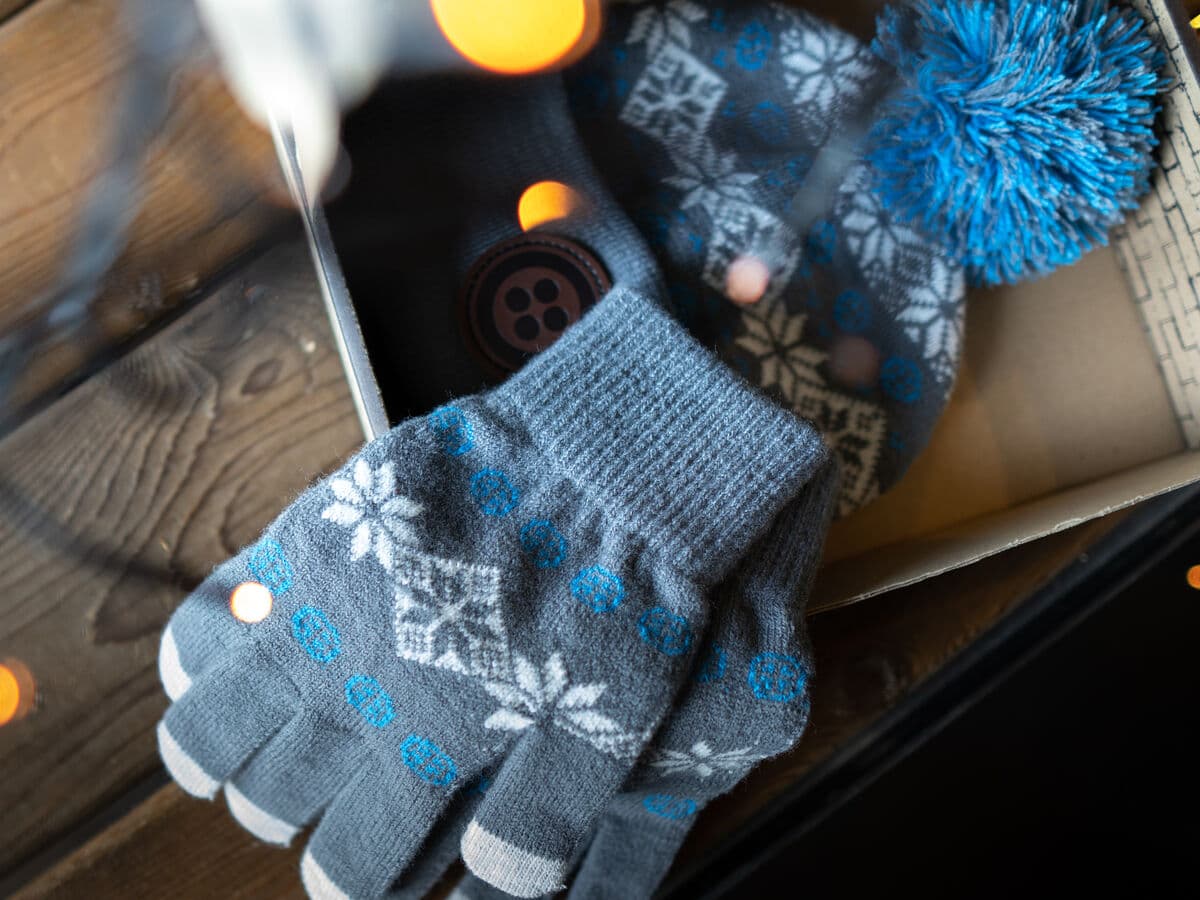
To automate event merchandise, stop ordering per event. Forecast the merch you will need across the next 3 to 6 months of events, bulk order it for a single discount, and store it at Sunday. Then ship to each event in 1 to 2 days, capture every recipient with a redeem page or scan, and let the platform follow up automatically. Send strategic gifts before the event to drive booth visits, and reward captured leads with a send afterwards.
Event merch fails operationally when every event triggers a fresh rush order: high prices, tight deadlines and stress. The fix is to treat merch as a forecasted, stored, distributed program rather than a series of one-off orders. Here is the model, step by step, on the platform.
1. Forecast, bulk, store, ship in 1 to 2 days
This is the core of the automation, and it removes both the cost and the deadline risk in one move.
-
Forecast 3 to 6 months of events
Map the events on your calendar for the next quarter or half-year and the merch each one needs. Special and custom items need runway, so always plan ahead. Forecasting once, for the whole period, is what unlocks every benefit downstream.
-
Bulk order for one discount
Order the forecasted merch in bulk, in a single production run, for one bulk discount. This is materially cheaper than rush-producing per event, and it avoids the per-event scramble entirely.
-
Store it at Sunday
Hold the inventory at Sunday rather than in an office cupboard. Stored, kitted and ready, the merch is available on demand for whatever event comes next, with no per-event lead time.
-
Ship to each event in 1 to 2 days
When an event approaches, Sunday kits and ships to the venue in 1 to 2 days. The net effect is far safer deadlines, much less stress and a lower price than rush production. One forecast replaces a dozen panic orders.
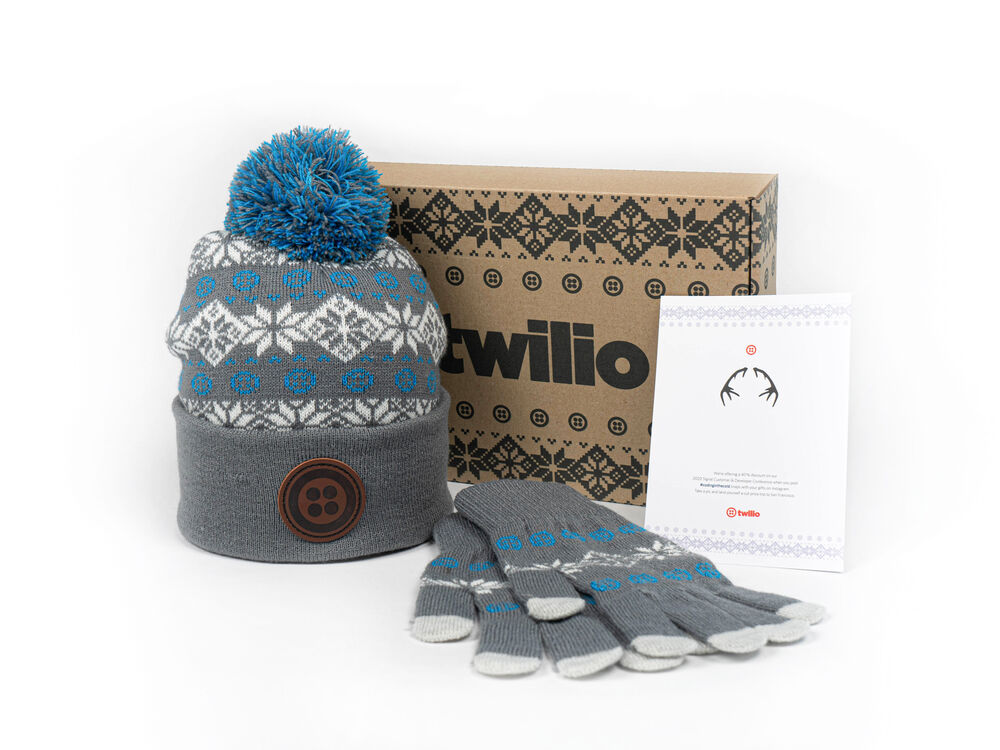
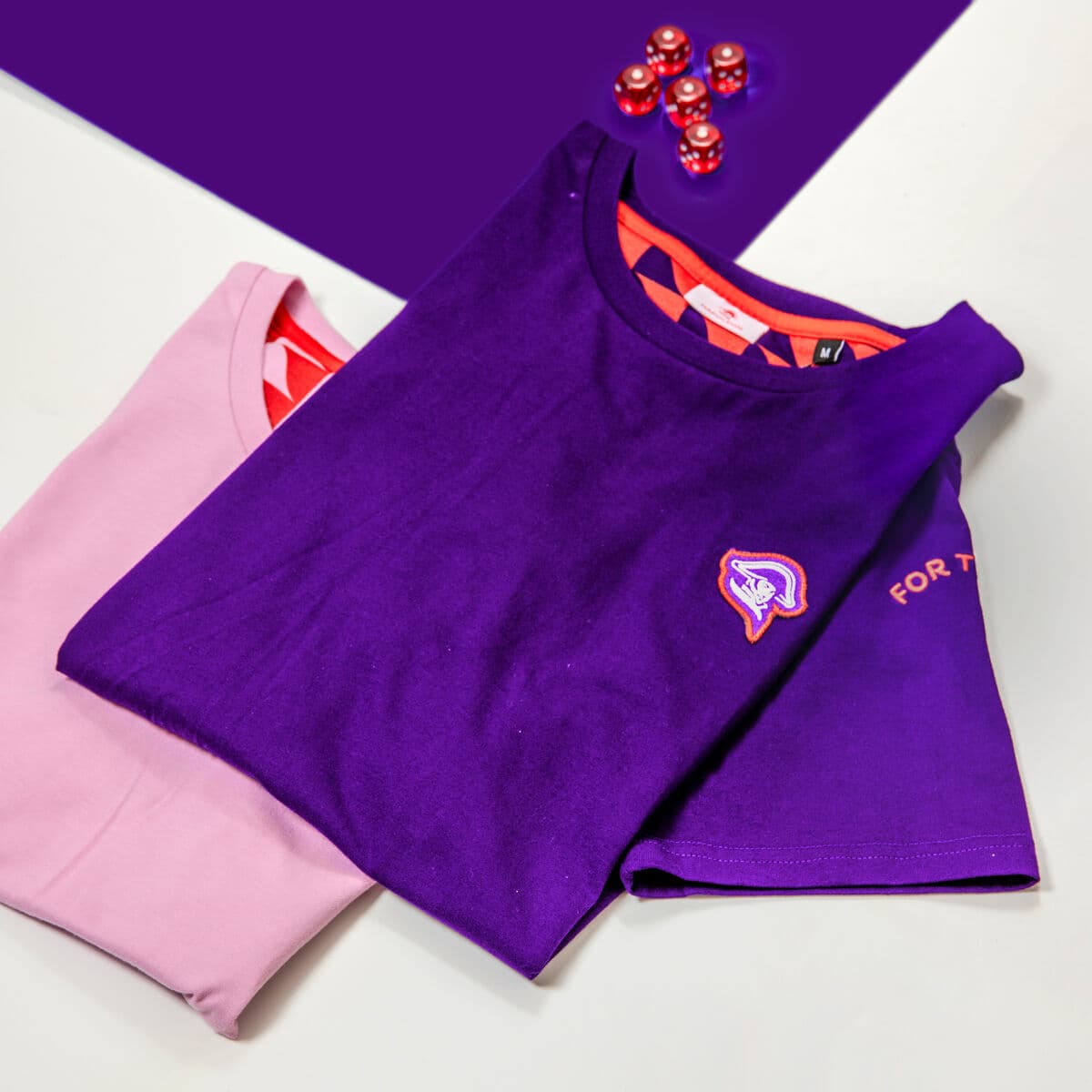
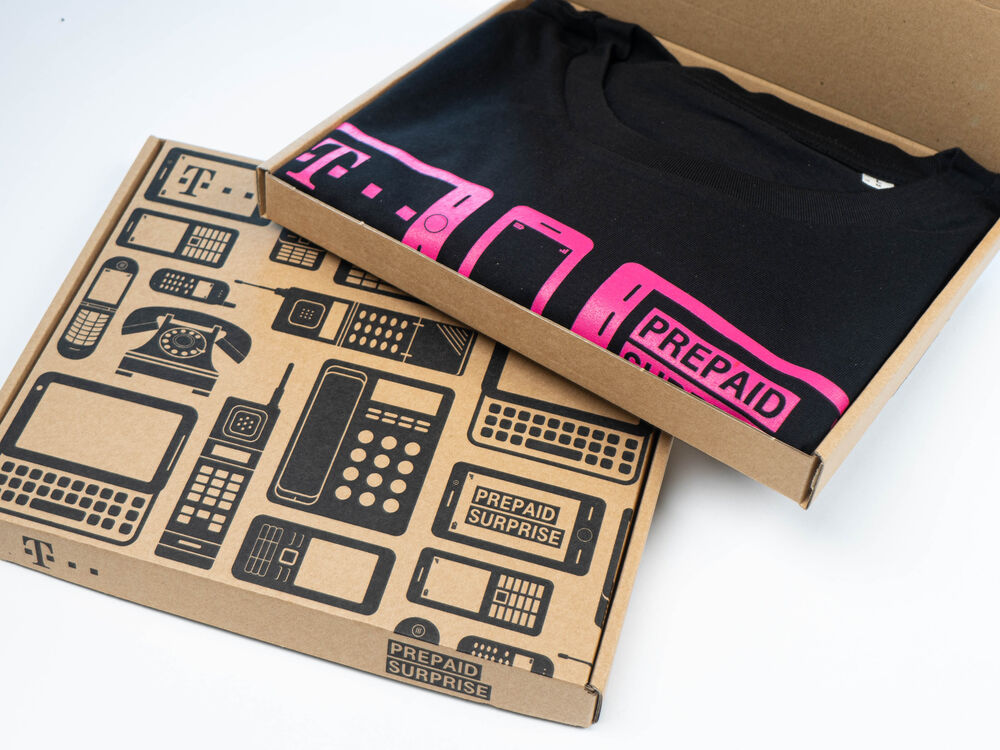
Forecasted merch, bulk produced and stored at Sunday. Kitted and ready, so each event ships in 1 to 2 days instead of triggering a rush order.
2. Redeem pages and lead capture
Handing an item over physically is only one option, and often not the best one. A redeem page or lead-capture flow lets a booth visitor claim a gift online, which means you capture their details before anything ships. Tier-2 gifts for ideal prospects can be captured at the booth and sent afterwards, so you protect premium inventory and qualify the recipient at the same time.
The redeem page does three jobs at once: it removes the need to carry stock to every booth, it captures the lead, and it gives you a clean record of who claimed what. See how distribution works on the distribution page.
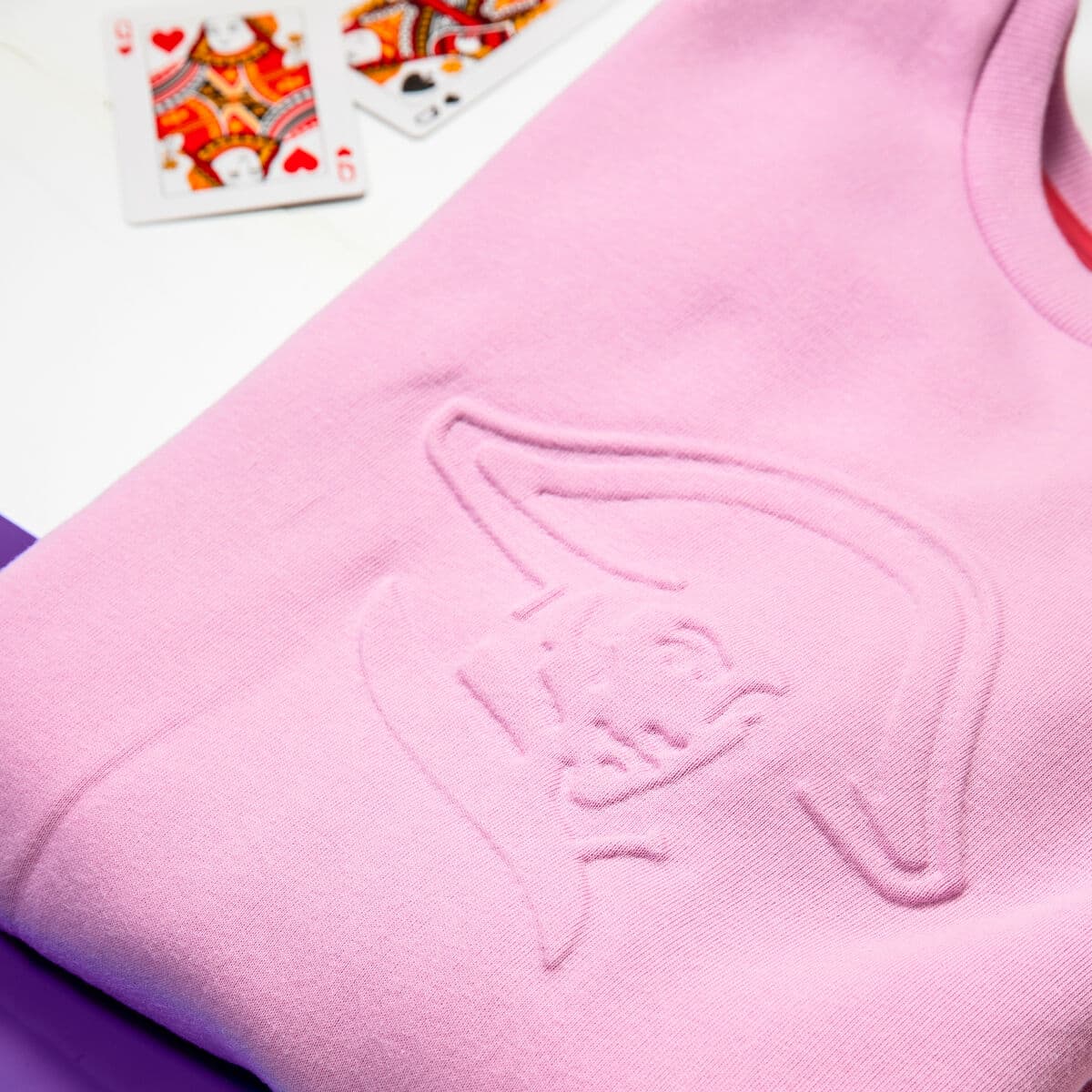
A redeem flow captures the recipient first, then ships the gift. You qualify the lead, protect premium stock, and get a clean record of who claimed what.
3. Send merch before or after the event
Sometimes it is better to ship the gift before or after the event than to hand it out on the floor.
- Before the event. Send a pre-event kit to booked meetings and VIPs to pull them to your booth. The kit drives the visit, so the gift does the work before the doors even open.
- After the event. Reward captured, qualified leads with a post-event send. It continues the conversation and lets you track every recipient, which makes ROI measurable.
Sunday enables both, so the gift lands at the moment it has the most commercial impact rather than at the moment a visitor happens to walk past the booth.
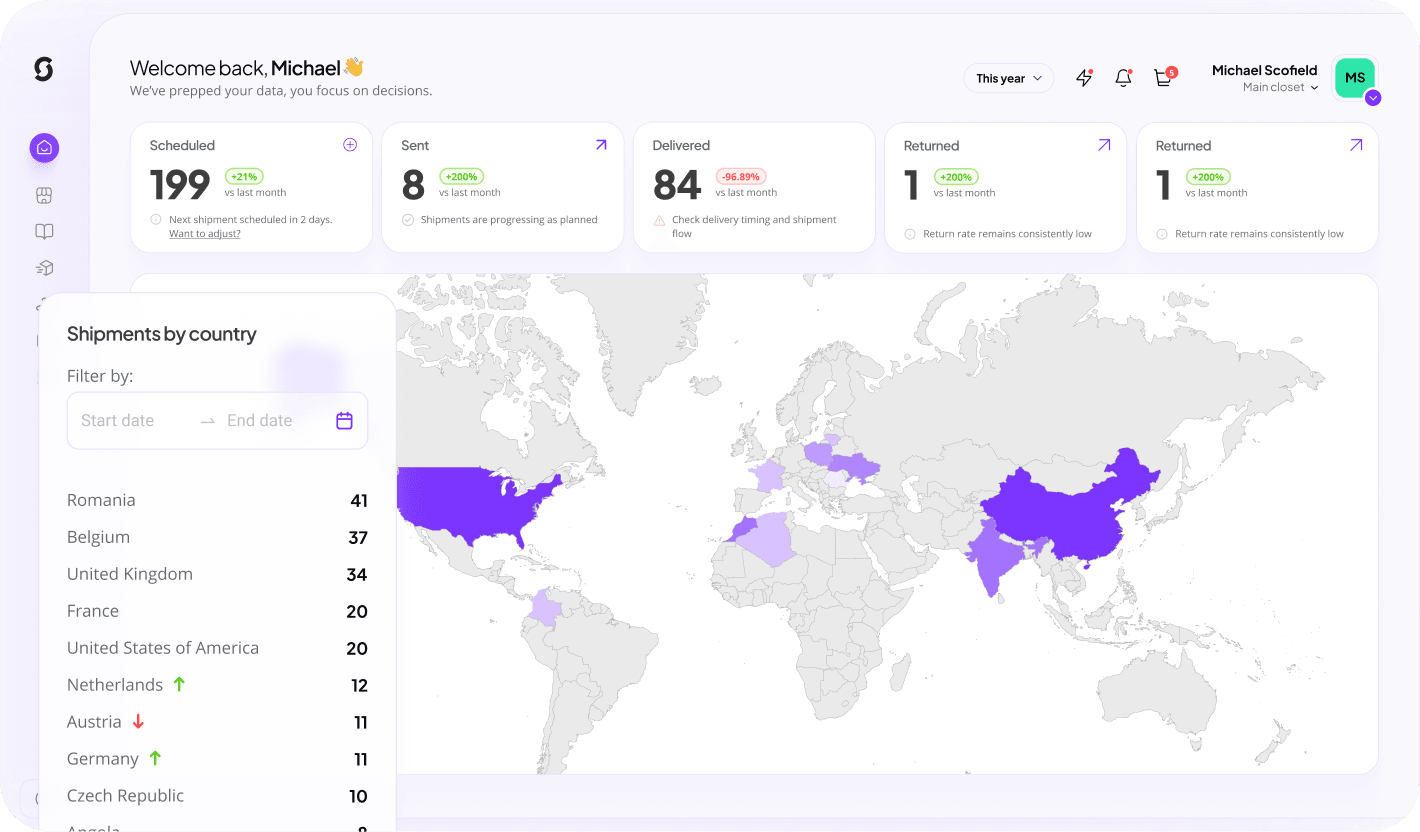
Pre-event kits pull people to the booth; post-event sends reward captured leads. The same stored inventory ships to either, on the timing that converts best.
4. Track every recipient for measurable ROI
The key to ROI is to lock the person when you hand an item out: capture them via a landing page, redeem page or scan. Then you can check conversion rates later, and the platform can follow up automatically: did they like the item, like the brand, are they interested. As long as you track every item handed out, ROI is easy to measure because you know exactly who received what. Untracked handouts are the ones you cannot measure.
| Step | What it removes | What it adds |
|---|---|---|
| Forecast + bulk | Per-event rush pricing | One bulk discount |
| Store at Sunday | Office cupboard chaos | On-demand inventory |
| Ship in 1 to 2 days | Deadline stress | Reliable delivery |
| Redeem page + scan | Anonymous handouts | Captured leads |
| Track + auto follow-up | Guesswork on ROI | Measurable conversion |
5. Automate the three-tier model
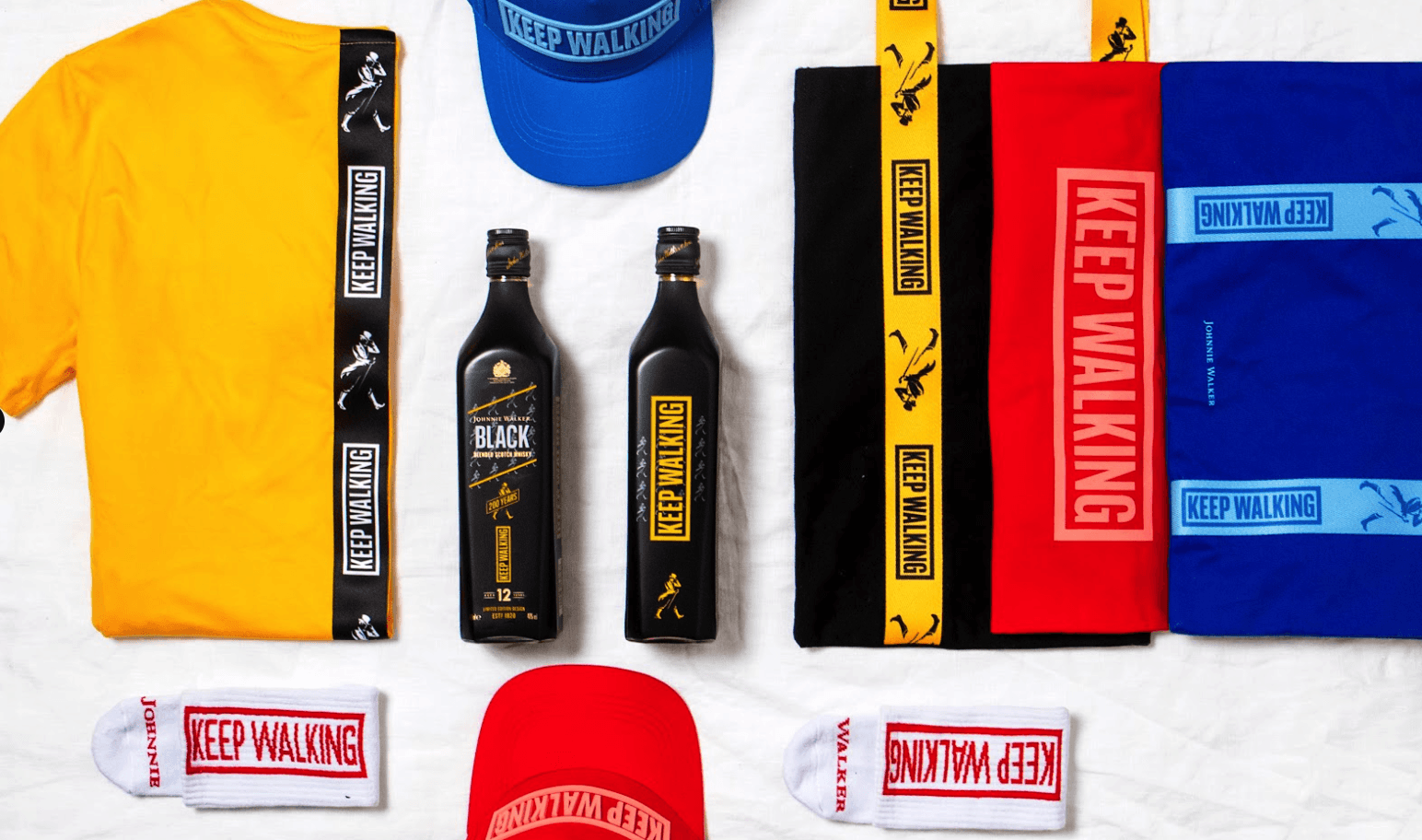
The forecast-store-ship-track engine is what makes a smart event-merch strategy operable. Tier-1 volume giveaways ship in bulk to each booth. Tier-2 gifts for ideal prospects are captured at the booth via a redeem page and sent afterwards. Tier-3 strategic gifts go out before the event as pre-event kits to booked meetings and VIPs. Every recipient is tracked, so budget tracks commercial importance and nothing is wasted.
For food activations and tastings, the apron is part of the kit. A branded apron forecasts, stores and ships exactly like the rest of your merch. Design one on custom aprons, or preview a design in the free apron mockup generator. Curious how it runs end to end? Read how it works.
About this article
Keep reading: event merchandise
Automate your event merch with Sunday
Forecast, bulk order, store, kit and ship to every event in 1 to 2 days. Redeem pages, pre and post-event sends, and tracking on every recipient.
Build this campaign with SundayAutomating event merchandise: questions answered
How do you automate event merchandise?
Stop ordering per event. Forecast the merch you will need across the next 3 to 6 months of events, bulk order it for a single discount, and store it at Sunday. When each event approaches, Sunday kits and ships to the venue in 1 to 2 days. Add redeem pages to capture recipients, send strategic gifts before the event and reward captured leads afterwards, and track every recipient so ROI is measurable.
Why is bulk ordering cheaper than ordering per event?
Because one forecasted bulk order earns a single bulk discount and avoids rush-production pricing on every individual event. Special and custom items need runway, so per-event ordering forces expensive rush jobs and tight deadlines. Forecasting 3 to 6 months ahead, ordering once and storing the inventory at Sunday gives you a lower price, far safer deadlines and much less stress than a dozen separate orders.
How fast can merch ship to an event?
When merch is forecasted, bulk produced and stored at Sunday, it is kitted and ready, so each event ships in 1 to 2 days. That speed is only possible because the production happened earlier, in bulk. Per-event ordering, by contrast, depends on production lead times that can run weeks, which is what creates deadline risk. Storing inventory ahead of time turns shipping into a fast, low-stress step.
What is a redeem page for event merch?
A redeem page is a landing page where a booth visitor claims a gift online instead of taking it physically. It captures the recipient's details before anything ships, which qualifies the lead, protects premium inventory and gives you a clean record of who claimed what. Tier-2 gifts for ideal prospects are often captured this way at the booth and sent afterwards, which is both cheaper to run and easier to track.
Should I hand out merch at the booth or send it?
It depends on the goal. Volume giveaways work handed out at the booth. But strategic gifts often work better sent before the event, as a pre-event kit that pulls booked meetings and VIPs to your booth, or after the event, as a reward for captured, qualified leads. Sending lets you track every recipient and measure ROI, so sometimes shipping before or after beats handing out on the floor.
How do I track ROI on event merchandise?
Lock the recipient when you hand an item out by capturing them through a landing page, redeem page or scan. Then you can check conversion rates later and the platform can follow up automatically to gauge interest. As long as you track every item handed out, ROI is easy to measure because you know exactly who received what and can tie it to pipeline. Untracked handouts are the ones you cannot measure.