
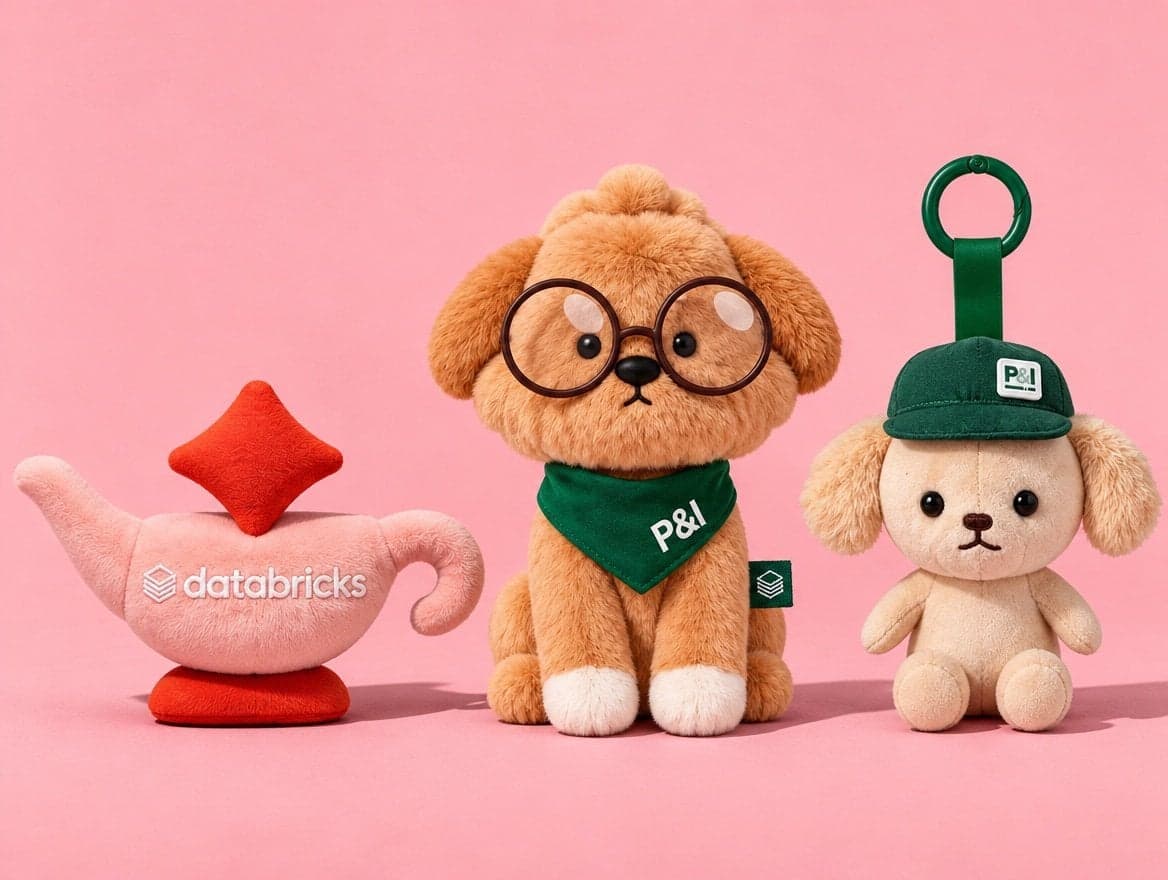
Choosing a custom plush manufacturer comes down to eight questions. The answers tell you whether your plush arrives on time, looks like your mascot and is legal to hand to a child. Here's the checklist we use ourselves. If you'd rather skip the sourcing, brief your plush on our custom plush toys page and get a free design proposal.
1. What is the minimum order?
Fully custom plush needs its own pattern and sample, so minimums are usually in the hundreds. Sunday's minimum is 500 pieces per design, with volume discounts from 1,000. Be wary of very low minimums on fully custom designs. They often mean a stock body with a printed patch, not a plush built around your character.
2. Do I get a physical sample before production?
Always ask for one. Photos and 3D renders hide the things that matter: stitching, how the face sits, how soft the fabric is. Agree up front how many sample rounds are included and what a change costs.
3. What is the full lead time?
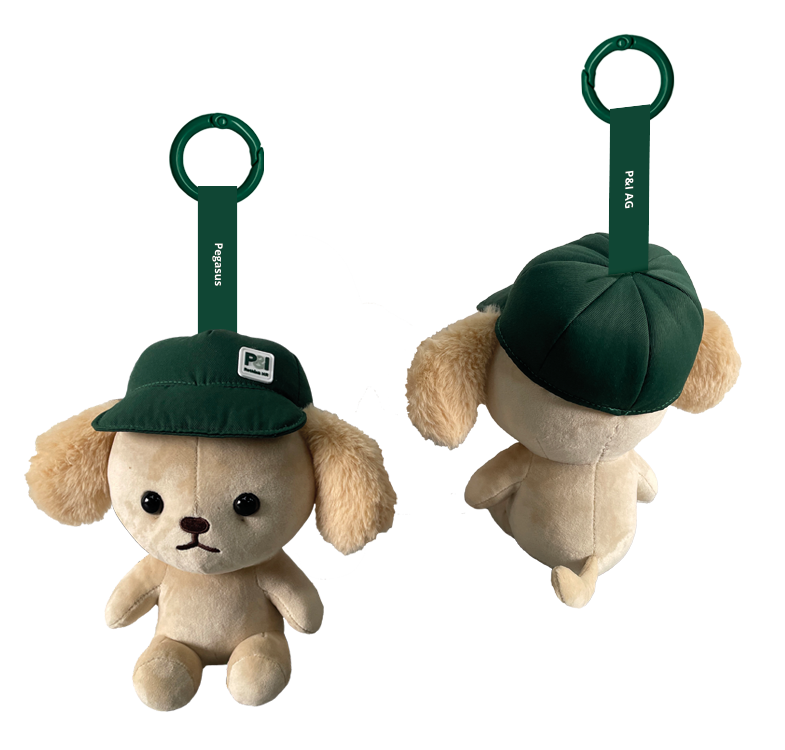
Ask for the time from approved design to delivery at your door, not just the production time. Shipping from Asia by sea adds weeks. At Sunday, plan around 18 weeks (126 days) from design approval to delivery, sample, quality control and shipping included. Work backwards from your event date and add a buffer.
4. Europe or Asia?
| Europe | Asia | |
|---|---|---|
| Price at 500 pieces | Often lower | Often higher |
| Transport | Short, by road | Long, by sea or air |
| Carbon footprint of transport | Lower | Higher |
| Communication | Same time zone | Hours apart |
Sunday produces the Regular plush in Europe or Asia and the Large plush in Asia. For the Regular size, Europe is usually the better deal at 500 pieces. Read what drives the price of custom plush for the other factors.
5. Is it tested to toy safety standards?
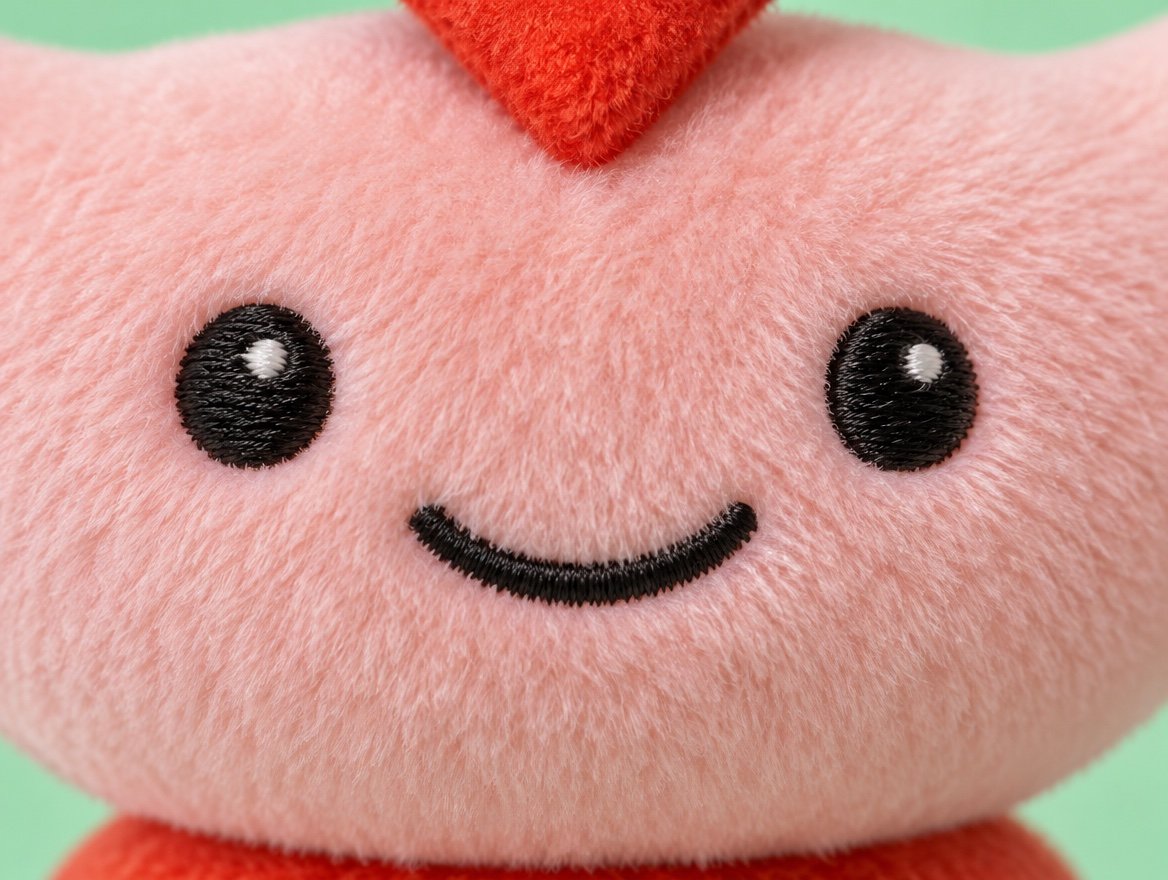
This is the question most buyers forget. A plush is a toy, even when it's a marketing item. In the EU, toys need CE marking under the Toy Safety Directive, backed by EN 71 testing: EN 71-1 for seams, small parts and stuffing, EN 71-2 for flammability and EN 71-3 for chemical elements. In the US, the rules are ASTM F963 and CPSIA. Ask for the test reports for your specific design, not a general certificate. If kids under three will get the plush, small parts like plastic eyes are a choking risk, so ask for embroidered features.
6. Are the factories audited?
Ask which social audit the factory passes. Sunday's plush is made by certified partners with Sedex audits and under Fair Pay standards. For a brand item, that's your reputation too.
7. What are the materials?
Ask for the fabric and filling composition and the certificate behind it. Sunday's plush is 100% polyester from OEKO-TEX certified materials, tested for harmful substances.
8. Who handles customs and storage?
Plush toys enter the EU under commodity code 9503 00 30. If your manufacturer ships from outside your country, check who pays import duties and handles the paperwork. Then ask where the stock goes. Sunday can store it and send pieces to events, offices or individual people when you need them.
The checklist in one view
- Minimum order that fits your quantity?
- Physical sample before production?
- Lead time to your door, with a buffer?
- Europe or Asia, chosen on price, transport and footprint?
- EN 71 and CE, or ASTM F963 and CPSIA, test reports for your design?
- Audited factories?
- Certified materials?
- Customs, storage and shipping sorted?
Keep reading
- The best custom plush manufacturers in Europe for companies
- How to turn your mascot into a custom plush
- Branded teddy bears vs fully custom plush
Eight answers in one brief
Send us your mascot and date. You get a free design proposal, an exact price and a timeline, with the paperwork handled.
Get a free plush design