
To design custom beanies, start with the recipient, not the logo. Pick a direction, bold or subtle. Choose a decoration method that holds the logo's shape: embroidery, woven label or patch, never a detailed logo knitted into the rib. Match colours to your brand, approve a digital proof, then order from around 10 pieces. Plan for October or November delivery so the beanie gets worn all winter.
A beanie looks simple, and the design process is simple too, as long as you make the right call at each step. Get the decoration and colour right and the beanie reads as premium; get them wrong and a good brand ends up on a distorted, over-branded hat. This walkthrough takes you from artwork to delivery. To see your design as you go, keep the free beanie mockup generator open in another tab.
Step 1: start with the recipient
Before you touch a logo file, decide who wears the beanie. Employees, customers and partners want something subtle and wearable, close to a hat they would buy. Ski trips, festivals and outdoor activations want something bold and intentional. This single decision drives every later choice: colour, logo size, decoration and packaging. The beanie that tries to serve both audiences at once is the one that ends up unworn. For a fuller look at both directions, see the complete custom beanies guide.
Step 2: prepare your artwork
A beanie has a small, curved, textured surface, so your artwork has to be simple. Supply a vector file, an SVG, EPS or AI, so the mark scales cleanly to a small embroidery. Simplify before you start: drop fine gradients, thin lines and tiny text, because they disappear in thread or distort in knit. A bold, single-colour or two-colour version of your logo almost always reads better on a beanie than the full version. If your logo is busy, design a compact lockup just for headwear.
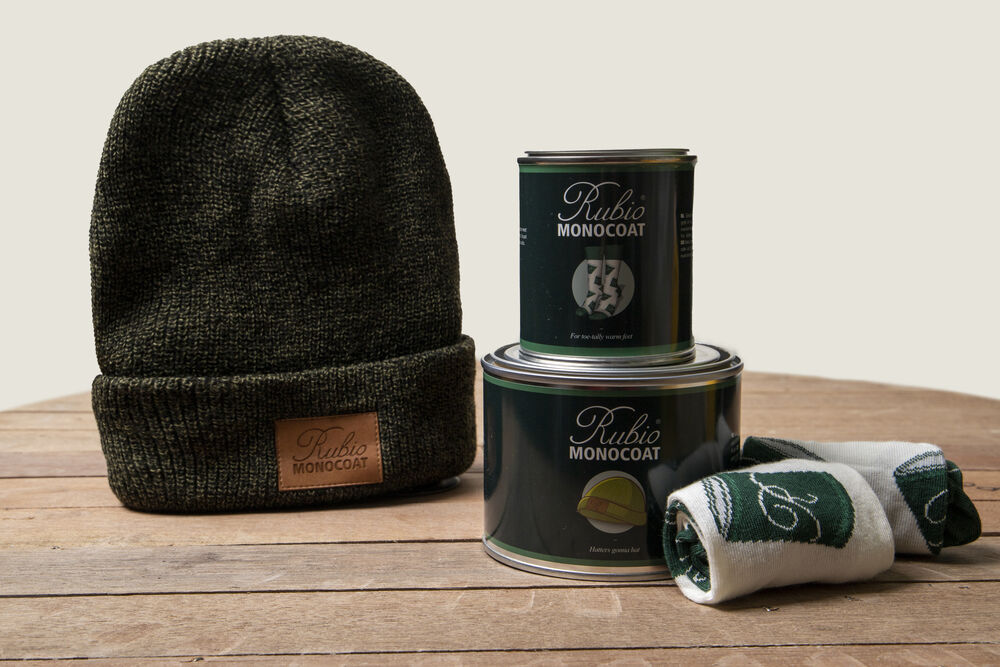
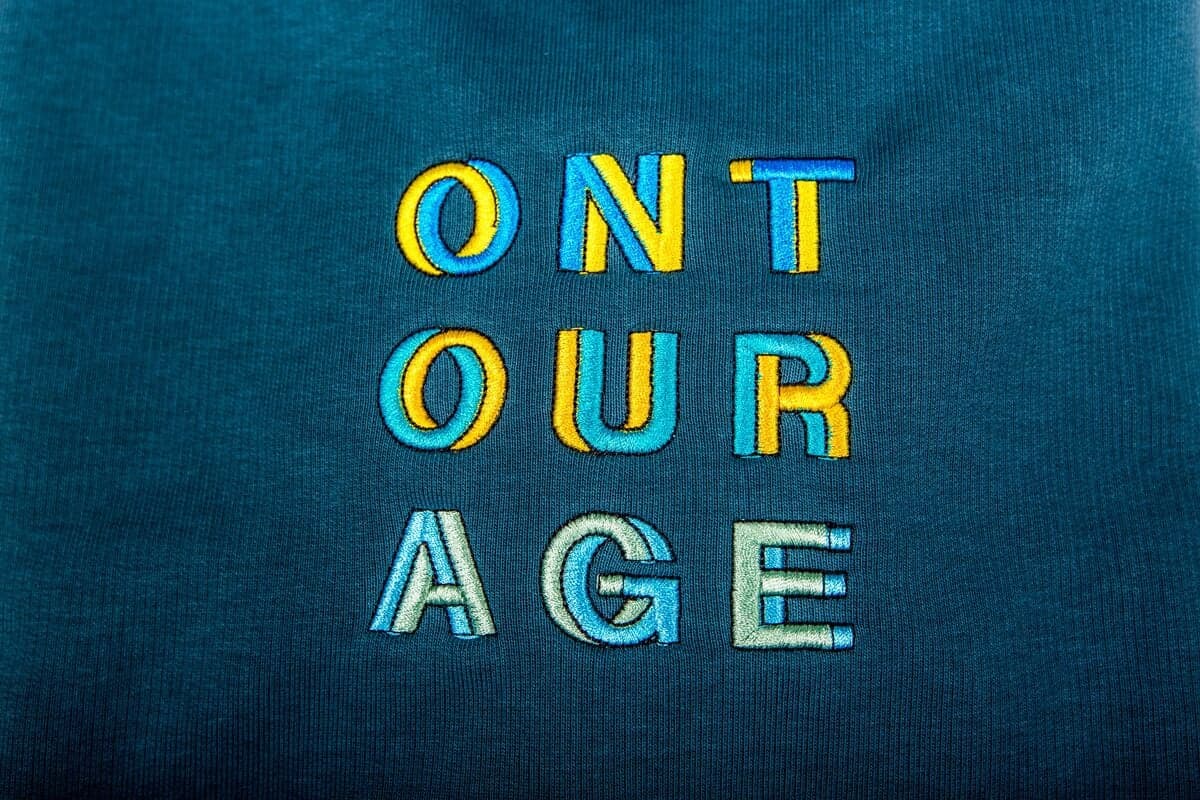
Embroidery holds a crisp logo on the cuff. Supply a simplified vector mark so fine detail does not crowd the stitch.
Step 3: choose the decoration method
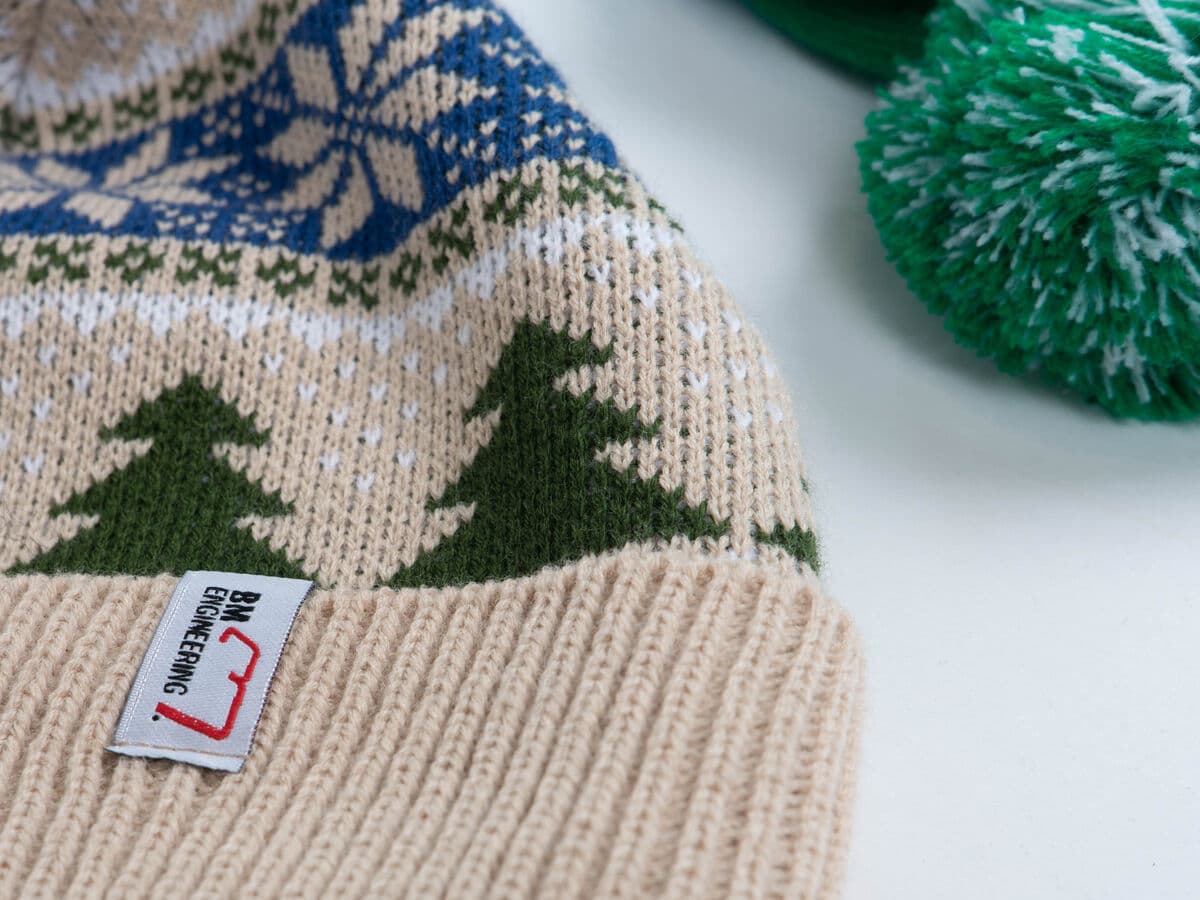
This is the step that makes or breaks a beanie. Pick a method that preserves the logo's shape. Embroidery is the default for most corporate beanies: crisp, durable and premium. A woven label gives a clean, retail-style tab on the cuff. An embroidered patch adds a more fashion-led look with extra presence. Reserve knitting-in for brand patterns and bold simple shapes designed for the knit, like a repeating motif. Never knit a detailed logo into the ribbed section, because the rib stretches on the head and warps the mark.
| Method | Look | Best for |
|---|---|---|
| Embroidery | Crisp, tactile, premium | Most corporate beanies |
| Woven label | Clean, retail tab | Subtle, fashion-led gifting |
| Patch | Bold, present | Event and lifestyle beanies |
| Knitted-in | Built into the fabric | Patterns and simple shapes only |
Step 4: match your colours
Give your brand colours as Pantone references rather than screen values, since thread and yarn are matched to physical standards, not to RGB. Then choose the body colour deliberately. For subtle gifting, navy, black, grey and muted tones are the safest, most wearable choices and they suit almost every head. For bold beanies, a strong body colour is the point. Decide whether the logo should sit quietly tonal or contrast against the body, and check both in the mockup before you commit.
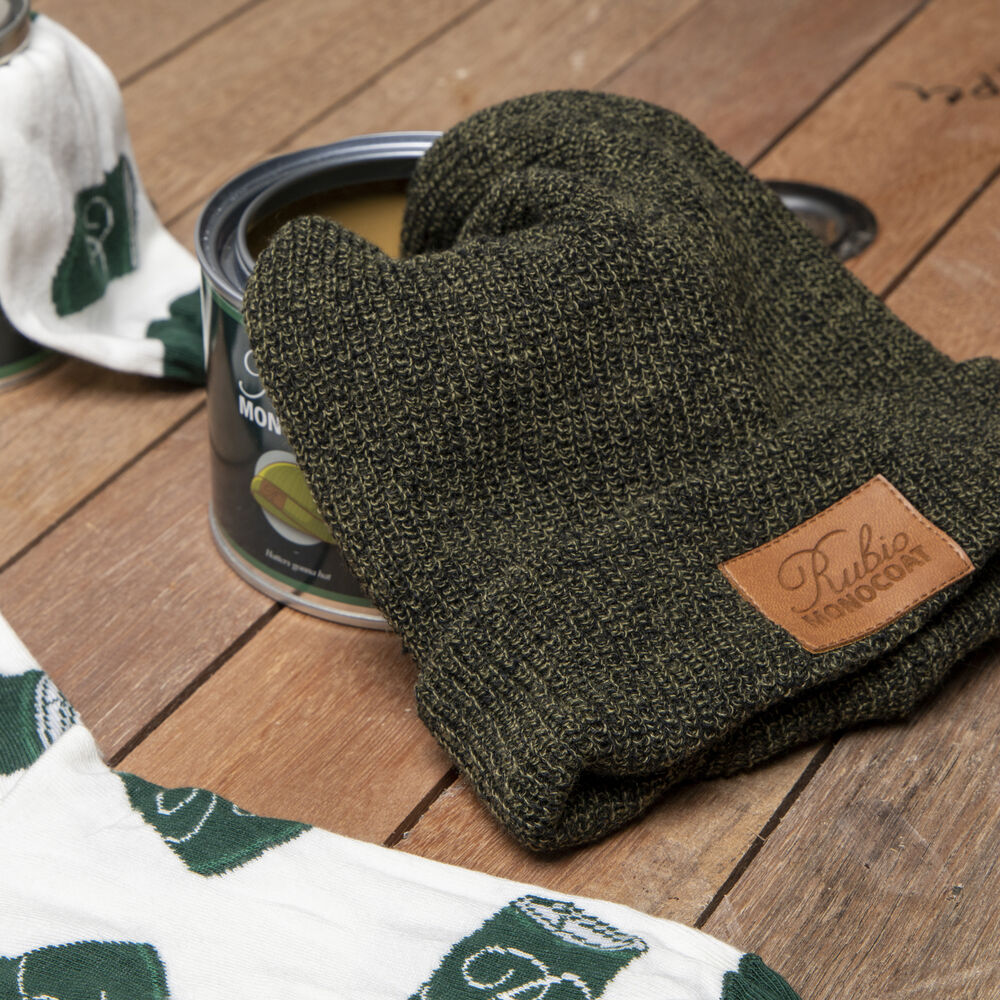
Check the logo against the body colour in a proof. Tonal reads quiet and premium; contrast reads bold.
Step 5: pick the beanie and material
Choose the model from the look you decided in step one. The Essential Beanie and the standard knitted beanie are the common starting points. A fisherman beanie reads younger and more fashion-led, a pom-pom suits ski trips and playful winter campaigns, and children's beanies make a thoughtful family-oriented gift. On material, acrylic covers around 99 percent of corporate beanies: affordable, durable and fine for almost every case. Merino is more premium and noticeably pricier, better suited to a luxury winter set than a standard giveaway. Cotton is rare and used where a setting demands it, for example a specialist environment with flammability rules where synthetic yarn is unsuitable.
Step 6: proof, order and time it right
Approve a digital proof before production. Check the logo size against the cuff, the colour match, the placement and the overall balance. Standard beanies start from around 10 pieces, which suits small teams, exec groups and events; fully custom-knitted designs start from around 100 because they need more setup and knitting prep. Then time it. Beanies fail when they arrive too late. The best window to distribute is October or November so recipients wear them through the whole winter. Never plan a beanie for summer. To see how production and global delivery work, read how it works and distribution, or browse the range of custom beanies.
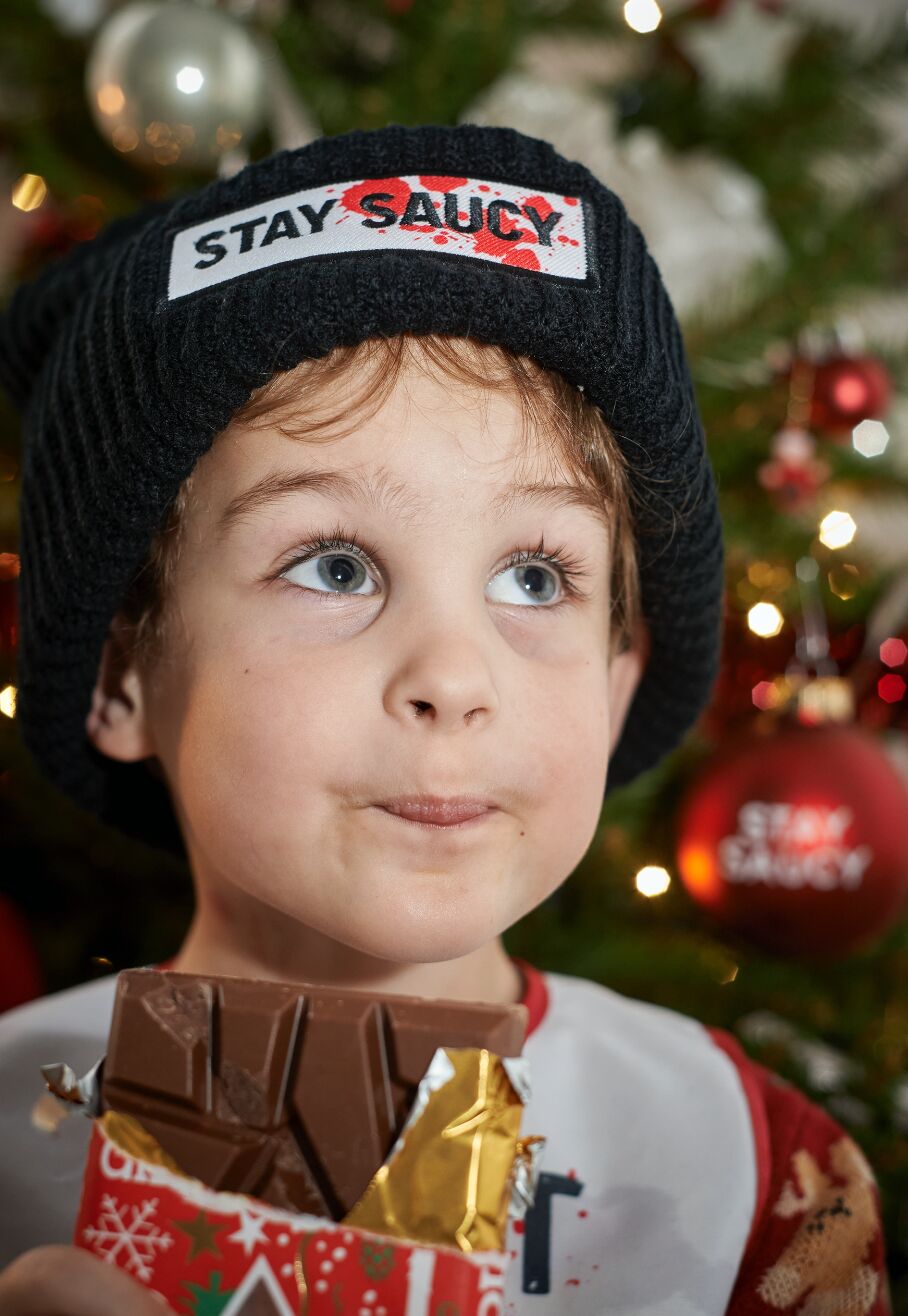
The finished result: a clean mark, a wearable colour and the right decoration for the knit.
Mistakes to avoid
- Knitting a detailed logo into the rib. It distorts when worn. Embroider, weave or patch instead.
- Making the logo too large. A beanie has little surface; oversized branding looks cheap.
- Mixing colour directions. Commit to loud and playful, or classic and subtle, not both.
- Skipping the proof. Always check the mark on the actual body colour before ordering.
- Ordering too late. Plan for October or November delivery, never summer.
Browse the full range in the catalog, or see how Sunday runs the whole programme on the platform.
How to design custom beanies: questions answered
How do I design a custom beanie?
Start with the recipient and pick a direction, bold or subtle. Prepare a simplified vector logo, choose a decoration method that holds its shape such as embroidery or a woven label, match your brand colours in Pantone, approve a digital proof, then order from around 10 pieces. Plan delivery for October or November so the beanie gets worn all winter.
What file format should I send for a beanie logo?
Send a vector file, ideally SVG, EPS or AI, so the logo scales cleanly to a small embroidery. Simplify it first by removing fine gradients, thin lines and tiny text, which disappear in thread or distort in knit. A bold one or two-colour version usually works best on a beanie.
Can you knit a logo into a beanie?
You can knit patterns and bold, simple shapes into a beanie, and a brand pattern in the knit can look excellent. Avoid knitting a detailed logo into the ribbed section, because the rib stretches when worn and distorts the mark. For crisp logos, use embroidery, a woven label or a patch.
How long does it take to design and produce custom beanies?
The design itself can be previewed in seconds in the mockup generator. Production lead time depends on the model, quantity, material, decoration and whether the beanie is ready-made or knitted from scratch. Because timing matters, start early enough to distribute in October or November.
What is the minimum order to design a custom beanie?
Standard beanies start from around 10 pieces, which suits small teams, exec groups and events. Fully custom-knitted designs start from around 100 pieces because they need more design, setup and knitting prep. Unit price falls significantly as the quantity rises.
Keep reading
Design your beanie in 30 seconds
Create your account, drop in your logo and see it on a real beanie in your colours with live pricing. Embroidery that holds its shape, made in Europe.
Get free designs