


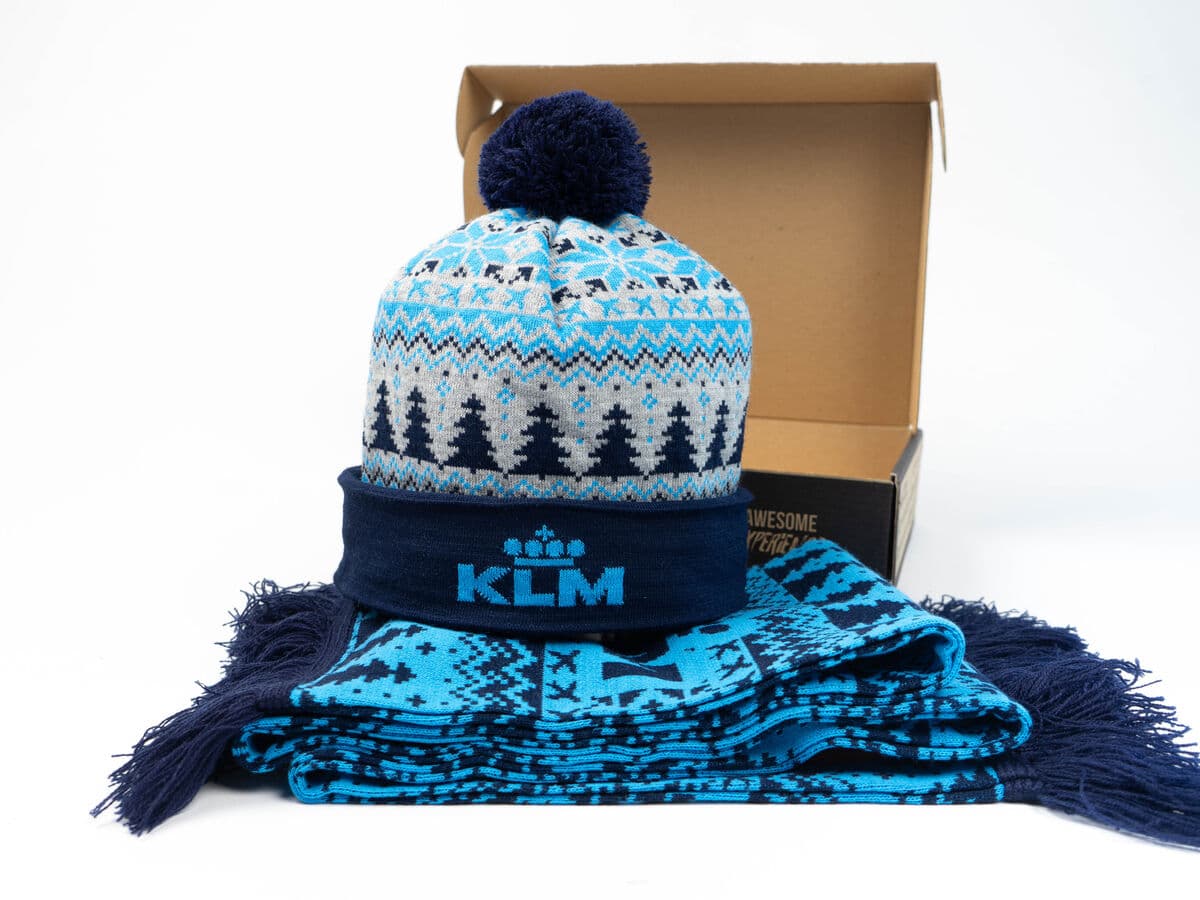
To measure event merchandise ROI, lock the recipient when you hand an item out. Capture them with a landing page, a redeem page or a scan, so you know exactly who received what. From there you can track conversion rates, trigger automated follow-up, and tie merch to leads and pipeline. The only handouts you cannot measure are the untracked ones. So the rule is simple: track every item handed out, and ROI becomes a reporting question rather than a guess.
Step 1: capture the recipient
The single decision that makes event merch measurable is capturing the person at the moment they receive an item. A landing page, a redeem page or a scan locks the recipient to the gift. Now you have a record: this person, this item, this event. Without that record, the merch leaves your booth and disappears. With it, every later question has an answer.
This also unlocks a better distribution model. Instead of handing premium stock to anyone who walks past, you can capture the recipient at the booth and send the gift afterwards via a redeem page. Sometimes it is better to ship before or after the event than to hand items out on the floor: a pre-event kit pulls booked meetings and VIPs to your booth, and a post-event send rewards the leads you captured and qualified.
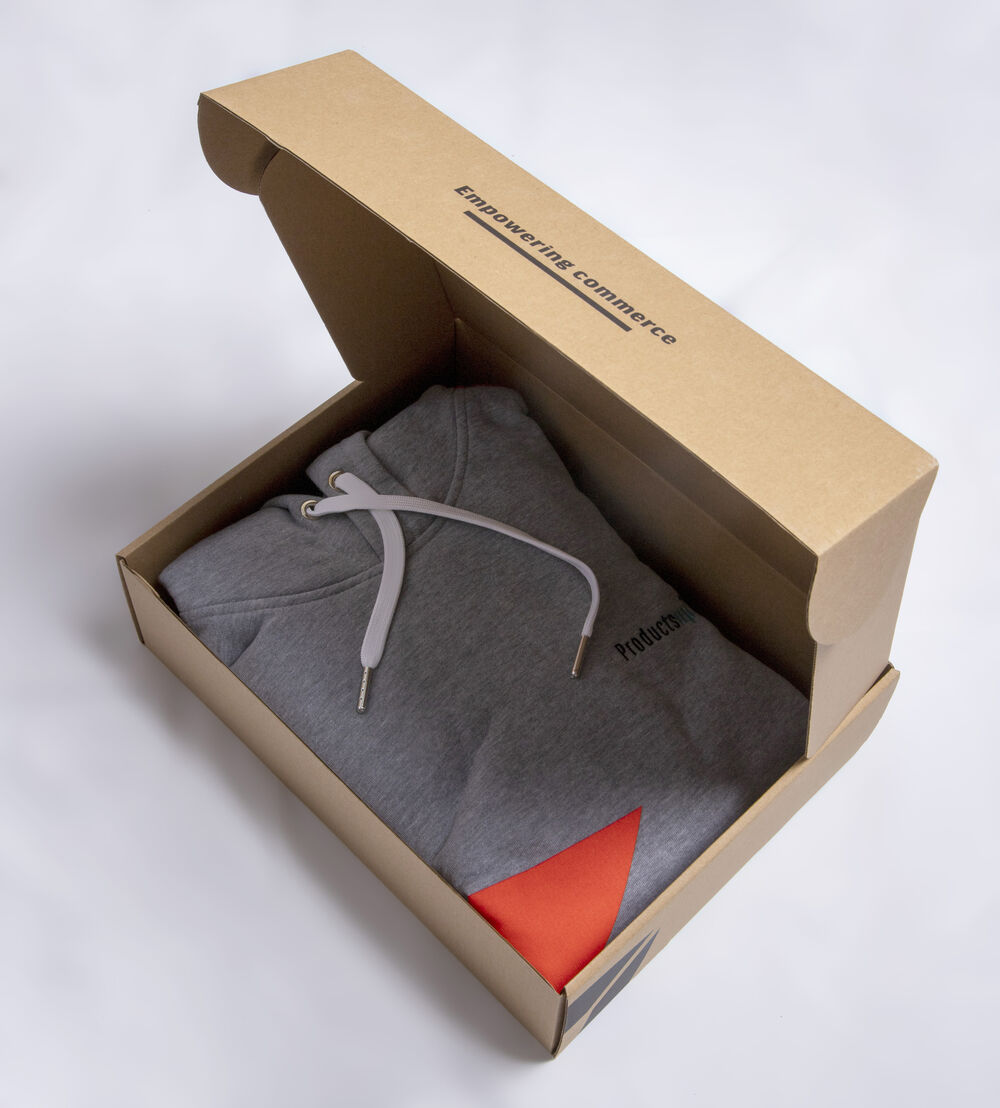
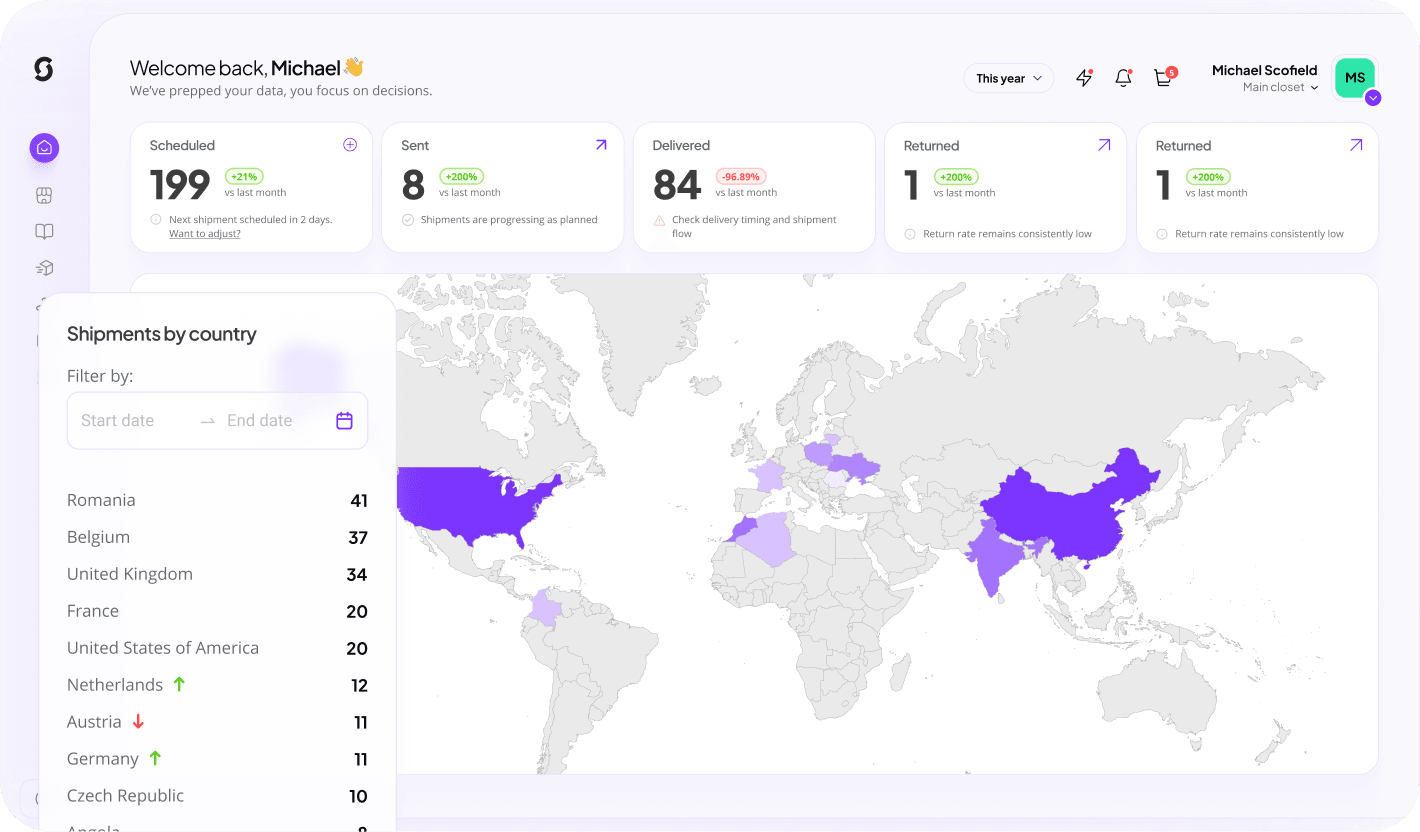
Capture the recipient with a redeem page or scan and you can send the gift afterwards, track conversion, and attribute it to pipeline.
Step 2: the metrics that matter
Once every recipient is captured, a short list of metrics tells you whether the event paid off.
| Metric | What it tells you |
|---|---|
| Items handed out vs captured | Your tracking coverage. Untracked handouts are the ones you cannot measure. |
| Redemption rate | How many captured recipients claimed or engaged with the gift. |
| Conversion rate | How many recipients took the next step: a meeting, a demo, a signup. |
| Follow-up engagement | Did they like the item, like the brand, express interest. Captured automatically. |
| Influenced pipeline | Leads and opportunities tied to recipients, the number leadership cares about. |
| Cost per captured lead | Total merch and event cost divided by qualified captured recipients. |
Step 3: automate the follow-up
Capturing the recipient lets the platform do the chasing. Automated follow-up can ask whether they liked the item, whether they liked the brand, and whether they are interested, then route the warm ones to sales. This turns a pile of giveaways into a tracked nurture flow, where every gift has a next step attached rather than ending at the booth.
Step 4: tie it to leads and pipeline
The number that earns next year's budget is influenced pipeline. Because each item is tied to a captured recipient, you can connect merch to leads, opportunities and closed revenue rather than reporting vanity counts like units handed out. That changes the conversation from how much merch did we give away to how much pipeline did the event create.
Step 5: produce less, but better
Measurement and sustainability point the same way: produce less, but better. Fewer high-quality, genuinely used products beat large volumes of cheap merch on brand impact, on credible sustainability and on cost per captured lead. When you can see which items convert, you stop funding the ones that do not. A smaller, smarter run that you track end to end almost always returns more than a big untracked giveaway.
Running this across a season of events is where Sunday's distribution fits: forecast the merch, bulk order it, store it at Sunday, then kit and ship to each event, with redeem pages and tracking built in so every recipient is captured. See how it works, explore the platform, or browse the catalog. For food activations and tastings, a Custom Apron doubles as trackable, premium event merch, and you can preview a design with the free apron mockup generator.
Keep reading: event merchandise
Make every event gift measurable
Capture every recipient with a redeem page, automate follow-up, and tie merch to pipeline. Sunday stores, kits, ships and tracks it for you.
Build this campaign with Sunday