


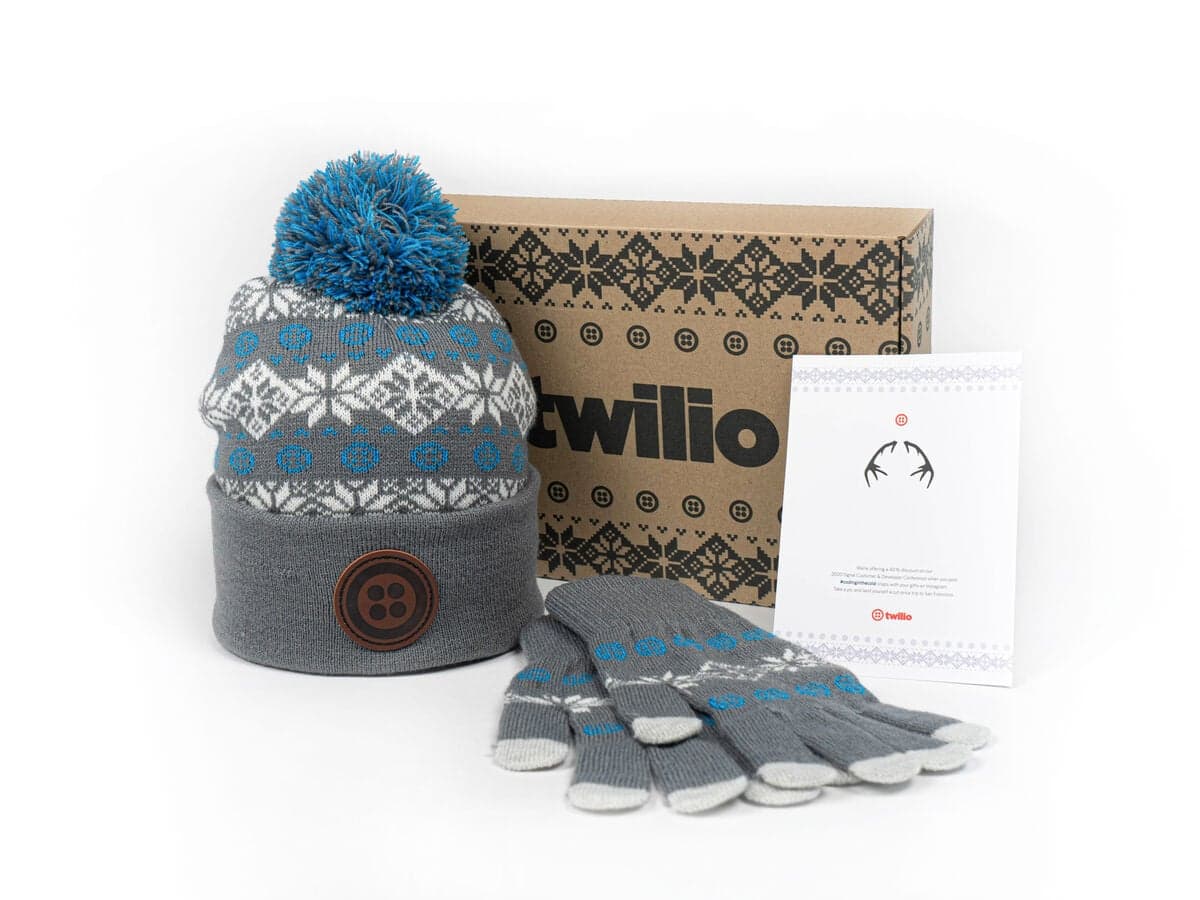
To measure partner appreciation gifts ROI, tie merch spend to strategic partner behaviour, not to the number of packages sent. Track partner NPS, end-customer service quality, certifications completed, partner activation, partner-sourced pipeline, registered deals, closed and repeat revenue, and retention. The goal is to connect each gift to a behaviour you want more of, then watch that behaviour move.
Partner gifting is easy to dismiss as a soft cost. It is not, if you measure it like a programme. The mistake is counting outputs, how many gifts went out, instead of outcomes, what partners did differently. Merch sits outside rebates and commissions, so it should be judged on the relationship and market signals it strengthens. Here is the metric stack that works, from relationship health to hard pipeline. To run the underlying programme on real data, see the Sunday platform.
1. Relationship health
Start with how partners feel. Partner NPS is the headline signal: are partners more engaged and satisfied after gifting moments tied to real milestones? Track it over time and against partners who received well-timed gifts versus those who did not. Also watch end-customer NPS and service quality. You can unlock more merch budget for partners with strong service scores, which encourages investment in implementation and support, not just sales.
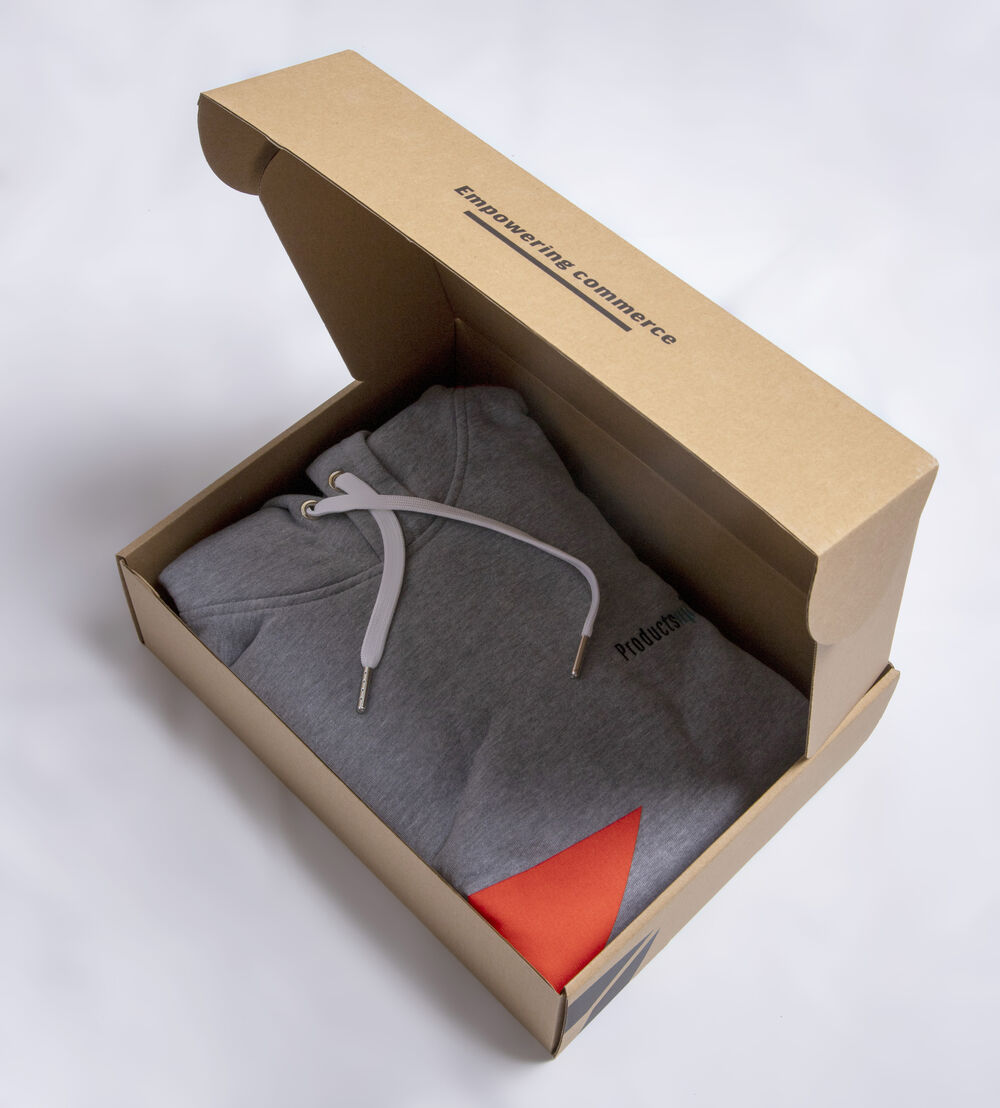
Tie each gift to a milestone, then measure the behaviour it was meant to drive.
2. Engagement and activation
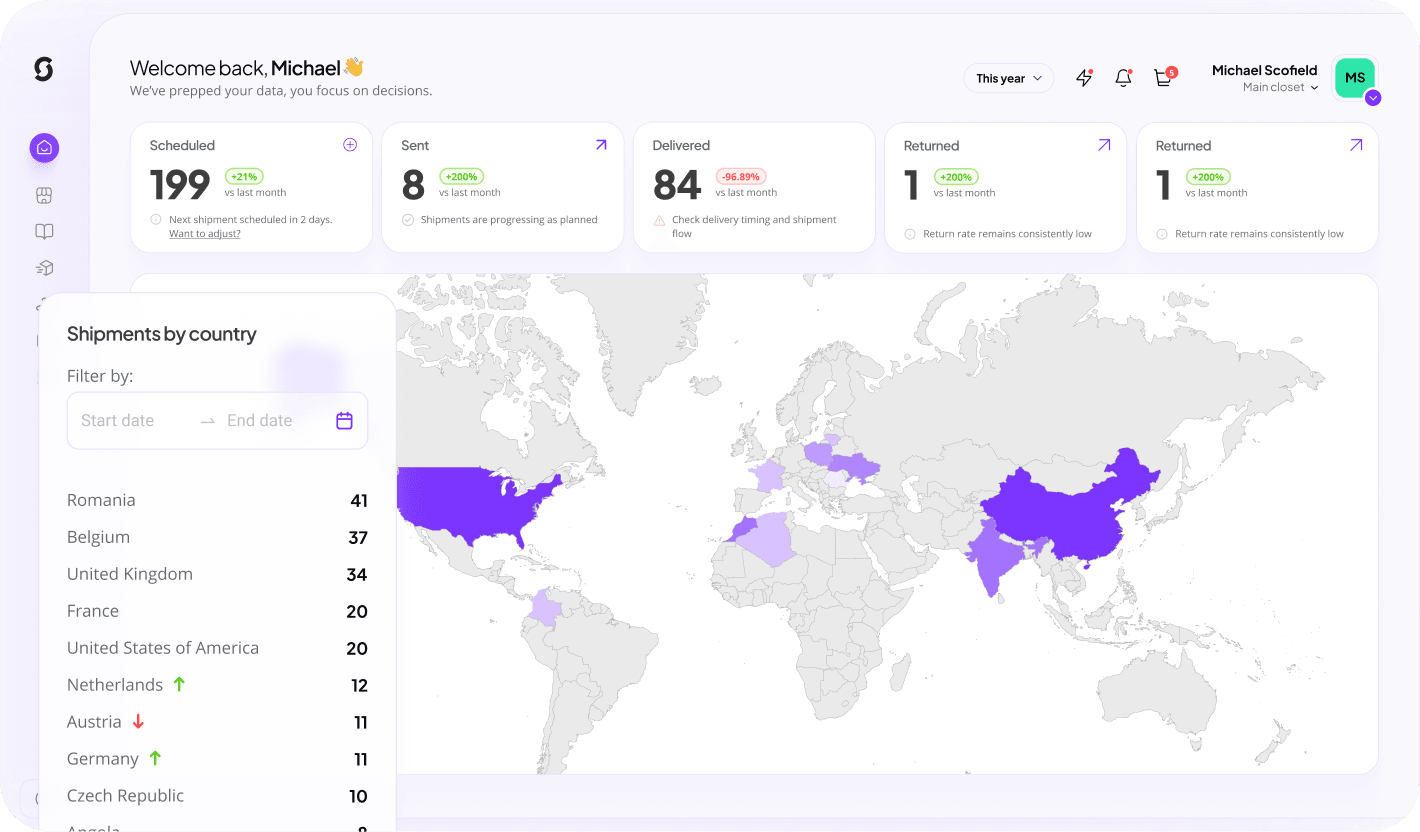
Certifications and training completion are direct, countable outcomes. If a desk product or wearable is the reward for completing a certification, track completion rates before and after introducing the reward. Partner activation is the broader signal: engaged employees at the partner, portal usage, training completion, merch redemption rates and campaign participation. A credit-based partner webshop makes redemption easy to measure, since every credit earned and spent is logged.
3. Pipeline and revenue
This is where merch connects to money. Track partner-sourced pipeline, registered deals, closed and repeat revenue, retention and product mix. Short-term sales campaigns make the link clearest: when Lamett sent a merch package to partners who sold a target volume from a priority part of the collection, the gift was tied directly to a measurable sales behaviour. Watch priority-campaign participation too, since that is often the exact behaviour a campaign gift is designed to drive.
4. Market impact
Not every market deserves equal spend. Invest more in developing markets that need brand awareness, and less where recognition is already high. AVR ships merch to end customers on a local partner's behalf, building physical brand presence in markets with no local office. Wearable items such as a custom beanie are easy to track here, since redemption and visibility in colder-climate markets are simple to measure. Measure the return as brand presence and partner-led growth in those specific markets, not as a flat per-gift cost. You can preview a co-branded design in the free beanie mockup generator.
Metrics at a glance
| Category | What to track | What it proves |
|---|---|---|
| Relationship | Partner NPS, end-customer service quality | Engagement and loyalty |
| Activation | Certifications, portal use, merch redemption | Programme uptake |
| Revenue | Partner-sourced pipeline, registered deals, retention | Commercial return |
| Market | Brand presence, partner-led growth by region | Strategic reach |
The thread through all of it: connect merch spend to strategic partner behaviour. When you can show that gifted partners certify more, source more pipeline and retain longer, partner gifting stops being a soft cost and becomes a measurable lever. To automate redemption and tracking across global partners, see distribution.
About this article
Keep reading: partner appreciation gifts
Build a measurable partner gifting program
Create your free account and run partner gifting on real data, tied to certifications, deals and redemption, with global delivery built in.
Build this campaignMeasuring partner appreciation gifts: questions answered
How do you measure partner appreciation gifts ROI?
Tie merch spend to strategic partner behaviour, not packages sent. Track partner NPS, end-customer service quality, certifications completed, partner activation, partner-sourced pipeline, registered deals, closed and repeat revenue, and retention. Connect each gift to a behaviour you want more of, then measure whether that behaviour improves.
What metrics show partner gifting is working?
The strongest signals are partner NPS, certification and training completion, merch redemption rates, partner-sourced pipeline, registered deals and partner retention. Together they show whether gifting strengthens the relationship and drives the commercial behaviour you care about.
How much should I budget for partner gifts?
A common heuristic is to reserve roughly 1 to 2 percent of partner-generated revenue for joint marketing and merch, tuned by margin, tier and strategic importance. A €100k partner might warrant €2,000 to €3,000. Also create a standard onboarding package for every new partner before they hit higher revenue.
Should I count the number of gifts sent?
No. Packages sent is an output, not an outcome. The point of measurement is to see what partners did differently, more certifications, more pipeline, longer retention, after gifting moments tied to real milestones. Judge the spend on behaviour, not volume.
How do I link a gift to revenue?
Map each gift to a specific milestone and track the behaviour it targets. Short-term sales campaigns make this clearest: a gift sent to partners who hit a sales target ties directly to measurable revenue. Use registered deals and partner-sourced pipeline to attribute the return.
Can partner gifting improve service quality, not just sales?
Yes. Unlock more merch budget for partners with strong end-customer service scores. This encourages investment in implementation and support, not only sales, and rewards the partners who deliver the best end-customer experience.