


Measure a partner onboarding kit against the outcome you actually want. The core metrics are time-to-first-deal, activation rate, certification completion, first-install speed, revenue ramp and tier progression, plus supporting signals like merch redemption and active partner employees. Pick the one metric that matches the objective, tie the kit to a meaningful trigger, and compare partners who received the kit at that moment against those who did not.
The six metrics that matter
Merch supports a business outcome, so the metric depends on what you set out to change. Do not track all of these at once. Choose the one that maps to your objective and instrument it properly.
- Time to first deal. The headline metric for resellers. Did partners who got the kit register their first deal sooner?
- Activation rate. The share of onboarded partners who become meaningfully active in a set window.
- Certification completion. For programmes where a certified partner is the goal; track completion rate and certified users.
- First-install speed. The installer equivalent of time-to-first-deal: how fast a partner completes their first successful install.
- Revenue ramp. How quickly a partner reaches meaningful revenue, and the slope of that ramp.
- Tier progression. Whether partners move up tiers faster, a sign the relationship is deepening.
Match the metric to the objective
The right metric is not universal, it is set by the partner type and what you are trying to reinforce. A reseller programme lives or dies on time-to-first-deal. An installer programme cares about certification and first-install speed. A distributor programme is about employee activation and local growth. Name the objective first, then the metric follows.
| Partner model | Primary metric | Supporting signal |
|---|---|---|
| Reseller | Time to first deal | Deal registration rate |
| Installer | Certification completion + first-install speed | Certified users |
| Distributor | Active partner employees + local growth | Revenue ramp by region |
| Affiliate / referral | Activation rate | Merch redemption, engagement |
| Strategic / high-tier | Tier progression | Revenue ramp, retention |
Tie the kit to a trigger, signing, certification or first deal, and you can attribute its effect on the metric that milestone is meant to move.
How to attribute the kit's effect
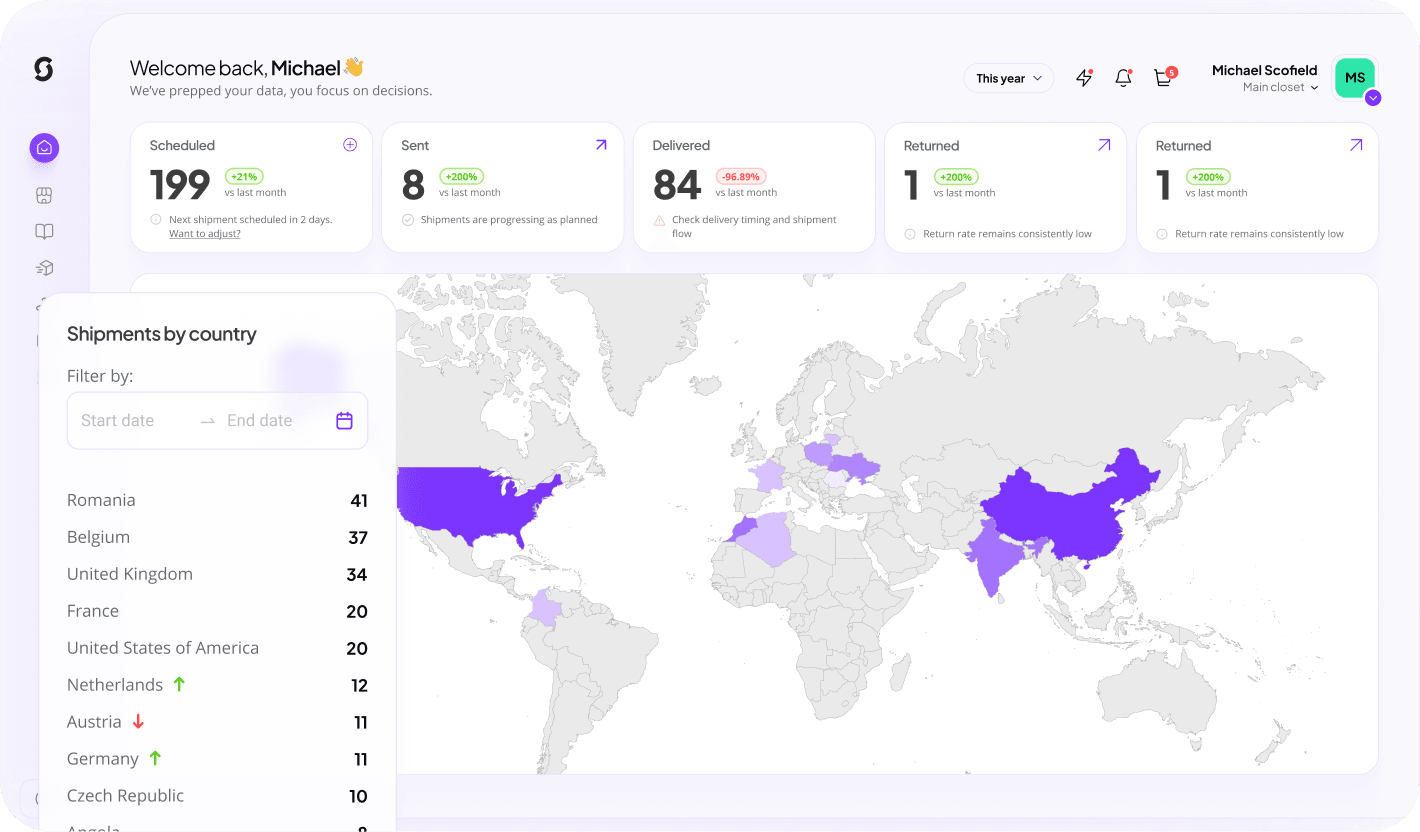
Attribution is simpler than it sounds when the kit is tied to a trigger. Because the best trigger is the point a partner becomes meaningfully active, not just the contract date, you already have a clean event to measure from. Compare cohorts: partners who received the kit at that milestone versus those who did not, or a before-and-after once you introduce it. Layer in the operational signals the platform captures anyway, merch redemption on a redeem page, and active partner employees, to see engagement, not just outcomes.
- Redemption rate. On a redeem page you collect name, address, size and product choice, so you know who actually claimed the kit.
- Cohort comparison. Kit cohort versus no-kit cohort on the primary metric.
- Engagement, not just receipt. Active partner employees and repeat merch redemption show sustained mindshare.
Instrument it with automation
You can only measure cleanly what you trigger cleanly. Connecting your CRM or PRM, partner status, agreement date, certification, tier, first-deal and install milestones, gives you both the trigger and the timestamp to measure against. That is also what makes the programme scalable past roughly 25 active partners, where hand-packing and manual tracking break down. Sunday handles the products, redeem pages, fulfilment and global distribution, so your team measures outcomes instead of chasing addresses.
The hero item most partners actually keep and use is a custom backpack, which is why it appears in programmes measured on activation and ramp; preview branding in the free backpack mockup generator. Build the whole measurable campaign on the platform.
Keep reading: partner onboarding kits
Make your partner kit measurable
Tie the kit to a milestone, track the right metric and automate delivery. Create a free account and build the campaign.
Build this campaign