Partner onboarding kits are physical welcome packages sent to a new reseller, distributor, agency, installer, affiliate or commercial partner. Unlike a new-hire kit, the message is "welcome to the ecosystem," not "welcome to the team": the recipient is joining as an ambassador who represents and grows the brand. A good kit pairs useful branded merch (a backpack, apparel, a bottle, a desk item, a notebook, a tech accessory) with enablement materials and a personal welcome note, matched to the partner model and tiered by partner value. The best kits are tied to a meaningful trigger, a signed agreement, a completed certification or a first deal, and automated so a channel team never hand-packs boxes. Past roughly 25 active partners, outsourcing distribution becomes worth it.
One note before we start: this guide is about the physical, branded kit and how to distribute it at scale, not about partner-portal software or deal-registration tooling. A partner onboarding kit sits alongside your PRM and enablement programme. It is the first tangible thing a new partner touches, and getting it right sets the tone for the relationship. The rest of this guide is how to build one that actually accelerates activation.
What a partner onboarding kit is
A partner onboarding kit is a physical welcome package for a new commercial partner: a reseller, distributor, agency, installer, affiliate or any partner who represents or sells your product. It is broader than a thank-you for signing. Done well, it creates belonging, builds an emotional connection to the brand, reinforces the partner's identity in your ecosystem, supports enablement, generates momentum and encourages the partner to actually represent you, faster.
The important word is ecosystem. The kit is the first tangible signal that the partner has joined something, and that they are now expected to carry your brand into their own market. Every shipment is a chance to educate and activate, not just to say hello. That is why the strongest kits combine merchandise, enablement and a clear next step in one box.
Partner kit vs employee kit: it's the message, not the merch
Partner onboarding kits and new-hire kits often share the same products. Both can include a backpack, apparel, a bottle, a desk or tech item and printed information. The difference is not what's in the box. It's the communication around it.
An employee is joining your internal team, your culture and a specific role. A partner is joining your ecosystem, becoming an ambassador, representing your product, growing with you and serving customers you share. The packaging, the welcome card and the enablement info all have to reflect that different relationship. Send a partner a kit that reads like an internal HR welcome and you miss the point entirely.
| Employee onboarding kit | Partner onboarding kit | |
|---|---|---|
| Relationship | Joining the internal team, culture and a role | Joining the ecosystem as an ambassador who represents the brand |
| Message | "Welcome to the team" | "Welcome to the ecosystem, let's grow together" |
| Enablement | Role, tools, team norms, first-week plan | Product info, programme benefits, certification, sales enablement, first-deal path |
| Products | Backpack, apparel, bottle, desk and tech items | Largely the same, often with customer-facing giveaways and event stock added |
| Goal | A productive, connected new hire | An active, certified partner who sells and represents you |
If you already run new-hire welcome kits, you have most of the operational muscle. The adjustment is the framing and the enablement content, not a whole new supply chain.
What to include in a partner onboarding kit
Here is the practical checklist. A strong partner kit pairs useful branded products the partner will actually keep and use with the enablement they need to get operational, plus a personal welcome. Use this as your base and adjust by partner model and tier.
- A useful desk item. It stays visible on the partner's desk, which keeps you top of mind day after day.
- A backpack. The premium anchor of the box. It travels with commuters and travellers, so your brand goes with them.
- A water bottle. Practical, daily-use and hard to get wrong.
- Apparel. A tee, polo or cap the partner can wear at their own customer meetings and events.
- A notebook. Simple, useful and a natural home for a welcome note or first-steps checklist.
- A charging product or tech accessory. A modern, genuinely-used insert that feels current rather than promotional.
- Enablement materials. Product info, programme benefits, key contacts, sales enablement, academy and certification links, implementation guidance.
- A personal welcome note. The human touch that turns a shipment into a relationship.
- A clear next action. One obvious step: register for the academy, book onboarding, complete certification, or claim their first co-branded run.
The two halves matter equally. Merchandise creates the emotional connection and the daily visibility. Enablement makes the partner operational. A kit that is all merch and no next step is a nice gesture that leads nowhere; a kit that is all paperwork feels like admin. The box has to do both.
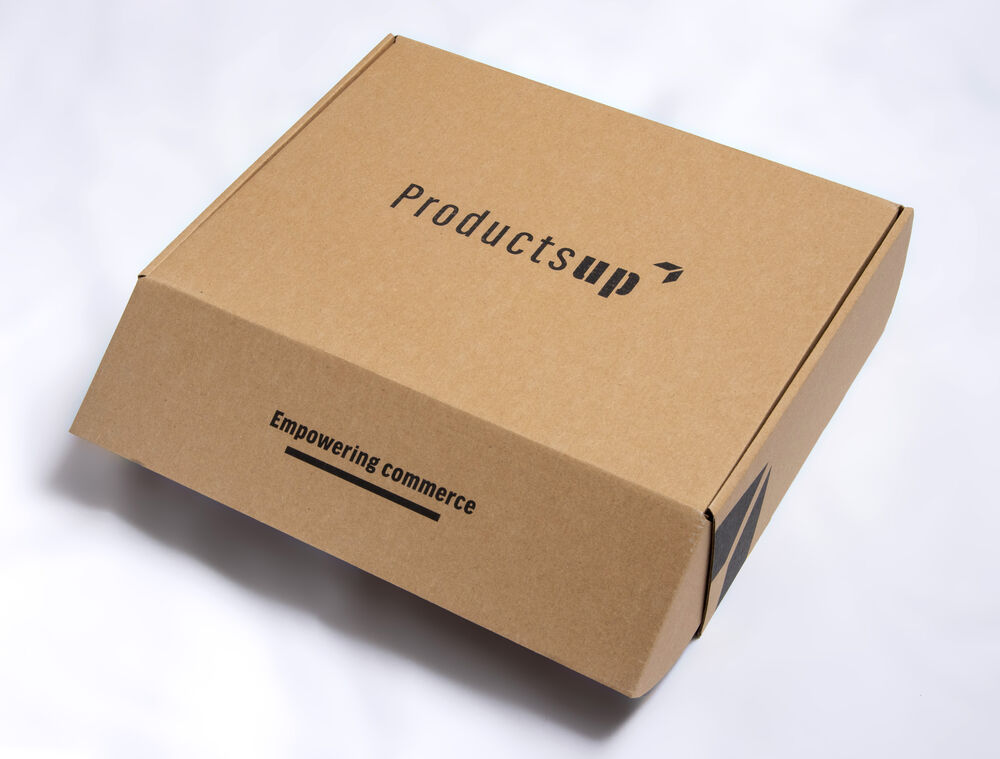
A premium partner welcome box built for Productsup. The unboxing experience is part of the message: coordinated products and clean packaging signal that the partner has joined something considered, not received a generic swag drop.
Match the kit to the partner model
There is no single partner kit, because there is no single kind of partner. An affiliate, a reseller, an installer, an agency and a distributor each need something different from the box. Match the contents to the model and the kit does real work; send the same box to everyone and it lands flat for most of them.
| Partner model | What the kit should do | What goes in it |
|---|---|---|
| Affiliate / referral | Reward and recognition | Premium casual merch, a desk item, tech accessories, limited apparel. Light, high-perceived-value, feels like a thank-you |
| Reseller | Equip them to sell and represent you | Wearable apparel, a backpack, caps, tees, customer giveaways and event products. Machinery resellers get a larger starter box |
| Installer | Equip the field, reward readiness | Practical apparel (polos, caps, work jackets), a backpack, field accessories, plus a reward after the first successful install |
| Agency | Educate and enable | Brand education, sales material and lifestyle merch. The emphasis is understanding and representing the brand well |
| Distributor | Create local presence | Depends on single vs multi-brand. Highly integrated distributors get co-branded clothing for drivers, field and warehouse staff |
The distributor case is the most nuanced. If a distributor carries only your brand and is deeply integrated, co-branded workwear for their drivers, field teams and warehouse creates local visibility exactly where you have no office of your own. If they carry many brands, keep it lighter. Read the integration level before you decide how far to go.
Reseller welcome kit ideas
A reseller sells your product to their own customers, so the kit should equip them to represent you in front of those customers. Lead with wearable apparel they can put on at meetings and events, a backpack as the premium anchor, caps and tees, plus a small stock of customer giveaways and event products they can hand on. The reseller welcome kit is less about pampering the partner and more about arming them.
Scale the box to the reseller's weight. A machinery reseller signing a serious commitment should get a larger starter box than a small software reseller, because the commercial stakes and the volume of customer touchpoints are higher.
Dealer welcome pack ideas
Dealer welcome packs sit close to reseller kits but usually lean harder on customer-facing and point-of-sale presence. A dealer represents you in a physical or regional market, so the pack should help them look official and equipped from day one: branded apparel for their staff, a premium bag, display-adjacent items and event stock. The dealer is your face in a market you don't directly cover, and the welcome pack is where that representation starts.
As with resellers, the machinery and equipment world is where the larger starter box makes sense. When a dealer is committing to stock, service and local demos, a substantial pack reinforces that this is a serious, two-way relationship rather than a transactional supply deal.
Distributor welcome kit
A distributor welcome kit depends almost entirely on one question: single-brand or multi-brand. A single-brand, highly integrated distributor is effectively an extension of your company in their region. Here the kit can go furthest: co-branded clothing for drivers, field reps and warehouse staff turns their whole operation into local presence for your brand in a market where you have no office.
A multi-brand distributor is more measured. They carry competing lines, so heavy co-branded workwear is neither realistic nor wanted. Focus instead on a strong core kit that keeps you top of the pile: quality apparel their team will genuinely wear, a premium bag, and clear enablement so their sales staff can position you well against the other brands on their shelf. The goal for a distributor kit is local awareness and activated staff, not just a nice unboxing.
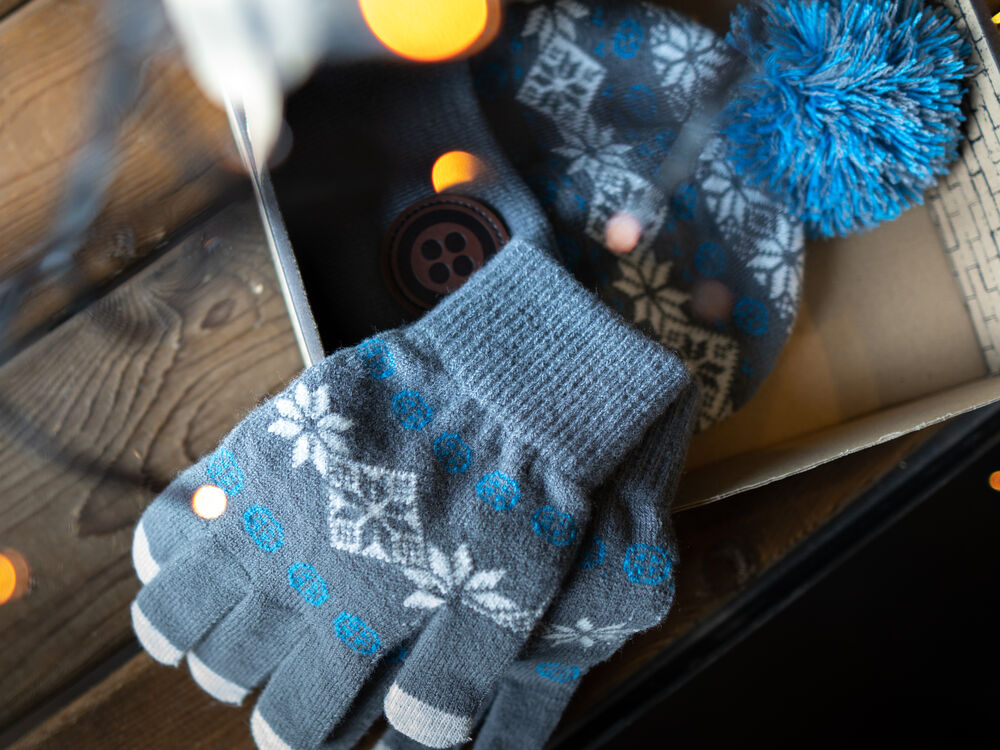
Branded partner boxes built for Twilio. When you are shipping to partners across regions, a standardised box that still feels premium is the balance to strike: consistent enough to scale, considered enough to land.
Agency onboarding kit
An agency partner sells and delivers on your behalf, so their kit is weighted toward brand education and sales material more than customer giveaways. Agencies win you deals by understanding and articulating your product well, so give them what makes that easy: clear brand education, sales collateral and positioning material, and a layer of lifestyle merch to build the connection. The lifestyle merch matters because agency people are ambassadors in a crowded market; a kit they actually like keeps you present.
The agency onboarding kit is the clearest example of the enablement-first partner. If the reseller kit is about arming a seller, the agency kit is about educating a representative. Weight the box accordingly.
When to send it: choosing the trigger
The timing of the kit sends a message of its own. Most companies default to the signing date, but the signing date is not always the moment you most want to reinforce. The best trigger is the point at which a partner becomes meaningfully active.
- Signed agreement. The classic trigger. Simple, objective and easy to automate.
- Completed registration. For self-service partner programmes, the kit lands when a partner finishes signing up.
- Certification. The kit rewards a partner for becoming operationally ready, not just for signing a contract.
- First deal. Reinforce the behaviour you actually want: closing business.
- First installation. A starter kit on signing, then a second reward after the first successful install.
- Tier upgrade. Recognise a partner who has grown into a higher tier.
Tiering the kit by partner value
Not every partner should get the same box, and pretending they do wastes budget on small partners and under-invests in big ones. Tier the kit by partner type, size, revenue potential, strategic importance, market, certification status and integration level. Tiering is what lets you standardise enough to scale while still tailoring to value.
What the tier changes: product quantity and value, level of customisation, whether the kit is co-branded, how many employee kits the partner receives, the overall budget, and whether the partner gets access to a partner store. A 100-person partner and a two-person partner should not receive identical boxes. AnyDesk's model is the template: a small IT company gets fewer items, a large partner gets more. Same programme, value-adjusted output.
Co-branding rules
Co-branding, putting the partner's name or logo alongside yours, is powerful but should be a reward, not a default. Reserve it for higher tiers and partners with meaningful volume. The logic is simple: the vendor funds the co-branding, so the partner should earn it. Handed to everyone, it becomes an administrative burden and loses its status.
The way to keep co-branding scalable is to standardise it. Fix the logo position, maximum dimensions, approved colours and products, templates and production rules up front. Then you have one global collection that can be localised for selected partners on demand, instead of a bespoke design project every time a partner qualifies. Co-branding becomes a status a partner unlocks, not a bottleneck your team dreads.
Automating partner kits
This is where a partner kit programme either scales or collapses. Connect your CRM or PRM so the kit responds to real partner data: partner status, agreement date, certification, employee count, tier, first-deal date, install milestones and geography. Once that data flows, two automation models cover almost everything.
Model one: fully automatic
An objective trigger fires and the system sends the invitation, redeem link or package with no human in the loop. This is right for registrations, online certification, standard signings and tier upgrades, anywhere the trigger is clean and objective. The partner completes an action and the kit is on its way.
Model two: one-button approval
A manager makes the decision, then presses a single button. Everything after that, the email, the redeem page, address collection, product, shipment and tracking, is automated. This suits the moments that need human judgement but not human admin. You keep the relationship decision and hand off the repetitive operations.
Redeem pages: solving the missing-address problem
Partner kits have a specific data problem: you often don't have the recipient's details. You know the partner company, but not who exactly should receive the kit, their address, their size or their product preference. Redeem pages solve this cleanly. Instead of chasing details over email, you send a link and the partner fills in name, address, company, partner type, product choice, size and variant themselves.
A good redeem page does more than collect an address. Brand it with your look, add co-branding for qualifying partners, include the enablement info and welcome message, and finish with the clear next step. The page becomes part of the onboarding experience, not just a shipping form.
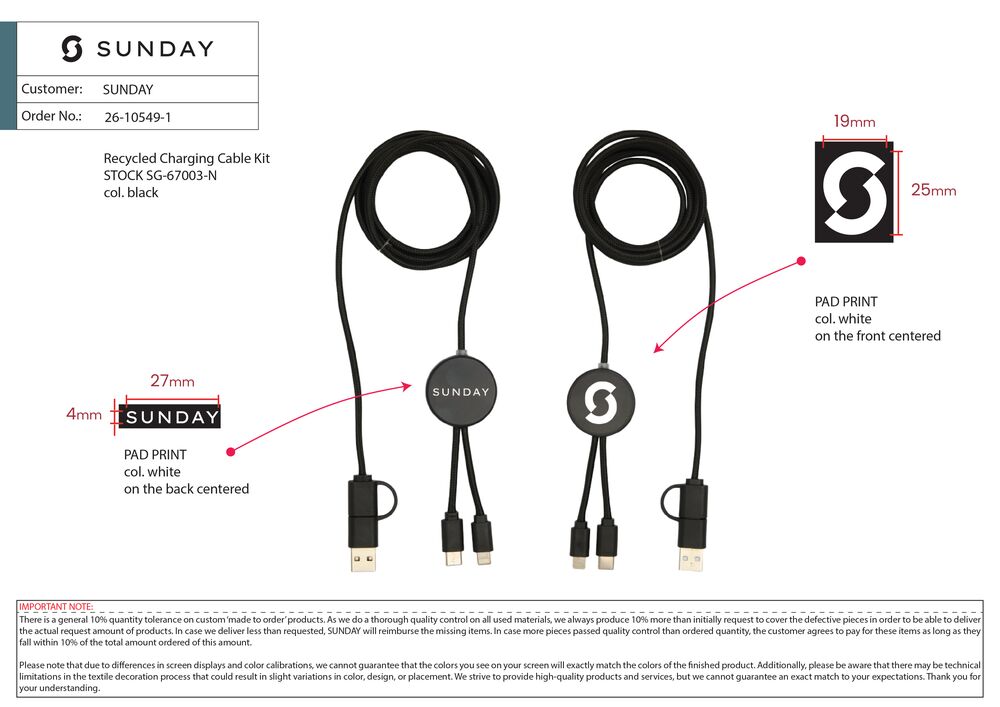
A recycled charging-cable kit as a tech insert. Modern, genuinely-used accessories keep a partner box feeling current rather than promotional, and they are the kind of item that stays on a desk.
Onboarding and appreciation are one lifecycle
Partner onboarding and partner appreciation are not two separate programmes. They are the same lifecycle running on the same infrastructure. Onboarding is the entry point. Later, appreciation rewards certifications, deal milestones, service quality, annual performance, tier upgrades and loyalty. The CRM and PRM triggers are the same; only the moment and the message change.
This is why it pays to build the pipes once. Set up the data connections, the redeem pages, the tiered collection and the fulfilment for onboarding, and you already have everything you need to run appreciation on top of it.
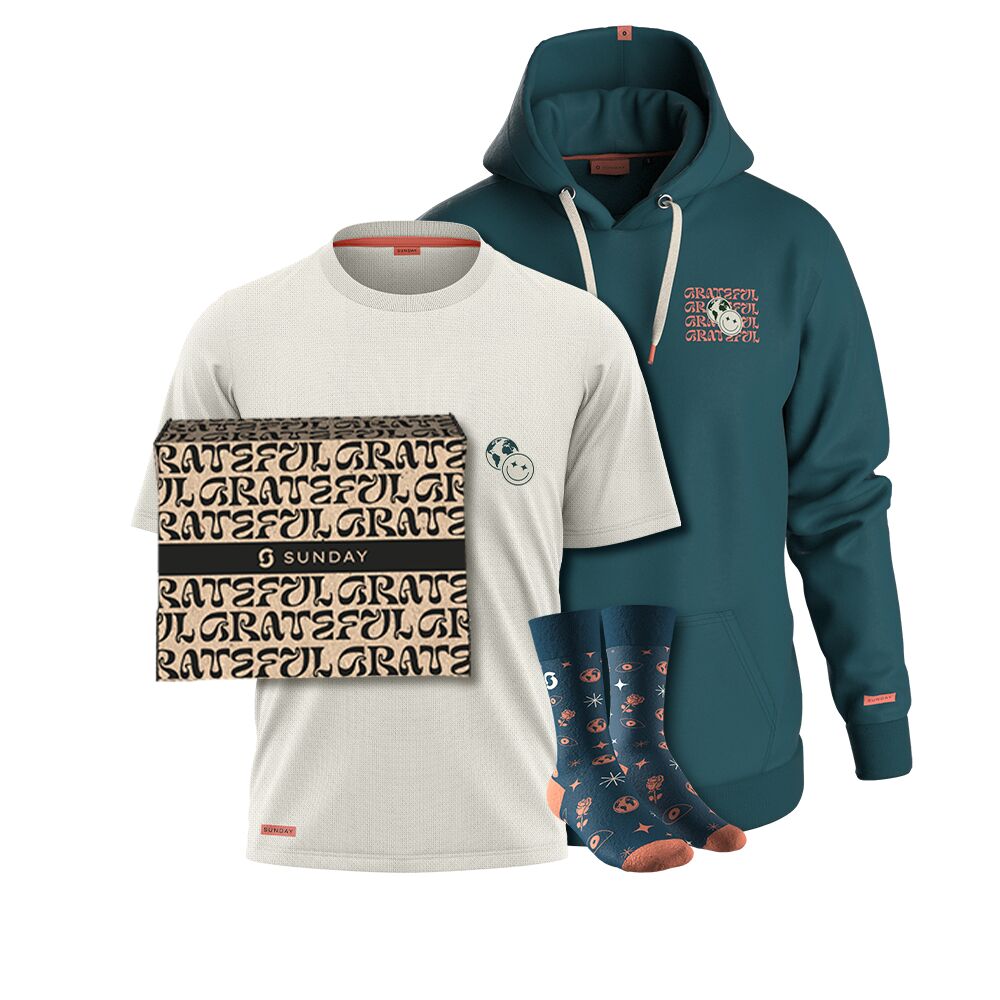
A higher-tier premium kit. The same infrastructure that ships an onboarding box on day one ships an appreciation box after a milestone, which is why the strongest programmes treat onboarding and appreciation as one lifecycle.
Budgeting a partner kit
Budget the kit against the partner's value, not a flat per-head number. Reflect the deal value, expected partner revenue, margin, size, the local-market opportunity, the commitment and the strategic importance. The cleanest way to think about it is as a percentage of the partner's marketing and commercial value, the same way you would size any other investment in that relationship.
There is a reason merch beats cash here. Unlike cashback, a physical kit adds value beyond the recipient. It creates local awareness, it puts your brand in front of the partner's own customers, it equips the partner's employees and it supports their events. A cash incentive disappears into a bank account. A well-built kit keeps working in the partner's market long after it arrives.
Measuring whether the kit worked
A partner kit supports a business outcome. It is not just a gesture, so measure it against the outcome you were reinforcing. The right metric depends on the objective.
| Partner objective | What to measure |
|---|---|
| Reseller activation | Time to first deal, activation rate, revenue ramp |
| Installer readiness | Certification completion, number of certified users, speed to first install |
| Distributor local growth | Active partner employees, local awareness and growth |
| Overall programme health | Engagement, churn, tier progression, merch redemption rate |
The through-line is that the kit is tied to a measurable behaviour. A reseller kit should move time-to-first-deal. An installer kit should move certification and first-install speed. A distributor kit should activate more of the partner's employees. If you can point at the number the kit was meant to move, you can prove it worked.
When to outsource distribution
The hard part of partner kits was never the courier. It is everything around the shipment: missing or outdated addresses, collecting products and sizes, bulk shipments, customs and duties, tracking, forgotten partners and the endless follow-up. Partners will not manage your merch process for you, and at scale, chasing all of this becomes a genuine multi-person job inside your channel team.
Past roughly 25 active partners, external distribution starts to pay off. It becomes essential once you are dealing with multiple countries, recurring shipments, tiers, co-branding, bulk boxes, certification triggers and hundreds of partners. The principle is simple: your channel team should be building partner relationships, not packing boxes.
How Sunday runs partner kits at scale
Sunday is merch infrastructure, not a swag supplier. That is exactly what a partner kit programme needs once it grows past a handful of partners. Sunday handles individual shipments, bulk partner boxes, regional shipments, pallets, recurring distributions and global customs and logistics, so your channel team never touches a shipping label.
The whole loop connects to your CRM and PRM. Objective triggers fire fully-automatic kits; judgement calls run on one-button approval. Redeem pages collect the recipient details you don't have, branded and co-branded for qualifying partners, with enablement info and a clear next step built in. The same setup powers onboarding on day one and appreciation after every later milestone.
Start by designing the products. Open a product page and the platform uses your existing brand data to generate on-brand designs with live pricing in seconds, whether that is a premium backpack as the anchor of the box or a full co-branded collection for a strategic distributor. Browse the custom backpacks range for the anchor item, drop your logo into the free backpack mockup generator to preview it in your colours, explore the full catalog for the rest of the kit, and see how the shipping side works on the distribution page. Then how it works ties the design, automation and fulfilment together on one platform.
Build your partner onboarding kit
Design the kit, tier it by partner value, co-brand it for your top partners and automate the whole distribution from your CRM. Create a free account and see it live in 30 seconds.
Build this campaign with SundayPartner onboarding kits: questions answered
What is a partner onboarding kit?
A partner onboarding kit is a physical welcome package sent to a new commercial partner, such as a reseller, distributor, agency, installer or affiliate. It pairs useful branded merchandise, often a backpack, apparel, a bottle, a desk item, a notebook or a tech accessory, with enablement materials and a personal welcome note. Unlike a new-hire kit, the message is "welcome to the ecosystem," not "welcome to the team": the recipient is joining as an ambassador who represents and grows the brand. A good kit is matched to the partner model, tiered by partner value and tied to a meaningful trigger like a signed agreement, completed certification or first deal.
What should you include in a partner kit?
Include a mix of useful branded products and enablement. On the product side: a useful desk item that stays visible, a backpack as the premium anchor, a water bottle, apparel like a tee, polo or cap, a notebook and a modern tech accessory such as a charging product. On the enablement side: product information, programme benefits, key contacts, sales enablement, academy and certification links, and implementation guidance. Finish with a personal welcome note and one clear next action. The merchandise builds the emotional connection and daily visibility; the enablement makes the partner operational. A strong kit does both.
How is a partner kit different from an employee onboarding kit?
The products often overlap, so the real difference is the communication. An employee is joining your internal team, culture and a specific role, and the message is "welcome to the team." A partner is joining your ecosystem, becoming an ambassador who represents your product, grows with you and serves shared customers, and the message is "welcome to the ecosystem." The packaging, welcome card and enablement content have to reflect that different relationship. If you already run new-hire kits, you have most of the operational muscle; the adjustment is the framing and the enablement, not a new supply chain.
What are good reseller welcome kit ideas?
A reseller sells your product to their own customers, so the kit should equip them to represent you. Lead with wearable apparel they can put on at meetings and events, a backpack as the premium anchor, caps and tees, plus a small stock of customer giveaways and event products. Scale the box to the reseller's weight: a machinery reseller signing a serious commitment should get a larger starter box than a small software reseller. The reseller kit is less about pampering the partner and more about arming them to sell and represent you well.
When should you send a partner onboarding kit?
Send it at the moment you most want to reinforce, which is often when the partner becomes meaningfully active rather than the contract date. Common triggers are a signed agreement, completed self-service registration, certification, first deal, first installation, or a tier upgrade. Some programmes send a starter kit on signing and a second reward after the first successful install or certification. The best trigger ties the kit to the behaviour you want to encourage, so certification-triggered kits reward operational readiness and first-deal triggers reward closing business.
Should partner kits be co-branded with the partner's logo?
Co-branding is powerful but should be a reward, not a default. Reserve it for higher tiers and partners with meaningful volume, since the vendor funds it and the partner should earn it. To keep it scalable, standardise everything up front: logo position, maximum dimensions, approved colours and products, templates and production rules. That gives you one global collection that can be localised for selected partners on demand, instead of a bespoke design project each time. Co-branding then becomes a status partners unlock, rather than an administrative burden applied to everyone.
How do you automate partner onboarding kits?
Connect your CRM or PRM so the kit responds to real partner data, such as status, agreement date, certification, employee count, tier, first-deal date, install milestones and geography. Then use two models. Fully-automatic sends the invitation, redeem link or package when an objective trigger fires, which suits registrations, online certification, standard signings and tier upgrades. One-button approval lets a manager make the decision and press a single button, after which the email, redeem page, address collection, product, shipment and tracking are automated. The goal is to remove repetitive operations, not to automate relationship decisions.
How do you measure whether a partner kit worked?
Measure it against the outcome it was meant to reinforce. Useful metrics include time to first deal, activation rate, certification completion, number of certified users, speed to first install, engagement, churn, active partner employees, revenue ramp, merch redemption and tier progression. The right metric depends on the objective: a reseller kit should move time-to-first-deal, an installer kit should move certification and first-install speed, and a distributor kit should activate more of the partner's employees. Because the kit is tied to a measurable behaviour, you can point at the number it was meant to move.
When should a company outsource partner kit distribution?
Past roughly 25 active partners, outsourcing distribution starts to pay off, and it becomes essential with multiple countries, recurring shipments, tiers, co-branding, bulk boxes, certification triggers and hundreds of partners. The hard part is not the courier; it is missing or outdated addresses, product and size collection, bulk shipments, customs and duties, tracking, forgotten partners and endless follow-up. Partners will not manage your merch process, and at scale it becomes a multi-person internal job. The principle is simple: your channel team should be building partner relationships, not packing boxes.