Low cut, no show, ankle. Three terms that sound interchangeable but describe noticeably different socks. For personal use, the distinction is a matter of preference. For branded merchandise, it's a strategic decision that affects visibility, comfort, sizing complexity, and how much branding space you have to work with.
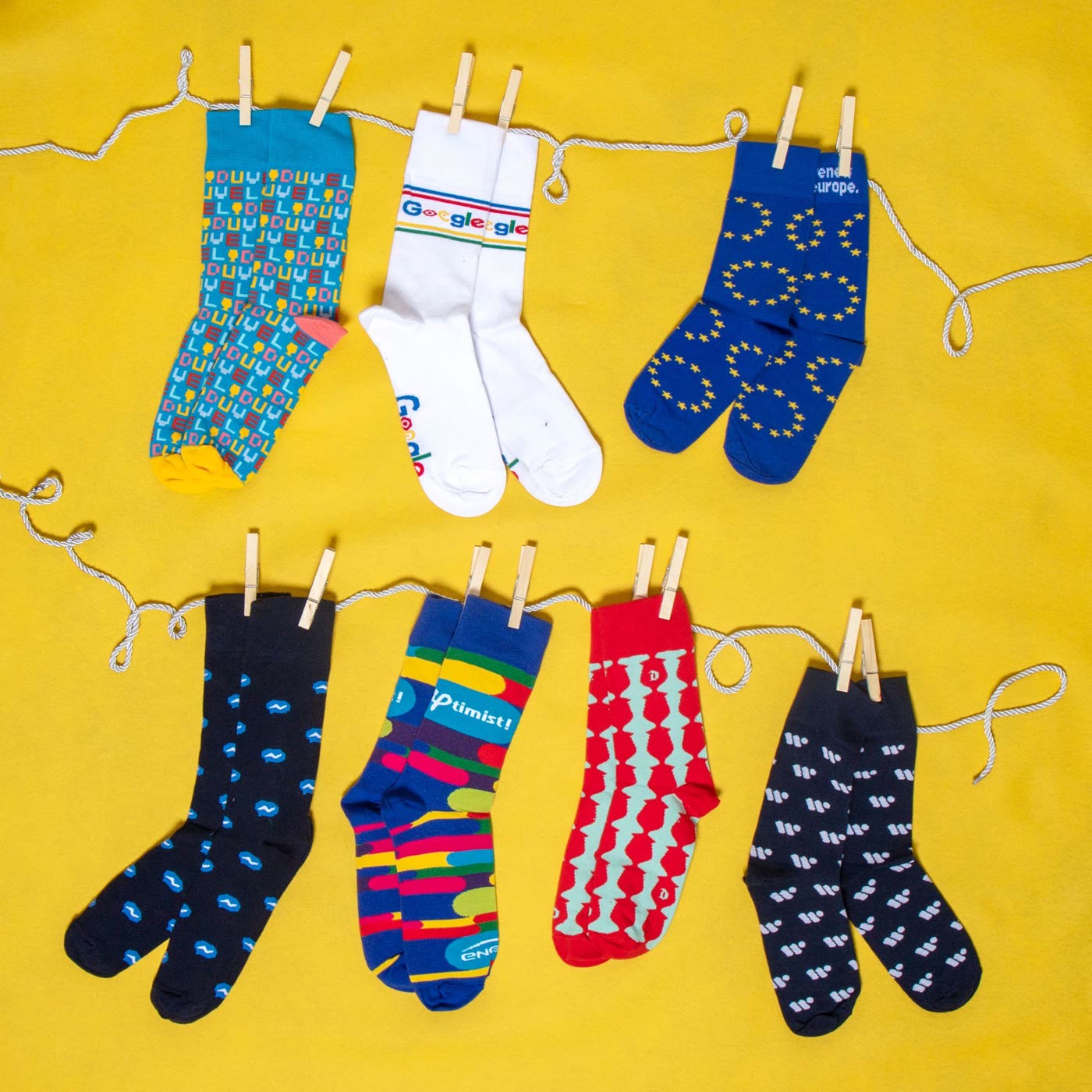
Most branded sock programs default to crew socks (covered in our crew vs ankle guide), and for good reason: crew socks offer maximum branding space and universal fit. But lower-profile styles have their place in specific campaigns, especially summer events, athletic merchandise, and fashion-forward brands.
This guide explains each style's characteristics and translates them into branded merchandise decisions.
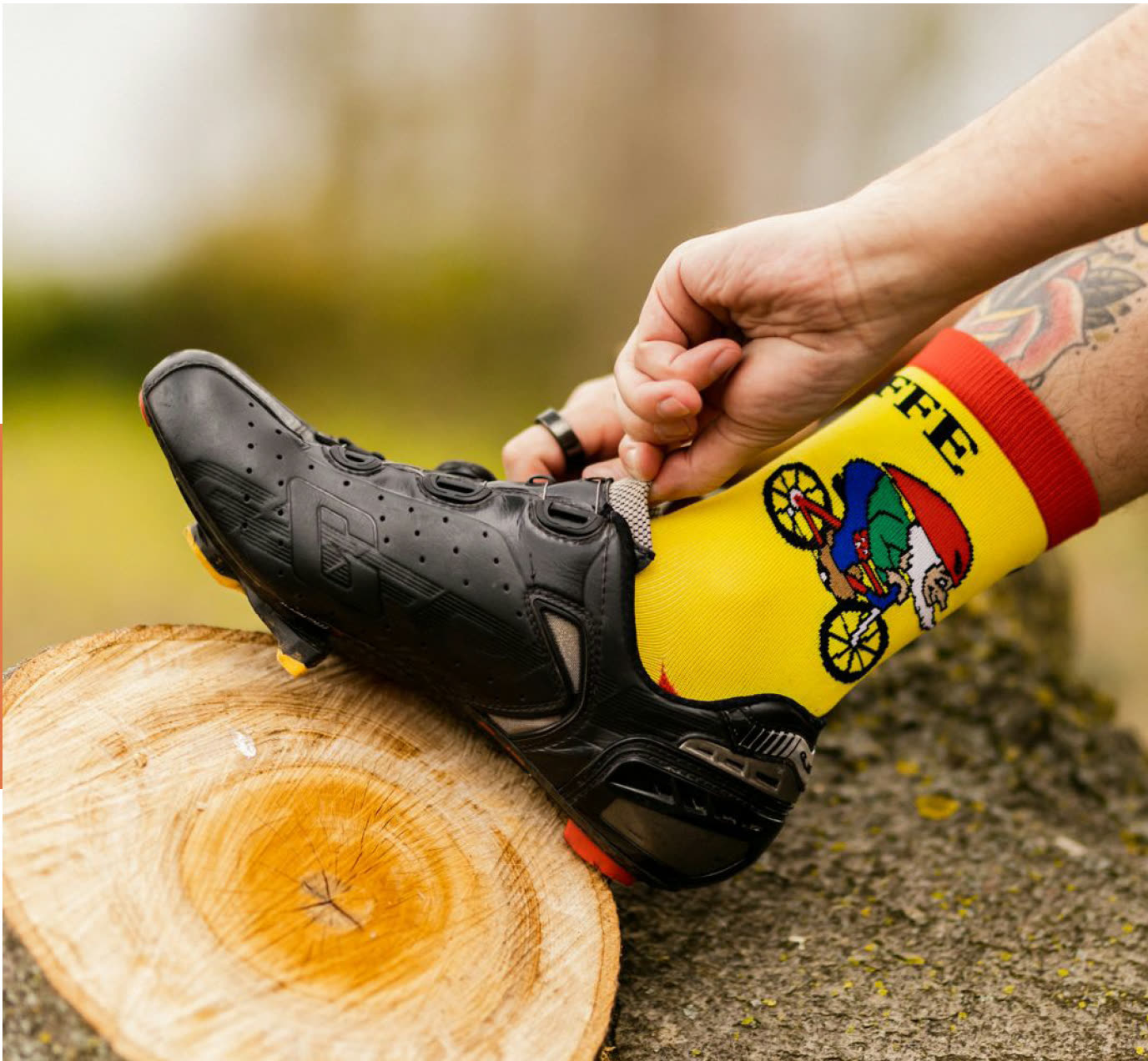
- 3: distinct short sock styles, each with different branding implications.
- 80%: of branded sock programs use crew style for maximum visibility.
- 2: sizes typically needed for low-profile styles, versus 1 for crew.
Quick definitions. No show socks sit entirely below the shoe line, invisible when worn. Low cut socks sit just at or slightly above the shoe opening, with minimal visibility. Ankle socks rise to the ankle bone (about 2-4cm above the shoe line), slightly visible. All three are shorter than crew socks, which rise to mid-calf.
The differences explained
No show socks
No show socks are designed to be invisible. They sit below the shoe opening, covering the foot without any visible cuff. They work with loafers, sneakers, and low-cut shoes where showing sock would look wrong. For branded merchandise, no show socks have minimal branding space (sole only, or a small mark near the toe). Their value is in the wearing experience, not the visible branding.
Low cut socks
Low cut socks sit just at the shoe line, with a very short cuff (1-2cm above the shoe opening). They're slightly visible with sneakers and trainers. Branding space is limited but not zero: a small logo at the back of the heel tab or the outer ankle is visible in certain shoes. They're the compromise between invisible and visible.
Ankle socks
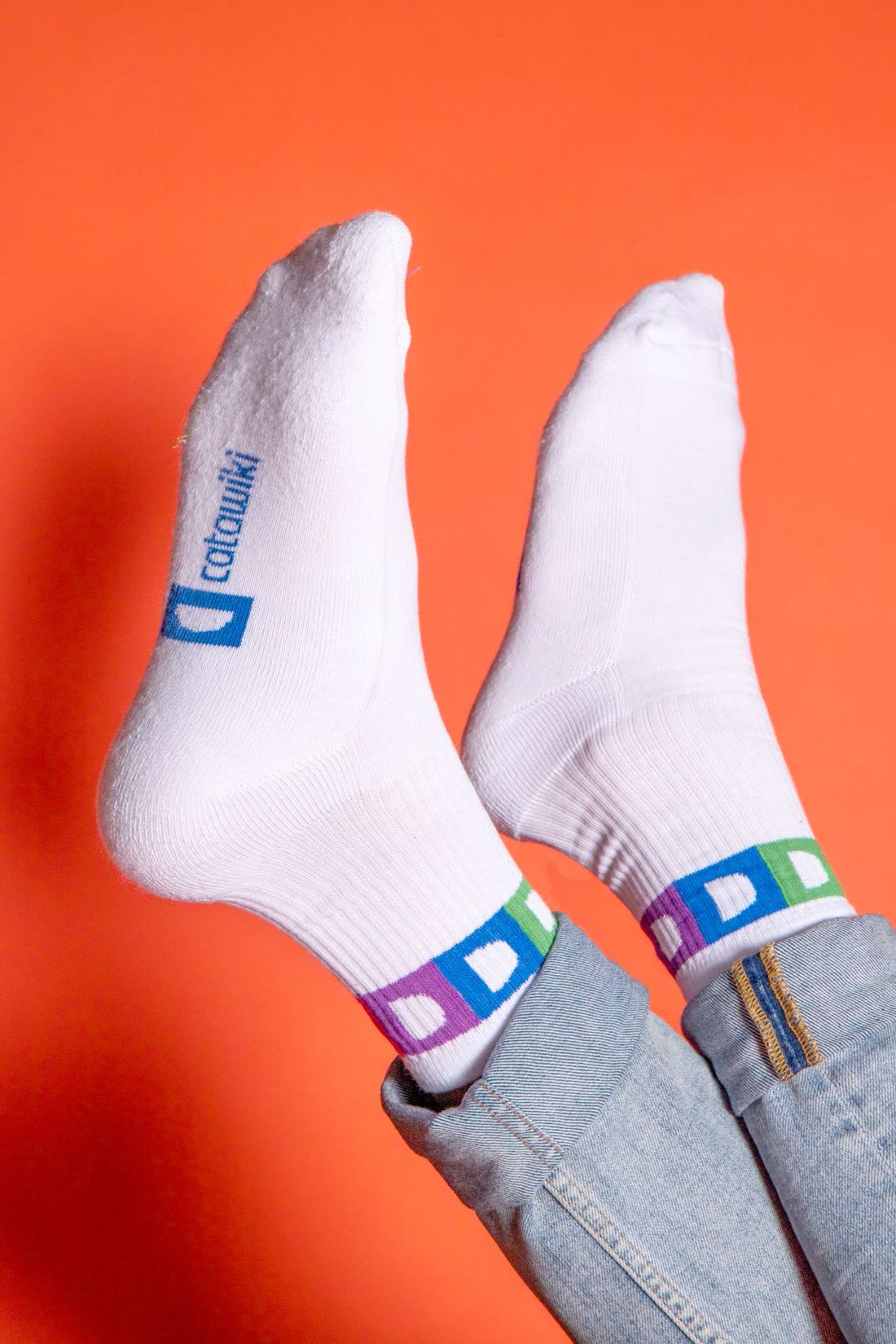
Ankle socks rise to the ankle bone, roughly 3-5cm above the shoe line. They're clearly visible with most shoes. The cuff area provides meaningful branding space: enough for a logo, a short wordmark, or a colored band. They're the most versatile of the short styles for branded merchandise because they balance visibility with a modern, casual look.
Full comparison table
| No show | Low cut | Ankle | Crew | |
| Height above shoe | 0cm (hidden) | 1-2cm | 3-5cm | 15-20cm |
| Branding space | Minimal (sole only) | Small (heel tab, outer ankle) | Moderate (cuff band, ankle) | Large (full leg) |
| Visibility when worn | None | Minimal | Moderate | High |
| Shoe compatibility | Loafers, sneakers, flats | Low-top sneakers, casual shoes | Most shoes except formal | All shoes |
| Seasonality | Spring/summer | Spring/summer | Year-round | Year-round |
| Sizing complexity | 2 sizes recommended | 2 sizes recommended | 1-2 sizes | 1 size covers most |
| Slip risk | High (needs silicone grip) | Moderate | Low | None |
| Cost | Similar to crew | Similar to crew | Similar to crew | Baseline |
Branding space by style
The branding equation is straightforward: more sock height = more canvas. No show socks give you essentially zero visible branding during wear. The logo only appears when the sock is off, which limits its value as a brand visibility tool. Low cut socks offer a small window of visibility at the back heel and outer ankle. Ankle socks give you a meaningful cuff area that can carry a logo, wordmark, or colored band.
If brand visibility during wear is your primary goal, ankle socks are the minimum viable short sock. Below that, you're buying comfort and quality, not impressions.
Best style for each use case
| Recommended | Why | |
| Summer conference giveaway | Ankle | Seasonal, visible enough for branding, works with casual shoes |
| Sports/running campaign | Low cut or no show | Athletic performance, shoe compatibility |
| Employee onboarding | Crew (or ankle as summer option) | Maximum branding space, year-round wear |
| Executive gifting | Crew or ankle | Premium feel, visible when seated in meetings |
| Summer wellness kit | Ankle or no show | Seasonal appropriateness, pairs with summer shoes |
| Festival or outdoor event | Ankle | Balance of comfort, visibility, and casual style |
Sizing considerations
Here's where short socks introduce complexity that crew socks avoid. Crew socks have a long cuff that provides stretch and adjustability, making one-size-fits-most genuinely work. No show and low cut socks need to fit precisely to stay in place. A too-large no show sock slips under the heel. A too-small one squeezes the toes.
For no show and low cut styles, plan for two sizes (S/M and L/XL, or equivalent). Ankle socks can often work with one size but two is safer. This means managing two SKUs instead of one, which adds inventory complexity for events and storefronts.
Quick recommendation
For most branded merchandise programs, ankle socks or crew socks are the right choice. Ankle for summer campaigns and fashion-forward brands. Crew for everything else. No show and low cut serve specific athletic and seasonal use cases but shouldn't be your default.
How to choose the right style
Four questions that determine the best sock height.
Is brand visibility during wear important?
If yes, ankle or crew. If no (e.g., a premium gift where the brand story is in the unboxing), any style works.
What season and climate?
Summer or warm climate? Ankle or low cut. Year-round or mixed? Crew is safest. Winter gifting? Crew all the way.
Do you want to manage multiple sizes?
If no, stick with crew (one size fits most). If you can handle two sizes, ankle and lower styles open up.
What shoes will your audience wear?
Office sneakers and trainers? Ankle works. Loafers and boat shoes? No show. Mixed? Crew is the universal answer.
Crew, ankle, low cut or no show. Sunday designs and produces all styles with 100-pair minimum orders, in your brand.