
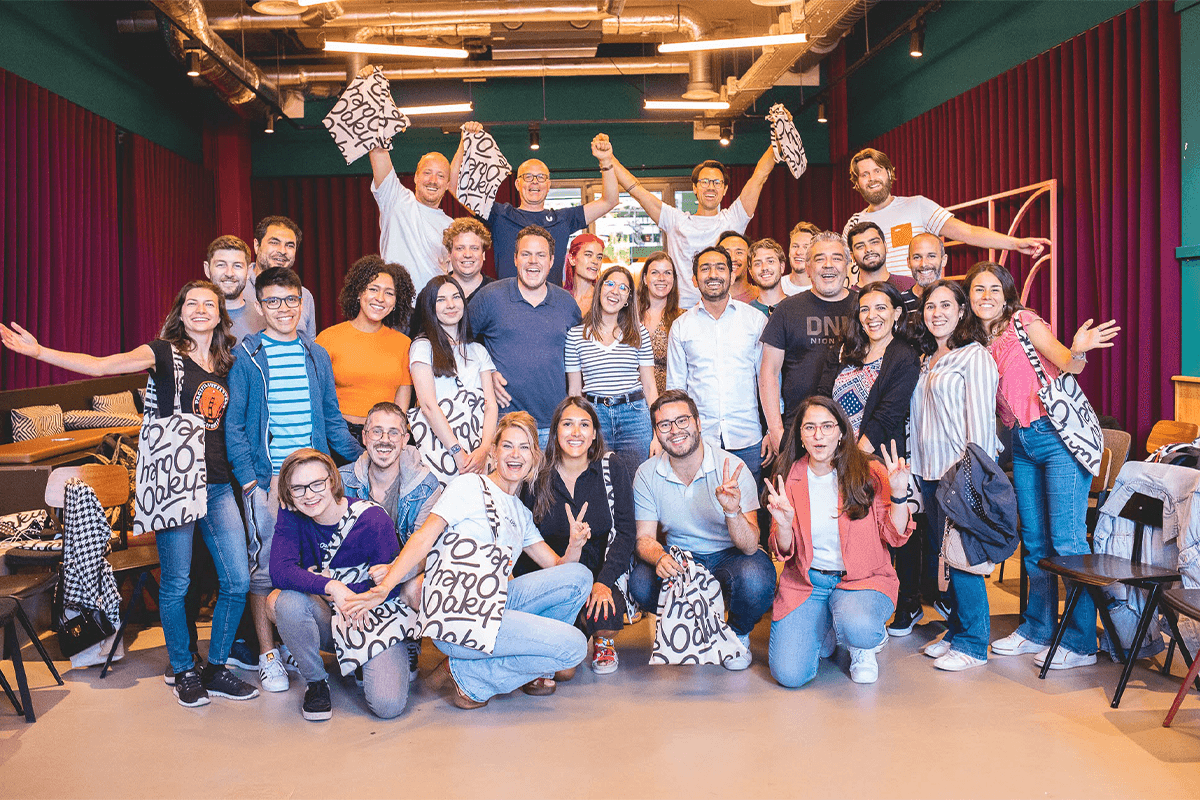
Branded merchandise sits in a rare sweet spot between marketing and relationship building. It is tangible, useful, and often unexpectedly personal, even when it is “just a hat” or “just a tote.”
When it is done well, it turns a brand from something people recognize into something they keep within reach. That simple shift can raise brand awareness in public settings and deepen loyalty in private moments.
Why merchandise works when ads fade
Most marketing is experienced as a message. Merchandise is experienced as an object, which means it participates in daily routines instead of competing for attention in a feed. A well-made water bottle on a desk, a hoodie in a weekend rotation, or a laptop sticker that stays for years has a different kind of staying power than a 15 second video.
Merchandise also signals confidence. Brands that invest in quality items communicate, quietly, “We expect you will still want us around.” That expectation can become contagious, especially when the item feels thoughtfully chosen rather than purely promotional.
A key point is that branded merchandise is not only a reminder. It can become part of someone’s identity system, the collection of cues that says, “This is who I am and what I value.”
The psychology behind loyalty: a few principles that matter
Customer loyalty is emotional before it is rational. Merchandise can support that emotional layer through well-studied psychological effects.
- Reciprocity: People feel a pull to return value when they receive something that feels like a genuine gift.
- Mere exposure: Repeated, low-effort visibility increases familiarity, and familiarity often increases preference.
- Identity signaling: Wearing or using an item in public can communicate belonging, taste, or values.
A single tote bag will not rescue a weak product, but these effects can strengthen an already positive relationship. The best merchandise plans assume the product experience is the foundation, then use merch to amplify the story people already want to tell about themselves.
From giveaway to daily habit: how visibility actually compounds
Brand awareness from merchandise is less like a billboard and more like a series of small, consistent impressions. A commuter mug can generate dozens of micro-contacts per week: coworkers noticing it, a barista seeing it, a friend borrowing it during a road trip. Those impressions are not intrusive, which is exactly why they work.
Frequency matters, but so does context. Items used in social environments create “shared attention,” where others notice the brand in a neutral or positive moment. Items used in solitary environments (a journal, a desk mat) may drive loyalty more than awareness, because they become linked with personal routines.
The most effective merch choices match how customers already live.
| Merchandise type | Where it naturally shows up | Best primary effect | Notes on execution |
|---|---|---|---|
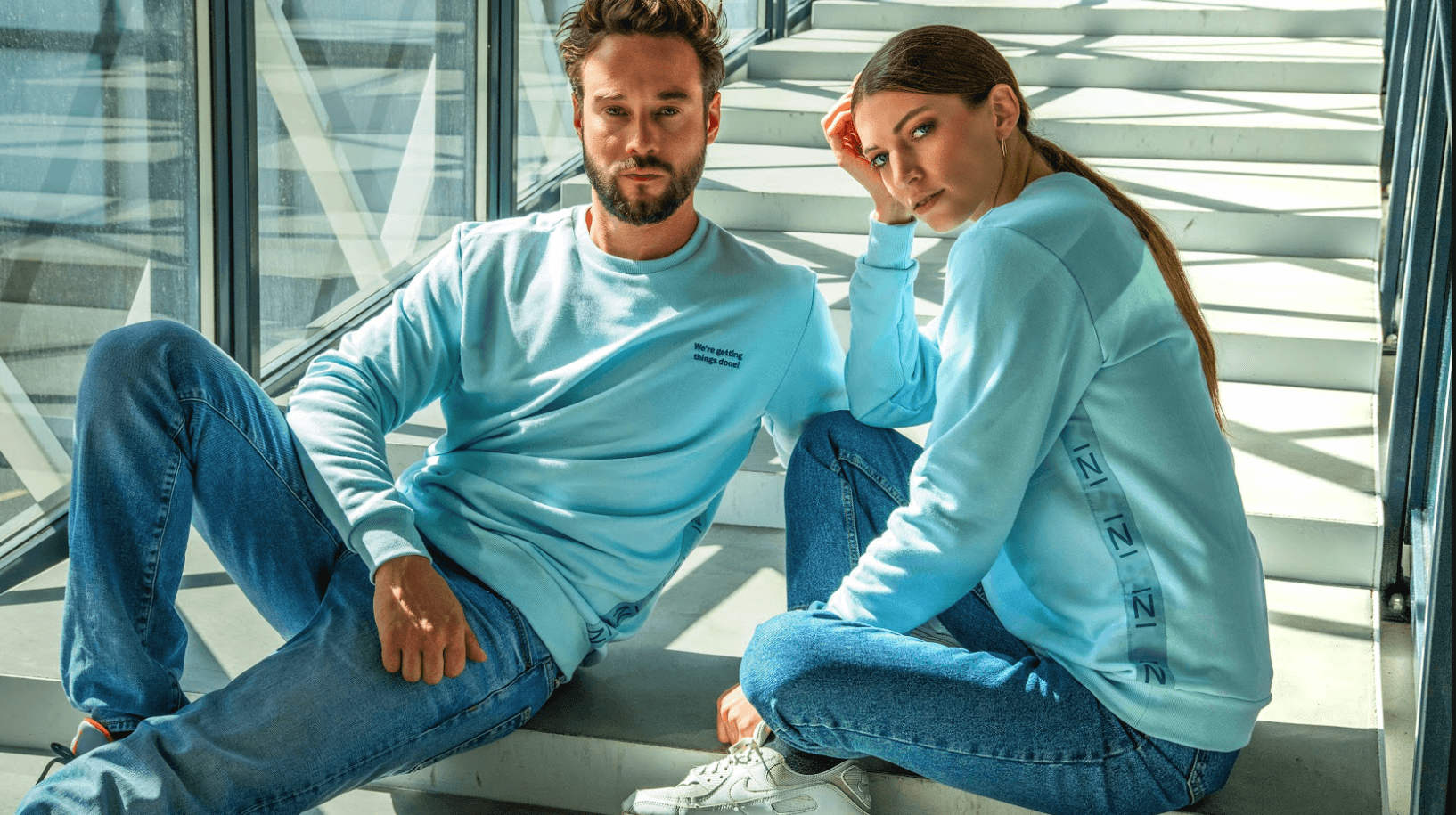
| T-shirts and hoodies | Events, gyms, errands | Awareness + identity | Fit and fabric quality decide whether it is worn or donated |
| Tumblers and bottles | Offices, travel, commuting | Awareness through repetition | Durability and lid design matter more than flashy graphics |
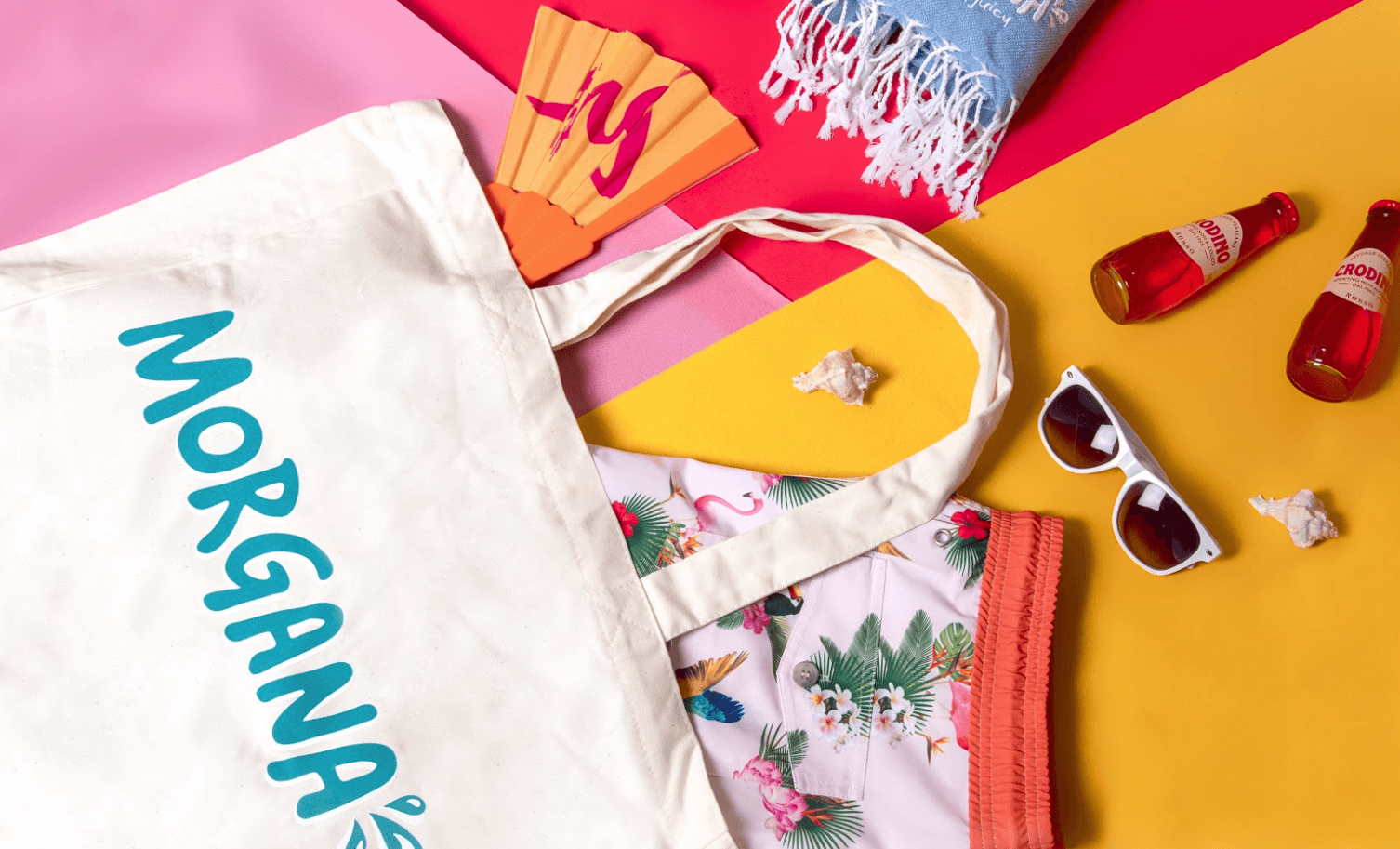
| Tote bags | Shopping, conferences, libraries | Awareness + values signaling | Works well for mission-driven brands and cultural institutions |
| Stickers | Laptops, water bottles, notebooks | Long-tail awareness | Simple marks outperform busy designs at small sizes |
| Notebooks and pens | Meetings, classrooms | Loyalty through usefulness | Paper quality and pen feel decide repeat use |
| Limited edition collectibles | Social sharing, home décor | Loyalty + community | Scarcity can work, but it must feel fair and authentic |
Real-world examples that show different paths
Some of the clearest examples come from brands that turned merchandise into a recognizable extension of their identity rather than an afterthought.
Starbucks tumblers and seasonal cups have become a ritualized form of merchandise. People collect them, gift them, and bring them back into stores, creating repeated brand contact that is both personal and public. The product is functional, but the appeal is also about participation in a shared seasonal moment.
NPR’s tote bag is another classic. It is practical, but it also signals values and membership. When someone carries it, they are not only advertising a logo. They are communicating affiliation with a civic-minded community.
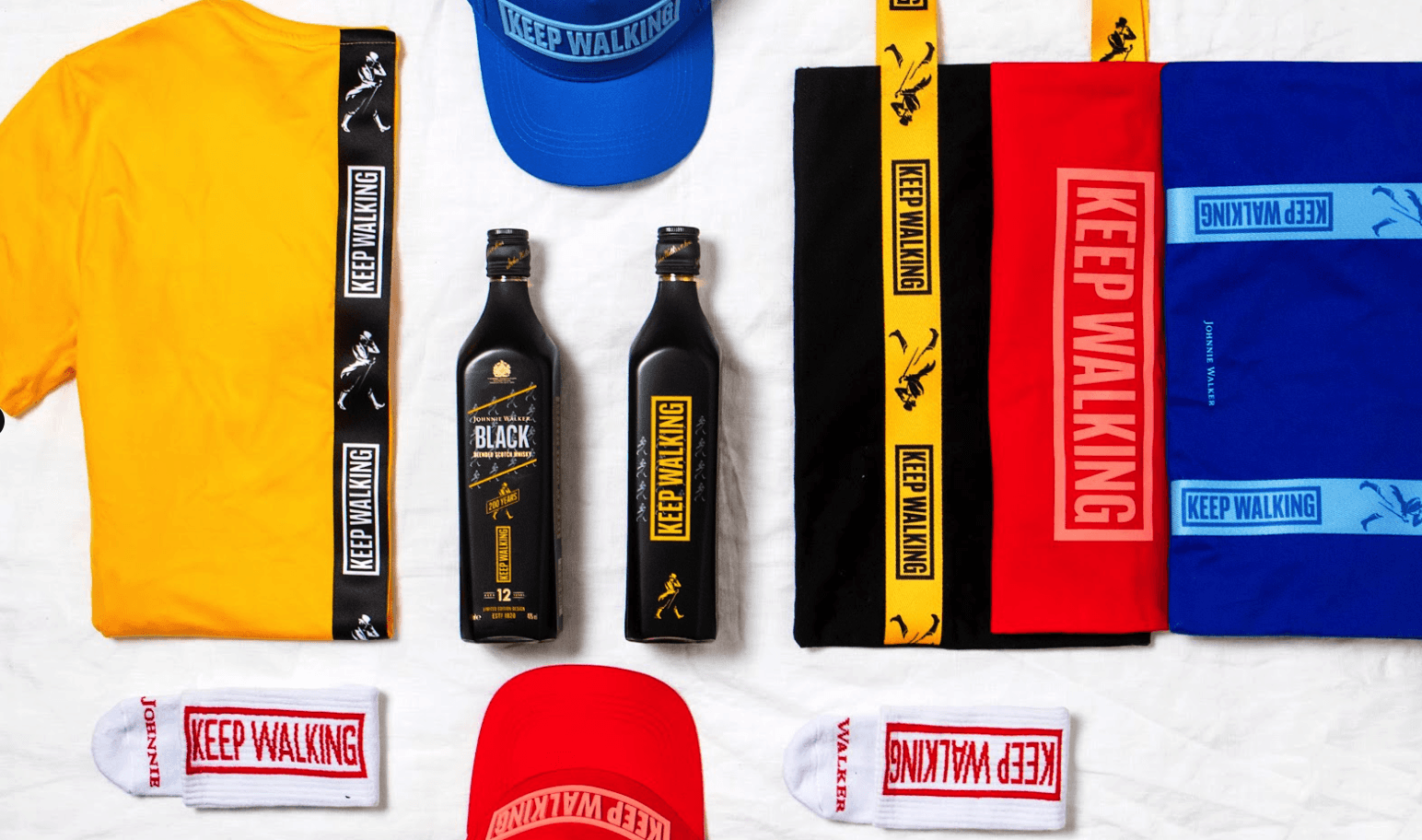
In the technology sector, conference “swag” has matured. Companies that host user conferences or sponsor industry events often use premium hoodies, socks, or desk gear to extend the event’s energy into everyday work life. When the item feels worthy of regular use, it keeps the conference memory active, which can support renewals, referrals, and product adoption.
Streetwear offers a different lesson: limited releases can build intense loyalty when they are paired with strong creative direction and consistent culture. Supreme is frequently cited because the merchandise is the product and the marketing at the same time, with scarcity and community participation doing much of the work.
Different industries, same underlying pattern: the merch succeeds when it carries meaning, not only branding.
Designing merchandise people keep (and want to be seen with)
Designing merch is closer to product design than to ad design. The question is not “How big should the logo be?” The question is “Would someone choose this over the unbranded version?”
A reliable way to answer that is to prioritize comfort, function, and restraint. A subtle mark on a well-cut hoodie usually gets more wear than a loud front print on a stiff fabric. The same logic holds for office items: a notebook that opens flat and a pen that writes smoothly earn repeat use.
It also helps to treat merchandise like a set of choices for different personalities. Some customers love bold statements. Many prefer understated signals. Offering both increases total adoption without diluting the brand.
A practical checklist can keep the team grounded in what customers actually value.
- Material and fit: Choose fabrics and sizing that match the audience’s expectations, not the cheapest available option.
- Design restraint: Let the item feel like something people would buy even without the brand.
- Message discipline: Keep copy short, avoid slogans that age quickly, and favor marks that remain readable at a distance.
- Ethical sourcing: If sustainability is part of the brand story, match it with credible production choices.
One great item beats five mediocre ones.
Merchandise as a relationship tool, not a bulk purchase
When merch is treated as a relationship asset, distribution becomes strategic. Instead of “give it to everyone,” think in moments: welcome, milestone, apology, celebration, community.
A new customer onboarding kit can reduce churn by making the relationship feel real early on. A surprise thank-you item after a key success can reinforce that the customer is seen. Even support teams can use small, well-chosen items to turn a frustrating situation into a story that ends with care.
Personalization can strengthen the effect, but it does not require names embroidered on everything. Sometimes personalization is simply relevance: sending an item that fits the customer’s context, climate, and daily life.
Campaign ideas that tie merchandise to behavior
Merchandise works best when it is connected to a clear action or shared moment. That keeps it from becoming random “stuff,” and it gives people a reason to talk about it.
- Milestone rewards: Send merchandise after meaningful thresholds (first year, 100th order, certification completed) to mark progress and encourage continuation.
- Community drops: Release limited items for members, referral partners, or event attendees to deepen belonging and spark organic sharing.
- Cause-linked editions: Offer a special item where part of proceeds supports a relevant nonprofit, reinforcing brand values through action.
The goal is not to bribe behavior. The goal is to celebrate behavior the customer already feels good about.
Measuring impact without relying on vibes
Merchandise has a reputation for being hard to measure, yet it can be tracked with the same discipline used for other channels. The trick is to separate brand awareness signals from loyalty signals, then choose metrics that match each.
For awareness, look at reach and visibility proxies: social posts that include the item, event photos, user-generated content, and incremental direct traffic during campaigns tied to merchandise. For loyalty, focus on retention, repeat purchase rate, renewal rate, and customer satisfaction changes among recipients versus a comparable group that did not receive items.
Operational metrics matter too. If 40 percent of shirts never get worn, the campaign cost is higher than it appears. Post-campaign surveys can ask one high-quality question: “How often do you use or wear the item?” That single answer can tell you whether you bought visibility or bought landfill.
Common pitfalls that quietly waste budgets
The most expensive mistakes in merchandise are usually subtle.
One is over-branding, which makes the item feel like an advertisement rather than a choice. Another is choosing products that conflict with the brand promise, like gifting low-quality items from a company that claims premium positioning. A third is treating merch as a one-time tactic, rather than a consistent system that strengthens relationships over time.
Stock management can also derail good intentions. If teams cannot get the right sizes, colors, or quantities at the moment they want to delight a customer, the program becomes frustrating and gets abandoned.
Merchandise is marketing you can hold, which means people judge it with the same standards they apply to everything they own.
A smarter way to think about brand visibility
The strongest branded merchandise does not chase attention. It earns presence.
When a customer uses an item because it is genuinely good, the brand gets repeated exposure without interrupting anyone’s day. When that item also reflects shared values or membership, it becomes a small badge of trust. And trust, reinforced over time, is where loyalty starts to look less like a metric and more like a habit.