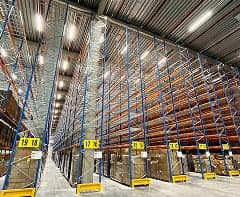




Retail looks simple from the aisle: product on the shelf, price on the tag, customer at the register. Behind that calm surface is a constant choreography of forecasting, purchasing, receiving, replenishing, and returns. A merchandise distributor sits at the center of that motion, turning manufacturing output into store-ready availability.
When distribution is done well, shoppers barely notice. The right sizes are stocked. Seasonal items arrive on time. Promotions hold steady through the weekend rush. Retail teams get to focus on customers, not on chasing cartons.
What a Merchandise Distributor Actually Does
A merchandise distributor buys, stores, and resells products to retailers, or brokers the movement of products while managing the physical flow. The distributor’s value is not only transportation. It’s coordination: consolidating many suppliers, smoothing lead times, absorbing variability, and delivering in the formats that retail operations can actually use.
Distributors often act as the operational translator between brands and stores. Brands think in production runs, case packs, and factory schedules. Retailers think in planograms, shelf capacity, markdown calendars, and store labor. A strong distributor reduces friction between those two languages.
In many categories, distributors also provide market coverage that would be expensive for a brand to build directly. That can mean serving independent retailers, supporting new store openings, or reaching smaller accounts with consistent service.
Where Distributors Fit in the Retail Supply Chain
Retail supply chains come in many shapes, yet most share the same basic pressure: stores need high availability without tying up too much cash in inventory. Distributors help solve that tension by pooling demand across multiple retailers and balancing it against supply across multiple brands.
A distributor’s position can look different depending on the category:
- In fast-moving consumer goods, speed and frequency matter, often with recurring deliveries.
- In apparel, the rhythm is seasonal, with pre-books, allocations, and frequent returns.
- In specialty retail, product knowledge and assortment curation can be as important as logistics.
Even when a large retailer operates its own distribution centers, external distributors still show up in specific lanes: niche categories, regional coverage, drop-ship programs, or imports that benefit from a specialist’s infrastructure.
Core Responsibilities That Matter on the Sales Floor
The sales floor is where distribution decisions become visible. If replenishment arrives late, availability drops. If cartons are mislabeled, labor cost spikes. If case packs don’t match shelf needs, backrooms overflow.
A distributor’s work can be grouped into a few responsibilities that directly shape store performance:
- Assortment execution: ensuring the right SKUs, pack sizes, and substitutions match what stores can sell
- Order integrity: accurate picks, correct quantities, clean labeling, and reliable documentation
- Replenishment cadence: delivery frequency that fits demand patterns and store receiving capacity
- Promotional readiness: pre-builds, timed releases, and extra capacity for peaks
- Reverse logistics: handling returns, damages, recall pulls, and vendor compliance workflows
- Service recovery: fast resolution when shipments arrive short, late, or nonconforming
These are not abstract capabilities. They determine whether the shelf is full at 5:30 p.m. on a Friday.
The Data and Systems Behind the Boxes
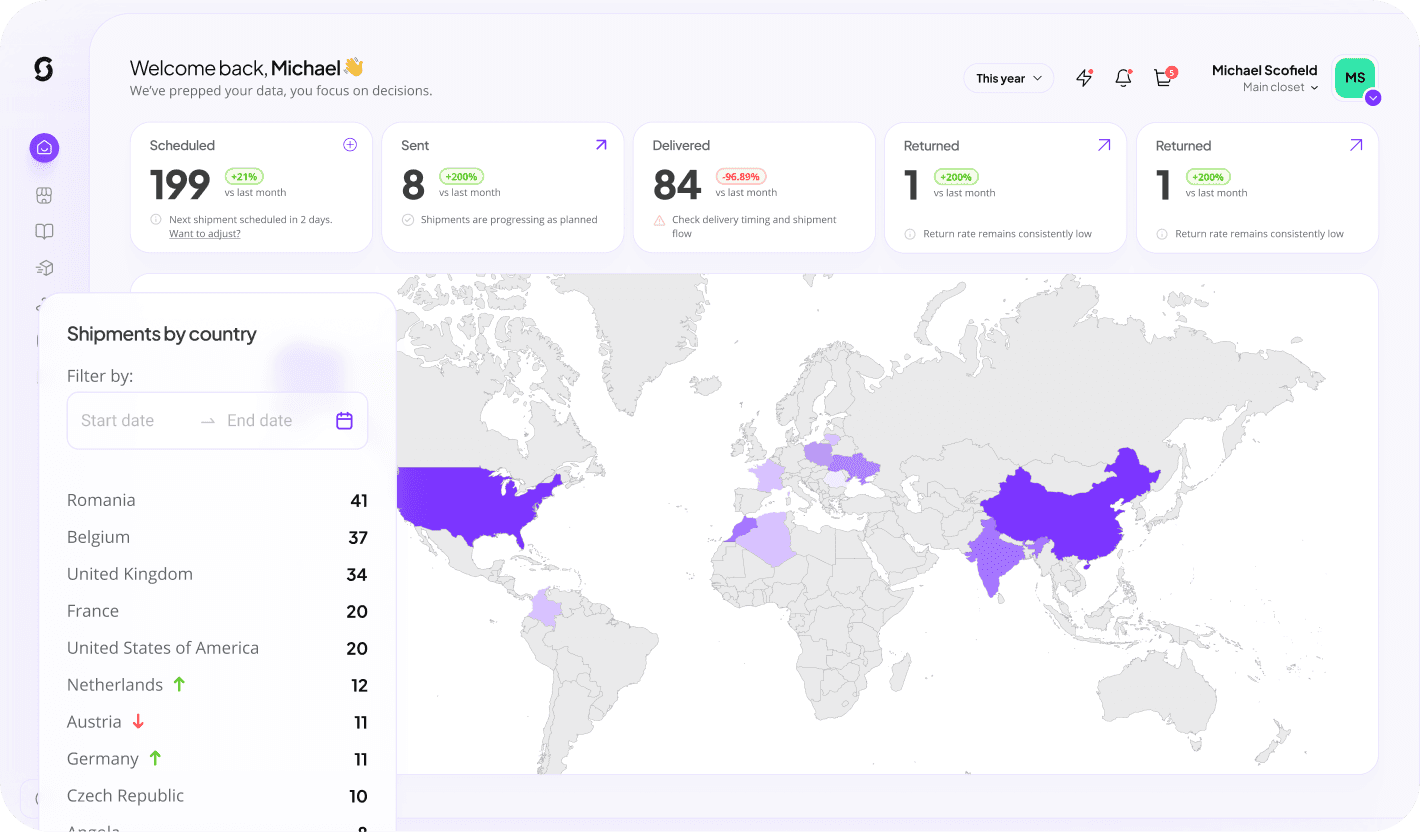
Modern distribution is built on information as much as on forklifts. Retailers and brands expect visibility into inventory positions, shipment status, and exceptions. Distributors provide that visibility by connecting purchasing, warehouse operations, transportation, and customer service into a single operating picture.
Accuracy is the quiet hero here. A warehouse management system that tracks lot codes and expiration dates can prevent selling problems later. A transportation management system that confirms appointment times can reduce store receiving congestion. Even simple EDI messages, sent consistently and correctly, can stop disputes before they start.
Great distributors treat data quality as an operating discipline. When item masters are clean, pack configurations are correct, and barcodes scan reliably, everyone downstream works faster.
Inventory Strategy: Balancing Availability and Cash
Distributors sit between two competing realities: retailers want high in-stocks, while nobody wants excess inventory that becomes markdowns or write-offs. The distributor’s job is to carry enough inventory to protect service, while staying disciplined about turns.
The right inventory strategy depends on demand stability and lead time. A predictable replenishment item can run lean with frequent orders. A long-lead imported item may need deeper buffer stock. Seasonal items require a different mindset entirely, with deliberate ramp-ups and controlled exits.
A practical way to see these trade-offs is to compare common distribution models.
| Distribution model | How it works | Best fit | Watch-outs |
|---|---|---|---|
| Direct Store Delivery (DSD) | Distributor delivers straight to stores on a route schedule | High-velocity items, frequent replenishment | Store receiving time, route density requirements |
| Centralized DC replenishment | Distributor ships pallets or cases to a retail DC | Large chains, standardized processes | Longer lead times, higher dependence on forecast quality |
| Cross-dock / flow-through | Product moves through a facility with minimal storage | Promotions, high-volume launches | Tight coordination needed, less room for errors |
| Drop-ship / ship-to-home | Distributor ships directly to the customer on retailer’s behalf | Extended assortment, online-heavy categories | Higher expectations for packaging, tracking, and returns |
No model is “best.” The best model is the one that matches the category’s economics and the retailer’s operating constraints.
Risk Management and Compliance
Distribution is also a risk business. Damage, theft, temperature excursions, regulatory issues, and documentation gaps can all turn into cost and brand harm. Distributors reduce those risks by putting controls where they matter: inbound inspection, secure storage, cycle counting, lot tracking, and carrier management.
Compliance can mean different things depending on the product. Food and beverage may require traceability and expiration control. Health and beauty can require lot-level tracking and careful handling. Consumer electronics may need secure cages and serial number capture. Even basic retail programs often require vendor routing guides, labeling rules, pallet configuration standards, and appointment scheduling discipline.
When compliance is tight, the retailer’s receiving process gets smoother. When it is loose, chargebacks and disputes become part of the weekly routine.
Collaboration with Brands and Retailers
A distributor succeeds by being a strong partner to both sides. With brands, the distributor shares demand signals, manages replenishment, and supports launches. With retailers, the distributor supports service levels, resolves exceptions, and proposes better ways to run the lane.
This collaboration works best when roles are clear and communication is structured:
- With brands: improve forecast inputs, coordinate new item setups, plan production timing
- With retailers: agree on service metrics, streamline receiving requirements, handle exceptions quickly
- Across all parties: keep item data consistent, align on promotion calendars, manage change control
The most productive relationships treat issues as shared problems, not as blame opportunities. That mindset keeps focus on availability and shopper experience.
The Economics: How Distributors Create Value
Retail margins are sensitive. A distributor’s contribution has to be real, measurable, and repeatable. Value usually shows up in one of four places: lower total logistics cost, lower inventory burden for retailers, better in-stock performance, or broader assortment access.
Consolidation is a classic advantage. Instead of a retailer managing dozens of small vendors, a distributor can aggregate purchasing and shipments. That reduces inbound complexity and can improve freight efficiency.
Distributors also build scale in the unglamorous details: packaging standards, labeling accuracy, appointment discipline, and claims management. Those details are expensive when every retailer has to solve them alone.
Choosing the Right Distributor
A distributor can look impressive on paper and still be wrong for a specific category or retail format. The right choice comes from matching capabilities to what the business actually needs day to day.
After clarifying service expectations and growth plans, it helps to evaluate distributors on a short set of practical signals:
- Fill rate consistency
- Lead time reliability
- Returns handling
- Item data accuracy
- Flexibility during peaks
- Transparency on shortages and substitutions
- Warehouse and transportation coverage
A site visit can be revealing, too. You can often see process maturity in the basics: slotting logic, labeling discipline, dock organization, and the calmness of exception handling.
A Look Ahead: How the Role Is Changing
Retail is asking for more speed, more variety, and more channels, all at once. That pushes distributors to build capabilities that would have sounded niche a decade ago: store-ready packaging, micro-fulfillment support, shipment-level visibility, and tighter integration with retailer inventory systems.
At the same time, cost pressure is not going away. The distributors who stand out will be the ones who can raise service levels without inflating complexity, using sharper forecasting, cleaner data, and warehouses that are designed for the way people actually buy today.
The shelf will keep looking simple. The work behind it will keep getting smarter.