
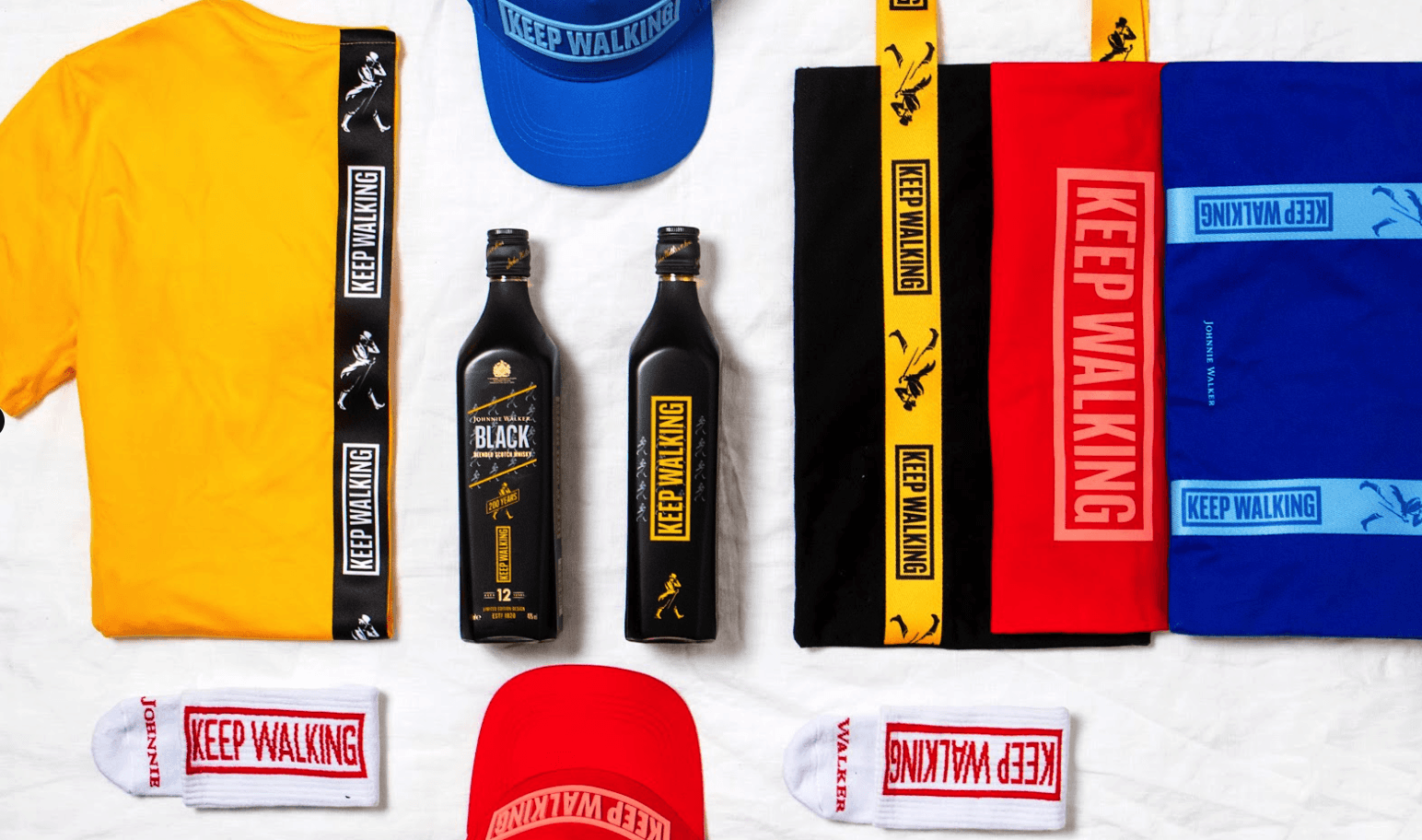


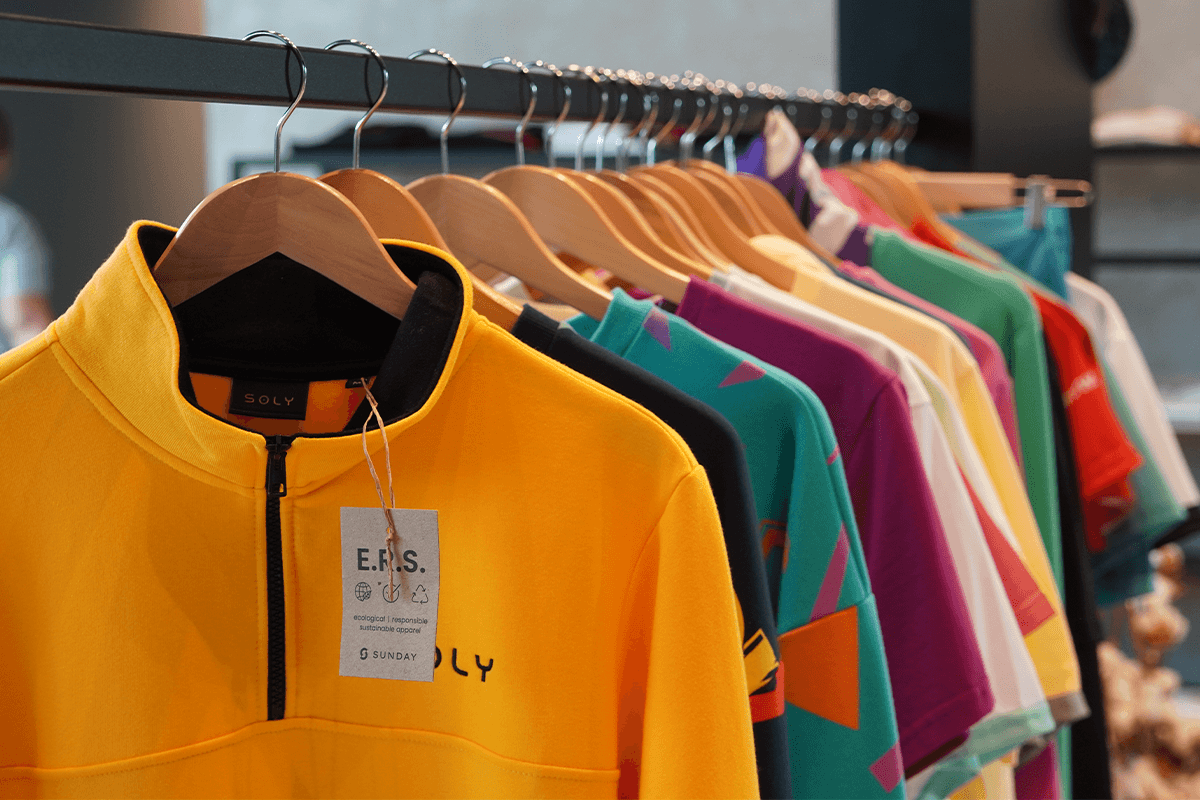
A great merchandise platform does more than put a logo on a hoodie. It turns brand energy into products people actually want to wear, gift, collect, and post about. When it’s working well, merch feels less like an add-on and more like a natural extension of your story, your values, and your community.
The tricky part is that “merch” is really a full business system: product creation, storefront, payments, taxes, production, shipping, returns, customer support, data, and brand governance. The right platform makes those moving pieces feel manageable, repeatable, and ready to scale.
What a merchandise platform really is
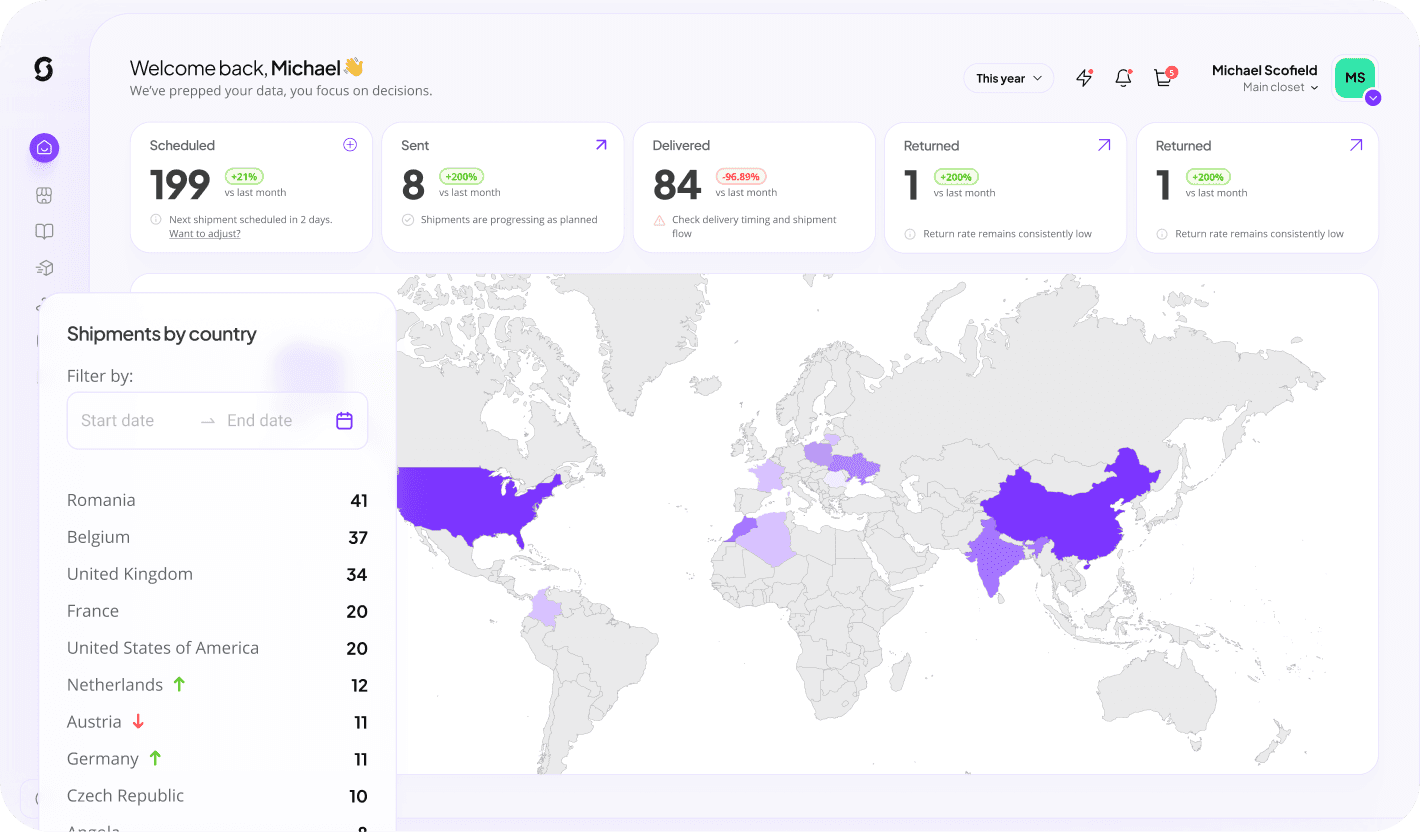
A merchandise platform is the operating layer that supports branded commerce end to end. It usually includes a storefront (or integrations to one), catalog management, order routing, fulfillment, customer communications, and reporting. The best ones also support flexible product development workflows, content, drops, and integrations with the systems your team already uses.
Some platforms are software-first, expecting you to bring vendors and warehouses. Others bundle production and fulfillment so you can start quickly. Many brands choose a hybrid setup as they mature.
When merch becomes a strategic channel
Merch starts as a fun experiment for many brands, then quietly becomes one of the most reliable ways to strengthen loyalty. Unlike performance ads or rented audiences, merch builds a physical presence in the real world and reinforces identity through daily use.
It also changes how people talk about you. A well-designed capsule drop can create conversation, while evergreen staples build steady revenue. A membership perk or employee kit can tighten internal culture. The thread connecting all of it is consistency: quality, fit, delivery speed, and customer care.
A few signs you’re ready to treat merch like a real channel include:
- Repeat requests from customers
- Limited drops selling out quickly
- Multiple teams asking for swag
- International demand
- Brand guidelines getting harder to enforce
The three core models: print-on-demand, stocked inventory, and hybrid
There is no universal “best” model. Each option shifts risk, margin, control, and speed in a different way, and many brands switch models as their volume and confidence increase.
Here’s a simple comparison that helps clarify the tradeoffs:
| Model | Best for | Pros | Watch-outs |
|---|---|---|---|
| Print-on-demand (POD) | Testing designs, low upfront risk | No inventory, fast launch, broad catalog | Lower margins, limited packaging control, variable production times |
| Stocked inventory | Core staples, predictable demand | Better unit economics, faster shipping, premium unboxing | Cash tied up in inventory, forecasting pressure, storage costs |
| Hybrid | Drops plus evergreen basics | Flexibility, balanced risk, smoother scaling | More operations complexity, requires clearer rules |
POD is excellent for validating demand and running experiments. Stocked inventory is where many brands unlock better margins and a more premium experience. Hybrid is often the steady-state: keep bestsellers in stock, use POD for long-tail designs, and reserve special packaging for high-impact drops.
Product and design workflows that protect the brand
Merch works when it feels like your brand, not just your logo. That means the platform needs to support decision-making, approvals, and consistency across designers, marketers, and operators.
Think about tools that help you define and repeat “what good looks like,” including size specs, color standards, embellishment methods (screen print, embroidery, patches), and photography guidelines. If your brand cares about tactile quality, you’ll want tight control over blanks, wash testing, and print durability.
One sentence that saves time later: build a standard product spec template and require it for every new SKU.
Fulfillment and customer experience are the real differentiators
Most people judge merch by how it arrives, not by how it was announced. Shipping speed, tracking clarity, packaging, and support responsiveness all become part of the brand story.
A strong merchandise platform should make order routing predictable and transparent. It should also support proactive communication when something goes wrong. Backorders, size exchanges, address changes, and lost packages are normal. The question is whether your system handles them with calm professionalism or turns them into chaos.
It helps to define service levels early: target ship windows, support response times, and exchange rules. Consistency builds trust.
The storefront: conversion without compromising aesthetics
Your store should feel like an extension of your main site, not a side project. Many brands prioritize design but forget basic commerce fundamentals: clear product photography, fit guidance, shipping expectations, and a frictionless checkout.
Platform choices matter here. Some brands want a fully integrated store on their primary domain with shared analytics and customer accounts. Others prefer a dedicated merch storefront that can move faster, test layouts, and run drops independently.
The best storefronts do a few things quietly well: they reduce sizing anxiety, set realistic shipping expectations, and make returns and exchanges feel reasonable.
Integrations that keep teams sane
Merch gets messy when data is scattered across tools. If your marketing team can’t see what sells, they guess. If finance can’t reconcile payouts, month-end drags. If support can’t see order status, tickets pile up.
A practical platform is one that connects cleanly to the systems that matter to you, which often include ecommerce, email, analytics, customer support, accounting, and inventory planning.
When evaluating options, it’s useful to ask one direct question: “Where will the single source of truth live for orders, inventory, and customer data?”
Choosing the right platform: a grounded checklist
Selecting a merchandise platform is less about flashy demos and more about fit. The right answer depends on your catalog complexity, order volume, creative cadence, and how much control you need over production.
Look for clarity in a few areas that tend to surface later as pain points:
- Production control: Can you choose blanks, print methods, and QC standards?
- Brand consistency: Does it support approvals, templates, and restricted assets?
- Fulfillment footprint: Are warehouses positioned where your customers live?
- International readiness: Duties, taxes, shipping options, localized rates
- Support model: Who talks to the customer, and under what SLA?
- Data access: Item-level reporting, cohort insights, and clean exports
- Security and permissions: Role-based access for teams and partners
- Drop mechanics: Queueing, inventory holds, limits per customer
That list reads operational, because brand trust is operational.
Drops, evergreen assortments, and the calendar that makes it all work
Merch succeeds when you treat it like a product line, not a random series of posts. Many brands benefit from a simple rhythm:
Evergreen items cover the basics: core tees, hoodies, hats, and a few accessories with stable demand. Drops bring heat and storytelling: seasonal capsules, collaborations, limited colorways, event-specific items.
The platform should support both without forcing you into a single pattern. Limited runs require inventory reservation, fraud checks, email triggers, and clear back-in-stock logic. Evergreen items demand reliable replenishment, stable sizing, and consistent photography.
Quality, sustainability, and compliance without the grand speeches
Customers notice quality fast. They also notice when sustainability claims feel vague. A good platform helps you make concrete choices: certified materials, responsible factories, reduced packaging, and better forecasting to avoid waste.
Compliance is less glamorous but just as real. Product safety labeling, fiber content, country-of-origin rules, and privacy requirements can vary by region. If you plan to sell internationally, you want partners and tools that treat compliance as standard practice, not a surprise task when orders start arriving from abroad.
Metrics that matter for merchandise
Merch isn’t only about top-line sales. Strong operators track the metrics that shape long-term performance and customer trust.
A few numbers worth watching closely:
- Contribution margin by SKU and by drop
- Return and exchange rate by size and product type
- Sell-through time and restock frequency
- Customer acquisition source for first merch purchase
- Repeat purchase rate and time between orders
If your platform makes these hard to access, you’ll spend more time debating what happened than improving what happens next.
Building an operating system, not just a store
At scale, merch is a coordinated practice across creative, marketing, finance, and operations. A platform earns its place by reducing friction between those groups while keeping brand standards intact.
Some teams formalize this with lightweight governance: who can create products, who approves samples, how pricing is set, and what the response plan is when a drop goes wrong. This is not bureaucracy for its own sake. It’s how you protect your reputation while moving quickly.
A smart place to start is with a few repeatable standards:
- SKU discipline: Naming rules, variant structure, and clear size charts
- Customer support playbooks: Exchanges, defects, lost packages, refunds
- Launch readiness checks: Inventory confirmed, emails drafted, tracking tested
When those basics are in place, a merchandise platform stops feeling like a tool you fight with and starts feeling like an engine that supports bigger ideas.