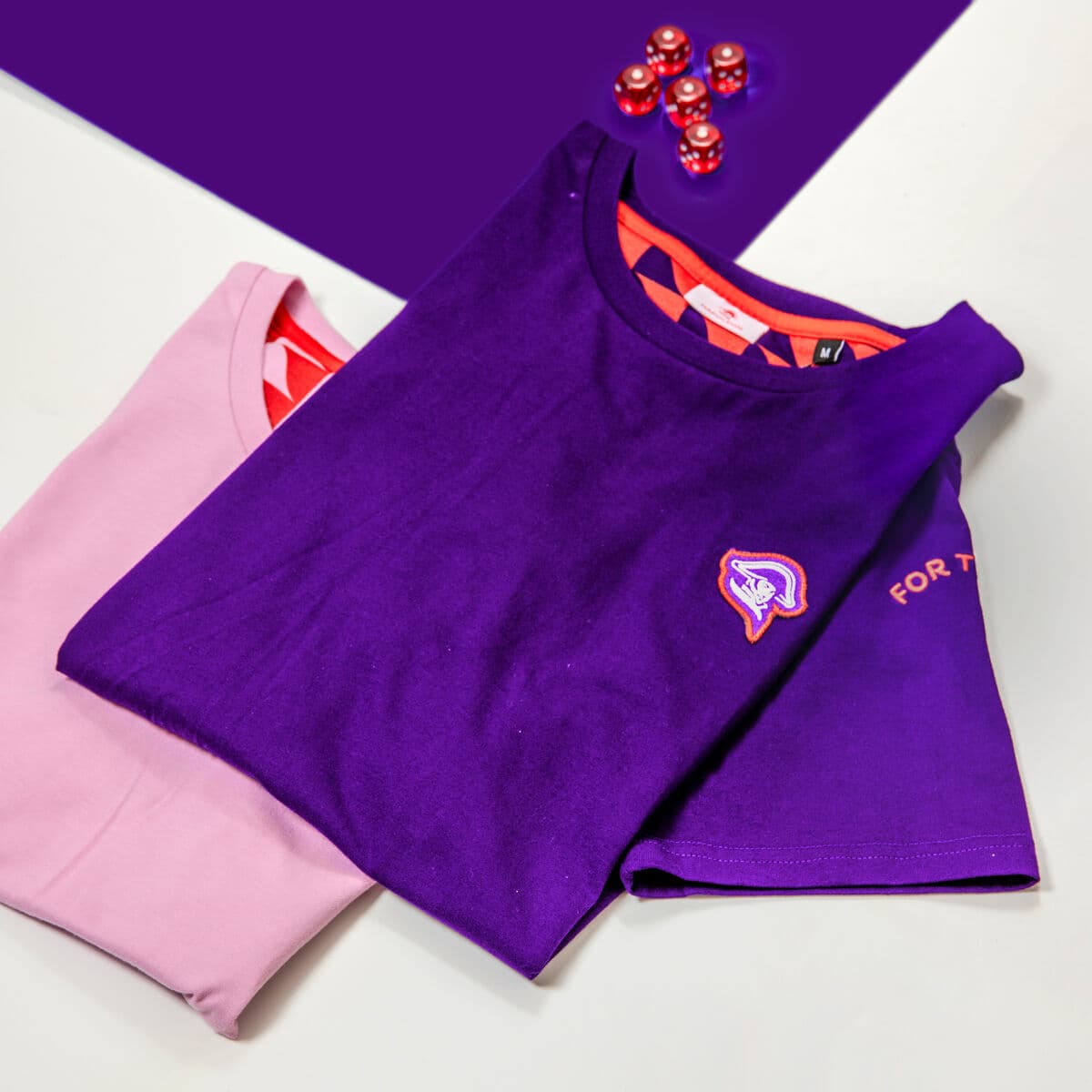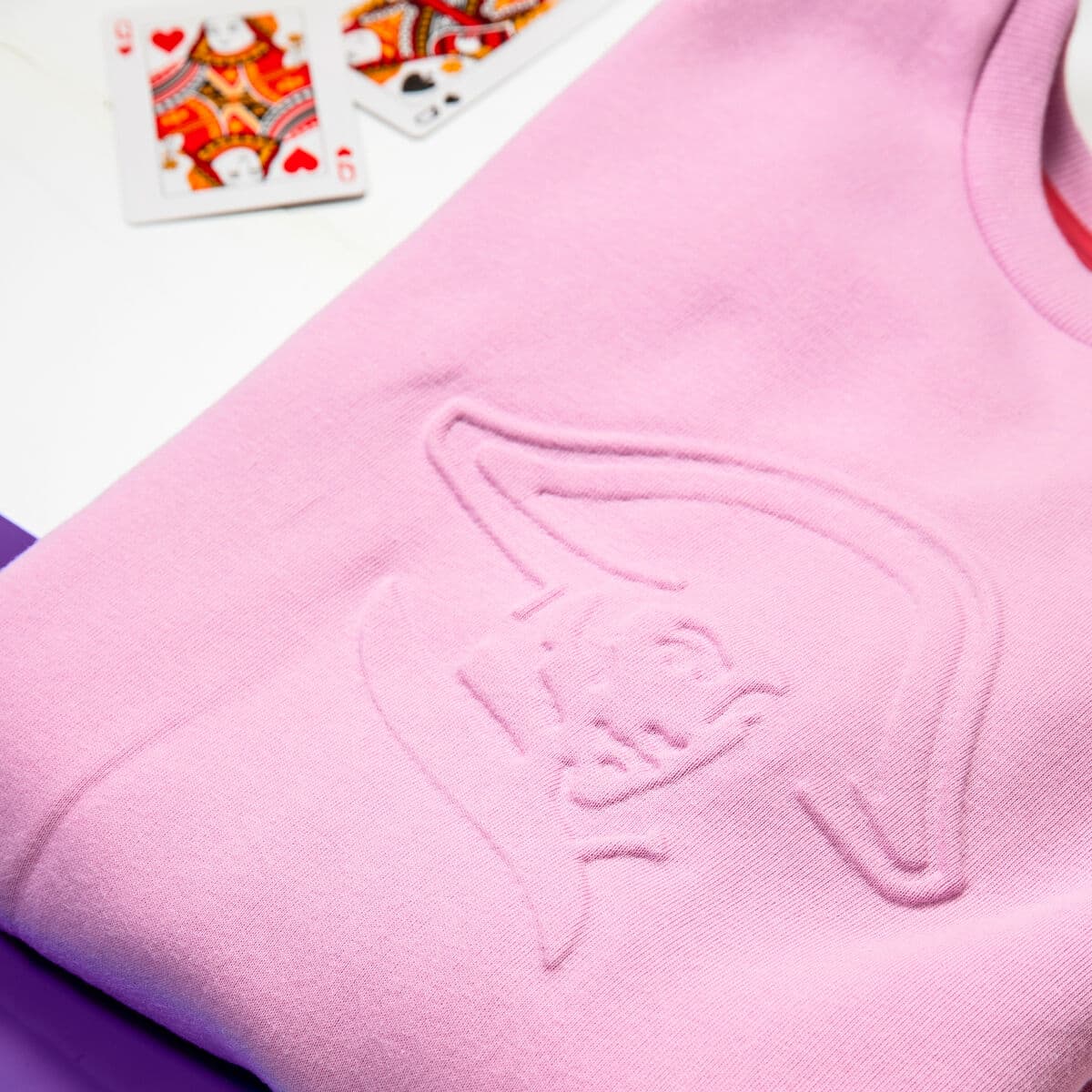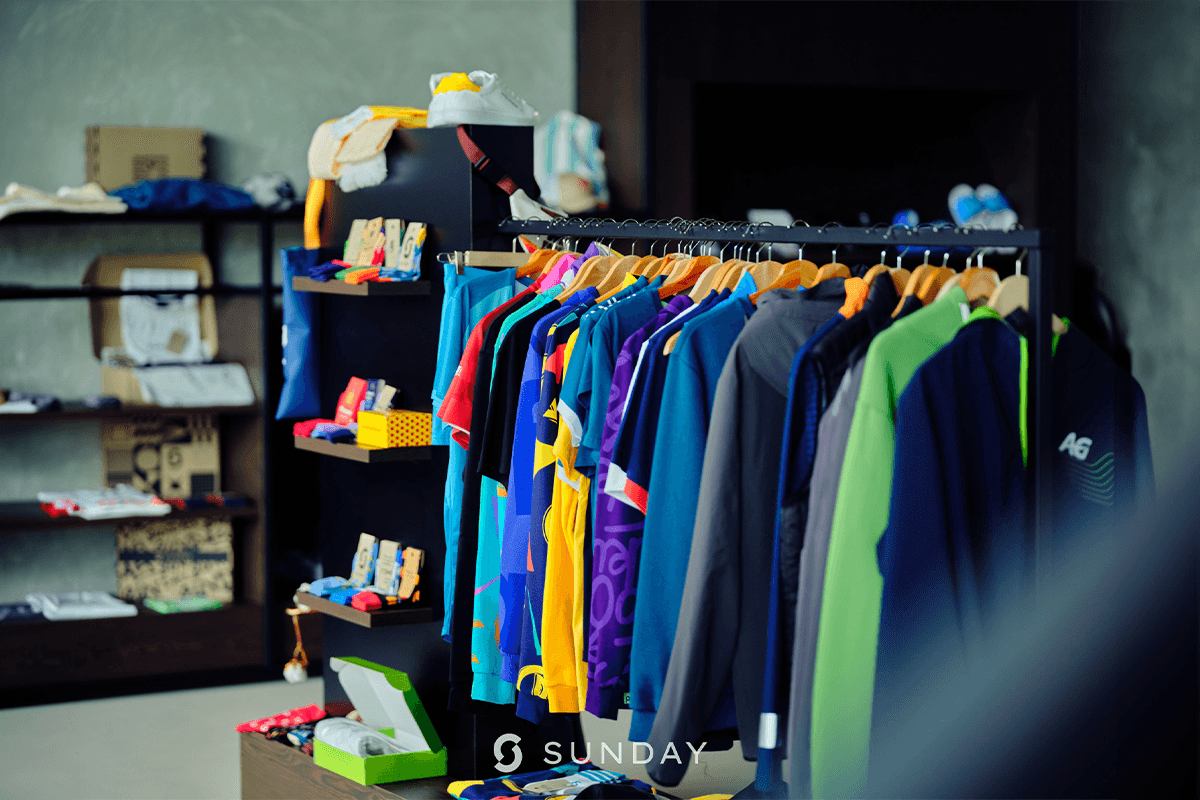
Branded merchandise is one of the few marketing investments that can earn attention more than once. A great hoodie becomes a weekend favorite. A well-made tumbler lives on a desk for years. Even a simple sticker can turn a laptop into a moving billboard.
The difference between “swag” and brand-building is rarely the logo. It’s the supplier behind it.
Why branded merchandise still performs
People don’t keep ads. They keep objects that fit their routines and reflect their identity. When merchandise is thoughtfully chosen, it quietly reinforces trust: the brand cared enough to make something useful, comfortable, and well-finished.
That same logic also works internally. Merchandise can make teams feel seen, onboard new hires with a shared identity, and mark milestones without forcing a speech. One good item can do the work of many touchpoints because it stays close to daily life.
What a branded merchandise supplier actually supplies
A supplier is not only a catalog and a checkout link. The best ones act like an operational partner with taste, restraint, and systems that reduce rework.
After clarifying goals, audience, and distribution, a strong supplier typically helps with product curation, decoration method selection, proofing, production timing, quality checks, warehousing, and shipment coordination. The value is in eliminating surprises: color shifts, late arrivals, inconsistent logo placement, damaged goods, missing size runs, or packaging that looks cheap.
A supplier also protects brand consistency. They keep files organized, maintain repeatable decoration specs, and make reorders predictable, even when teams change.
Picking the right supplier for your business needs
The fastest way to waste budget is to treat merchandise as a one-time order and the supplier as a commodity. The right supplier should fit your pace, risk tolerance, and brand standards.
A practical way to evaluate suppliers is to look at capabilities that reduce friction week after week:
- Product curation
- Decoration expertise
- Reliable timelines
- Clear proofing workflow
- Fulfillment and shipping options
- Responsiveness
And when you want to separate “good” from “great,” look for signals in how they communicate:
- Proactive guidance: they recommend fewer, better options instead of flooding you with links
- Production realism: they talk about lead times, capacity, and backup plans before you ask
- Brand protection: they insist on proofs, placements, and samples when risk is high
- Operational maturity: they can explain how orders, reorders, and address lists are handled
If a supplier can’t describe their process plainly, that confusion will show up later as delays and corrections.
Merchandise that earns its place in someone’s life
The most effective branded products fit naturally into the recipient’s day. That means thinking beyond “What’s trendy?” and asking, “What will this person reach for again?”
Start with context. Is this item meant for employees at a retreat, prospects at a conference, customers hitting a milestone, or a small group of VIPs? The same brand can justify very different spend levels depending on intent and audience size.
It also helps to treat merchandise as a “kit” system rather than a pile of objects. A small set of coordinated items can feel premium even when individual pieces are modest. Consistency in color, texture, and packaging often reads as higher quality than adding more items.
Decoration methods: where quality is won or lost
Two suppliers can source the same base product and deliver very different results. Decoration method, print setup, and finishing discipline make the difference between something people wear proudly and something that ends up in a drawer.
Below is a simple guide to common decoration approaches and when they tend to make sense:
| Decoration method | Best for | Strengths | Watch-outs |
|---|---|---|---|
| Screen printing | Tees, totes, simple graphics | Durable, cost-effective at volume | Limited gradients, setup costs for many colors |
| Embroidery | Hats, polos, fleece | Premium feel, long-lasting | Fine details can get lost, heavier on thin fabrics |
| Heat transfer (vinyl or digital) | Small runs, names, personalization | Great for short runs, variable data | Feel can be thicker, longevity varies by vendor |
| Direct-to-garment (DTG) | Complex, full-color art on tees | Detailed prints, fewer setup constraints | Fabric sensitivity, wash durability depends on process |
| UV print | Hard goods like bottles, tech items | Crisp graphics on rigid surfaces | Scratch resistance varies, needs good curing |
| Laser engraving | Metal, wood, some drinkware | Subtle, professional, hard to fake | Limited color, contrast depends on material |
A capable supplier will recommend the method that fits your art, your audience’s expectations, and how the item will be used. They will also be candid when your design needs adjustment to avoid disappointment.
Proofing, sampling, and quality control
Merchandise problems are usually small, then expensive. A logo that is 0.5 inches too low will look “off” on every piece. A slightly wrong brand color will irritate anyone who cares about design. A size run that skews too small will create waste and awkward exchanges.
Strong suppliers treat proofing as a checkpoint, not a formality. Expect digital proofs with measurements, placement guides, and decoration notes. When stakes are high, physical pre-production samples can save an entire project.
After production starts, quality control should include spot checks for color consistency, placement, stitching density, and packaging condition. If items ship to many addresses, QC matters even more because returns are harder and recipients experience issues alone.
Fulfillment and shipping: the part nobody wants to think about
Shipping is where excitement can turn into frustration. Address lists have errors. Packages get damaged. International duties surprise someone. A supplier with fulfillment experience makes all of this feel calmer.
If your plan includes ongoing sending, ask about warehousing, pick-and-pack services, and inventory reporting. Even a simple portal that tracks stock, reorder points, and shipment status can prevent last-minute scrambles.
This is also where presentation lives. A clean unboxing, a note card, and neatly packed items can make the whole brand feel more deliberate.
Pricing that stays honest from quote to delivery
Merchandise pricing is rarely just “unit cost.” Setup fees, decoration complexity, sample costs, freight, storage, kitting labor, packaging upgrades, and reshipments can all move the final number.
A trustworthy supplier is clear about what’s included, what’s optional, and what might change. They should also explain price breaks in plain language and tell you when a small change in quantity can produce a meaningful savings.
When comparing quotes, match the scope. One supplier may look cheaper until you realize another included QC, individual shipping, or better base products that reduce returns and complaints.
Sustainability that holds up under scrutiny
Many brands want merchandise that reflects values, not just logos. That can mean recycled materials, organic textiles, reduced packaging, or more durable items that won’t be thrown away.
Sustainability works best when it’s tied to practical decisions:
- Choose items built to last, even if the unit cost is higher.
- Reduce “filler” products that exist only to increase perceived quantity.
- Use simpler packaging and ship in fewer boxes when possible.
A good supplier can also help you avoid vague claims. Look for clear material descriptions, credible certifications when relevant, and realistic trade-offs (like how certain inks, coatings, or fabric blends affect recyclability).
Questions that quickly reveal supplier quality
You don’t need a long RFP to get clarity. A few precise questions can show whether a supplier has strong process discipline and the confidence to be transparent.
Ask these and listen closely to how they answer:
- What can go wrong with this product choice: and how you prevent it
- How do you handle color matching: especially for brand-critical colors
- What is your proof approval workflow: and who signs off before production
- What happens if a shipment arrives damaged or late: and what you can expect next
- How do reorders work: including file storage, decoration specs, and minimums
You’re not only buying merchandise. You’re buying a response when something unexpected happens.
Building a supplier relationship that gets better over time
The best outcomes come when a supplier learns your patterns. Your brand colors. Your preferred fits. Your tolerance for risk. Your internal approval habits. Your event calendar. That familiarity creates speed without sacrificing quality.
It also creates better ideas. Once a supplier knows what has worked for you, they can suggest improvements that are grounded in real data: which items generated repeat requests, which sizes were underused, which packaging reduced damages, which lead times were consistently achievable.
A branded merchandise program becomes easier when it’s treated like an ongoing system with repeatable parts: a small set of proven products, a clear design standard, a reliable decoration approach, and a fulfillment plan that fits your reality.
And when you find a supplier that can deliver that kind of consistency, your merchandise stops being a task you dread and starts becoming a reliable way to show people what your brand stands for.