
What is a merchandising company?
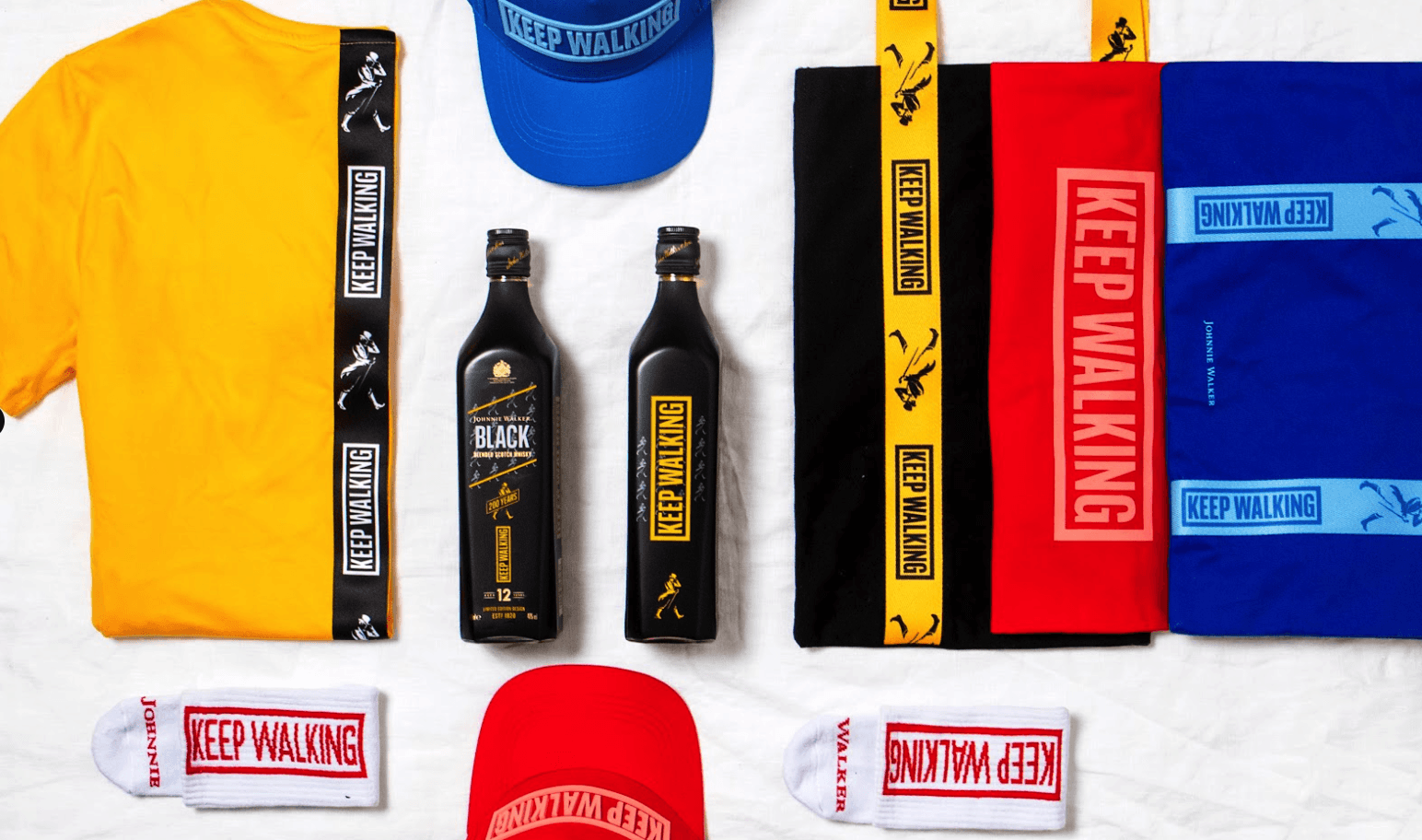
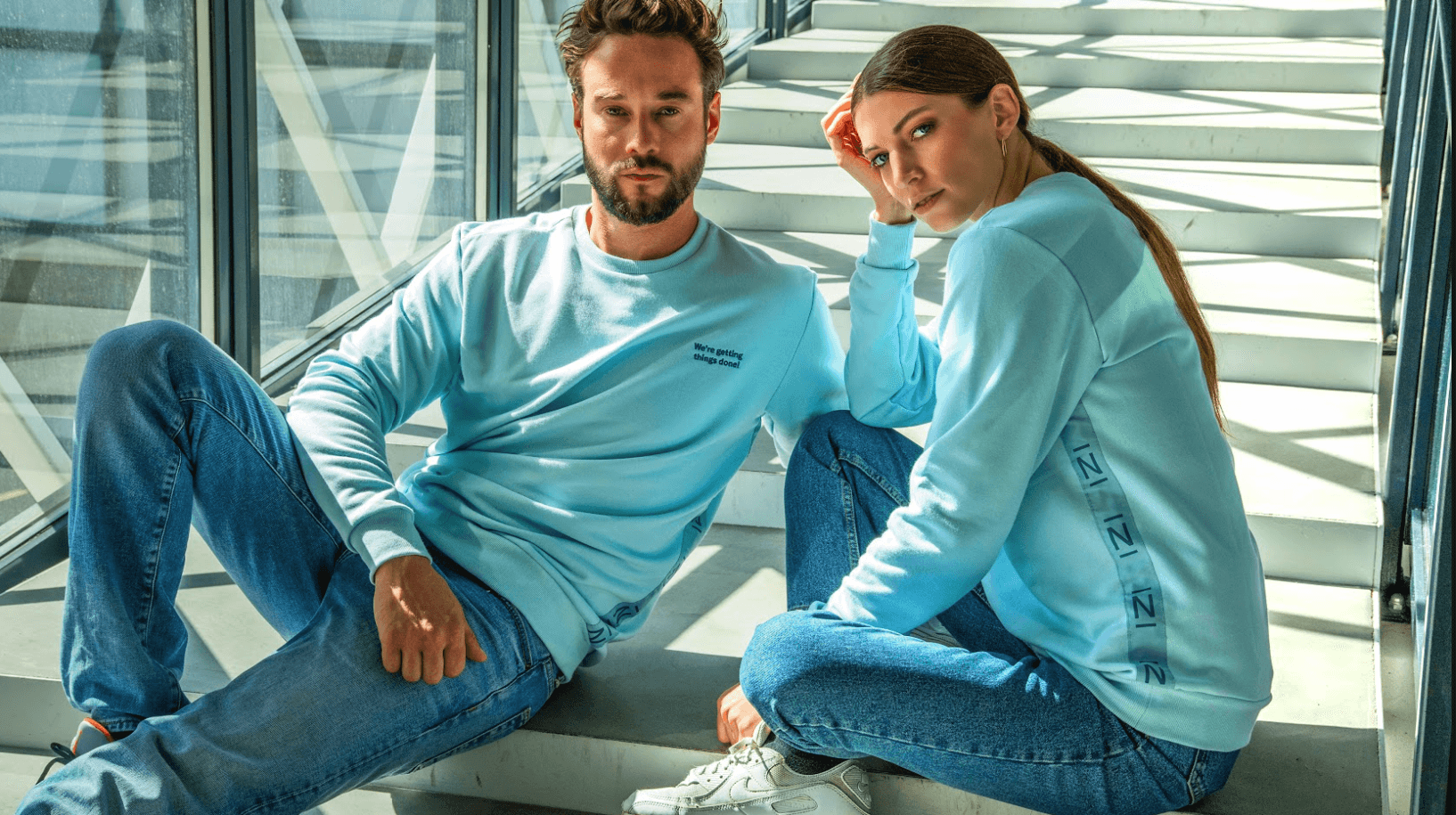
A merchandising company is a business that buys finished goods and resells them without changing them, earning its profit on the markup. Retailers and wholesalers are the classic examples. In marketing, the term also covers branded merchandise companies, like Sunday, that put a company's logo on products such as hoodies, socks and bags.
So the phrase has two meanings. Accountants and business students use it for the buy and resell model. Marketing, HR and event teams use it for the companies that make their branded merch. This page explains both.
Merchandising company definition (accounting)
In accounting, a merchandising company sells merchandise: inventory it bought ready to sell. It does not manufacture the goods and it does not mainly sell its time. Its core numbers are inventory on the balance sheet and cost of goods sold on the income statement. Net sales minus cost of goods sold gives gross profit, which has to cover rent, staff and other operating costs.
Merchandising companies can sell online, in physical stores, or both, and many specialise in one category such as fashion, home goods, electronics or food.
Examples of merchandising companies
- Retailers. Supermarkets, department stores, bookshops and online shops buy goods from suppliers and sell them to consumers. Walmart, Target and Amazon's own retail business are the textbook examples.
- Wholesalers. They buy in bulk from manufacturers and sell to retailers or businesses, not to consumers. Read more in our guide to merchandise wholesalers.
- Distributors. Close to wholesalers, often with exclusive rights to a brand or region. See the role of a merchandise distributor in retail.
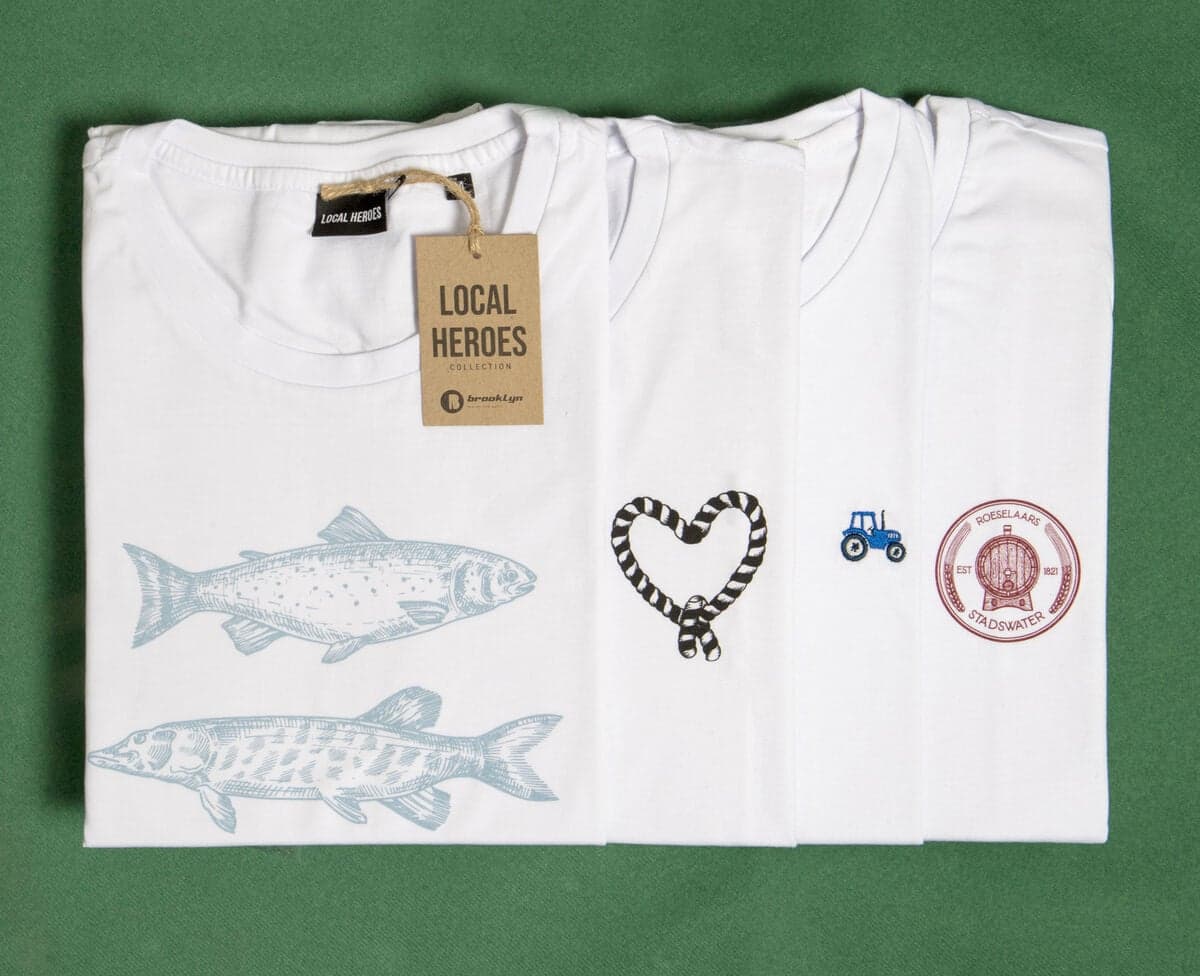
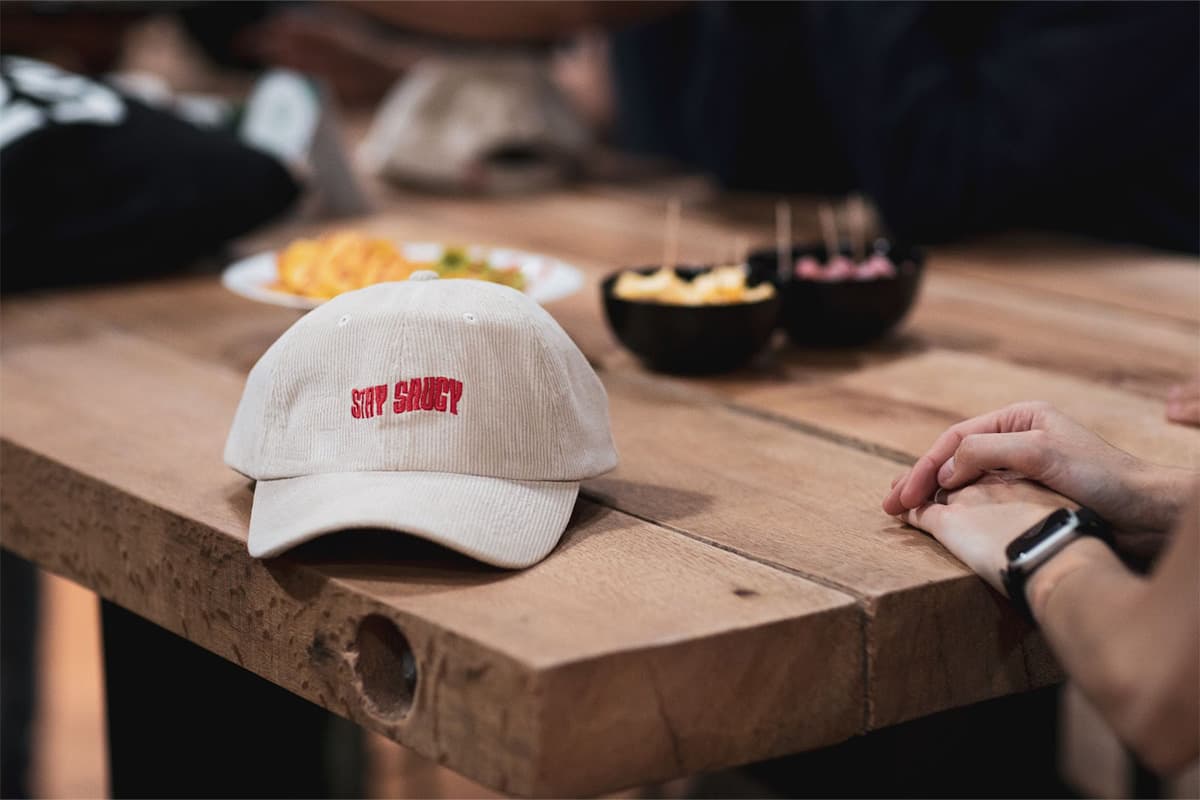
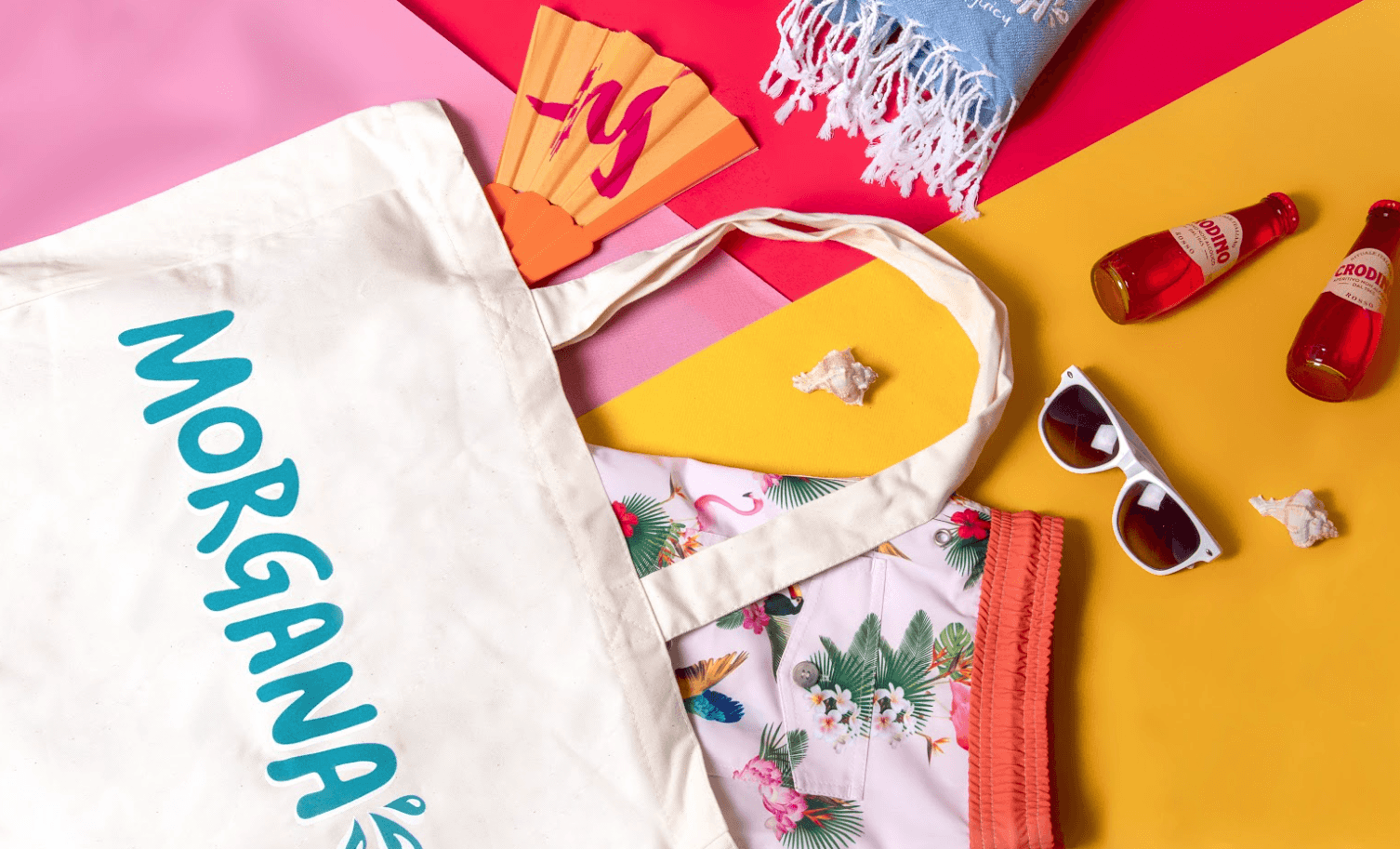
- Branded merchandise companies. Companies like Sunday source blank products, decorate them with a client's logo, and deliver them to teams, events and customers. They sit between the accounting meaning (they sell products, not hours) and the marketing meaning (the products carry your brand).
Merchandising vs service vs manufacturing companies
| Merchandising company | Service company | Manufacturing company | |
|---|---|---|---|
| What it sells | Finished goods it bought | Time, skills or access | Goods it makes itself |
| Inventory | One type: merchandise | Little or none | Raw materials, work in progress, finished goods |
| Income statement | Sales, cost of goods sold, gross profit | Service revenue minus operating expenses | Sales, cost of goods manufactured and sold, gross profit |
| Examples | Retailers, wholesalers, distributors | Agencies, law firms, consultants | Car makers, textile mills, food producers |
How can a merchandising company help your business?
A merchandising company saves you the work of finding, vetting and negotiating with many suppliers. It gives you access to a wider range of products, manages stock so you neither run out nor tie up cash in excess inventory, and often helps promote the products so they sell or get used.
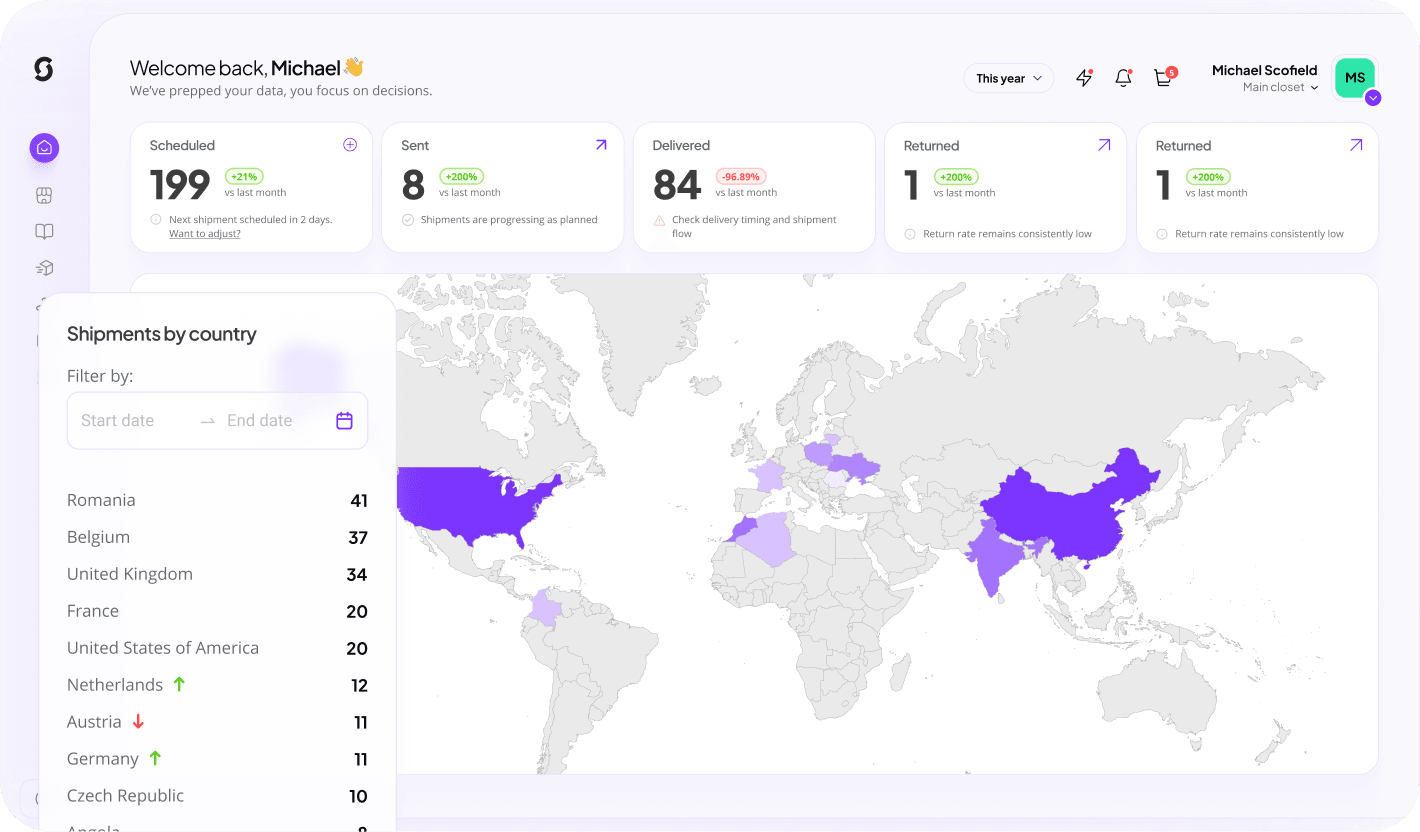
For branded merch, the same logic applies to a company's own swag. A good partner stores the stock, ships it to people in 200+ countries, and handles customs and duties so recipients never pay to receive. Many teams run this through a company swag store instead of one-off orders. If you are comparing providers, our swag management platform comparison sets Sunday next to 26 alternatives.
Sunday: a branded merchandise company
Sunday is a Belgium-based branded merchandise platform used by 4,000+ brands across 200+ countries. Teams pick from 490+ products and 2,700+ templates, see them in their own brand in about 30 seconds, and order from 10 pieces per item. 70% of Sunday orders go through automatic design templates, with no designer and no proof cycle. Sports socks are the most-ordered product, followed by t-shirts and hoodies.
What you choose matters. In a study of 258 people at Belgian rail operator NMBS/SNCB, run by research agency Sapience with the Vrije Universiteit Brussel, bags (69%) and sweaters (67%) were worn more than twice, while 31% of plain socks were never worn. Employees who received company merch scored 19% higher on engagement and 26% higher on ambassadorship. Read the full company swag study.
Frequently asked questions
What is an example of a merchandising company?
A supermarket is the simplest example: it buys groceries from producers and resells them at a markup without changing them. Department stores, online shops, wholesalers and distributors are merchandising companies too. In marketing, branded merchandise companies such as Sunday, which decorate products with a client's logo, are also called merchandising companies.
What does a merchandising company do?
A merchandising company buys finished products, holds them as inventory, and resells them to consumers or other businesses. Its work covers sourcing, pricing, stock management, display and promotion. A branded merchandise company adds decoration with your logo, storage and shipping, so your team, events and customers receive merch in your brand.
Is merchandising a high paying job?
It depends on the role. In-store merchandisers who stock shelves and build displays are usually entry-level positions. Buyers, merchandise planners and category managers at larger retailers or brands typically earn more, and pay grows with experience and responsibility. Check current salary data for your country and role before deciding.
Is merchandising a hard job?
It can be, in different ways. Field and store merchandising is physical: standing, lifting and travelling between locations on tight schedules. Buying and planning roles are analytical, with pressure on sales targets, stock levels and seasonal deadlines. People who like retail, numbers and fast decisions usually find it rewarding.
Is a merchandising company the same as a manufacturer?
No. A manufacturer turns raw materials into finished goods, so it carries raw materials, work in progress and finished goods inventory. A merchandising company buys goods that are already finished and resells them. Some businesses do both, but accountants report the two activities differently on the income statement.