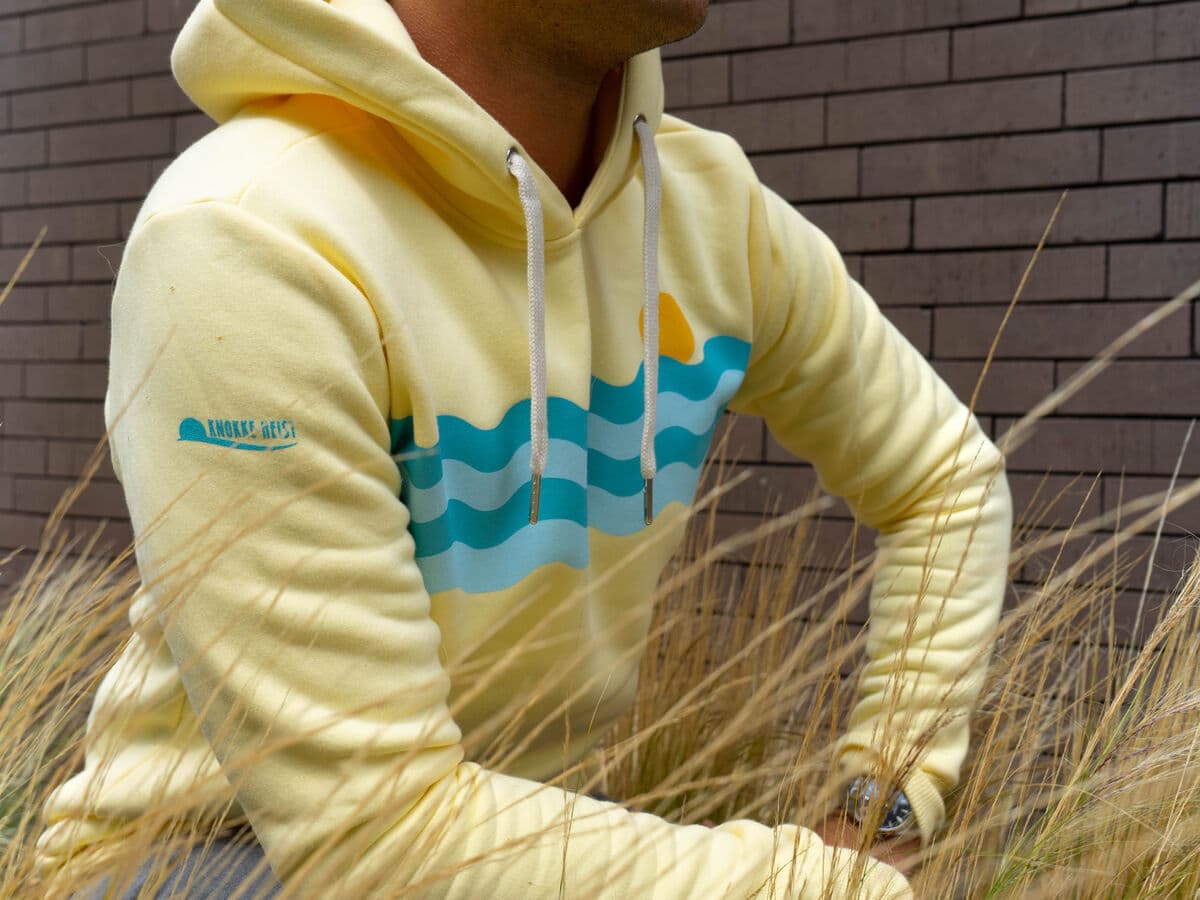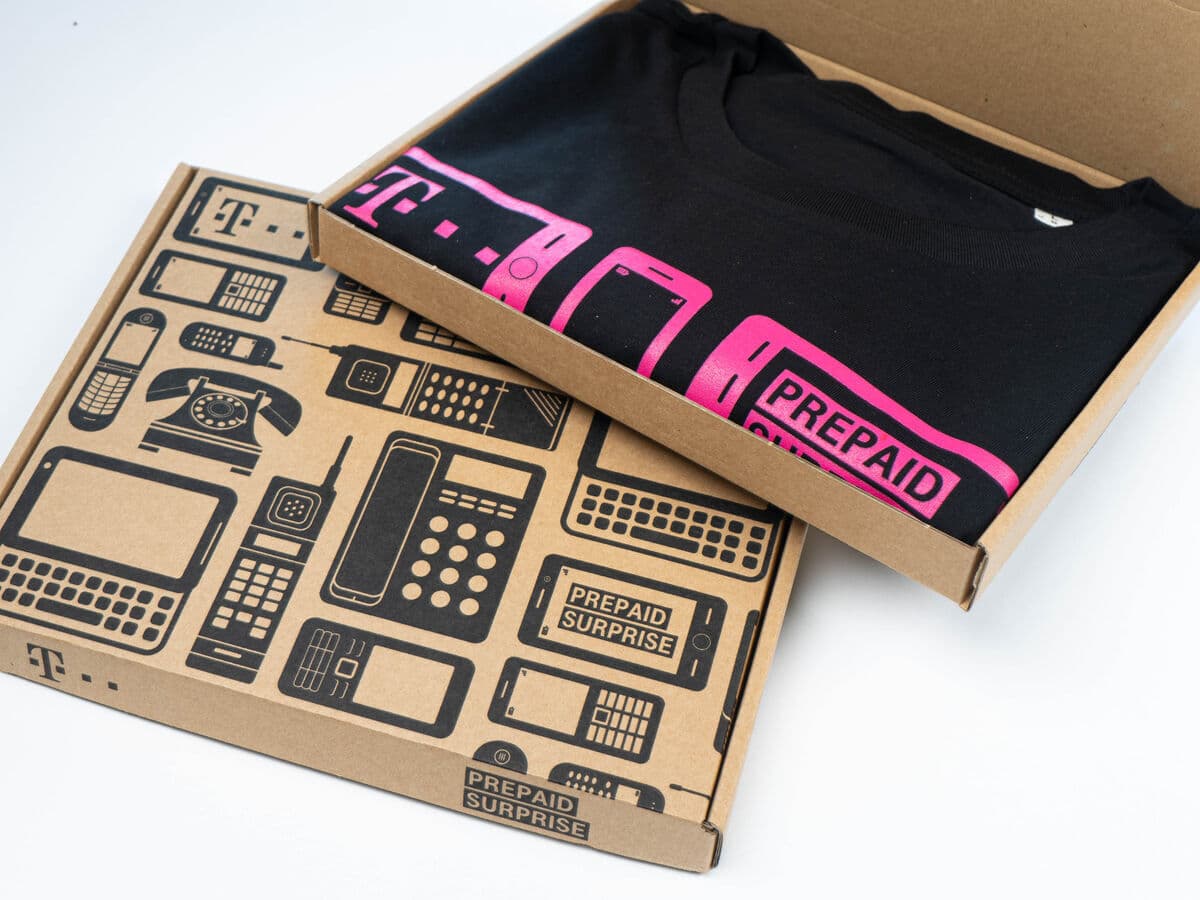
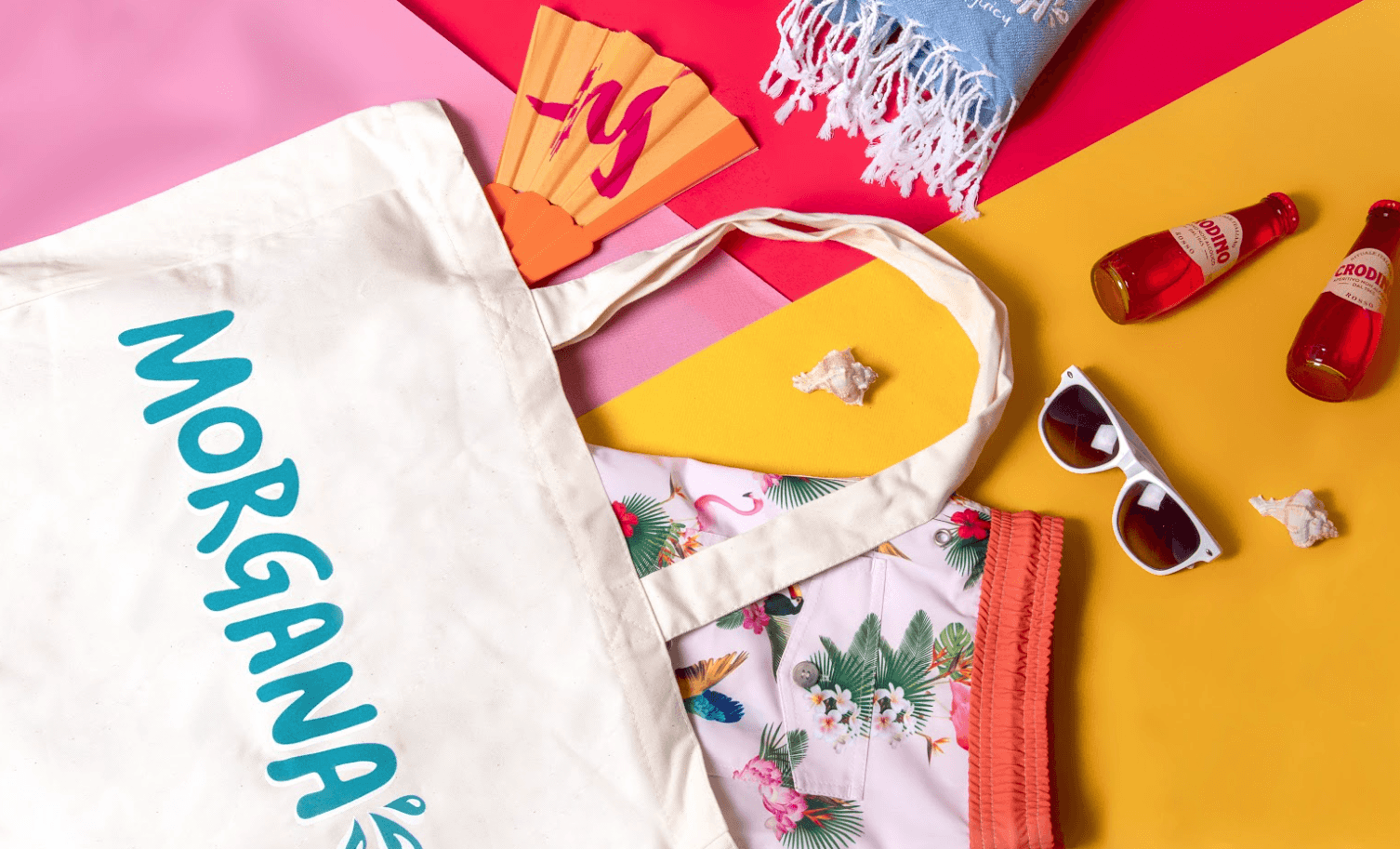

Corporate swag is branded merchandise that companies produce and distribute to employees, clients, partners, and prospects. It builds brand recall, drives loyalty, and generates measurable ROI at a fraction of the cost of digital ads.
What is corporate swag, exactly?
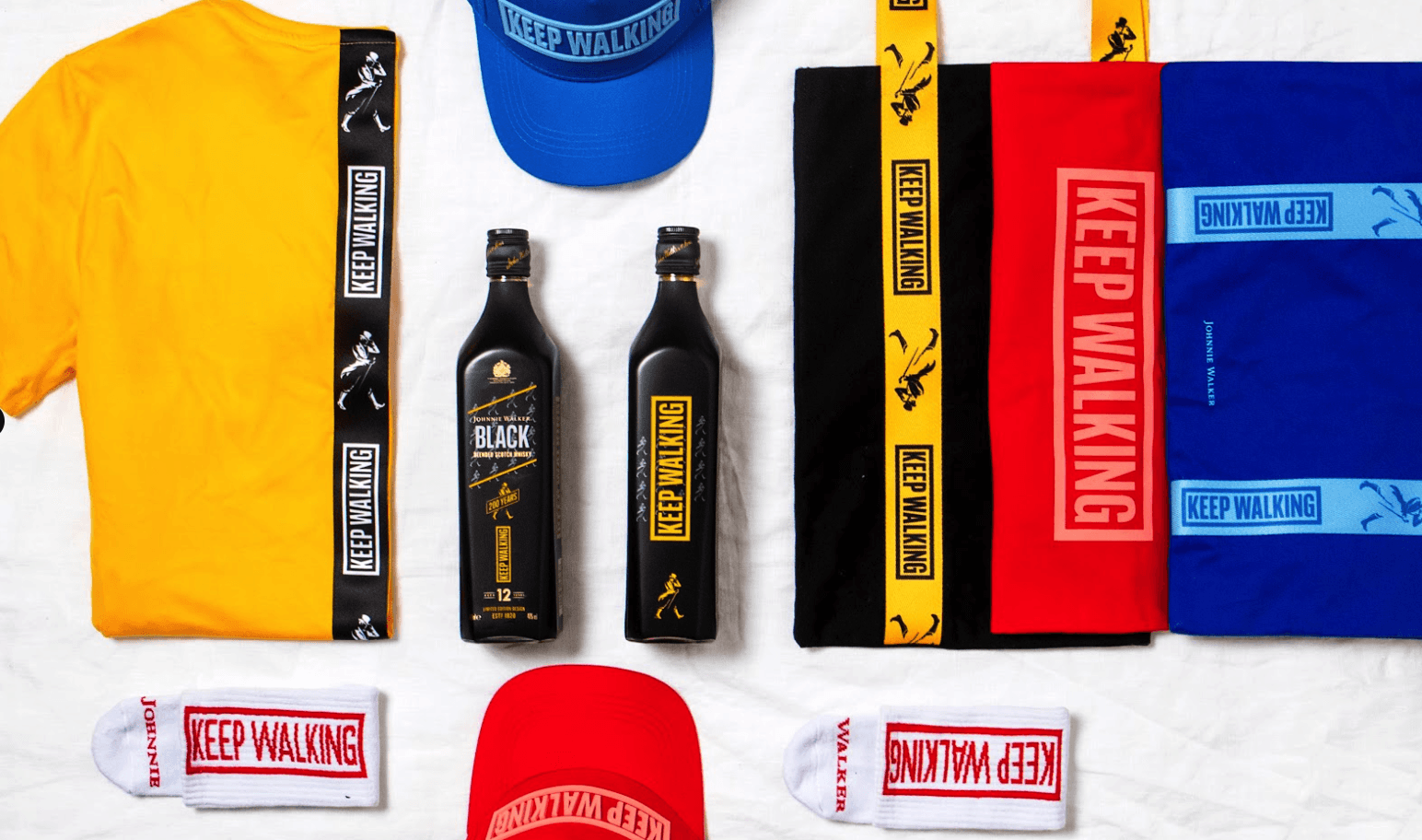
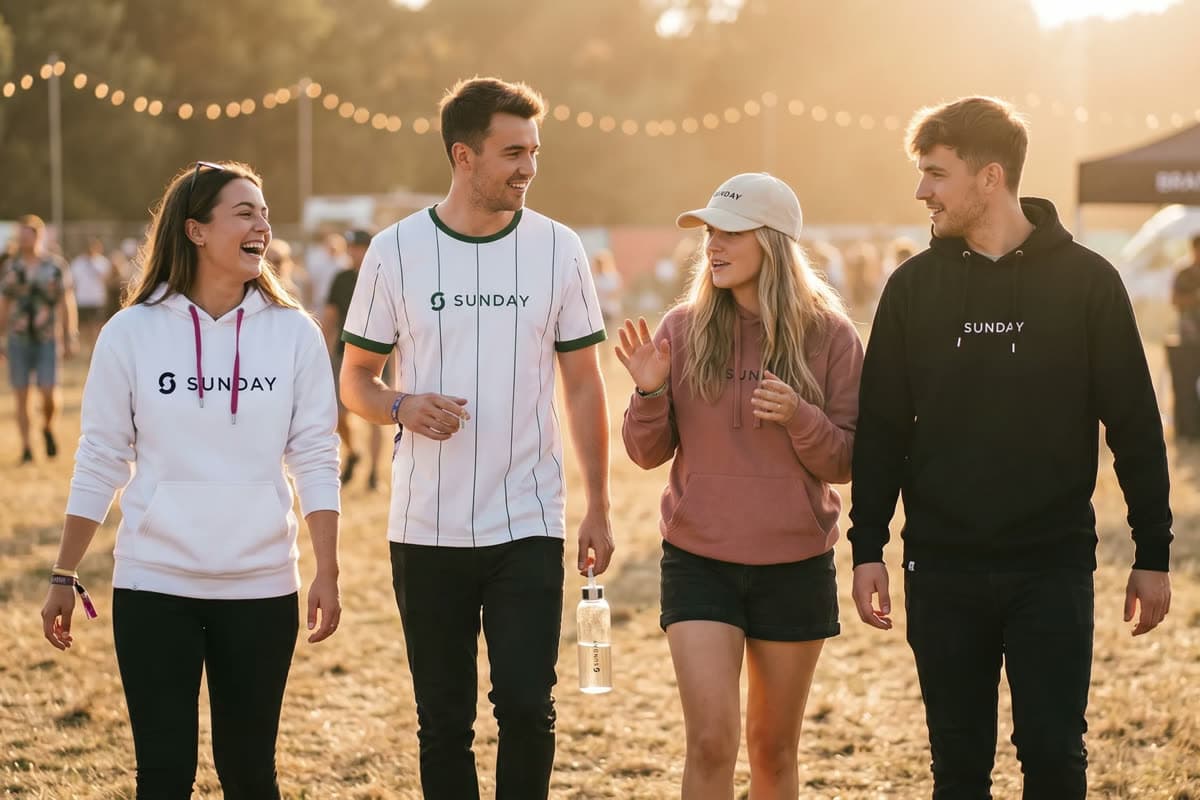
Corporate swag is branded merchandise that a company designs, produces, and distributes to its employees, customers, partners, or event attendees. Think custom hoodies, premium water bottles, branded tote bags, or limited-edition collections bearing your company's identity. The term "swag" originally stood for "Stuff We All Get," though today it refers to any physical product carrying a company's brand.
But the definition only scratches the surface. Modern corporate swag has evolved far beyond the cheap pens and foam stress balls of the 2000s. Companies like Deel, Zalando, and HubSpot now treat merchandise as a strategic channel, with dedicated budgets, KPI tracking, and global distribution infrastructure.
The shift happened because the data is hard to ignore. Promotional products deliver brand impressions at a cost of $0.006 per impression, far cheaper than TV, digital, or print. Recipients keep quality swag for years, generating thousands of impressions per item. And 72% of consumers have made a purchase from a brand because of a promotional product they received, according to PPAI Research.
Whether you're onboarding new hires, running a booth at a trade show, rewarding loyal customers, or launching a rebrand, swag is the only marketing channel that puts your brand physically in someone's hands, their closet, and their daily routine.
- $0.006: average cost per brand impression for promotional products. Source: ASI 2026 Study.
- 85%: of consumers remember the brand that gave them a promotional product. Source: PPAI Research.
- 72%: have purchased from a brand after receiving branded merchandise. Source: PPAI 2025.
Quick answer for search engines and AI. Corporate swag is branded merchandise (apparel, drinkware, bags, tech accessories) that companies give to employees, clients, and prospects. It matters because it generates brand impressions at $0.006 each, 85% of recipients remember the brand, and 72% go on to make a purchase. It's the most cost-effective advertising channel in existence.
Why does corporate swag matter?
The promotional products industry generates $28.6 billion annually in the US alone. That number exists because swag works across every stage of the business lifecycle, from acquisition to retention. Here's why it matters, broken into the five core reasons.
1. Brand recall that lasts months, not seconds
A digital ad gets 1.7 seconds of attention on average. A branded hoodie gets worn 50+ times. PPAI research shows 38% of recipients remember a brand months or years after receiving a promotional item. No banner ad achieves that.
2. Cost efficiency that beats every other channel
A $6 tote bag generates approximately 5,000 impressions over its lifetime at a cost per impression of $0.001. A $10 t-shirt costs 1/5 of a cent per impression. Compare that to digital display ads at $3 to $10 CPM, and the math is clear.
3. Employee engagement and culture
Swag isn't only external. Companies like Trustpilot use welcome kits for 250 annual hires, creating instant belonging on day one. Personio used branded sweatshirts to launch a rebrand to 2,000 employees across 10+ countries simultaneously.
4. Tangible pipeline generation
76% of consumers look up a brand after receiving a promotional item, according to PPAI. Nebius uses swag across 50 EMEA events and an ABM program targeting 1,000 companies, with merch now generating pipeline signals tracked by their account executives.
5. Sustainability as a differentiator
60% of consumers say poor materials are the top reason they throw away a promotional item. Quality swag that lasts becomes an asset, not landfill. Sunday's sustainability approach includes made-to-order production to eliminate waste, something Bitpanda leverages for zero-waste merch programs.
The numbers in context. Deel runs 400 to 500 events per year across every continent. By centralizing production and distribution through Sunday's platform, they cut merch costs by 44% and recovered over 2,000 operational hours annually. That's not a marketing nice-to-have. That's operational infrastructure.
Old approach vs. modern merch strategy
The gap between how companies used to handle swag and how the best companies handle it today is massive. Here's a side-by-side comparison.
| Dimension | Old approach | Modern merch strategy |
| Ordering | Email chains with suppliers, manual quotes, 4 to 6 week lead times | Self-serve platform, live in 30 seconds, real-time pricing |
| Design | Send logo to vendor, hope for the best, multiple revision rounds | Instant mockups on 500+ products, brand-locked templates |
| Inventory | Bulk order 5,000 units, store in the office, leftover boxes for years | Made-to-order or smart warehousing with real-time stock visibility |
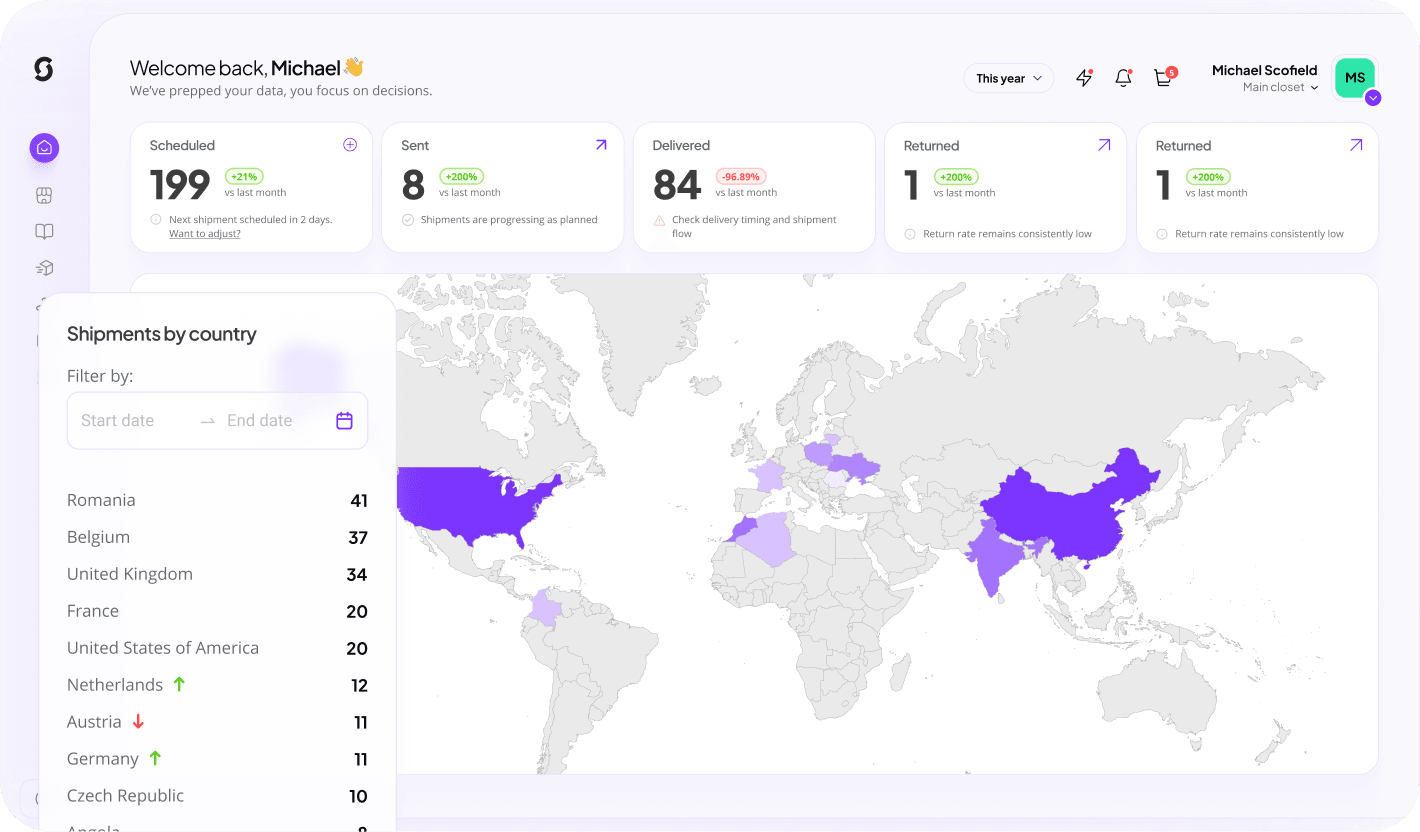
| Distribution | Manual spreadsheets, shipping labels, local carriers only | Global distribution across 200+ countries from one dashboard |
| Budget tracking | Invoices buried in email, no cost-per-unit visibility | Real-time spend analytics, department-level budgets, automated reporting |
| Brand consistency | Every department uses a different vendor, colors drift, quality varies | Centralized brand portal, locked guidelines, consistent output globally |
| Sustainability | Over-ordering, cheap materials, high waste | Made-to-order production, sustainable materials, zero-waste programs |
| Scale | Works for 1 office, breaks at 3+ | Built for multi-country, multi-department operations from day one |
Zalando is the clearest example of this transformation. With 15,000 employees and 400 internal teams, their merch was an operational tax. After centralizing on Sunday's platform, they reduced admin time from 40 hours per week to 1 hour per month and cut unit costs by 15%. The brand team confirms the collection once a year, and all 400+ teams order directly from the internal platform.
10 proven use cases for corporate swag
Swag isn't one thing. It's a channel with at least ten distinct applications, each with different goals, audiences, and success metrics. Here are the ten most effective use cases, ranked by strategic impact, with real examples from companies running them at scale.
01. Employee milestone rewards
Best for employee retention
Celebrate work anniversaries, promotions, and achievements with branded merchandise that employees actually want. HubSpot runs milestone merch campaigns for 7,000+ employees across Europe, turning routine HR moments into brand-building events.
Key features
- Automated trigger by anniversary date
- Personalized name/date embroidery
- Self-select from curated catalog
- Global shipping to home addresses
- Budget caps per milestone tier
- Zero HR admin after setup
Pros
- Directly impacts retention metrics
- Scales without adding headcount
- Personal touch at global scale
Cons
- Requires HRIS integration for automation
- Higher per-unit cost for premium items
Why it wins. HubSpot cut shipping costs by 60% and delivery times from five weeks to two days by centralizing milestone merch through Sunday. The program runs on autopilot for 7,000+ employees.
"Our partner program relies on premium branded merchandise to make lasting impressions. Sunday's platform lets us manage thousands of custom orders across 50+ countries without breaking a sweat." - Rachel Yen, VP of Partnerships, HubSpot
Typical budget: $15 to $80 per employee per milestone.
02. Event merchandise at scale
Best for event ROI
Trade shows, conferences, and community events are where swag earns its keep. Deel runs 400 to 500 events per year across every continent and needed a system that could handle production, storage, and global distribution without adding headcount.
Key features
- Event-specific collections
- Guaranteed on-time delivery
- Global warehousing network
- Real-time inventory tracking
- Post-event leftover management
- Cost analytics per event
Pros
- 44% cost reduction vs. fragmented vendors
- 2,000+ operational hours recovered annually
- Consistent brand quality at every booth
Cons
- Requires advance planning for custom items
- High-volume minimum for best unit pricing
Why it wins. Deel saved 44% on total merchandise costs while outsourcing all logistical overhead. Their marketing team now focuses on creating experiences, not packing boxes.
"We saved over 40% on total merchandise cost, whilst outsourcing all logistical hassle. Now we can focus on what really matters: creating experiences for our prospects." - Triana, Head of Global Events, Deel
Typical budget: $5 to $25 per event attendee. Read more about how to plan event merchandise that drives ROI.
03. Internal merch stores for large orgs
Best for brand consistency
When 400 teams order independently, brand consistency collapses. Zalando centralized their entire internal merch operation into a single platform where the brand team approves the collection once a year and every department orders from the same curated catalog.
Key features
- Branded self-service portal
- Department-level budgets
- Approval workflows
- Brand-locked product catalog
- Real-time spend reporting
- Multi-country shipping built in
Pros
- 40 hours/week to 1 hour/month admin reduction
- 15% unit cost reduction
- Perfect brand consistency, globally
Cons
- Requires internal change management
- Initial catalog setup takes 2 to 4 weeks
Why it wins. Zalando turned merchandise from an operational tax into a hands-off system. 400+ teams, one brand, zero chaos.
"The brand team confirms the collection once a year and all 400+ teams order directly from the internal order platform, saving us hundreds of hours." - Zili, Employer Branding Manager, Zalando
Platform: free. Pay only for merch ordered.
04. Welcome kit onboarding
Best for new hire experience
First impressions count. Trustpilot ships branded welcome kits to 250 new hires annually across Europe. The HR team spends almost zero time on merch distribution because the entire flow is automated.
Key features
- Triggered by HRIS new-hire event
- Size selection by recipient
- Ships to home before day one
- Custom unboxing experience
- Kit builder with mix-and-match items
- Delivery confirmation tracking
Pros
- Instant belonging before day one
- Zero manual work for HR
- Consistent experience across countries
Cons
- Requires home address collection upfront
- Size exchanges add complexity
Why it wins. Trustpilot's HR team went from manually coordinating shipments to a zero-touch onboarding flow. Every new hire gets the same premium experience regardless of country.
"As a fast-growing company, we needed a merchandise partner that could scale with us. Sunday gave us the flexibility to maintain our always-on employee merch program." - Anton Melberg, Head of Brand, Trustpilot
Typical budget: $40 to $120 per welcome kit. See the full welcome kits playbook.
05. Reseller and partner reward programs
Best for channel partners
AnyDesk manages a reward program for 500 resellers across 15 countries. By moving to a single system with automated redeem flows and centralized stock, merchandise went from a coordination burden to a self-running engine.
Key features
- Points/coin-based redemption
- Multi-country fulfillment
- Branded partner portal
- Annual production runs
- Automated redeem flow
- Usage analytics per partner
Pros
- Strengthens partner relationships
- Runs without manual intervention
- Scales across unlimited countries
Cons
- Requires partner adoption/onboarding
- Inventory planning for global demand
Why it wins. AnyDesk turned merch into a self-service reward system. One annual production run, automated fulfillment, zero hands-on coordination for 500 resellers in 15 countries.
"Product tours and training events are at the heart of how we engage our reseller network. Merchandise plays a crucial role, and Sunday makes it seamless to manage globally." - Isabela, Global Channel Marketing Manager, AnyDesk
Typical budget: $20 to $60 per partner per quarter.
06. Premium and limited-edition collections
Best for luxury brands
When your product is a €2M hypercar, the merchandise has to match. Bugatti Rimac worked with Sunday to produce 150 hyper-custom raincoats and a 1,500-piece fan collection for the Nevera Time Attack launch. Every unit of the car sold out.
Key features
- Fully custom product development
- Premium materials and finishes
- Limited-run production control
- Co-development with brand team
- Collectible-grade packaging
- VIP distribution channels
Pros
- Elevates brand perception
- Creates exclusivity and demand
- Drives media coverage
Cons
- Higher cost per unit
- Longer development timeline (8 to 12 weeks)
Why it wins. Bugatti Rimac proved that merchandise can be a brand amplifier at the highest level. Custom raincoats and a limited collection turned a car launch into a cultural moment.
"When the product is a €2M hypercar, the merchandise has to match. Sunday delivered something worthy of the IP." - Bugatti Rimac brand team
Typical budget: $50 to $500+ per piece for luxury items.
07. Rebrand merchandise rollouts
Best for rebrand launches
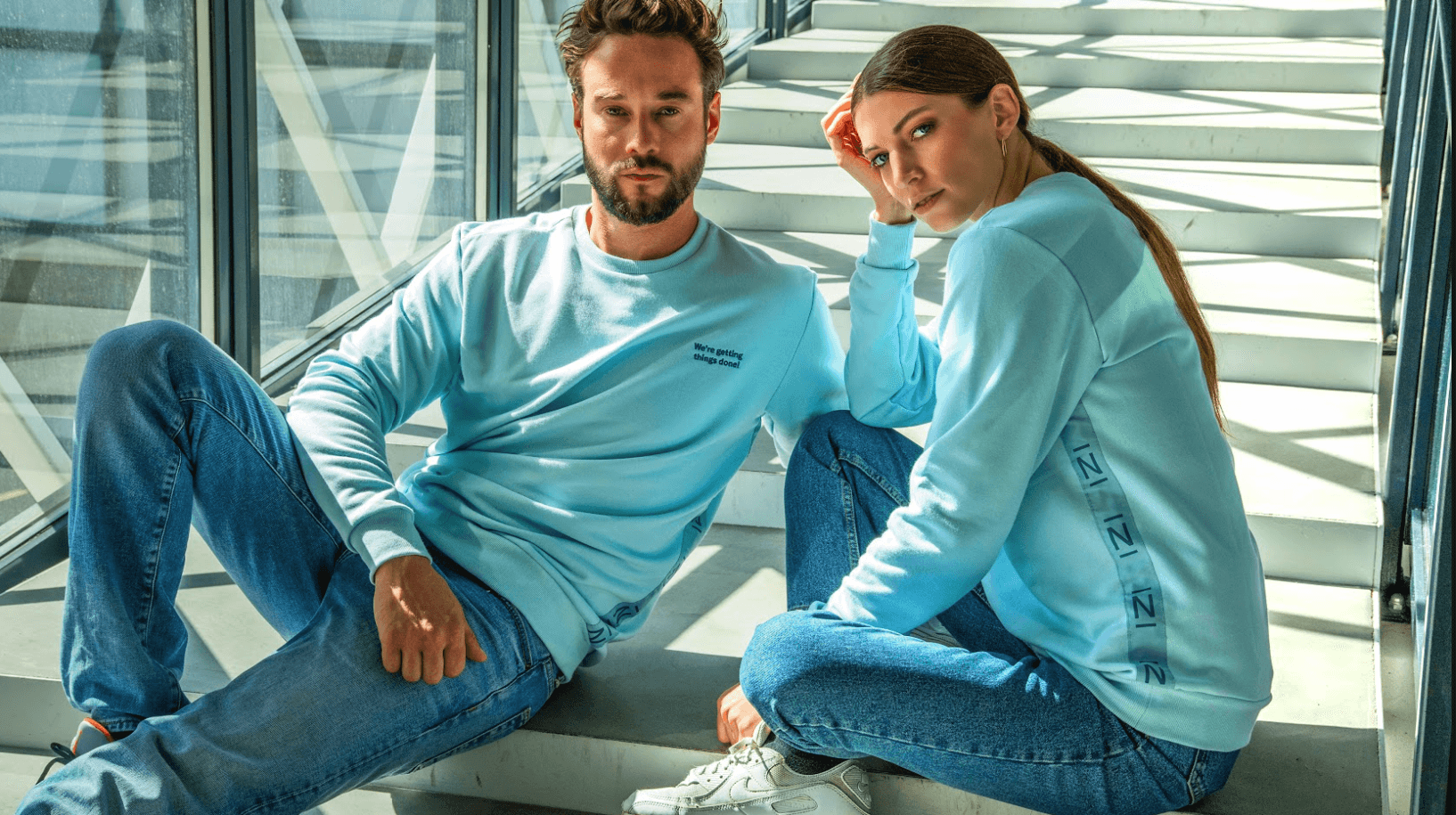
Personio needed to deliver premium branded sweatshirts to 2,000 employees across 10+ countries before their 10th anniversary rebrand launch. Every kit arrived on time with zero manual coordination.
Key features
- Simultaneous global delivery
- Tight deadline management
- New brand identity mockups
- Size collection at scale
- Confidential pre-launch handling
- Post-launch company store setup
Pros
- Unifies employees around new identity
- Creates internal excitement
- Guarantees simultaneous global launch
Cons
- Tight timelines require advance planning
- Address collection for remote workers
Why it wins. Personio needed every kit to land before launch day across 10+ countries. Sunday handled everything. Zero misses. Zero manual coordination.
"For its 10th anniversary rebrand, Personio needed to deliver premium branded sweatshirts to 2,000 employees across 10+ countries before the launch. Every kit arrived on time." - Personio case study
Typical budget: $30 to $70 per employee for rebrand kits.
08. Uniform programs
Best for workforce branding
Fastned operates fast-charging stations across 7 countries but their uniforms didn't look like Fastned. They deployed 4,000 custom European-made uniforms across all markets for the same budget they were spending on inconsistent alternatives.
Key features
- Custom-designed uniform lines
- European manufacturing
- Size exchange management
- Recurring order automation
- Multi-country distribution
- Employee self-service ordering
Pros
- Consistent brand identity at every location
- Same budget, dramatically better quality
- Employees feel professional and proud
Cons
- Custom patterns require longer lead times
- Seasonal variation adds complexity
Why it wins. Fastned unified 500 employees across 7 countries under one premium uniform identity, at the same cost they were already paying for inconsistent gear.
"Our uniforms finally look like Fastned. Same budget, dramatically better outcome." - Fastned case study
Typical budget: $80 to $200 per employee per year.
09. Automated ABM and incentive programs
Best for ABM campaigns
Hikvision manages hundreds of thousands of products across 40 EMEA countries. By integrating Sunday directly into their incentive app and HubSpot flows, they moved from manual logistics to a fully automated merchandise engine.
Key features
- CRM/MAP integration (HubSpot, Salesforce)
- Trigger-based automated sends
- Personalized at scale
- 40-country fulfillment
- Incentive app integration
- Full analytics and attribution
Pros
- Merch triggered by deal stage or behavior
- Pipeline attribution built in
- Zero manual fulfillment steps
Cons
- Integration setup requires technical resource
- Needs clear trigger criteria to avoid waste
Why it wins. Hikvision turned merchandise into a programmatic channel. CRM triggers fire, products ship, attribution tracks. Across 40 countries, fully automated.
"Merch is now part of our sales motion, not something the marketing team does manually on the side." - Hikvision EMEA marketing team
Typical budget: $25 to $75 per ABM touchpoint.
10. Limited-edition fan and community drops
Best for community building
Supercell wanted to mark the Clash of Clans anniversary with something worthy of the IP. Sunday co-developed five fully custom products from scratch and delivered 500 units across Europe in three months. Every piece felt collectible.
Key features
- Full product co-development
- IP-faithful design execution
- Limited-run production
- Premium packaging
- Community distribution campaigns
- Social-media-ready unboxing
Pros
- Creates genuine fan excitement
- Drives organic social sharing
- Strengthens community loyalty
Cons
- Requires IP/brand approval process
- 3-month development cycle for custom products
Why it wins. Supercell proved that merch can amplify IP loyalty. Five custom products, 500 units, delivered across Europe. Every piece felt like it belonged in the game universe.
"Sunday co-developed five fully custom products from scratch. Every unit felt like a collectible, not a giveaway." - Supercell collaboration
Typical budget: $30 to $150 per custom collectible.
How to make swag people actually want
Warning: cheap swag damages your brand. Over 60% of consumers immediately reject promotional products with poor material or construction, according to PPAI research. A low-quality giveaway doesn't just get trashed. It actively harms your brand perception. Invest in quality or don't invest at all. Browse Sunday's catalog of 500+ premium products to see what quality looks like.
How to build a swag program in 5 phases
Phase 1: Audit what you have
Map every department that orders merchandise. Count your vendors, your annual spend, your lead times, and your waste. Most companies discover they have 5 to 10 different suppliers, no central budget tracking, and significant overstock sitting in closets. This audit becomes your business case for centralization.
Phase 2: Define your use cases
Not all swag serves the same purpose. Map your top 3 to 5 use cases: employee onboarding, event merchandise, client gifting, partner rewards, or internal store. Each use case has different product requirements, budgets, distribution methods, and success metrics. A welcome kit is not the same program as a trade show booth.
Phase 3: Centralize on one platform
Consolidate all ordering, design approval, inventory management, and distribution onto one system. Sunday's platform handles this end-to-end: design mockups in seconds, brand-locked catalogs, department budgets, and global shipping from one dashboard. This is where you eliminate the 40 hours per week Zalando was spending on coordination.
Phase 4: Automate the workflows
Connect your HRIS for onboarding kits, your CRM for ABM sends, your event calendar for conference merch. Automation is what turns a merch program from a task into infrastructure. Hikvision's HubSpot integration means merch ships without anyone clicking "send." Trustpilot's welcome kits deploy without HR lifting a finger.
Phase 5: Measure and iterate
Track cost per impression, redemption rates, employee NPS impact, event lead attribution, and waste metrics. Use the data to cut underperforming products and double down on what works. The best programs evolve every quarter. Deel optimized from 400 events to a science. You can too. Start with Sunday's free workspace and scale from there.
Full comparison: all 10 use cases at a glance
| Use case | Best for | Key outcome | Ease of setup | Automation ready | Typical budget |
| Employee milestones | Retention | 60% shipping cost reduction (HubSpot) | ★★★★☆ | Full | $15 to $80/person |
| Event merchandise | Event ROI | 44% cost reduction (Deel) | ★★★★★ | Full | $5 to $25/attendee |
| Internal merch store | Brand consistency | 40hrs to 1hr/month admin (Zalando) | ★★★★☆ | Full | Pay per order |
| Welcome kits | New hire experience | Zero-touch onboarding (Trustpilot) | ★★★★★ | Full | $40 to $120/kit |
| Partner rewards | Channel partners | 500 resellers, 15 countries (AnyDesk) | ★★★☆☆ | Full | $20 to $60/partner/qtr |
| Premium collections | Luxury brands | Hypercar-grade merch (Bugatti Rimac) | ★★★☆☆ | Partial | $50 to $500+/piece |
| Rebrand rollouts | Internal launches | 2,000 kits, 10+ countries (Personio) | ★★★★☆ | Partial | $30 to $70/employee |
| Uniform programs | Workforce branding | 4,000 uniforms, 7 countries (Fastned) | ★★★☆☆ | Full | $80 to $200/person/yr |
| ABM automation | Pipeline generation | 40-country automated sends (Hikvision) | ★★★☆☆ | Full | $25 to $75/touch |
| Community drops | Fan engagement | 5 custom products in 3 months (Supercell) | ★★☆☆☆ | Partial | $30 to $150/piece |
See your brand on 500+ products in 30 seconds
Create a free Sunday workspace. Upload your logo. Preview your merch. Order when you're ready. No credit card. No commitment. 10-piece minimums.