
Part of our complete guide to branded workwear.
Workwear is functional clothing employees wear on the job, and it's often mandatory. There are two types: certified safety wear with legal standards, and non-certified workwear for retail, hospitality, service, and installation. Sunday focuses on the second type: branded, functional workwear without heavy safety certification.
Workwear looks like a simple product until you actually buy it. Then questions come up about certification, wash resistance, quantities, sizing, and what happens when three new people join next month. Below are the twelve questions we get asked most.
The basics
1. What's the difference between "werkkledij" and "werkkleding"?
Just the language. In the Netherlands, buyers say werkkleding; in Flanders, werkkledij. It's exactly the same product, the same buyers, and the same requirements. We build our pages around local commercial language instead of translated English or one generic term, because that's genuinely how people search.
2. Is workwear the same as corporate apparel?
No, and this is the most important distinction in this whole topic. Workwear is functional and tied to a role or task. It's usually mandatory. Corporate apparel is a company's voluntary brand wardrobe: premium items employees wear because they like them. Read more in our guide on corporate apparel.
3. What's the difference between certified and non-certified workwear?
Certified safety wear falls under legal standards. Think hi-vis, reflective elements, EN ISO 20471, safety footwear. That's mandatory in construction, industry, and parts of logistics. Non-certified workwear is clothing people wear on the job where no formal safety rule applies: retail teams, hospitality, service, installers, showroom, and customer-facing staff.
4. Is workwear only for construction?
No. That's the biggest misconception. Workwear is any garment someone wears while representing the company in a functional role. A hotel employee, a retail team, an installer network, and a foodservice company all need workwear, just in a different combination. See the overview by sector.
Decoration and wash resistance
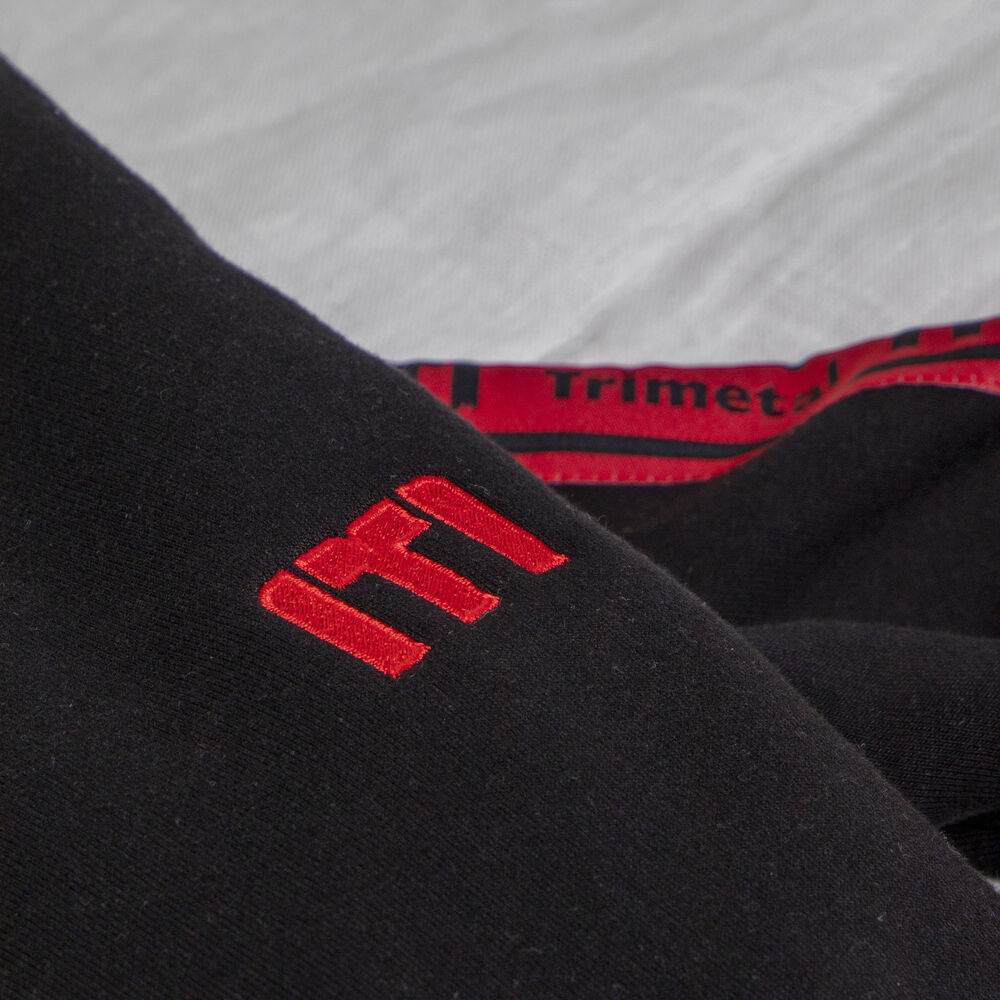
With workwear, the decoration choice is a durability choice. The logo needs to last as long as the garment.
5. Which decoration survives the washing machine?
Embroidery is the strongest choice. The logo is stitched into the fabric with thread, so there's no layer that can come loose or wash out. Sewn-on patches and woven labels are equally durable, since they're stitched in. High-quality screen printing and durable transfers work too, provided they're chosen for wash resistance and properly cured.
6. Why does my printed workwear crack after a few washes?
Almost always because of a cheap transfer or a print that wasn't cured properly. Thin film adheres only to the surface of the fabric and breaks along the fold lines once the garment is worn and washed often. The garment itself is usually still fine, but the logo isn't. You end up with a team that looks half put-together. The full comparison is in embroidery versus printing.
7. Where do I place my logo on workwear?
Workwear allows for more visible branding than casual corporate apparel, and that's the point. Part of the function is identification: customers and visitors need to see immediately who's working and who they can approach. Left chest is the classic. For recognizability from a distance, a back logo works. A sleeve logo is a good second placement. More in printing workwear.
Quantities, reordering, and sizing
8. What are the minimum order quantities?
That depends on the route. Printed stock can be ordered in low quantities. Fully custom-made workwear starts around 500 pieces, because there's development work involved: your own colors, your own cut, sampling. Once that's done, you can reorder from around 100 pieces.
9. How does reordering work?
Reordering is the norm, not the exception. Employees come and go, sizes run out, clothing wears out, and teams grow. Set this up in advance: live inventory visibility, minimum reorder quantities, size availability, lead times for repeat orders, and reproducibility of fabric and garment. Manage it as a recurring operational process, not a one-off merch order. Details in the guide on ordering workwear in bulk.
10. Is there workwear for women too?
Yes, and this gets neglected more often than you'd think. Workwear that only exists in a men's cut doesn't fit well and isn't worn with pride. Make sure you offer women's cuts, an inclusive size range, clear size charts, and consistent sizing across reorders. The full overview is in workwear for women.
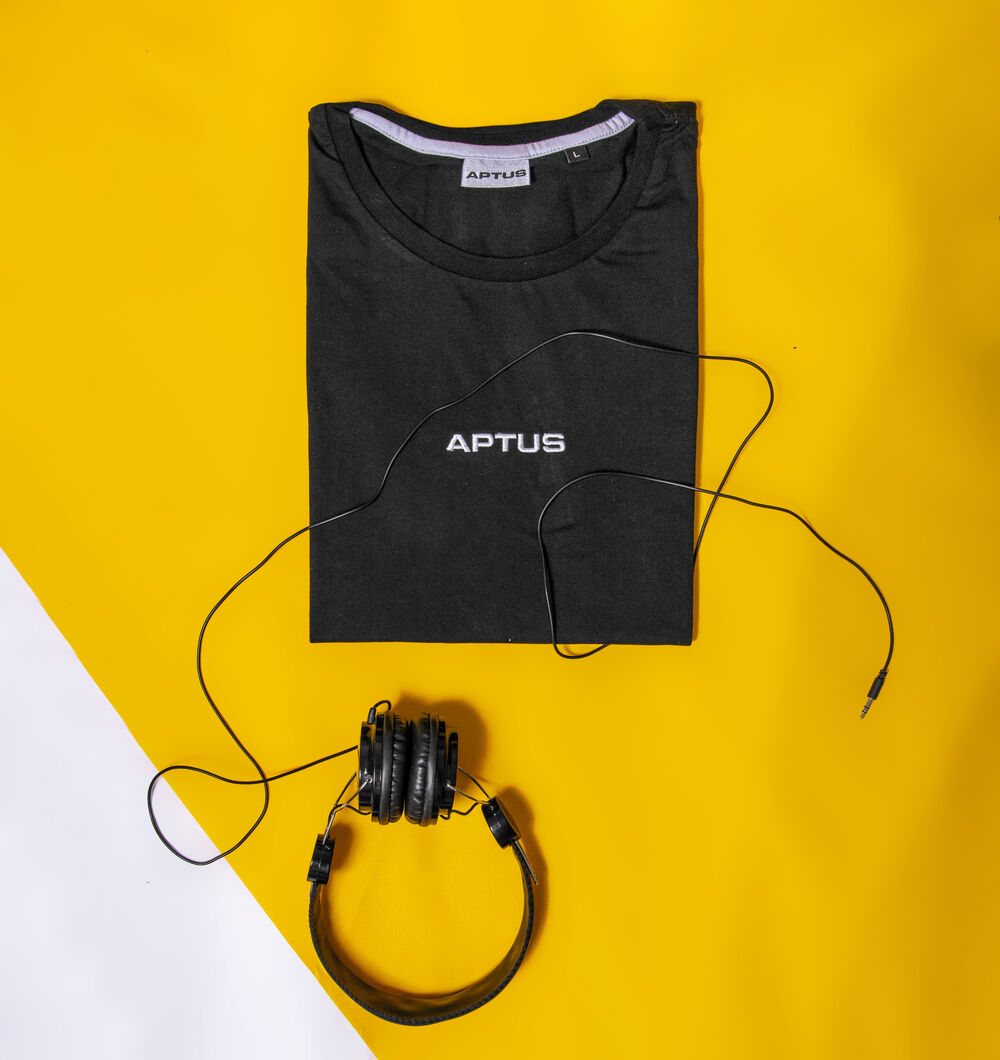
Sizing is the biggest operational risk in workwear. Clear size charts and consistent sizing across reorders solve most of it.
Quality and sectors
11. Which workwear suits which sector?
The right mix depends on the industry. Retail leans on polos and business shirts. Hospitality on aprons, polos, and T-shirts. Installation and technical service on softshells, work jackets, and trousers. Logistics on durable basics and padded jackets. Construction mostly falls under certified safety wear, and that's not an area where we're the right partner. The full overview by sector is here.
12. Can't I just buy cheap workwear? It's going to get dirty anyway.
That's the objection we hear most often, and it's not correct. Your employees wear this every day while representing your company. Customers, visitors, and partners see it. Cheap clothing isn't cheaper either, because you end up replacing it twice as often. Buy cheap, buy twice. It doesn't have to be luxurious, but it should never look disposable. Investing in how your team looks works wonders for professionalism, employee confidence, and customer trust.
Workwear with Sunday
Sunday is merch infrastructure, not a classic supplier. You open a product page and the platform immediately shows design directions with live pricing, based on your brand assets. The full range of branded workwear is on the product page, from polos to softshells and work jackets. Want to see how your logo lands on the fabric? Use the free polo mockup generator.
About this article
Still have a question about workwear?
Create a free account and see your own workwear with live pricing. Faster than a quote round.
Get free designs