


Executive Summary
AnyDesk's reseller network spans 500+ partners across 15 countries, the kind of distribution footprint that should be a competitive advantage. Instead, recognizing a reseller milestone meant a manual chain of sourcing, emailing, customs paperwork, and follow-up that consumed hours nobody had budgeted for. Event merch ran through a different vendor per conference. HR kits were someone else's problem. By moving everything to a single system: one annual production run, automated redeem flows, centralized stock. AnyDesk turned merch from a coordination burden into something that mostly runs without anyone touching it.
About the Client
AnyDesk makes remote access software. Their go-to-market runs largely on resellers and dealers: partners who sit between AnyDesk and the end customer and shape purchasing decisions more than any direct sales rep ever could. In competitive software categories, the reseller who actually likes your brand recommends you first. Rewarding that loyalty, systematically, is worth serious money.
The Challenge: Scaling a Rewards Program
The problem was that doing it looked like this: someone notices a reseller hit a milestone, spends 20 minutes finding a vendor who ships to that country, coordinates the design, handles the customs documentation, emails a tracking number, follows up when it doesn't arrive. Across 500 contacts spread across 15 countries, that's either a lot of hours or a lot of dropped balls. Usually both.
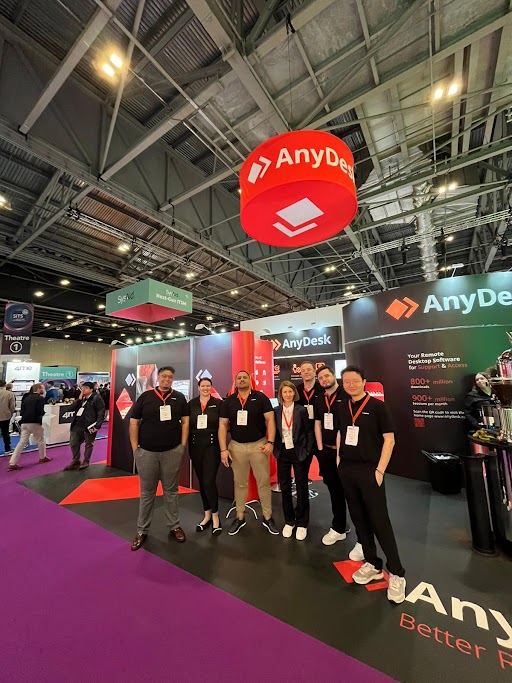
Event merch ran the same way, just with more people involved. Each conference meant a new vendor, different quality standards, different lead times, different person to chase when production slipped. The fragmentation tax is real even when nobody's calculating it: you re-brief the same brand guidelines four times a year, you get four slightly different interpretations of your logo on four slightly different fabric weights, and you pay a premium for each one because the orders are too small to negotiate on.
And sitting underneath everything was the same problem. HR onboarding kits, reseller welcome packages, event stock, partner gifting, separate vendors, separate spreadsheets, separate inboxes. Nobody had a clean view of what existed. Decisions happened on instinct. Waste was invisible until someone opened a storage room that held 200 shirts from an event in 2022.
The real cost was never on the invoice. It was the hours.
The Solution: A Solid System, on Autopilot
What Sunday changed, fundamentally, was the operating model.
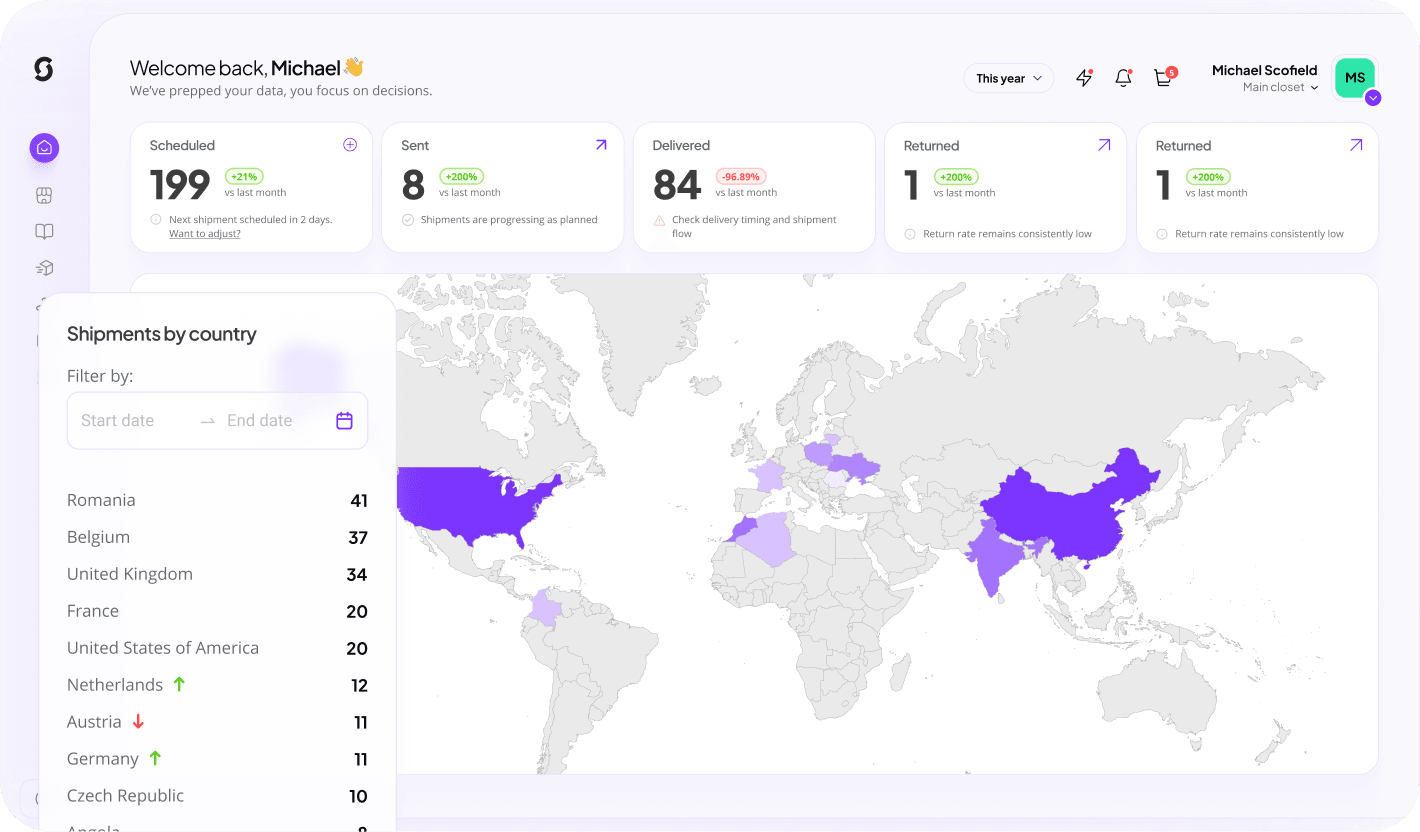
Reseller rewards are automated now. A partner joins the program or hits a threshold, an email goes out with a personalized redeem link. They pick their items, enter a shipping address, the package ships. Nothing manual. No coordinator looped in. No customs form on a marketing manager's desk. The reseller gets a premium experience, and the AnyDesk team gets their afternoons back.
That sounds simple. It isn't, at 500 people across 15 countries with different customs rules, different carrier networks, and different expectations of what "fast" means. The point is that none of that complexity is AnyDesk's problem anymore.
For events, they now forecast the year and buy once. All of it, every conference, every activation, goes into a single production run held in Sunday's warehouse and distributed across the calendar. One quality check. One brief. One relationship. The per-event scramble is gone, and so is the slow accumulation of slightly-off merch that signals, to anyone paying attention, that the brand isn't quite in control of itself.
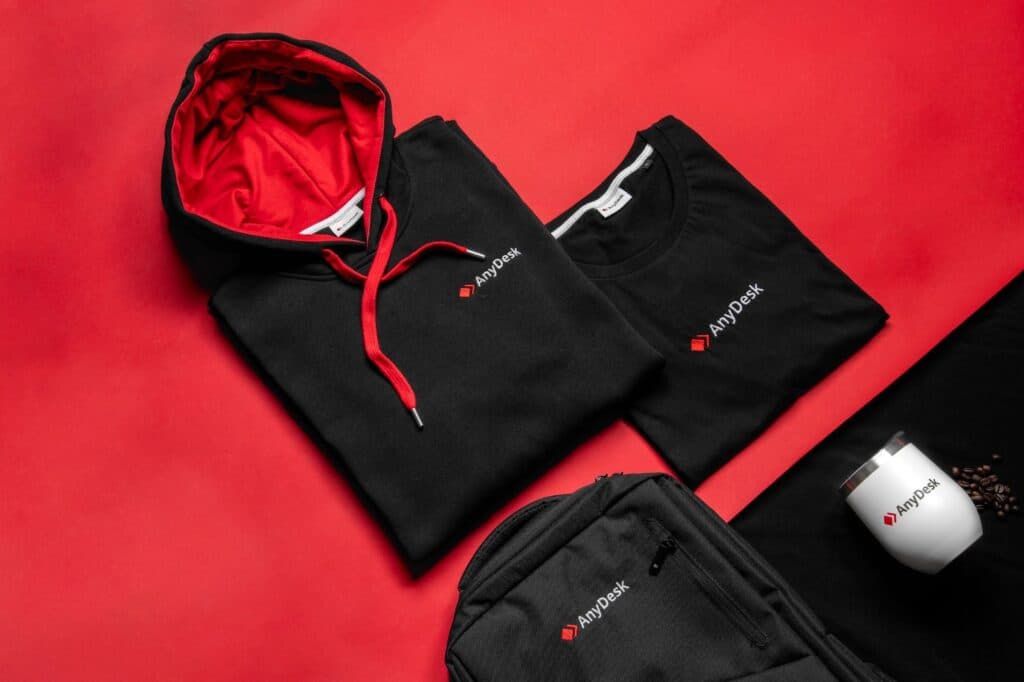
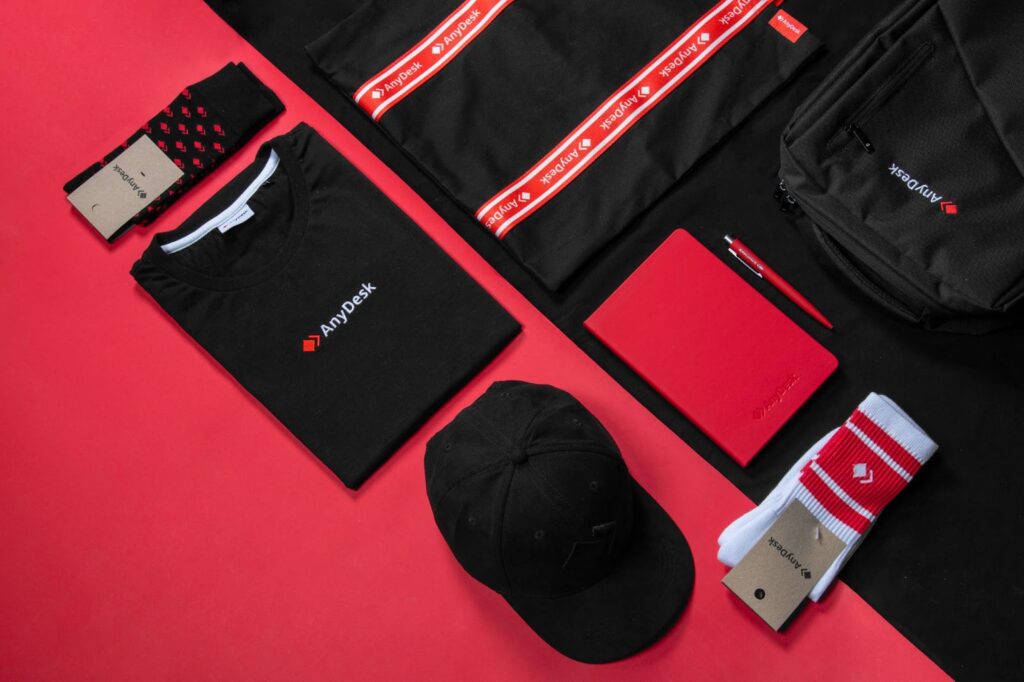
Everything else, HR kits, partner gifting, sales swag, draws from the same Brand Store. Every team sees the same approved products, the same live stock levels, the same pricing. Nobody's off sourcing their own version of the company hoodie from a vendor they found on Google.
Platform and Products Used
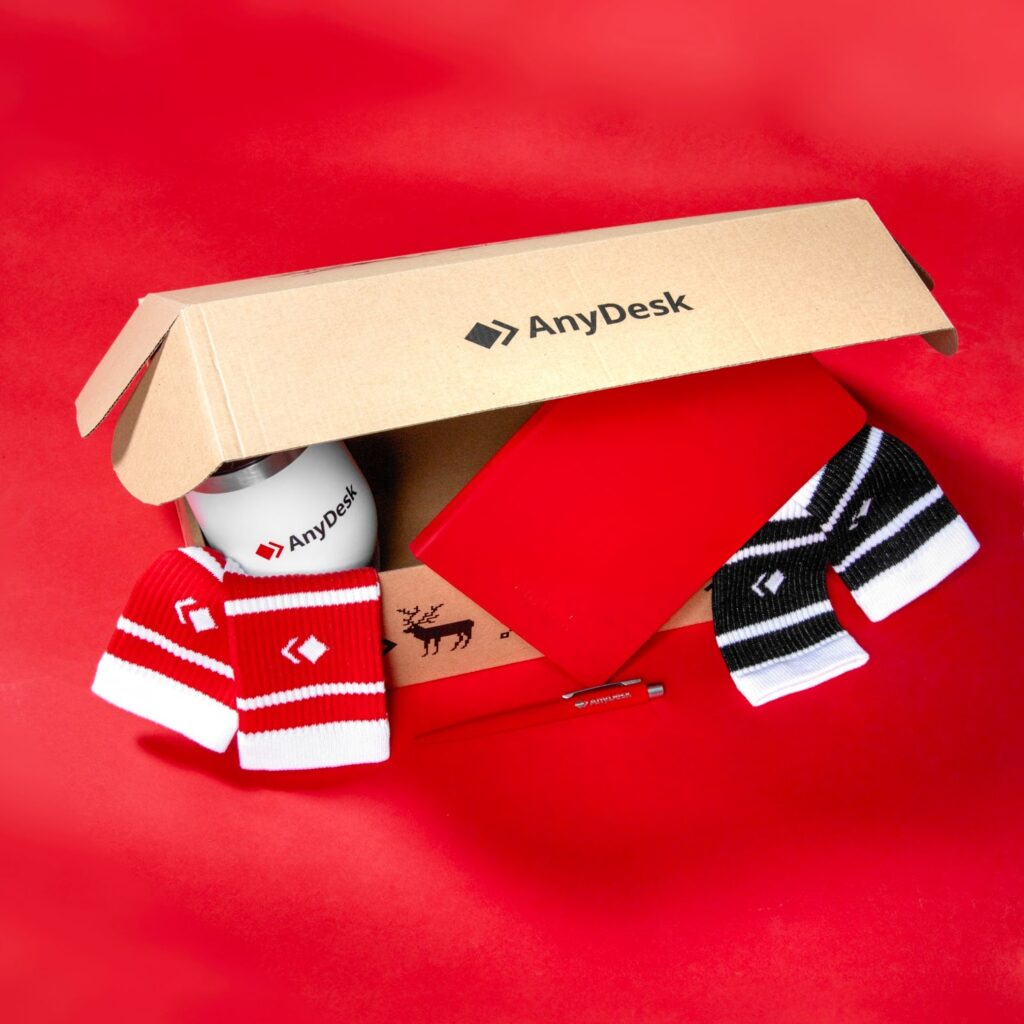
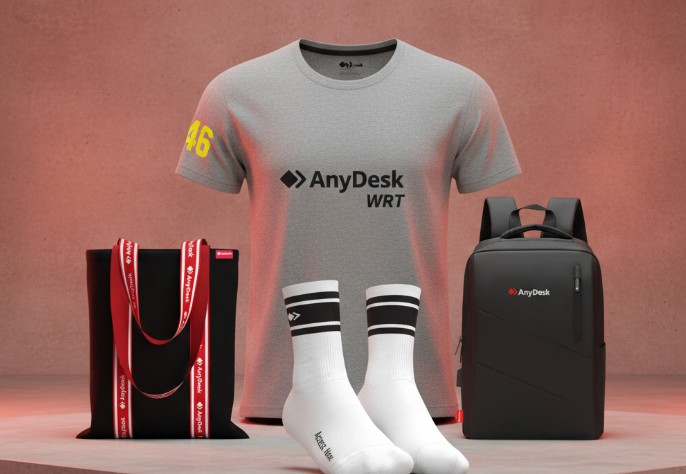
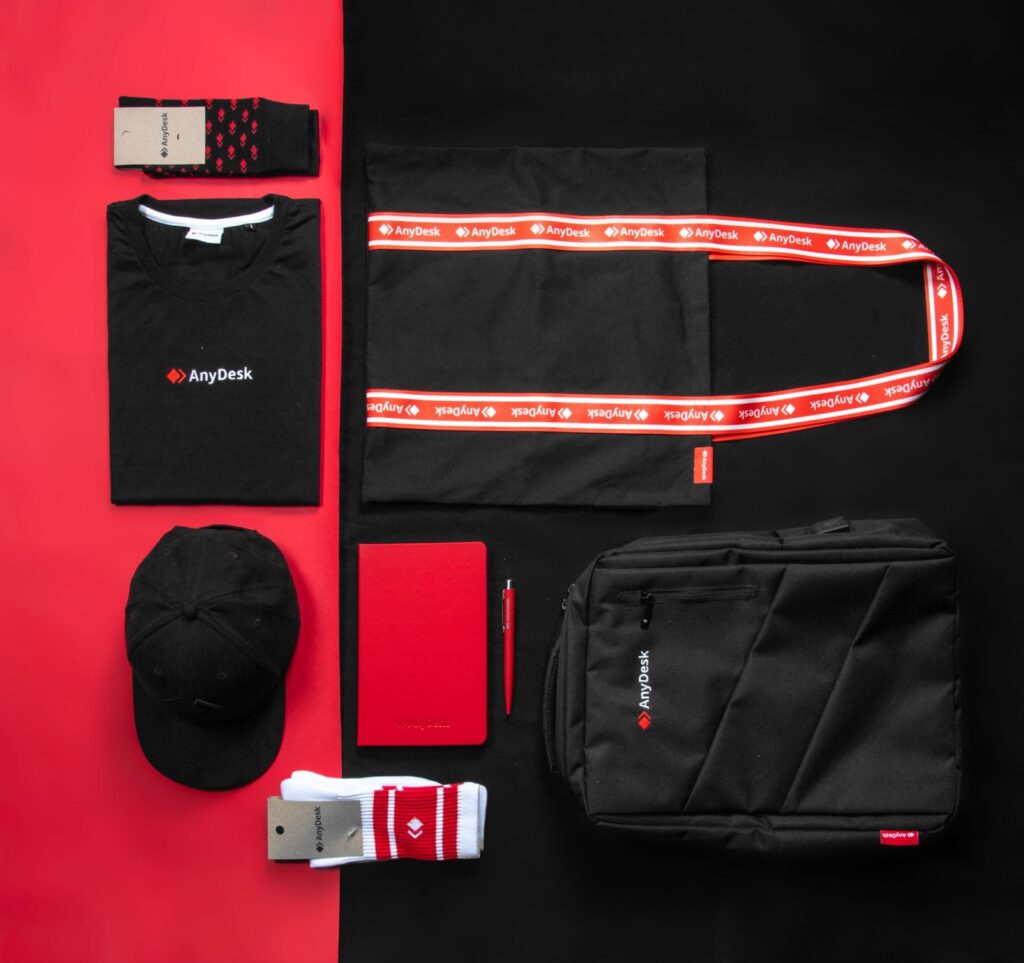
The platform doing the heavy lifting: Redeem Pages for the automated reseller flows, the Brand Store as the central product hub, Sunday's logistics network absorbing the international complexity. Products were chosen for a tech-forward audience, items people actually keep and use, not branded stress balls that end up in a conference landfill. (Honestly, most merch programs fail here. The product selection is an afterthought. AnyDesk treated it as part of the brand.)
Impact and Key Results
Before this, rewarding 500 resellers across 15 countries required manual intervention at every step. Now it requires none. The annual consolidated buy replaced a year of reactive purchasing at premium fragmented prices. Brand consistency across 15 markets stopped being an aspiration and became a default, same production run, same quality, same template.
And the hours came back. Not dramatically, not all at once, but steadily the coordination overhead that had been spread invisibly across multiple people's weeks simply stopped accumulating.
Conclusion: Switch the Model
The lesson from AnyDesk is less about merch and more about what happens when operational overhead gets mistaken for fixed costs. The hours spent chasing vendors, re-briefing designers, and handling customs paperwork weren't inevitable. They were a product of the wrong model. Swap the model, and those hours don't get reduced, they mostly disappear.
Five hundred resellers. Fifteen countries. One annual order. Zero manual reward coordination.