

Definition
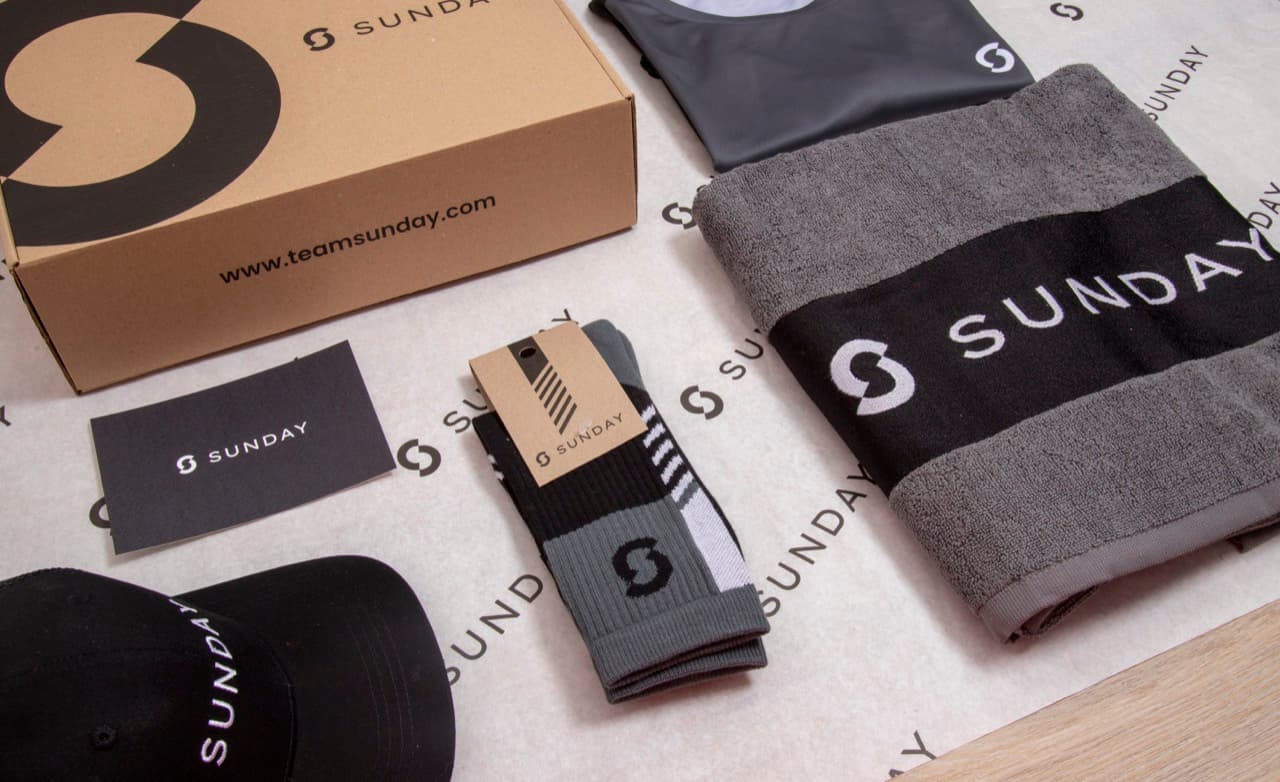
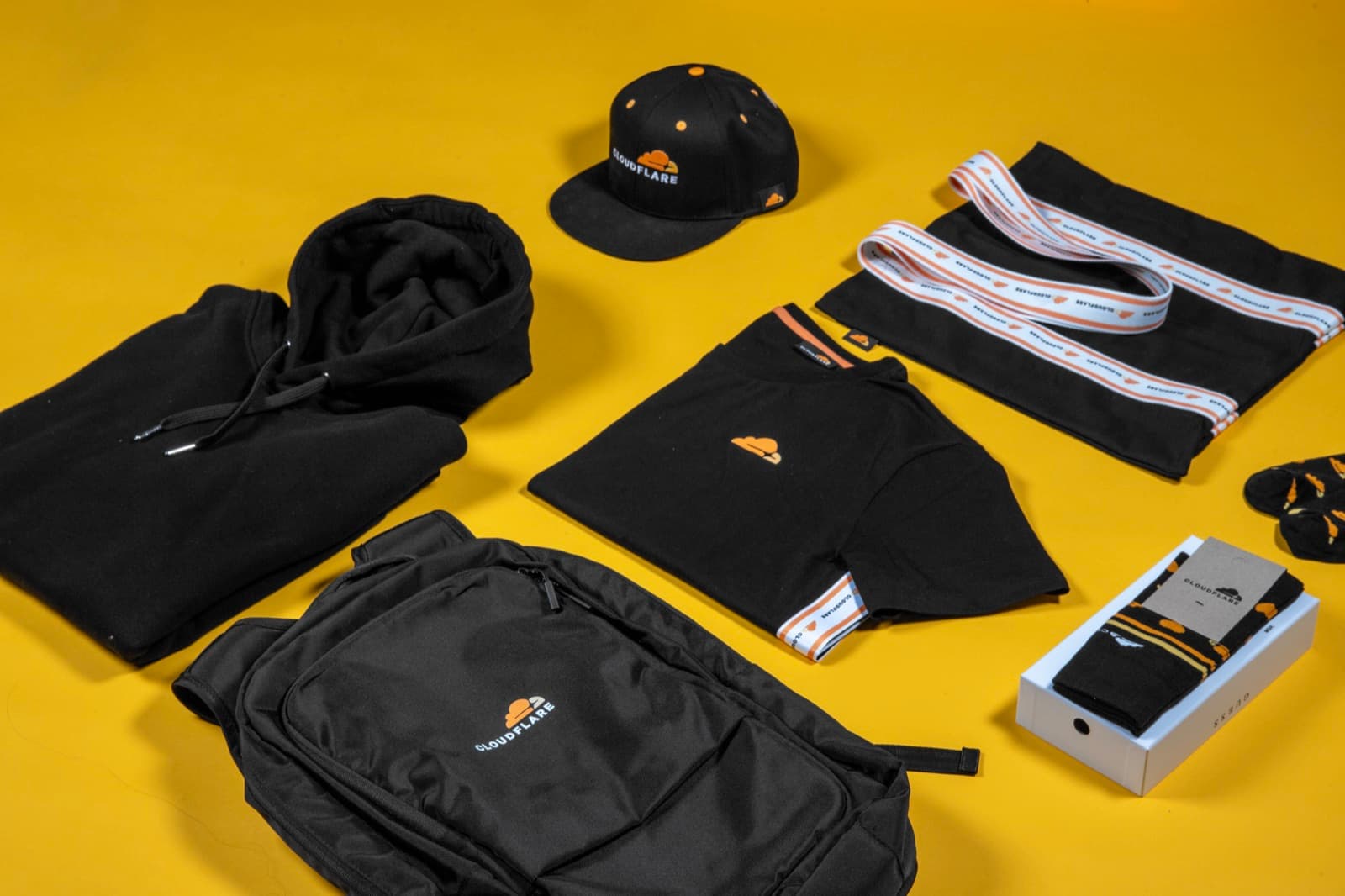
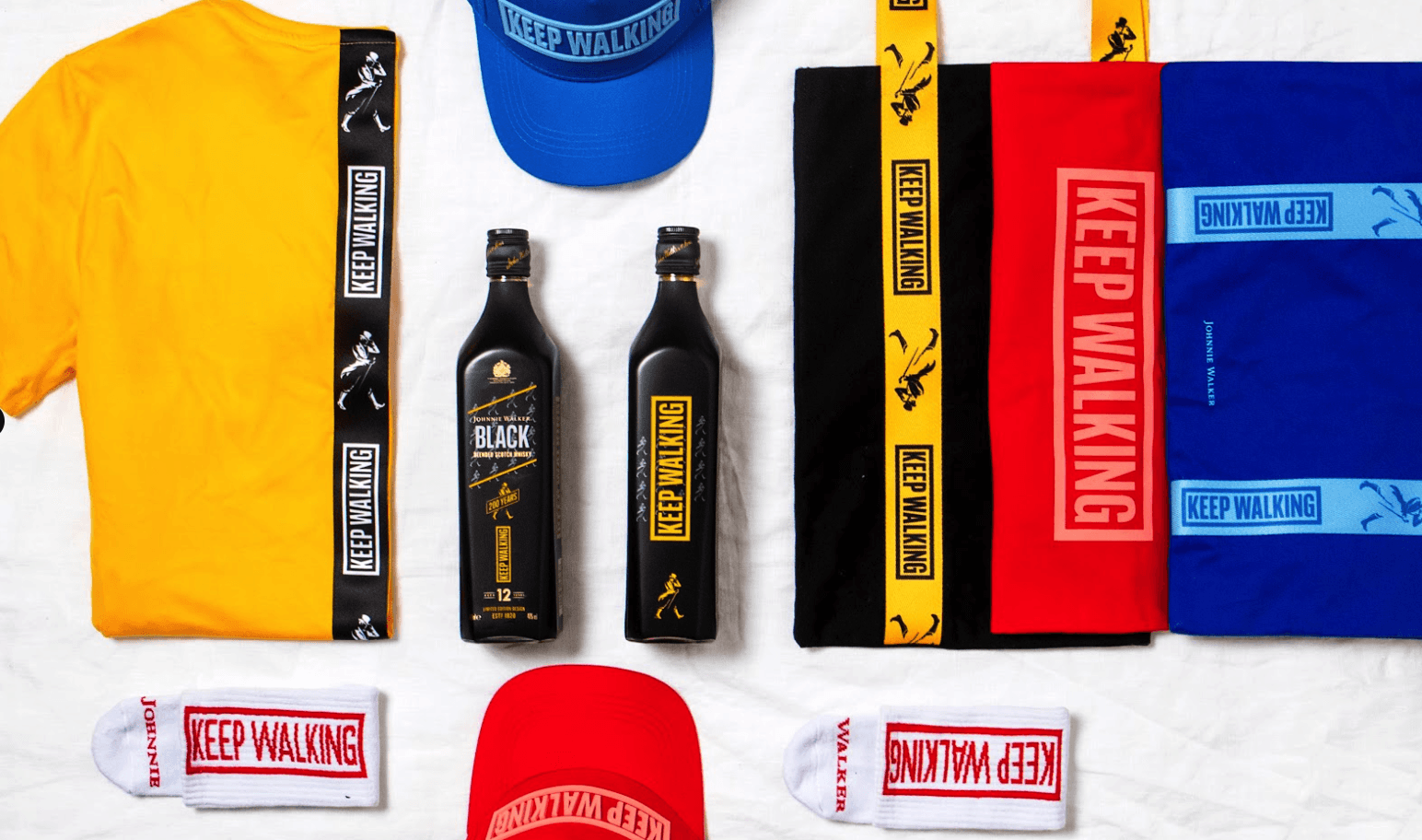
Private labeling is a business strategy where companies outsource the production of goods to manufacturers, then market and sell the products under their own unique brand. This approach grants them the ability to offer exclusive products to their customers without the direct need for manufacturing capabilities or complex supply chains, making it an attractive option for businesses considering wholesale or dropshipping as well.
“Private labeling is a process where companies sell products produced by another manufacturer under their own brand. It allows businesses to expand their offerings without handling production.”
For instance, imagine a retail store that specializes in fitness apparel. Instead of investing in the machinery and expertise required to design and produce its own yoga mats, the store can partner with a manufacturer that specializes in producing high-quality yoga mats. The retail store can then rebrand these mats with its logo and design, marketing them as its own exclusive collection to its customers. This not only enables the store to offer a unique product but also strengthens its brand identity.
The Principles of Effective Private Labeling
Understanding the principles of private labeling involves grasping how this strategy functions within the retail sector and its impact on brand identity. At its core, private labeling allows you to offer products under your own brand, using goods manufactured by third parties. This method not only contributes to brand differentiation but also offers an opportunity to carve out a niche in competitive markets by addressing specific consumer preferences and gaps in the market.
The essence of private labeling lies in its ability to foster brand loyalty, offer product customization options, maximize profits through increased profit margins, and reduce the burden of production. By allying with reliable manufacturers, you obtain access to customizable, high-quality products that align with your brand’s vision and values. The process begins with identifying a market opportunity, choosing a product that resonates with your target audience, and detailing the product specifications to ensure alignment with customer needs. This selection is followed by meticulous planning, from design conceptualization to aligning production timelines. Quality control is imperative, ensuring that the end product meets both your standards and those of your customers. By controlling branding and packaging, you enhance visibility while creating an unassuming yet impactful way to showcase your offerings.
Once the product reaches the consumer, feedback becomes a vital component of growth and improvement. Listening to customer experiences allows you to refine product features and strengthen your market position.
Ultimately, private labeling empowers you to create a unique market identity, ensuring long-term business growth and success.
3 examples of powerful Private Labeling strategies
Trader Joe’s
: Known for its extensive line of private label products, Trader Joe’s offers everything from gourmet chocolates to organic produce. The company focuses on quality and innovation, customizing products to cater to health-conscious consumers who seek unique, affordable options not found elsewhere.
Costco’s Kirkland Signature
: This brand capitalizes on high-quality products at competitive prices, ranging from everyday household goods to premium spirits. Kirkland Signature products provide value by leveraging large-scale production and efficient supply chains, which translates to cost savings for both the retailer and its customers.
Target’s Up & Up
: Target’s private label brand covers various product categories, including personal care and household essentials. With an emphasis on affordability and quality, Up & Up has gained consumer trust by delivering reliable alternatives to national brands.
7 tips to elevate your Private Labeling strategy
| Tip | Steps |
|---|---|
| Research Market Trends | Analyze the latest consumer preferences using industry reports. |
| Strengthen Supplier Relations | Establish clear communication channels with your manufacturers. |
| Invest in Unique Packaging | Design visually appealing, eco-friendly packaging that stands out. |
| Focus on Product Quality | Implement robust quality control processes during production. |
| Expand Product Range | Introduce variations or adjacent product lines. |
| Adapt to Customer Feedback | Regularly collect and analyze consumer input on your products. |
| Prioritize Digital Marketing | Leverage social media and digital advertising to reach new audiences. |
Key Terminologies
Frequently Asked Questions
How do I choose the right products for private labeling?
Identifying the right product involves market research, trend analysis, and understanding customer needs. Focus on products that show potential for high demand and profitability.
What are the main challenges in private labeling?
Challenges can include finding reliable suppliers, maintaining quality standards, and managing supply chain logistics. Developing strong relationships with manufacturers and having a robust quality control process help mitigate these issues.
Is private labeling profitable?
Yes, private labeling can be profitable if you select the right products, establish strong retail partnerships, effectively brand them, and market them strategically to capture consumer interest.
How do I address quality control in private labeling?
Quality control is addressed through detailed specifications, regular inspections, and working closely with manufacturers. Establish clear quality standards and have processes in place for consistent monitoring.
What is the startup cost for private labeling?
Startup costs vary greatly based on the product, supplier MOQs, and marketing strategy. It’s crucial to create a detailed budget plan covering production, branding, and distribution expenses.
How do I find a reliable manufacturer for private labeling?
Research and vetting are key. Look for manufacturers with a solid track record, positive reviews, and the capability to meet your quality and quantity requirements. Networking and industry trade shows can also be valuable.