
Definition
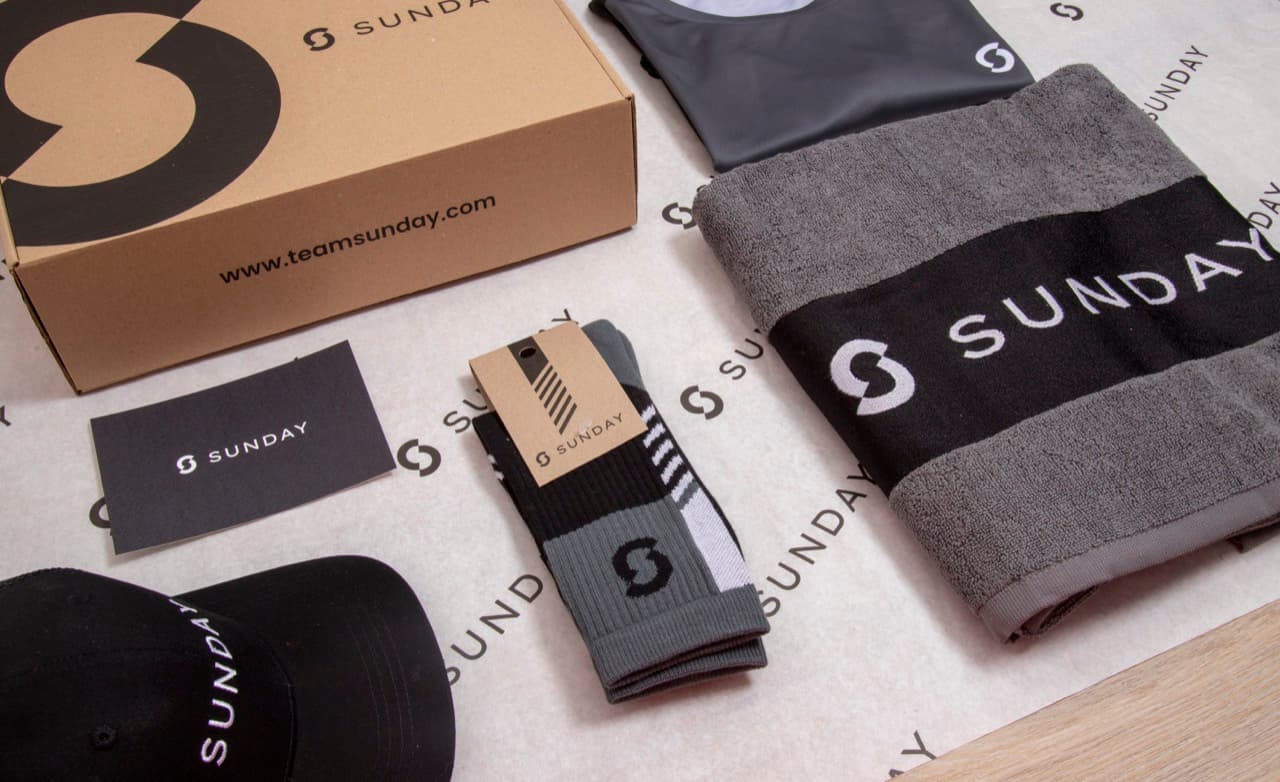
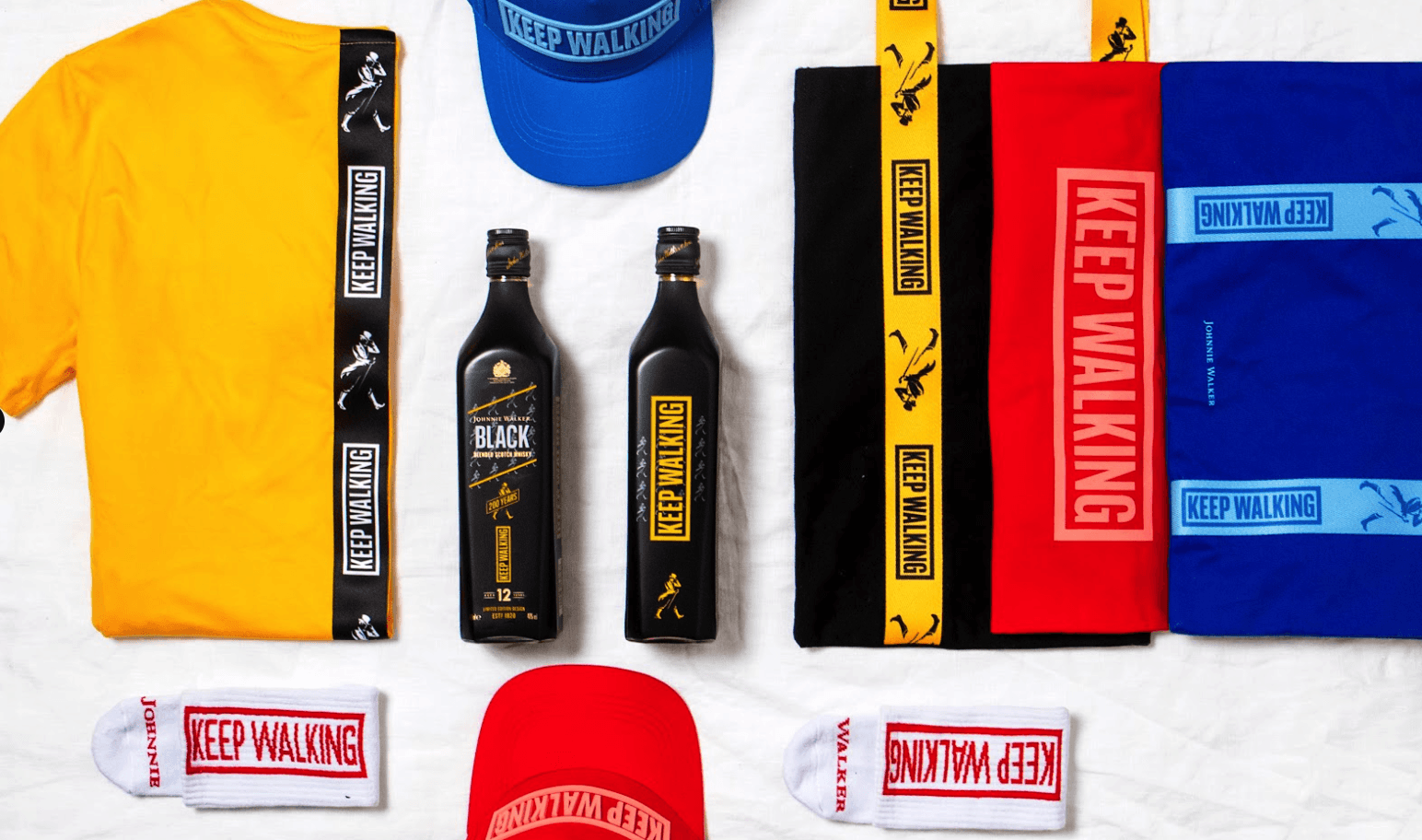
Branded packaging is the process of designing product packaging with specific elements-such as logos, color schemes, and typography-that consistently embody your brand’s identity and message. This approach ensures that your packaging not only protects the product but also communicates your brand to customers effectively.
“Branded packaging is the design of packaging elements to reflect a brand’s identity. It does more than protect a product; it makes a statement.”
Imagine receiving a package from a luxury shoe brand. The box, adorned with the brand’s signature colors and logo, creates an immediate sense of excitement and anticipation. As you open the meticulously designed outer packaging, you find tissue paper embossed with the brand name, enhancing the experience and reinforcing the brand’s premium image. This cohesive and deliberate packaging reflects branded packaging’s power to transform a simple delivery into a memorable brand experience.
The Principles of Effective Branded Packaging
When considering your company’s branded packaging, it’s essential to focus on the core principles that make packaging successful, such as using custom mailer boxes to enhance customer experience. These principles not only cover the aesthetic appeal but also the functional aspects of design, ensuring that the packaging complements the product perfectly. The packaging should embody your brand’s story, values, and promise to create a consistent customer touchpoint.
To begin with, understanding your target market is crucial. Your choice of colors, fonts, and materials should resonate with your audience’s preferences and expectations. For instance, eco-conscious consumers may appreciate packaging made from recycled or sustainable materials, enhancing their connection with your brand’s environmental values. Clarity and honesty in messaging are other significant principles. Ensuring that all information, from product descriptions to ingredients, is clearly displayed and true helps build trust and transparency with your audience. The packaging should also be practical; it’s important to consider the protection and ease of use of your merchandise. From secure closures to user-friendly designs, each aspect contributes to a positive customer experience. Lastly, the visual appeal of your packaging can never be overstated. Certain brands become recognizable the moment you see their packaging, a testament to consistent and memorable design.
Ultimately, successful branded packaging should do more than just hold your product; it should tell a story and create an emotional connection. Achieving this means constantly refining and evaluating your packaging to ensure it aligns with brand evolution and customer expectations.
Remember, branded packaging isn’t just a vessel-it’s a powerful marketing tool.
3 examples of powerful Branded Packaging strategies
Apple
: Synonymous with sleek, minimalist design, Apple’s packaging is as iconic as its products. The understated elegance, combined with quality materials, creates an unboxing experience that reflects the company’s commitment to superior craftsmanship and attention to detail. With every iPhone or MacBook purchase, Apple reinforces its brand narrative of innovation and quality, making consumers feel they are part of an exclusive community.
Lush
: Known for its handmade cosmetics, Lush utilizes unique packaging that embodies its brand ethos of sustainability. Their use of recycled materials and minimal plastic resonates with eco-conscious consumers and aligns with the company’s environmental initiatives. Lush’s signature vibrant designs and bold fonts make their packaging instantly recognizable, reinforcing the brand’s playful and ethical image.
Tiffany & Co.
: The iconic Tiffany Blue Box is a symbol of luxury and timeless elegance. This simple yet sophisticated packaging design stands out with its distinct color and white satin ribbon. Beyond protecting fine jewelry, the box elevates the gifting experience, creating anticipation and reverence. It’s a testament to how consistent and thoughtful design can become deeply ingrained in a brand’s legacy.
7 tips to elevate your Branded Packaging strategy
| Tip | Steps |
|---|---|
| Research competitor packaging | Analyze successful industry leaders |
| Focus on sustainability | Implement eco-friendly practices |
| Highlight brand story | Incorporate brand elements |
| Test unboxing experiences | Collect customer feedback |
| Design for your target audience | Incorporate consumer preferences |
| Leverage technology | Use AR/VR to enhance interaction |
| Collaborate with designers | Work with packaging experts |
Key Terminologies
Frequently Asked Questions
What makes branded packaging more beneficial than standard packaging?
Branded packaging elevates the customer experience by enhancing brand recognition and adding perceived value, setting your products apart from competitors.
How can I ensure my branded packaging is cost-effective?
By planning strategically and ordering custom shipping boxes in bulk, you can maximize resources and achieve economical pricing without compromising on quality.
Will using sustainable materials compromise the quality of my packaging?
No, sustainable materials today are advanced and offer robust protection and durability comparable to traditional materials.
How does branded packaging impact sales?
Branded packaging can significantly boost sales by enhancing the product’s appeal and reinforcing customer trust in your brand’s identity.
What if my current packaging supplier doesn’t offer branding options?
Consider collaborating with specialized packaging experts or designers who can integrate branding into your packaging seamlessly.
Is investing in branded packaging worth the cost for small businesses?
Absolutely, as branded packaging fosters stronger brand visibility and customer loyalty, which are vital for small business growth.