
Definition
Brushed cotton is cotton fabric that has been run under rollers covered in fine wire or abrasive paper, which lifts short fiber ends out of the yarn and leaves a soft, slightly fuzzy face. The weave underneath stays the same. Only the surface changes, which is why brushed cotton feels warmer and softer than the identical fabric left unbrushed. It is the finish behind most premium hoodies, winter shirting, and cotton bedding.
Definition
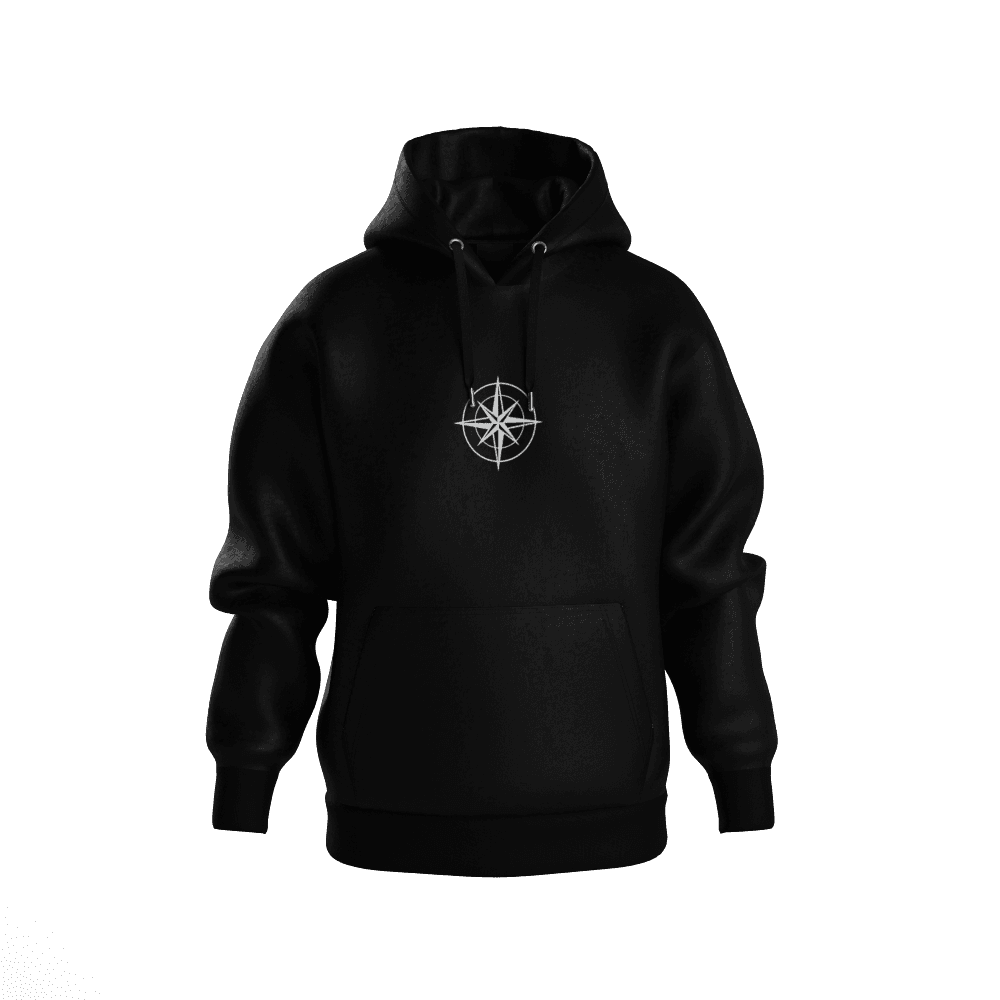
Brushed cotton describes a finishing step, not a fiber type or a weave. Any woven or knitted cotton can be brushed: jersey, twill, poplin, or the loopback interior of a sweatshirt. The clearest example in merch is a brushed-back hoodie. Inside, the loops of french terry have been torn open and combed into a fleece-like pile, so the garment that reaches your team feels plush against the skin while the printable outside face stays smooth and flat.
How brushed cotton works
The machine is called a raising or napping machine. The fabric travels over a drum wrapped in hundreds of rollers, each one covered in bent wire teeth or emery cloth. Those teeth catch protruding fiber ends and pull them upright without cutting through the yarn. Brushing can be applied to one side, called single-face, or to both, called double-face. Speed, tension, and the number of passes decide how deep the nap goes. A light pass gives shirting a faint peach-skin hand. A heavy multi-pass run turns loopback terry into thick brushed fleece.
The softness has a cost. Brushing pulls fiber out of the yarn structure, so a brushed fabric loses a little tensile strength and a little weight compared with its greige state. Mills compensate by starting with a heavier base cloth, which is why a 280 gsm brushed-back sweatshirt fabric often begins life closer to 300 gsm. Fiber length matters here more than anywhere else. Long-staple cotton has fewer loose ends to shed, so it brushes cleanly and resists pilling. Short-staple cotton brushes fast and feels great for a month, then bobbles.
There are two related finishes worth separating. Napping uses wire teeth and produces a visible, lofty pile, the one you feel on flannel and brushed fleece. Sueding uses fine abrasive rollers and produces a much shorter, denser surface, closer to peach skin, common on shirting and chinos. Flannel is a specific product, usually a brushed twill in plaid, while brushed cotton is the wider category that covers it. Decoration behaves differently on both. A raised nap scatters fine screen print detail and can soften halftones, so heavier lay-downs, embroidery, or printing on an unbrushed face gives sharper results.
Brushed cotton in branded merch
- Brushed-back hoodies and crewnecks. The single biggest use. The exterior stays smooth for a clean print or embroidery, while the brushed interior gives the soft hand that makes people actually wear the piece instead of leaving it in a drawer.
- Winter shirting and overshirts. Brushed twill or poplin makes a warmer, quieter shirt for client gifting and end-of-year kits. It embroiders well on the chest panel and reads as apparel rather than swag.
- Home and comfort kits. Brushed cotton bedding, throws, and lounge sets anchor remote-onboarding boxes and long-service gifts. The nap gives the item a premium feel out of the box, which is most of the first impression.
Brushed cotton is cotton fabric mechanically napped on one or both sides to raise short fibers, creating a soft surface that traps air and feels warmer.
5 tips to elevate your Brushed cotton strategy
| Tip | Steps |
|---|---|
| Specify long-staple cotton | Longer fibers shed less and pill far less after brushing, which protects the garment's second-year look. |
| Ask for gsm after brushing | Weight is measured post-finish, so confirm the final number rather than the base cloth figure. |
| Print on the flat face | Keep screen printing on the unbrushed exterior, since a raised nap blurs fine lines and small type. |
| Test wash before the run | Brushed cotton can shrink more than flat cotton, so approve a washed sample before full production. |
| Match nap depth to season | Choose a light suede finish for spring shirting and a deep nap for winter hoodies and throws. |
Key Terminologies
Frequently Asked Questions
Is brushed cotton the same as flannel?
No. Flannel is one kind of brushed cotton, usually a twill weave finished with a heavy nap and often sold in plaid. Brushed cotton is the broader category that also covers brushed jersey, brushed poplin, and sweatshirt fleece.
Does brushed cotton shrink?
It can shrink slightly more than unbrushed cotton because the fibers have been lifted and the fabric relaxes in the first wash. Ask for pre-shrunk or washed goods and approve a laundered sample before a full run.
Does brushed cotton pill?
Yes, if the cotton is short-staple. The raised fiber ends that make it soft are the same ends that ball up under friction. Long-staple cotton and a tight base weave keep pilling low.
Can you print on brushed cotton?
Yes. Print on the smooth, unbrushed face for the sharpest result. If you need to print onto a napped surface, use a heavier ink deposit or embroidery, because fine lines and small text can sink into the pile.
Is brushed cotton warmer than regular cotton?
Yes. The raised fibers trap a layer of still air against the skin, and still air conducts heat poorly. That makes brushed cotton feel warmer than a smooth cotton of the same weight.