
On a custom polo, embroidery almost always wins. Piqué has a visible texture, so screen printing reads softer than it does on a flat T-shirt, and flex printing looks like a plastic slab sitting on the fabric. Direct embroidery, an embroidered or woven patch, and a sewn woven or leather label all suit the structured, premium character of a polo. Printing is possible, but for a professional company polo, embroidery or a sewn detail is the stronger choice nearly every time.
Decoration is where a good polo is made or quietly ruined. Pick the right finish and the polo looks like quality apparel. Pick the wrong one and even a great blank starts to look cheap. The reason is the fabric. A polo is usually knitted in piqué, which has a small waffle texture you can see and feel. That texture changes how every decoration method behaves. Below is the full comparison, in plain terms, so you can choose with confidence. For the bigger picture on choosing the polo itself, start with the complete polo guide.
Why the fabric changes everything
A T-shirt is usually flat, smooth jersey. A print lands on it cleanly because the surface is even. A polo is different. Piqué is a textured knit, so the surface is bumpy at a small scale. Anything you press or screen onto it has to deal with that texture, and fine detail loses crispness. Stitched decoration, on the other hand, is built into the fabric rather than sitting on top of it, so the texture works in its favour.
That single fact explains the whole comparison. Methods that sit on the surface struggle. Methods that are sewn in look sharp. Keep it in mind and every recommendation below makes sense.
Embroidery: the default winner
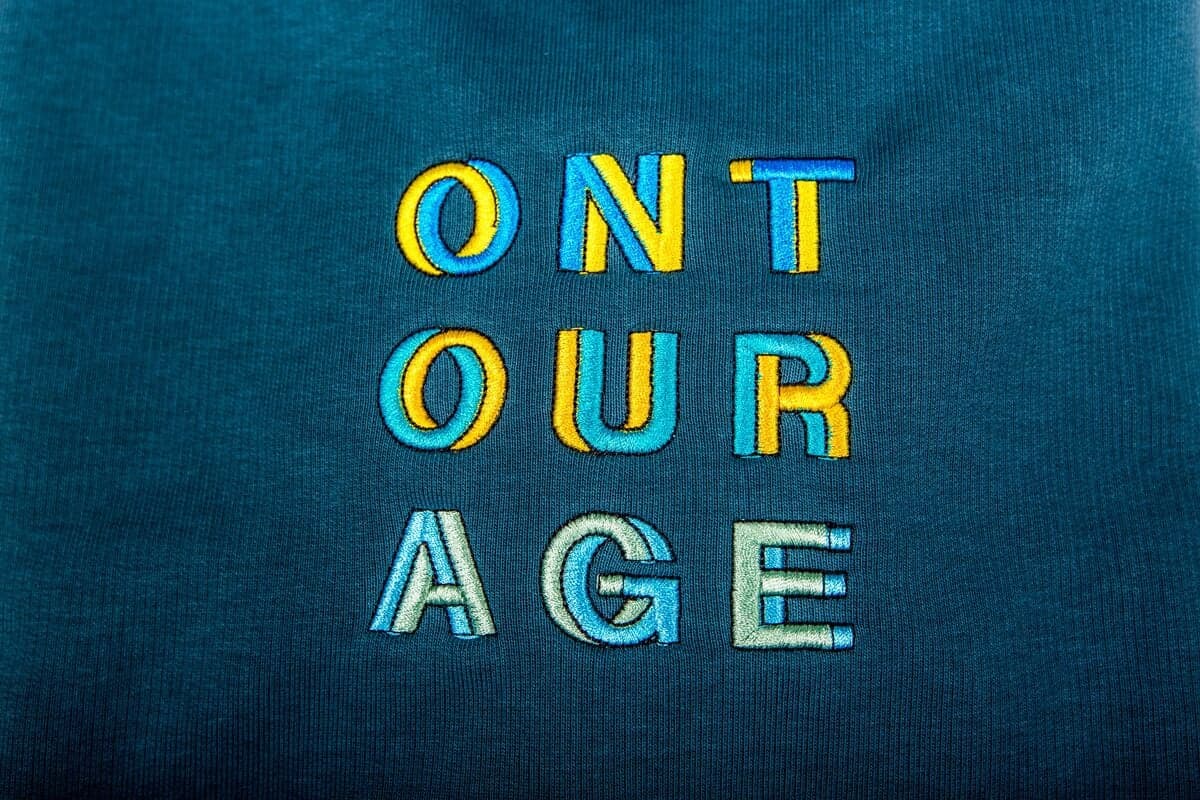
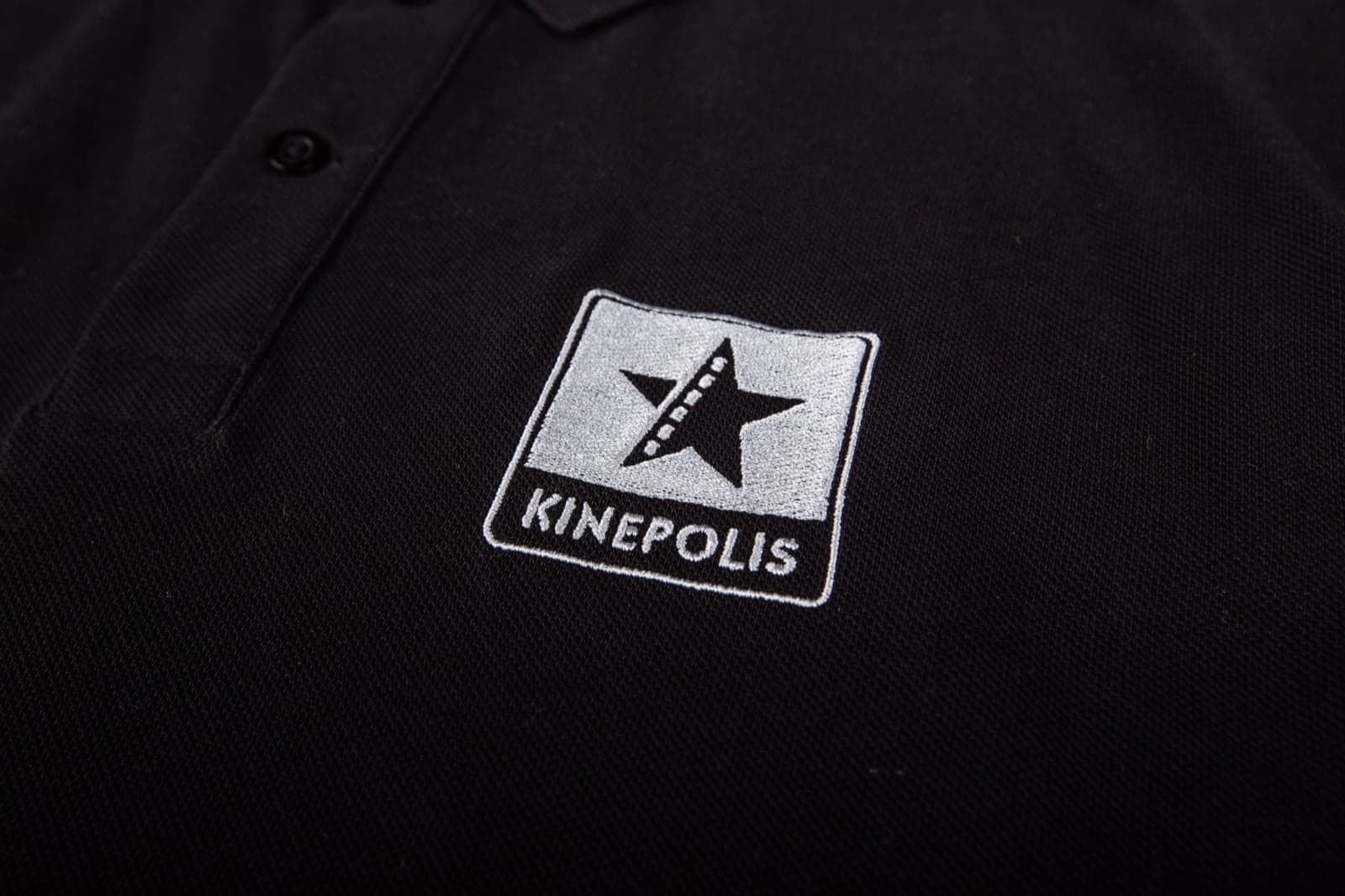
Direct embroidery is the standard for a reason. The logo is stitched straight into the polo, so it reads as a quality finish, holds up through years of washing, and gives the small raised detail people associate with good corporate apparel. It suits the piqué surface instead of fighting it.

A clean chest logo, like this Vanderloo polo, is stitched into the garment rather than pressed onto it. That is exactly why it reads as premium on a textured polo.
The one thing to mind is detail. Very small text or hairline gradients are hard to stitch cleanly, so simplify the artwork for embroidery. A clean chest logo, sized restrained, is the safest and most professional result.
Patches and sewn labels
Embroidery is not the only sewn option, and the alternatives can look even more considered. An embroidered patch, a woven patch, a sewn woven label, or a subtle leather label all complement a premium polo. They give you brand colour and shape without pressing ink onto textured fabric.
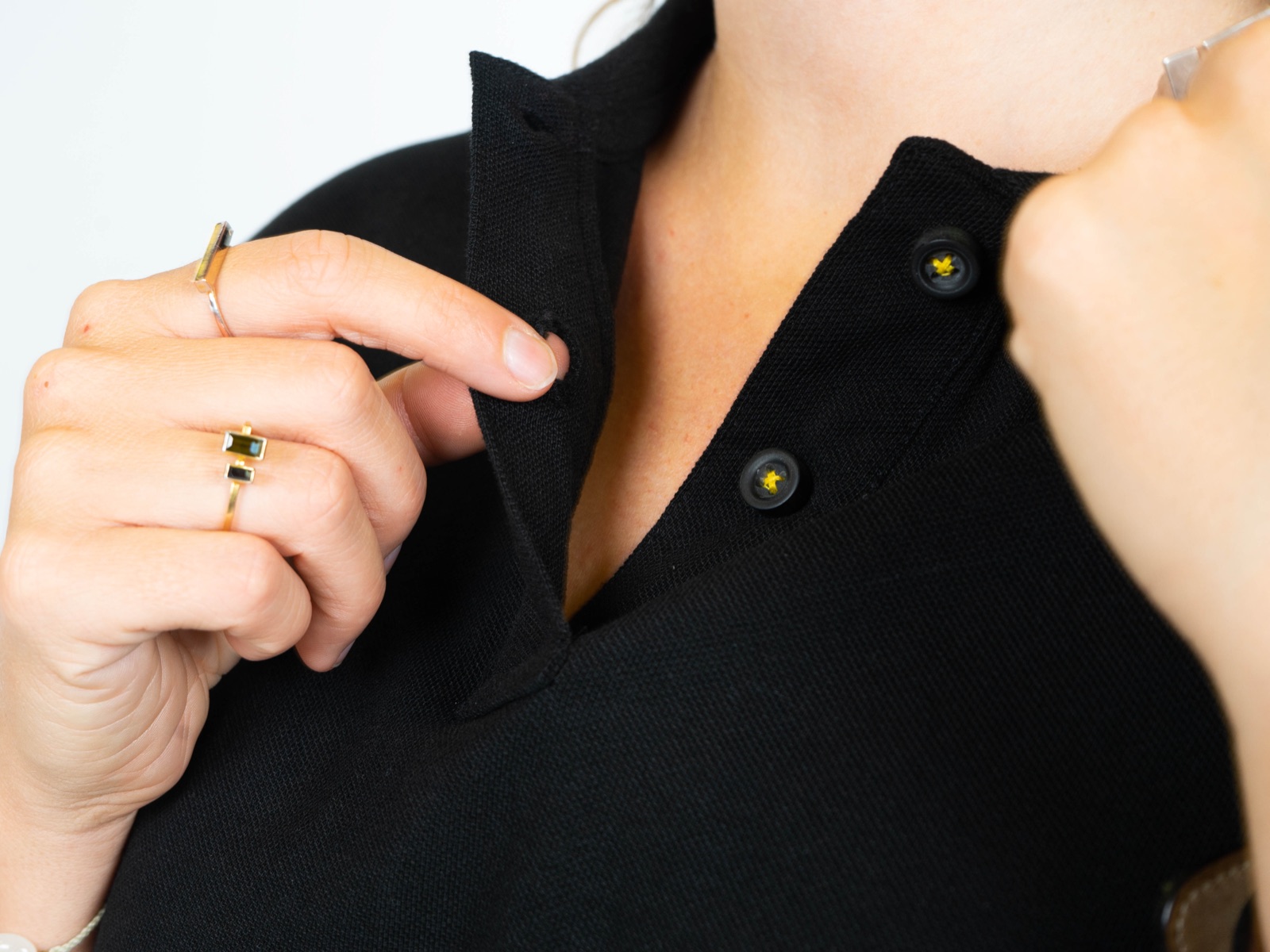
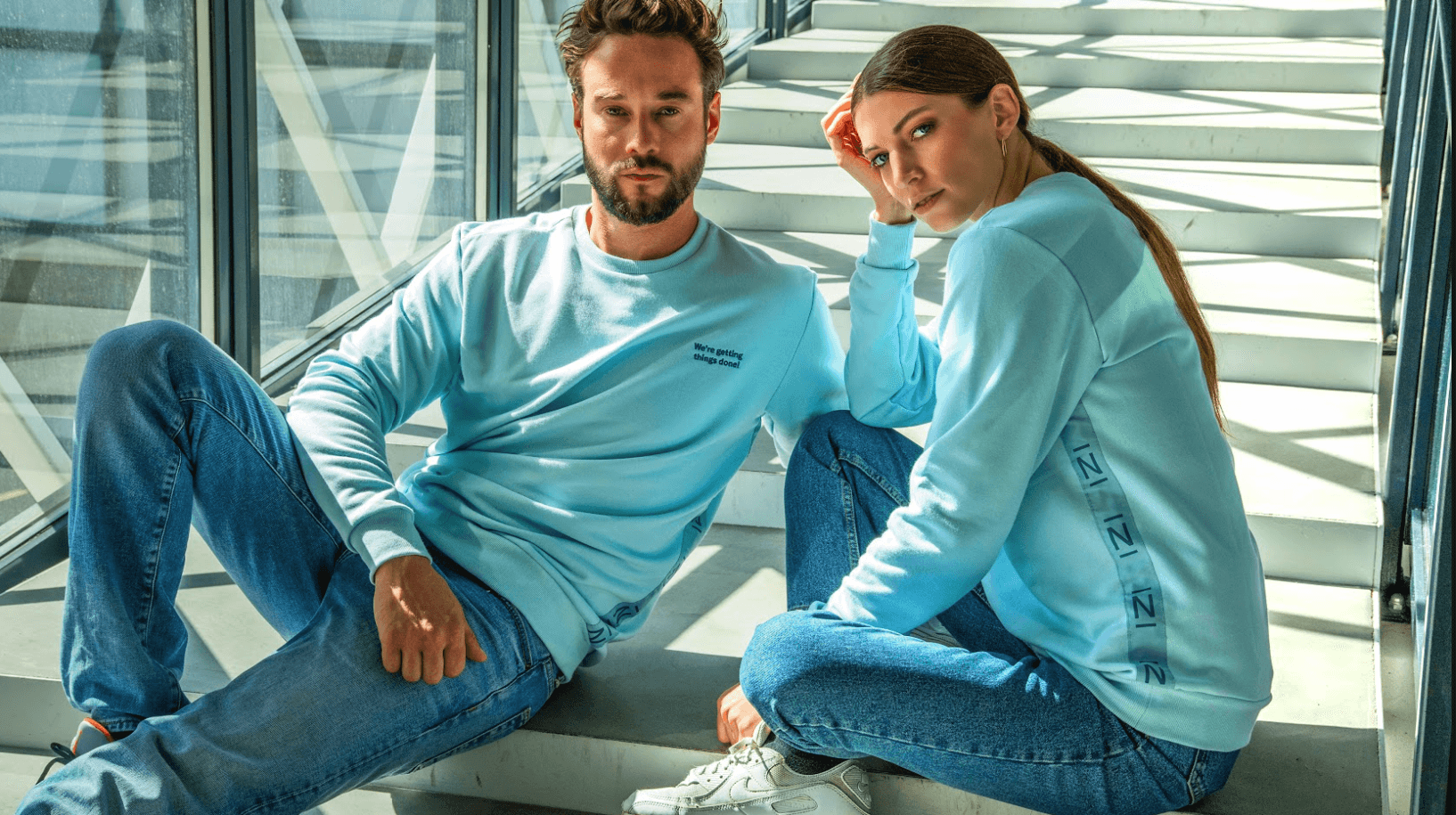
A women's fit polo with a discreet branded detail shows how a restrained finish carries quiet, premium branding. It is a strong look when a bold graphic would feel too much.
- Embroidered patch. Stitched detail with a defined edge, good for a bolder mark.
- Woven patch. Fine detail and colour, sewn flat and clean.
- Sewn woven label. Subtle branding near the hem or on the placket.
- Leather label. A premium accent for brands that want understatement.
Printing: when it works, when it doesn't
Printing is not banned. It is just rarely the strongest look on a polo. Screen printing can work for larger, simpler artwork in flat colours, especially on smoother performance polos where the surface is less textured than classic piqué. If your design genuinely needs a large printed graphic, that is a real reason to print. Just go in knowing it will read softer than the same print on a tee, and that fine detail will suffer.
For most company polos, though, the brief is a logo, not a graphic. And a logo is exactly where embroidery and sewn details pull ahead. If you are unsure, the safe default is to stitch.
Never flex-print a polo
One method to rule out: flex printing, the heat-pressed vinyl transfer. On a textured polo it looks like a plastic slab laid over the fabric. It catches the light wrong, it feels different to the touch, and it undermines the whole premium character of the garment. It is the single fastest way to make a good polo look cheap.
The decoration comparison table
| Method | How it looks on piqué | Best for | Verdict |
|---|---|---|---|
| Direct embroidery | Crisp, raised, premium | Logos, chest and sleeve marks | ✓ Default winner |
| Embroidered / woven patch | Defined, clean, characterful | Bolder marks, brand colour | ✓ Excellent |
| Sewn woven / leather label | Subtle, considered | Quiet premium branding | ✓ Excellent |
| Screen printing | Softer than on a tee | Large, simple graphics | Situational |
| Flex printing (vinyl) | Plastic slab on the fabric | Nothing, really | ✗ Avoid |
How to choose for your team
It comes down to what you are decorating and where. A logo on classic piqué should be embroidered. A premium, understated look points to a sewn label. A bolder mark suits a patch. A genuinely large printed graphic, on a smoother performance polo, is the rare case for screen printing. And flex printing stays off the list.
Whatever you pick, preview it before you commit. The free polo mockup generator lets you see a finish in your colours, and on custom polos the platform shows which decoration options are available with live pricing as you choose.
Embroidery vs printing on polos: questions answered
Is embroidery or printing better on a polo shirt?
Embroidery, in almost every case. A polo is usually knitted in textured piqué, so screen printing reads softer than it does on a flat T-shirt and flex printing looks like a plastic slab on the fabric. Embroidery is stitched into the garment, so it stays crisp, survives years of washing and signals quality. For a logo on a company polo, stitch rather than print.
Why does printing look worse on a polo than on a T-shirt?
Because of the fabric. A T-shirt is smooth jersey, so prints land cleanly. A polo is textured piqué, so anything pressed or screened onto the surface has to deal with that texture and fine detail loses crispness. Stitched decoration is built into the fabric instead of sitting on top of it, so the texture works in its favour.
What is the best decoration for a custom polo?
Direct embroidery is the default. Beyond that, an embroidered patch, a woven patch, a sewn woven label or a subtle leather label all suit the premium character of a polo. These sewn options give you brand colour and shape without pressing ink onto textured fabric. Keep the artwork simple enough to stitch cleanly.
Why should I avoid flex printing on polos?
Flex printing is a heat-pressed vinyl transfer. On a textured polo it sits on the surface like a plastic slab, catches the light wrong and feels different to the touch. It undermines the premium character of the garment and is the fastest way to make a good polo look cheap. Use embroidery or a sewn detail instead.
Is there ever a case for printing a polo?
Yes, but it is narrow. Screen printing can work for larger, simpler artwork in flat colours, especially on smoother performance polos where the surface is less textured than classic piqué. If your design genuinely needs a large printed graphic, that is a real reason to print. For a standard logo, embroidery is still the stronger choice.
Will embroidery handle small text and fine detail?
Up to a point. Very small text and hairline gradients are hard to stitch cleanly, so simplify the artwork for embroidery. A clean, restrained chest logo is the safest result. If your mark is highly detailed, a woven patch can hold finer detail than direct embroidery while still being sewn rather than printed.
Keep reading: custom polo shirts
See your logo embroidered on a polo
Create a free account and preview your polo with a clean chest embroidery, in your colours, with live pricing.
Get free designs