Sunday

Corporate gifting FAQ: 15 questions answered, plus how to measure ROI

A genuine corporate gifting FAQ. What counts as a corporate gift, how much to spend, how big the logo should be, branded versus custom versus personalised, packaging, sustainability, employees versus clients, global shipping, customs and DDP, lead times, gift cards versus merch, and how to measure the ROI of a corporate gifting program.

Steven CallensSteven Callens
7 min read
Corporate gifting FAQ: 15 questions answered, plus how to measure ROI

Corporate gifting is the practice of sending physical gifts to employees, clients, partners or prospects to strengthen a relationship or support a business objective. It differs from promotional merchandise because the recipient is known and the moment is deliberate. Budgets typically sit around 25, 50 or 100 euros per recipient depending on the outcome you need.

This page answers the questions that come up in almost every gifting conversation, in the order they usually come up. The short body sections below give the reasoning. The full FAQ at the bottom gives the direct answers.

This article is part of our complete corporate gifts guide.

What counts as a corporate gift

A corporate gift is a physical, usually branded gift a company gives to employees, customers, prospects, partners or key stakeholders to strengthen a relationship or hit a business goal. The word that separates it from everything else is intentional. There is a defined recipient, a defined moment and a defined reason.

Promotional merchandise works differently. It goes out broadly, to people you have not met, to create awareness. Both are useful. They are simply not the same category, and treating them as one is how a gift ends up feeling like a leftover giveaway. The full distinction is in corporate promotional gifts.

Budget: what each tier buys

There is no correct number, but there are recognisable tiers, and each one changes what is possible rather than just how expensive the item is.

Budget per recipientWhat it realistically buys
Around 25 eurosOne or two genuinely good products. Enough for a thoughtful gift if the concept and packaging are right.
Around 50 eurosThe sweet spot. Premium gift boxes, multiple coordinated products, backpacks, jackets, curated experiences. A real gifting experience rather than an item.
100 euros and aboveQuantity stops being the lever and refinement takes over: premium materials, deeper customisation, luxury packaging, exceptional finishing.

The minimum depends on context. A race jersey can work at almost any price if it fits the campaign. For Christmas gifting specifically, going below roughly 15 euros per recipient is where it starts to show, and the fix is to rethink the concept rather than to buy a cheaper version of the same idea. The seasonal specifics are in corporate Christmas gifts, and the practical budget end is in corporate gifts under $50 and in bulk.
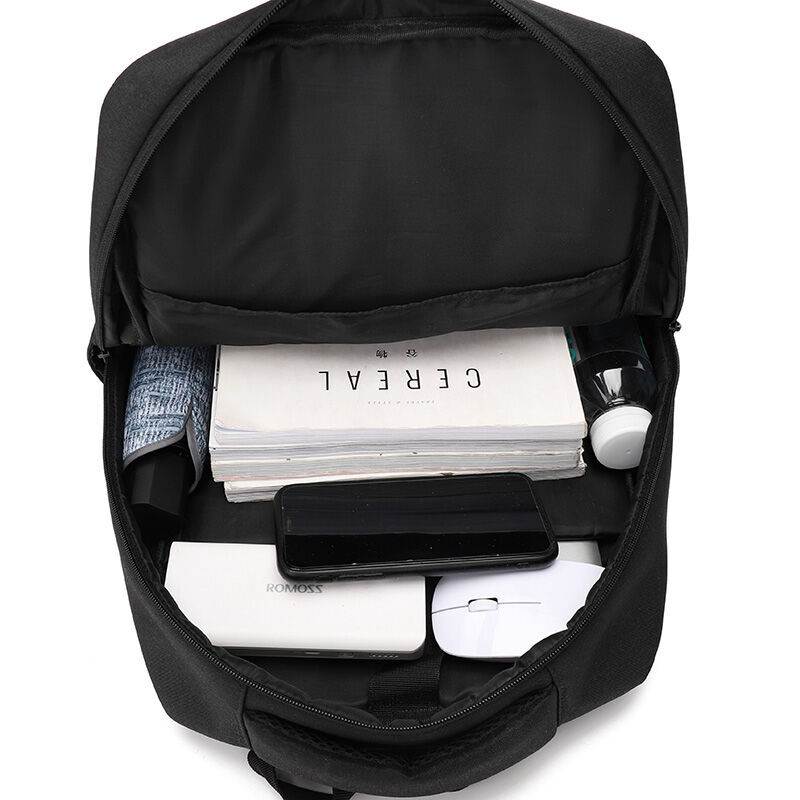
The interior of a premium branded backpack packed with a laptop, notebook and accessories, showing where a higher corporate gifting budget goes

Higher budgets buy construction and detail, not just a bigger item. That is what recipients notice a year later.

Branding, packaging and personalisation

There is no universal rule for logo size, because it depends entirely on the product. There is one law that holds everywhere: the bigger the logo, the less likely people are to use the product. Subtle branding produces more real-world impressions precisely because the item keeps getting used. The mantra is short enough to remember. Brand less, package more. The detail sits in corporate gifts with logo.

Three words get used interchangeably and should not be. Branded means an existing product decorated with your logo, which is fast and cost effective. Custom means the product itself is built to your brand, including colours, linings, neck labels, packaging, zippers, trims and hidden messages. Personalised means each recipient gets something unique, whether that is a name, a note or a choice. See custom corporate gifts and personalized corporate gifts.
Spend more on packaging than feels reasonable. Retail products never arrive without packaging, and corporate gifts deserve the same treatment. A premium sleeve, a proper gift box or a considered insert card usually lifts perceived value more than upgrading the product itself does.

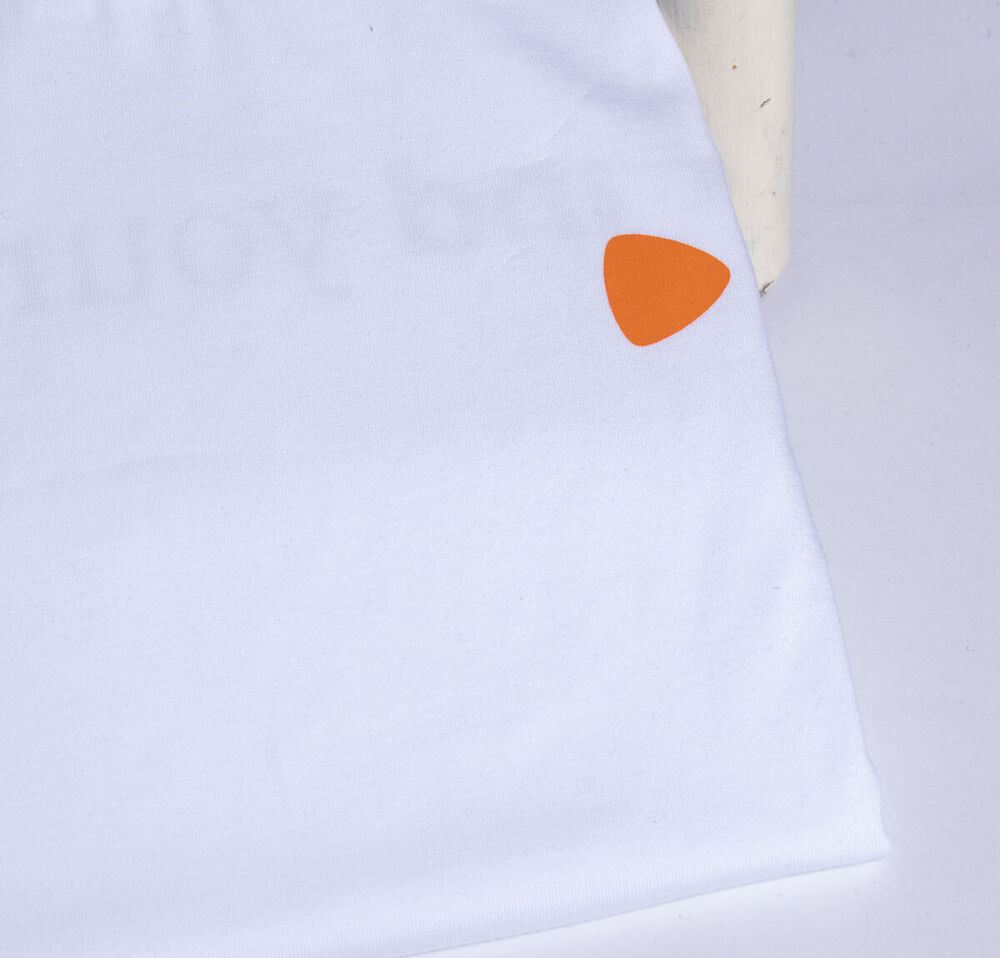
A white branded t-shirt with a small tonal logo detail, an example of the subtle branding that makes corporate gifts more likely to be worn

Small branding reads as confidence. It also gets worn, which is the entire point of putting a logo on something.

Employees, clients and partners

One rule covers most of it: the further the recipient sits from your organisation, the subtler the branding should be.

Employees are part of the company and are generally comfortable with branded apparel, so internal collections can be more expressive. Partners represent you externally and want something slightly more refined. Clients are the least likely group to wear another company's logo, which is why desk accessories, premium items and subtly branded products land better than large-logo apparel. Audience-specific guidance lives in corporate gifts for employees and corporate gifts for clients.
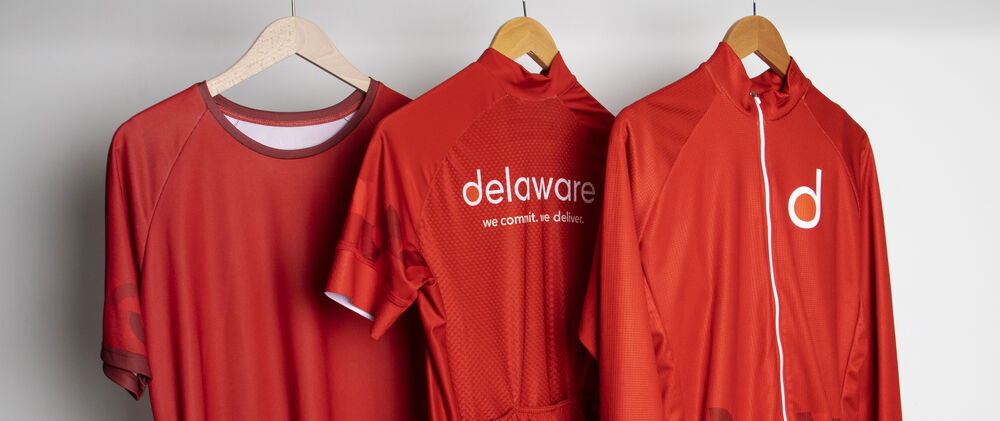
A branded apparel collection in a single brand colour hanging on a rail, the kind of internal range that suits employees rather than clients

Internal collections can be expressive. The same approach on a client gift usually stays in the cupboard.

Shipping, customs and lead times

Domestic gifting is straightforward. International gifting introduces address collection, address formats, courier selection, customs documentation, duties, tracking and failed deliveries, and each of those can quietly kill a campaign.

The single rule that matters most: a gift should never surprise the recipient with a customs invoice. If they pay duties, it stops feeling like a gift. That is what delivered duty paid shipping solves, and it is why DDP is worth asking every supplier about explicitly. The full operational picture is in how to run a corporate gifting program.

On timing, work backwards from the moment, not forwards from the order date. Custom production, decoration, kitting, packaging and international transit all take time, and Q4 is the period when every step is slowest. For anything tied to a fixed date, start considerably earlier than feels necessary.

How to measure corporate gifting ROI

This is the question that separates a program from a habit, and it has a short answer: every gifting programme starts with a business objective, so measure that objective rather than whether people liked the product.

Liking the gift is a hygiene factor. If recipients dislike it you have a problem, but liking it proves nothing on its own. The measurable outcome is whatever you set out to change.

Programme typeWhat to measure
Internal (employees)Employee satisfaction, direct feedback, engagement with the programme, and merch data such as MerchMetrics on what is actually being ordered and used.
External (customers, prospects, partners)Account expansion, deal velocity, retention on the accounts that received a gift, referrals generated, and overall campaign success against its original goal.

Two practical notes. Set the metric before the campaign ships, because retrofitting a measurement to a gift that already went out never produces a believable number. And compare against a group that did not receive the gift wherever your data allows it, even a rough one. The gap is the finding.

The objective decides the budget, not the other way round. Premium is worth it when it materially supports the outcome you named. That is also the honest test for whether a 100 euro gift beats a 25 euro one: not which looks better, but which moves the objective.

If you want the products themselves, start with corporate gift ideas or the best corporate gifts. If you want one option that works across almost every audience and budget, custom socks remain the safest universal answer: browse custom socks or preview a design in the free sock mockup generator.

The full FAQ

Fifteen answers, below. If your question is not here, it is probably a product question, and the catalog is a better starting point than another article.

About this article

Category: Corporate gifts · Read time: 9 min · Published August 16, 2026 · Primary topic: corporate gifting FAQ and measurement · Reviewed by the Sunday merch team

Gifting, without the admin

Custom production, premium packaging, global DDP shipping and campaign automation in one platform. Create a free account and design your gift in your brand.

Start gifting with Sunday
Frequently asked questions

What is a corporate gift?
A corporate gift is a physical, usually branded gift a company gives to employees, customers, prospects, partners or key stakeholders to strengthen a relationship or hit a business goal. What defines it is intent: a defined recipient, at a defined moment, for a defined reason, such as welcoming a hire, thanking a customer, marking a milestone or accelerating a deal. The product is only part of it. Occasion, presentation and experience decide whether it succeeds.
What is the difference between corporate gifts and promotional gifts?
Promotional gifts are distributed broadly to create awareness, usually to people you have not met, at trade shows or events. Corporate gifts are intentional: the recipient is known and the purpose is to build a relationship rather than generate mass exposure. They are related categories that behave very differently. Treating promotional stock as a gift is the most common way a gift ends up feeling like leftover merchandise.
How much should you spend on a corporate gift?
Around 25 euros per recipient buys one or two genuinely good products, which is enough for a thoughtful gift. Around 50 euros is the sweet spot: premium gift boxes, multiple coordinated products, backpacks, jackets or curated experiences. Above 100 euros, quantity stops mattering and refinement takes over, with premium materials, deeper customisation and luxury packaging. Set the objective first, then let the objective decide the tier.
Is there a minimum budget for corporate Christmas gifts?
Context matters more than a hard floor, and some products work at almost any price if they fit the campaign. That said, for Christmas gifting specifically, dropping below roughly 15 euros per recipient is where it starts to show. If the budget will not stretch, the better move is to rethink the concept, change the audience or reduce the list, rather than buy a cheaper version of the same idea.
How big should the logo be on a corporate gift?
There is no universal rule because it depends on the product, but one law holds everywhere: the bigger the logo, the less likely people are to use the item. Subtle branding generates more real-world impressions precisely because the product keeps getting used in public. Restraint also reads as confidence, which matters most for client-facing gifts. Brand less, package more.
What is the difference between branded, custom and personalised gifts?
Branded means taking an existing product and decorating it with your logo through print, embroidery, engraving or laser. It is fast and cost effective. Custom means the product itself is built to your brand, including colours, linings, neck labels, packaging, zippers, trims, hardware and hidden messages, which premium recipients notice immediately. Personalised means each recipient gets something unique, such as their name, a note, or a choice between products.
How much should you spend on packaging?
More than most companies do. Retail products never arrive without packaging, and corporate gifts deserve the same standard. A premium sleeve, a proper gift box or a considered insert card usually lifts perceived value more than upgrading the product would. A beautifully packaged 30 euro gift routinely beats a carelessly presented 80 euro one, which makes packaging the highest-return line in most gifting budgets.
What makes a corporate gift sustainable?
The most sustainable gift is the one people keep using. Durability outperforms marketing claims, because a recycled product that nobody uses creates less value than a well-made product used for years. Materials and certifications are genuinely valuable additions, but they come second to usefulness. Start from whether the item will still be in use in two years, then improve the materials from there.
Should employees, clients and partners get different gifts?
Yes, and the rule is simple: the further the recipient sits from your organisation, the subtler the branding. Employees are part of the company and are comfortable with branded apparel, so internal collections can be expressive. Partners represent you externally and want something more refined. Clients are the least likely to wear another company's logo, so desk accessories, premium items and subtly branded products work better than large-logo apparel.
How do you ship corporate gifts internationally?
Through one fulfilment setup rather than country by country. The failure points are address collection, inconsistent address formats, courier selection per market, customs documentation, duties, tracking and failed deliveries. Solve them by letting recipients submit their own addresses, selecting couriers per destination, generating customs paperwork automatically and shipping delivered duty paid from central fulfilment. Doing this manually is where most international gifting campaigns break down.
Who pays customs duties on a corporate gift?
The sender should, always. A gift should never surprise the recipient with a customs invoice, because the moment they pay duties it stops feeling like a gift and becomes an obligation. Delivered duty paid shipping settles duties and taxes before delivery so the parcel simply arrives. If a supplier cannot offer DDP for the countries on your list, that is a genuine reason to look elsewhere.
How far in advance should you order corporate gifts?
Work backwards from the moment rather than forwards from the order date. Custom production, decoration, kitting, packaging and international transit each take time, and Q4 is when every one of those steps runs slowest. For anything tied to a fixed date, especially Christmas or an event, start considerably earlier than feels necessary. Always-on programmes avoid the problem entirely because stock is already sitting in fulfilment.
Are gift cards better than corporate merchandise?
They solve different problems. Gift cards are incentives: they are effective at buying a specific behaviour, and they are easy to send. Merchandise builds relationships, creates emotional attachment and keeps generating brand exposure long after it arrives. The two are complementary rather than competing. If the goal is a transaction, a card works. If the goal is being remembered, a physical gift does considerably more.
How do you measure the ROI of corporate gifting?
Every gifting programme starts with a business objective, so measure that objective rather than whether people liked the product. For internal programmes, track employee satisfaction, direct feedback, programme engagement and merch data such as MerchMetrics on what is ordered and used. For external programmes, track account expansion, deal velocity, retention among recipients, referrals generated and overall campaign success. Set the metric before the campaign ships.
What is the most common mistake in corporate gifting?
Treating it as an afterthought. Companies grab leftover merchandise, box it and call it a gift, and recipients notice immediately. The second most common mistake is being generic: another notebook, pen or standard mug, which is predictable and forgettable. Both are fixed the same way, by spending time on the concept and the presentation. The recipient should feel the company created something for them, not cleared warehouse shelves.

More Stories

Try Sunday