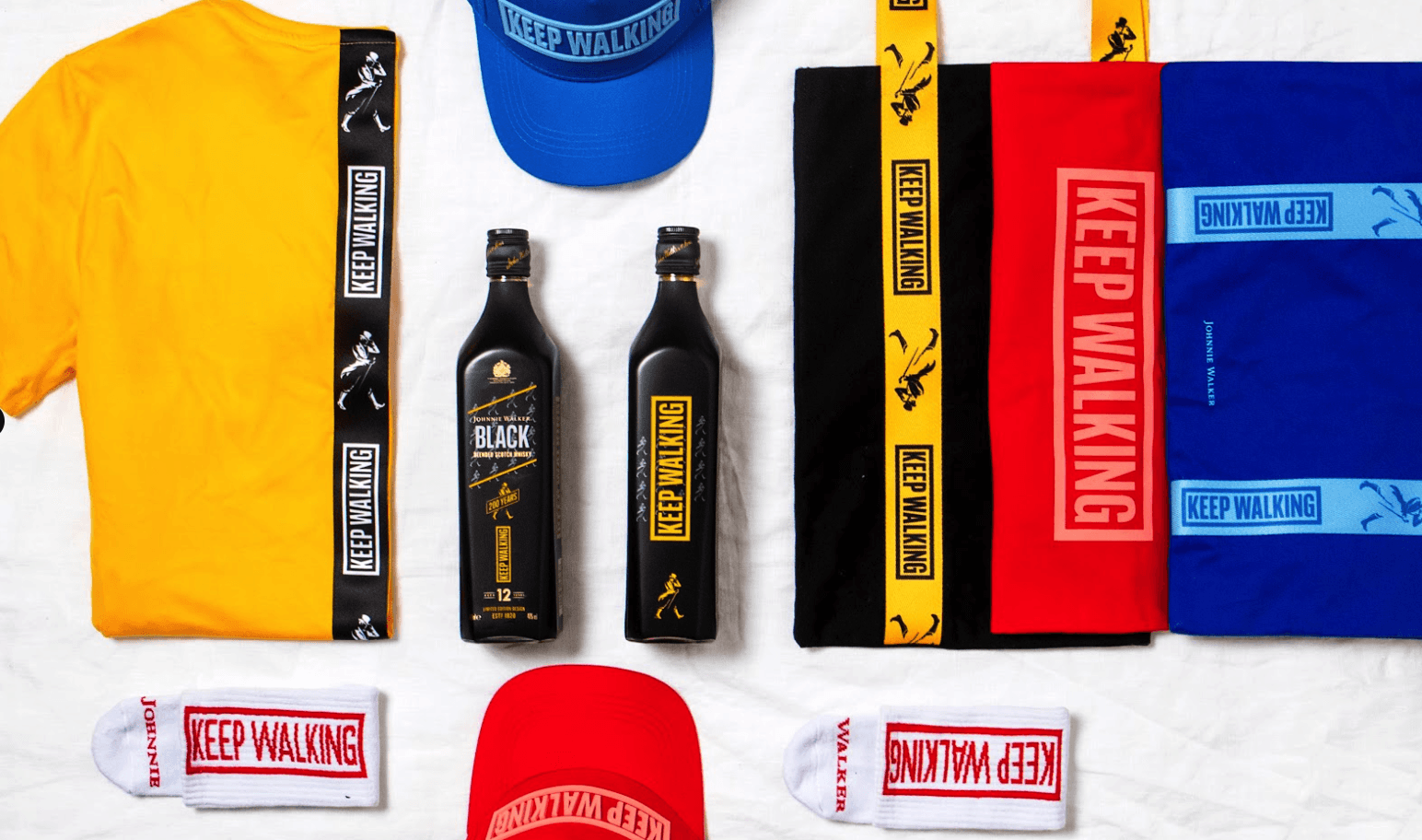


Print on demand produces each item after it is ordered, with lead times of roughly five to six weeks. Warehouse stock holds a small batch of finished products ready to dispatch in about 24 hours. For established B2B merchandise programmes, small-batch warehouse stock almost always creates the better brand experience.
The decision looks like a logistics question and behaves like a brand question. Both models put a product in someone's hands. Only one of them controls what that product feels like, how long the recipient waits, and whether the store looks like a shop worth returning to.
Part of our complete company swag store guide.
What's in this guide
- Print on demand vs warehouse stock, compared
- Why small batches usually win
- Where print on demand fits
- The sustainability question
- How to start modest and scale
- What the company is actually buying
- Frequently asked questions
Print on demand vs warehouse stock, compared
Print on demand means nothing is made until somebody orders it. Warehouse stock means a curated batch is produced, photographed, stored and picked on demand. The trade is inventory risk against experience, and for an ongoing programme the experience side of that trade is worth more than it looks on a spreadsheet.
| Print on demand | Small-batch warehouse stock | |
|---|---|---|
| Time to the recipient | Typically 5 to 6 weeks | Dispatch in about 24 hours once products are available |
| Product range | Limited to what the decorator can print on | Any product you can produce, including custom construction |
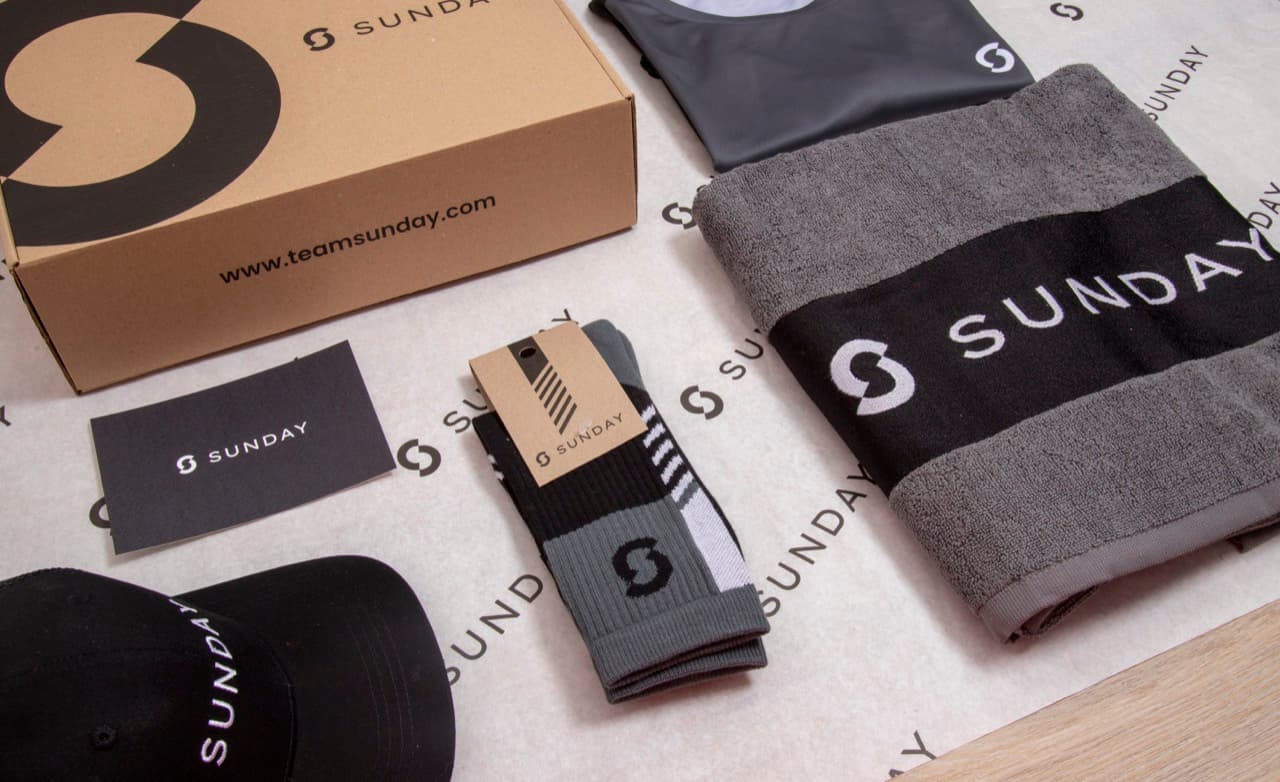
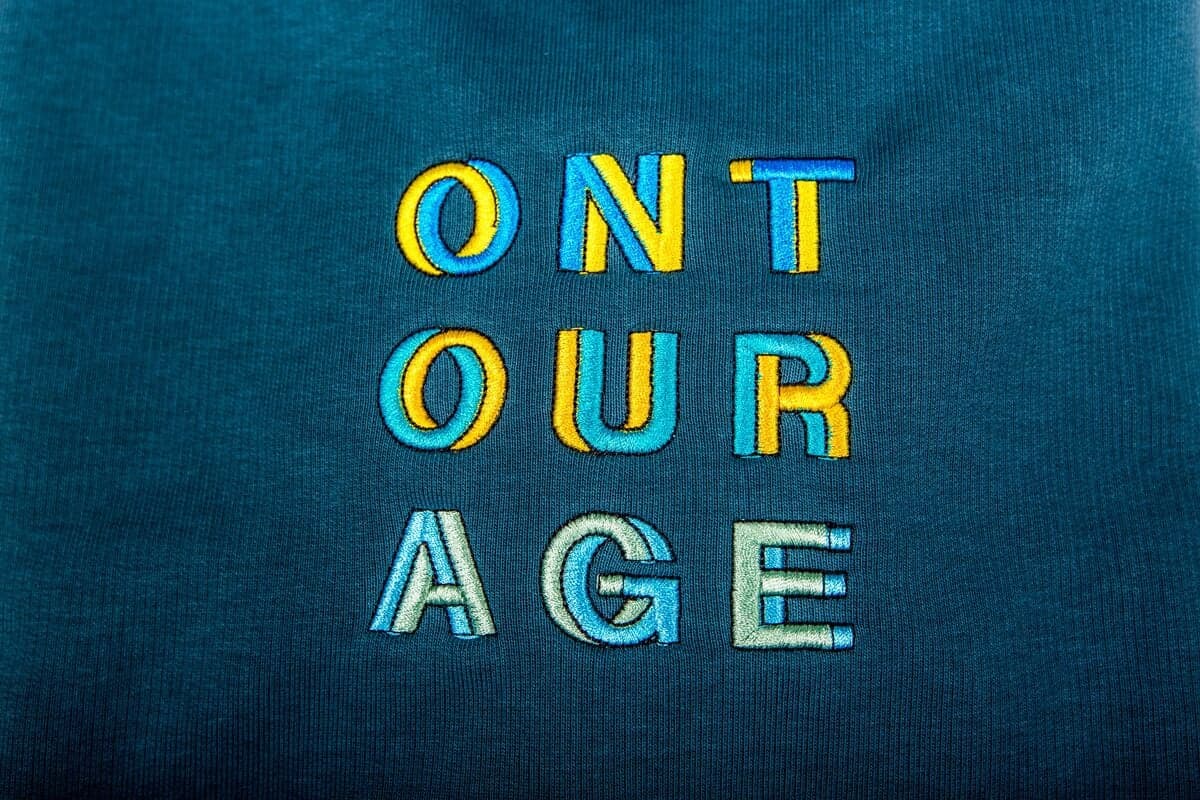
| Finishing | Usually a single print method | Embroidery, custom linings, neck labels, hardware, packaging |
| Photography | Often a mockup on a template | Real photography of the real product |
| Consistency | Varies per batch and per printer | One production run, one standard |
| Inventory risk | Near zero | Real, but sized by how small the first batch is |
| Feels like | A promotion | A brand |
Why small-batch warehouse stock usually wins for B2B programmes
Three things separate a store people come back to from a store people try once.
Speed changes behaviour
A five to six week wait breaks the link between the moment and the gift. Somebody hits a work anniversary, redeems a reward, and the reward turns up after the moment has passed. With stock in the warehouse the order leaves in about a day, so the store behaves like retail rather than like a procurement request. That is also what makes credits and coins work, because a balance is only exciting if spending it produces something quickly. The mechanics of that sit in swag store funding models.
Product quality is decided at production, not at checkout
Print on demand can only decorate what a decorator already holds. Producing a batch means you choose the fabric, the fit, the trims, the hardware, the neck label and the packaging. Those details are what make a branded item read as premium, and they are exactly the details print on demand cannot reach. If you want the argument for the decoration method itself, the printing vs embroidery comparison covers it.
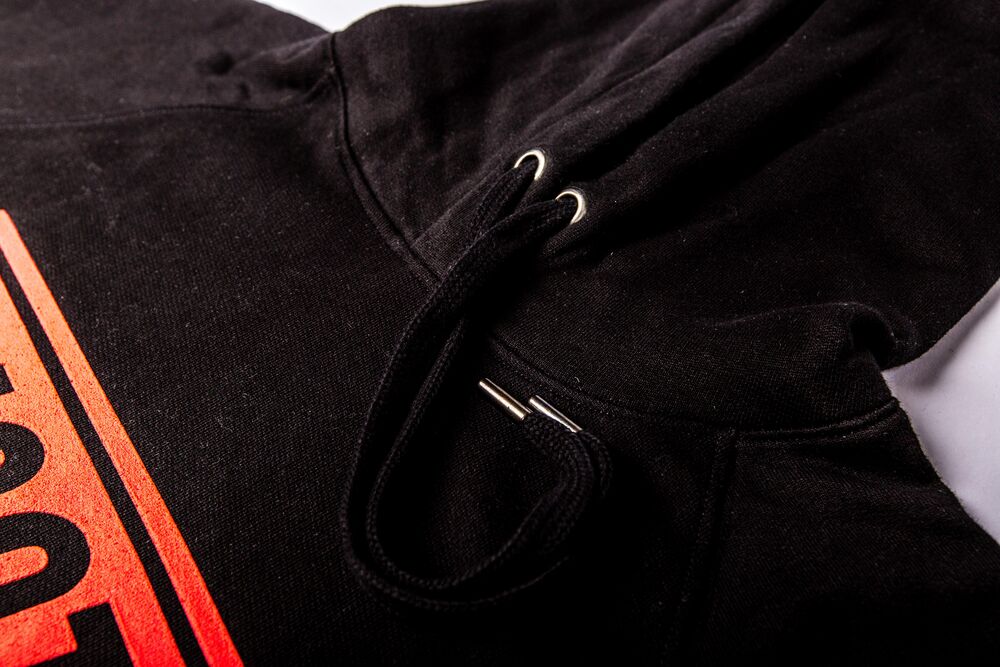
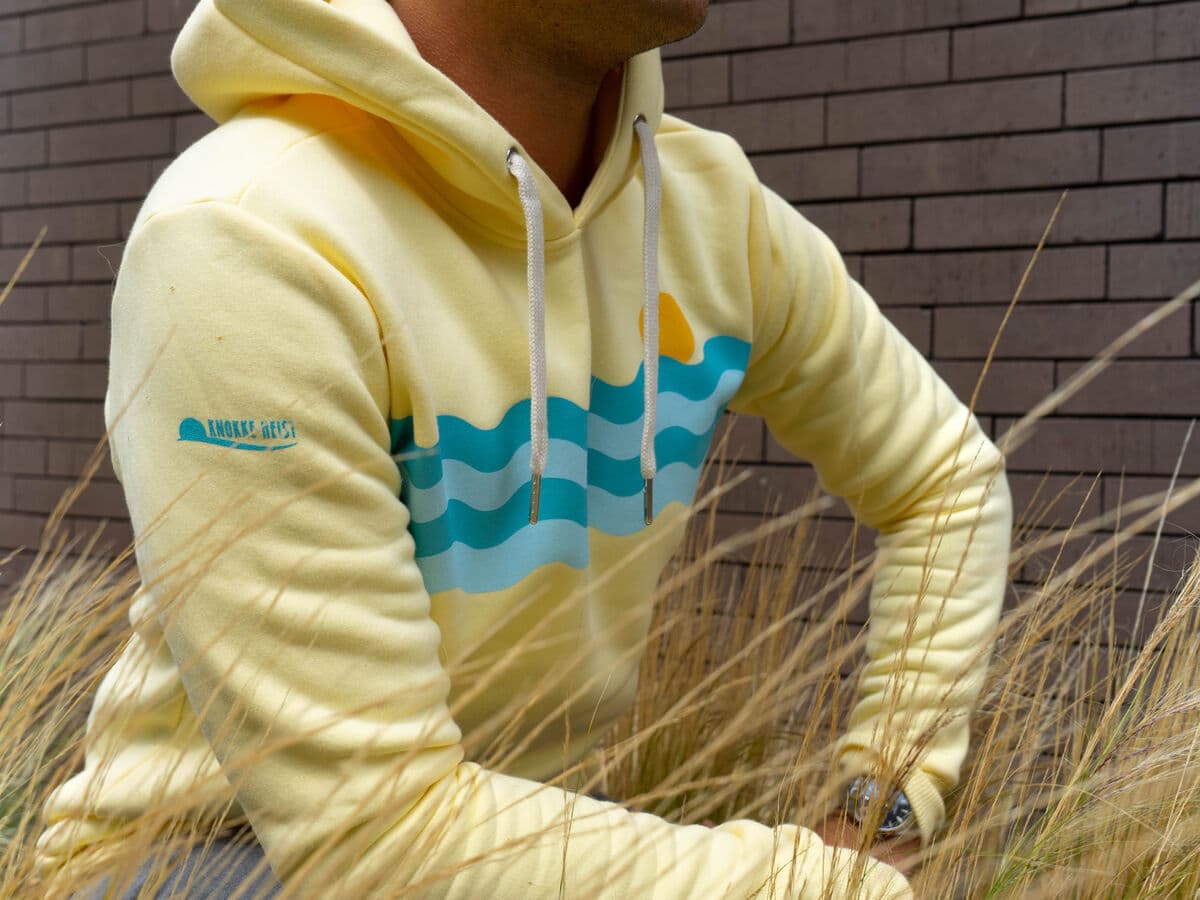
Eyelets, cord tips, seams. None of these are decisions a print on demand supplier lets you make, and all of them are visible the first time somebody puts the product on.
Real photography sells the collection
A store is a shopping experience. Employees browse it the way they browse anything else, which means the product photography is doing most of the persuading. Stocked products can be shot properly, on real people, in the brand's own art direction. Mockup renders never quite land, and a store full of them looks like a catalogue rather than a collection.
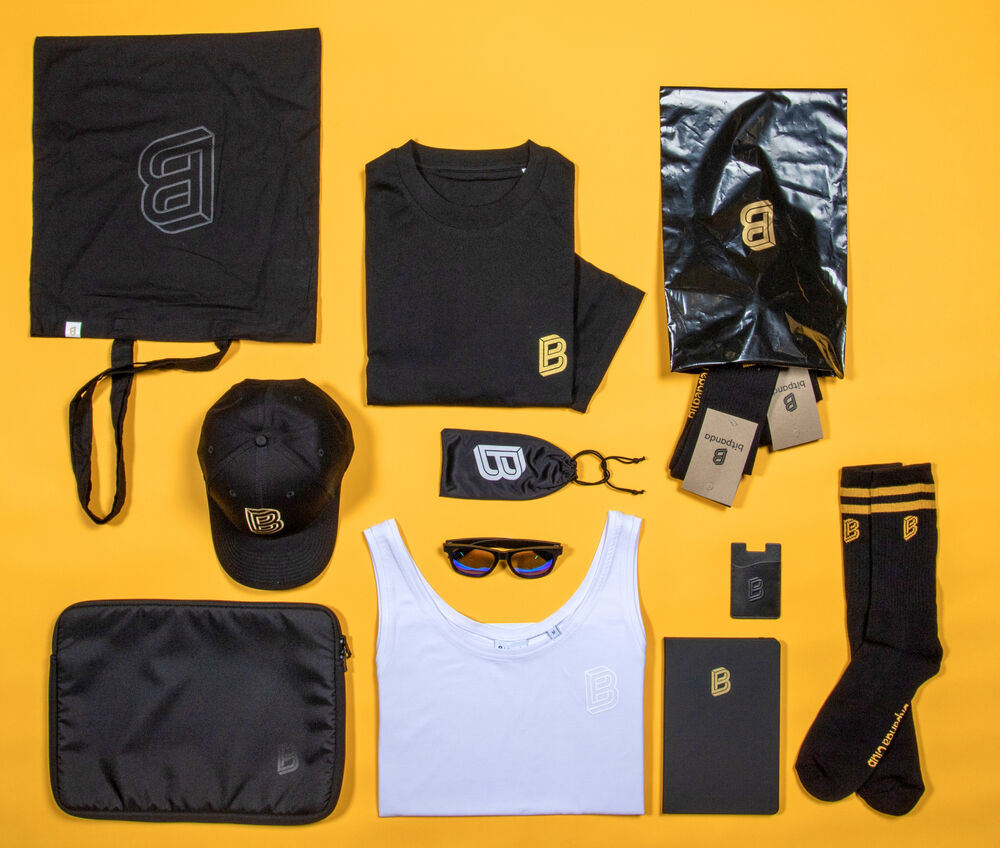
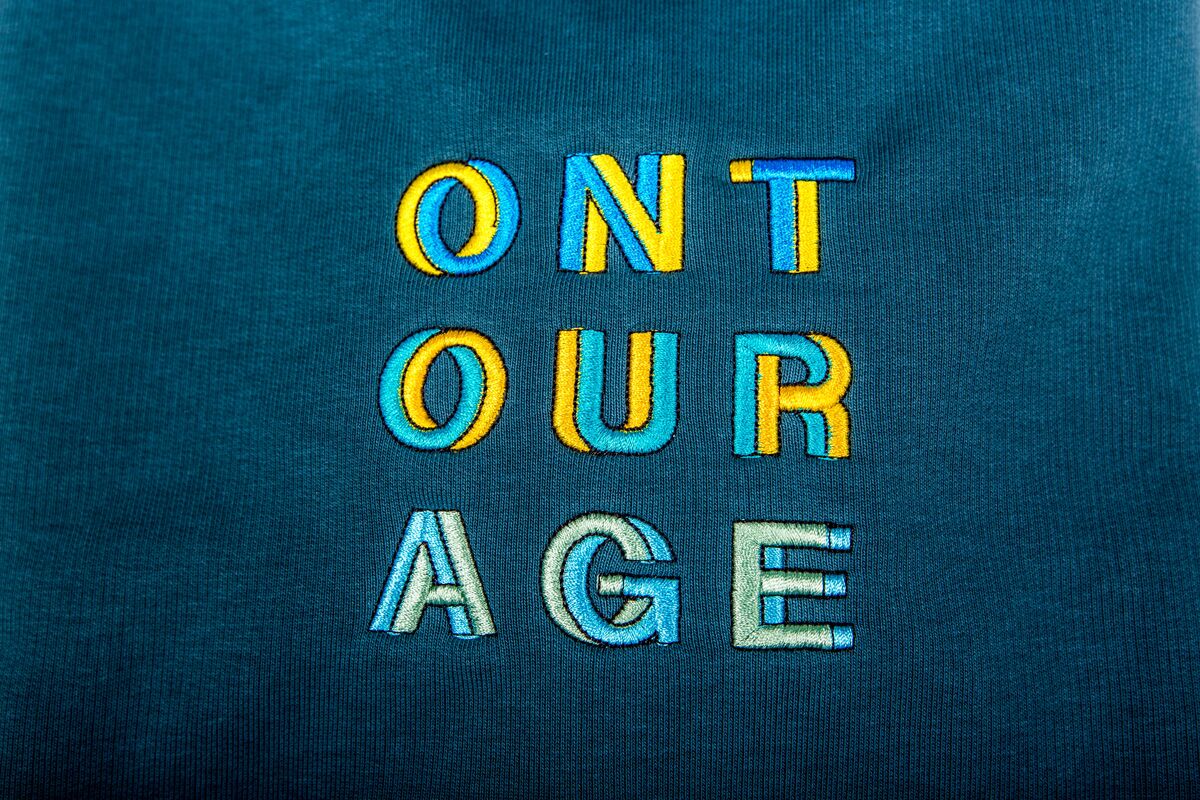
Bitpanda's collection, produced as a batch and held as stock. One production run gives every item the same finish and lets the whole assortment be photographed together.
Stores Sunday runs show the pattern. Fastned's employee reward store allocates coins automatically on first login, so the first visit is a gift that arrives quickly. Bitpanda Boutique tags new products automatically, so returning employees can see what changed since last time. Neither of those works well on a five week clock.
Where print on demand genuinely fits
Print on demand is not a bad model. It is a model with a narrow, real use case, and pretending otherwise would be dishonest.
- Very small companies testing demand. When nobody knows whether anyone will order anything, producing a batch is a guess. Print on demand buys you the data before you buy the stock.
- Artists, creators and communities selling for profit. Here merchandise is the product, margin per unit is the point, and holding inventory is capital the seller usually does not want to tie up.
- Extreme long-tail assortments. Dozens of variants, each ordered occasionally. Holding stock across that many SKUs cannot be justified, so producing on order is the only sensible answer.
If you are in one of those three groups and comparing print on demand services, our guides to Printify alternatives and Printful alternatives cover the options.
There is also a hybrid that works well. Run a stocked core collection for everything people order regularly, and put genuinely bespoke items on a made-to-order line with the lead time stated plainly. Zalando House of Merch does exactly that: its customisable collection shows a lead time of about three to four weeks after the start of production, alongside pricing tiers that step down as order quantity rises. Nobody is surprised, because the store says so on the product page.
The sustainability question, answered honestly
Print on demand is often sold as the sustainable option. That claim is too big for the evidence.
What print on demand genuinely reduces is inventory risk. Producing only what is ordered means fewer unsold units sitting in a warehouse. That is a real benefit and worth having. It is not the same as reducing total waste.
Total waste depends on what happens to the item after it arrives. A cheaply made shirt that gets worn twice and thrown out has a short useful life, regardless of how efficiently it was produced. A well-made item that stays in someone's rotation for years earns back its production impact many times over. The lens that actually matters is useful life, not the moment of manufacture.
Our own research points the same way. In a 258-person study of the NMBS merchandise programme, run with Sapience and VUB, 69% of recipients wore their bag and 67% their sweater more than twice. Plain socks went unworn by 31%. What gets used is decided by the product, not by the production model.
So the honest framing is this. Print on demand can lower one kind of waste while raising another, because the products available to print on tend to sit at the lower end of the quality range. Warehouse stock carries a genuine risk of unsold units, which is why the inventory discipline in swag inventory management matters so much. Neither model is automatically greener. The same argument applied to gifting sits in sustainable corporate gifts.
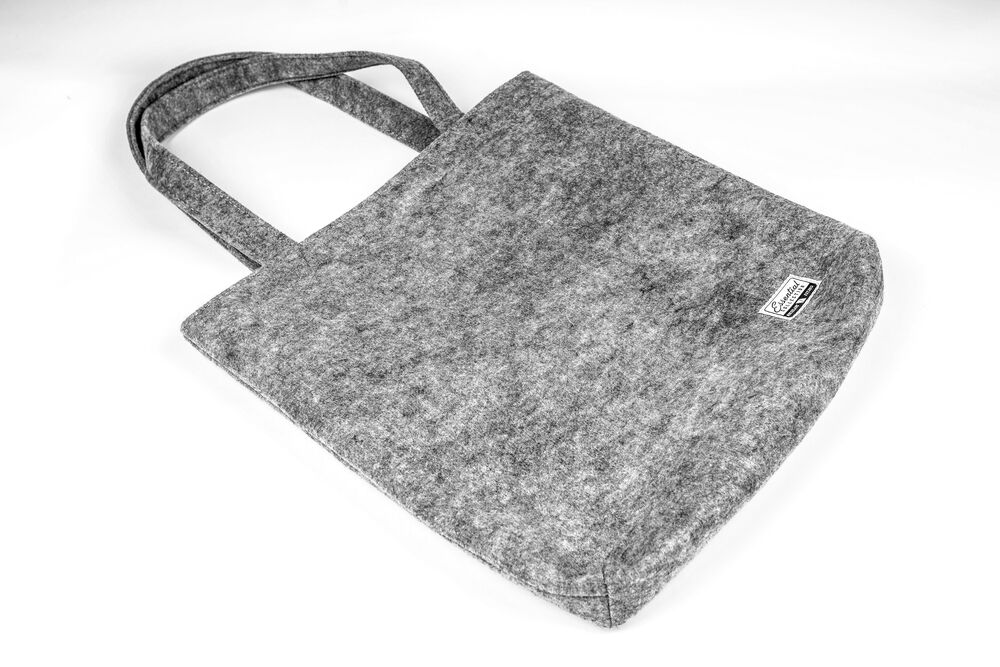
Useful life is the measure that counts. A bag someone actually keeps using beats a technically greener bag that gets used twice.
How to start modest and scale into stock
The fear behind print on demand is dead stock. That fear is reasonable and it is also manageable, because nothing forces a first order to be large. On Sunday the minimum is 10 pieces per item.
- Curate small. Five or six products is a viable store. Fifteen to twenty is a broad ongoing programme. Less choice creates more usage, and it also shrinks the amount of stock you are guessing about.
- Order a modest opening batch. Enough to launch credibly, not enough to hurt if one item underperforms.
- Watch what moves. The first eight weeks tell you which products are the collection and which were an idea.
- Replenish the winners only. Depth on proven products beats breadth on unproven ones.
- Give slow movers a new job. Event distribution, customer activation, partner enablement, referral rewards. Stock that did not sell is rarely stock nobody wants.
Design decisions are cheap to test before any of this. 70% of Sunday orders go through automatic design templates, with no designer and no proof cycle. Preview a design on the real product with the free hoodie mockup generator before you commit a batch, then produce the version that survived the room. The full launch sequence is in how to launch a swag store in 3 to 4 weeks.
What the company is actually buying
Print on demand comparisons usually get argued on unit economics. That is the wrong ledger for an employee or partner store, because the company's return is not merchandise margin.
The return is brand value, engagement, and the impact of merchandise used as an incentive. A product someone wears in public is a repeated impression. A reward that arrives quickly reinforces the moment it was given for. If store sales recover part of the programme cost, that is usually enough, and treating the store as a revenue line is one of the fastest ways to lose employee trust. The full argument sits in online swag store for employees, and the measurement framework is in swag store metrics.
ITI's store is built for an expected 35,000 to 40,000 users a year, which is a design target rather than a reported result. At that scale a five week lead time on every order would not be an inconvenience, it would be the reason the store failed. Interstellar's coin-based store is praised internally for its look and feel, which is a qualitative signal rather than a metric, and look and feel is largely a function of real products photographed well.
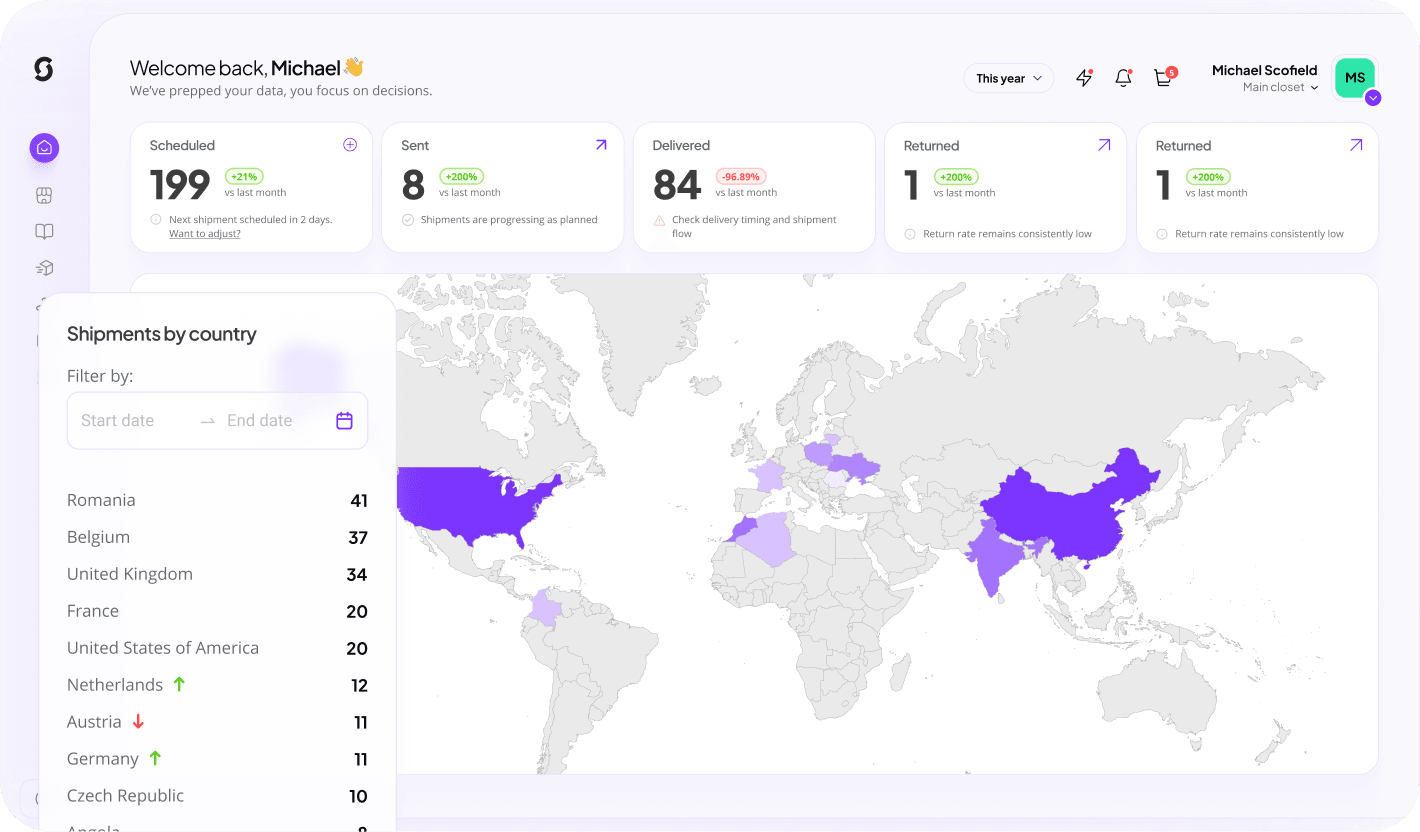
Stock is what makes all of it possible. The operating layer that keeps it accurate, from transfer orders to shipment creation to status updates, is what to look for in a swag management platform. If you are weighing one accountable partner against a stack of separate vendors for production, storage and the storefront, read best company swag store platform. Explore how Sunday puts production, warehousing and the storefront on one contract through the platform, the catalog and how it works. If apparel is the core of your collection, start from custom hoodies or custom tote bags.
Frequently asked questions
How long does print on demand take for company swag?
Typically five to six weeks from order to recipient, because each item is produced after it is ordered. Small-batch warehouse stock dispatches in about 24 hours once products are available. For rewards, onboarding and anniversaries, that gap decides whether the gift lands at the moment or long after it has passed.
Is print on demand more sustainable than holding stock?
Not automatically. Print on demand reduces inventory risk, not total waste. Useful life is the better lens. In Sunday's 258-person NMBS study with Sapience and VUB, 69% of recipients wore their bag and 67% their sweater more than twice, while 31% never wore plain socks. Products people keep using beat products made efficiently.
When does print on demand make sense for swag?
Three cases. Very small companies testing whether anyone will order at all. Creators and communities selling merchandise for profit, where tying up capital in stock is the problem. And extreme long-tail assortments with dozens of rarely ordered variants. For an ongoing employee or partner store, small-batch stock almost always gives the better experience.
How much stock should a new swag store order?
Start narrow. Five or six products is a viable store and fifteen to twenty covers a broad programme. On Sunday the minimum is 10 pieces per item, so an opening batch can stay modest. Watch eight weeks of real orders, replenish only the winners, and redeploy slow movers into events or rewards.
Can you combine print on demand and warehouse stock?
Yes, and it often works best. Stock the core collection people order regularly and put bespoke items on a made-to-order line with the lead time stated on the product page. Zalando House of Merch runs this hybrid, showing roughly three to four weeks for its customisable collection next to its stocked range.
About this article
Small batches. Fast dispatch.
Produce a curated collection, hold it in the warehouse, and let the store dispatch in about a day. Create a free account and see how it works.
Build your swag store