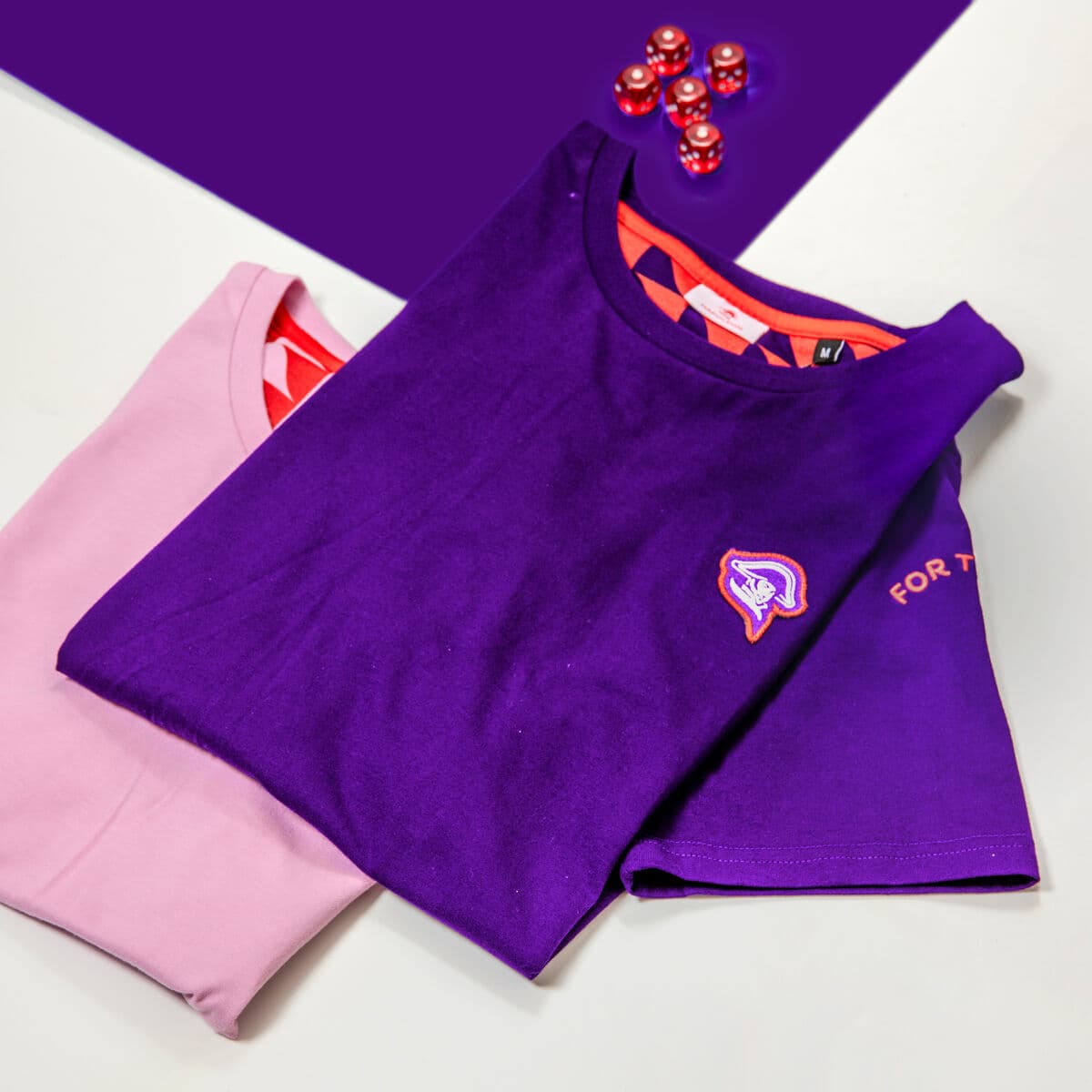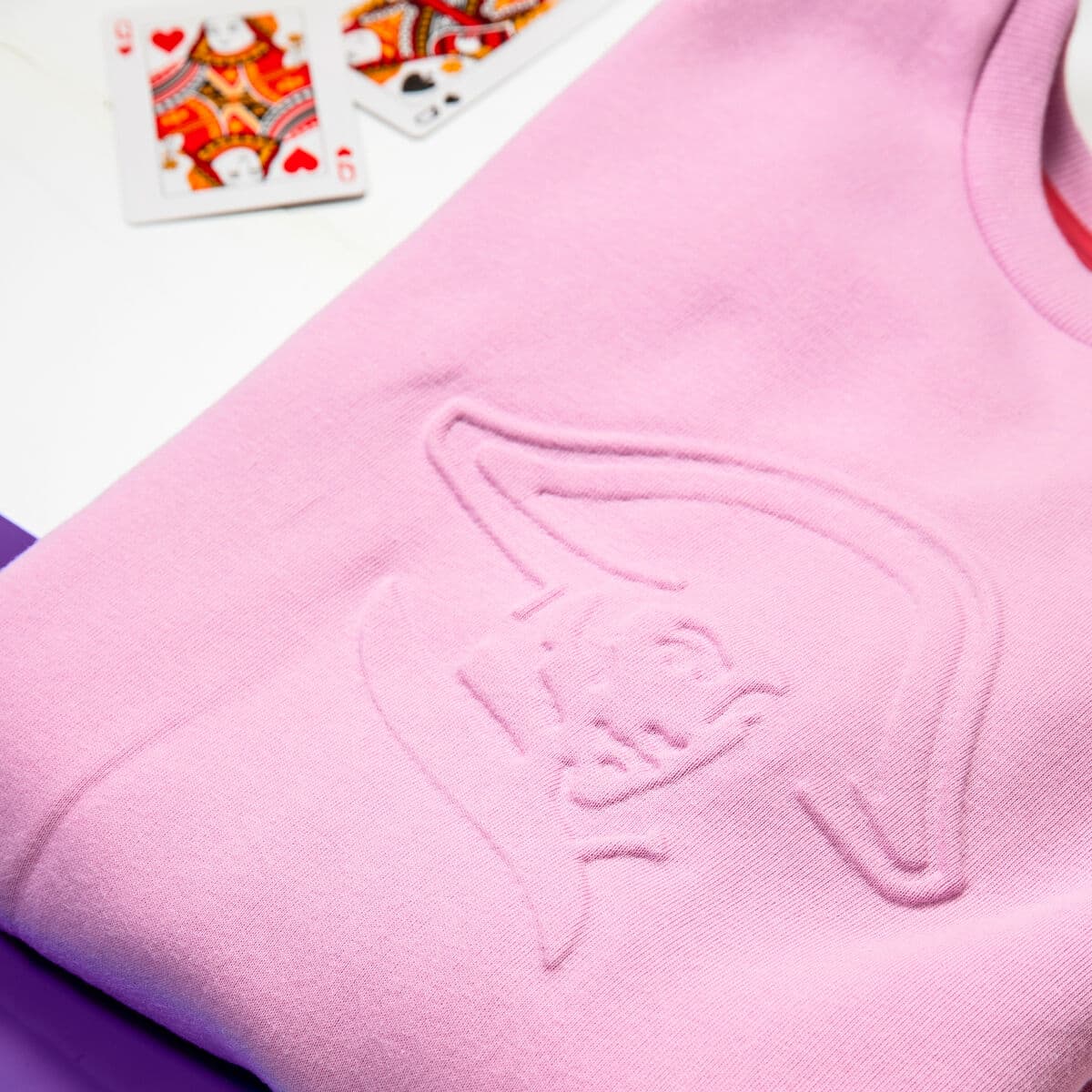
Swag inventory management is the loop that keeps a merchandise store stocked without over-ordering: curate a small collection, order a modest opening batch, track real demand, replenish only the products that move, and redirect slow movers into campaigns instead of writing them off. Quarterly collections and an annual sell-off reset the assortment.
Most swag inventory problems start at the buying stage, not the storage stage. A store launched with forty products and deep stock in all of them is not well supplied. It is a forecast nobody had the data to make. This is one part of our complete company swag store guide.
What's in this guide
- The controlled loop, step by step
- What Sunday's order data says about core stock
- Dead stock is waiting for a campaign
- Quarterly collections and the annual sell-off
- When a stock-out is proof of demand
- Multi-warehouse allocation and routing
- What a swag management platform does for inventory
- The signals worth watching
- Frequently asked questions
The controlled loop, step by step
Swag inventory management works best as a loop rather than a plan. Each turn of the loop gives you data the previous turn did not have.
1. Curate a small collection
Technically a store can launch with one product. Practically, five or six is the floor, six to twelve suits a focused collection, and fifteen to twenty covers a broad ongoing programme. That is a deliberate ceiling. Less choice creates more usage, because a browsable collection produces decisions and an endless catalogue produces hesitation. It also means fewer items to forecast.
2. Order a modest opening batch
Enough stock to launch credibly and cover the first weeks. Not enough to hurt if two products underperform. The instinct to buy deep for a launch discount is the single most expensive habit in merchandise programmes, because the discount is small and the commitment is not. On Sunday the minimum is 10 pieces per item, so a first batch can stay genuinely small.
3. Track demand, not opinions
Eight weeks of real orders tell you more than any internal poll. Watch which products get ordered, which sizes run out first, which items get repeat orders from the same people, and which get browsed and abandoned.
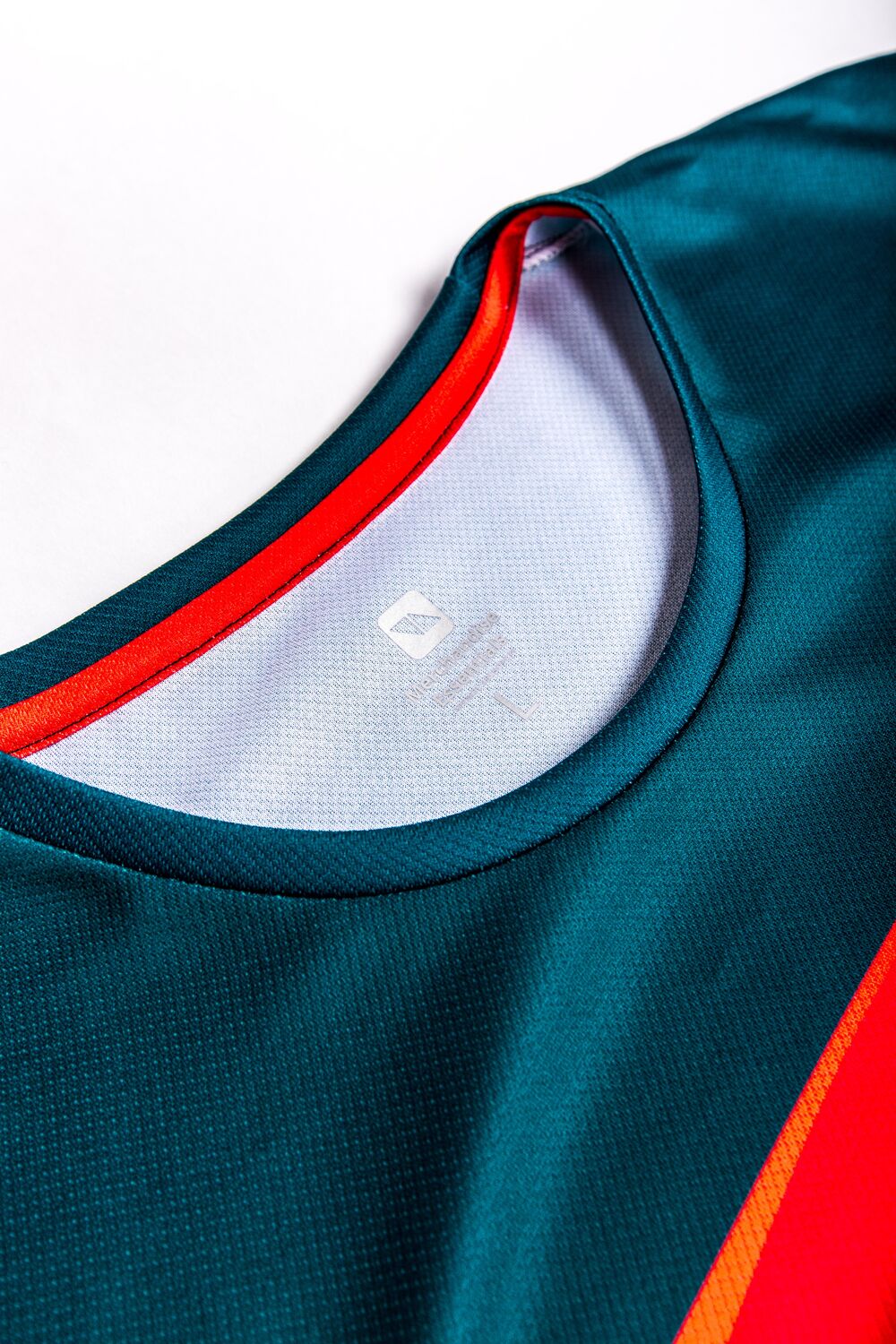
Size curve is inventory. A product is not out of stock when the last unit goes, it is out of stock when the sizes people actually wear go.
4. Replenish the winners
Depth on proven products beats breadth on unproven ones. Replenishment is also where you fix the size curve, because the first batch is always an educated guess and the second batch does not have to be.
5. Give the slow movers a new job
This is the step most programmes skip, and it is the one that decides whether inventory management feels like risk or like an asset. More on that below.
What Sunday's order data says about core stock
Across the 4,000+ brands ordering on Sunday, the most-ordered product is not a statement jacket or a gadget. It is sports socks, followed by t-shirts and hoodies. Those three are the everyday staples people actually reach for, and they are the natural backbone of a continuous core.
That has two practical consequences for stock:
- Put replenishment thresholds on the staples first. Socks, tees and hoodies move steadily and predictably. They are where a stock-out hurts most and where a threshold is easiest to set.
- Make the staple good enough to be worn. Volume is not the same as use. In Sunday's 258-person study of the NMBS merchandise programme with Sapience and VUB, 69% of recipients wore their bag and 67% their sweater more than twice, while 31% never wore plain socks. A sock with a design people like earns its place in the core. A plain one often sits in a drawer.
Choose staples from the catalog of 490+ products, starting with custom socks and custom hoodies, and keep the more distinctive pieces for drops.
Dead stock is often inventory waiting for a better campaign
An item that does not sell in an employee store has not failed. It has failed in that context, for that audience, at that moment. Change any of the three and the same product often performs.
Places slow-moving stock reliably finds a second life:
- Customer activation. A product employees passed over is new to a customer who has never seen your brand on merchandise. Cross-reference with customer appreciation gifts.
- Event distribution. Conferences, trade shows and field events absorb volume quickly and benefit from having something to hand out. See event merchandise.
- Employee rewards. The same item given as recognition lands differently from the same item sitting on a product page.
- Partner enablement. Partners representing your brand externally need kit, and they are rarely the audience the original collection was designed for.
- Referral programmes. A reward that costs you stock you already own has excellent economics.
- Curated bundles. A slow product paired with a fast one becomes a gift set. Bundling is the oldest retail trick and it still works. The kit format is compared in swag boxes vs swag stores.
The operating principle: a good partner looks for the next use case before defaulting to write-off or destruction. Destroying usable branded product is the worst possible outcome, commercially and environmentally, and it is almost never the only option available. The wider durability argument sits in sustainable corporate gifts.
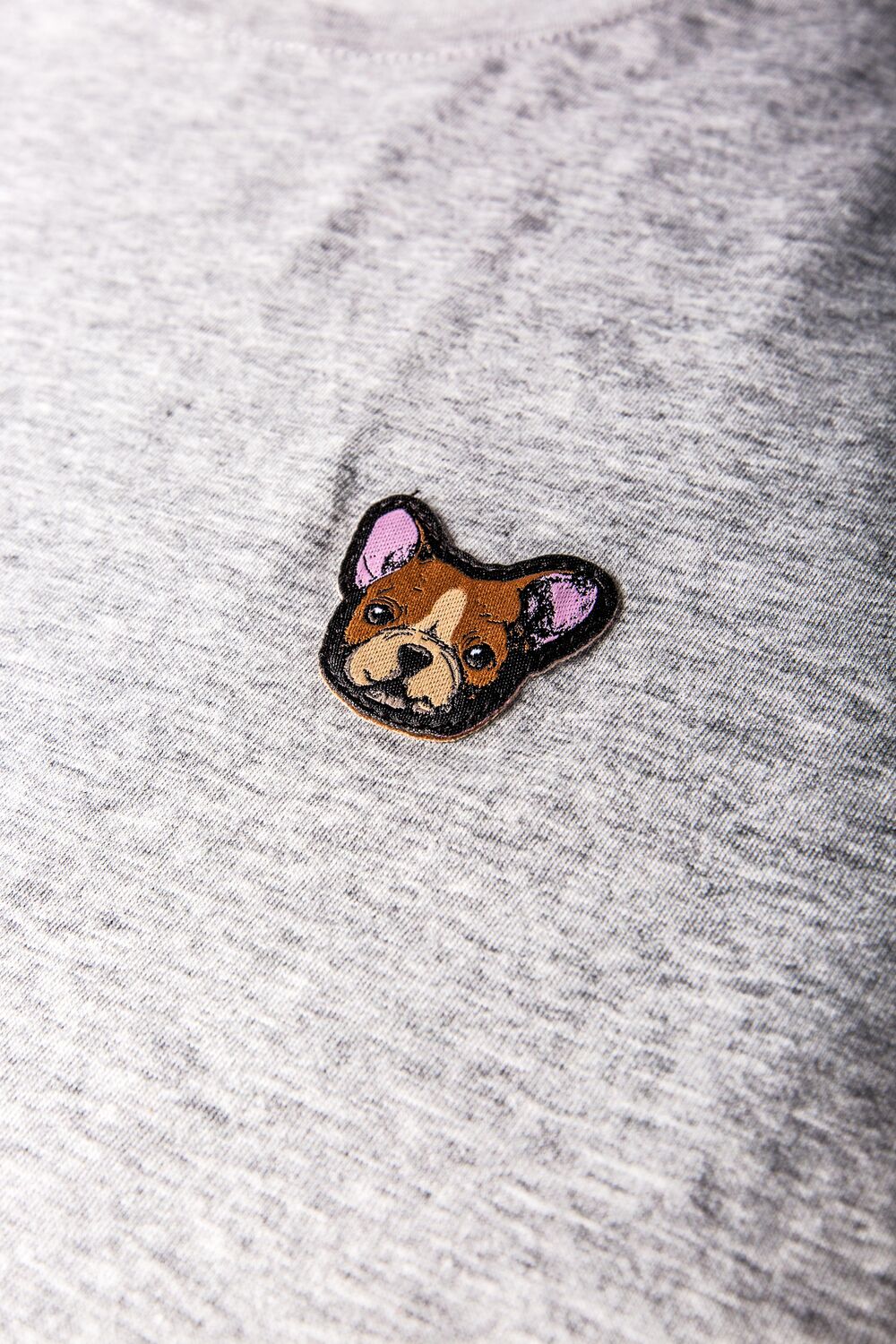
Distinctive pieces often move slowly in an everyday store and perform strongly in a campaign, an event kit or a bundle. Same product, different job.
Quarterly collections and the annual sell-off
A store with the same nine products all year is a store nobody opens twice. A rotation fixes that and it fixes inventory at the same time.
| Rhythm | What happens | What it does for stock |
|---|---|---|
| Quarterly collection | A small drop of new or seasonal products, announced to the audience | Creates a reason to return and a natural point to retire underperformers |
| Continuous core | The proven essentials stay available all year | Protects the baseline so the store is never empty between drops |
| Annual sell-off | End-of-life products cleared at a reduced price or redeployed into campaigns | Resets the assortment and stops slow stock ageing quietly for years |
Bitpanda Boutique tags new products automatically, so a returning employee can see what changed without hunting. That is a small piece of configuration doing a lot of work, because a rotation only pays off if people notice it happened. Communication mechanics sit in how to launch a swag store.
A controlled stock-out can be proof of demand
Retail has known this for a long time and corporate merchandise programmes tend to fight it. Running out is not automatically a failure. A drop that sells through tells everyone the collection was worth having, and the people who missed it come back early for the next one.
Two conditions make this work rather than backfire:
- The scarcity has to be intentional. A limited drop that sells out is a story. An unplanned stock-out on a staple is a broken promise, and people do not distinguish between the two unless you told them in advance.
- Core needs stay covered. Onboarding kits, essential gear and anything an employee genuinely needs for their job should never be part of the scarcity play. Those items get replenishment thresholds, not a countdown.
Get that split right and scarcity becomes an engagement mechanic instead of a support ticket. Get it wrong and the store loses credibility with the people whose day it disrupted.
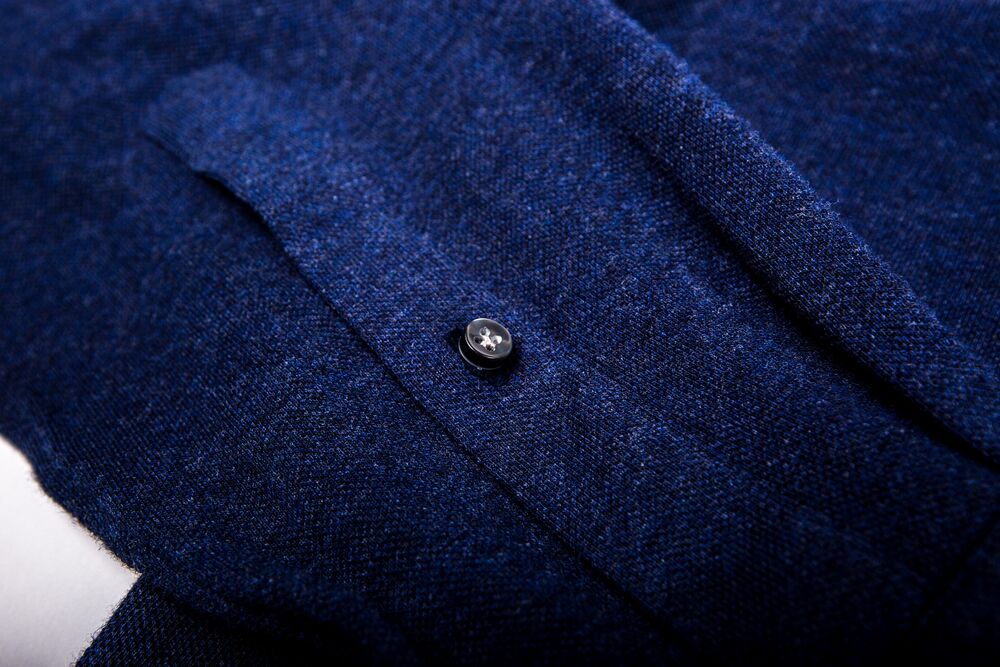
Core products carry replenishment thresholds and stay available. Drops are where scarcity is allowed to do its work.
Multi-warehouse allocation needs explicit rules
One warehouse is simpler, and simpler is usually right. There are real reasons to add locations, including duty exposure, delivery times into a region and the size of a local audience, but adding a location without a model creates more problems than it solves.
The moment stock sits in more than one place, four rules have to be written down rather than assumed:
- Allocation. Which units belong to which location, and who decides when that changes.
- Routing. Which warehouse serves which destination, and what happens when the nearest one is short.
- Ownership. Which budget or entity owns the stock in each location, which matters as soon as finance asks.
- Replenishment. The threshold per location, not a single global number, because a global number hides a local stock-out.
Nothing here breaks at global scale. It just has to be prepared before launch rather than discovered afterwards. Sunday ships to 200+ countries and handles customs and duties so recipients never pay to receive. The duties, customs and returns side of the same problem is covered in global swag store.
What a swag management platform does for inventory
The loop above only runs if someone can see the stock. That is the job of a swag management platform: the internal layer where a merch team manages products, inventory, users and orders, sitting behind the storefront people shop in.
For inventory specifically, a good platform does five things:
- Shows live stock per product, size and location, so a replenishment decision starts from what exists rather than from a spreadsheet someone exported last month.
- Syncs the store and the warehouse automatically. Orders transfer, shipments and labels get created, and status flows back without manual steps. That plumbing is covered in swag store integrations.
- Flags thresholds, so a staple like sports socks is reordered before the popular sizes run out.
- Separates stock by owner, so each team, entity or budget sees and spends only what belongs to it.
- Makes redeployment easy, letting the same stock feed an event kit, a gifting campaign or a reward instead of sitting in one store.
Production speed matters here too. 70% of Sunday orders go through automatic design templates, with no designer and no proof cycle, which keeps replenishment orders quick to place. For a side-by-side of the platforms that do this, see the swag management platform comparison. Whether to buy inventory, storage and storefront from one accountable partner or from separate vendors is covered in best company swag store platform. If you are still deciding whether to hold stock at all, read print on demand vs warehouse stock.
The signals worth watching, and the one that decides
Operational signals tell you whether the loop is running:
- Stock turnover per product, not just across the store
- Size curve accuracy against actual orders
- Repeat orders, which separate a collection from a novelty
- Fulfilment performance, because slow dispatch reads to the recipient as bad stock
- Dead stock value and its age
None of those is the point. They tell you the machine is healthy, not whether the programme worked. Judge the programme on what it was built to do: engagement and retention for employees, loyalty and expansion for customers, enablement for partners, efficiency for managers ordering on behalf of a team. That framework lives in swag store metrics.
ITI's store is designed for an expected 35,000 to 40,000 users a year, which is a design target rather than a reported result. At that volume, inventory rules have to be explicit, because nothing at that scale can be managed by someone remembering to check.
Want to see the loop from the buying side? Start with a small curated collection built from custom socks and custom tote bags, preview the design first in the free sock mockup generator, then explore the platform, the catalog and how it works.
Frequently asked questions
How much swag should a company order at launch?
Less than instinct says. Five or six products is a viable store and fifteen to twenty covers a broad programme. On Sunday the minimum is 10 pieces per item, so an opening batch can stay modest. Let eight weeks of real orders decide what gets replenished. Deep launch orders for a small discount are the costliest habit in merchandise.
What should you do with unsold company swag?
Give it a new job before writing it off. Slow movers work as customer activation gifts, event giveaways, employee rewards, partner kits, referral incentives or bundled with a fast seller. Destroying usable branded product is the worst outcome commercially and environmentally, and it is rarely the only option available.
Which swag products should always stay in stock?
Core items people need: onboarding kits, essential workwear and proven everyday products. They get replenishment thresholds, never scarcity. On Sunday, the most-ordered product across the platform is sports socks, followed by t-shirts and hoodies. Those staples belong in a continuous core that is never allowed to run out.
Is running out of swag a bad thing?
Not always. A pre-announced limited drop that sells out proves demand and brings people back early for the next one. An unplanned stock-out on a staple is a broken promise. Keep scarcity for drops, tell people in advance when a drop is limited, and keep essentials on replenishment thresholds.
How do you manage swag across multiple warehouses?
Write four rules before launch: allocation, which units belong where; routing, which warehouse serves which destination; ownership, which budget or entity owns each location's stock; and replenishment, a threshold per location rather than one global number that hides local stock-outs.
What does a swag management platform do for inventory?
It is the internal layer behind the storefront. It shows live stock per product, size and location, syncs orders and status with the warehouse, flags replenishment thresholds, separates stock by team or budget, and makes it easy to redeploy slow movers into events, gifting or rewards instead of letting them age.
About this article
Stock that earns its place
Curate small, replenish what moves, redeploy what does not. Create a free account and run your merchandise inventory as a loop instead of a gamble.
Build your swag store