

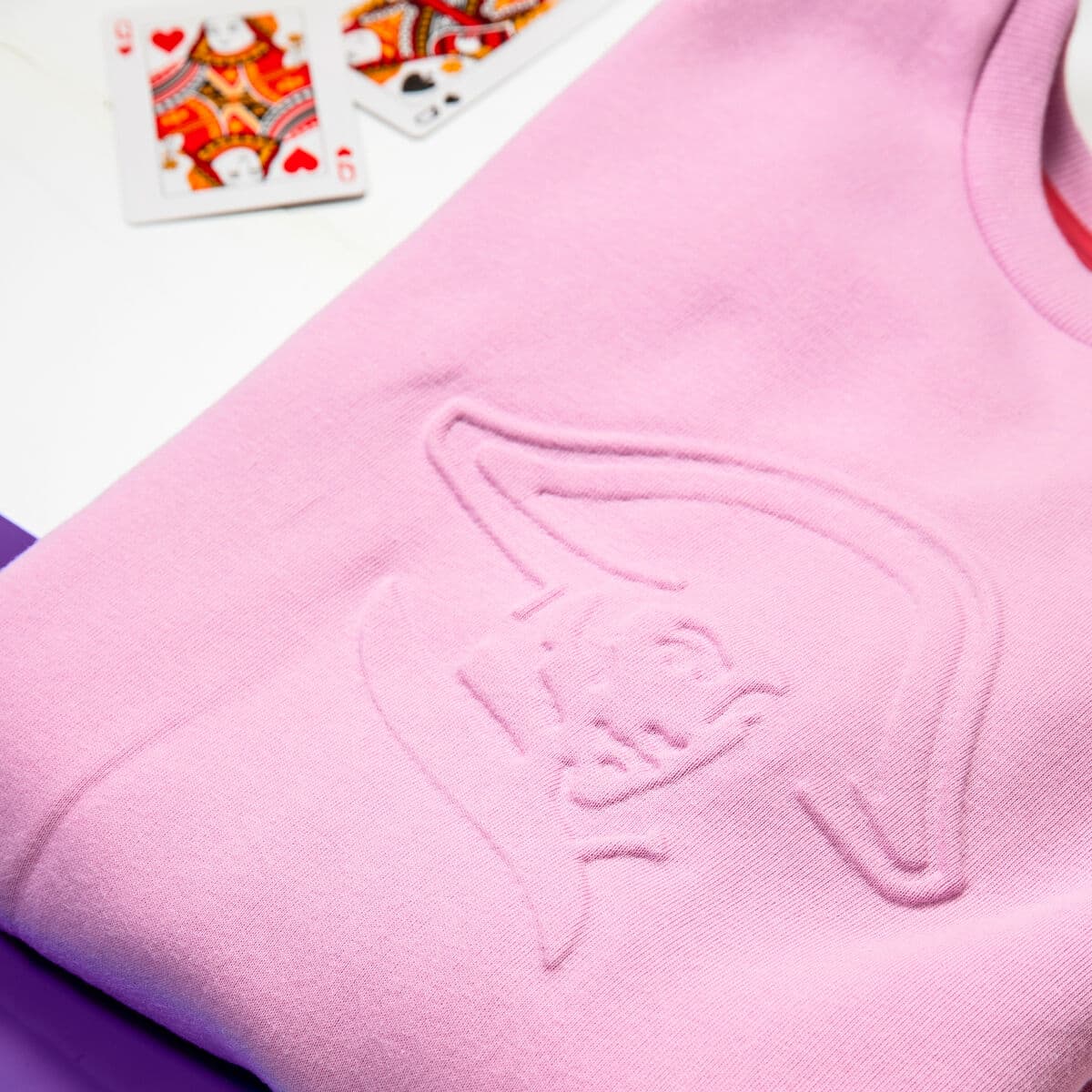
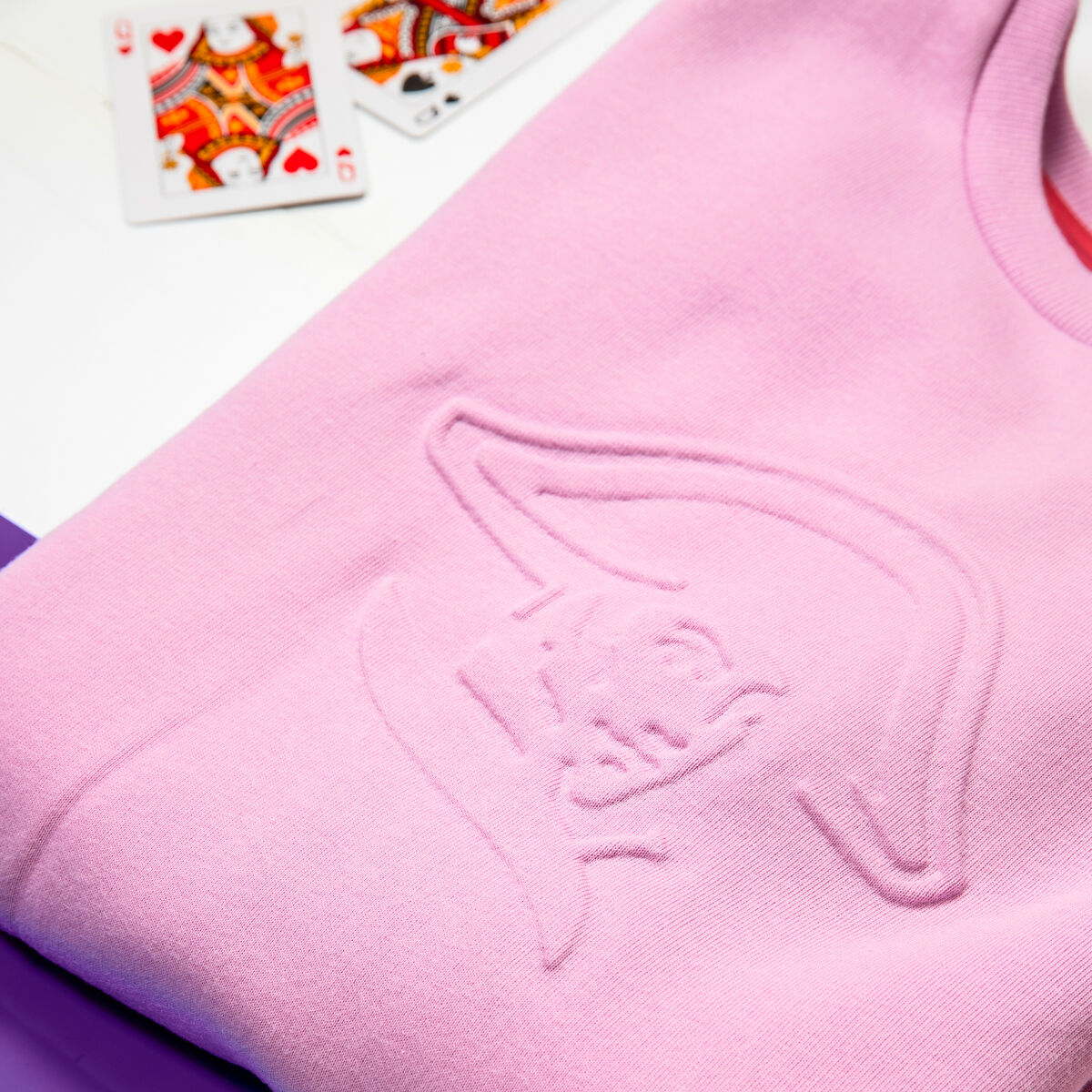
Co-branded merchandise is branded product that carries the manufacturer's identity alongside an individual partner's logo, produced inside rules the manufacturer sets once. Co-branded marketing works the same way. The dealer decides when, what and how many. The brand decides which products, which placements and which quality, so nothing off brand can be ordered.
The argument of this article in one line: co-branding is a governance design, not a design job, and getting the governance right is what removes the approval queue.
Part of our complete channel marketing and brand activation guide.
What's in this guide
What co-branded merchandise is, and what it is for
Co-branded merchandise puts two identities on one physical object: the manufacturer's brand and the local partner's. A jacket that reads as your brand first and carries the dealership name on the sleeve. A showroom kit that is unmistakably yours with a local name on it. Counter material a wholesaler is willing to display because it acknowledges them.
The reason to do it is not generosity. It is adoption. A dealer displays material that includes them and quietly leaves manufacturer-only material in the stockroom. Co-branding converts your brand asset into their brand asset without diluting yours, which is the only reliable way to get hundreds of independent businesses to put your identity in their own space.
It also does something no digital campaign does. Physical items persist after the campaign budget stops. Research supports the mechanism rather than any specific return: promotional products measurably improve advertising credibility, attitude and purchase and referral intention, and physical use influences brand evaluation more than equivalent passive visual exposure. What the evidence does and does not establish is set out honestly in do promotional products work.
Centrally approved collections
The foundation of the whole model is that partners choose from a fixed, curated set rather than from a catalogue.
A catalogue invites a conversation. A collection ends one. When a dealer opens the programme and sees eight products that all already meet brand, quality and sustainability requirements, there is nothing to negotiate, nothing to approve and nothing to get wrong. The decision drops from "what should we make" to "which of these do we need".
A workable first collection is small and covers the four moments where channel selling actually happens.
- Field and service teams. Outerwear and polos, because this is what a customer sees at the exact moment the product is installed or demonstrated. Most collections are anchored by custom polos and custom jackets.
- Showroom and counter. Staff apparel and point-of-sale material that make the space read as your brand.
- Events and trade fairs. Stand kit, giveaways and team apparel for the regional fairs central marketing will never attend.
- Customer moments. Small, specific items a dealer hands to a key account or a homeowner, which is a room central marketing is never in.
Access should differ by market and partner type. A distributor selling to trade needs something different from a franchisee with a retail front, and the reasoning behind that split is worked through in the distributor and partner marketing playbook.
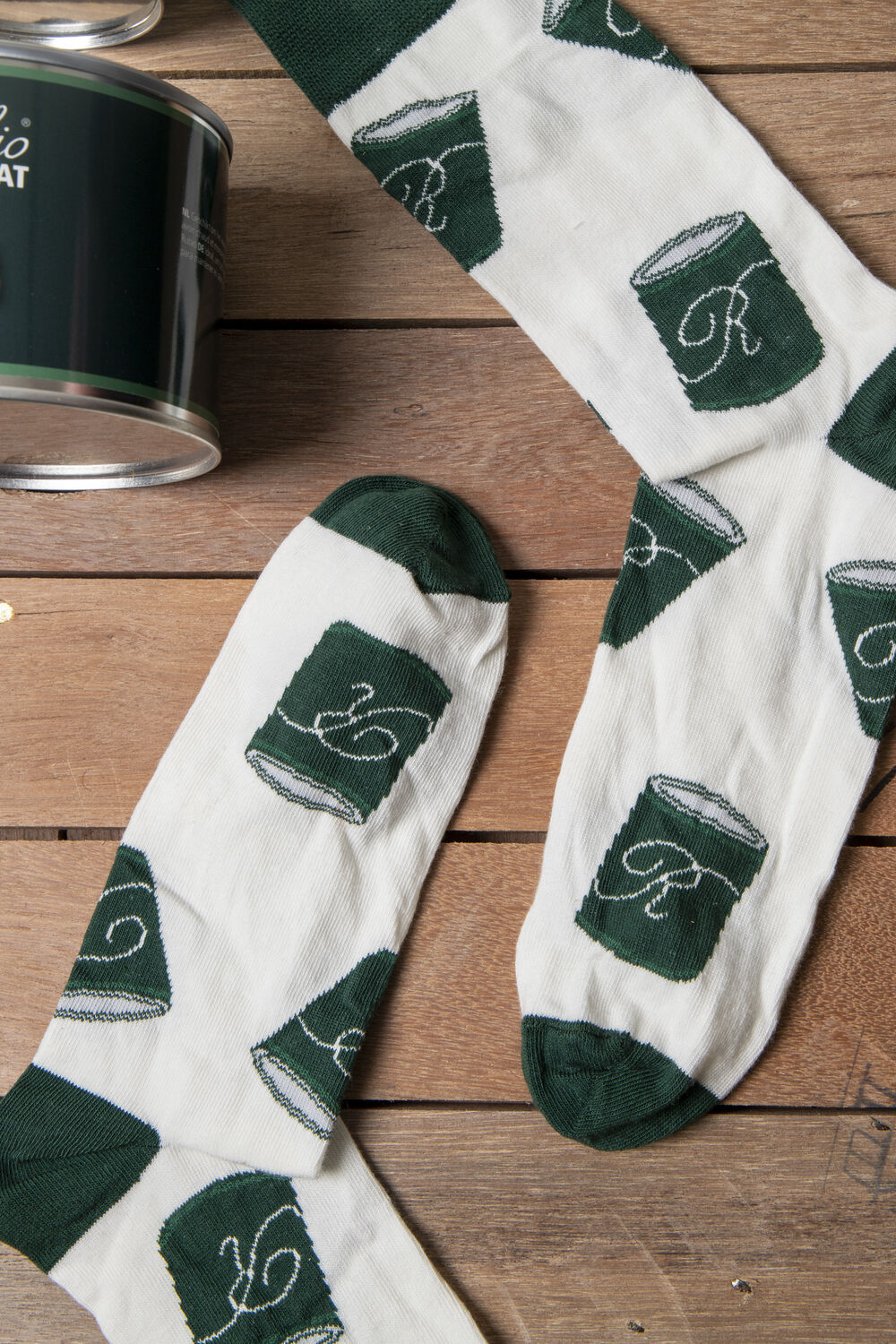
Approved does not mean bland. The product itself becomes the pattern, which is a design decision the brand makes once and every partner then inherits.
Co-branded products for an individual dealer
This is the part that usually gets stuck, because it is where the brand team gets nervous and the legal team gets involved. It is solvable, and the solution is mechanical rather than editorial.
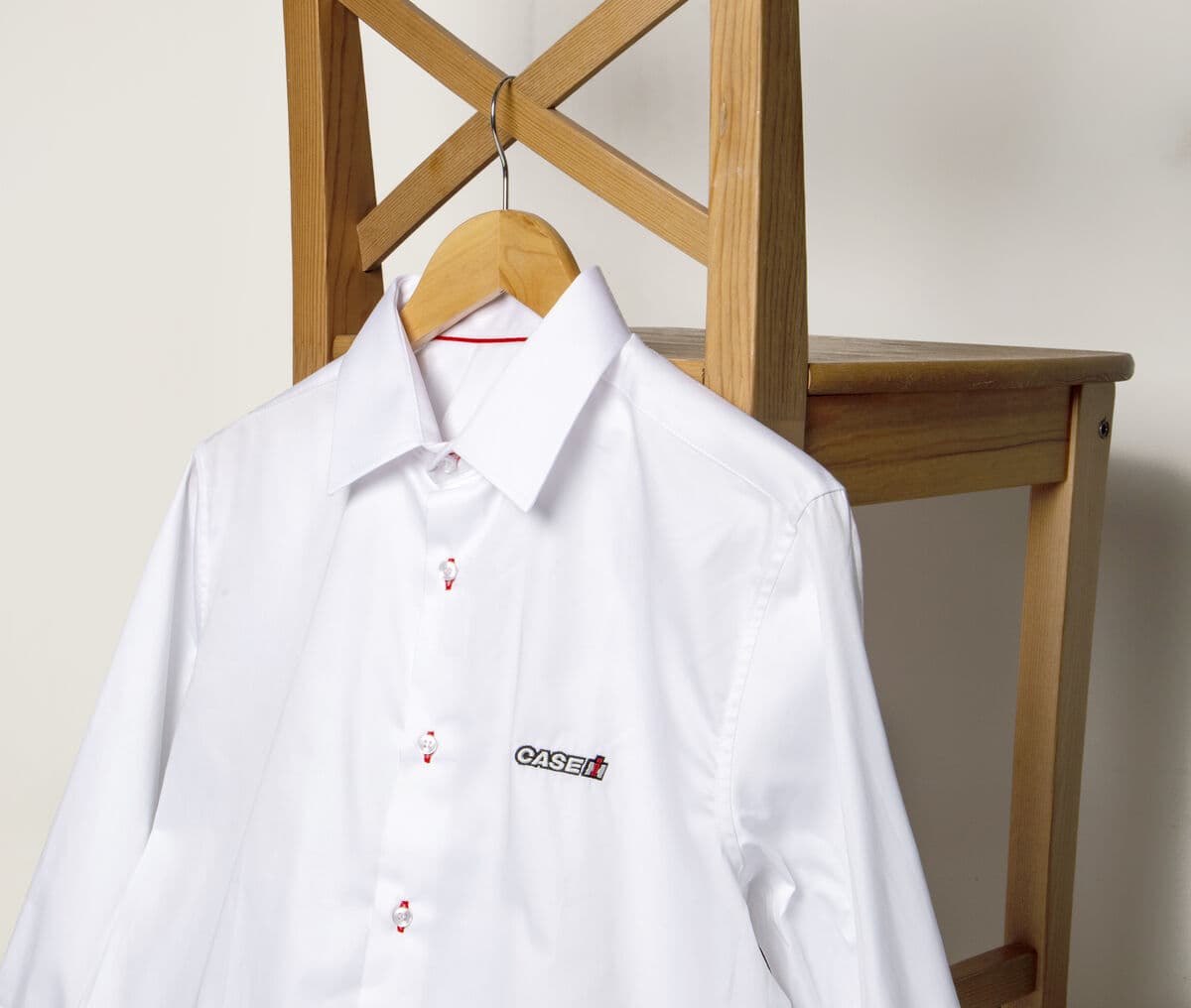
The workable pattern is a locked template with one variable field. The manufacturer's logo, its position, its size and its colour are fixed in the artwork. The dealer's name occupies a defined secondary position, in a defined typeface, at a defined size, in one of a defined set of colours. The dealer supplies a name, or a logo that fits a specified format, and the system produces the file. No designer touches it and no reviewer needs to look at it.
Two rules keep this out of trouble.
- Hierarchy is fixed, always. Your brand leads. The partner's identity is secondary in size and position. That is not a courtesy question, it is the thing that stops your brand becoming a component of theirs.
- The partner's mark is contained. One approved placement, one approved treatment. Allowing a partner logo "wherever it fits" produces four hundred different answers, and you will see all of them.
Where a partner logo is not appropriate at all, the same mechanism still works for a location or region name, which is often enough. A dealership wants to be recognised locally. It does not necessarily need its full identity on your jacket.
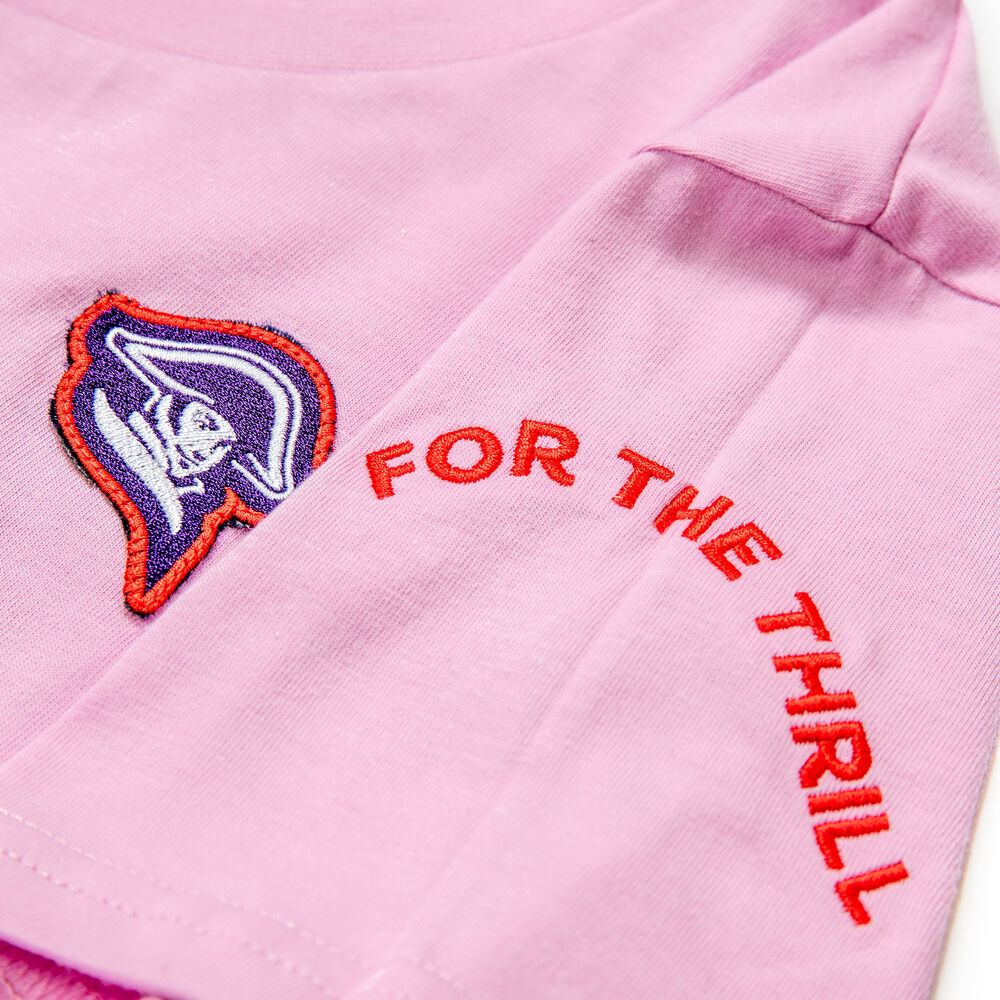
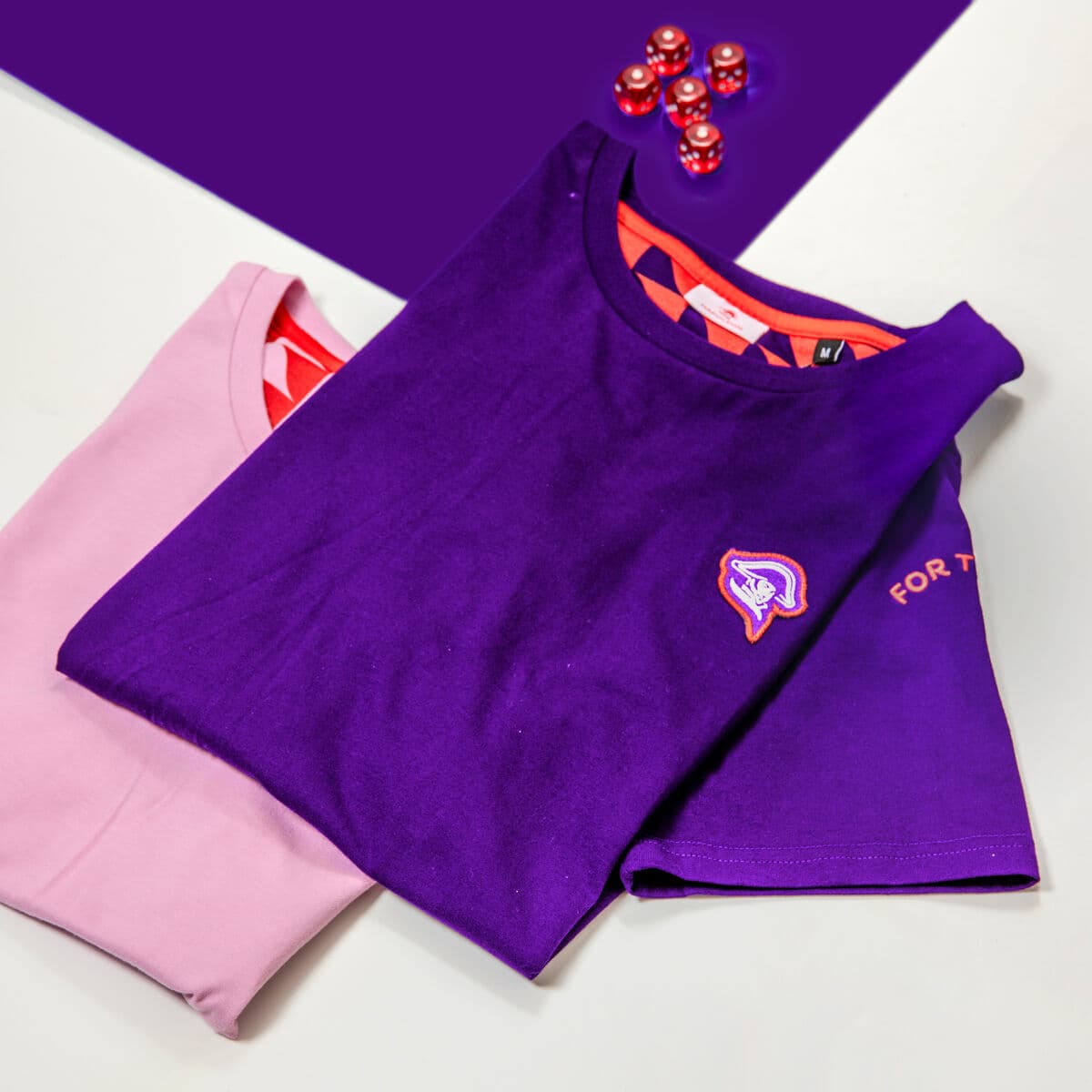
Two placements, two different permissions. The chest badge is fixed by the brand. The second placement is where local co-branding is allowed to live, at a size and treatment the brand has already decided.
What stays globally standardised, what stays locally customisable
Nearly every argument inside a channel programme is a disagreement about which column an item belongs in. Writing the table down once ends most of them.
| Globally standardised | Locally customisable |
|---|---|
| The product range itself and its specification | Which products a partner selects |
| Logo artwork, size, position and clear space | The partner name or logo in its defined field |
| Brand colours and approved colourways | Choice within the approved colourways |
| Decoration method and finishing quality | Sizes and size curve for the local team |
| Fabric, certification and sustainability standards | Quantities and reorder timing |
| Packaging and how the brand is presented | Local language on approved variable fields, where allowed |
| Which markets and partner tiers see what | Who locally receives the merchandise |
The test for the left column is simple. If a partner getting it wrong would damage the brand, it belongs to the manufacturer. If a partner getting it wrong only affects that partner, give it to them. Most items fail the first test and get centralised anyway, out of habit rather than risk.
Who controls what
Stated as a split of decisions rather than a list of assets, the model becomes obvious.
| The manufacturer controls | The partner controls |
|---|---|
| Brand guidelines and approved artwork | When merchandise is actually needed |
| The approved product range | Which approved products fit the local moment |
| Quality standards and suppliers | Quantities |
| Budgets, credits and spending limits | Local distribution and who receives what |
| Which customisation is available | Co-branding, within the allowed rules |
| Inventory and reporting | The local campaign the merchandise supports |
Everything in the right-hand column is information the partner has and head office does not. They know their fair calendar, their key accounts, which service teams are customer-facing this quarter, and when a competitor opens nearby. Trying to schedule that centrally is what creates the queue that kills the programme.
Writing the co-branding rule
A 60-page brand manual is not a co-branding rule. It is a document a dealer will never open. The rule that works is one paragraph a non-designer can follow, and it answers five questions.
- Which products may carry a partner identity, and which may not.
- Exactly where the partner mark goes, in words a person can check by looking.
- How large it may be, relative to something fixed on the garment.
- Which colours and which single treatment are permitted.
- Who to ask when a genuine exception comes up, and how fast they will answer.
Then do the thing that actually matters: build the rule into the product rather than the PDF. If the only orderable version is the compliant version, the rule enforces itself and the review step becomes unnecessary. Consistency lives in the specification, not in the approval queue.
From a series of orders to channel infrastructure
Here is what merchandise looks like in most channel organisations today. Someone needs something. An email goes out. A quote comes back. A design file is attached, revised, approved. Stock is ordered, stored somewhere, shipped somewhere else. Multiply by markets and partners and it becomes a job nobody applied for, usually landing on a brand manager who was hired to do something else.
The alternative is to treat merchandise the way you already treat spare parts or order entry: as infrastructure that runs continuously without a person driving each transaction.
- Centrally approved collections, so there is nothing off brand available to order.
- Controlled access per market and per partner, so each sees only what applies to them.
- Co-branded products generated inside the rules rather than by request.
- Independent partner ordering within predefined limits, with no central approval step.
- Budgets or credits allocated by partner, region or campaign.
- Production and delivery straight to the local address, without headquarters touching a shipment.
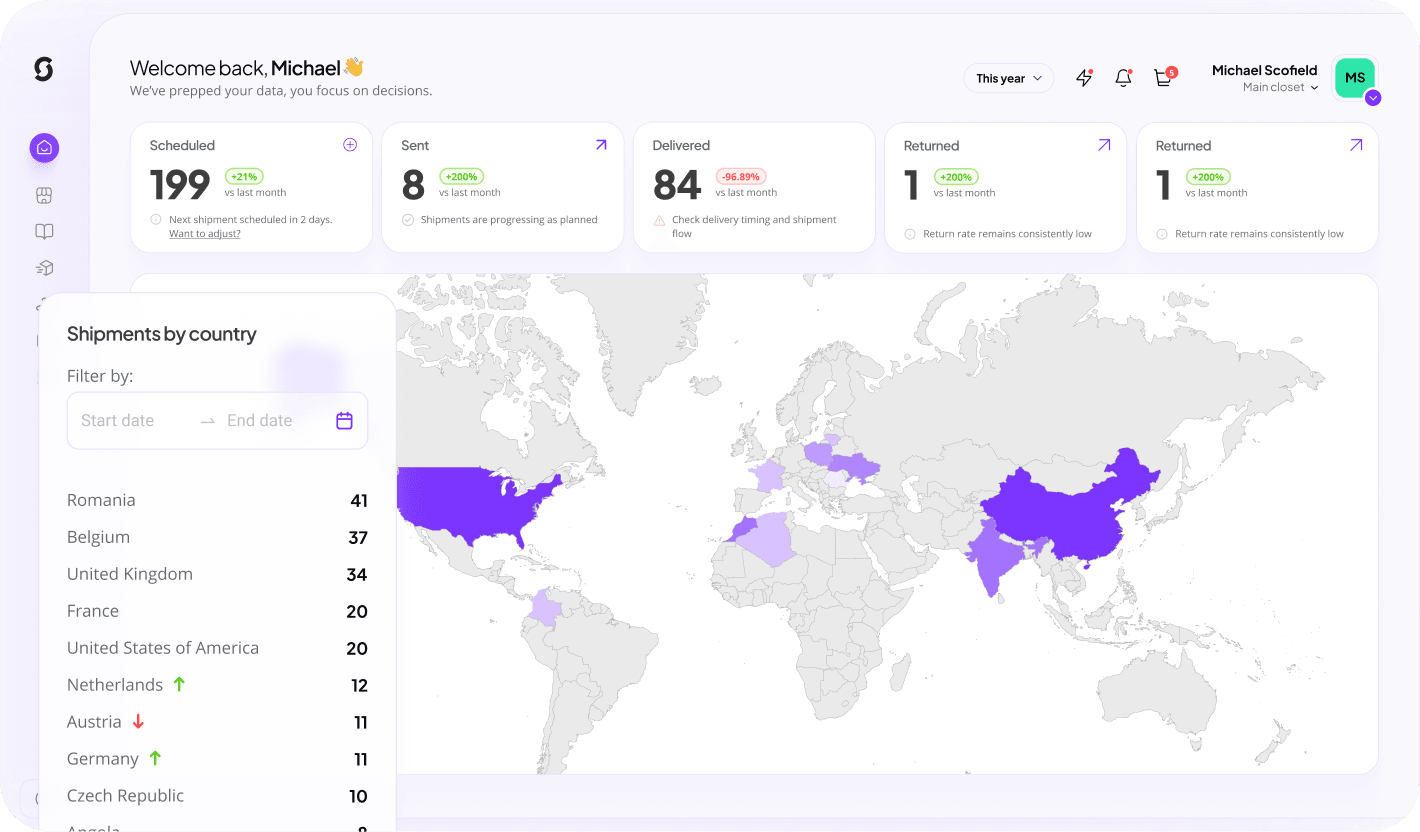
- One reporting view across orders, budgets, stock and activity.
That is the physical half of what through channel marketing automation does for campaigns, and it is what Sunday builds for channel-heavy brands. Not a catalogue and not an agency relationship. A platform where the rules are set once, partners act inside them, and distribution to 200+ countries happens without a central request. The operational layer is covered in swag management platform, and the storefront a dealer actually logs into in company swag store.
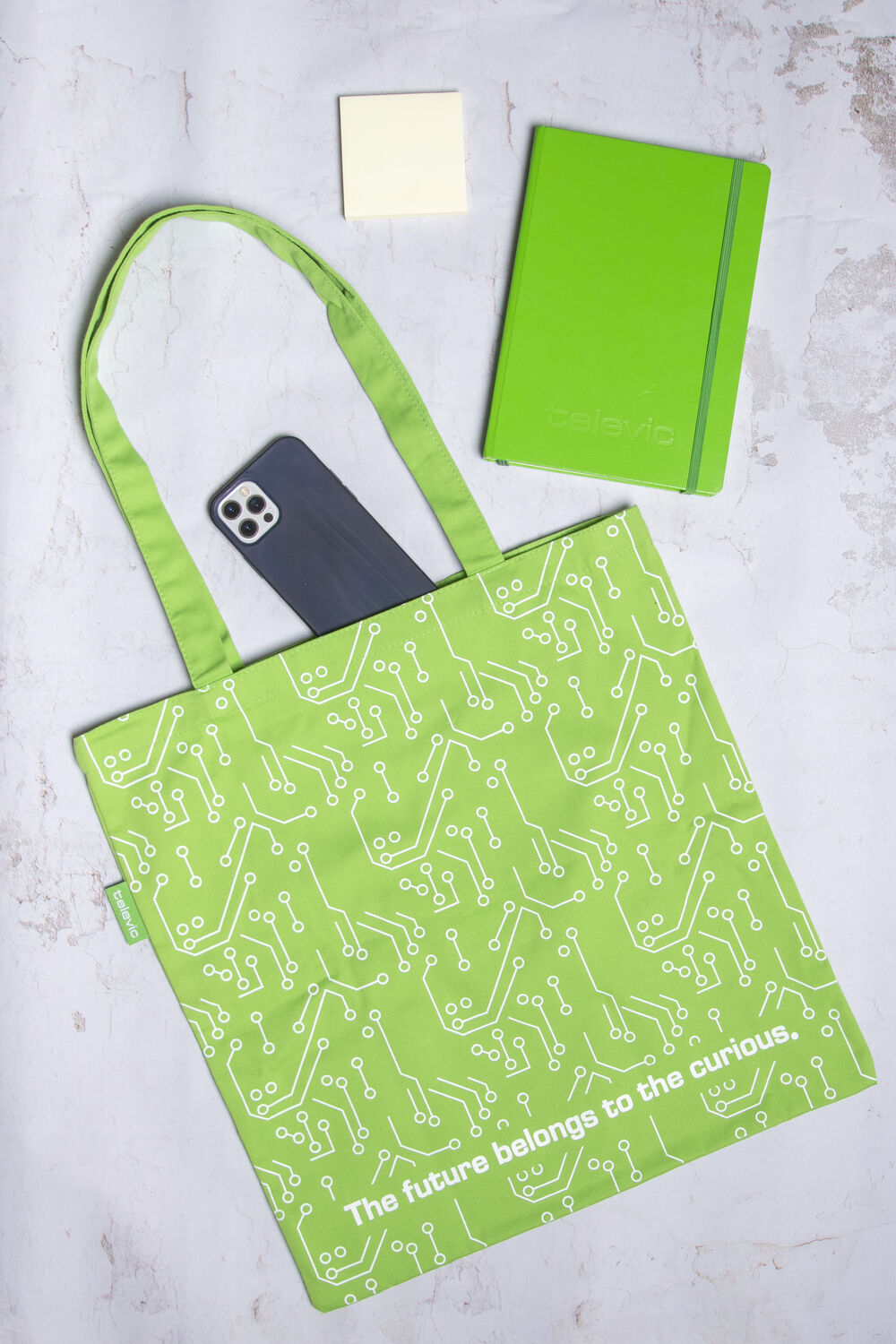
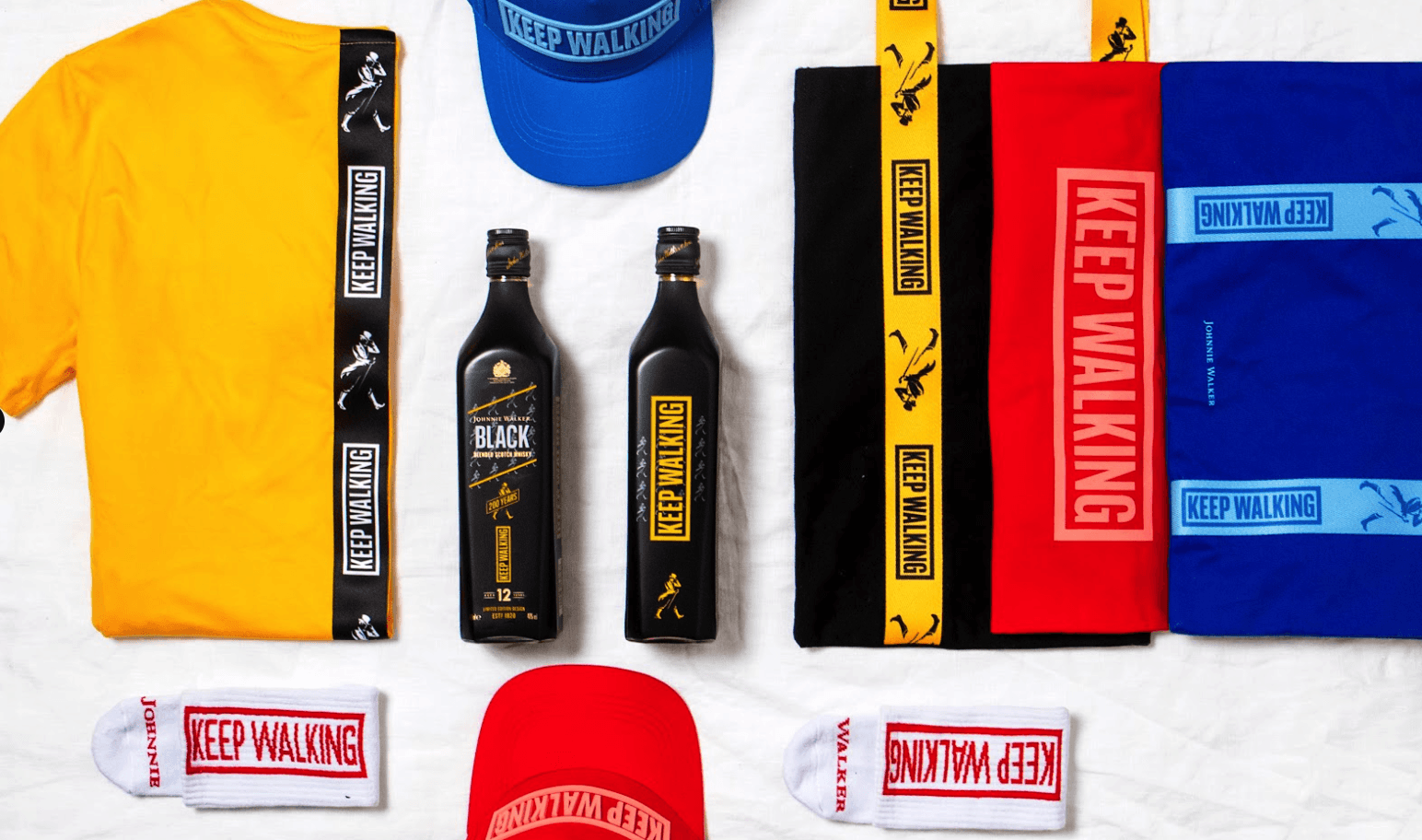
The same brand system across products. Once the pattern, colour and slogan are fixed centrally, a partner can order any item in the set and it still looks like one brand.
What Ariens reported
Ariens makes outdoor power equipment and sells through roughly 300 dealers. ROI360's Ariens case study describes a central dealer marketing environment covering point-of-sale materials, advertising, sales materials, co-branded artwork, exhibition materials and branded clothing, all available to dealers from one place.
ROI360 reports that point-of-sale materials were used in three times more dealerships after implementation. That figure belongs to Ariens and to ROI360 as the reporting source. It is not Sunday data and it is not a forecast for your network.
The detail worth noticing is that branded clothing sits in the same environment as the artwork and the exhibition material. Most manufacturers split those: campaign assets live in a marketing portal, merchandise lives in a procurement process, and the dealer experiences them as two unrelated chores. Putting them in one place is what makes the second one get used.
Better early KPIs than order volume
The most common way to kill a good programme is to judge it on merchandise order volume in the first quarter. Order volume is a lagging, noisy signal that mostly reports which partners already had budget. The early questions are about adoption and behaviour.
| Stage | What to measure |
|---|---|
| First 90 days | Partner adoption rate, percentage of active dealers, first-order rate by region |
| Months 3 to 6 | Number of local activations, percentage using approved assets, merchandise distributed, budget utilisation |
| Months 6 to 12 | Repeat ordering rate, cost per activation, breadth beyond the top 20 partners |
| Year one onward | Sales performance by activated versus non-activated dealer, sell-through by adoption level |
Note the order. Adoption first, activity second, efficiency third, commercial outcome last. And be honest about the last one while you are waiting for it: public research does not provide a universal number such as "dealers using branded merchandise sell 17.4% more", and any supplier offering you one is guessing. What a channel-heavy brand does have is hundreds of comparable local units, which is close to a natural experiment. Compare activated against matched non-activated dealers, track the same partners before and after, use the uneven adoption between regions, and connect ordering data to CRM and ERP sell-through so the comparison runs automatically instead of once a year.
Do that for twelve months and you will have your own number, for your own network, that nobody internally can argue with. The economics behind why the effect should exist at all are in cooperative advertising explained.
The rest of the partner lifecycle is worth connecting rather than rebuilding. New partners meet the collection for the first time through partner onboarding kits, recognition moments through partner appreciation gifts, and installer and field-service networks in the Benelux in the corporate clothing brand store guide. Before fixing a collection, it is worth letting stakeholders see it: the free polo mockup generator shows a co-branded version in your own colours without a sample run.
About this article
Co-branding that runs itself
Approved collections, locked co-branding per dealer, budgets by partner or region, and delivery to 200+ countries. Create a free account and see the model in practice.
Set up approved collections