
To choose custom beanies, decide one thing first: are you going bold for an activation, or subtle and premium for long-term wear. That direction drives every other call. Then pick decoration that protects the logo, embroidery, a woven label or a patch, never a detailed logo knitted into the rib. Choose acrylic for almost everything, merino only for premium gifts, cotton where safety demands it. Keep the logo small, order from around 10 pieces, and distribute in October or November so it gets worn all winter.
Buyers rarely struggle with the beanie itself. It is cheap, easy to understand and comes in plenty of styles. The questions that actually come up are sharper: is it too seasonal, will people wear it, can it feel premium, which style suits the audience, and how much branding is too much. The answer to all of them is the same, good design plus good timing, and this guide turns that into a checklist you can run.
1. Pick a direction: bold or subtle
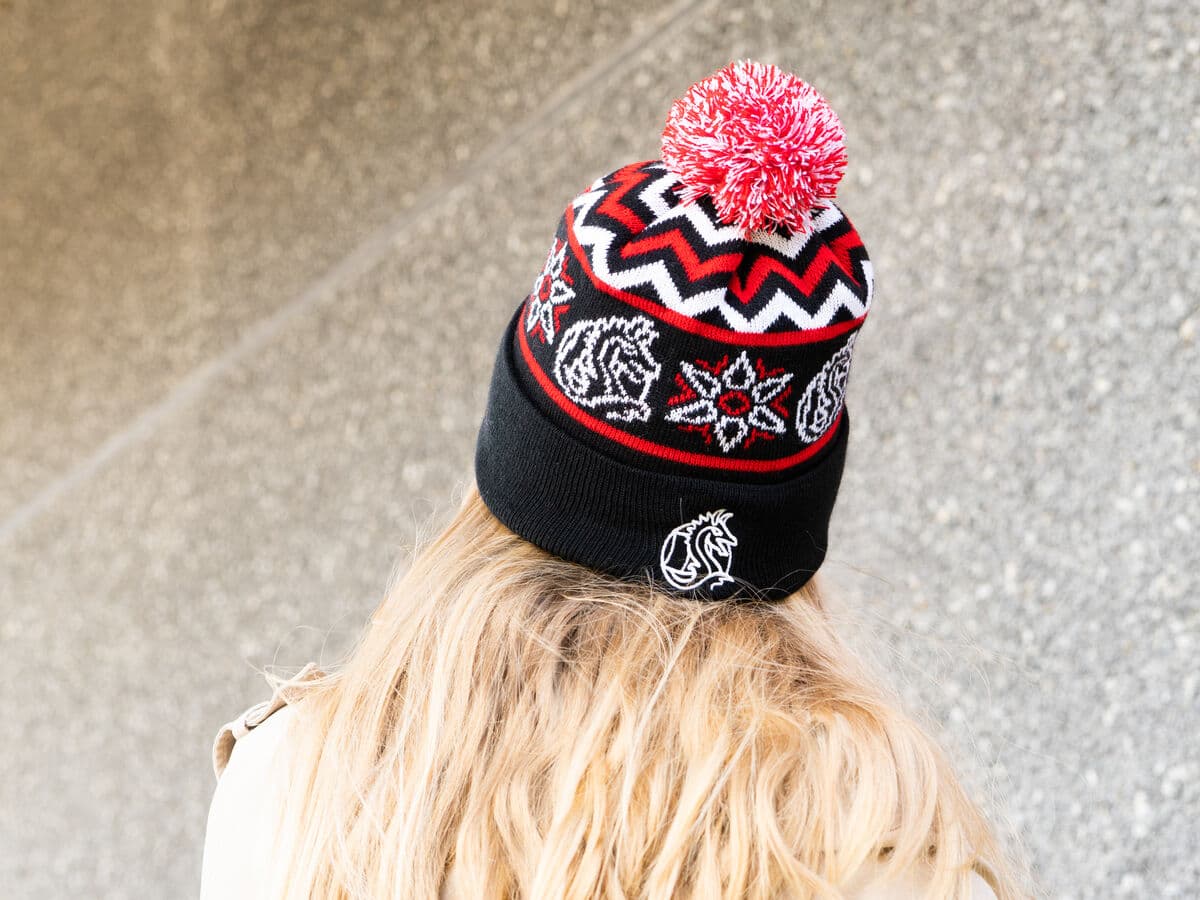
This is the decision everything else hangs on, and the one most companies skip. A good corporate beanie commits to one of two directions. Deliberately bold, with loud colours, oversized branding, patterns and pom-poms, for ski trips, festivals, outdoor activations and playful brands. Or subtle and premium, with restrained branding and wearable colours, something people would buy for themselves, for employees, customers, partners and any long-term use.
The fatal error is the middle: too branded to feel fashionable, not bold enough to feel intentional. A conservative beanie with an aggressive logo pleases nobody. Decide who the beanie is for and which job it does, then the rest of the choices get easy.
2. Choose decoration that protects the logo
The biggest technical mistake in the category is knitting a detailed logo into the ribbed section. The rib stretches when the beanie is worn and the logo distorts with it. So for any logo with real detail, use a method that holds its shape.
| Method | When to use it |
|---|---|
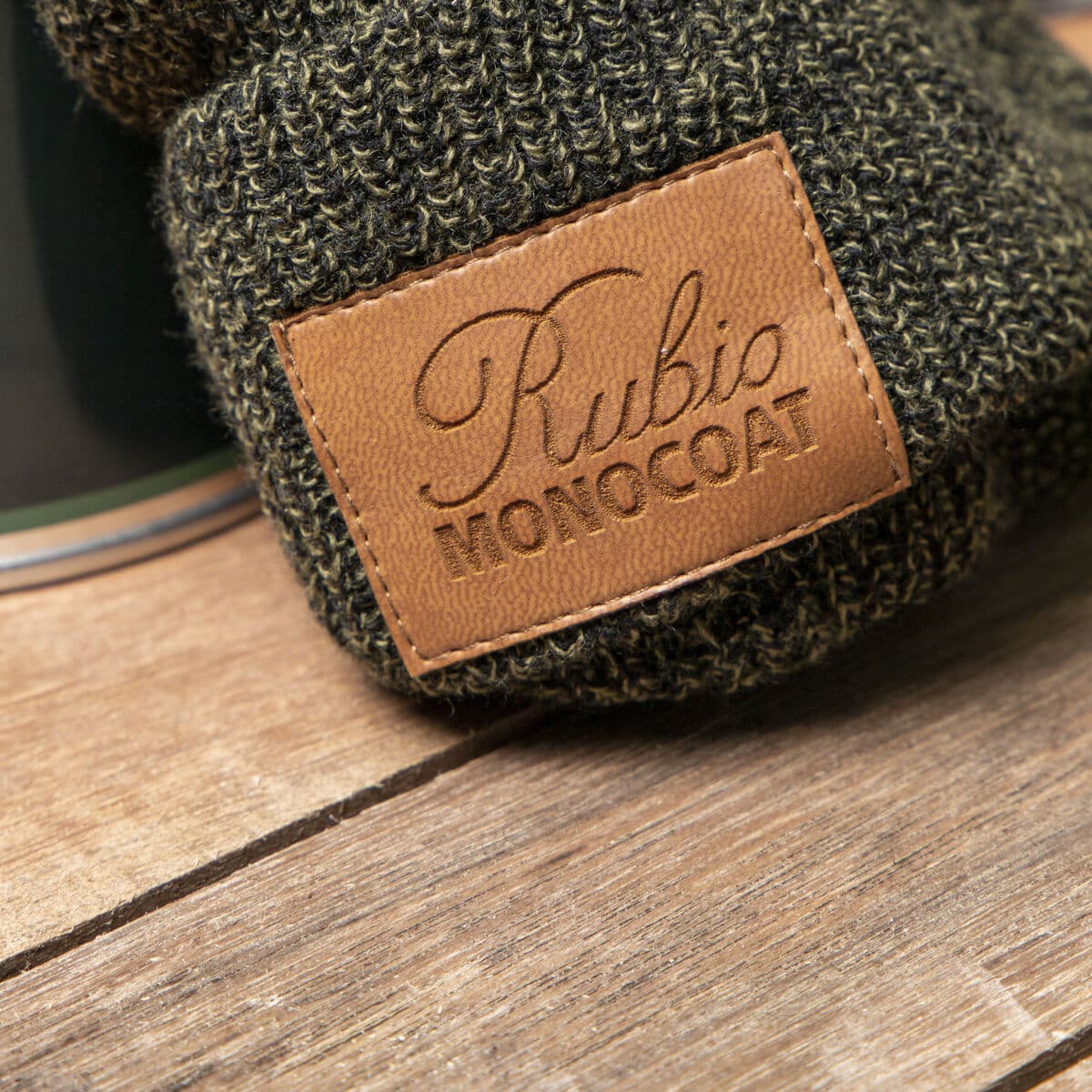
| Embroidery | The premium default. Crisp, durable, survives years of wear and washing. Right for almost every case. |
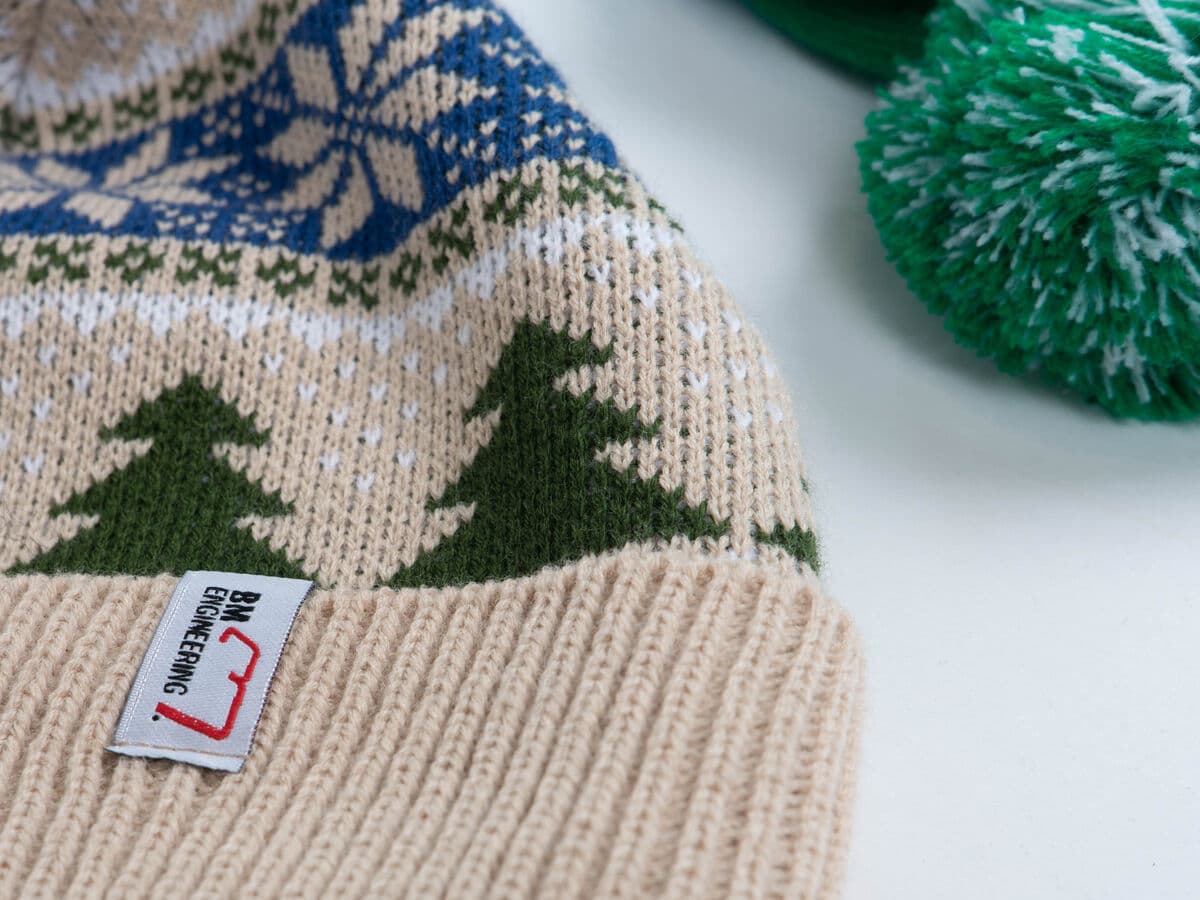
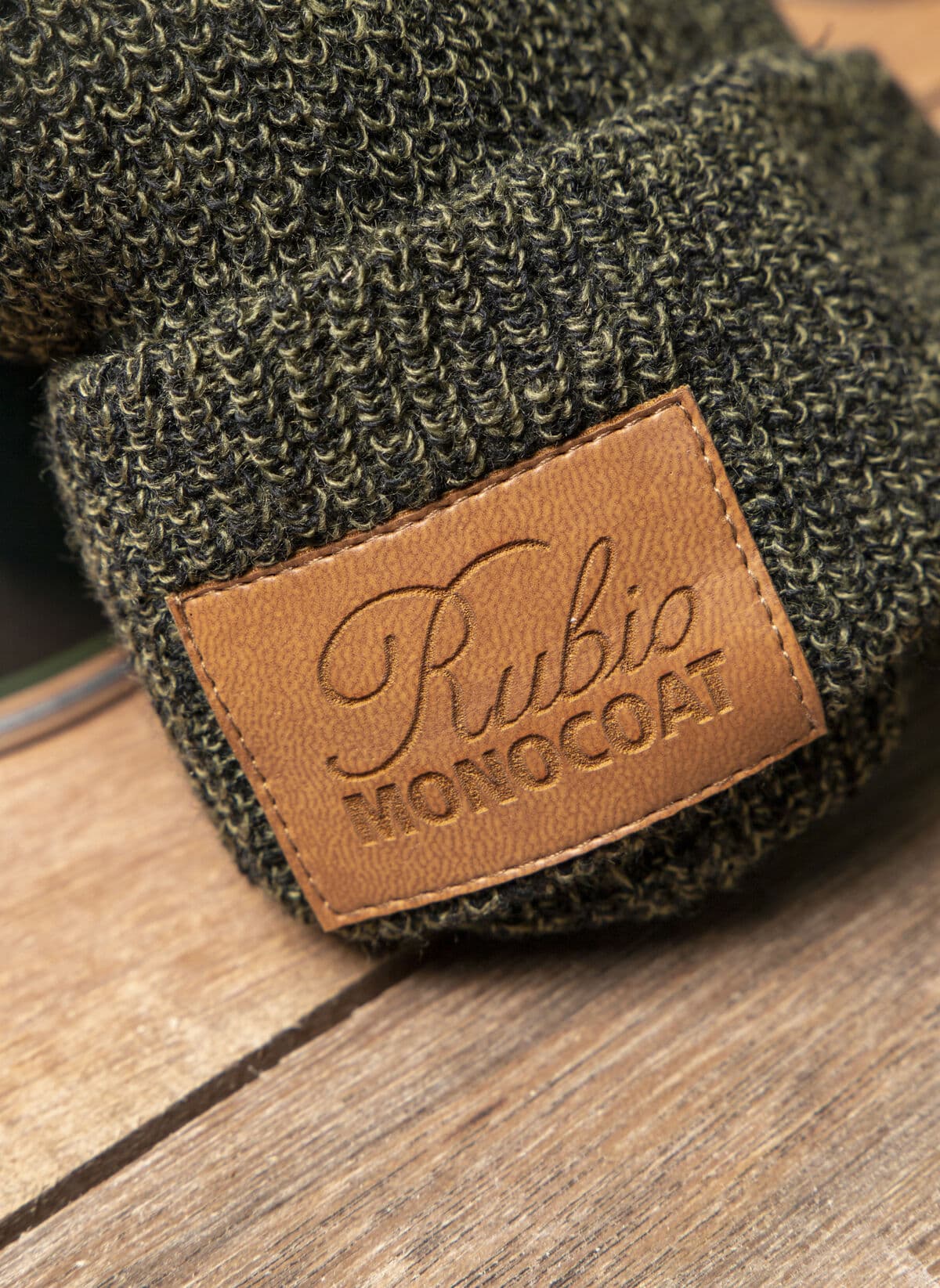
| Woven label | Clean and understated, great for the subtle direction and small wordmarks. |
| Patch | Adds a fashion-led look that lifts the whole hat. Strong for the bold direction. |
| Knitted-in logo | Only for simple, blocky marks on fully custom knits. Avoid for any detailed logo, it distorts. |
Preview your mark on the hat first with the free beanie mockup generator.
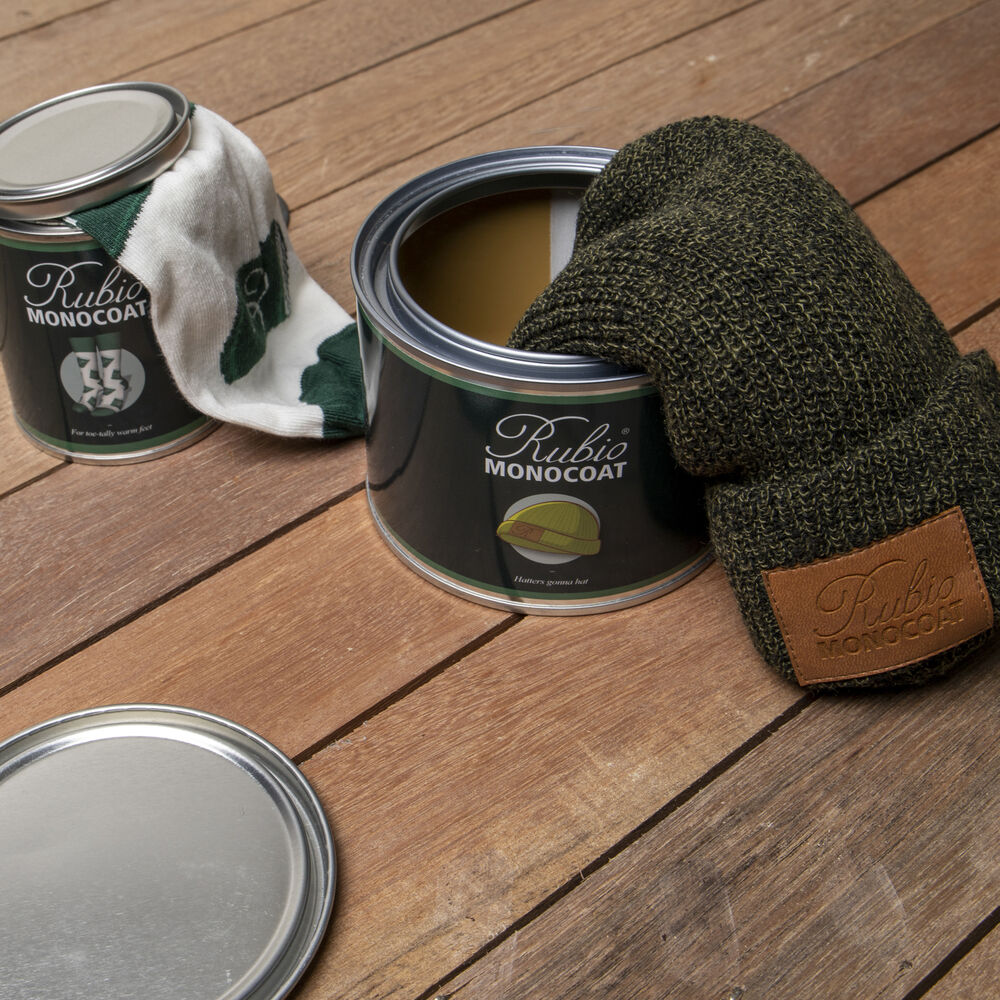
Embroidery holds the logo's shape where a knitted-in logo would distort. For the subtle direction, a small woven label or embroidered mark is plenty.
3. Choose the material
Simpler than buyers expect. There are three real options and a clear rule for each.
- Acrylic for almost everything. Around 99% of corporate beanies are acrylic because it is affordable, durable and widely available. The right default.
- Merino wool only for a genuinely premium gift or a luxury winter set. Noticeably softer, but substantially pricier, so it is wasted on a broad team rollout.
- Cotton or specialist fibre only where the environment demands it, for example flammability rules on industrial sites where synthetics are not allowed.
Organic cotton and recycled-yarn options exist and signal care, but they are not a magic sustainability fix on a synthetic-dominated category. The bigger move is durability, a beanie worn for several winters beats a poorly designed one discarded after one.
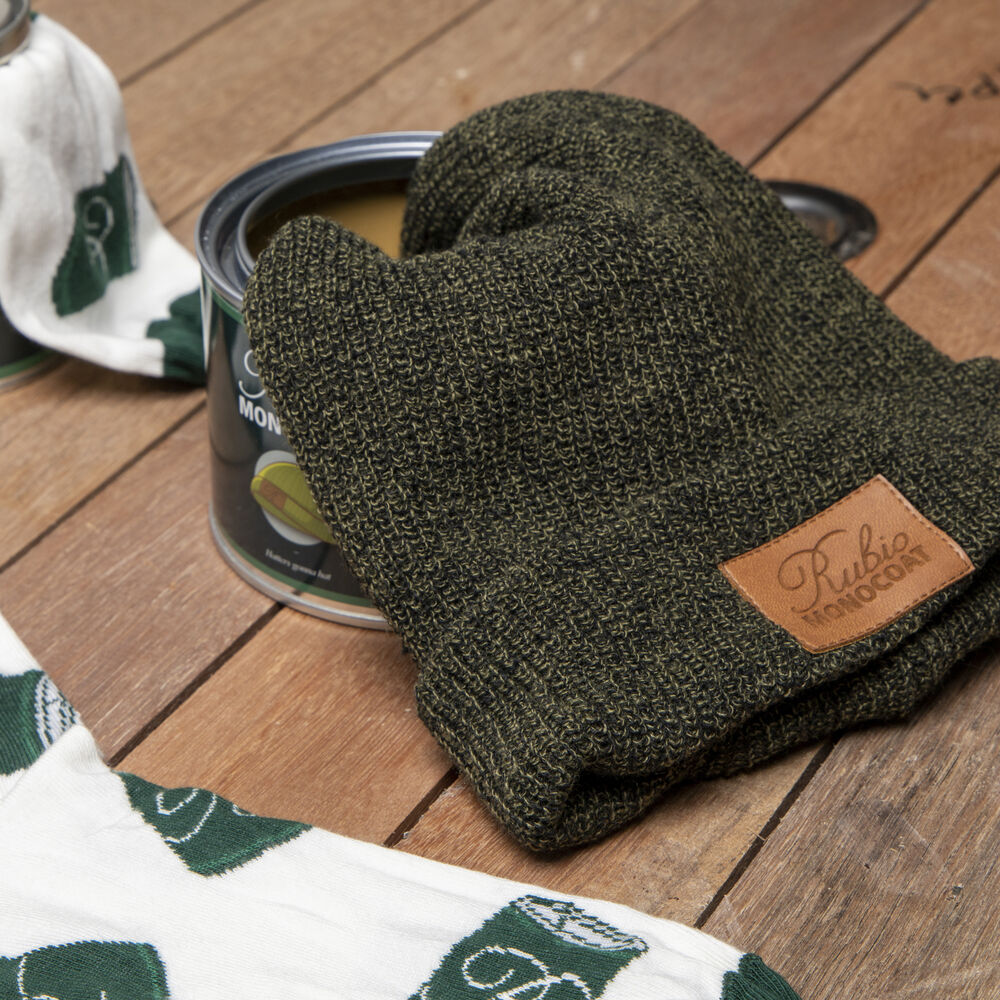
Material decides comfort and durability. Acrylic suits almost every case; reserve merino for the gifts that are meant to feel luxurious.
4. Choose the style and fit
Match the shape to the moment, not to a default model. A useful shortlist:
- Broad team or customer gifting. The Essential or a standard cuffed knit in a wearable colour, embroidered subtly. Safe and premium.
- Younger, fashion-led audiences. A fisherman beanie reads more current.
- Ski trips, festive and outdoor. A pom-pom in a bold colourway, or a coordinated set.
- Family gestures. Add children's sizes so the gift reaches employees' families.
- Flagship pieces at scale. A fully custom-knitted design where the pattern carries the brand.
Underneath the style, quality still matters: the fit, the comfort and whether it holds its shape after wear. A beanie that sags or itches will not get a second outing, however good the logo.
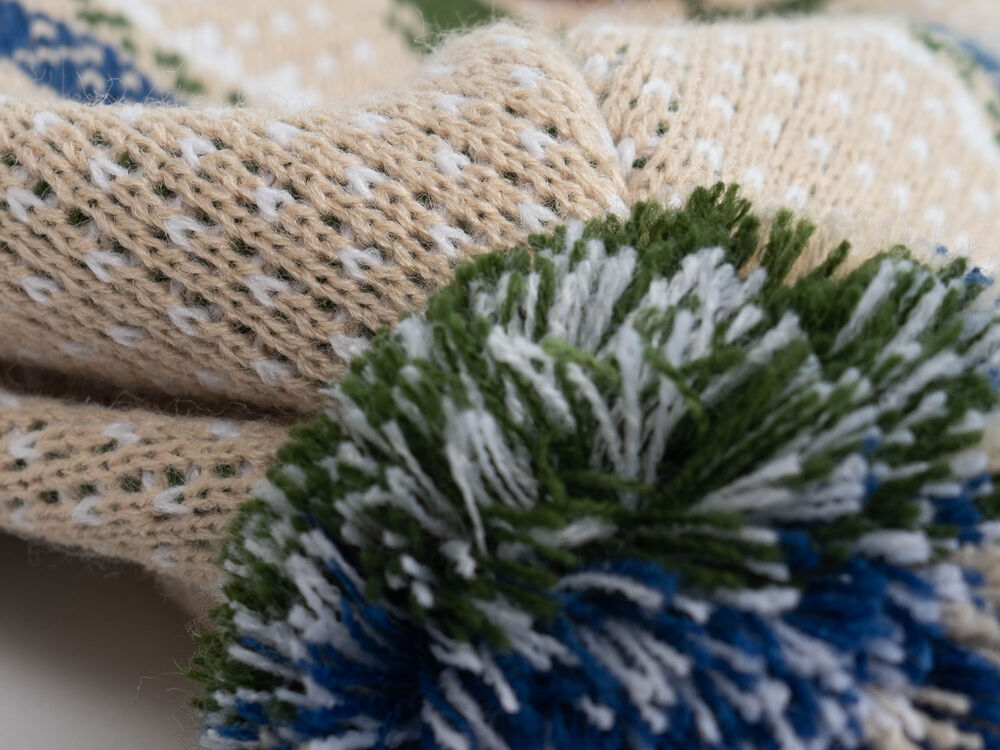
Fit and construction decide repeat wear. A clean cuff and a hat that keeps its shape are worth more than a louder logo.
5. Get the logo size and colour right
Two quick rules save most beanies. First, keep the logo small. A beanie has a small visible surface, so oversized branding looks heavy and cheap. Let the hat carry the look and let the mark be a detail. Second, commit to one colour direction: deliberately loud and playful, or classic navy, black and grey with subtle branding. Do not put an aggressive logo on a conservative product.
6. Quantity and budget
Standard embroidered beanies are accessible from very small quantities, so a small team can run a pilot. Fully knitted-from-scratch designs need scale to make sense.
| Factor | What to expect |
|---|---|
| Minimum, standard | From around 10 pieces |
| Minimum, fully knitted | From around 100 pieces |
| Unit price at scale | Falls significantly as quantity rises |
| Main cost drivers | Model, quantity, decoration, ready-made vs knitted, packaging and set items |
7. Get the timing right
The rule most companies break, and the easiest to fix. Distribute in October or November so recipients wear the beanie through the whole winter. Plan too late, in January or February, and most of the value is gone. Never distribute in summer. At a winter event, a beanie solves an immediate problem the moment it lands. Timing is part of the design, not an afterthought.
8. Plan the presentation
That is also what makes the subtle direction work for customers and partners. A coordinated winter set says the brand put thought in, which is the whole point of gifting. When you are ready, browse the custom beanies range, explore the full catalog, or see how it works.
Choosing custom beanies: questions answered
How do I choose the right custom beanie for my company?
Decide your direction first, bold for activations or subtle and premium for long-term wear, because it drives every other call. Then choose decoration that protects the logo (embroidery, a woven label or a patch), the material (acrylic for most, merino for premium, cotton where safety demands it), a style that fits the audience, a small logo, the right quantity, and an October or November distribution. Presentation turns the beanie into a gift.
What material is best for a corporate beanie?
Acrylic for almost everything. Around 99% of corporate beanies are acrylic because it is affordable, durable and widely available. Use merino wool only for genuinely premium gifts or luxury winter sets, and cotton or another specialist fibre only where the environment requires it, such as flammability rules on industrial sites.
Embroidery or print on a beanie, which should I choose?
Embroidery, a woven label or a patch in almost every case, because they preserve the shape of your logo and read as premium. Avoid knitting a detailed logo into the ribbed fabric, since the rib stretches when worn and the logo distorts. Print is rarely the right call on a knit beanie.
How many custom beanies do I need to order?
Standard beanies start from around 10 pieces, which suits small teams, events and executive groups. Fully custom-knitted designs start from around 100 because they need more design, setup and knitting preparation. Unit price falls significantly as quantity rises, so a pilot run is cheap to test before a larger rollout.
When is the best time to give out beanies?
October or November, so recipients wear them through the whole winter. Order early enough to hit that window, especially for fully knitted designs with longer lead times. Never distribute in summer, when a beanie ends up in a drawer.
How do I make a beanie feel premium rather than cheap?
Commit to one design direction, keep the logo small, choose embroidery or a patch, make sure the hat holds its shape, and present it as a gift. A matching scarf, a premium box or a personalised card lifts perceived value far above the cost of the extras. Most companies underuse beanies by treating them as cheap promo rather than fashion products.
Keep reading
Choose, then preview in 30 seconds
Run the checklist, then drop your logo in and see your beanie embroidered in your colours with live pricing. EU-made.
Get free designs