
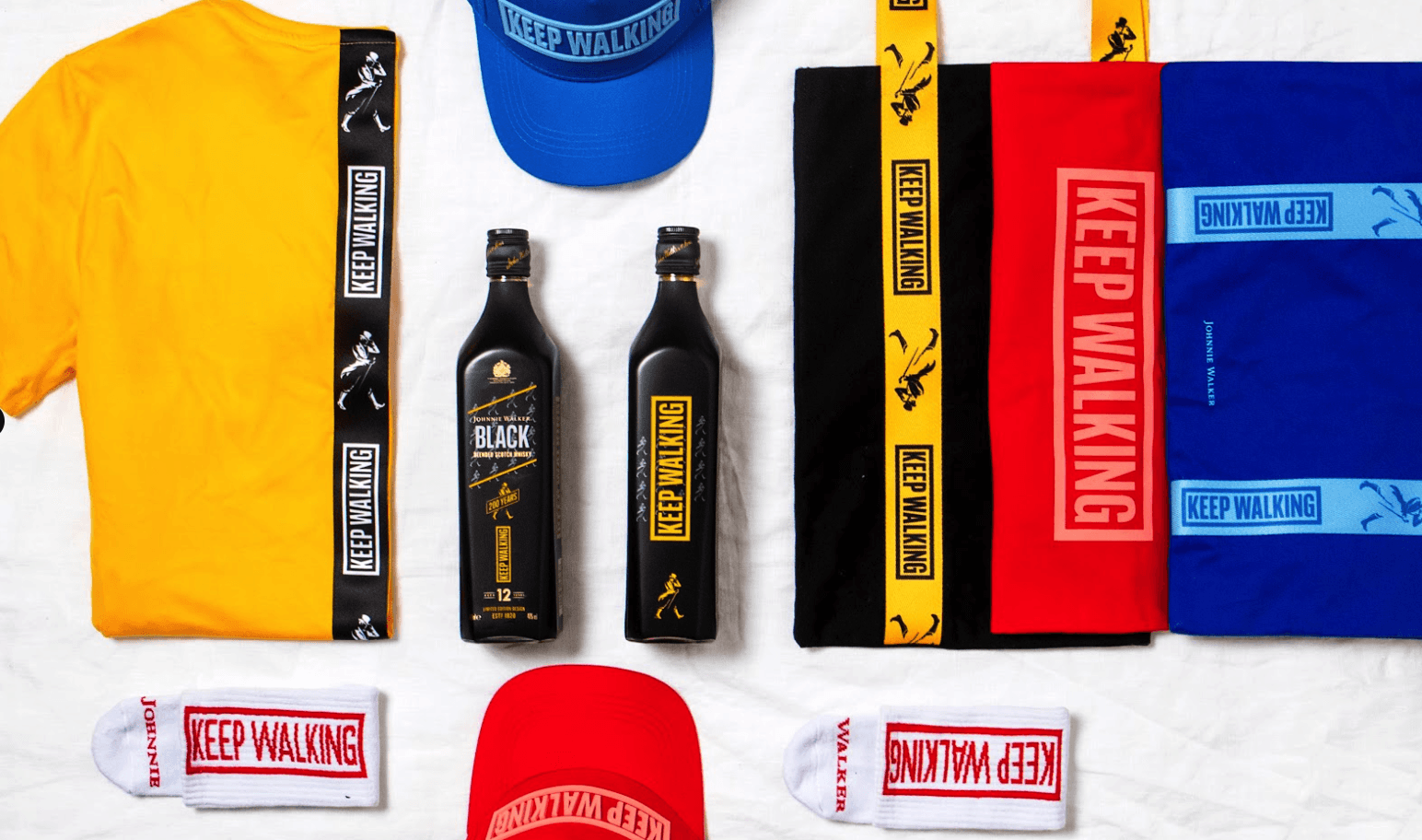


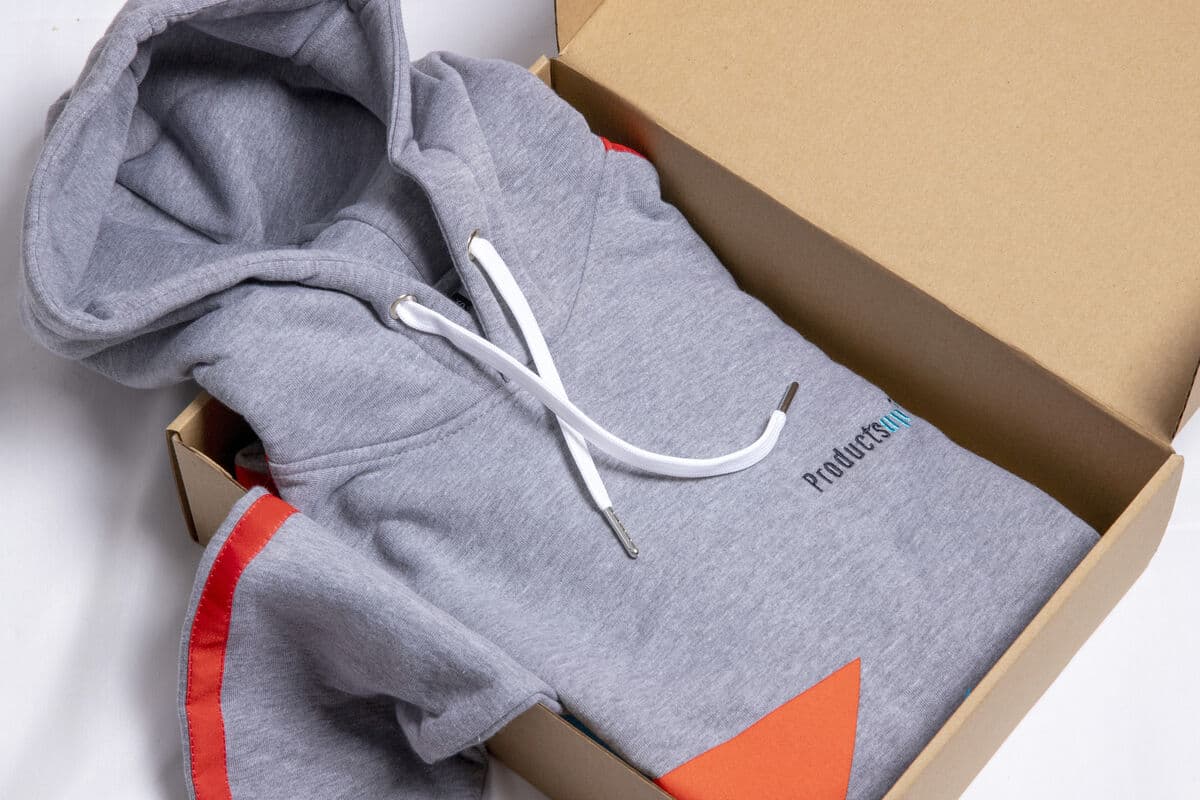
Good referral gift examples all follow the same rule: the reward recognises an advocate who already appreciated the company, rather than paying for the action. Real B2B examples include Sunday's own referral program (100+ referrals), a solar installer shipping post-installation packages with branded socks and a gentle review or referral ask, and tiered incentives that step up from a first referral to an ambassador pack. The mechanics matter more than the merch: right trigger, tight timing, compliant on reviews.
The rule behind every good example
Referral gifts and review rewards work when they recognise genuine advocacy. They fail when they feel like payment for praise. That is the single line that separates the examples worth copying from the ones that quietly erode trust.
A recognised, satisfied customer is more likely to become a long-term ambassador, refer again and create social proof. So the goal of a referral gift is not to swap a product for an action. It is to acknowledge a customer who has already shown they value the company, and to deepen that relationship. Keep that framing in mind and the examples below make sense. Lose it, and even an expensive gift lands as a bribe.
Sunday's own 100+ referral program
Sunday's own referral program has generated more than 100 referrals. That is direct proof of the core idea: customers who already appreciate you become an acquisition channel when you recognise and encourage them. The advocacy was there first. Recognition turned it into a repeatable source of new business.
The mechanic is simple. A happy customer introduces a prospect. Sunday recognises that introduction, and recognises it again when the referral converts. Because the reward is merch in the customer's own brand rather than cash, it does something a discount never can: it makes the advocate see themselves as part of the story. The gift becomes part of their identity, not a line item that reduces an invoice.
The takeaway for a B2B team is that you do not need a huge audience to run this. You need customers who genuinely like working with you, a clear moment to recognise them, and a reward that feels personal. Referral leads also tend to close stronger, because they arrive with trust already in place, which is exactly why the channel earns a real reward budget.

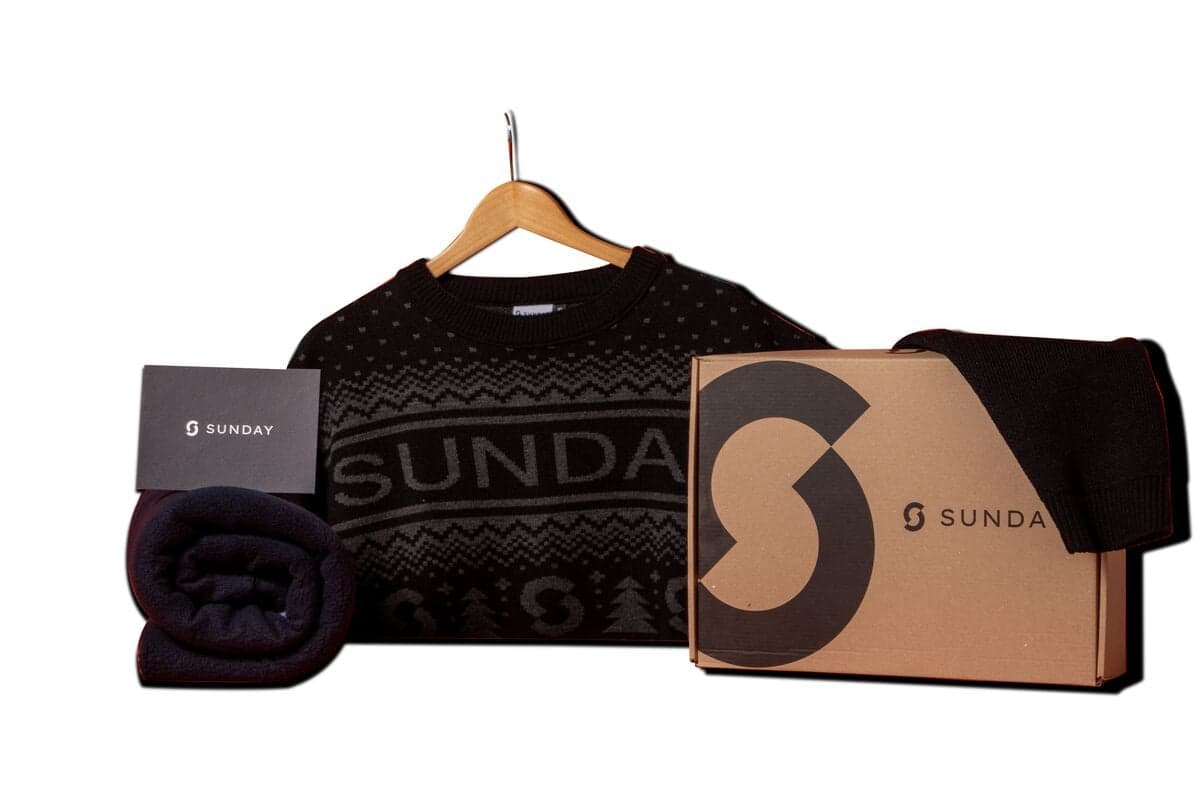
Merch in the customer's own brand recognises advocacy in a way cash cannot. The advocate wears it, and every wear is a small reminder that they are part of the story.
The solar installer's post-purchase campaign
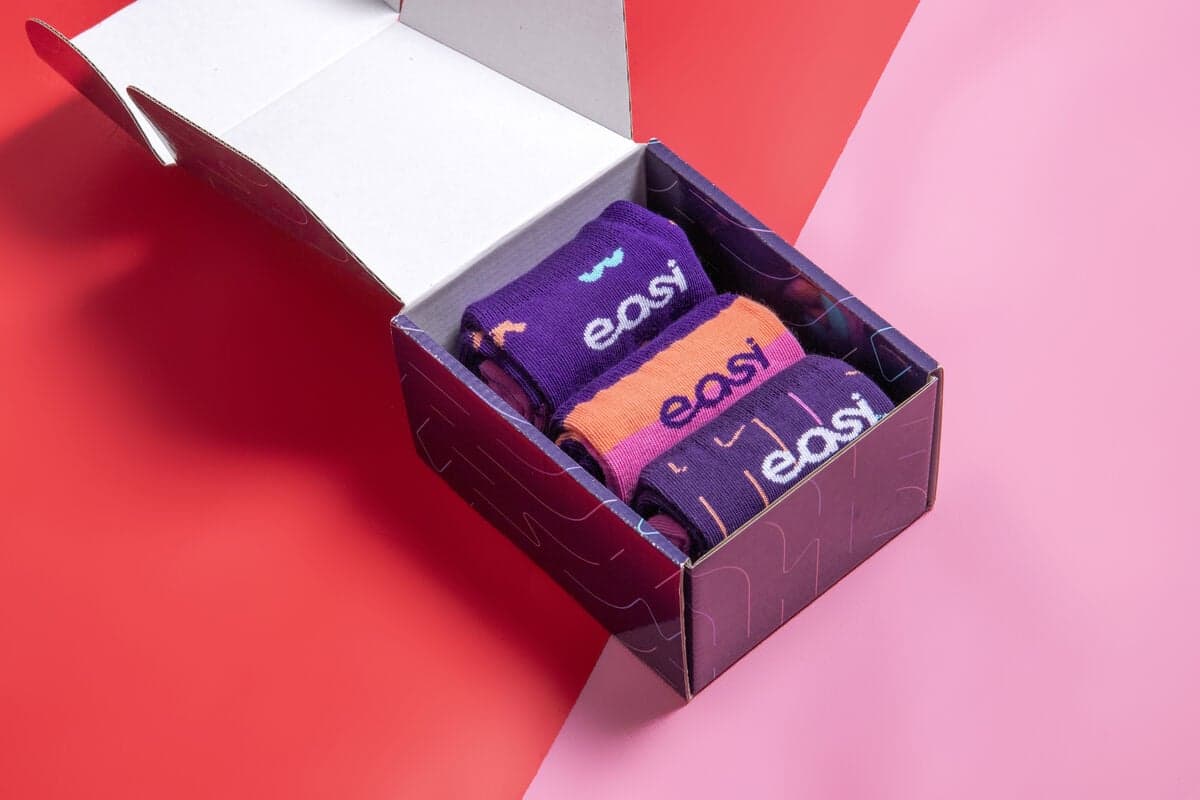
Here is a B2C example that every B2B team should study. A solar installer ran a post-installation campaign. After finishing a customer's project, it sent a package that included a pair of branded socks and a short, warm note asking the customer, if they were happy, to leave a review or refer a neighbour. The company shipped these packages at scale, in the order of thousands per quarter.
It worked for four reasons, and each one is a lesson you can lift:
- The customer had just completed a meaningful purchase. Installing solar is a big, considered decision. Goodwill is at its peak the moment the job is done.
- The reward was timely and memorable. The package arrived when the experience was fresh, so the association was strong. A branded item they could keep beat a forgettable email.
- The ask followed a successful experience. The company delivered first, then asked. It never promised a gift in exchange for a positive review, which keeps it clean.
- The process was repeatable. Every completed installation triggered the same package, so it scaled without becoming a special project each time.
Swap "solar installation" for "onboarded a new enterprise account" or "completed a rollout" and the same pattern works in B2B. The trigger is a genuine milestone in the customer relationship. The gift is timely, branded and useful. The ask is gentle and comes after value is delivered.
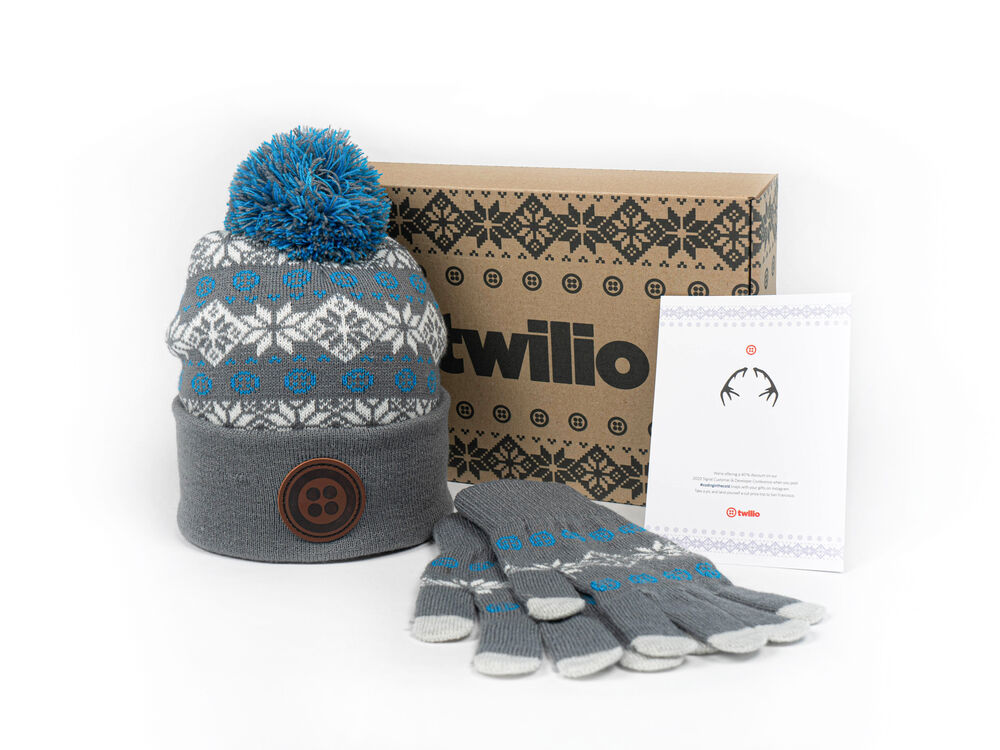
The post-purchase package: sent after the work is done, when goodwill peaks. A branded item plus a gentle ask, repeated for every completed job.
Tiered referral incentives done well
For referrals, a structured incentive announced up front works, because a referral is a measurable commercial action and a clear ladder sustains advocacy. Many B2B and subscription companies run a version of this. A common, well-shaped example:
| Milestone | Reward | Why it fits |
|---|---|---|
| 1 referral | A single, well-chosen branded item (or a gift card / account credit) | Small recognition, low friction, sets the tone |
| 2 referrals | A step up in apparel, for example a branded hoodie | Visible progression the advocate can feel |
| 3 referrals | A curated ambassador pack of coordinated merch | Status and a sense of membership |
| 5 referrals | A premium experience or an office visit | A milestone gesture for top advocates |
Paid newsletters use the same shape: subscribers unlock progressively better rewards as they refer more readers, and the clear progression is what keeps people participating. The lesson is not the specific tiers. It is that people advocate more when they can see the next rung. Match the reward to the value of the action: a standard referral gets a small recognition, a converted enterprise referral justifies something substantial.
Unique or limited merch is especially effective at the higher tiers, because it carries status and exclusivity that money cannot. Ambassador-only apparel is a strong choice. A piece of custom sportswear in the customer's colours makes a distinctive, catalogue-unavailable reward, and you can preview an ambassador design in the free sportswear mockup generator before you commit.
Compliant review thank-yous
Review examples need a different model, and this is where teams get into trouble. Public platforms like Google Business Profile and Trustpilot restrict incentivised reviews. Never say "leave a positive review and get a gift."
The compliant example is a thank-you after the fact. Deliver a strong experience, let the customer review independently, then thank them afterwards, and never condition the thank-you on the sentiment. The solar campaign above is a clean version of this: the ask was to review "if you're happy," the gift arrived with the package regardless, and nothing was tied to a five-star rating. On your own channels you have more room to request product photos, testimonials, interviews and website feedback, still with transparent rules.
What the good examples share
Strip the examples down and the same mechanics appear every time:
- The right trigger. A referral submitted, a qualified meeting, a converted opportunity, a completed purchase or an independent review. The trigger is a real moment, not a vague "sometime later."
- Tight timing. Reward as close to the action as possible. Review submitted, thank-you next day. Referral converted, larger reward immediately. Delays weaken the emotional impact.
- Merch that carries identity. Desirable, useful, well-designed and appropriate to the customer. A cheap product makes the thank-you feel insincere.
- Repeatability. The best examples are systems, not one-off gestures, so every qualifying advocate gets recognised the same way.
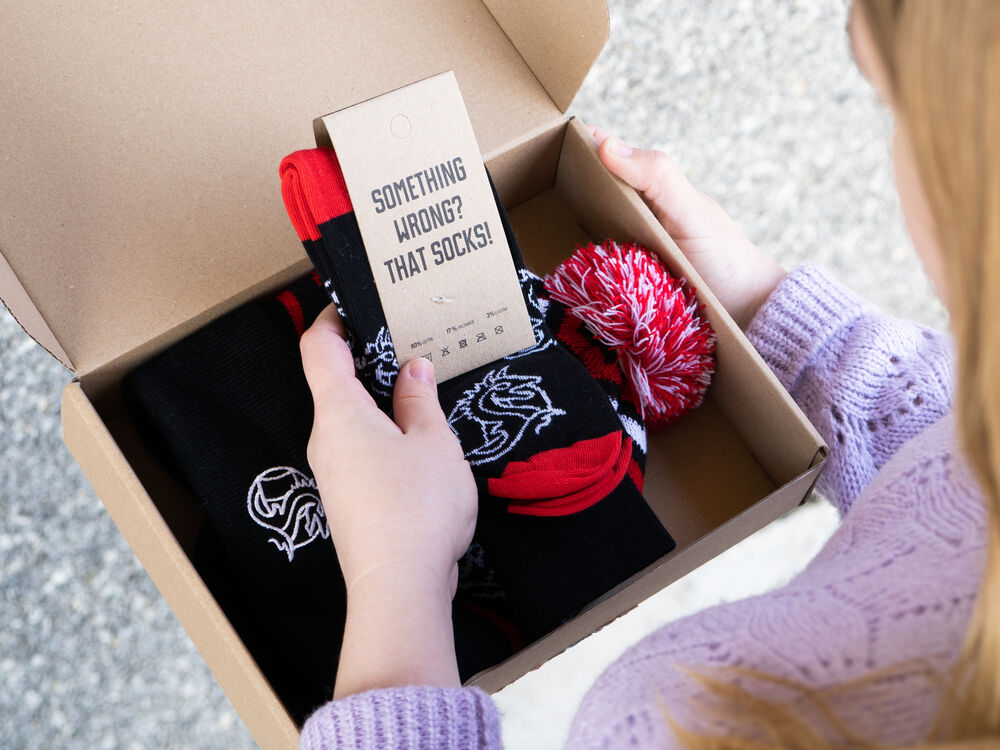
The common thread: a real trigger, a tight timeline, a branded gift worth keeping, and a process that repeats for every advocate.
Examples that backfire
The failures are as instructive as the wins. Avoid these:
- Cheap products. A poor gift reads as insincere and undoes the goodwill you were trying to build.
- Inconsistent execution. Rewarding some advocates and forgetting others destroys trust faster than sending nothing.
- Quid-pro-quo reviews. Paying for positive public reviews is a compliance risk and a credibility risk at once.
- An overly commercial follow-up. A thank-you that turns into a sales push stops feeling like a thank-you.
- Rewarding an unhappy customer too early. Merch cannot compensate for a poor experience, so fix the experience first.
Every advocacy program starts with product and service quality. The order is fixed: create a strong experience, earn genuine advocacy, recognise it, then make it easy to advocate again. Get that sequence right and the examples above become straightforward to copy. To build the reward flow, explore the Sunday platform or the catalog.
Keep reading: referral gifts and review rewards
Send referral gifts that get remembered
From ambassador merch to curated reward boxes, Sunday designs, warehouses and ships the gifts, so you keep the recognition and skip the logistics.
Build this campaign with Sunday