
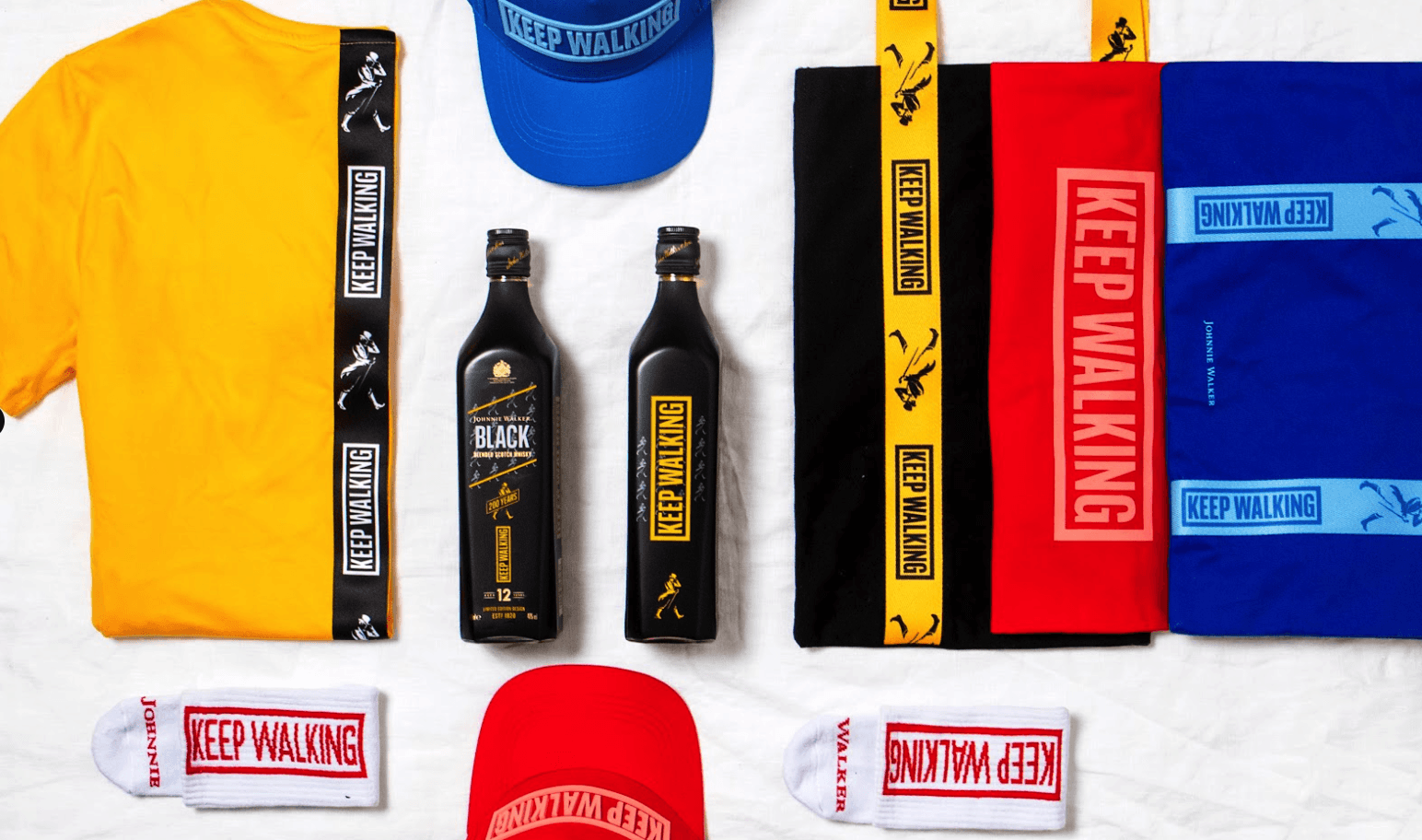


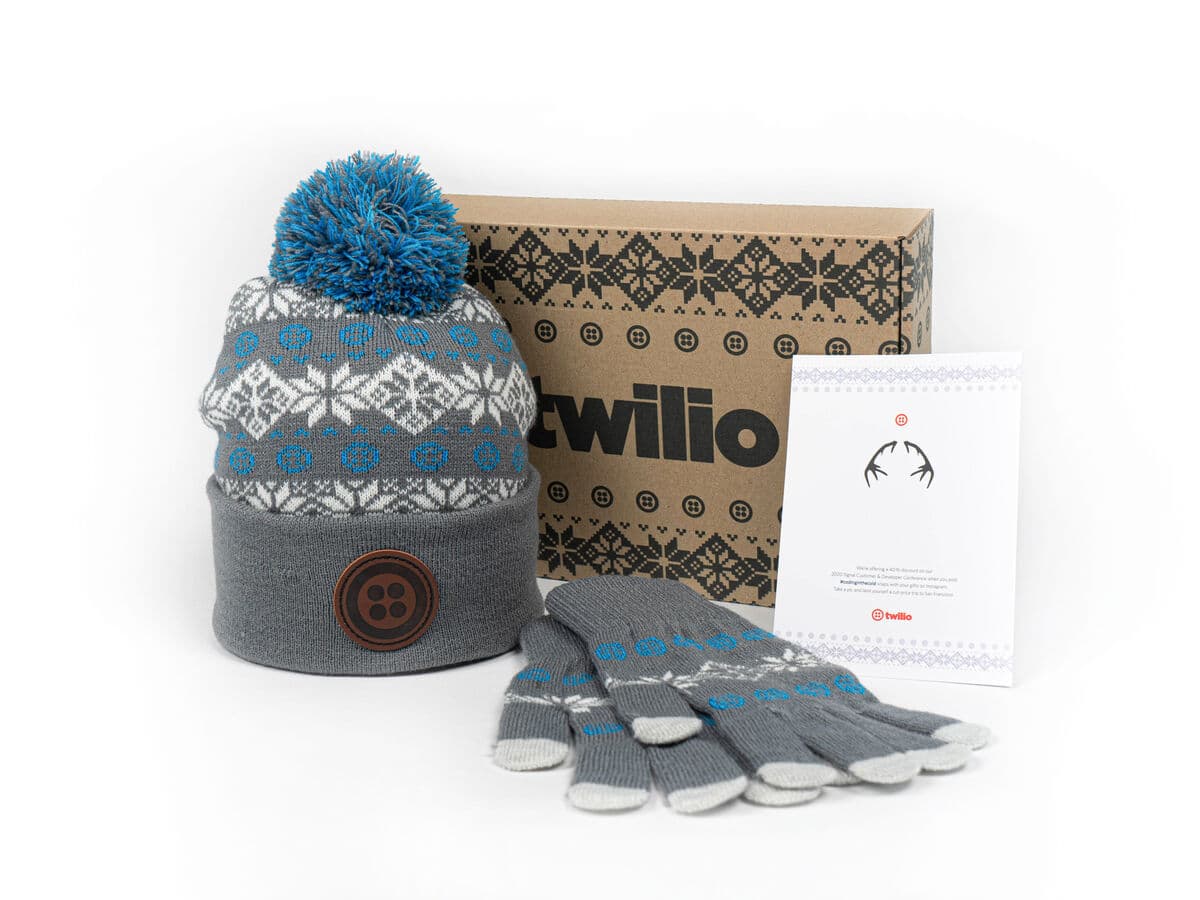
Referral gifts and review rewards are thank-you gestures that recognise genuine advocacy: a customer who introduces a prospect, leaves a voluntary review, or otherwise speaks positively about a company. The principle that makes them work is recognition, not payment. Run them in one of two models: an unexpected thank-you gift after the customer acts independently, which is the right model for reviews and organic advocacy, or a structured, announced incentive, which fits measurable referrals. Merch adds what money cannot, because wearing or using the brand makes advocates see themselves as ambassadors. Reward as close to the action as possible, tier referral rewards by value, and never offer a reward in exchange for a public positive review. Every advocacy program starts with a genuinely happy customer.
One note before we start: this guide is about recognising customers and advocates who already appreciate you, not about buying praise. The distinction runs through everything below, and it is also the line that keeps you compliant with review platforms. Get the order right, happy customer first, and the rest follows.
Recognition, not payment
Referral gifts and review rewards work when they recognise genuine advocacy. They fail when they feel like payment for praise. The purpose is not to swap a product for an action. It is to acknowledge a customer who has already shown they appreciate you, and to deepen that relationship.
The reason this matters is compounding. A recognised, satisfied customer is more likely to become a long-term ambassador, refer again, create social proof and keep speaking positively. Treat the reward as a transaction and you get a one-off. Treat it as recognition and you build a channel. The best referral reward does not feel like payment. It feels like recognition.
The two program models
There are two clean models, and choosing the right one for the action is most of the work.
1. Thank-you recognition
The customer acts independently, then the company sends an unexpected gift. This is the best model for reviews and organic advocacy, precisely because it avoids making the action feel purchased. Nothing was promised in advance, so nothing was bought. The gift arrives as a genuine surprise, which is exactly what makes it land.
2. Structured referral incentives
A clear program announced up front. One referral earns a t-shirt, two earn a hoodie, three earn an ambassador pack, five earn a premium experience or an office visit. This works for referrals, which are a measurable commercial action, because everyone knows the deal and can see the progression. Keep it simple, transparent and proportionate to the value of the action.
The rule of thumb. Announce it up front for referrals. Keep it unexpected for reviews. The first rewards a measurable action people opt into. The second protects the credibility of praise the customer gave freely.
The three categories of advocacy
It helps to treat referral gifts and review rewards as parts of one advocacy program with three categories.
- Referral gifts. A customer introduces a prospect. The trigger can be the referral being submitted, a qualified meeting, a converted opportunity or a completed purchase.
- Review rewards. A customer leaves a voluntary review or testimonial. Public platforms restrict incentivised reviews, so you never promise a reward for a positive review. You send a thank-you afterwards.
- Broader advocacy. Referrals, reviews, testimonials, case studies, social posts, event participation, interviews and community contributions. All of it is advocacy, and it all deserves recognition.
Referral gifts and customer referral rewards
A referral gift recognises a customer who introduces a prospect. It is the most measurable form of advocacy, which is why it suits the structured, announced model. The design question is which trigger you reward: the introduction itself, a qualified meeting, a converted opportunity, or a completed purchase. Reward earlier and you get more participation but more noise. Reward later and you tie the reward to real value.
A strong pattern is to recognise the effort early with something small and lift the reward when the referral converts. The introduction gets a quick, personal thank-you. The conversion triggers the larger gift. That way you acknowledge every advocate while reserving the substantial rewards for the referrals that actually land.
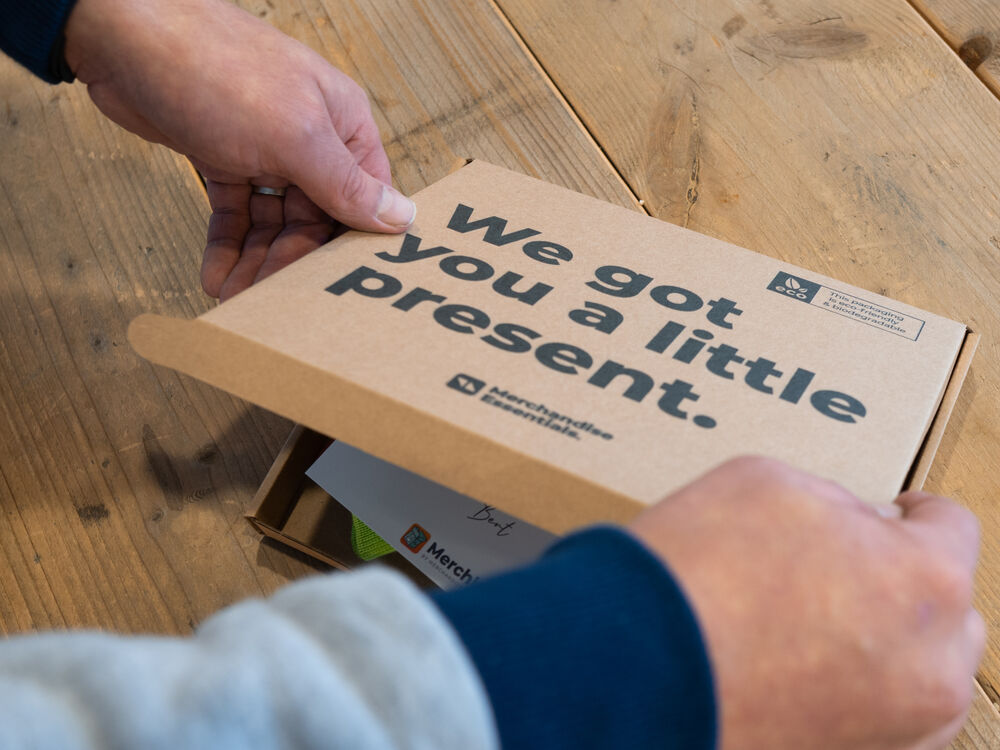
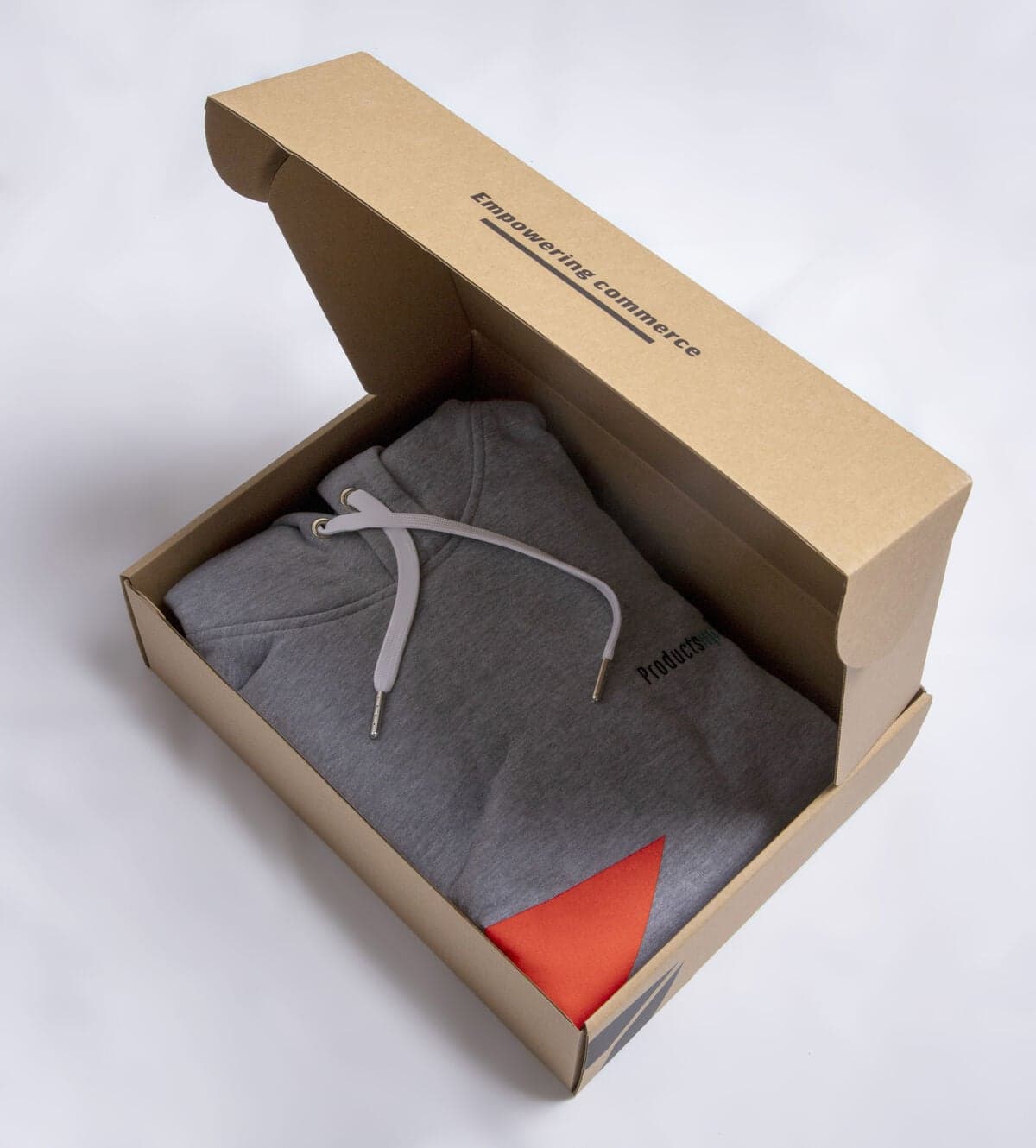
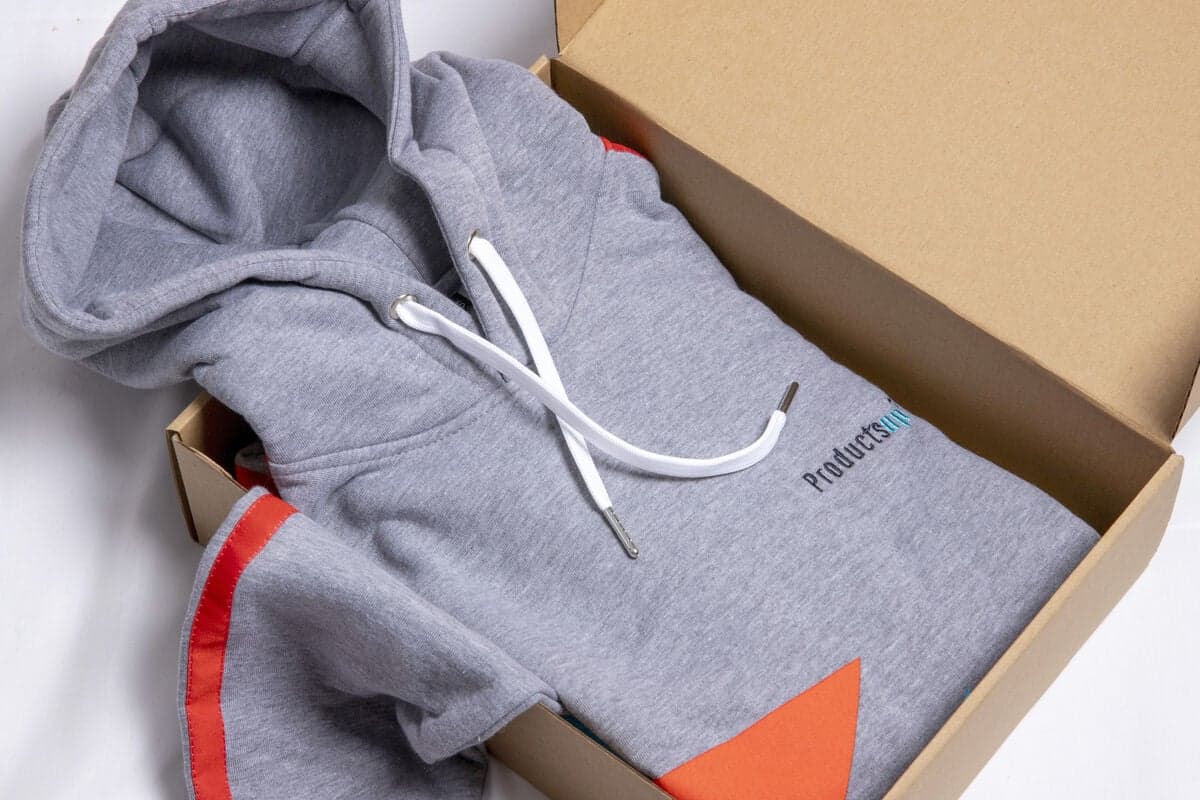
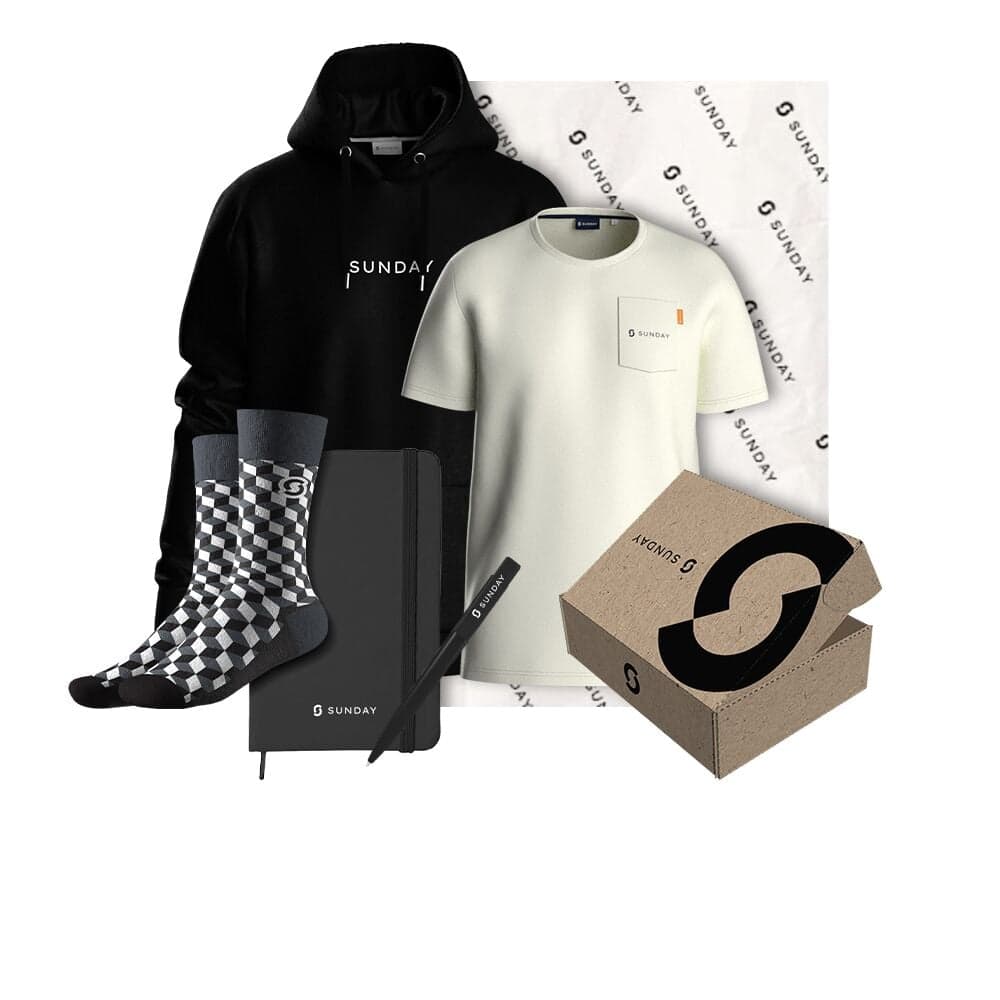
A curated reward box works as a referral gift because it feels considered, not transactional. Recognise the introduction with something personal, then lift the reward when the referral converts.
Review reward ideas (and the compliance rule)
Review rewards recognise a voluntary review or testimonial. This is where the thank-you recognition model is essential, because public review platforms such as Google Reviews and Trustpilot restrict paid or incentivised reviews. The compliant version is simple: deliver a strong experience, let the customer review independently, then thank them afterwards.
Good review reward ideas are therefore always after-the-fact and never conditional on the review being positive. A handwritten note with a small piece of quality merch. A gift card sent the day after a review lands. A curated box for a detailed testimonial. The trigger is that the customer chose to review you, not that they gave you five stars.
The compliance line. Never say "leave a positive review and get a gift." That is a compliance risk and it quietly destroys credibility. On your own channels you have more flexibility to request product photos, testimonials, interviews and feedback, still with transparent rules.
Broader advocacy reward ideas
Advocacy is wider than referrals and reviews. The best gifts for brand advocates recognise the full range of ways a customer champions you: a public case study, a conference talk, a social post that drove traffic, a podcast interview, an active community contribution. Each of these takes real effort and deserves recognition proportionate to that effort.
This is also where unique, limited merch earns its place. An ambassador who wrote a case study or spoke at your event is not looking for a discount. They value being seen as part of the brand. Catalogue-unavailable apparel, a premium ambassador box or a tier-specific collectible says that better than a gift card can.
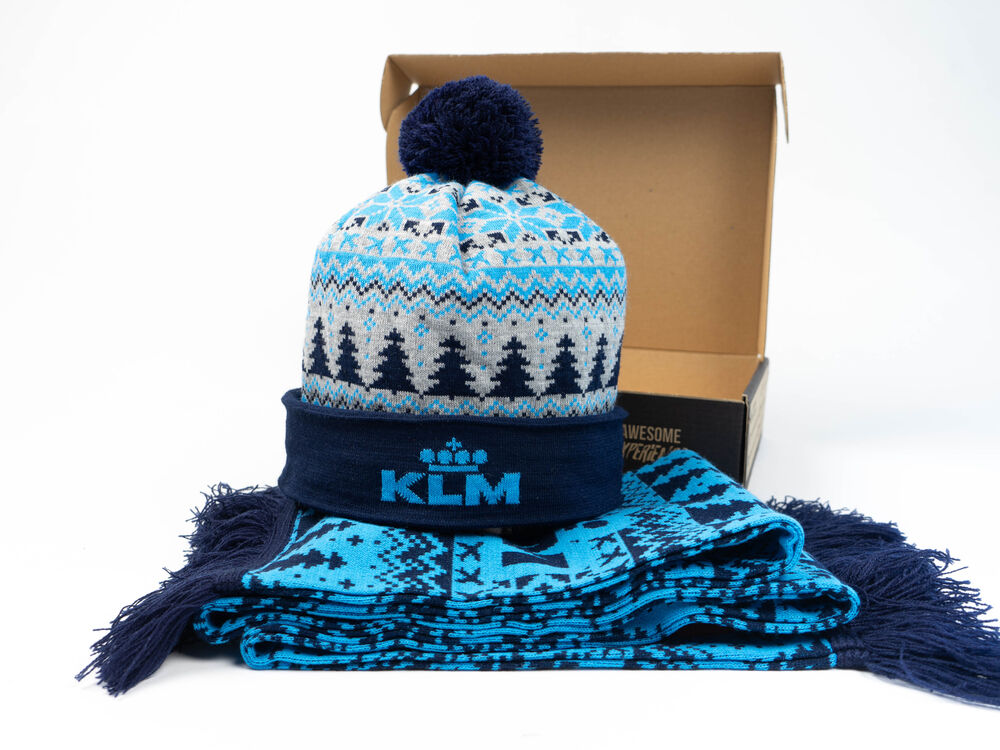
Broader advocacy deserves recognition proportionate to the effort. A limited, ambassador-only package acknowledges a case study, a talk or a standout social post better than a discount ever could.
Cash vs gift cards vs credits vs merch
The reward currency changes how the whole thing feels. Here is the honest ranking.
| Reward type | How it lands | Best for |
|---|---|---|
| Cash | Feels transactional, creates tax and compliance issues | Generally not preferred |
| Gift cards | Work well, but get repetitive over time | A clean first-referral reward |
| In-app credits | Strong when the advocate uses the product, e.g. SaaS account credits | Product-led companies |
| Merch | Adds what money cannot: identity and a sense of belonging | Turning advocates into ambassadors |
The strongest structure combines them. First referral earns a gift card or credit. Second earns a credit plus a branded gift. Later referrals earn a larger ambassador pack or a premium experience. Cash reduces an invoice. Merch makes the advocate see themselves as part of the brand. The reward becomes part of their identity rather than a line item.
What makes reward merch work
Merch only works if it is good. A cheap or poor product makes the thank-you feel insincere, which is worse than sending nothing. Reward merch has to be desirable, useful, well-designed, appropriate to the customer and consistent with the value of the action.
- Desirable and useful. Something the advocate genuinely wants to keep and use, not another logo mug destined for a drawer.
- Well made. Quality signals sincerity. A poor product undercuts the whole gesture.
- Appropriate. Matched to the customer and to the value of what they did.
- Unique or limited. This is the most effective lever. Ambassador-only apparel, premium boxes, collectibles and catalogue-unavailable products carry status and exclusivity.
Unique and limited merch is especially powerful because it combines status with exclusivity. Ambassador-only custom apparel that no one can simply buy is a much stronger recognition than a standard item. This is exactly where custom sportswear shines as reward merch: a fully custom, ambassador-only kit is desirable, distinctive and unavailable anywhere else.
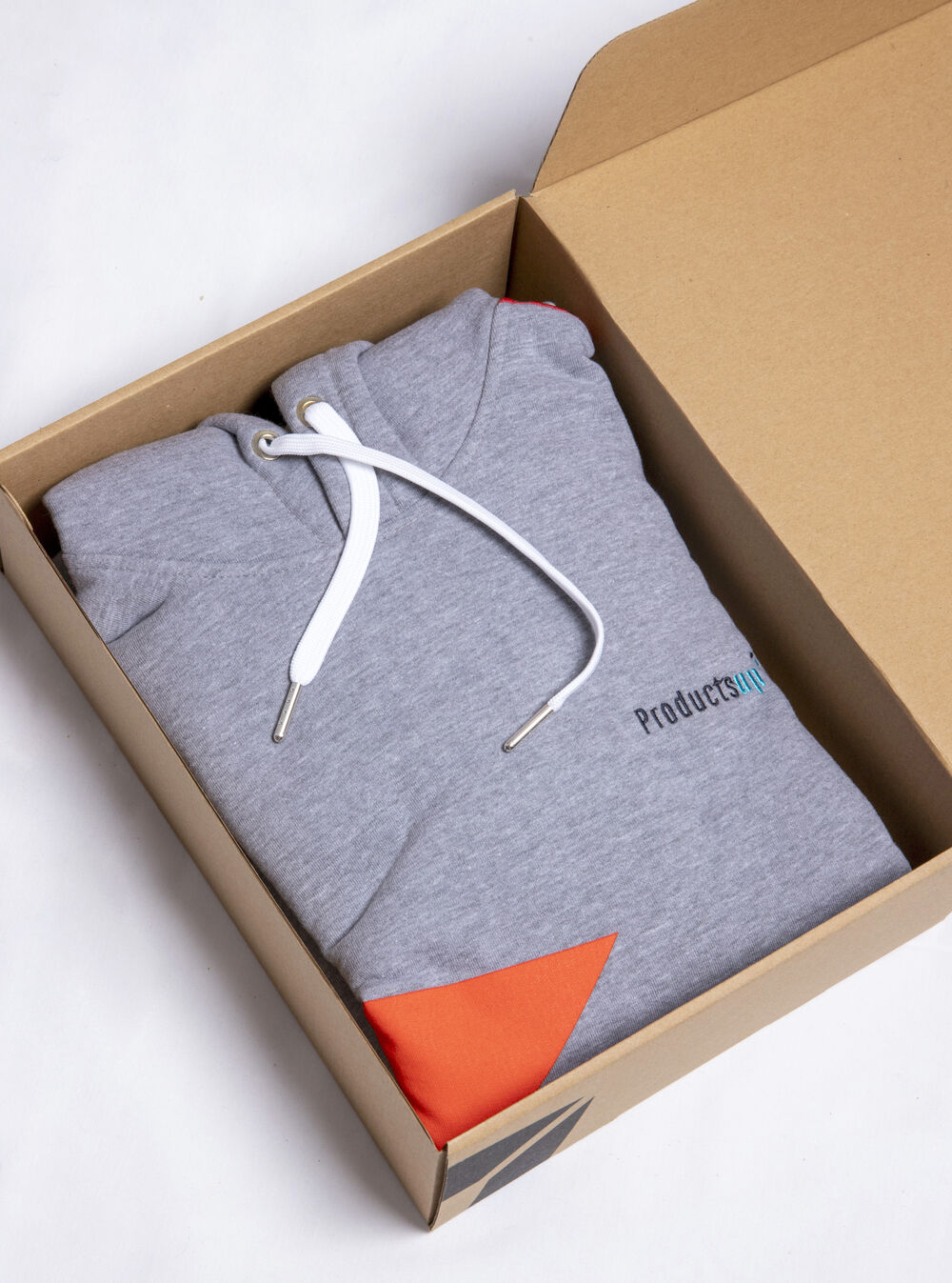
Unique, limited merch is the most effective reward lever. Ambassador-only apparel and premium boxes carry status and exclusivity that a gift card cannot, and they make advocates feel like part of the brand.
Proof: what happens when you recognise advocates
The theory holds up in practice. A few examples show it.
Sunday's own referral program
Sunday's own referral program has generated more than 100 referrals. That is direct proof of the core idea: customers who already appreciate you become an acquisition channel when you recognise and encourage them. The advocacy was already there. Recognition turned it into a repeatable source of new business.
Tiered newsletter referrals
Paid newsletters have shown the tiered model at scale. Subscribers unlock progressively better rewards as they refer more readers. The clear progression is what sustains advocacy, because each new reward is a visible next step, and people keep going to reach it.
The solar company socks campaign
A solar company ran a post-installation campaign. After finishing a project, it sent the customer a package with branded socks and a simple ask: if you are happy, leave a review or refer someone. It reportedly ran to thousands of packages per quarter. It worked for four reasons: the customer had just completed a meaningful purchase, the reward was timely and memorable, the ask followed a successful experience, and the whole process was repeatable.
Timing: reward as close to the action as possible
The tighter the link between the action and the reward, the stronger the association. Delays weaken the emotional impact.
- Review submitted → send a thank-you the next day.
- Referral made → call or thank the advocate the same day.
- Referral converted → trigger the larger reward immediately.
- Testimonial published → package the recognition as soon as it goes live.
A gift that arrives weeks later reads as an afterthought. A gift that arrives while the customer still feels good about the action reads as genuine attention. Speed is a big part of what makes recognition feel real.
Tiered rewards and how to build a referral gift program
Tiering works well for referrals, scaled by number, quality, qualified meetings, conversions, revenue or customer value. The shape is a ladder: small recognition first, stronger merch after repeats, a premium ambassador pack at a milestone, and an experience for top advocates. Here is how to build a referral gift program in practice.
- Start small and personal. First referral earns a quick, genuine thank-you and a modest gift or credit.
- Lift with repetition. Repeat referrers earn stronger branded merch, ideally something they cannot just buy.
- Reward milestones. A premium ambassador pack at a clear milestone gives people something to aim for.
- Reserve experiences for the top. An office visit or a premium experience for your best advocates.
For reviews, be more careful. Do not offer better rewards for public positive reviews. Keep review recognition as a thank-you after an independent review, outside the tiered structure.
B2B vs B2C referral program gifts
The main difference between B2B and B2C is the economic value of the customer and the referral. That value should set the reward.
A B2B referral can influence a software contract, a major installation or enterprise services worth thousands to millions. B2C can also be high-value: a car, a solar installation, a financial product, a premium subscription. So the reward should reflect purchase value, margin, customer acquisition cost, conversion likelihood and relationship value. A standard consumer referral gets a small, thoughtful reward. A converted enterprise referral justifies a substantial gesture. Employee referral gift ideas follow the same logic internally: match the recognition to the value and effort of the introduction.
How to automate referral rewards
Whether you automate depends on volume, and automation should remove logistics, not recognition.
| Volume | Approach |
|---|---|
| Low-volume B2B | Keep it manual and personal. A salesperson or CSM calls the advocate, writes a personal message, selects a gift and launches the shipment |
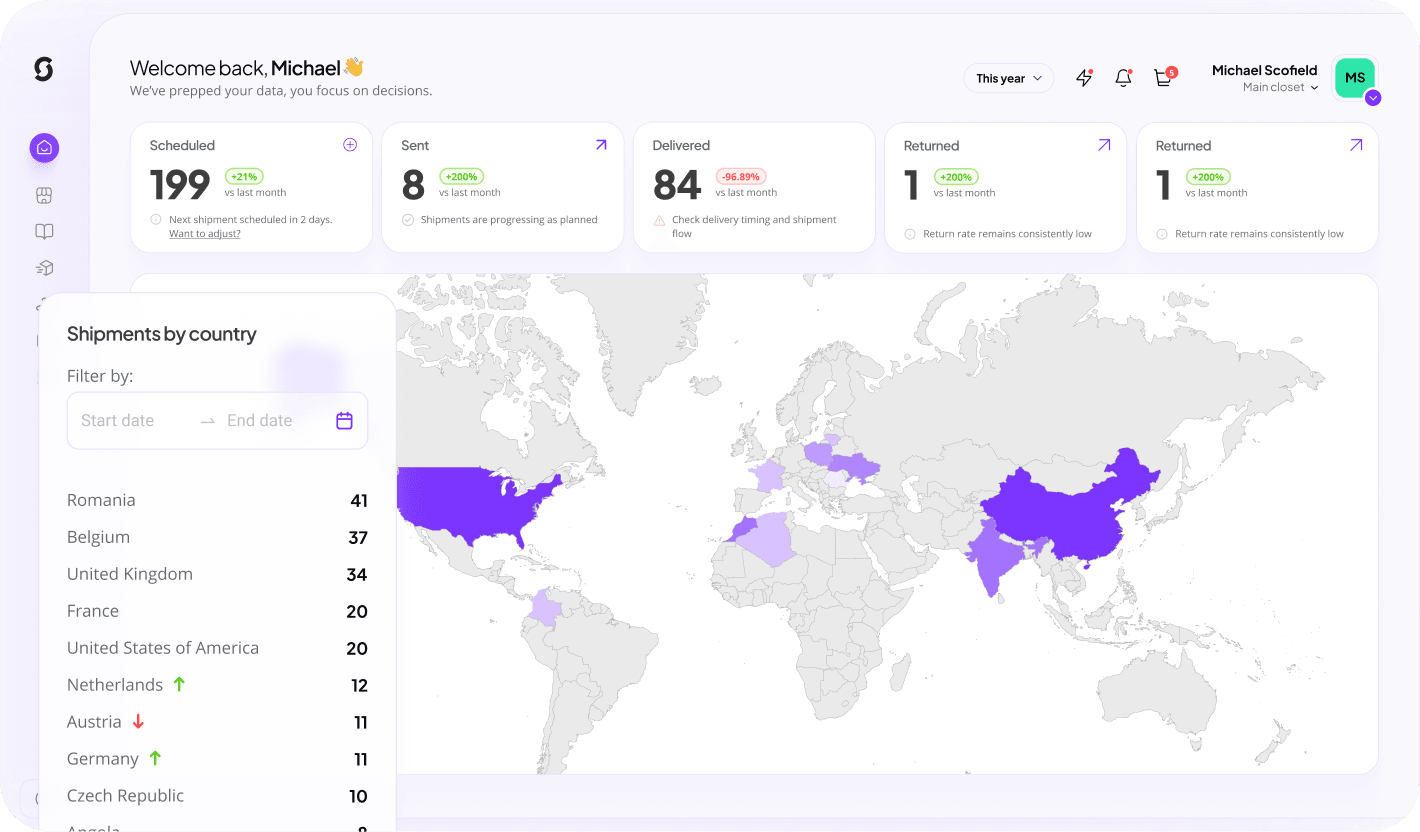
| High-volume | Automate via CRM. Trigger the thank-you email, a redeem page, reward selection, address collection, fulfilment and tracking, with the advocate choosing from packages |
For hundreds of rewards a month, connecting your CRM such as HubSpot or Salesforce is the only way to keep up. The trigger fires, the advocate gets a redeem page, they pick a package and enter their address, and fulfilment and tracking happen automatically. The point is to remove the address-chasing and shipping admin, not to remove the human recognition.
Review compliance you cannot skip
This deserves its own section because it is the part companies get wrong. Google Reviews, Trustpilot and similar platforms restrict paid or incentivised reviews. You cannot say "leave a positive review and get a gift." Doing so risks your standing on the platform and, worse, undermines the credibility of every review you have.
The compliant model is a sequence: deliver a strong experience, let the customer review independently, then thank them afterwards. Nothing is conditional on the review being positive, and nothing is promised in advance. On your own channels, product photos, testimonials, interviews, user-generated content and website feedback give you more flexibility, but keep the rules transparent there too.
Measuring an advocacy program
Track the metrics that show whether recognition is turning into growth.
- Referral rate, and the number and quality of referrals.
- Referral conversion, and referral-channel close rate.
- Review and testimonial volume, and advocate participation.
- Revenue influenced and customer acquisition cost.
- Repeat advocacy, the clearest sign the program is compounding.
One finding is consistent: referral leads often close stronger, because they arrive with trust already in place. That is why the channel is worth investing in even when the reward carries a real cost. A referred prospect is pre-sold on the relationship in a way a cold lead never is.
The cringe list: what quietly kills advocacy programs
- Cheap products. A poor gift makes the thank-you feel insincere.
- Inconsistent execution. Rewarding some advocates and forgetting others destroys trust faster than anything.
- Quid-pro-quo reviews. A compliance risk and a credibility killer.
- Overly commercial follow-up. The thank-you should not become a sales push.
- Complicated rules. The more complex the program, the fewer people participate.
- Rewarding an unhappy customer too early. Recognition has to follow genuine satisfaction, not precede it.
Happy customer first, and how Sunday fits
Every advocacy program starts with product and service quality. Merch cannot compensate for a poor experience. The order is fixed: create a strong experience, earn genuine advocacy, recognise it, then make it easy to advocate again. Skip the first step and no reward will save the program.
Once the advocacy is real, Sunday provides the infrastructure to recognise it thoughtfully, scalably and compliantly. That means curated reward packages, exclusive ambassador merch, tiered collections, redeem pages, address collection, CRM triggers, platform integrations, automated fulfilment, global distribution and tracking. Small programs keep a manual, personal touch while Sunday handles delivery. Large programs automate the whole flow from trigger to shipment. To be clear about the positioning: this is not Sunday buying reviews. It is the infrastructure to recognise genuine advocacy properly.
Reward merch is the heart of it. Custom apparel and custom sportswear make some of the strongest ambassador rewards, because a unique, limited kit is desirable and unavailable anywhere else. Design an ambassador collection in your colours in the free sportswear mockup generator, explore the full catalog, see how it works, or start on the platform.
Recognise your advocates properly
Curated reward packages, exclusive ambassador merch, redeem pages and automated fulfilment, live in 30 seconds. Create a free account and build your advocacy program with Sunday.
Build this campaign with Sunday