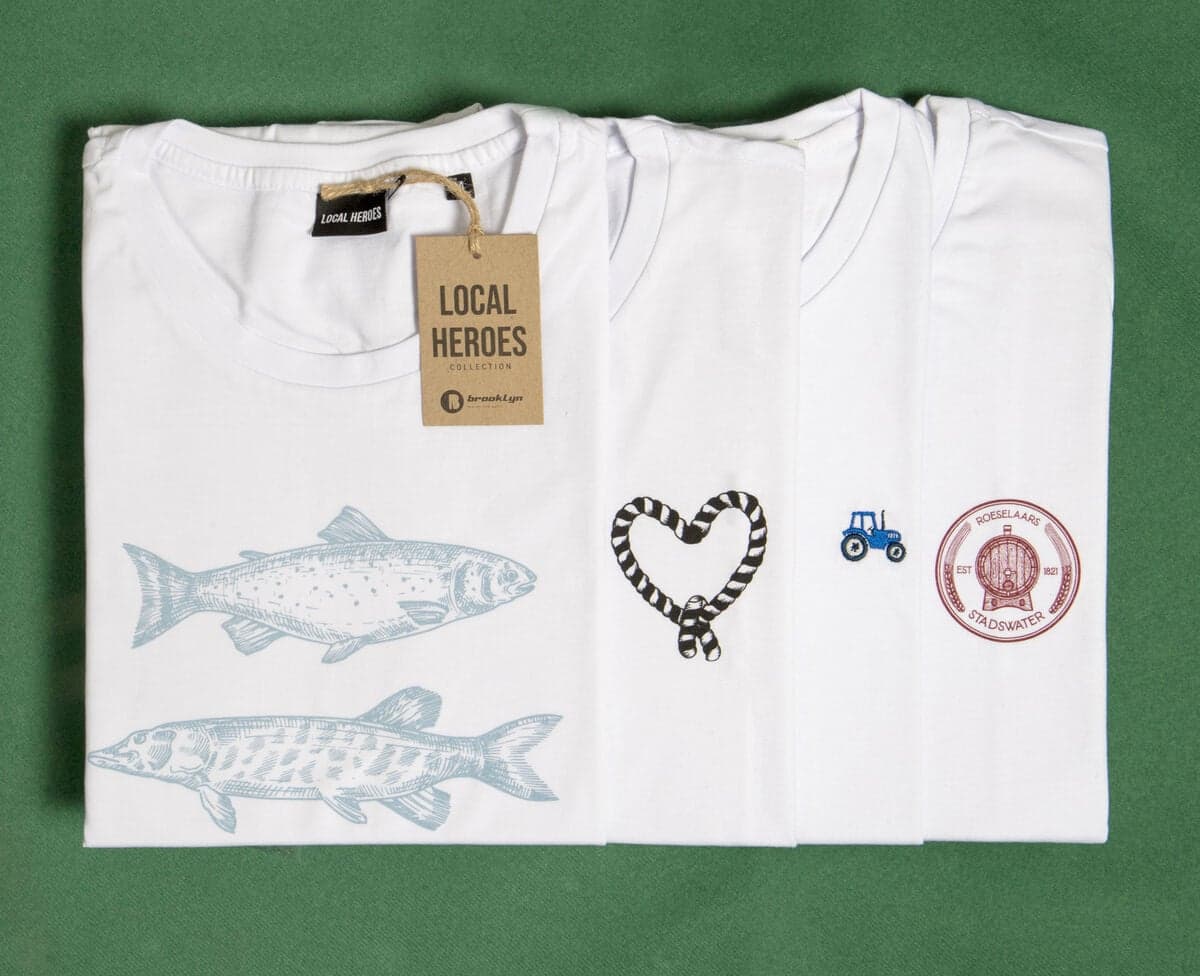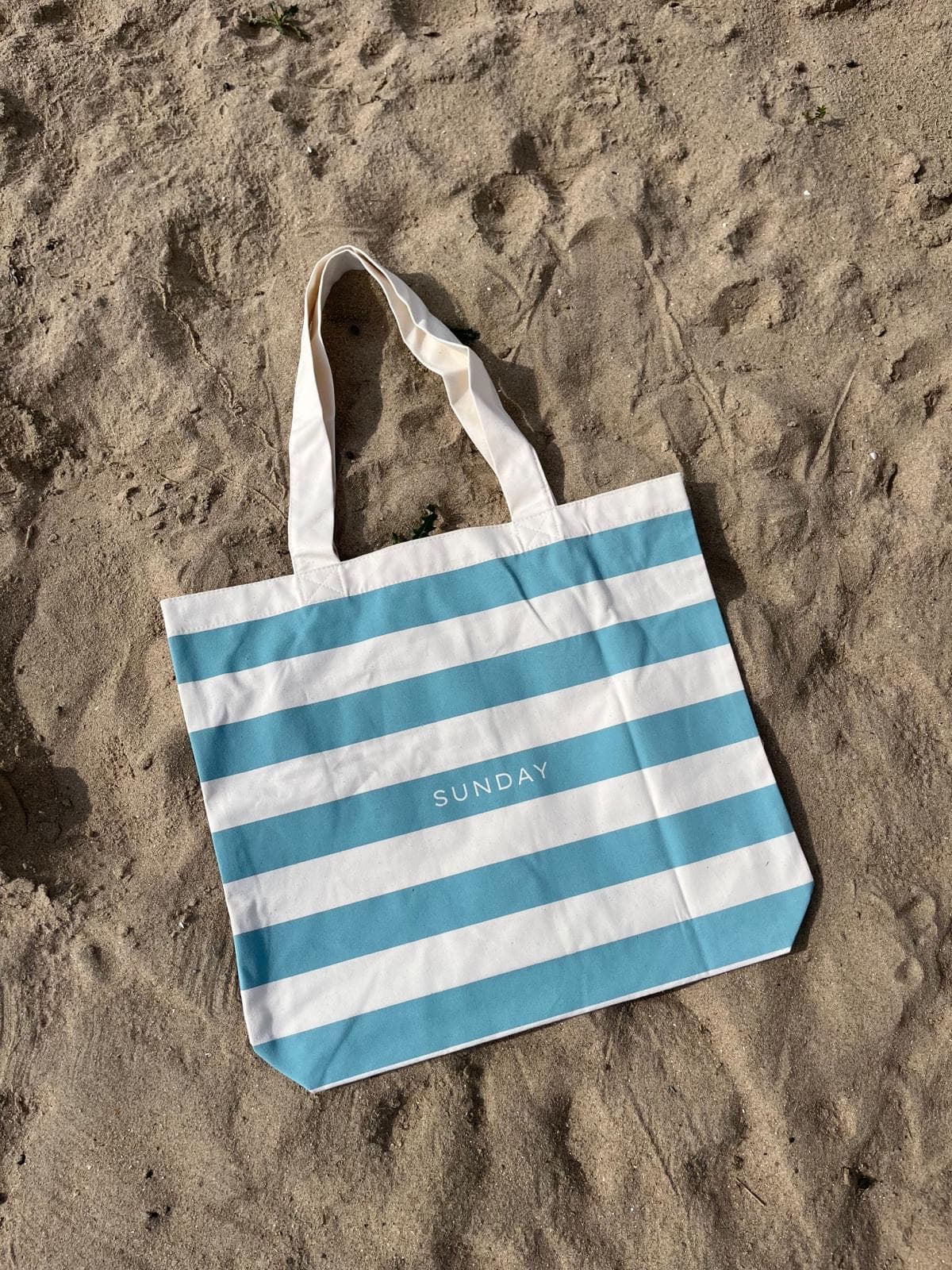
A sustainable custom tote bag is one people actually keep and reuse for years. Recycled and organic materials help, and certifications like GOTS or rPET give a verifiable story. But the single biggest factor is durability and desirability. A bag good enough that someone would have bought it themselves, made and sewn in Europe to EU standards, beats any eco label on a flimsy tote nobody uses.
Sustainability in merch attracts a lot of greenwashing. So here is our honest position. We will not claim that every cotton tote definitely reaches the use-count needed to offset its footprint, because that depends entirely on whether people use it. What we can control is making the bag good enough that they do. That means durability, desirability and repeated use are designed in from the start, not bolted on with a logo and a leaf icon.
The honest truth about tote sustainability
A cotton tote has a real production footprint. Whether it is a net positive depends on one thing: how many times it gets used instead of a single-use bag. A beautiful, sturdy tote used for years is genuinely sustainable. A cheap one handed out at an event and binned a week later is the opposite, however natural the fabric.
This is why we focus on the question that actually moves the needle: is this bag good enough that someone would otherwise buy it themselves? If the answer is yes, it will be used, and use is what makes a tote sustainable. If the answer is no, no material claim saves it. Build for longevity first, and the environmental story follows.
Recycled and eco materials
Material still matters, and the market is rightly shifting from cheap non-woven plastic toward fibres with a credible story. We offer organic and standard cotton, canvas, polyester, heavy polyester canvas, recycled felt and other recycled materials. The honest framing of each:
- Organic cotton grown without synthetic pesticides, with GOTS certification giving a verifiable chain. A premium, soft, familiar option for a recycled or organic story you can actually back up.
- Recycled cotton and rPET canvas made from reclaimed fibres or recycled bottles. A specific claim like a recycled-bottle count beats a generic "eco-friendly" label every time.
- Jute, a fast-growing natural fibre that reads as sustainable and suits food, drink, retail and lifestyle brands. Rigid, natural-looking, and genuinely biodegradable.
- Recycled felt and heavy canvas for structure and longevity, the kind of build that survives the daily commute and keeps the bag out of landfill.
The trend that aligns with our view: leaving recycled fabric partly unprinted, letting the material speak rather than burying it under branding. Beauty over excessive branding is not just an aesthetic call, it makes the bag more likely to be kept and reused.
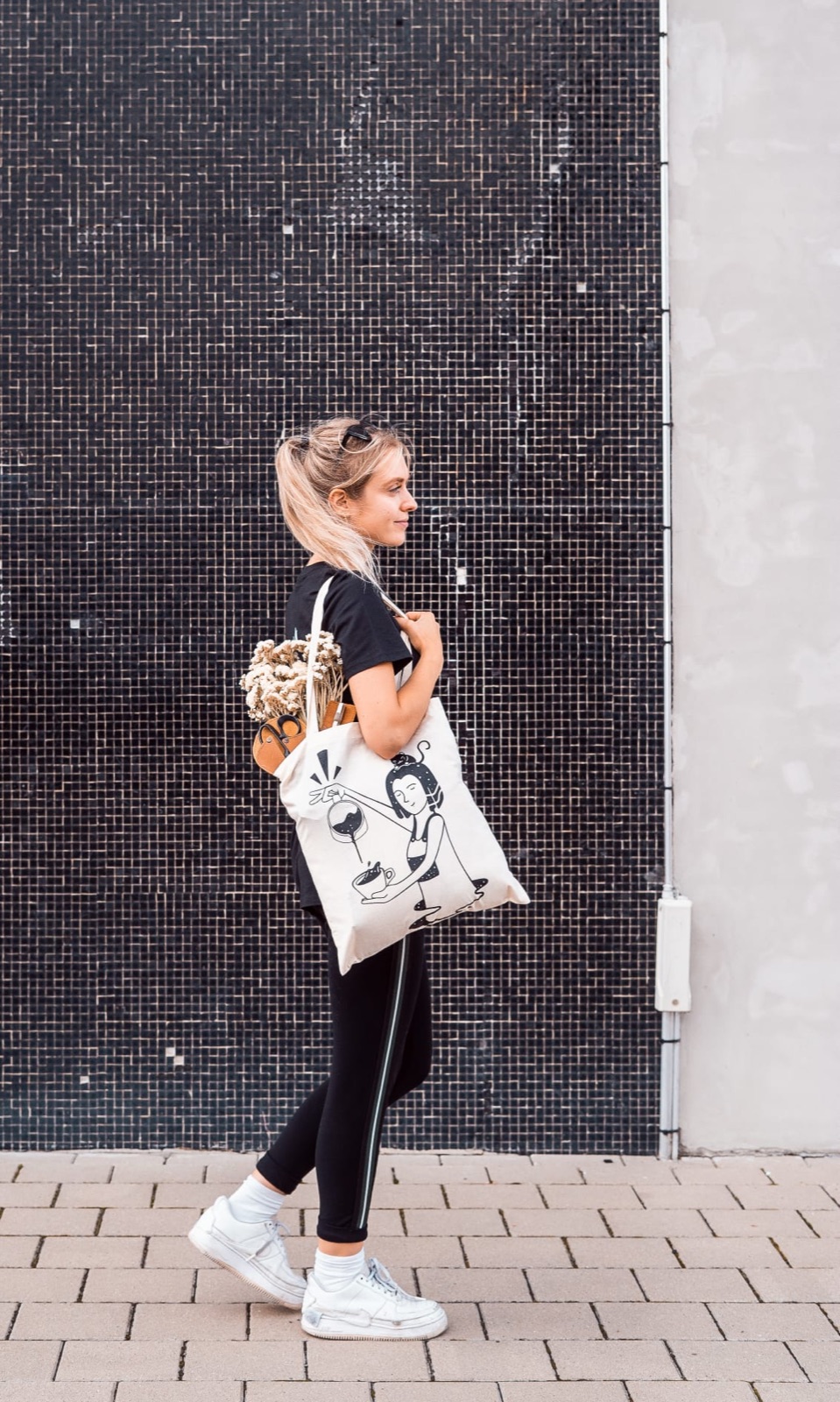
A Malmö-branded custom tote bag, built to be kept and reused.
Made and sewn in Europe
Where and how a bag is made is part of its footprint, and it is something we can verify rather than market. Our totes are produced and sewn in Europe, complying with European manufacturing standards, with production kept close to the customer. That matters for three concrete reasons:
- Shorter shipping legs. Production near the customer means fewer transport miles than long-haul sourcing from the other side of the world.
- Verifiable standards. European manufacturing standards cover labour and environmental conditions, so the claim is anchored in regulation, not a self-issued badge.
- Quality you can stand behind. Closer production makes it easier to hold the build to the durability bar that actually makes a bag sustainable.
We would rather say "made and sewn in Europe to EU standards" than make a vague carbon claim we cannot substantiate. It is a smaller statement, but it is true. See how it works for the production flow, and the catalog for the recycled and organic range.
Custom tote bags at a brand event, the durable build that makes a bag genuinely sustainable.
Claims that hold up
If you want a sustainability story that survives scrutiny, follow the same rules we do. Be specific, be verifiable, and lead with durability.
- Name the material and its certification, GOTS organic cotton, rPET from a stated number of bottles, recycled cotton percentage. Specific beats generic.
- Talk about durability and reuse, not offset. A bag built to last years is the honest claim.
- State where it is made. "Produced and sewn in Europe to EU standards" is verifiable in a way that "eco-friendly" is not.
- Design it to be kept. Restrained branding and a beautiful build do more for the planet than a leaf icon ever will.
Get this right and your sustainable tote earns its claim, because people use it. Preview your design in your colours with the free tote bag mockup generator and build it on the custom tote bags page.
Sustainable tote bags: questions answered
Are custom tote bags actually sustainable?
Only if they get reused. A cotton tote has a real production footprint, and whether it is a net positive depends on how many times it replaces a single-use bag. A durable, desirable tote used for years is genuinely sustainable. A flimsy one that gets binned is not, whatever the material. Durability is the real sustainability feature.
What is the most sustainable tote bag material?
There is no single winner. Organic cotton with GOTS certification, recycled cotton, rPET canvas made from recycled bottles, and jute all have a credible, specific story. The best choice is the one that is durable enough to be used for years. A specific claim, like a recycled-bottle count, beats a generic eco label.
Does Sunday make sustainable tote bags?
Yes. We offer organic and standard cotton, canvas, polyester, heavy polyester canvas, recycled felt and other recycled materials. Our totes are produced and sewn in Europe, complying with European manufacturing standards, with production kept close to the customer.
Why not just claim the tote offsets its footprint?
Because that depends on real-world use, which we cannot guarantee. We will not claim every cotton tote definitely reaches the use-count needed to offset its footprint. Instead we make the bag good enough that people use it, and we state verifiable facts like where it is made and what it is made from.
What does made and sewn in Europe change?
Shorter shipping legs than long-haul sourcing, compliance with European manufacturing standards covering labour and environmental conditions, and easier quality control to hold the durability bar. It is a verifiable claim, not a vague one.
How do I make a credible sustainability claim on my tote?
Be specific and verifiable. Name the material and its certification, lead with durability and reuse rather than offset, state where the bag is made, and design it with restrained branding so people want to keep it. Specific and true beats vague and impressive.
Keep reading: custom tote bags
Build a tote people keep
Preview a durable, EU-made tote in recycled or organic materials, in your colours, live in 30 seconds.
Get free designs