
For most custom tote bags, printing beats embroidery. Screen print cotton and canvas for crisp, large, cost-effective logos. Use sublimation on synthetic, water-resistant fabrics for full-colour artwork and gradients. Embroidery suits small patch-style marks and a premium tactile feel, but it is slower, pricier, and limited on a large flat panel. For a fashion-led finish, woven handles, tapes or labels often beat both.
On a tote, the decoration question is not really "print or embroider." It is "what does the bag need to look like, what is it made of, and how much branding belongs on it." Get those three right and the method picks itself. Most of the time, that points to printing. But there are real cases where embroidery, or a woven handle, or a small leather label, is the better call. This guide walks through each one with the costs and trade-offs spelled out.
The quick verdict
Tote bags are mostly flat cotton, canvas or recycled material with a generous print area. That plays to printing, not stitch. Embroidery shines on caps, polos and jacket chests where a small, dense logo sits on structured fabric. On a big soft panel, a large embroidered design is slow to produce, raises the cost fast, and can pull the fabric. So the rule of thumb is simple: decorate the bag with the method that matches the material, and reserve embroidery for small, premium, patch-style marks where you want the texture.
Screen printing: the default for cotton and canvas
Screen printing pushes ink through a mesh stencil onto the fabric. It is reliable, crisp and effective on a large flat surface, which is exactly what a cotton or canvas tote gives you. It is the right call for straightforward designs: a logo, a slogan, a one or two colour graphic. Because the cost is driven by the number of colours and the size of the run rather than the size of the design, it scales beautifully. A bold print across the whole panel costs little more than a small one.
- Best for cotton and canvas, the most common tote materials.
- Crisp, durable, vivid result on a large flat panel.
- Cost driven by colour count and quantity, so big designs stay affordable.
- Ideal for clean logos, slogans and one to three colour graphics.
The limit is colour complexity. Each colour needs its own screen, so photographic images, gradients and heavily detailed artwork get expensive and lose fidelity. When the design is that rich, the answer is sublimation, not more screens.
Sublimation: full colour on synthetics
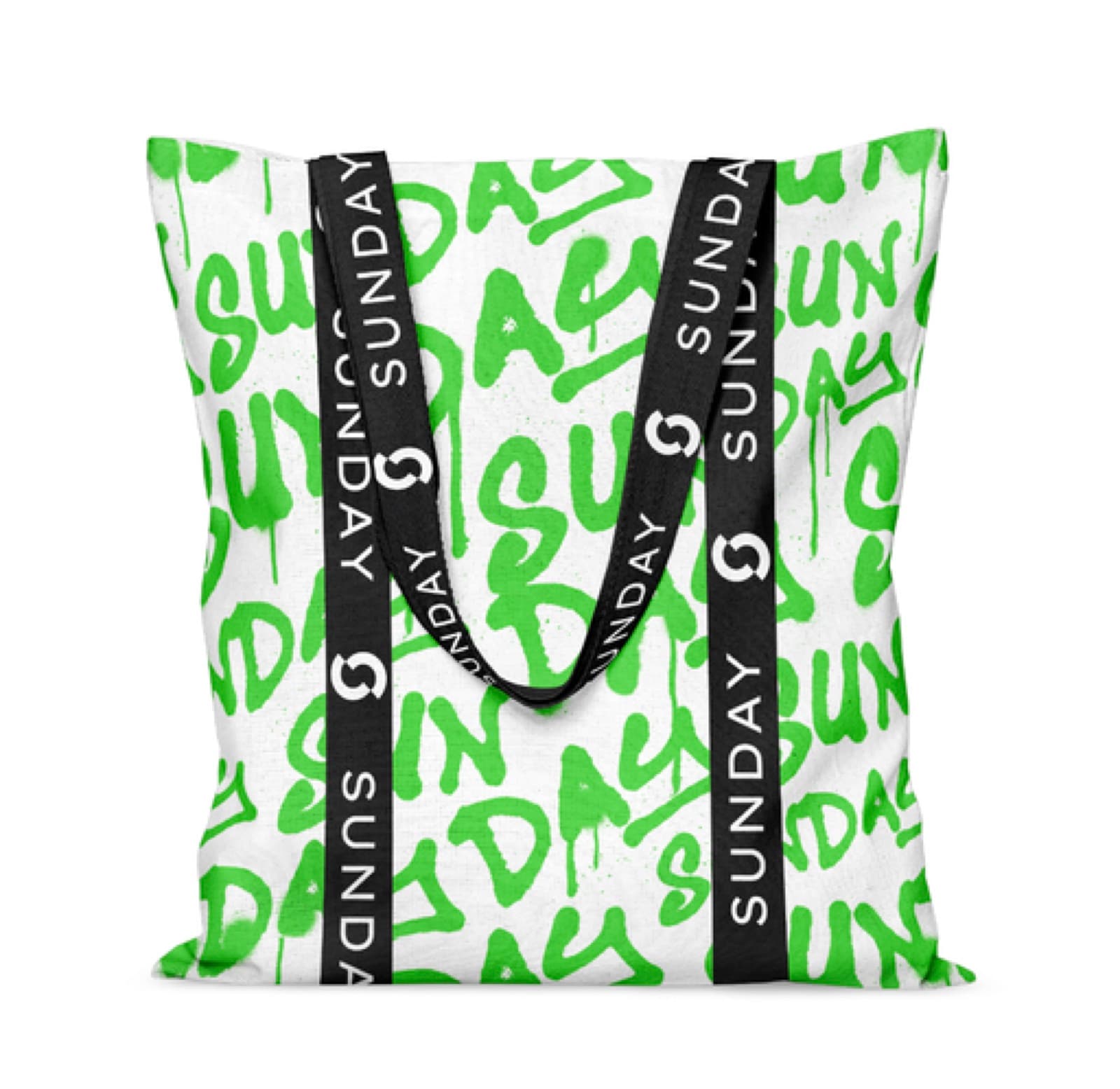
Sublimation turns dye into gas that bonds into synthetic fibres, so the colour becomes part of the fabric rather than sitting on top. It supports full-colour artwork, gradients and complex designs at an accessible price, and it suits synthetic, water-resistant materials like polyester and heavy polyester canvas. If you want the bag to be the canvas, with edge-to-edge artwork and photographic detail, this is the method.
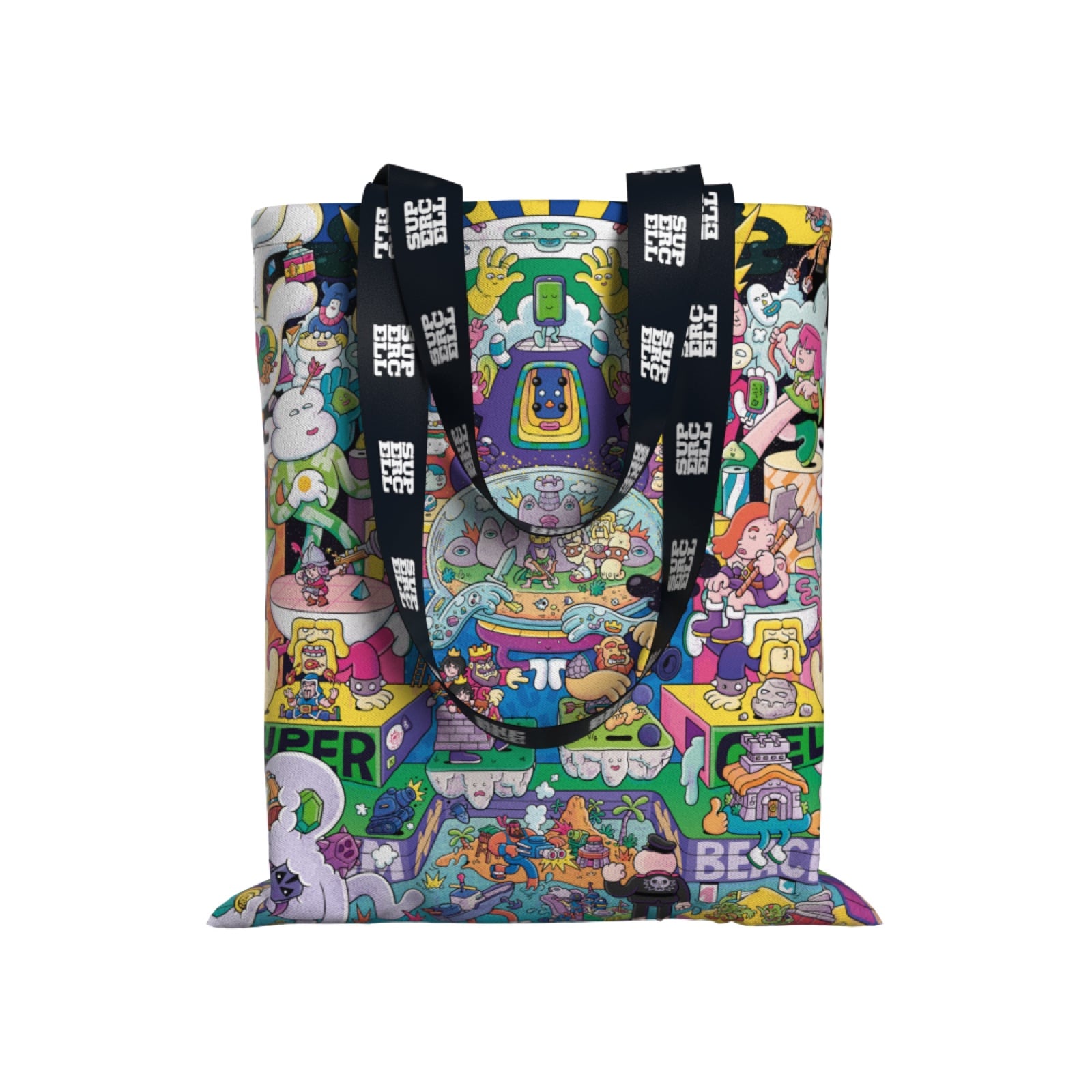
A full-colour Supercell tote bag design. Sublimation lets the bag become the canvas, with rich edge-to-edge artwork.
The trade-off is the material. Sublimation does not work on natural cotton, and it shows best on light-coloured synthetic fabric. So your method choice and your material choice are linked: a soft organic-cotton bag points to screen print, a vivid full-colour bag points to a synthetic base and sublimation. Decide the look first, then let it choose the fabric and the decoration together.
Embroidery: when stitch wins
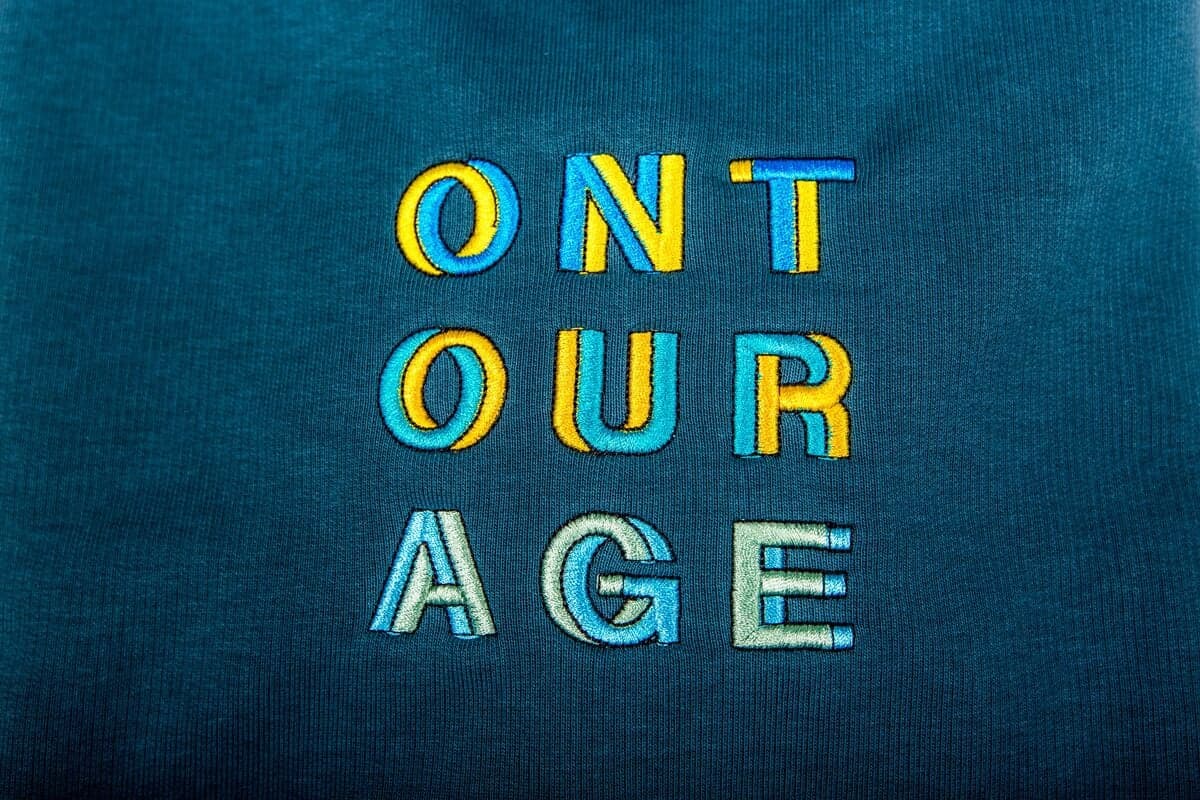
Embroidery stitches thread directly into the fabric. It looks and feels premium, it is hard-wearing, and it carries a quality signal that print cannot match. On a tote, it earns its place in one situation: a small, patch-style logo or monogram, often on a corner, a pocket or a label, where you want the raised texture and the heritage feel.
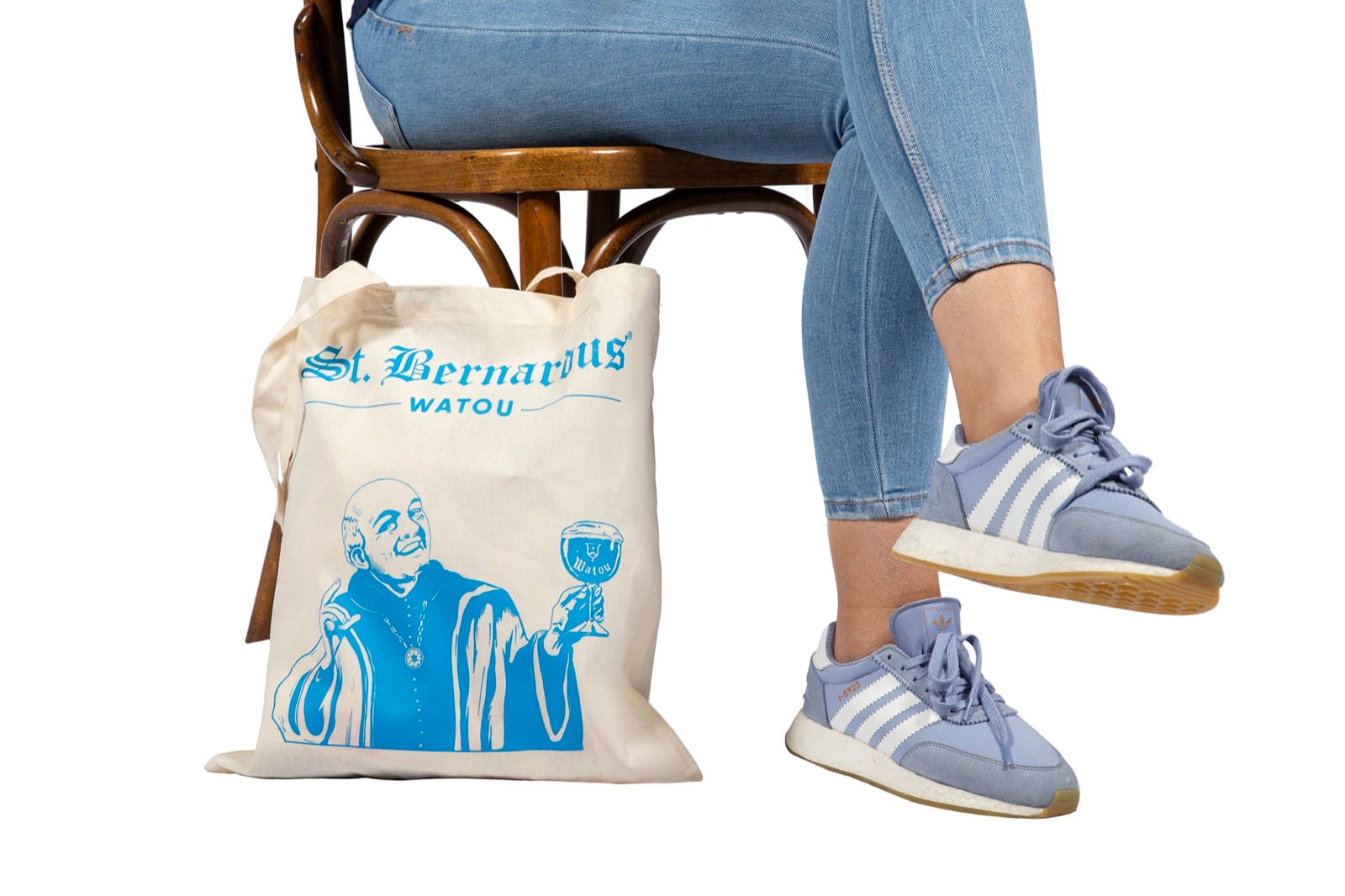
A St Bernardus-branded custom tote bag. A clean, restrained logo keeps the bag wearable while carrying the brand.
Where it struggles is scale. Embroidery is priced by stitch count, so a large design across a soft tote panel is slow, costly and can distort or pucker the fabric, especially on lightweight cotton. It also cannot reproduce fine detail, gradients or photographic artwork. As a rule, if your mark is bigger than a hand or more than a couple of colours, print it. If it is small and you want it to feel crafted, stitch it.
Woven handles, tapes and labels
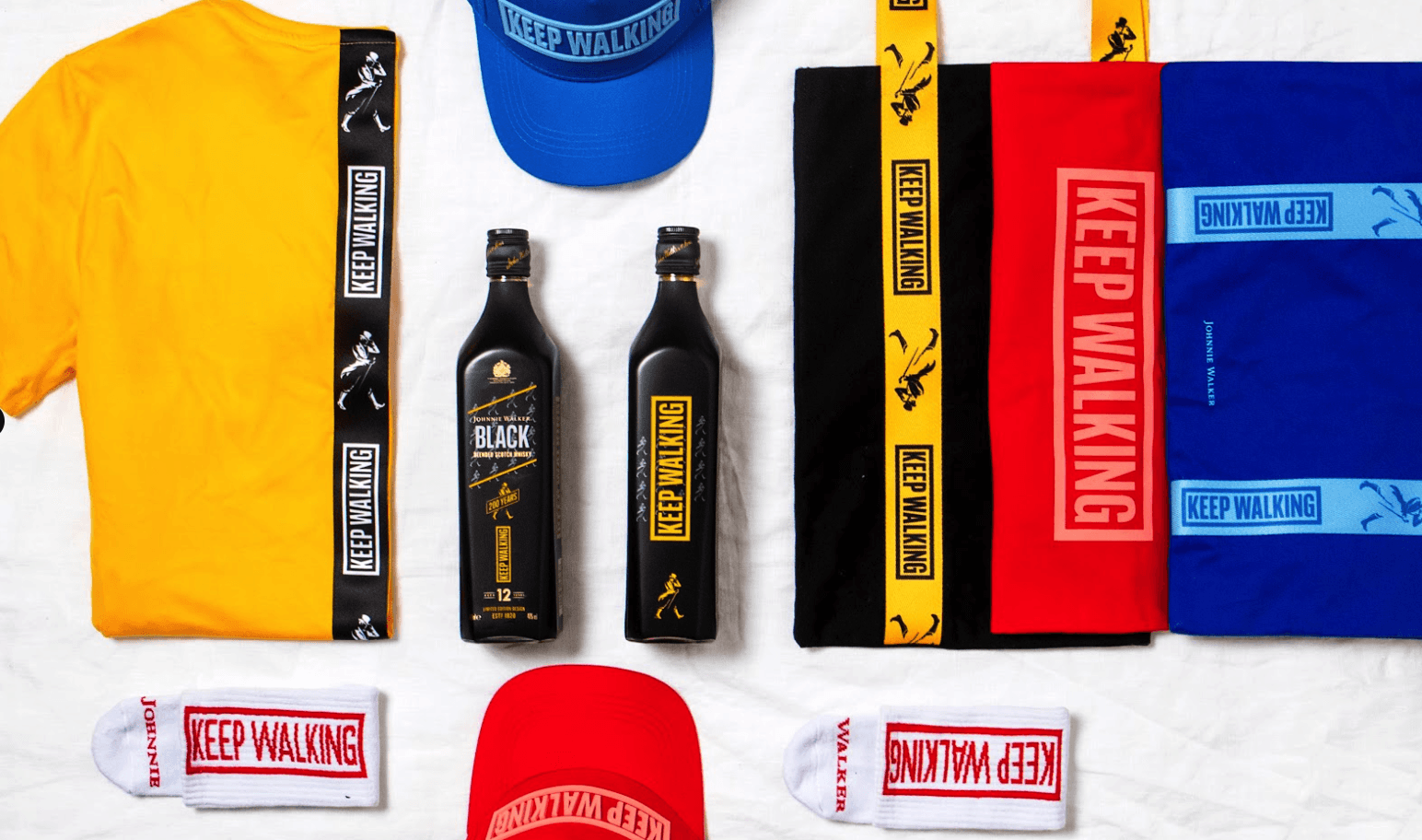
The most underused tote decoration is not on the panel at all. Custom woven handles or tapes let you keep the body clean and understated while the handles carry a repeating logo or pattern. Labels, whether flag, side-seam, handle or leather, add a fashion-led, premium finish without covering the bag in branding. These options often beat both print and embroidery when the goal is a bag people would happily carry, because restraint reads as premium and a bag that gets kept does the branding work for years.
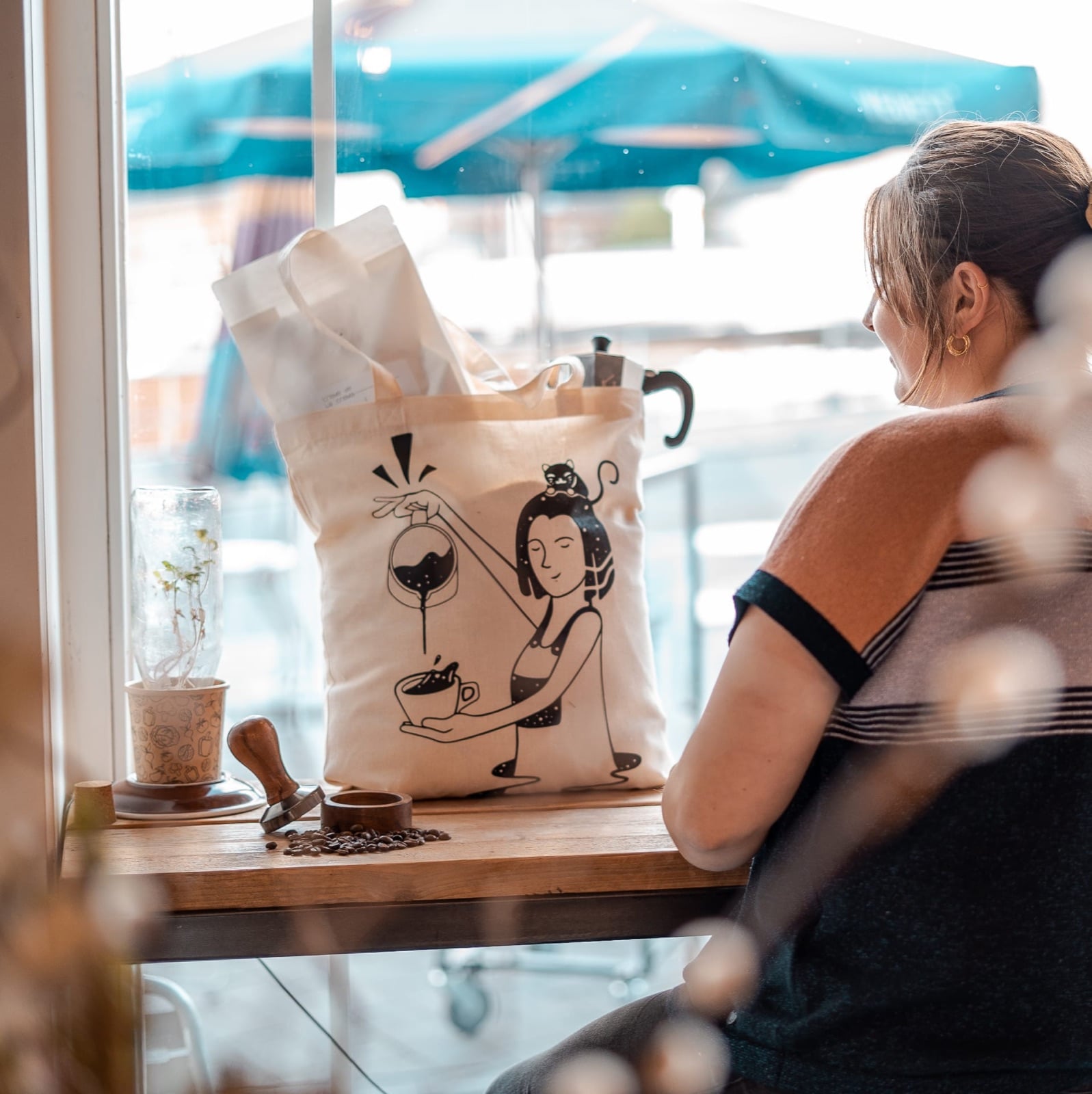
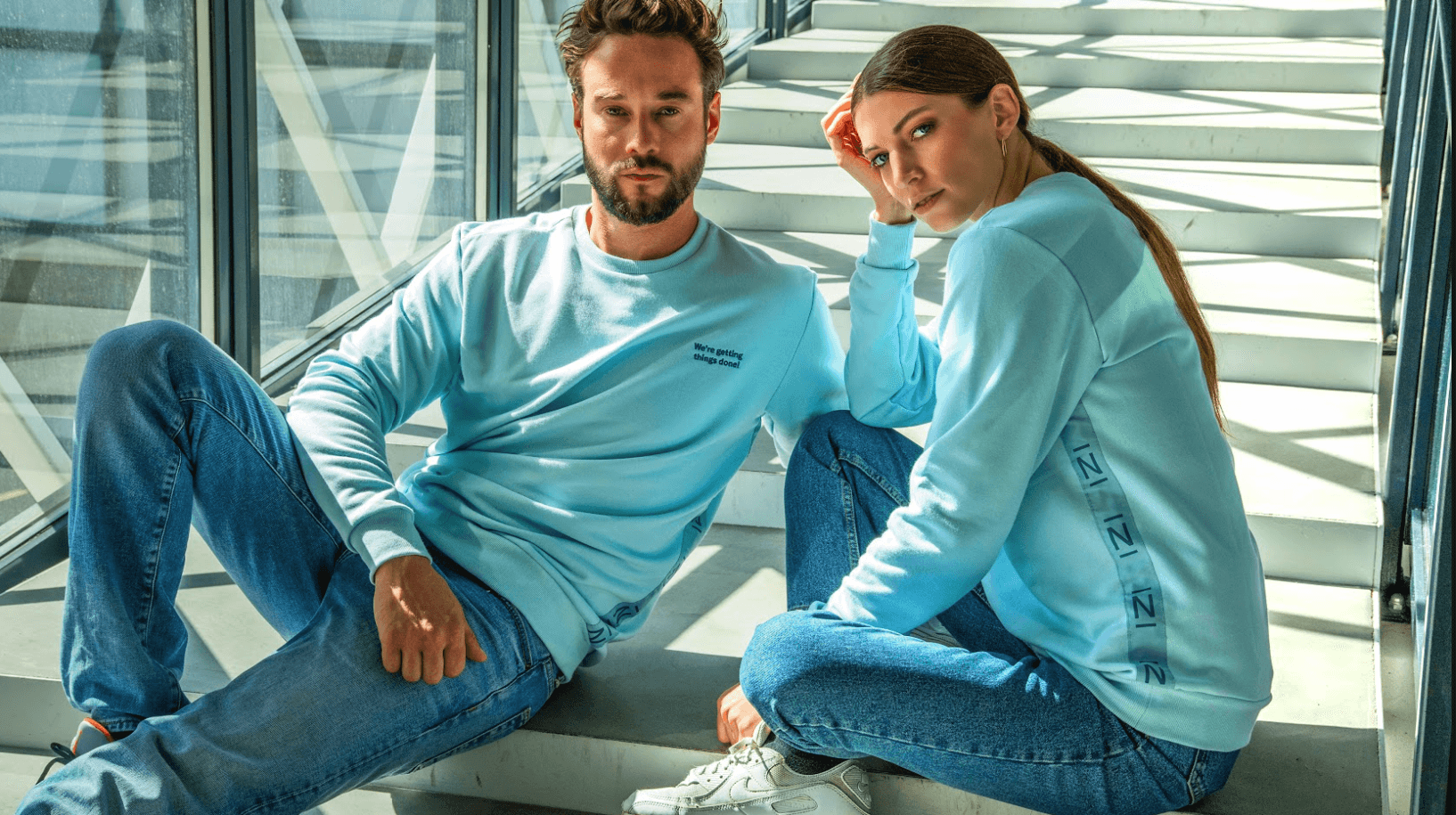
A Malmö-branded custom tote bag. A restrained, premium finish makes a bag people are happy to carry.
Side-by-side comparison
| Method | Best for | Look | Cost driver | Watch out for |
|---|---|---|---|---|
| Screen printing | Cotton, canvas, straightforward designs | Crisp, reliable, vivid on a flat panel | Number of colours and quantity | Limited on gradients and many colours |
| Sublimation | Synthetic, water-resistant materials | Full colour, gradients, edge to edge | Mostly artwork and quantity | Needs synthetic, lighter fabric; not for cotton |
| Embroidery | Small patch-style logos, premium feel | Raised, tactile, heritage | Stitch count and design size | Slow and costly at size; can pucker soft fabric |
| Woven handles / tapes | Premium finish, clean body | Repeating logo on the handles | Setup and quantity | Best designed in from the start |
| Labels | Fashion-led detail | Flag, side-seam, handle, leather | Label type and quantity | A finishing touch, not your main logo |
How to choose for your tote
Work in this order. First decide the material and the weight, targeting around 220 to 270 gsm with reinforced handles and cross-box stitching where the handles meet the body, so the bag passes the six-bottle test and carries roughly six full bottles without the handles tearing. Then match the decoration to it. Cotton or canvas with a clean logo means screen print. A synthetic, water-resistant bag with rich artwork means sublimation. A small premium mark means embroidery on a label. A fashion-led look means woven handles plus a light print.
You can also combine techniques, though each one adds cost. The main cost drivers across the board are order quantity, the number of decoration methods, artwork complexity, full-colour printing, custom handles or tapes, labels and whether you build from scratch or decorate a ready-made bag. At Sunday you can decorate a ready-made tote from around 50 pieces or build a fully custom bag from scratch from around 100, with pricing improving a lot at 1,000 or 5,000 units.
Before you commit, preview the design in your colours and on your chosen fabric with the free tote bag mockup generator, since the same logo reads differently as a print and as stitch. When you are ready, browse the catalog, see how it works, and order from the custom tote bags page. Everything is made and sewn in Europe to EU manufacturing standards and ships worldwide on one platform.
About this article
Tote bag printing vs embroidery: questions answered
Is printing or embroidery better for a tote bag?
Printing is better for most tote bags. Totes are large flat panels of cotton, canvas or recycled material, which suits screen printing for clean logos and sublimation for full-colour artwork. Embroidery is best kept for a small, patch-style logo where you want a raised, premium texture. A large embroidered design on a soft tote panel is slow, costly and can pucker the fabric.
When should I use sublimation instead of screen printing on a tote?
Use sublimation when the design is full colour, has gradients or photographic detail, and the bag is a synthetic, water-resistant material like polyester or heavy polyester canvas. Use screen printing for cotton and canvas with clean logos and one to three colours. Sublimation does not work on natural cotton, so your decoration choice and your material choice are linked.
Does embroidery work on cotton tote bags?
Yes, but keep it small. A small patch-style logo or monogram embroiders well and looks premium. A large embroidered design on lightweight cotton can distort or pucker the fabric and gets expensive fast, because embroidery is priced by stitch count. For anything bigger than a hand-sized mark, printing is the better and cheaper route.
What is the most premium way to brand a tote bag?
Often it is not a large logo at all. Custom woven handles or tapes keep the body clean while the handles carry a repeating logo, and flag, side-seam, handle or leather labels add a fashion-led finish. Pairing a light screen print with a woven handle or a small embroidered label reads as more premium than a big print, and people keep bags they find attractive.
How much does decorated tote bag pricing depend on the method?
The main cost drivers are order quantity, the number of decoration methods, artwork complexity, full-colour printing, custom handles or tapes, and labels. A simple one-colour screen print is very affordable. Embroidery, custom woven handles and multiple techniques add cost. Pricing improves a lot at 1,000 or 5,000 units. See the bulk pricing guide for full bands by quantity.
What is the minimum order for a custom tote bag?
Around 50 pieces to decorate a ready-made tote, which is the fast, low-risk route, or around 100 pieces to build a fully custom bag from scratch. Both minimums are low, so you can pilot a design and decoration method before scaling. Pricing then improves significantly at higher volumes.
Keep reading: custom tote bags
See your design printed, not guessed
Preview a premium, EU-made tote in your colours and decoration, and order from a low minimum, live in 30 seconds.
Get free designs