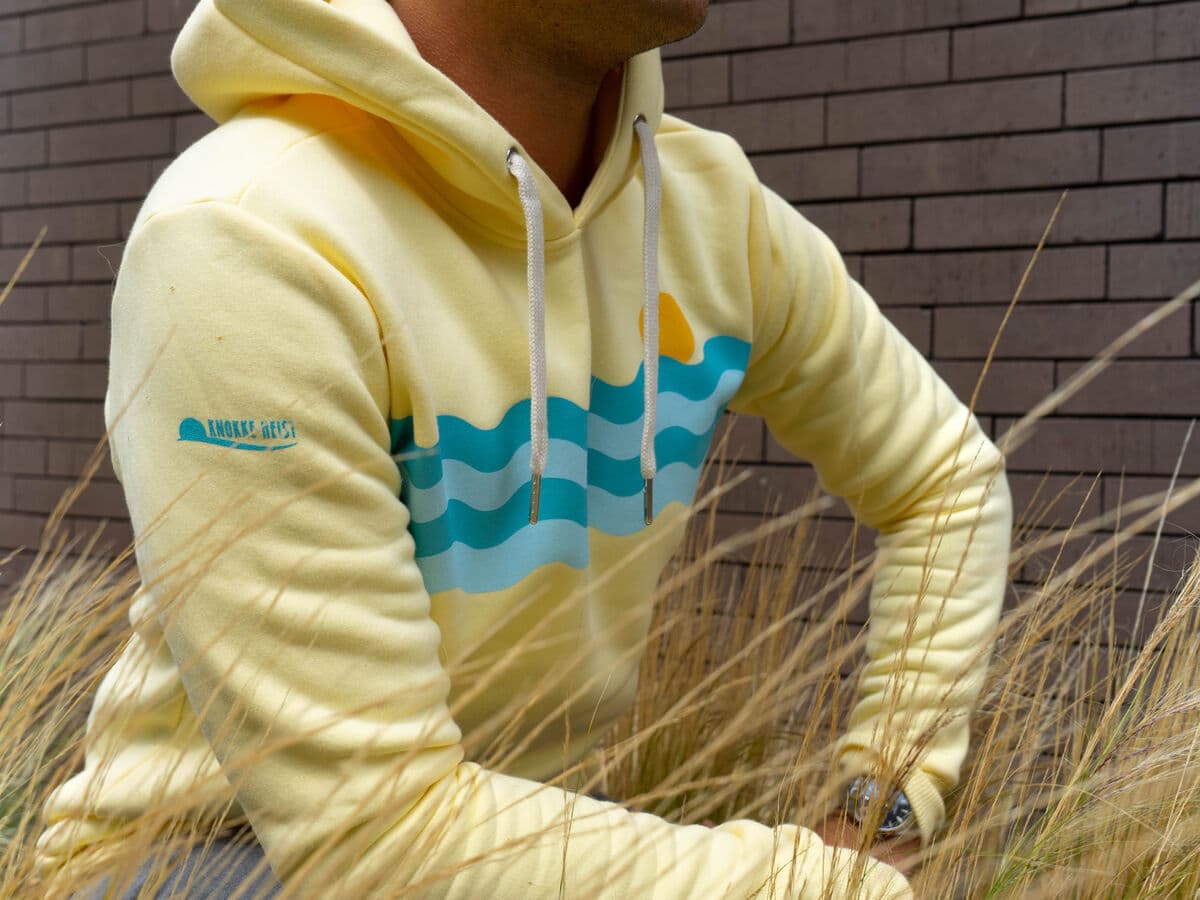

Corporate clothing is a company's branded wardrobe: quality garments with a logo that employees choose to wear. It is not workwear and not a strict uniform. The best programme feels like its own fashion collection: a brand store with 15 to 20 approved items, sizing that fits, decoration that matches the brand, and central management of stock and reorders.
A note upfront: this guide is about companies building a branded clothing line for their own team. Not about one-off giveaways, and not about certified safety wear. The difference with workwear mostly comes down to obligation: workwear belongs to a role and is usually mandatory, corporate clothing is voluntary and only works if people actually want to wear it.
What's in this guide
- What is corporate clothing
- Corporate clothing, workwear, or a uniform
- Think collection, not merch
- What belongs in the wardrobe
- The brand store: 15 to 20 approved items
- Sizing, fit, and corporate clothing for women
- Printing and embroidering corporate clothing
- Three collections that worked
- The employee webshop: points, not invoices
- Reordering and new hires
- Custom corporate clothing versus stock printing
- Sustainability across the whole wardrobe
- Corporate clothing search terms by market
- From hub to garment
- Build your brand store with Sunday
What is corporate clothing
Corporate clothing is a company's branded wardrobe. Not workwear, and not always a strict uniform. It sits closer to corporate fashion: a curated collection of branded garments that employees get to wear if they want to.
The biggest distinction is obligation. Workwear is usually mandatory. Corporate clothing is voluntary. It expresses the brand, builds a sense of belonging, and gives employees access to clothing that matches the identity. And that's exactly the bar: if nobody wears it voluntarily, your programme has failed, no matter how well the budget was allocated.
Corporate clothing, workwear, or a uniform
Three terms that get mixed up, with three different jobs to do. Work out where you sit first, because it shapes your whole approach.
| Corporate clothing | Workwear | Uniform | |
|---|---|---|---|
| Mandatory | Voluntary | Usually mandatory | Mandatory |
| Purpose | Brand experience, pride, belonging | Function, comfort, durability | Instant recognisability |
| Typical | Jackets, hoodies, knitwear, shirts, accessories | Polos, softshells, work jackets, aprons | Fixed outfit per role |
| Sector | Broad: office, tech, retail, industry | Retail, hospitality, service, installation | Retail, hospitality, aviation, logistics |
| Succeeds when | People would buy it themselves | It survives the job and the wash | The customer instantly sees who works there |
Workwear is tied to a role or task and sometimes needs practical or safety specifications. For that, read our separate guide on branded workwear. Uniforms are role-bound and usually mandatory, with instant recognition as the goal. Corporate clothing is the voluntary, branded wardrobe: quality everyday pieces employees choose because they genuinely like them.
Think collection, not merch
The best corporate clothing feels like the company's own fashion line. That's not an aesthetic luxury, it's the whole strategy. A collection has a line, a story, and pieces that belong together. Loose merch doesn't.
In practice that means: start from how the brand looks and feels, not from a catalogue of printable blanks. Choose a limited number of pieces that work together. Repeat those pieces instead of inventing something new every quarter. That way you build a wardrobe that grows, instead of a drawer full of one-off campaigns.
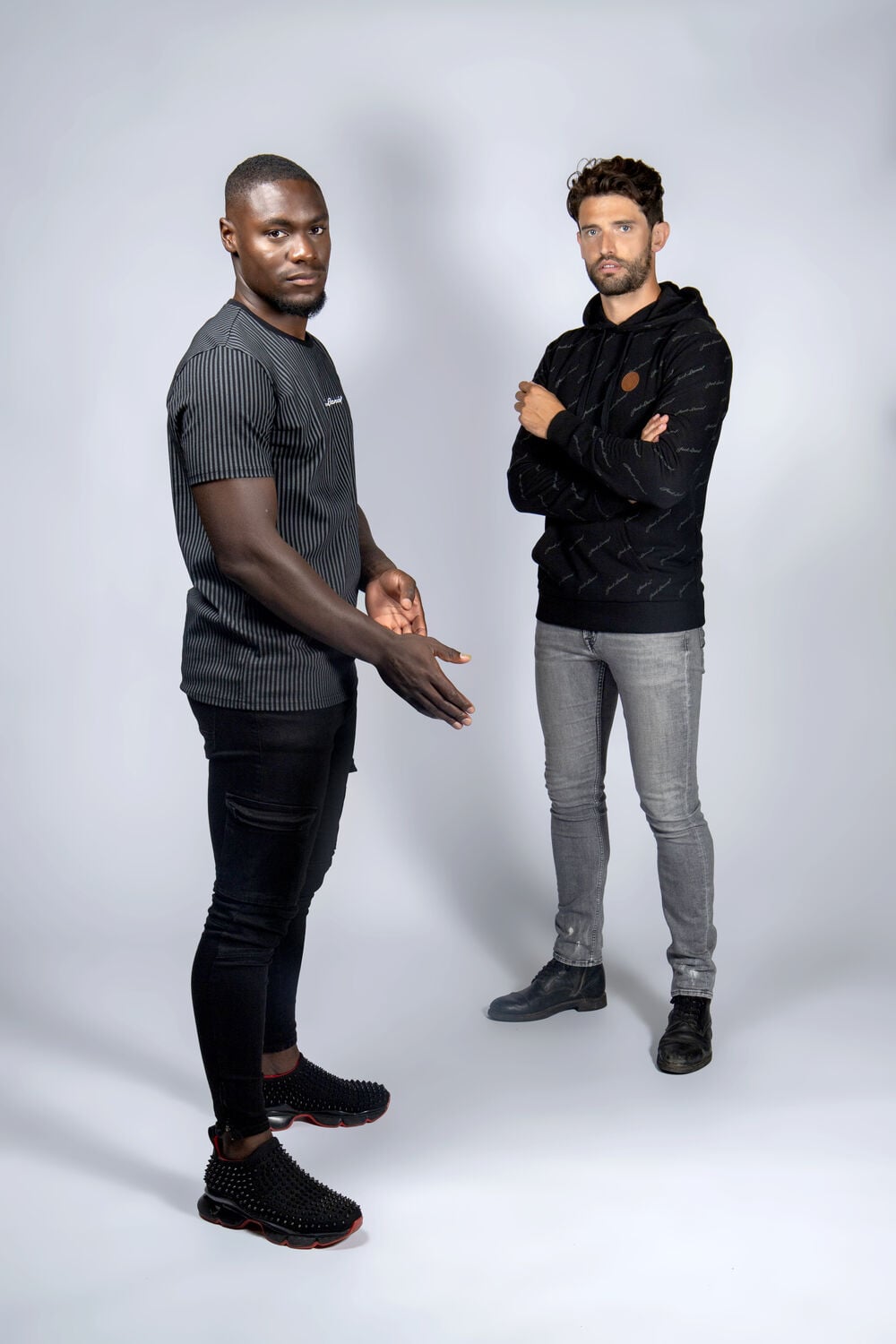
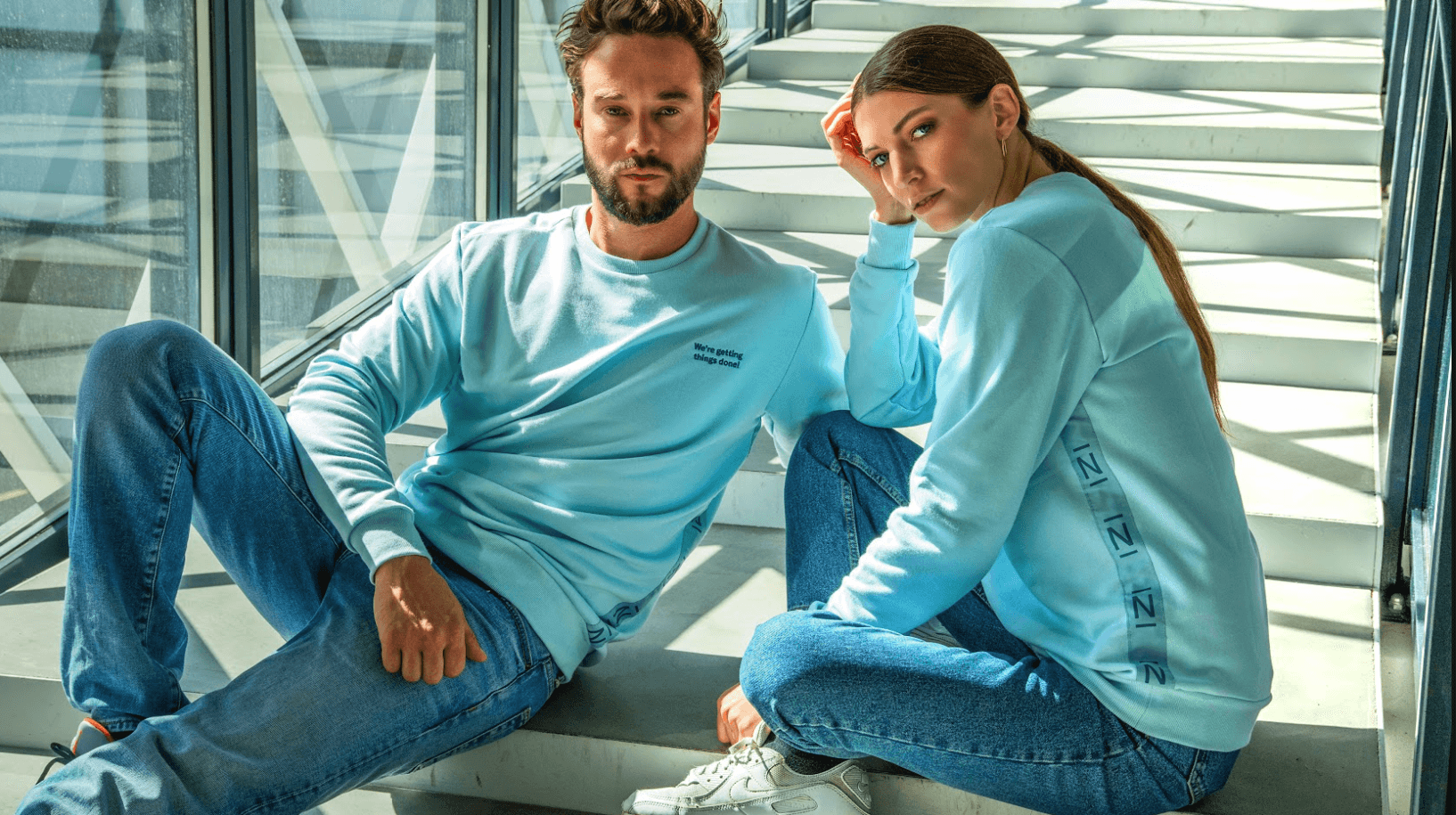
Corporate clothing at its best: clothing with its own cut, pattern, and signature, that employees would wear outside work too.
What belongs in the wardrobe
What you include depends on your brand style. But there's a universal starting point.
Jackets are the foundation
For almost every company, jackets are the strongest base. Puffers, Michelin-style models, gilets, softshells, windbreakers. They're practical, visible, and work in many situations: commuting, at events, in the office, outdoors. If you don't know where to start, start with branded jackets.
By brand style
- Traditional brands. Business shirts, polos, knitwear, merino and classic sweaters, understated jackets, accessories like backpacks and laptop sleeves.
- Young, creative, and startup brands. Hoodies, oversized tees, distinctive cuts, custom patterns, caps, beanies, statement outerwear, and experimental pieces.
- Active brands. Lightweight sportswear and performance pieces for teams that move, train, or run events.
- Accessories, always. Backpacks, laptop sleeves, caps, beanies, and bags round out the wardrobe and are size-free.
The mix depends on how formal, expressive, or fashion-driven your brand is. A law firm and a gaming studio don't buy the same collection, and they shouldn't.
The brand store: 15 to 20 approved items
This is the operational heart of corporate clothing, and the part most companies skip. Start with the brand team. Have them assemble an internal brand store: roughly 15 to 20 pre-approved, on-brand items. That's the standard wardrobe.
Teams then order from that approved selection whenever they need clothing or merch. New approved products get added, and the store grows into a complete branded wardrobe.
What this cleans up: scattered design requests, inconsistent garments, approval delays, off-brand choices, back-and-forth emails, and fragmented ordering. For larger companies this is essential. Departments can move fast and still stay on-brand.
Sizing, fit, and corporate clothing for women
Sizing is the biggest operational risk in corporate clothing, and also very manageable. Start with clear, accurate size charts.
Sunday's clothing sits close to fashion sizing. If you wear a medium in your favourite shirt, you'll probably wear a medium with us too. That avoids the trap of garments running unusually small or large, and in practice it results in very few returns.
- Men's and women's fits. Corporate clothing for women is its own cut, not a unisex compromise.
- Inclusive size range. Everyone on the team should find something that fits.
- Clear measurements and guidance. No guesswork when ordering.
- Consistent sizing on reorders. A medium stays a medium next year.
Predictable sizing makes the whole programme easier. It determines whether people dare to order, and whether you end up with boxes of returns afterwards.
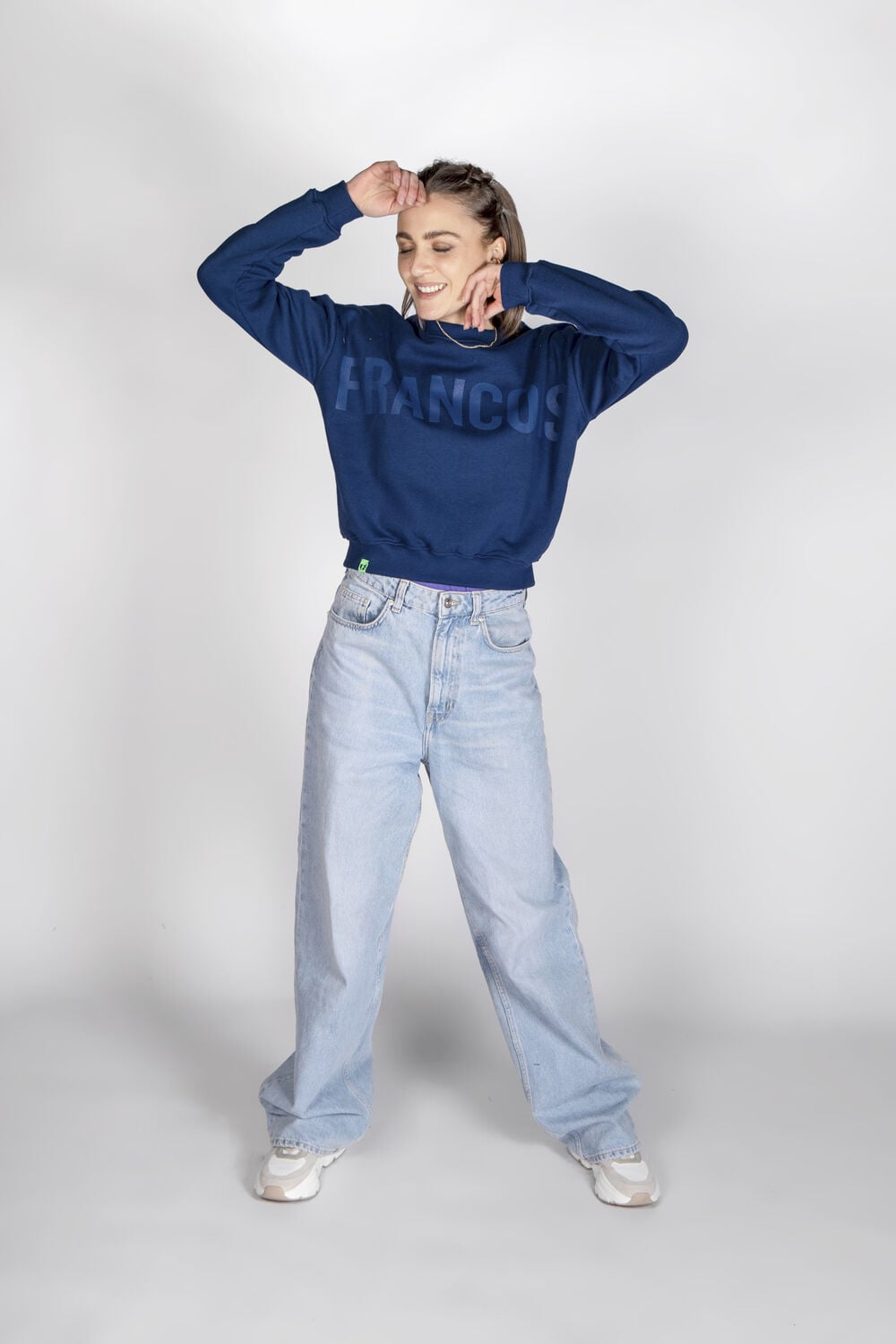
Corporate clothing for women needs its own cut. Sizing that fits like it does in a shop is the difference between clothing that gets worn and clothing that gets returned.
Printing and embroidering corporate clothing
There's no single right way to decorate corporate clothing. It depends on the product, the brand, the style, the audience, and the design direction. The question isn't "what's best", it's "what fits this identity".
- Embroidery. For classic brands. Understated, premium, professional. The standard for shirts, polos, and knitwear.
- Oversized print. For younger, more expressive brands. Big, visible, fashion-driven.
- Patches. For retro and 80s-inspired looks. Works well on jackets and sweaters.
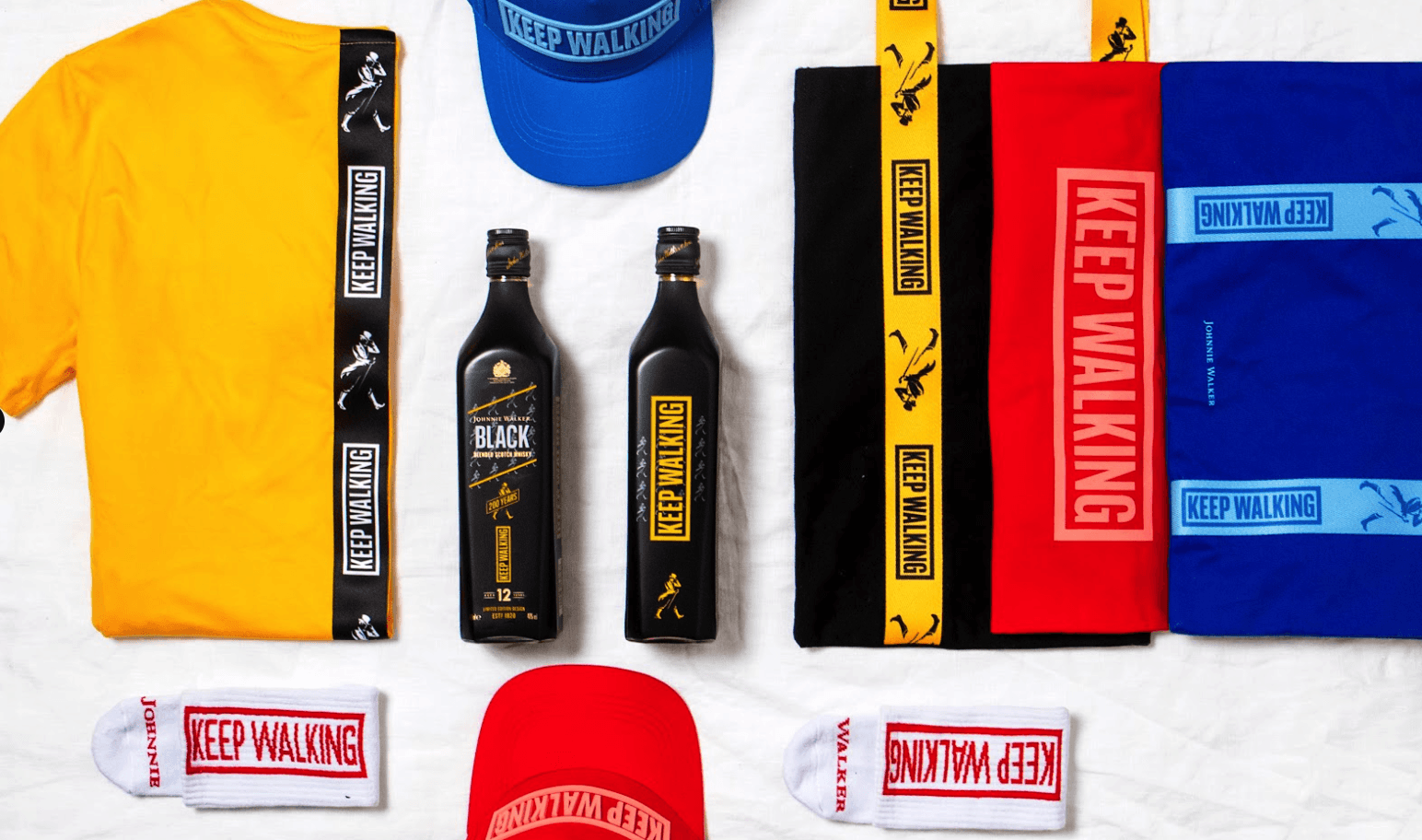
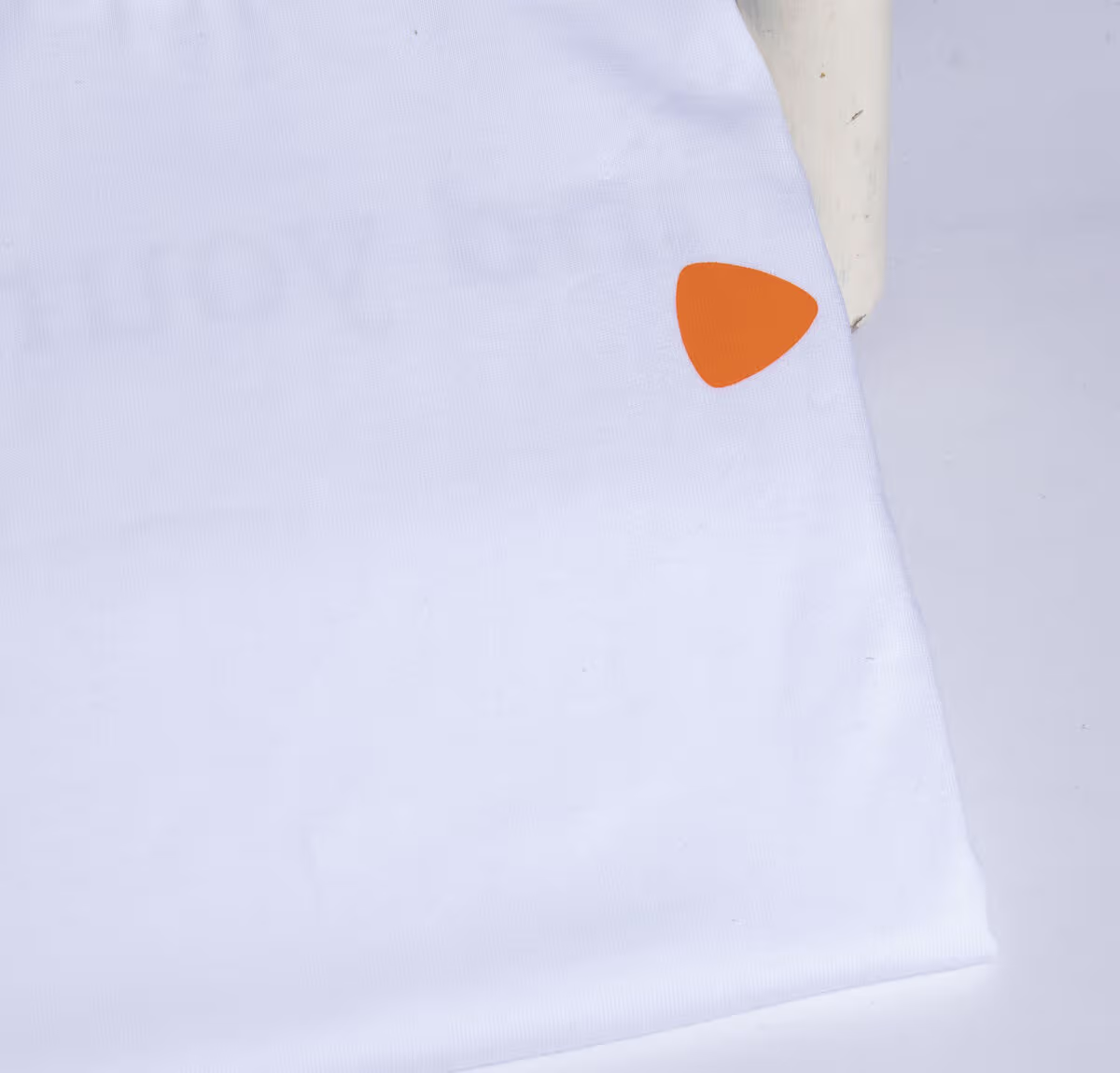
- Labels and trims. Woven labels, leather labels, contrast stitching, custom trims, and branded neck tape. The details that make clothing look expensive.
- Screen printing. The workhorse method for larger runs and colour-fast results.
Match the method to the brand identity, not to the cheapest line item on a quote.
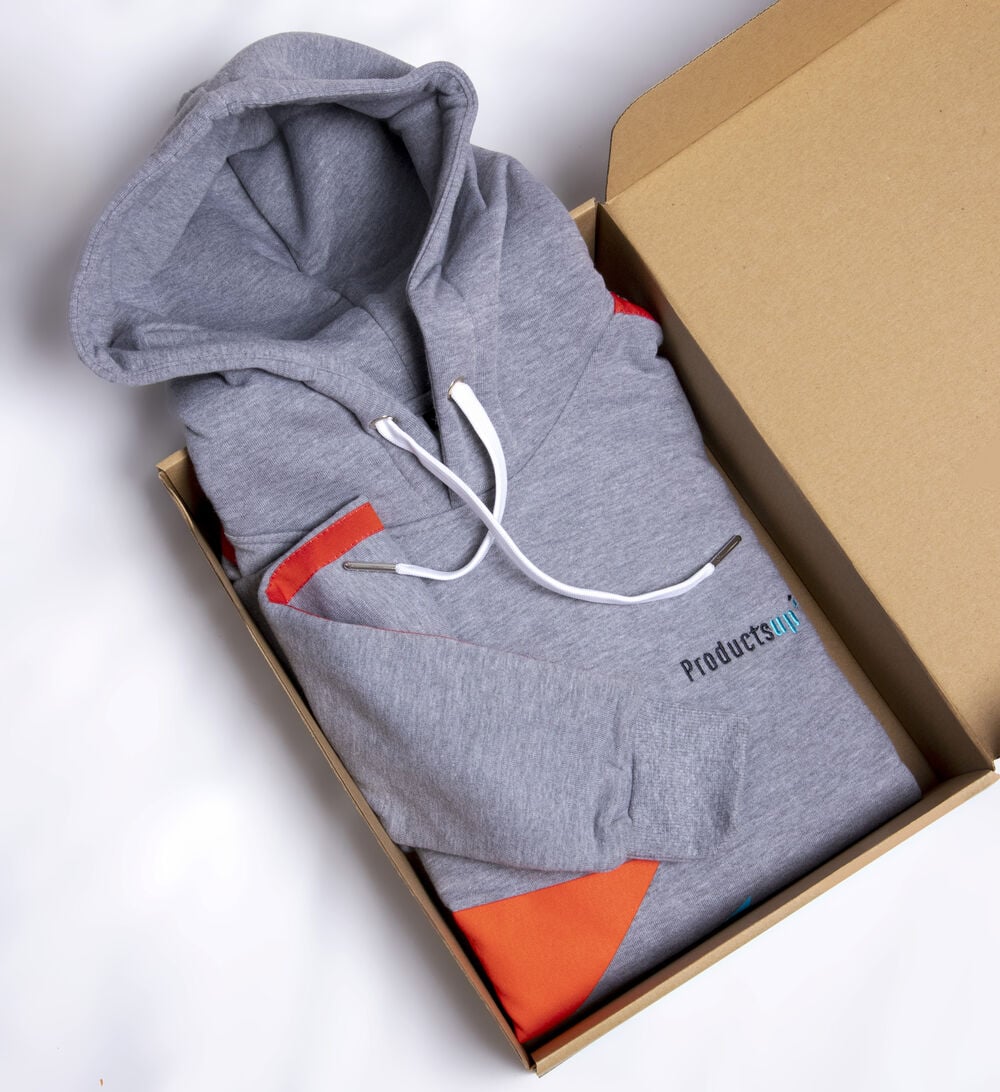
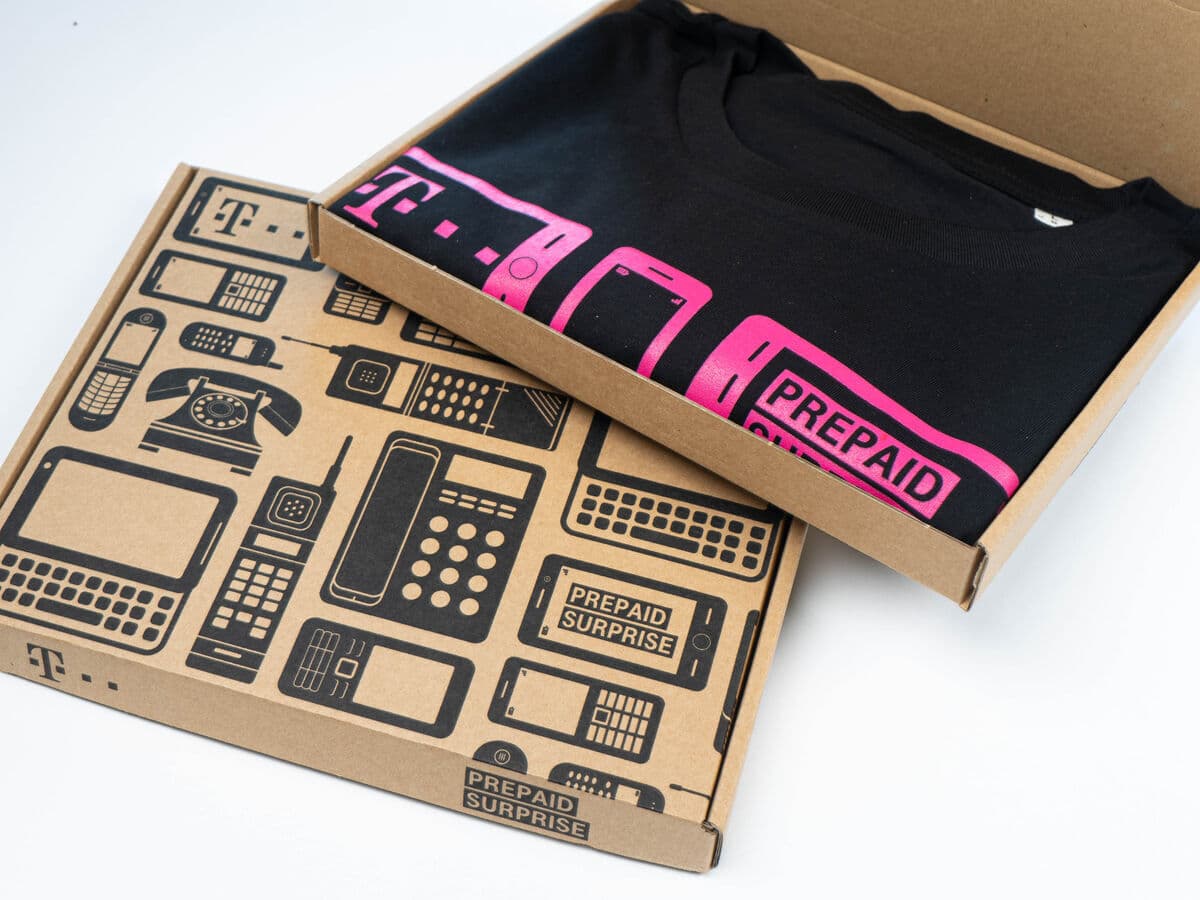
An embroidered logo, brand colours in the details, and thoughtful packaging. That's how corporate clothing feels like a gift instead of a uniform.
Three collections that worked
Theory is easy. These are three programmes that make the approach concrete.
Zalando: beyond printed blanks
Custom corporate clothing with its own patterns, heavyweight hoodies, and special cuts. Not catalogue products with a logo slapped on, but a fully developed corporate-wear approach with its own fit and identity. That's the level custom corporate clothing reaches when you really invest in it.
Bugatti Rimac: a collection built around a launch
A full corporate clothing collection built around the launch of a new hypercar model: racing-inspired hoodies, caps, and branded pieces tied to the launch. It worked because there was a clear story, and because the product itself supplied the inspiration.
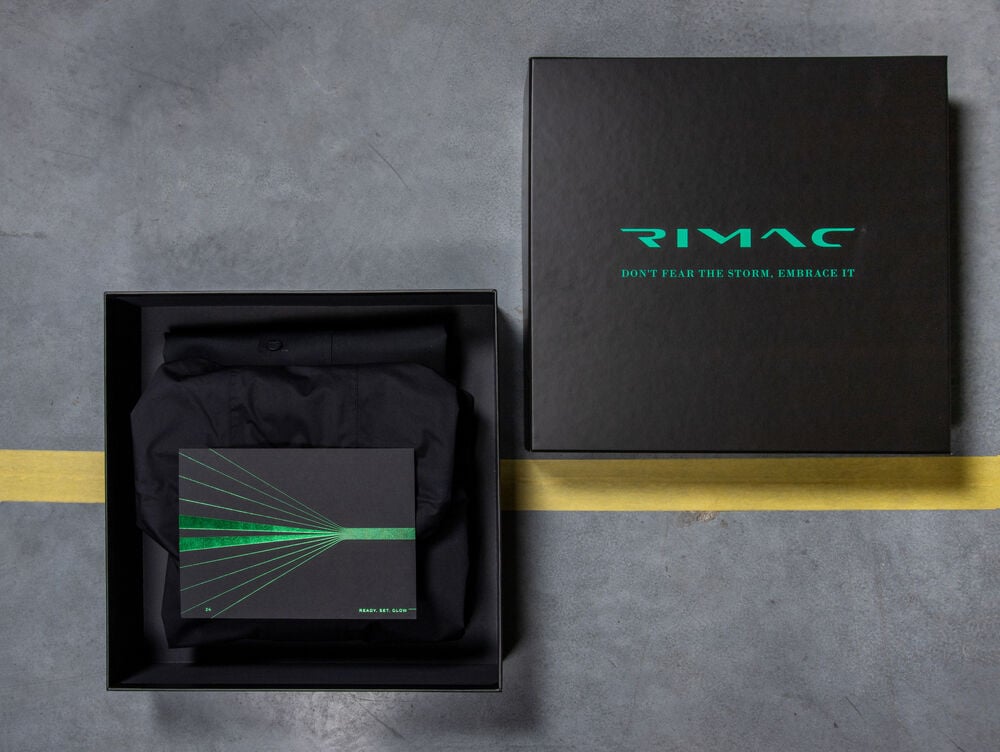
A launch collection works when the story holds up. The product supplies the inspiration, the clothing makes it wearable.
IJsboerke: heritage as a design direction
A well-known Belgian ice cream brand with a branded collection featuring a retro touch, tied to the brand's visual heritage instead of generic corporate clothing. That's exactly why people wanted to wear it.
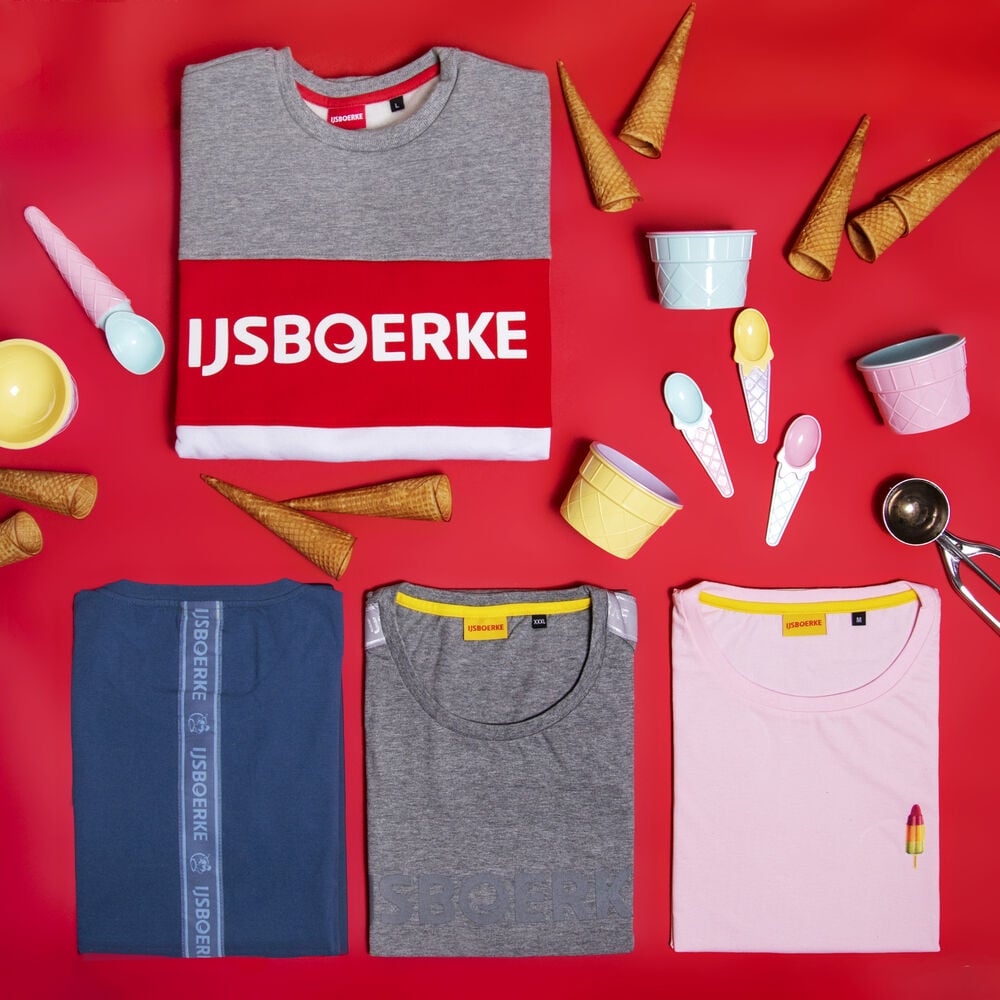
Heritage as a design direction. A collection that draws on the brand's archive feels more personal than a generic branded sweater.
The common thread: every collection had an idea. Not "we need clothing", but "this is who we are, in clothing".
The employee webshop: points, not invoices
An employee webshop or portal is absolutely worth it. But there's a pitfall we see often. Having employees pay directly for corporate clothing rarely works. There are few cases where staff buy branded corporate clothing with their own money.
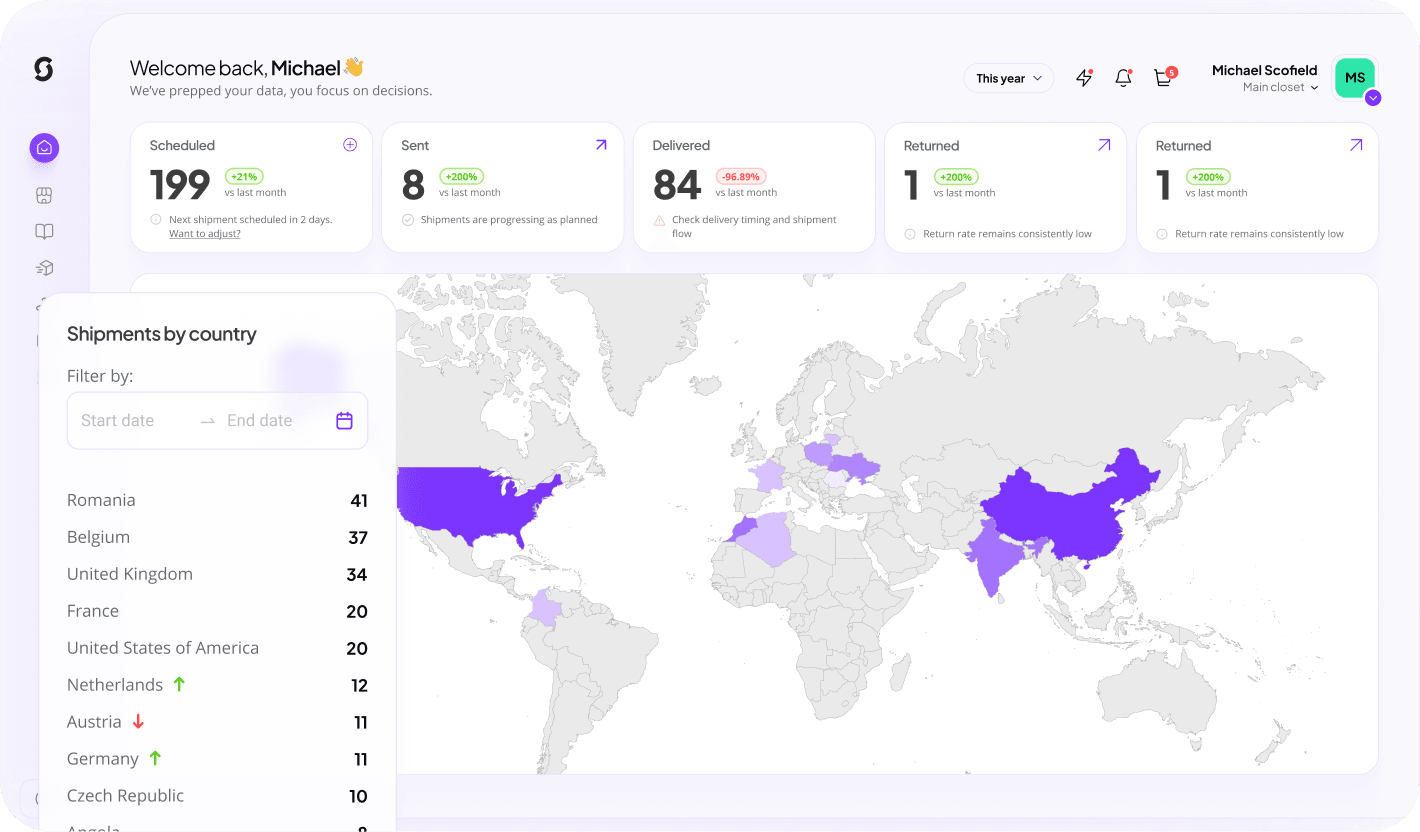
Sunday manages that end to end: building the store, selecting products, branding, stock, the points and coin logic, fulfilment, inventory, and reporting. The store becomes the central home for the corporate wardrobe, and also the place where new hires pick their first pieces.
Reordering and new hires
Manage reorders monthly. Structure, not complexity. With a partner you manage live stock overviews, reorder schedules, new-hire needs, availability, lead times, incoming and outgoing orders, approved items, and upcoming launches.
Organised, this is very little work. Chaotic, it turns into a mess fast. The biggest risk is running your programme through emails, spreadsheets, loose designs, and scattered files, until information disappears and nobody knows what's in stock, what's approved, and what needs reordering.
At scale, a central platform isn't a luxury, it's a requirement. That's exactly what the Sunday platform is built for.
Custom corporate clothing versus stock printing
Minimum quantities, lead times, and prices depend on the garment, the decoration, the stock, and the degree of customisation. These are the real cost drivers.
- Garment type and quantity.
- Fabric quality.
- Custom fit or pattern development.
- Decoration method and number of branding positions.
- Packaging, reorder model, and the choice between stock and fully custom.
| Stock printing | Custom corporate clothing | |
|---|---|---|
| Best for | Getting started fast, smaller quantities, a first test | A distinct look and a long-term wardrobe |
| Quantities | Lower quantities possible | Higher starting volumes |
| Lead time | Faster, less preparation | More preparation and development |
| Result | Good clothing with your logo | Clothing that can only be yours |
Most companies start with stock printing and grow toward custom as the wardrobe takes shape and demand becomes predictable. That's a solid route.
Sustainability across the whole wardrobe
Look at sustainability across the full wardrobe, not per product. Choose products people actually want to wear. Avoid disposable clothing. Use durable garments. Keep styles consistent. Limit one-off designs. Manage your stock well, avoid overproduction, and reorder intelligently.
Corporate clothing search terms by market
In the Netherlands buyers search for bedrijfskleding, in Belgium you often see bedrijfskledij. Same product, different search language. People also search for terms like corporate clothing with a logo, corporate clothing printing, corporate clothing embroidery, and custom corporate clothing.
We build our pages around the local commercial language buyers actually use, not translated Dutch or French. And anyone searching for promotional apparel often lands here too: branded apparel for teams and events falls in practice under this wardrobe or under event merchandise.
From hub to garment
This page is the hub above the individual clothing categories. From here you build further per piece, and together they form a wardrobe instead of a collection of one-off orders.
- Branded jackets: the foundation of almost every corporate clothing line.
- Branded hoodies: the most-worn piece among younger brands.
- Branded polos: the bridge between corporate clothing and workwear.
- Branded sportswear: for teams that move.
- Beanies and backpacks: size-free accessories that round out the collection.
Build your brand store with Sunday
Sunday is merch infrastructure, not a classic supplier. You open a product page and the platform uses your brand data to instantly show design directions with live pricing. You see how a jacket, hoodie, or knitwear piece looks in your colours, which decoration fits your brand, and how each choice moves the price.
From there you build the brand store: approved products, consistent design, reliable sizing, stock, reorders, employee access, new-hire flows, and reporting. All from one central platform. Check out our corporate clothing range, or browse the full offering. Discover how it works, browse the catalogue, and check out our distribution if you need to ship clothing to multiple offices or countries.
Want to see what your design looks like first? Use the free mockup generators for hoodies, jackets, or polos and see your corporate clothing in your own colours instantly.
About this article
Keep reading
- Printing corporate clothing: techniques and cost per position
- Corporate clothing suppliers compared
- The brand store: 15 to 20 approved items
- Corporate clothing for women: fit and sizing
- Corporate clothing examples: 3 collections that worked
- Corporate clothing: 12 frequently asked questions
- Corporate clothing with your logo: placement and techniques
- Custom corporate clothing: your own patterns and fit
See your corporate clothing in your own brand
Jackets, hoodies, knitwear, and shirts with your logo, brought together in a brand store your team manages itself. Made in the EU, live in 30 seconds. Create a free account and see your collection with live pricing.
Get free designs