
Executive Summary
Supercell, the Finnish mobile gaming studio behind some of the most recognizable titles on the planet, had a clear brief: mark the Clash of Clans anniversary with something that felt genuinely special, not a printed t-shirt, not a generic corporate gift, but a collection worthy of the IP. Sunday co-developed five fully custom products from scratch, managed the entire process from first sketch to European delivery, and landed 500 units across the continent in three months. The result was a limited-edition internal drop that the team called perfect.
About the Client
Supercell is a Helsinki-based mobile game developer with a portfolio that has shaped modern gaming culture. Clash of Clans, Clash Royale, Brawl Stars, these are titles with hundreds of millions of players and communities that take the brand seriously. That matters when you're making merch. Supercell employees and community members don't just work around these games; they're fans. Anything carrying the IP had to meet a standard that standard promotional merchandise never could.
The Challenge
The brief Supercell brought to Sunday wasn't about logistics. It was about quality.
Most merchandise vendors operate on a simple model: you pick from a catalog, add a logo, place an order. Fast. Predictable. And almost always underwhelming. For a company whose games are known for their art direction and attention to detail, "add a logo to a stock hoodie" was never going to cut it.
The challenge had two parts. First, finding a partner who could actually co-develop fully custom products from scratch, not adapt existing templates, but build from a blank page with Supercell's IP as the creative foundation. Second, owning the entire process end to end. Supercell needed one party to take the brief, run with it, handle sampling and iteration, manage production, and get 500 units to the right people across Europe. No handoffs. No gaps in ownership.
That's a different ask than most merchandise vendors are set up to handle. Design houses don't do logistics. Fulfillment companies don't do product development. The fragmentation that makes merch painful at most companies, multiple vendors, multiple points of contact, multiple opportunities for something to go wrong, was exactly what Supercell wanted to avoid.
The Solution
Sunday took the brief as a co-development project, not a production order.
The process started with the creative: translating Clash of Clans and Clash Royale's visual language into physical products that could stand on their own. Five products were developed simultaneously, a varsity jacket, custom slippers, a tote bag, a t-shirt, and packaging. Each one built from scratch.
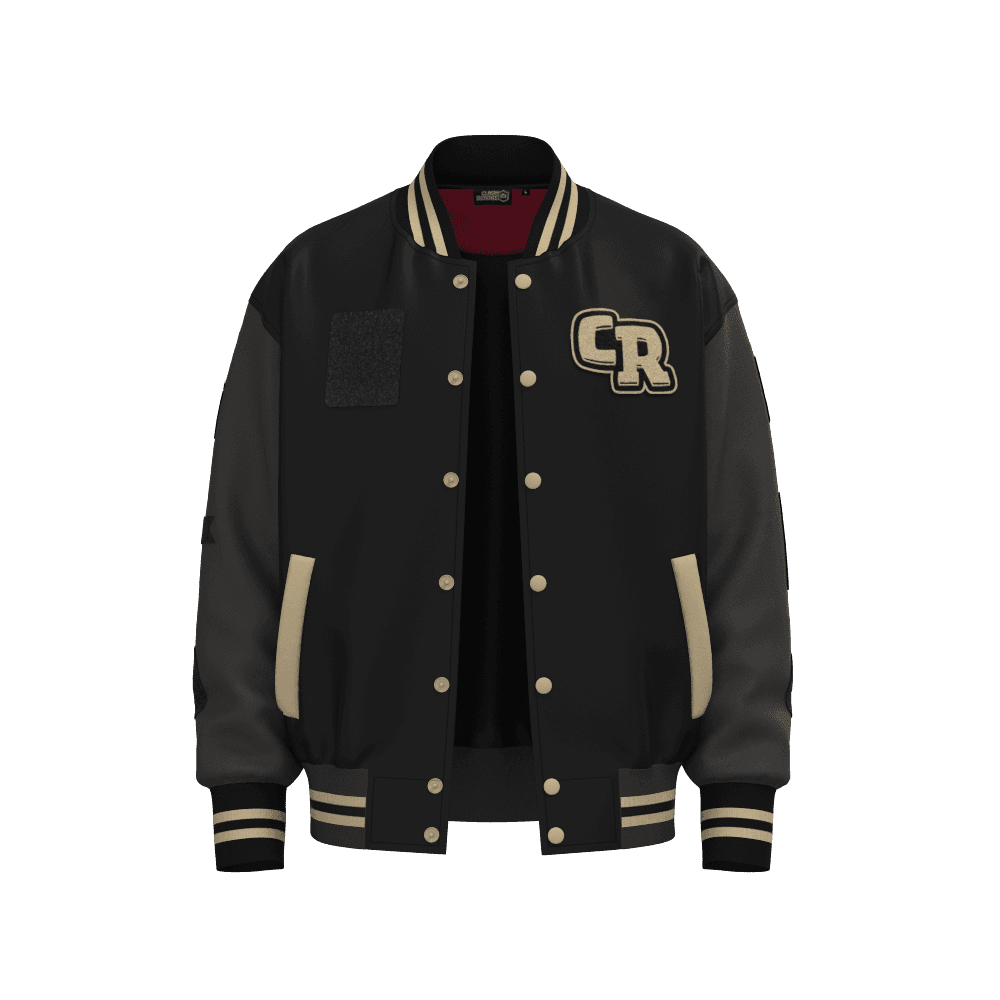
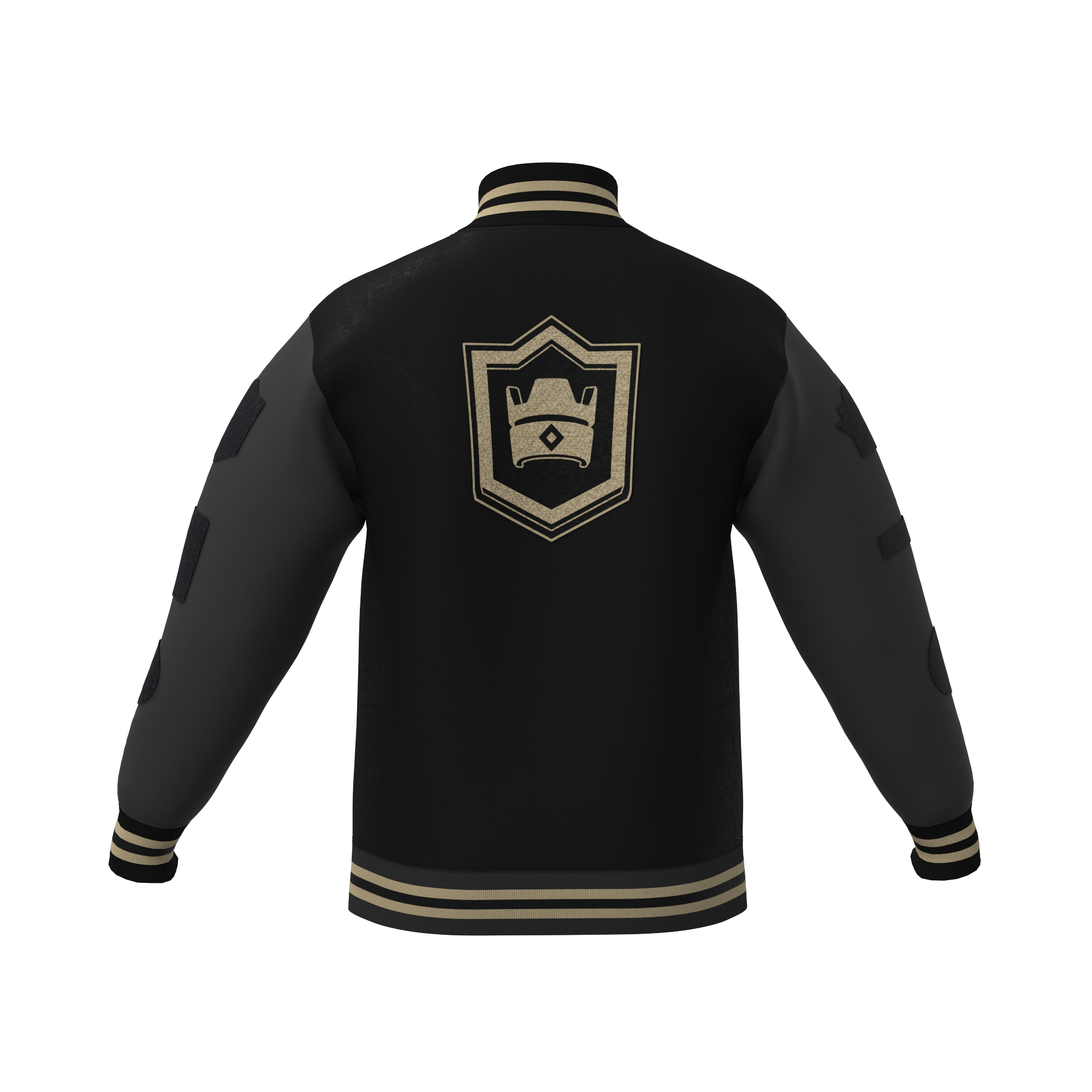
The varsity jacket became the hero piece. Faux wool body, faux leather sleeves, chenille embroidery on the chest and back, velcro badge slots carrying Clash Royale's CR insignia, jacquard neck label, metal snaps, knitted cuffs and ribb in the franchise's black and gold palette. Every detail specified, sampled, and signed off. This was not a jacket with a logo on it. It was a jacket designed around the IP.
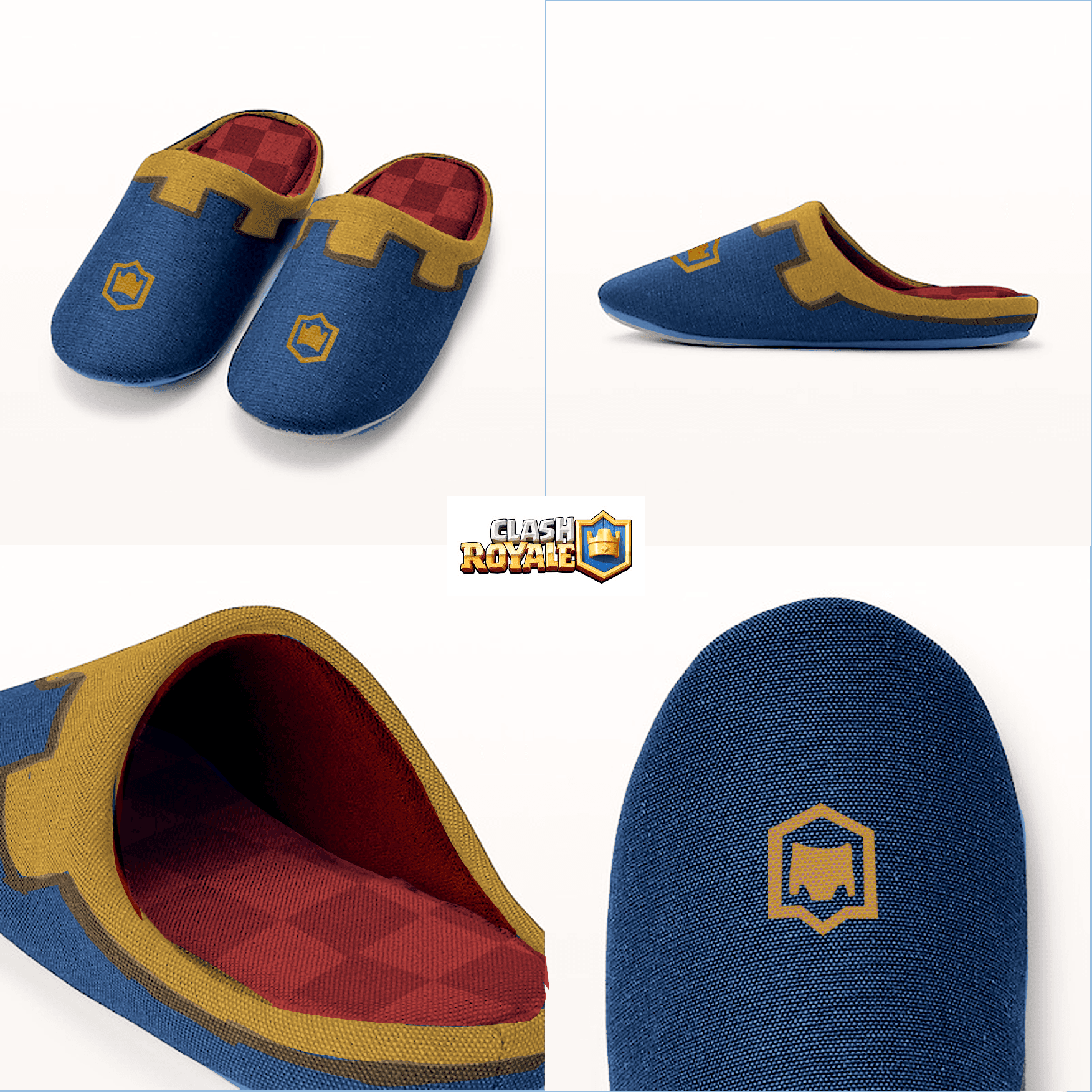
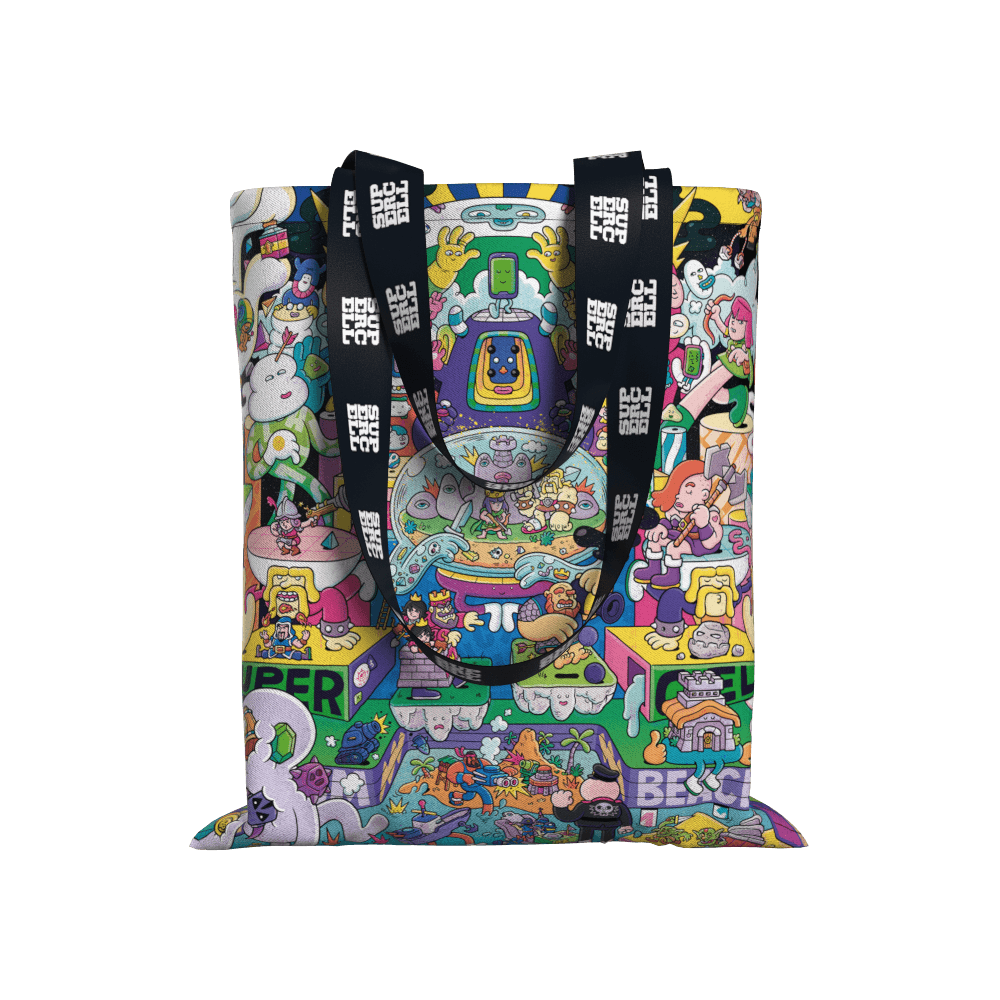
The slippers took the Clash Royale castle aesthetic, the blue and gold color system, the crown motif, and translated it into a wearable product with a red checkered interior lining and the game's shield emblem embossed on the sole. The tote bag carried an all-over print of Supercell's full character roster, a dense illustration featuring characters from across the game portfolio, with custom woven handles. The packaging, hangtags in Clash Royale blue and red, branded with "See You in the Arena", completed the drop aesthetic.
The design phase ran two weeks, with iterations reviewed and refined before moving to sampling. From there: sample feedback, size set confirmation, bulk production. Total timeline from brief to delivery: three months.
Sunday managed the full chain. One point of contact. No briefing multiple vendors on the same project. No chasing production updates from three different factories. No coordinating shipping separately from the manufacturer. The collection arrived in Europe complete, on time, and exactly as specified.
Platform & Products Used
Sunday R&D and Co-Development: Full custom product development from brief to bulk, including material specification, design iteration, sample review, and production management.
Sunday Logistics: European distribution of 500 units across the collection, coordinated from production to final delivery.
Products developed:
- Custom varsity jacket (Clash Royale), faux wool, faux leather sleeves, chenille embroidery, velcro badge slots, jacquard neck label
- Custom slippers (Clash Royale), castle-form design, red checkered interior, embossed sole
- All-over print tote bag (Supercell Beach), full character illustration, custom woven handles
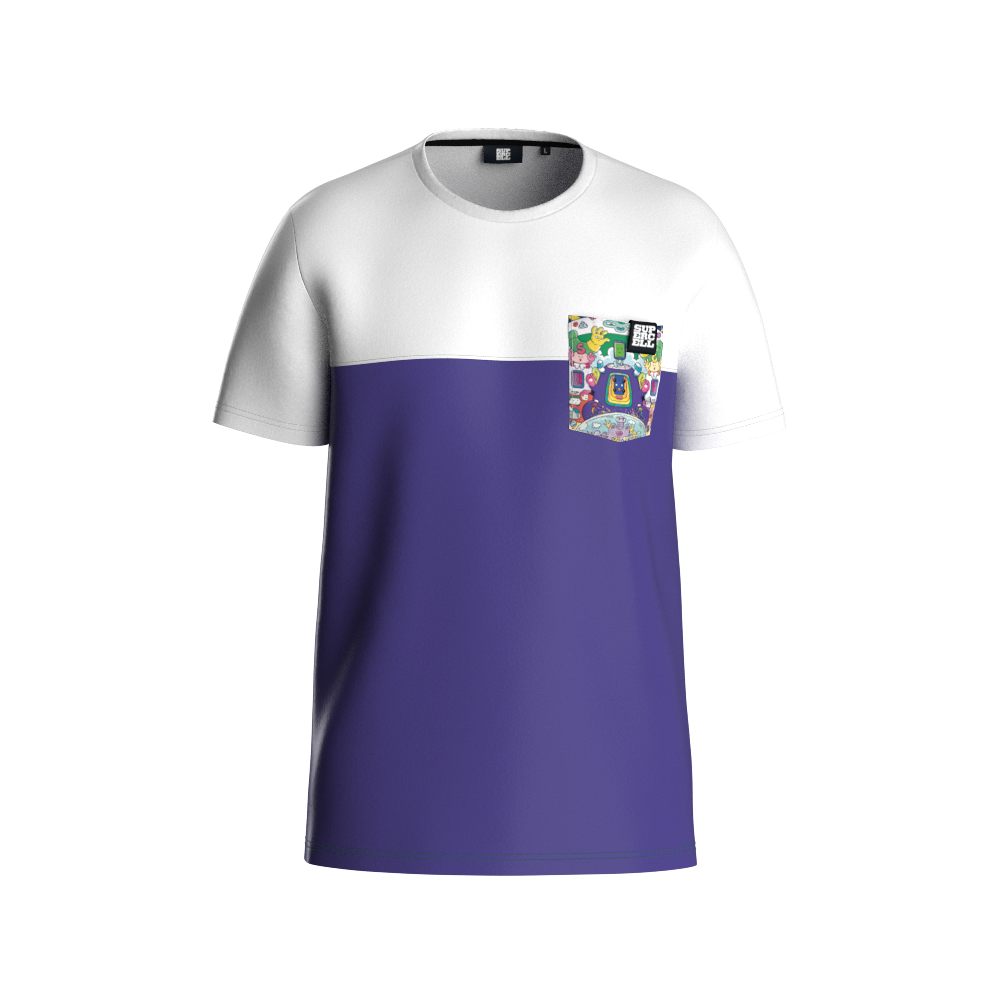
- Custom t-shirt
- Custom packaging, branded hangtags in Clash Royale blue and red
Impact & Key Results
500 units delivered across Europe in three months. A tight window for fully custom, multi-SKU product development, no existing templates, no catalog products adapted.
Zero production hand-offs. One partner owned the process from brief to delivery. Supercell's team was reviewing designs, not managing vendors.
Five fully custom products developed from scratch. Each piece built around the IP, not adapted from stock. The kind of product quality that typically requires a dedicated in-house merchandise team or a luxury goods manufacturer.
A drop the team called perfect. That's not a metric. But for a limited-edition internal release tied to a franchise anniversary, it's the only outcome that matters.
Conclusion: When the Brief Is Quality, Not Quantity
Most merchandise case studies are about scale, thousands of units, dozens of countries, complex logistics. This one is about something different.
Supercell didn't need a logistics platform. They needed a partner who could build something worth shipping. Sunday's R&D capability, the ability to take an IP, understand its visual language, and translate it into fully custom physical products, is what made the collaboration possible.
The varsity jacket, the slippers, the tote, the packaging: none of these came from a catalog. All of them came from a two-week design process backed by manufacturing expertise and end-to-end ownership.
For companies sitting on strong brand IP and wondering why their merchandise never quite reflects it, this is what co-development actually looks like.