
Sales team outfits are coordinated, branded apparel for the people who represent your company in person: at trade-show booths, on field visits and at sales kickoffs. There is no single uniform. Match the outfit to your brand and your sales environment. Formal and industrial teams do best in a business shirt plus a merino sweater and a bodywarmer. Retail and service teams win with a branded polo. Younger tech teams suit a premium tee, hoodie, college jacket and a custom sneaker. Layer the kit so it flexes across temperatures and occasions, fit it properly for men and women, and make sure it makes reps feel confident, not like promotional props.
One principle runs through everything below: a coordinated team should look intentional, not over-uniformed. The clothing should strengthen both the brand and the person wearing it. An industrial enterprise, a retail team and a young tech company should not wear the same thing, because the outfit has to fit both the brand and the commercial environment. Get that match right and the rest is detail.
Why the outfit matters
What your team wears is the first thing a prospect reads about your company, often before anyone speaks. A coordinated outfit makes the team look confident and recognisable, and it makes staff easier to approach. The research backs this up. A VistaPrint branded-clothing survey found 60% of people trust a business more when staff wear branded apparel, 64% say it positively influences their view of a business, and 67% say uniforms make it easier to identify and approach staff. A separate study of 2,560 uniform wearers across seven European companies found 22% higher happiness at work when the kit fits well, with the biggest gains for women and 25 to 34s.
The thing buyers underrate is that the outfit is not one garment. It is a coordinated look, sized per person and reorderable, that has to work across a booth, a field visit and an evening reception. The best outfit is not the one with the biggest logo. It fits the company's positioning, makes the team recognisable, makes employees feel confident, stays comfortable all day, looks good after repeated washing, and flexes across occasions.
The three style tiers: match the brand and the environment
There is no universal sales uniform, but most teams land in one of three tiers. Pick the one that fits your brand and your customer, not the one that looks good on a competitor.
| Tier | Best for | The look |
|---|---|---|
| Formal / industrial / enterprise | Industrial trade fairs, traditional B2B, finance, enterprise sales | A neat business shirt, a merino sweater, and a bodywarmer or professional jacket. Understated branding, clean consistent styling |
| Retail / service | Stores, showrooms, customer-facing technical teams, semi-formal events | A branded polo. More professional than a tee, less formal than a business shirt, approachable and recognisable |
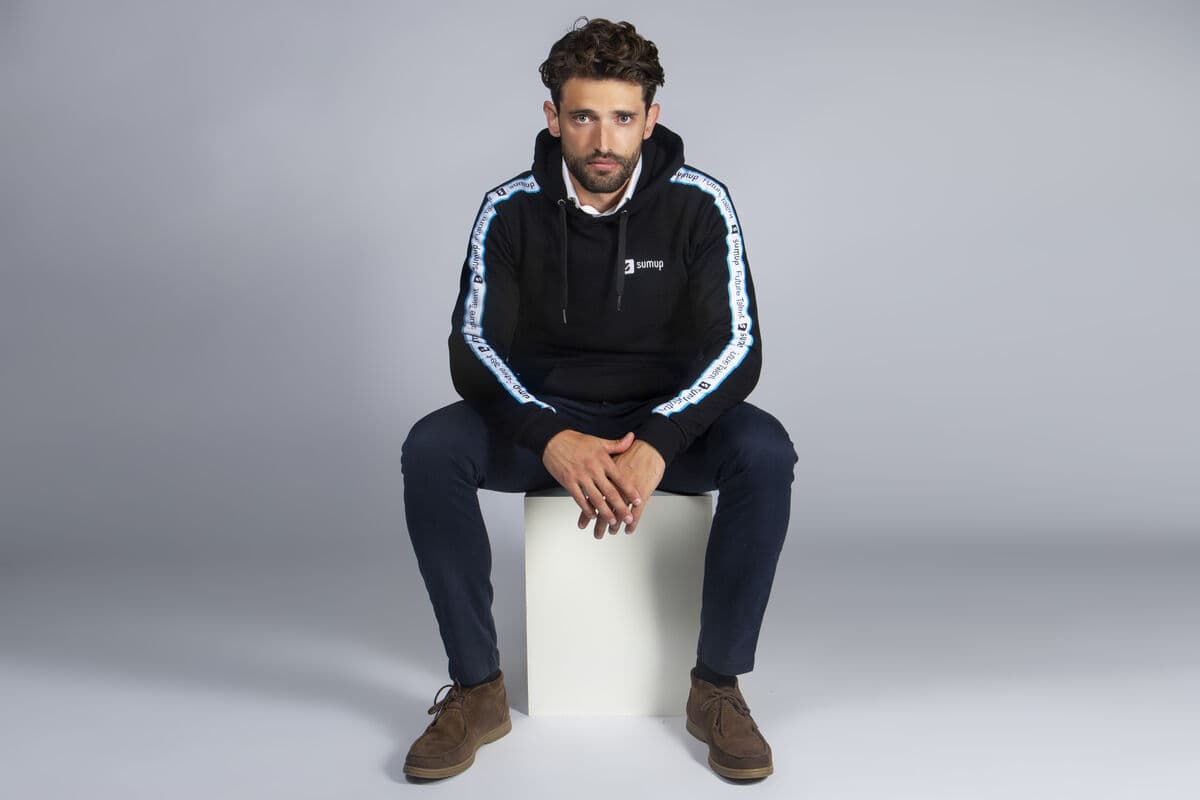
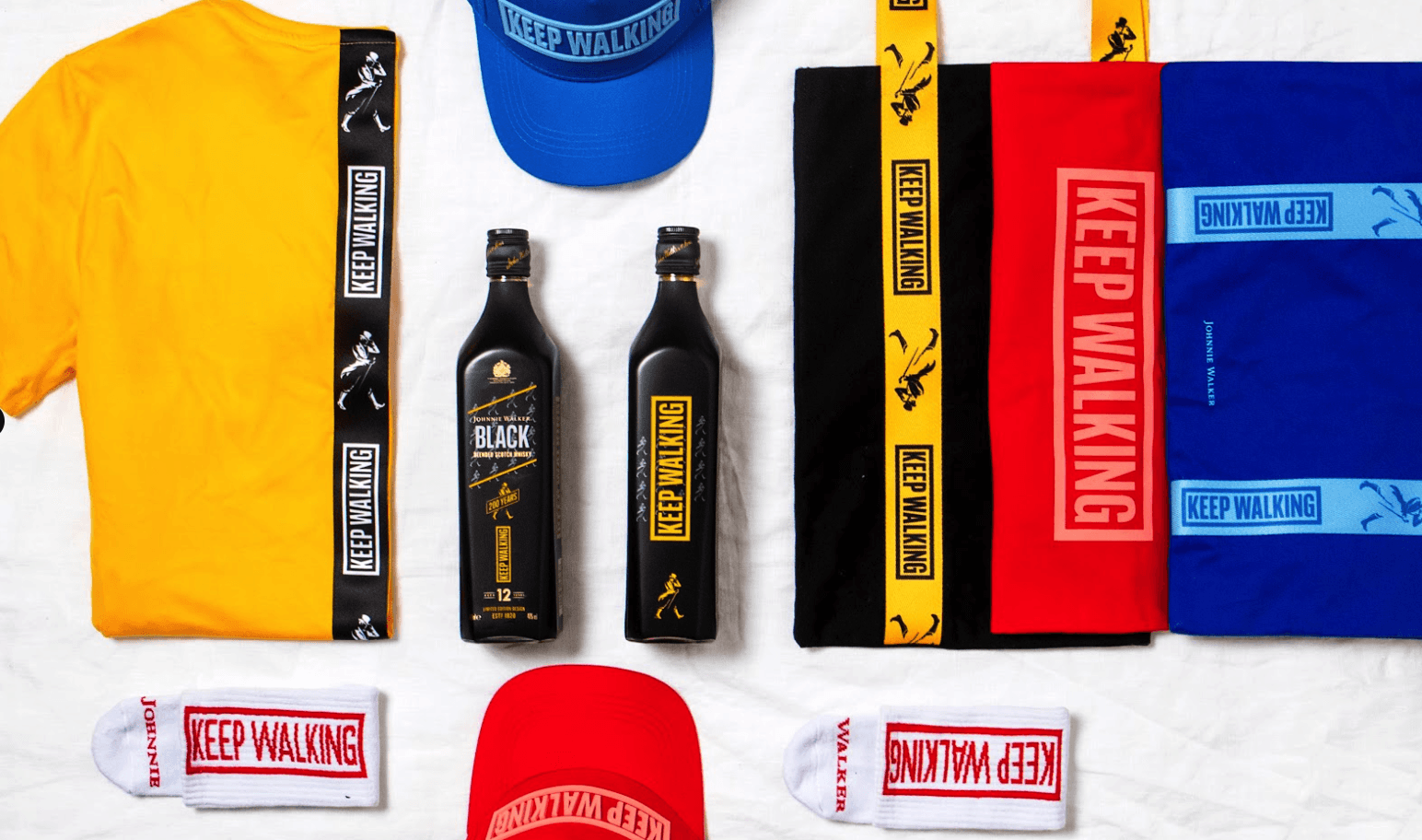
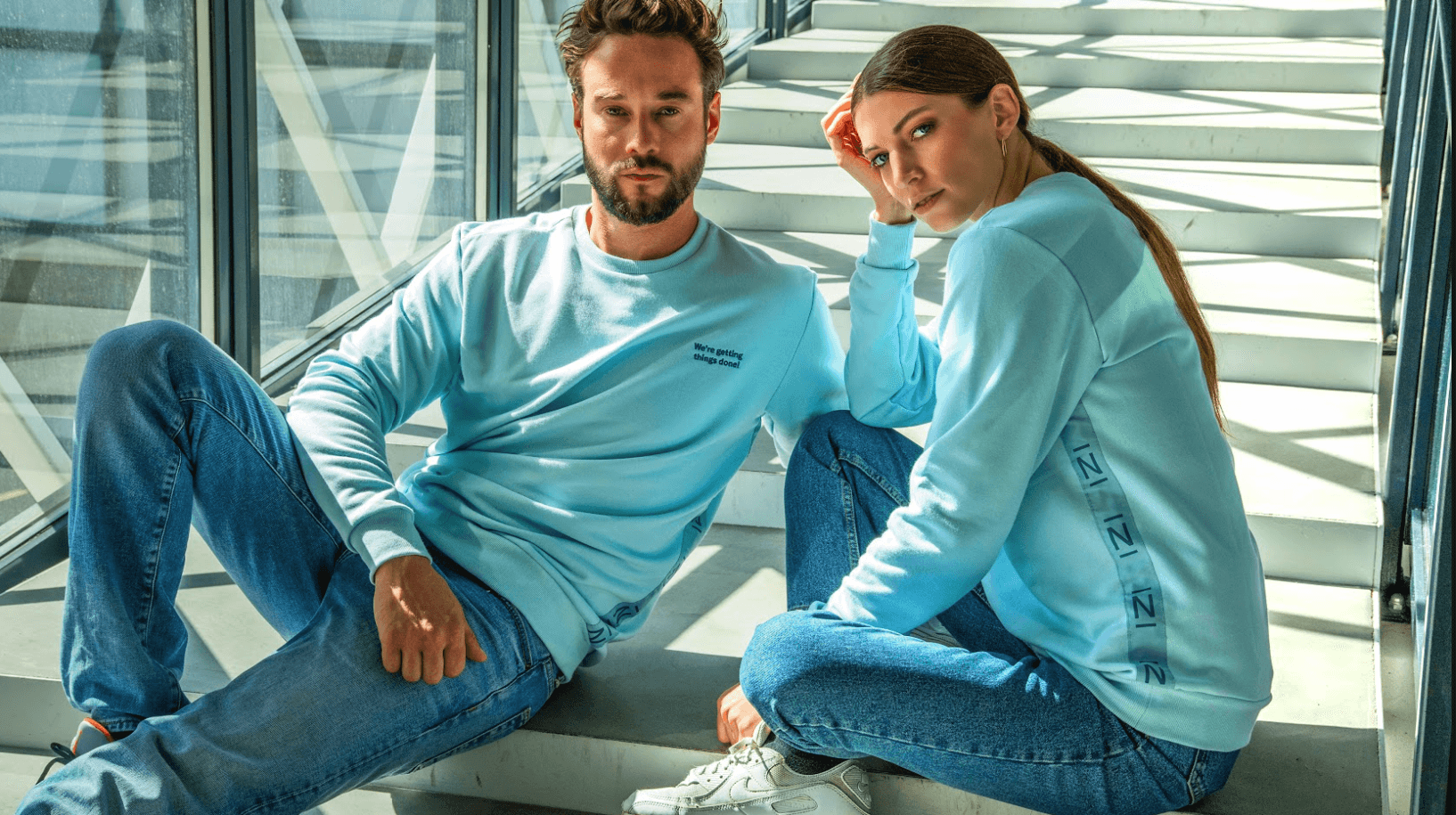
| Casual / tech | Younger startups, developer-facing sales, casual brands | A well-designed T-shirt, a zipped sweatshirt or hoodie, a college jacket, and a custom sneaker as the finishing touch |
Hoodies suit a casual tech brand and look wrong on an enterprise sales team. A business shirt and merino combination makes the strongest impression at an industrial fair and feels stiff on a young tech crew. Match the formality the customer expects. When a team is investing in a genuinely distinctive look, a custom sneaker is the detail that ties it together.
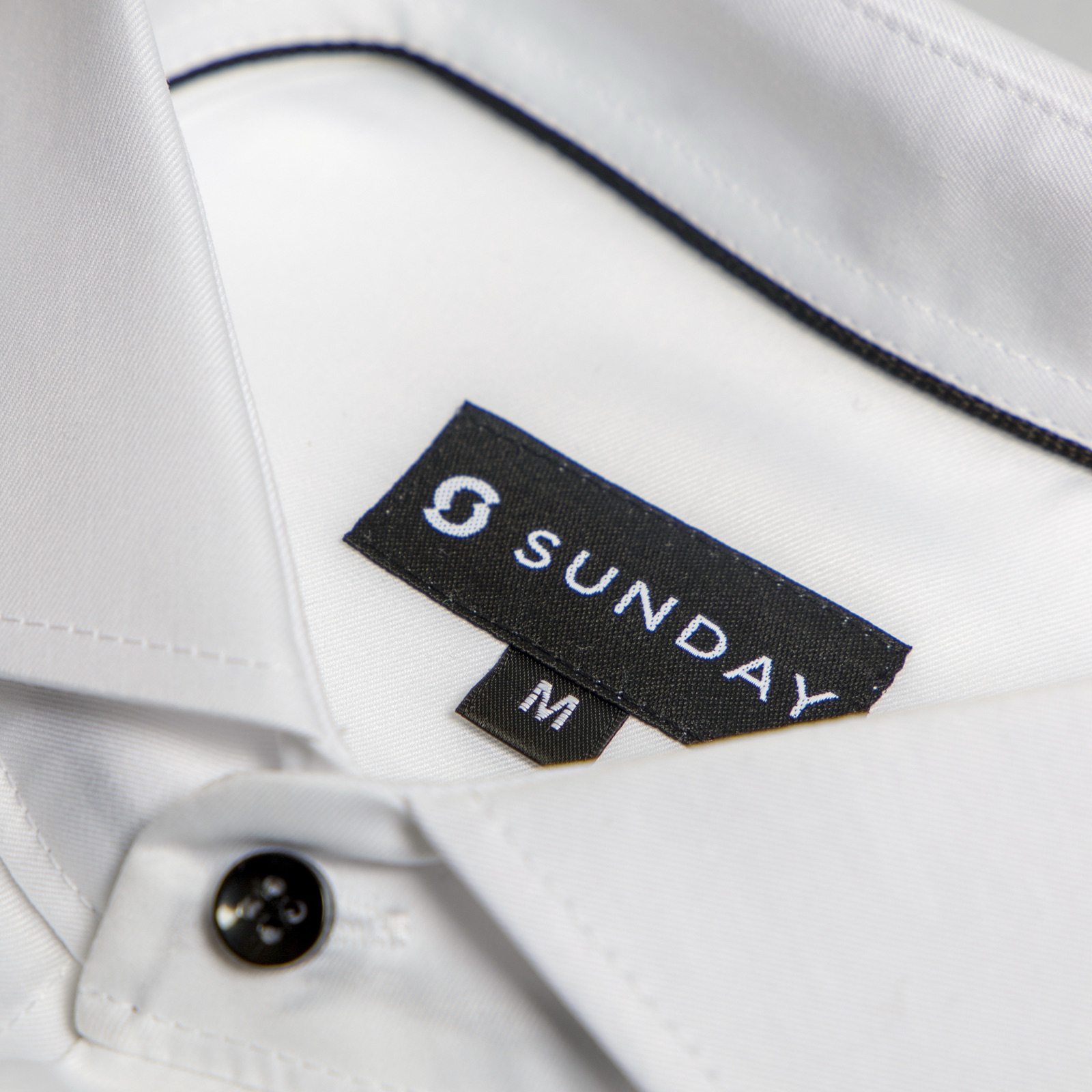
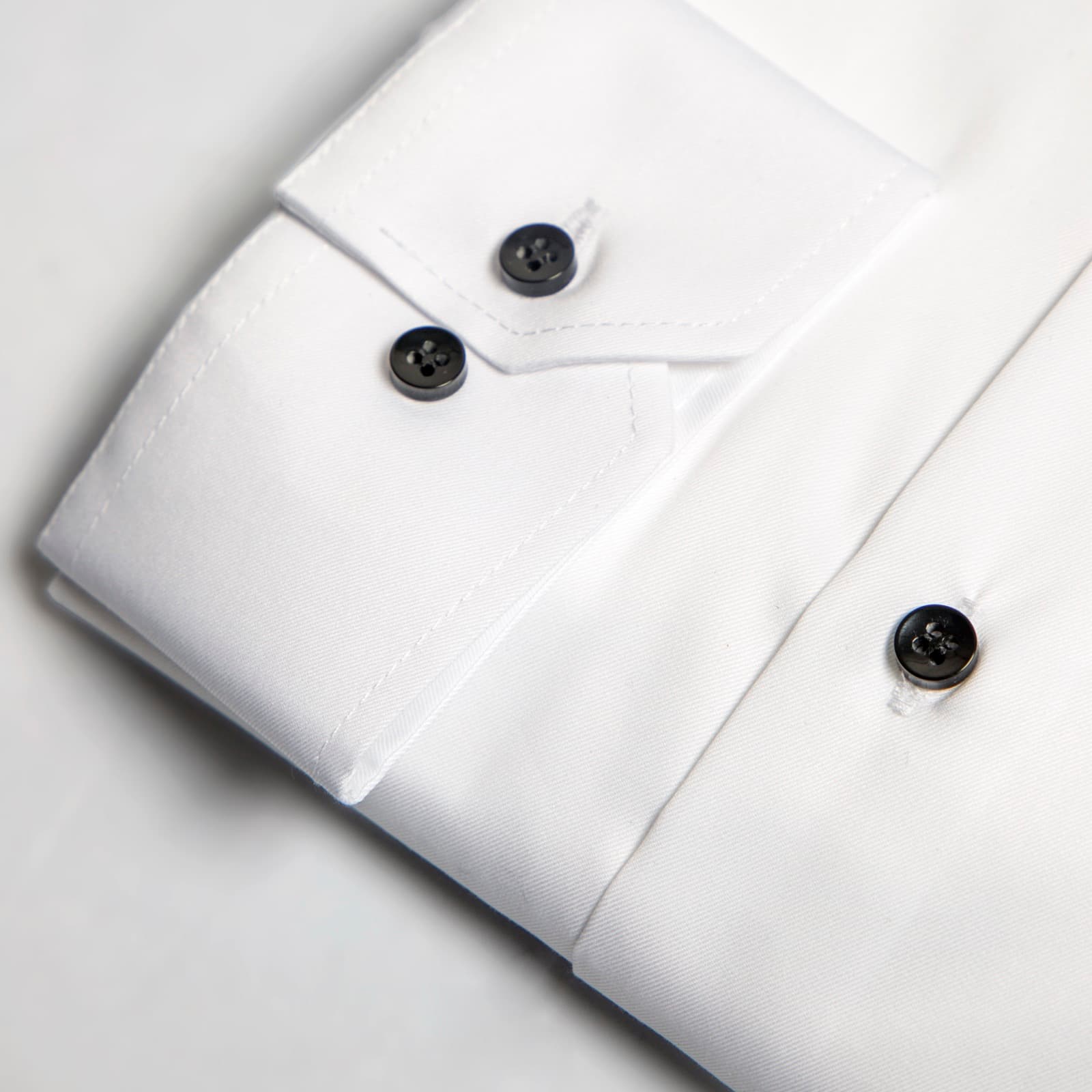
The formal tier in one garment: a Sunday-branded business shirt as a clean, professional base for a coordinated sales team.
Is a polo the right base layer?
The polo is the most versatile base layer in sales-team dressing, but it is not automatic. It is the strong middle ground: more professional than a tee, less formal than a business shirt. It is at its best in retail, service, stores and showrooms, customer-facing technical environments and semi-formal events.
It is not always the right call. For traditional B2B and enterprise, a business shirt with a merino sweater or bodywarmer often makes a better impression. For a casual tech brand, a premium tee with a sweatshirt feels more authentic. The decision should come from your brand and your customer context, not from convenience. When the polo is right, it is the backbone of the whole kit, which is why it is worth getting it right first. Get the fabric, fit and decoration right, and preview your own with the free polo shirt mockup generator.
What to wear at a trade show booth
A booth team has a different brief from a field rep. The job is to stand out and be recognisable from across the hall, so you can be bolder and more expressive than you would be in a meeting. That means bright tees, colourful polos, branded business shirts, distinctive ties, highly recognisable company colours and coordinated layers. At an event you can be more in-your-face than you ever would in a one-to-one.
The consensus default across trade-show attire guides is a custom polo with trousers: tailored not tight, comfortable enough to stand and demo all day, with a consistent colour scheme and an embroidered logo for instant recognition. Lean into one confident brand colour as a conversation starter, keep accessories minimal, and match the formality to the industry, since finance and healthcare lean more formal than tech.
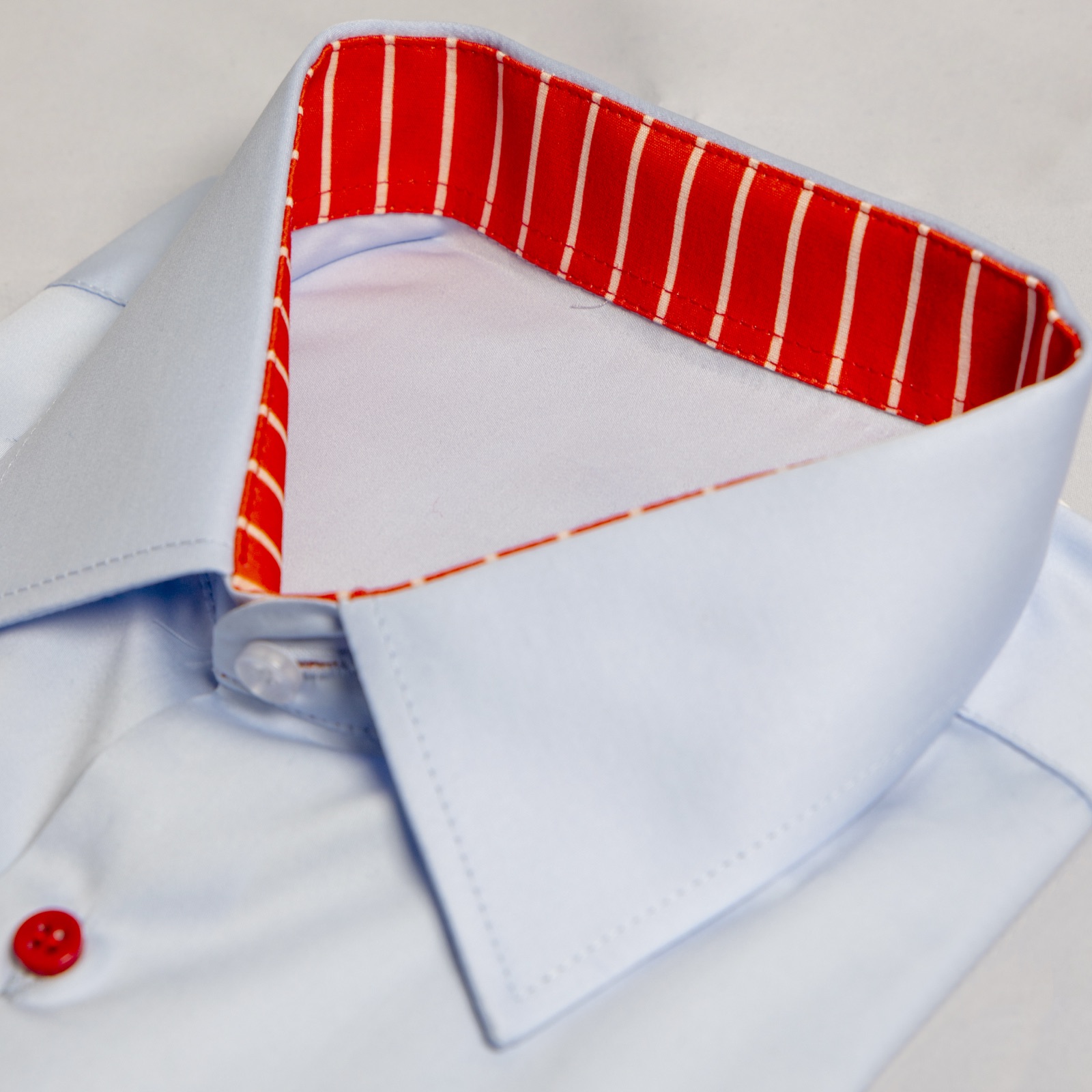
Recognisable from across the hall. A Steyr-branded business shirt keeps a booth team identifiable and on-brand without shouting.
Branded apparel for events
Events sit between the field and the booth. The team needs to be recognisable and consistent, but the exact look depends on the event's formality. A product launch in a showroom calls for polos. An industrial trade fair calls for business shirts and merino. An evening reception after a conference day calls for a layer that dresses up, like a merino sweater or a clean bodywarmer over the base.
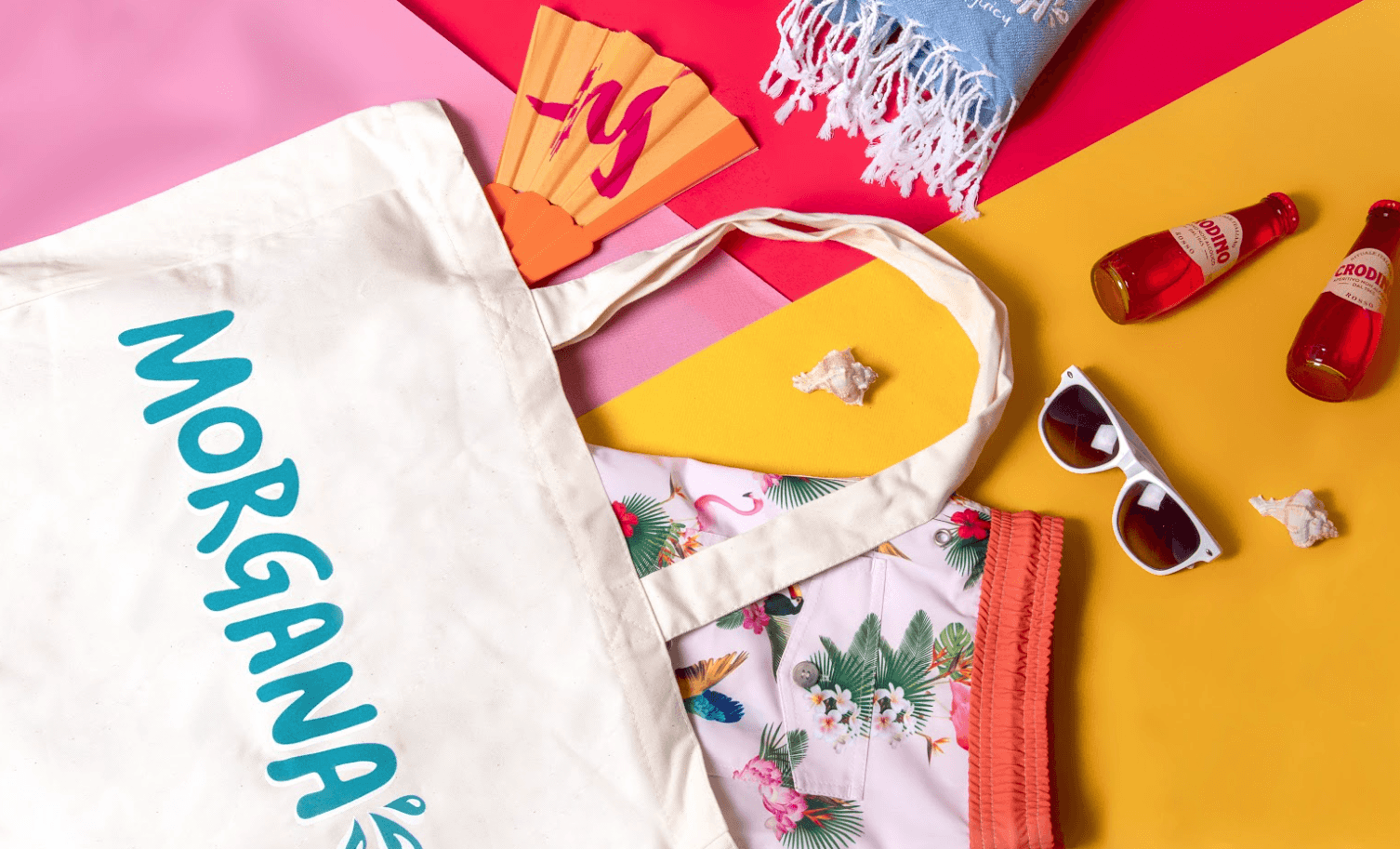
Whatever the event, the branded apparel should tie into the rest of the booth presence: the signage, the giveaways and a coordinated colour story. The outfit is one part of a single visual system, not a separate decision. Pull the colours, the logo treatment and the layers together so the whole stand reads as one brand.
Field sales: the complete wardrobe
Road-based salespeople do not need one garment. They need a complete wardrobe that adapts to different visits, weather and seasons. A field rep moves between a car, a customer site, an outdoor walk-around and an office in a single day, so the kit has to flex.
A complete road-rep wardrobe looks like this:
- A jacket and a softshell for weather and outdoor visits.
- A bodywarmer for the in-between days.
- Several merino sweaters that layer cleanly over a shirt.
- Several business shirts or branded polos as the base, depending on tier.
- Suitable trousers, and an optional cap for outdoor work.
For field and retail teams specifically, polos are a strong base because they are easy to identify and approachable, and colourful shirts in company colours can work well. Broader field sales needs the practical, adaptable layers above so a rep is dressed correctly whatever the day throws at them. The outerwear layers tie directly into our custom jackets range.
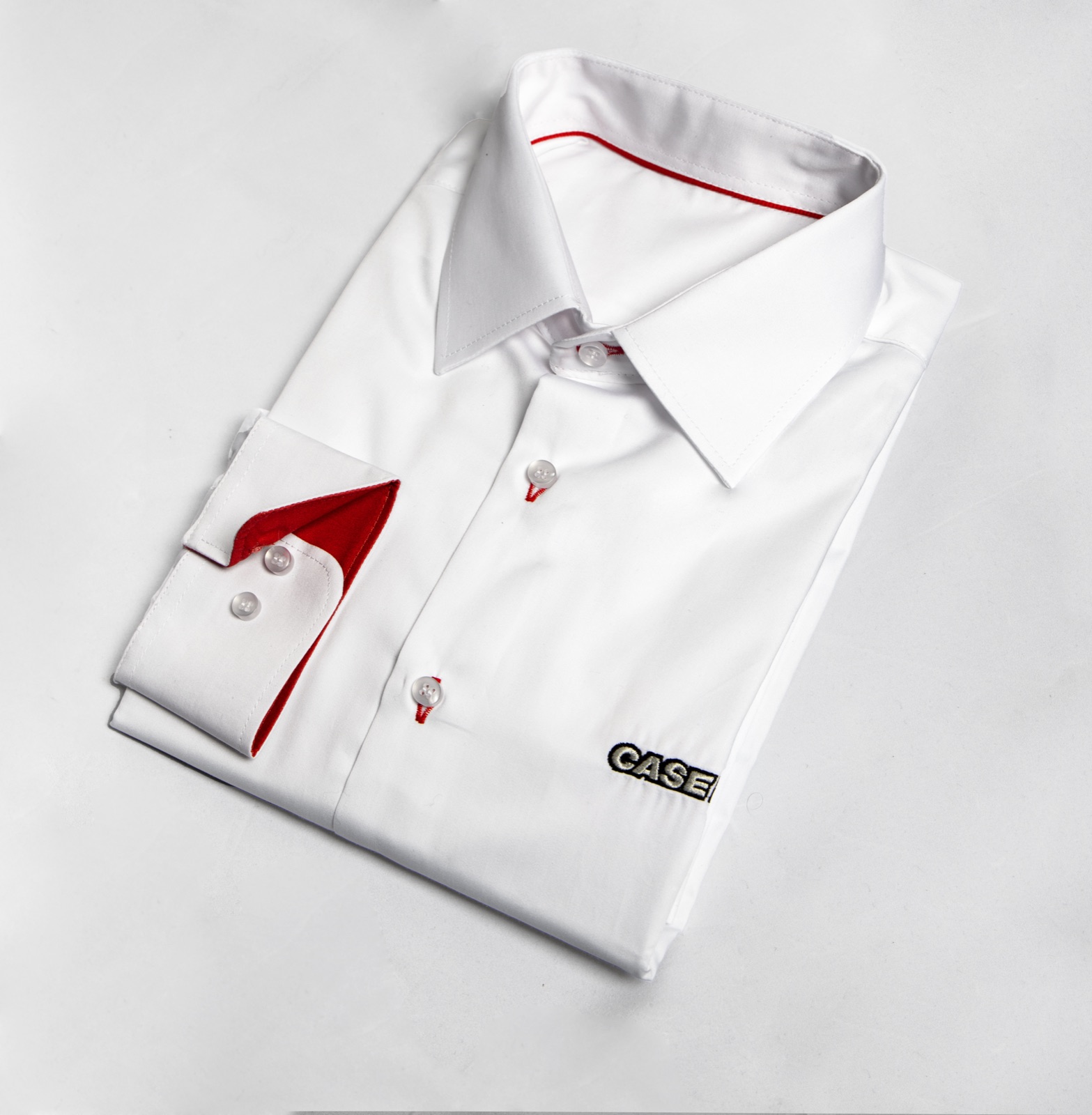
The base of a field wardrobe. A Case-branded business shirt keeps a rep on-brand from the car park to the meeting room.
Sales kickoff: swag, not a uniform
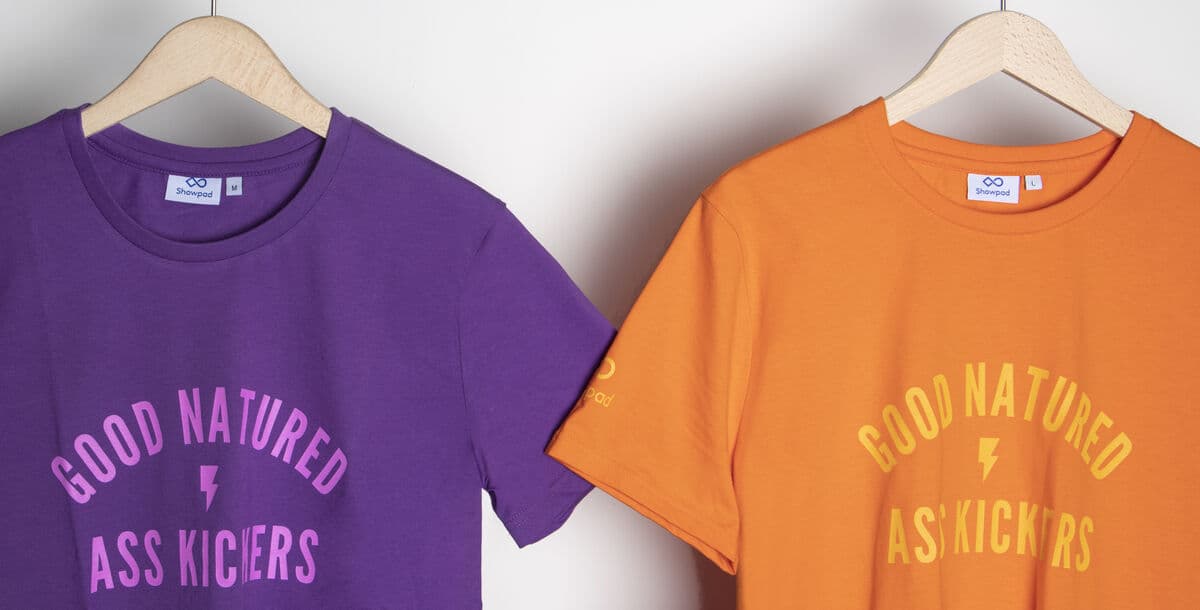
A sales kickoff is a different exercise entirely. Treat it as merch and swag, not a uniform programme. The goal is team spirit, not a customer-facing look, so the items should be fun and wearable outside work: tees, hoodies, sweatshirts, casual jackets and fun accessories.
The test for kickoff swag is whether people would actually wear it on a weekend. If they would, you have built team identity. If it only works inside the conference room, you have made another uniform nobody asked for. Keep it playful, keep it high quality, and let the customer-facing kit be a separate decision.
The layering system
Booths, offices, customer sites and the outdoors all sit at different temperatures, sometimes in the same day. A good outfit layers so the team stays comfortable and on-brand from a cold morning car park to a warm exhibition hall. The system runs from the base up:
| Layer | Garment |
|---|---|
| Base | A branded polo or a business shirt, depending on tier |
| Mid | A merino sweater, then a zipped sweatshirt for casual settings |
| Warmth | A bodywarmer for the in-between temperatures |
| Outer | A softshell, then a jacket for weather and outdoors |
The point of building it as a system is flexibility without losing the look. Every layer is on-brand, so a rep can add or drop one and still be coordinated. A complete outfit gives that flexibility while keeping the whole team consistent in the booth photo.
Coordinated, not a costume
Uniforms work well, and people genuinely like feeling part of a coordinated team, but only when the clothing looks good and builds confidence. The line to hold is this: it must never feel like a gimmick. The kit has to be clean, flattering, comfortable, properly branded, durable and easy to maintain for repeated wear.
When it works, employees feel powerful and confident. When it fails, when it is embarrassing, overly playful, poorly fitting or visibly cheap, the uniform backfires and reps feel like promotional props. Two things are non-negotiable: fit it properly for men and women so nobody feels bad in the photos, and make it durable, so the logo does not wash off and the garment holds its shape after repeated use. A coordinated look that survives a season of wear is the goal.
A branded sales apparel collection
The strongest sales teams do not buy outfits, they build a branded sales apparel collection: a defined set of garments in the brand's colours and decoration, available in men's and women's fits, that the whole team draws from. A new hire gets the same kit as everyone else. A booth team pulls the bolder pieces. A field rep takes the full layering set.
Building it as a collection rather than a one-off order is what keeps the look consistent over time and across new joiners. It also makes reordering trivial, which matters more than people expect, because sales teams grow and rotate constantly.
Matching team outfits for trade shows
Matching does not mean identical. It means a coordinated colour story and a consistent logo treatment, with enough variation that the team looks intentional rather than like a row of clones. A booth team might share one brand colour and one logo placement across polos, sweaters and jackets, while individuals layer differently for comfort.
The aim is recognition. From across a busy hall, a prospect should be able to spot your people instantly and know who to approach. That is the function the matching look performs, and it is why a trade-show team can go bolder on colour than a field rep ever would. Keep the fit and the quality high, and the matched look reads as confidence, not costume.
Build it as a program, not a panic before each event
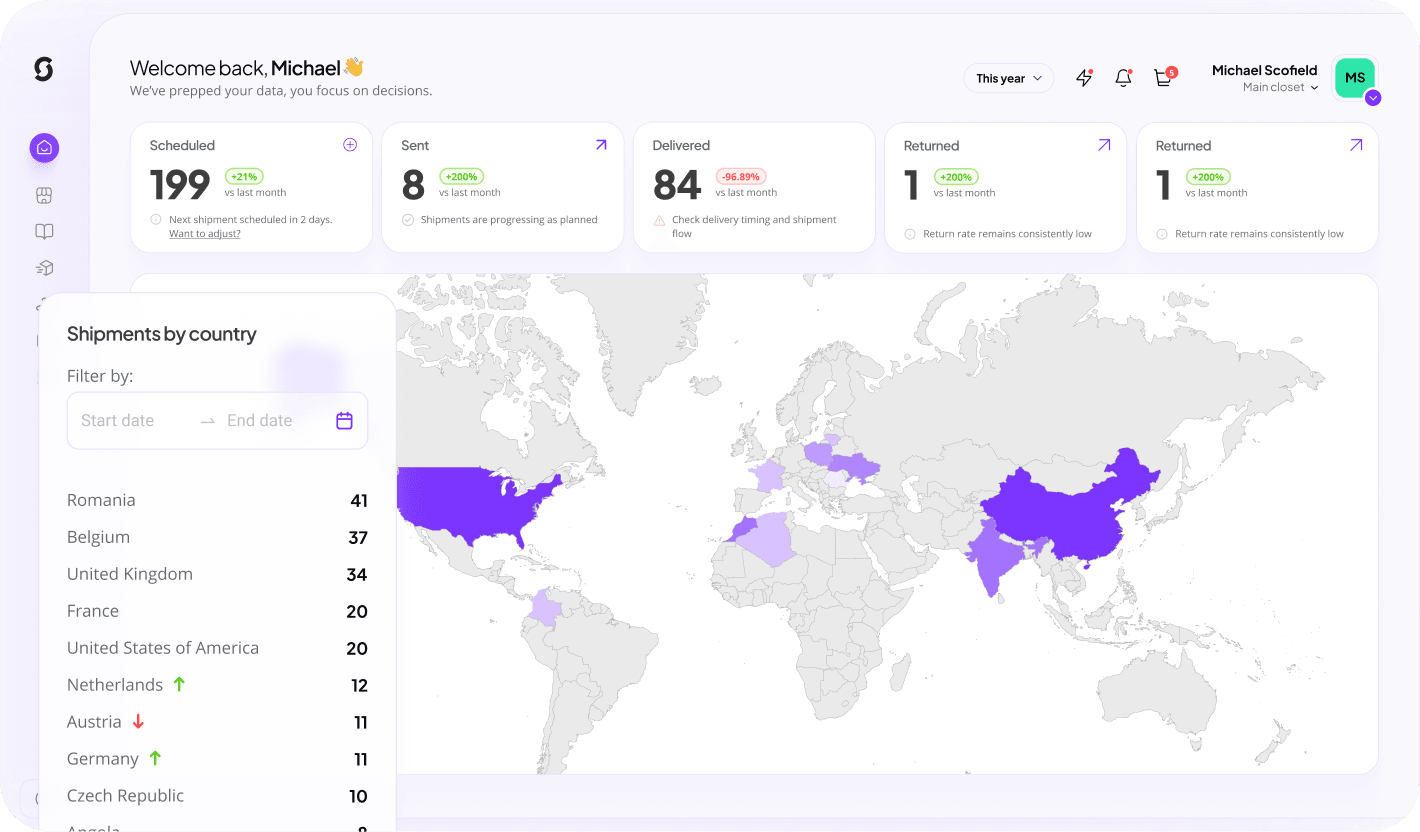
Most sales-team apparel is a scramble: a different supplier before every event, no record of sizes, no easy way to reorder for the new hire who started last week. Sunday is merch infrastructure, so it handles the outfit as a program instead. You build the kit on-brand in about 30 seconds with live pricing, set the men's and women's fits, then we warehouse the stock, collect sizes, and handle reorders for new joiners through the tools you already use. Merch, in your brand, live in 30 seconds.
That turns the painful logistics, collecting sizes and names, reordering mid-quarter, shipping to reps in different cities, into something that runs quietly in the background. Browse the custom polos and custom jackets ranges, preview your look in the free polo shirt mockup generator, explore the full catalog, or see how it works. Shipping a kit to a distributed sales team is exactly what our distribution service is built for.
Build your sales team's look
Polos, layers and outerwear in your brand, sized per rep, reorderable for new hires, EU-made, live in 30 seconds. Create a free account and build the kit.
Build this campaign with SundaySales team outfits: questions answered
What should a sales team wear at a trade show booth?
The consensus default is a custom polo with trousers: tailored not tight, comfortable enough to stand and demo all day, with a consistent colour scheme and an embroidered logo for instant recognition. A booth team can go bolder than a field rep, using bright polos or tees, branded business shirts and highly recognisable company colours, because the job is to be identifiable from across the hall. Match the formality to your industry.
Is there a single best outfit for a sales team?
No. There is no universal sales uniform. The right outfit depends on your brand, your sector and the environment. Formal and industrial teams do best in a business shirt with a merino sweater and a bodywarmer. Retail and service teams win with a branded polo. Younger tech teams suit a premium tee, hoodie, college jacket and a custom sneaker. Match the outfit to both the brand and the commercial environment.
Is a polo a good base for a sales-team outfit?
It is the most versatile base layer, but not automatic. A polo is the strong middle ground, more professional than a tee and less formal than a business shirt, and it is at its best in retail, service, showrooms, customer-facing technical settings and semi-formal events. For traditional enterprise sales a business shirt with merino is often better, and for casual tech a premium tee works. Decide on brand and customer context, not convenience.
What does a complete field-sales wardrobe include?
A road rep needs a complete kit, not one garment: a jacket and a softshell, a bodywarmer, several merino sweaters, several business shirts or branded polos as the base, suitable trousers and an optional cap. The layers let a rep dress correctly across different visits, weather and seasons in a single day.
What should a team wear at a sales kickoff?
Treat a sales kickoff as merch and swag, not a uniform programme. The goal is team spirit, not a customer-facing look, so choose fun items people will wear outside work: tees, hoodies, sweatshirts, casual jackets and fun accessories. The test is whether someone would wear it on a weekend. If they would, you have built team identity.
How do you make a uniform people actually want to wear?
Make it good. People like feeling part of a coordinated team, provided the clothing looks good and builds confidence. Keep it clean, flattering, comfortable, properly branded and durable, and fit it correctly for men and women so nobody feels bad in the photos. When it works, employees feel confident. When it is cheap, ill-fitting or gimmicky, it backfires and reps feel like promotional props.
How do you handle sizes and reorders for a whole sales org?
Build it as a program rather than a scramble before each event. On Sunday you set men's and women's fits, build the kit on-brand with live pricing, then the platform warehouses stock, collects sizes and handles reorders for new hires through the tools you already use. That removes the spreadsheet scramble of collecting sizes and reordering mid-quarter for a distributed team.
Should sales apparel have a big back print or slogans?
Keep it restrained. A coordinated team should look intentional, not over-uniformed, and the best outfit is never the one with the biggest logo. Use a clean, consistent logo treatment and a coordinated colour story rather than large back prints or busy slogans. Recognition comes from consistency and brand colour, not from the size of the print.