Definition
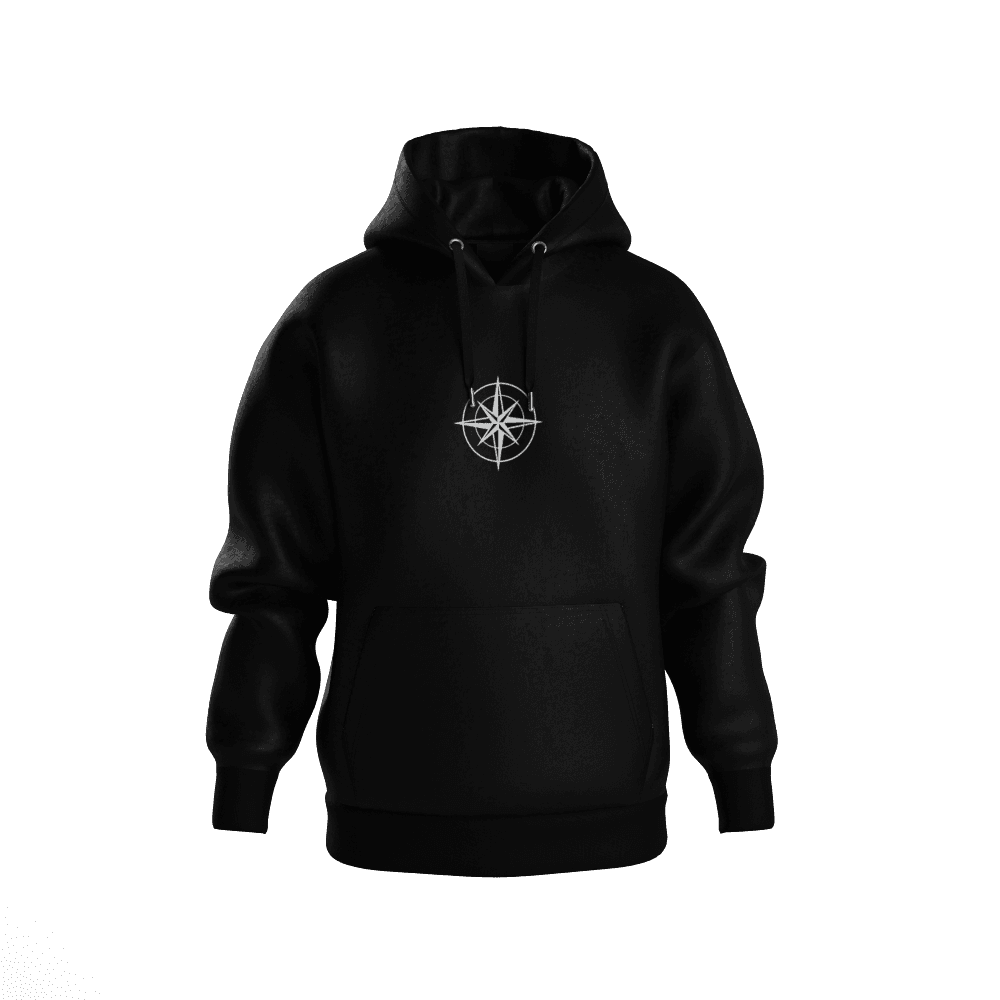
Blank apparel is finished clothing that carries no branding yet. Mills and blanks brands cut, sew and dye these garments in bulk, then hold them in warehouses by style, color and size, ready for a decorator to print or embroider. Every branded t-shirt, hoodie and cap you have handed out started life as a blank.
Definition
Blank apparel covers any garment that is production-ready but still plain. It is the base layer of the merch supply chain, sitting between the mill that made the fabric and the decorator who adds the logo. Take a mid-weight tee at 180 gsm in ring-spun cotton. The blanks brand keeps it in 20 colors and 7 sizes, which is 140 separate stock lines for one style. A decorator pulls 300 navy pieces, screen prints the front, and they ship as branded merch three days later. The garment never changed. Only the surface did.
How blank apparel works
Blanks are made to a fixed spec and produced in long runs. The brand behind them, names like Stanley/Stella, AS Colour, Gildan or Fruit of the Loom, sets the fabric weight, the yarn, the fit and the color card, then manufactures thousands of units per colorway and pushes them into distribution warehouses. Volume is high and the spec never moves, so unit costs stay low and availability stays predictable.
The catch is that you are buying into someone else's decisions. Fit, sleeve length, neck rib, jersey construction and shade are already locked. If the brand discontinues a color, your uniform range breaks. Dye lots also vary slightly between batches, so a navy tee ordered in March may not match one ordered in November in a side-by-side photo. Serious merch programs reserve stock in a single lot for the whole year.
Print-readiness is the other half of the story. A good blank has a smooth, tightly knit surface that holds ink, seams placed away from the print area, and a neck label that can be removed or swapped. Heavier fabrics take a screen print well. Smooth, high-count cotton is what direct-to-garment printing needs to render detail. The alternative is cut-and-sew, where the garment is built from scratch to your pattern. Full control, but minimums run into the hundreds and the lead time stretches to months instead of days.
Blank apparel in branded merch
- Fast internal merch and event kits. Blanks let you order 50 hoodies for a hackathon on Monday and hand them out on Friday. Stock already sits in a warehouse, so the only real production step is decoration.
- Company stores and on-demand programs. Because blanks are held as live inventory, they make on-demand merch possible. One item is printed when someone orders it, with no pallets of pre-printed shirts sitting unsold.
- Consistent uniform and retail lines. Teams that need the same navy polo every year build their range on a single blank style, lock the colorway, and rely on the brand's stock program in every country they hire in.
Blank apparel is undecorated, ready-made clothing produced in bulk and held in stock so it can be printed, embroidered or relabeled to order.
5 tips to elevate your Blank apparel strategy
| Tip | Steps |
|---|---|
| Check stock depth before you commit | Ask how many units are available in your size run and colorway today, not just whether the style exists. |
| Lock the dye lot for repeat orders | Reserve stock from one batch if you plan to reorder, so shades stay consistent across the year. |
| Match the blank to the print method | Smooth combed or ring-spun cotton for DTG detail, heavier knits for bold screen prints. See screen printing vs DTG. |
| Order a size set first | Fits differ hugely between blanks brands, so try the real garment on real people before you buy 500. |
| Plan for relabeling early | Confirm the neck label can be removed or replaced if the garment should carry your own brand. |
Key Terminologies
Frequently Asked Questions
What is the difference between blank apparel and cut-and-sew?
Blank apparel is bought ready-made from a stock program and decorated afterwards. Cut-and-sew garments are made from scratch to your own pattern and fabric, which gives full control but needs high minimums and much longer lead times.
Is blank apparel lower quality than custom-made clothing?
No. Quality depends entirely on the blank you choose. Premium blanks brands use ring-spun or combed cotton, reinforced seams and certified fibers.
Can I put my own brand label in blank apparel?
Yes. Most blanks have a tearaway or heat-transfer neck label that can be removed and replaced with your own woven or printed label. That is how private-label merch lines are built.
Why do colors vary between orders of the same blank?
Fabric is dyed in batches, and each dye lot has small shade variations. Reserving stock from a single lot, or ordering the full year at once, keeps the color consistent.
How many blanks do I need to order?
Stocked blanks can often be decorated from one piece with digital printing. Screen printing and embroidery usually start around 20 to 50 units to make the setup cost worthwhile.