Definition
On-demand merch is branded merchandise that gets decorated and shipped only after an order is placed, so nothing is produced in advance. Instead of buying 500 hoodies and storing them, you hold artwork and product specs, and the item is made when a person actually asks for it. The trade is simple. You pay more per unit and you stop paying for boxes nobody opens.
Definition
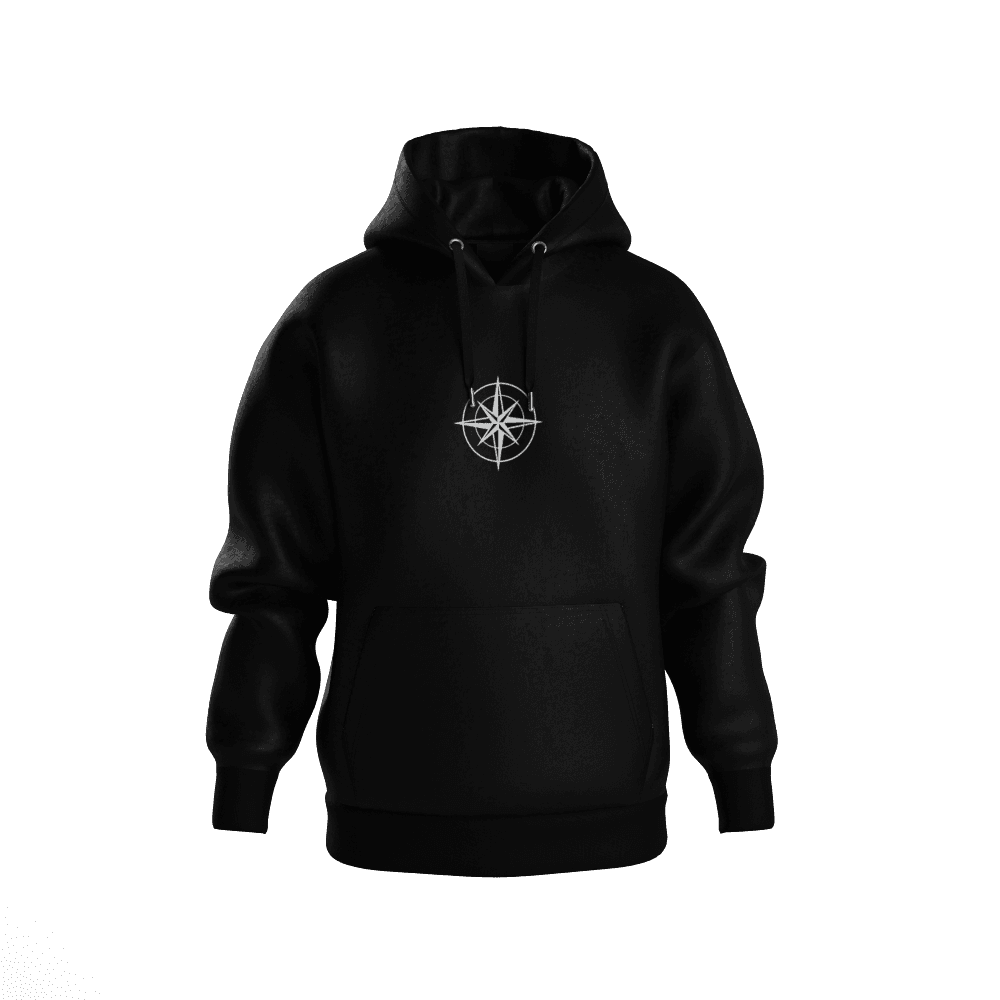
On-demand merch flips the traditional merch model. Bulk buying front-loads the cost, the risk and the storage. On-demand production holds the blank stock at the decorator and applies your logo per order, in the size and colour the recipient chose. A concrete example: a 40-person company runs an employee store with 12 items. Nobody forecasts sizes. A new hire in Lisbon picks a medium navy hoodie, the file goes to a production partner, the hoodie is decorated within a few days and ships straight to her door.
How on-demand merch works
The mechanics sit in three layers. First, a digital catalogue of blank products that a partner already holds in stock across sizes and colours. Second, your artwork stored as a print-ready file with fixed placement, size and colour codes so every unit reproduces the same way. Third, a trigger, usually an order from a swag store, an HR onboarding flow or an API call, that releases production for a single unit.
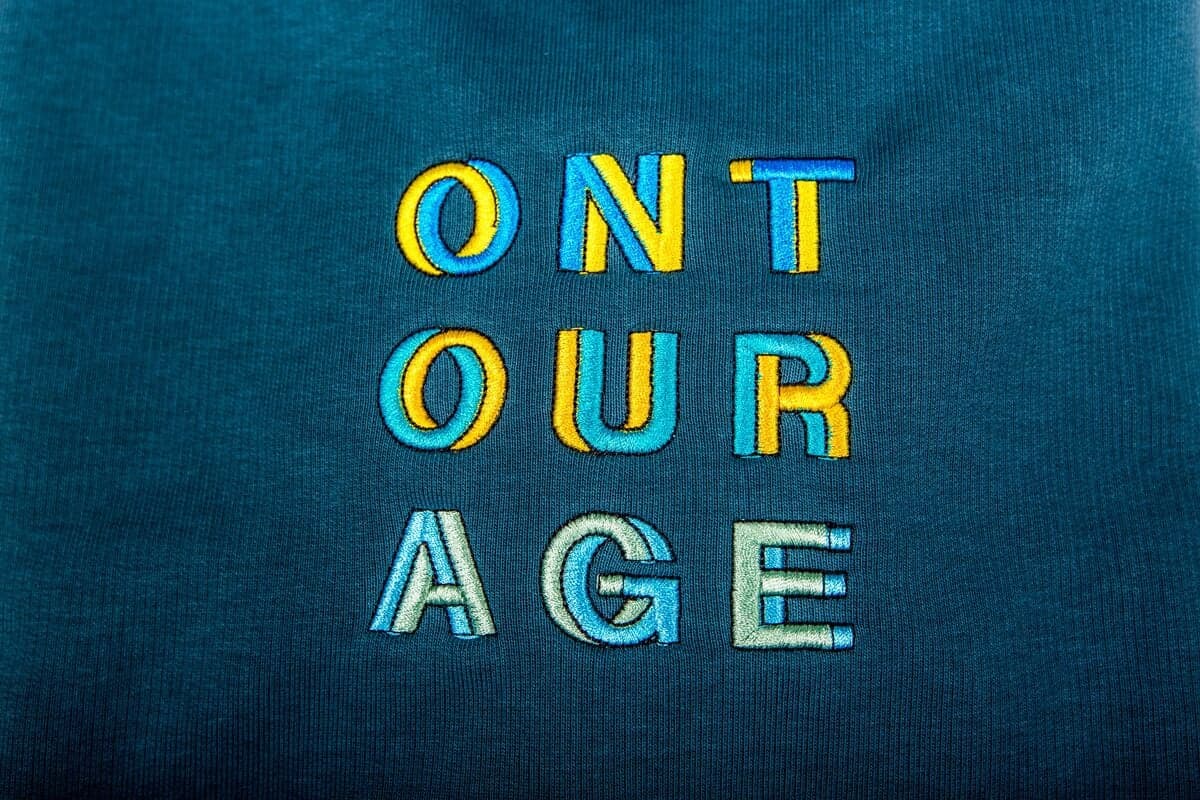
Decoration method decides whether on-demand is viable. Digital techniques work per piece with no setup: DTF printing, direct-to-garment, laser engraving, UV printing and single-head embroidery all run economically at a quantity of one. Screen printing does not, because screens have to be burned and inks mixed before the first shirt. That is why on-demand catalogues lean digital and why a fully screen-printed design usually stays a bulk job.
The trade-offs are real. Unit cost is higher than a 1,000-piece run, sometimes 20 to 40 percent higher, because you skip volume pricing. Colour matching across decoration methods needs discipline, since a Pantone on cotton and the same Pantone on a bottle will never look identical. Per-order shipping also costs more than one pallet to one address. What you get back is zero deadstock, zero warehouse fees, no size guessing, and the ability to change a design next week without writing off a pile of last quarter's stock.
On-demand merch in branded merch programs
- Onboarding kits for distributed teams. New hires pick their own size and item from a company store on day one. The kit is produced and shipped to their home address, so a team spread across eight countries gets the same welcome without a central warehouse.
- Event and campaign merch without leftovers. Run a conference giveaway where attendees claim an item through a QR code and redemption link. Only the claimed pieces get made, so the booth does not end with four cartons of XL shirts going back into storage.
- Always-on employee and customer stores. Keep a permanent catalogue live with rolling designs. Sales teams send a gift link to clients, employees redeem a budget, and the program runs continuously instead of in one annual buying spree.
On-demand merch is branded merchandise produced individually after an order is placed, removing the need for bulk purchasing, warehousing and minimum order quantities.
5 tips to elevate your On-demand merch strategy
| Tip | Steps |
|---|---|
| Split your catalogue | Keep evergreen items on-demand and reserve bulk runs for one-off, high-volume campaigns where the design and quantity are locked. |
| Design for digital decoration | Build artwork that reproduces well in DTF, embroidery or engraving, since these are the methods that run at a quantity of one. |
| Approve a physical sample | Order one unit of each product before the store goes live, so recipients are not the first people to see the print. |
| Watch the landed cost | Compare per-unit cost plus individual shipping against bulk cost plus storage and expected waste, not against the unit price alone. |
| Set expectations on lead time | Publish a realistic production and delivery window in the store, typically several days to two weeks depending on the item and region. |
Key Terminologies
Frequently Asked Questions
Is on-demand merch more expensive than bulk ordering?
Per unit, yes, usually 20 to 40 percent more than a large bulk run. Total program cost is often lower once you account for warehousing, size guessing and unsold stock that gets written off.
What is the minimum order for on-demand merch?
One. On-demand production removes the minimum order quantity entirely, which is the main reason it suits onboarding kits, employee stores and small gifting batches.
How long does on-demand merch take to arrive?
Typical production takes two to five working days, plus shipping to the recipient. Complex items such as embroidered outerwear or engraved hardware can take longer.
Can every product be produced on demand?
No. On-demand works for products that suit digital decoration such as apparel, drinkware, bags and notebooks. Items needing custom moulds, woven labels or full screen-print setups still require bulk production.
Does on-demand merch reduce waste?
Yes. Because each item is only made after someone requests it, there is no overproduction and no leftover inventory to discard, which is the single biggest source of waste in traditional merch programs.