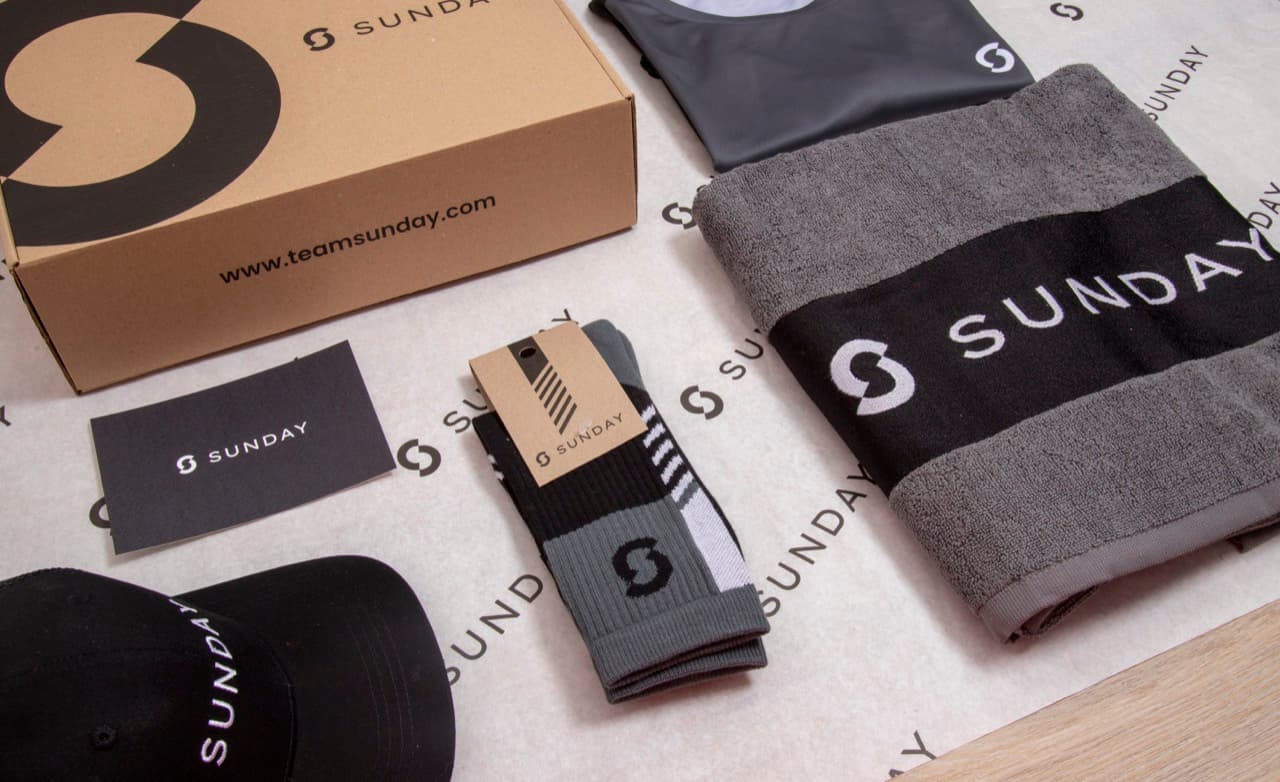
Definition
Ring-spun cotton is cotton that has been spun into yarn by continuously twisting and thinning the cotton strands, which makes the fibers tighter, finer, and softer. The result is a smoother, stronger thread than standard open-end cotton. That softness and durability is why ring-spun cotton shows up in better quality t-shirts and branded apparel.
Definition
Ring-spun cotton refers to the spinning method, not a type of cotton plant. During spinning, the cotton fibers are twisted and drawn out repeatedly so the strands wrap tightly around each other. This produces a yarn that feels noticeably softer to the touch and resists pilling better than coarser yarns.
A practical example: pick up two plain white tees at the same weight. The ring-spun one feels smooth and almost silky, while a standard carded tee feels slightly rougher and looser. Same cotton, different spin.
How ring-spun cotton works
The spinning machine takes loose cotton fibers and feeds them through a set of rollers that stretch the strand thinner. A rotating ring and traveler then twist the fibers as they are wound onto a bobbin. This twisting forces the short surface fibers to bind into the core of the yarn instead of sticking out, which is what creates the smooth hand feel.
Because the fibers are packed tightly, ring-spun yarn is stronger and more consistent than open-end yarn, where fibers are joined with air and less twist. Stronger yarn means the fabric holds its shape through more wash cycles and resists thinning at high-wear points like collars and seams.
The trade-off is cost and speed. Ring spinning is slower and uses more processing steps, so ring-spun garments sit at a higher price point than basic cotton. For merch programs where the garment carries a logo people actually wear, that extra quality usually pays back in perceived value and longer wear. You will often see it combined with combed cotton for an even cleaner finish, or compared against carded cotton on spec sheets.
Ring-spun cotton in branded merch
- Premium event tees: When a shirt represents your brand at a conference or launch, ring-spun cotton gives a softer feel and crisper print surface that makes the merch feel considered rather than disposable.
- Employee and onboarding kits: New hires keep clothing they actually like wearing. A ring-spun tee in a welcome kit reads as a quality signal, not a throwaway.
- Retail-style merch drops: For brands selling or gifting fashion-grade pieces, ring-spun cotton matches the hand feel customers expect from store-bought apparel, which supports a higher price or a stronger gift impression.
Ring-spun cotton is cotton spun through a process that twists and thins the fibers into a fine, soft, and durable yarn.
5 tips to elevate your Ring-spun cotton strategy
| Tip | Steps |
|---|---|
| Confirm the spin type | Check the product spec for "ring-spun" rather than assuming, since "100% cotton" alone says nothing about the spin. |
| Match weight to use | Pair ring-spun yarn with a 150 to 200 gsm fabric for everyday tees, heavier for premium pieces. |
| Plan for print quality | Use the smoother surface for fine detail prints and small logos that need clean edges. |
| Pre-shrink expectations | Ask whether the garment is pre-shrunk, as ring-spun cotton can still shrink slightly on first wash. |
| Compare on hand feel | Order samples and feel them side by side before committing a large run to one fabric. |
Key Terminologies
Frequently Asked Questions
Is ring-spun cotton better than regular cotton?
Ring-spun cotton is softer, stronger, and more durable than standard open-end or carded cotton. It costs more, but it holds up better through washing and feels closer to retail-grade apparel.
Does ring-spun cotton shrink?
It can shrink slightly on the first wash like most cotton. Many garments are pre-shrunk to reduce this, so check the product spec and wash cold to keep shrinkage minimal.
What is the difference between ring-spun and combed cotton?
Ring-spun describes how the yarn is twisted, while combed describes a cleaning step that removes short fibers. The two are often combined, since combed ring-spun cotton is among the softest cotton you can buy.
Is ring-spun cotton good for printing?
Yes. The smooth, tight surface gives sharper print results and cleaner edges, which makes it a strong choice for detailed logos and small text.
Why does ring-spun cotton cost more?
The spinning process is slower and uses more steps to twist and refine the fibers. That extra processing raises the price but delivers a softer, longer-lasting garment.