
Definition
Decoration lead time is the number of working days a decorator needs to turn blank stock into branded product, counted from approved artwork to decorated goods ready for packing. It sits inside your total lead time, alongside sourcing and freight. Most people underestimate it, because the parts that eat the days are invisible: screen making, digitising, queue position and curing.
Definition
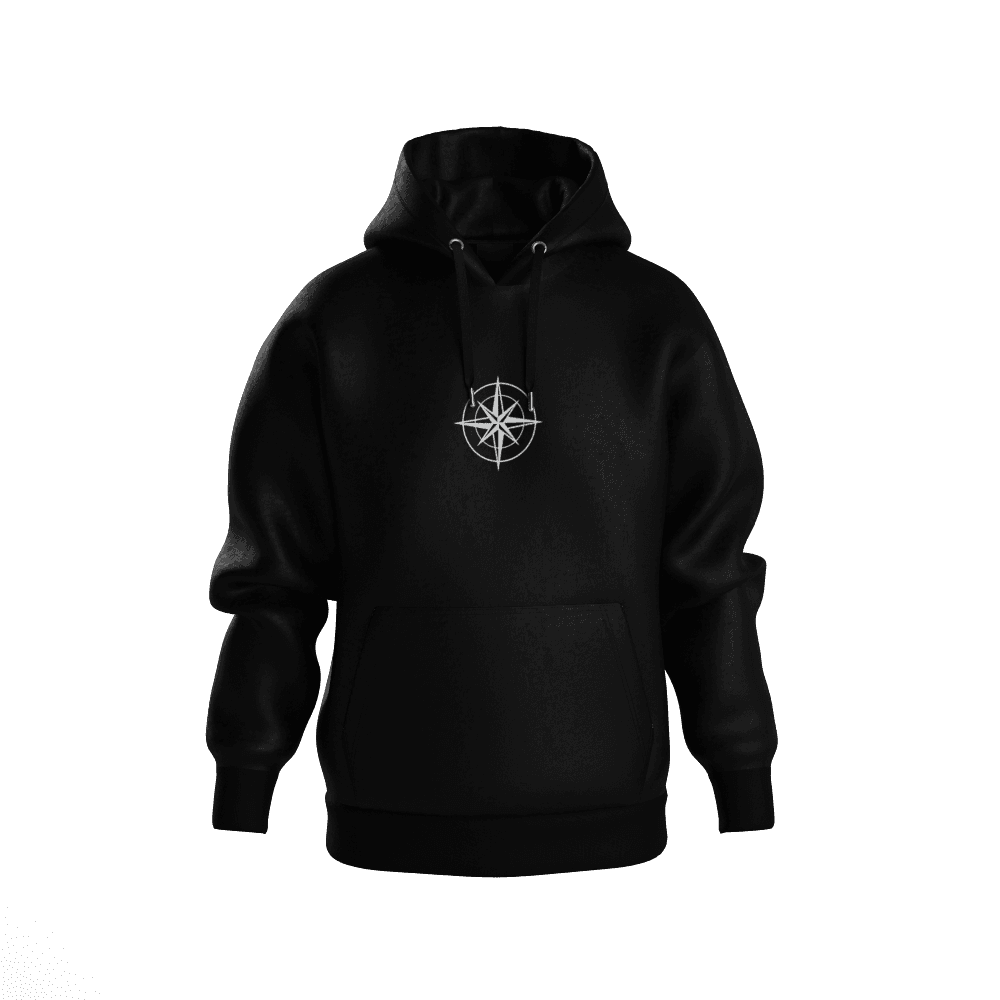
Decoration lead time is measured on the decorator's calendar, not on the machine's clock. Take 500 hoodies with a three-colour chest print. Making and aligning the screens plus mixing the Pantone inks takes a day. The press run takes a day. Curing, folding and inspection take another. Then add the four days of jobs already booked ahead of yours. Your decoration lead time is roughly seven working days, even though the garments spend about ninety minutes actually under the press.
How decoration lead time works
Split it into setup, run and finish. Setup is fixed work in hours that does not shrink with quantity, so it hits small orders hardest. Screen printing needs one screen per colour, exposed, washed out and registered. Embroidery needs a stitch file and a sew-out sample to prove tension and density, which is why embroidery digitizing is usually quoted as a separate day. Sublimation needs colour-managed transfers printed and checked. Direct-to-garment and laser engraving need almost no setup, which is why they handle single units happily and short deadlines even better.
The run scales with three things: units, print positions and colour count. A one-position, one-colour job moves fast. Front print, sleeve print and a nape label mean three passes, three registrations and three chances to reject a piece. Two decoration methods on one garment is worse than it sounds, because the print department and the embroidery department are different machines with different queues, and the work runs in sequence, not side by side.
Finishing is where quiet days disappear. Plastisol ink needs a full cure through a dryer, embroidery needs backing trimmed and stabiliser removed, garments need refolding, polybagging and often relabelling. Quality control then samples the run against the approved proof. On top of all that sits queue time, the single biggest variable. A decorator running at capacity in October will quote twice the lead time they quote in February for the identical job.
Decoration lead time in branded merch
- Working back from an event date. Take the delivery date, subtract transit, subtract packing, and only then subtract decoration. The number you land on is your true artwork approval deadline, and it is usually two weeks earlier than people expect.
- Multi-method apparel. A jacket with an embroidered chest logo and a printed back panel passes through two departments. Ask for the sequence and the combined decoration lead time up front, rather than assuming the two steps overlap.
- Reorders and top-ups. Screens, stitch files and colour recipes stay on file after the first run. A repeat order therefore skips most of the setup block and can be decorated in a fraction of the original time, which makes reordering a planning advantage.
Decoration lead time is the working days between approved artwork and decorated goods leaving the production floor, covering setup, queue time, the run itself, and curing or quality control.
5 tips to elevate your Decoration lead time strategy
| Tip | Steps |
|---|---|
| Separate setup from run | Ask the decorator to quote setup days and run days apart, so you can see which one you can actually compress. |
| Approve artwork in one round | Every proof cycle restarts the clock. Send print-ready files with Pantone codes and sizes locked. |
| Keep positions low | Each extra print position adds handling, drying and inspection time. Cut a nice-to-have sleeve print and buy back a day. |
| Book capacity early | Reserve a slot in the decorator's schedule before artwork is final. The queue is the part money cannot fix later. |
| Reuse existing setups | Reorder in the same colours and positions as your last run so screens and stitch files are reused and setup drops to near zero. |
Key Terminologies
Frequently Asked Questions
How long is a typical decoration lead time?
Screen printing and embroidery on stock apparel usually take 5 to 10 working days, including setup and queue. Direct-to-garment printing and laser engraving can be done in 1 to 3 working days for small runs.
What is the difference between decoration lead time and lead time?
Decoration lead time only covers the decorating stage, from approved artwork to finished branded goods. Lead time is the whole journey, adding sourcing, packing, freight and customs on top.
Does a bigger order always mean a longer decoration lead time?
Not proportionally. Setup takes the same hours whether you order 50 units or 5,000, so volume mainly stretches the run itself. A tenfold increase in quantity rarely means a tenfold increase in days.
Why does decoration take longer in autumn?
Q4 is peak season for corporate gifting and event merch, so decorators run at capacity and queues grow. The same job that takes five working days in spring can take ten or more in October and November.
Can decoration lead time be shortened?
Yes. Approve artwork in a single round, choose a low-setup method such as direct-to-garment, limit the job to one print position, and book capacity before your files are final.