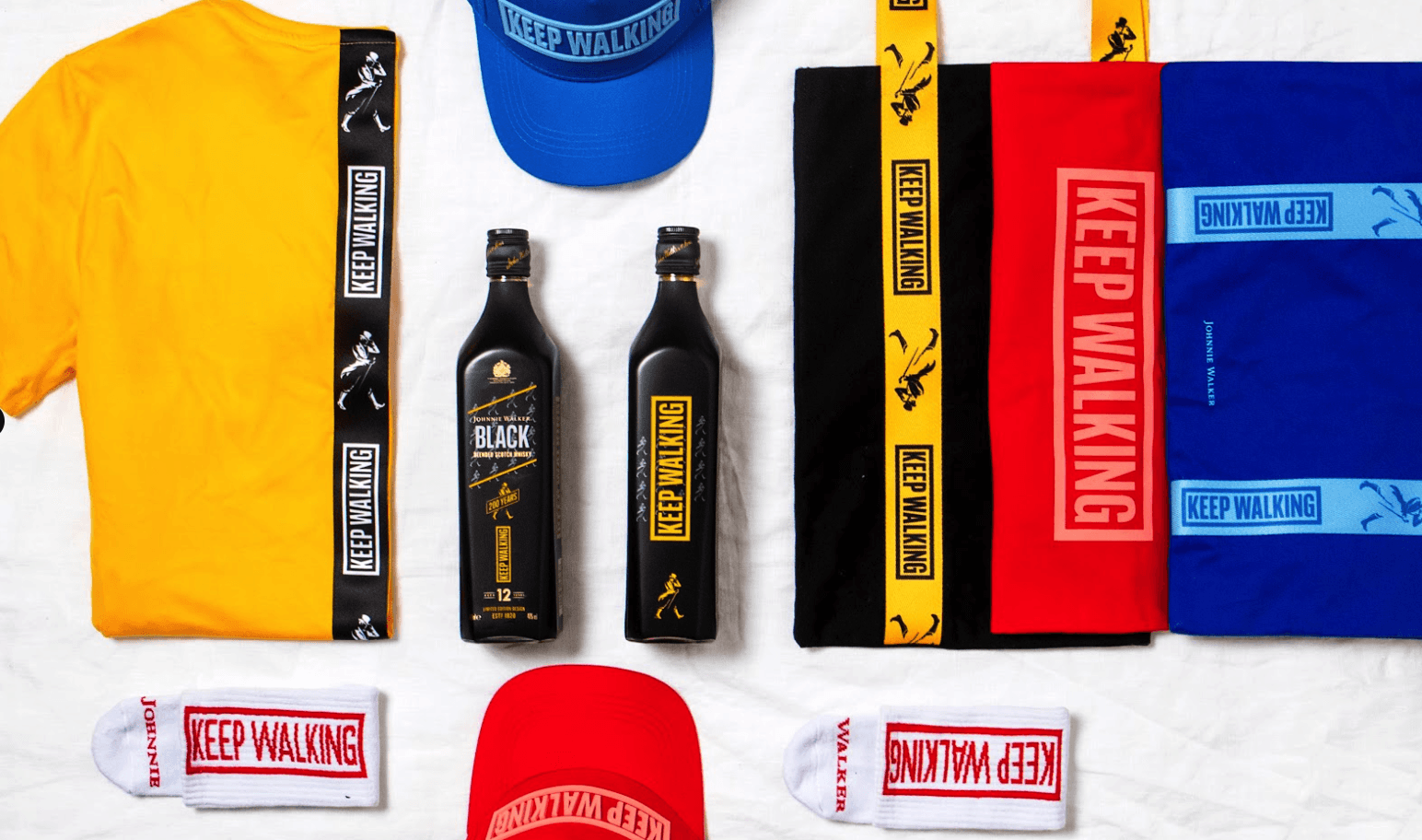

Definition
Product customization and personalization is the practice of adapting specific aspects of a product to align with the distinct needs and desires of individual customers. This personalized approach empowers you to better cater to your clientele’s specific tastes, creating a unique purchasing journey.
“Product customization involves tailoring a product’s features to suit individual preferences. It’s about meeting unique customer needs with a personalized touch.”
Imagine you are offering a range of t-shirts with customizable options. As a customer browses your collection, they might prefer a t-shirt in a unique color or with a custom design, such as their initials or a special graphic. By providing these options, you allow them to transform what would otherwise be a standard purchase into a one-of-a-kind product that reflects their personal style and preferences.
The Principles of Effective Product Customization
At its core, the principles of product customization are centered around enhancing customer satisfaction by allowing consumer participation in the creation process. Customers appreciate the opportunity to have a say in the products they purchase, as it fosters a sense of ownership and loyalty. By offering customizable items, you empower them to influence the characteristics of a product to better suit their individual tastes and requirements.
In the world of merchandise, ecommerce, and textile production, customization is not just a trend; it’s a strategic approach to differentiate your offerings in a crowded marketplace. Picture a scenario where your customers are not only choosing products from a catalog but are actively shaping them to fit their personal vision. This could involve selecting fabric types, adjusting sizes, or even opting for specific stitching styles. By incorporating elements like color preferences, unique graphic designs, or personalized text, you ensure each item resonates with the customer’s identity. This level of personalization extends beyond the final product; it intertwines with the customer’s journey, fostering engagement from the initial selection process to the eventual receipt of the custom item. Ultimately, it’s about crafting a memorable purchasing experience, with attention to detail and responsiveness to customer feedback.
Embracing product customization can elevate your brand as it demonstrates commitment to quality and customer-centricity. It sets a standard where each product is not just made for a customer but becomes an expression of their individuality.
This focus on personalization not only enhances customer satisfaction but also drives brand differentiation.
3 examples of powerful Product Customization strategies
Nike By You
: This platform revolutionizes sneaker shopping by allowing customers to design their own shoes. Users can choose colors, materials, and even add personalized text to their footwear. This level of customization not only caters to personal preferences but also enhances brand loyalty, as customers feel more connected to a product they helped create.
Cafepress
: Known for its wide range of customizable products, Cafepress offers customers the ability to imprint personal designs and messages on t-shirts, mugs, and more. The platform empowers users to express themselves through unique creations, transforming ordinary merchandise into an outlet for individuality.
Etsy Sellers
: Many vendors on Etsy specialize in handmade and customizable items, offering unique design options like custom embroidery and fabric choice. This approach creates intimate interactions between buyer and seller, allowing for creations that hold personal significance for the customer.
8 tips to elevate your Product Customization strategy
| Tip | Steps |
|---|---|
| Explore Case Studies | Research industry examples |
| Attend Workshops or Webinars | Sign up for industry events |
| Experiment with Software | Try design platforms |
| Engage with Online Communities | Join forums and groups |
| Collaborate with Designers | Partner for custom projects |
| Test Customization Options | Create prototype products |
| Monitor Industry Trends | Follow relevant publications |
| Solicit Customer Feedback | Conduct surveys |
Key Terminologies
Frequently Asked Questions
What are the costs associated with product customization?
The costs can vary significantly depending on the complexity and the level of customization desired, but investing in the right customization can elevate your product’s value.
How does product customization affect delivery time?
While customization may slightly extend delivery timelines, efficient partnerships and streamlined processes help maintain timely deliveries.
Is product customization sustainable?
Yes, product customization aligns with sustainable practices by reducing waste and ensuring products are produced on demand, minimizing surplus.
Can customized products be returned or exchanged?
Return policies may differ, but most customized products are final sale due to their personalization; always confirm specific terms with your provider.
What options do I have for customizing my product?
Options range from material choices to design alterations, ensuring a unique final product that matches your vision.
How can I ensure the quality of my customized product?
Ensuring quality involves selecting reputable partners, such as Sunday and reviewing prototypes or samples throughout the process for alignment with your expectations.