
Definition
Screen printing is a decoration method that pushes ink through a fine mesh screen onto fabric, using a stencil to block ink everywhere except the design. It is the most common way to put a logo on a t-shirt, tote bag, or hoodie because it lays down thick, opaque, long-lasting color at a low cost per unit once the screens are made.
Definition
A screen printer stretches mesh across a frame and blocks out everything except the artwork with a light-sensitive emulsion. Ink is pulled across the screen with a squeegee, forcing it through the open mesh and onto the garment below. Each color in a design needs its own screen, so a five-color logo means five separate passes, each one aligned precisely with the last.
How screen printing works
The strength of screen printing is the thickness and opacity of the ink layer. Because ink sits on top of the fabric rather than soaking in, screen printing covers dark garments with bright colors and holds crisp edges on bold shapes, logos, and text. Plastisol, the most common ink type, cures under heat into a durable, slightly raised layer that survives years of washing.
The trade-off is setup cost and color count. Burning a screen for every color takes time and materials, so screen printing gets expensive fast on small orders with many colors, but cheap per unit at high volume with one or two colors. Fine gradients and photographic detail are hard to reproduce, since each color is a flat, separate layer rather than blended dots of ink.
Screen printing in branded merch
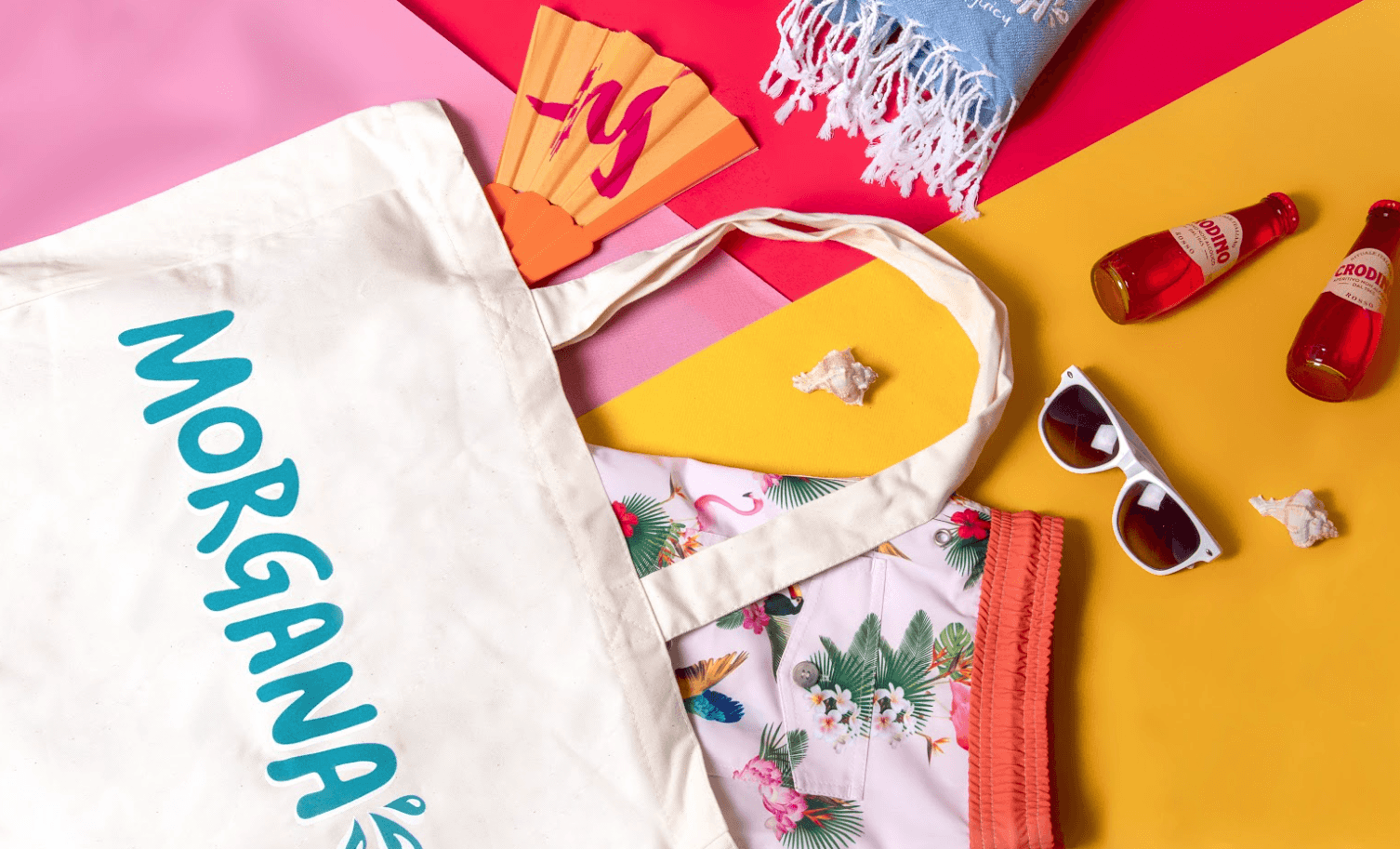
- Bulk event and giveaway apparel. Screen printing is the default for large runs of t-shirts, totes, and hoodies where the design uses one to three solid colors and the order size spreads out the setup cost.
- Bold, high-contrast logos. A simple logo in brand colors prints crisp and durable with screen printing, holding up to repeated washing better than most transfer methods.
- Dark garment branding. The opaque ink layer covers dark fabric cleanly, which is why screen printing is the go-to for logos on black or navy apparel.
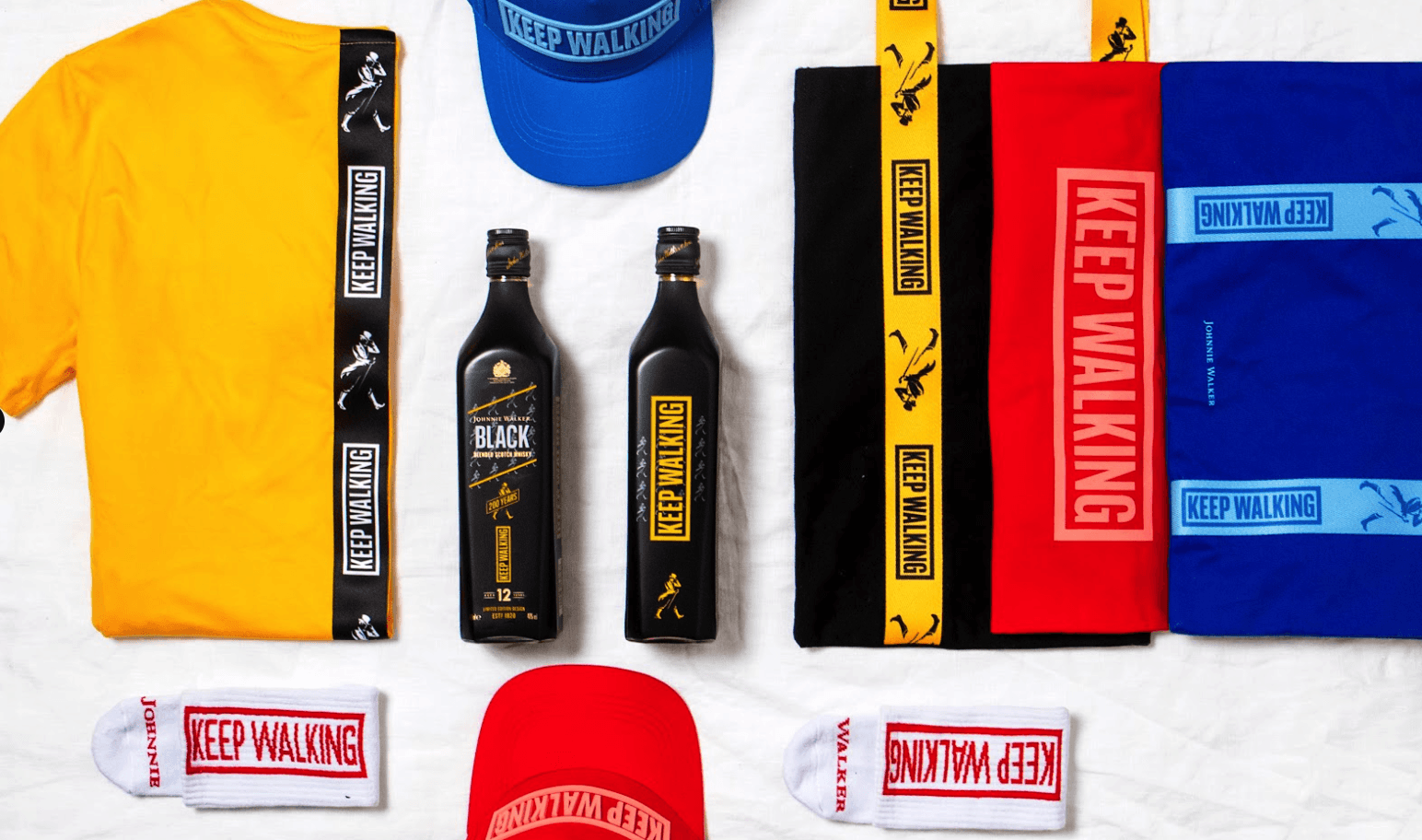
Screen printing pushes ink through a mesh stencil to lay down thick, opaque color, the standard method for bold, durable logos at scale.
5 tips to elevate your Screen printing strategy
| Tip | Steps |
|---|---|
| Match color count to volume | Keep designs to one or two colors for small runs, since each color adds a screen and setup cost. |
| Choose plastisol for durability | Plastisol ink cures into a thick, wash-resistant layer that outlasts most alternatives. |
| Skip it for photos | Use sublimation or DTG instead of screen printing for gradients or photographic detail. |
| Confirm dark-garment coverage | Ask for an underbase layer when printing light ink on dark fabric so colors stay true. |
| Order a strike-off | Approve a physical printed sample before a full production run to catch color and registration issues early. |
Key Terminologies
Frequently Asked Questions
What is screen printing used for?
Screen printing is used for t-shirts, hoodies, tote bags, and other apparel that needs bold, durable, cost-effective logos at volume, especially with one to three colors.
Is screen printing cheaper than DTG or sublimation?
At high volume with few colors, yes, screen printing is usually cheaper per unit. At low volume or with many colors, the setup cost makes DTG or DTF more economical.
Does screen printing work on dark fabric?
Yes, with an opaque underbase layer printed first so the top color stays true instead of blending into the dark fabric.
How long does screen printing last?
A well-cured plastisol print can last through years of regular washing, making it one of the more durable decoration methods for apparel.
Can screen printing handle gradients or photos?
Not well. Screen printing works best with flat, separated colors; for gradients or photographic detail, DTG or dye sublimation give better results.