Definition
Types of t shirts refers to the main styles, cuts, and fabric weights a t-shirt can come in, from crew neck and V-neck to polo, ringspun, and heavyweight. Knowing the differences helps you pick the right shirt for comfort, look, and branding.
Definition
A t-shirt is a short-sleeved knit top, and its "type" comes from a few key choices: the neckline, the sleeve, the fit, and the fabric. Each combination changes how the shirt feels and how it suits a given audience or brand.
How types of t shirts work
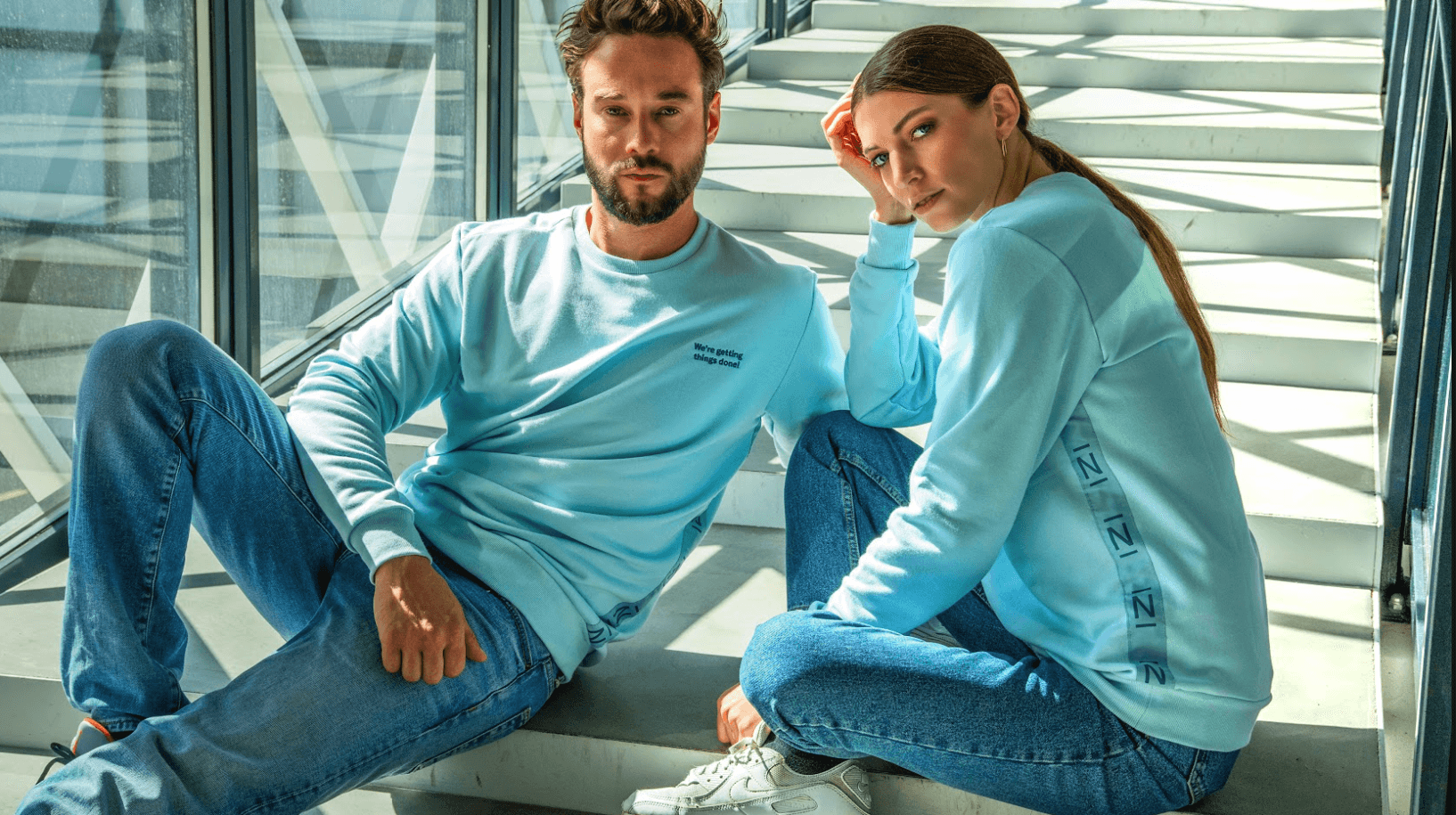
The neckline is the first divider. A crew neck has a simple round collar and suits almost everyone, which makes it the default for merch. A V-neck opens the chest for a softer look. A polo adds a collar and a placket for a smarter, business-casual feel. Each neckline changes the print area and the overall tone of the garment.
Fabric and weight matter just as much. Standard cotton jersey is the baseline. Ringspun cotton is spun into a smoother, stronger yarn for a softer hand. A cotton-polyester blend or a tri-blend adds stretch, drape, and shrink resistance. Weight, measured in grams per square meter, separates light summer tees from heavyweight shirts that feel substantial and hold a print well. Compare your options against plain cotton before you choose.
Fit is the last lever. A classic fit is roomy and unisex. A fitted or slim cut follows the body. A relaxed or boxy cut sits oversized and modern. The right type balances comfort, print quality, and price, so a giveaway tee and a premium retail tee will rarely be the same shirt.
Types of t shirts in branded merch
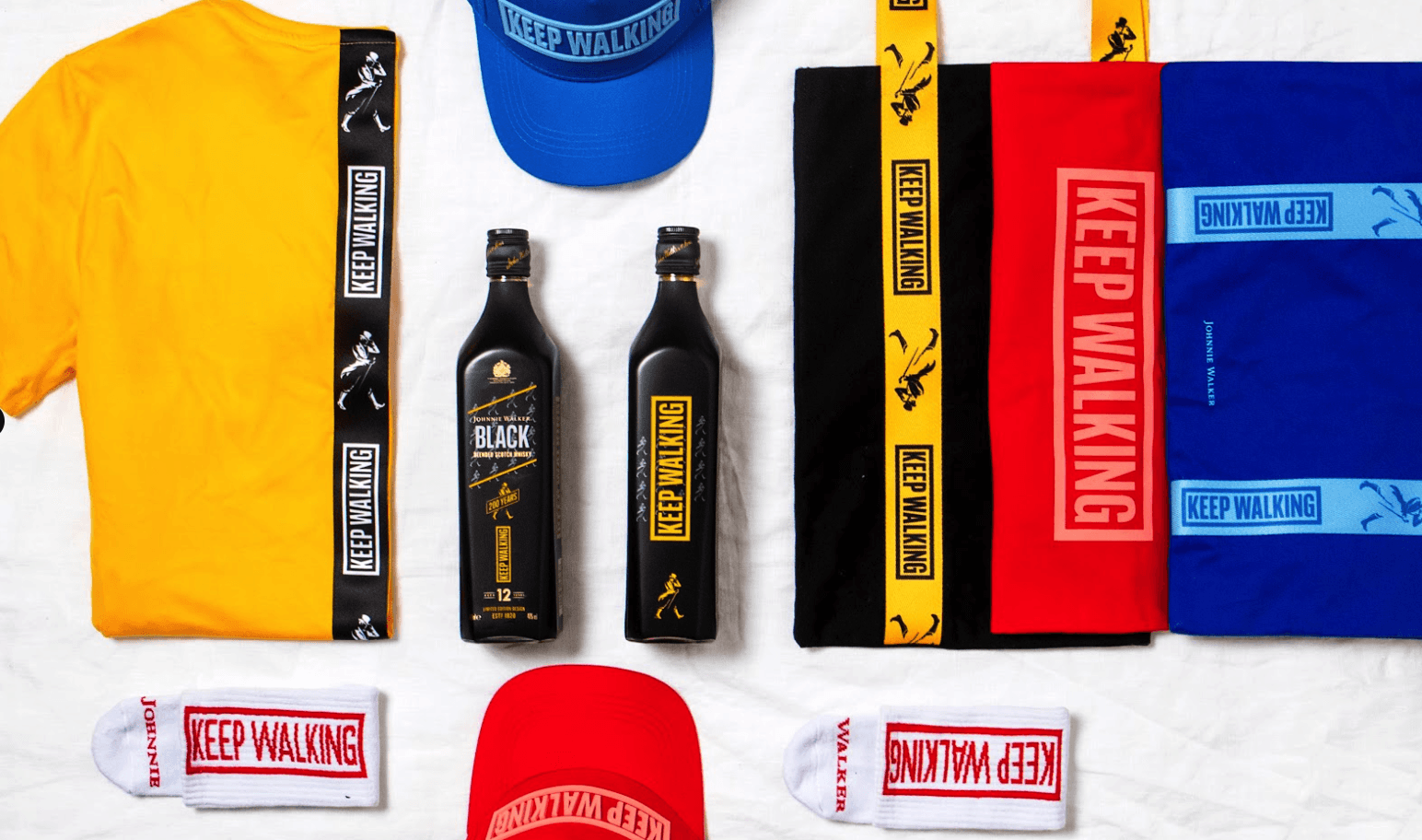
- Crew neck for broad giveaways: Use a classic crew neck in a mid-weight blend when you need one shirt that fits a whole team or event crowd.
- Heavyweight ringspun for premium drops: Choose a heavier ringspun cotton crew when the shirt itself is the product and the embroidery or print needs to look sharp.
- Polo for client-facing teams: Pick a polo for staff who meet customers, since the collar reads smarter than a plain tee while still being comfortable.
Types of t shirts are the variations in neckline, sleeve, fit, and fabric that define how a t-shirt looks, feels, and wears.
a brand orders crew neck shirts in a heavyweight ringspun cotton for a premium drop, then a lighter blend V-neck for a summer giveaway. Same logo, two very different garments, each matched to its purpose.
5 tips to elevate your Types of t shirts strategy
| Tip | Steps |
|---|---|
| Start with the audience | Match neckline and fit to who wears it, not just to the trend. |
| Weigh up the weight | Use light fabric for summer giveaways, heavyweight for premium retail. |
| Test the hand feel | Order samples and feel the fabric before committing to a large run. |
| Mind the print method | Ringspun and high-cotton fabrics hold screen prints and DTG best. |
| Offer inclusive sizing | Stock a full size range and consider both unisex and fitted cuts. |
Key Terminologies
Frequently Asked Questions
What are the most common types of t shirts?
The most common types are the crew neck, the V-neck, and the polo. They vary by neckline, and each suits a different look, from casual giveaways to client-facing teams.
What is the difference between regular and ringspun cotton t-shirts?
Regular cotton uses standard spun yarn, while ringspun cotton is spun into a finer, smoother, stronger yarn. Ringspun shirts feel softer and hold prints better.
Which type of t-shirt is best for printing a logo?
A mid to heavyweight ringspun cotton crew neck is the safest choice. It gives a flat print area and holds screen prints and direct-to-garment work cleanly.
What does GSM mean for t-shirts?
GSM is grams per square meter, a measure of fabric weight. Lower GSM means a lighter, summer-weight tee, while higher GSM means a heavier, more premium shirt.
How do I choose the right t-shirt type for merch?
Start with the audience and the purpose. Use a light blend crew for broad giveaways, a heavyweight ringspun for premium drops, and a polo for client-facing staff.