
Companies use custom aprons far beyond restaurant uniforms. The strongest use cases are restaurants, bars, cafes and coffee chains; food-service rollouts; pop-ups and hospitality events; food demos and branded tastings; BBQ and grilling campaigns; cooking classes and workshops; retail demos; premium food and drink gifting; and Father's Day or whiskey-brand gifts. An apron works when there is a clear link to cooking, serving, making, hospitality or craft, and falls flat when there is no logical connection to the recipient or campaign.
An apron is a niche category, and that is exactly what makes it interesting. It is highly relevant in specific industries and campaigns, yet versatile far beyond workwear. The right apron carries real design, storytelling and gifting value. The key is relevance. Match the apron to the audience and the activity and it becomes one of the most distinctive products in a campaign. Here are nine ways companies put that to work.
1. Restaurants and custom aprons for restaurants
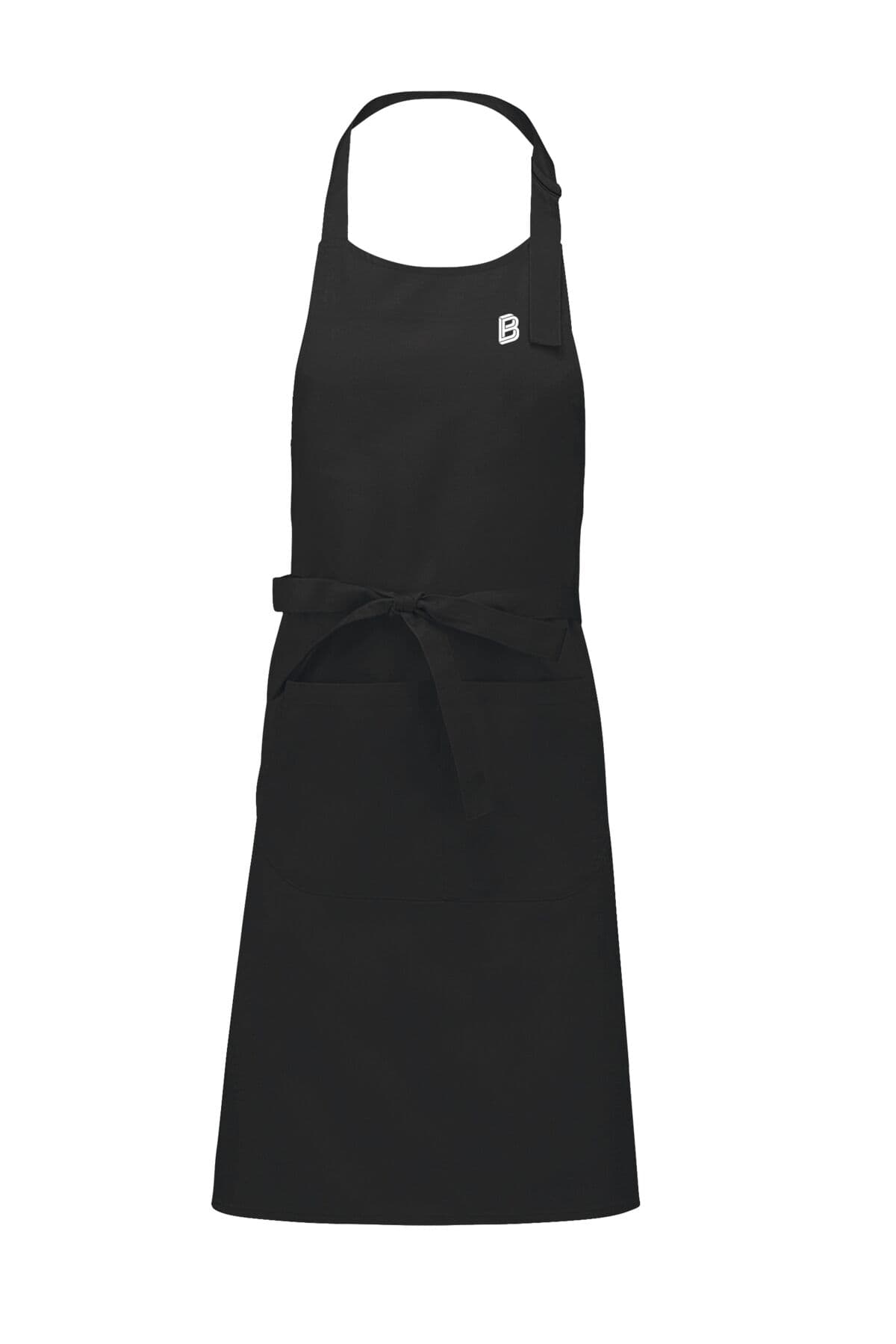
The obvious one, and still the biggest. Restaurants use custom aprons as uniform: a clean, branded look across the floor and kitchen that ties the whole front of house together. Choose the style by role. Bib aprons for chefs and food prep, waist or bistro aprons for servers, and a clean chest logo in embroidery so it survives the hot wash cycle a restaurant runs daily. Embroidered aprons with logo are the default here because they look sharp up close and last the life of the garment.
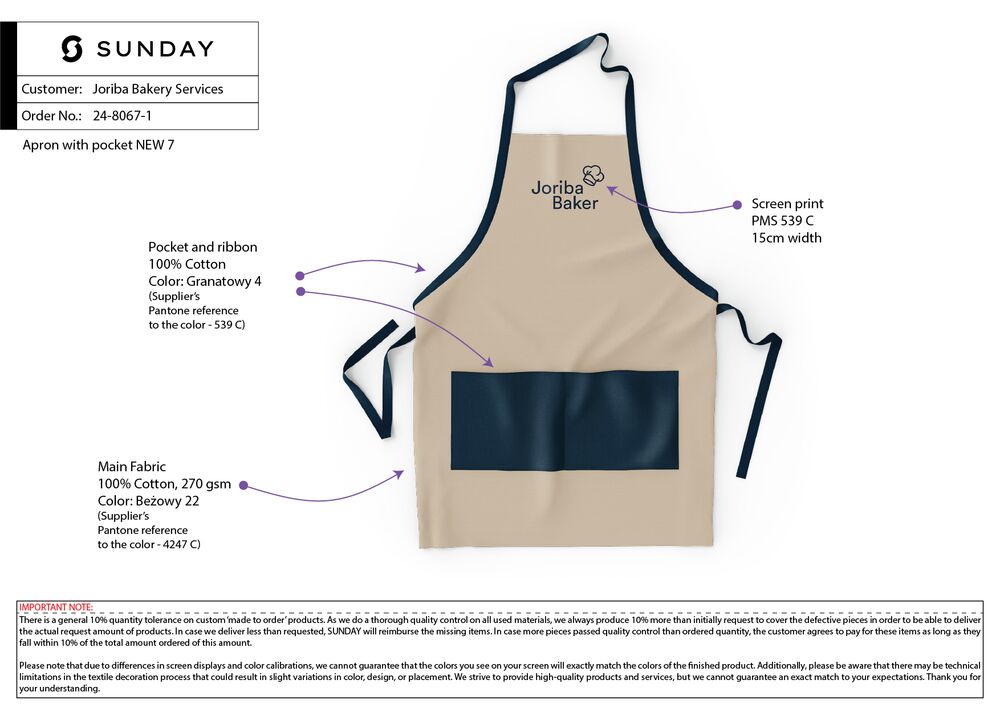
A branded apron ties the whole team together. Choose the style by role and decorate with embroidery so it survives daily hot washing.
2. Bars, cafes and custom barista aprons for coffee chains
Bars, cafes and coffee chains live or die on the counter experience, and the apron is part of it. Custom barista aprons need pockets for the tools of the trade and a clean, on-brand look at eye level with the customer. Waist and bistro aprons give bartenders mobility and front pockets for pads, openers and cards. For a coffee brand, a barista apron is the natural product match: it sits exactly where the brand meets the customer.
3. Food-service and chain rollouts
This is where aprons get cost-effective. Food-service operators and chains roll out aprons across many sites at once, and quantity is one of the biggest price drivers, so a large rollout lands at a strong unit price. The play is to standardise the style and decoration, order enough volume early to unlock efficient production, and store and ship per site rather than rush-producing each location. Consistency across every venue is the brand win.
4. Pop-ups and hospitality events
For a pop-up or a hospitality event, the apron is part of the experience, not a throwaway. This is where the Wiese Oktoberfest activation worked: custom aprons worn by the full crew, matched to the theme, connecting the beer category, the hospitality environment, the cultural setting and the team's role. The apron made the crew look like part of the event rather than staff in generic blanks. That is the test for an event apron: does it belong to the moment.
5. Food demos and branded tastings
Brands that supply hospitality venues use aprons to dress their demo and tasting teams: beer, wine and spirits, snacks, food producers, premium meat and salmon, and kitchen brands. A branded apron on the person serving a tasting reads as professional and on-theme, and it photographs well for the campaign. Match the apron to the product so the demo feels designed rather than improvised.
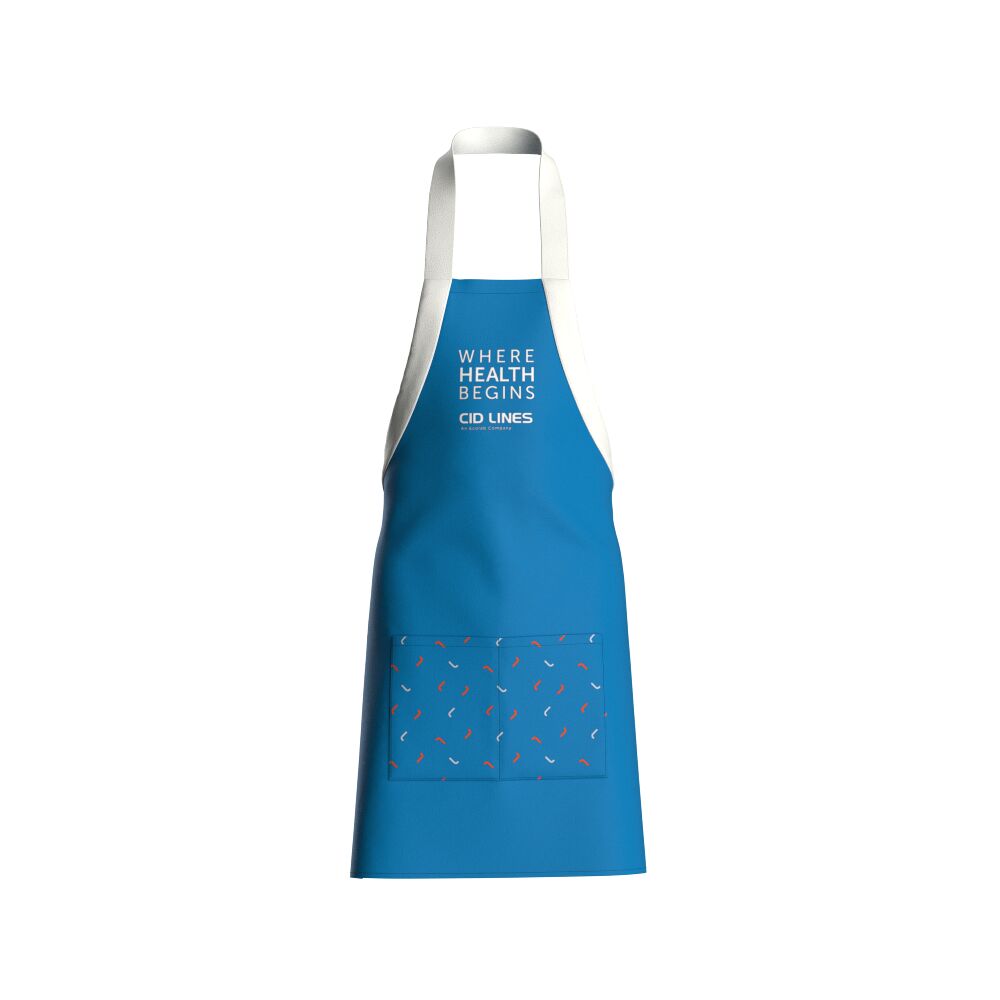
Food producers dress demo and tasting teams in branded aprons so the activation looks designed and photographs well.
6. BBQ and grilling campaigns
BBQ is one of the best apron fits there is. A premium meat or salmon brand, a food producer or a kitchen brand can run a BBQ-themed campaign where a custom denim apron or a leather-look apron is the hero product. Denim brings character and durability and is the strongest base for a leather label, which gives the apron a craft, high-value feel. A BBQ apron is the kind of product people genuinely keep and use, which is exactly what makes it strong merch.
7. Cooking classes and workshops
Cooking classes, workshops and team-building cookery use aprons two ways: as kit for participants on the day and as a takeaway they keep afterwards. A custom kitchen apron with a clean logo or a leather label turns a one-off session into ongoing brand visibility every time someone cooks at home. For team-building, the shared apron becomes a small artefact of the day, which is more memorable than another tote bag.
8. Retail demos and pop-up bars
Retail activations and pop-up bars need staff who look the part instantly. A branded apron does that on a tight setup, and it travels well between locations. Build the branding into the apron itself, not just the chest: contrast-colour pockets, pockets in your company colours, custom straps or a leather patch. A branded palette plus a clean chest logo reads as designed, not as a logo slapped on a generic blank.
9. Premium gifting and Father's Day
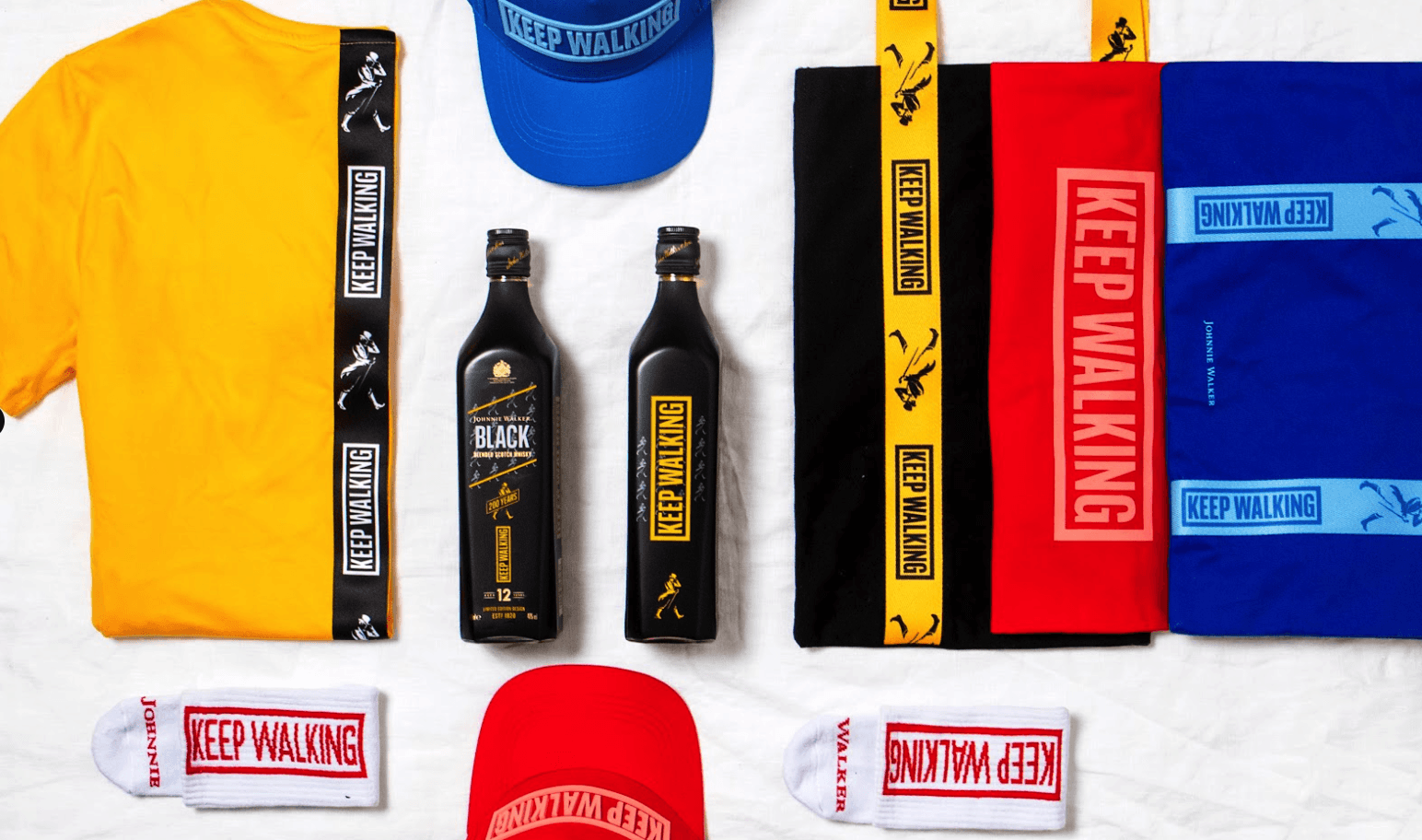
This is the underused one. A well-made apron is a genuinely premium gift, not a staff-only garment. A whiskey brand can run a Father's Day apron. A food producer can send a BBQ apron. A coffee brand can gift a barista apron. The design approach barely changes from a uniform: it still needs durable materials, strong decoration and washability. The difference is presentation, premium packaging, a personalised card, more luxurious materials or a stronger campaign story.
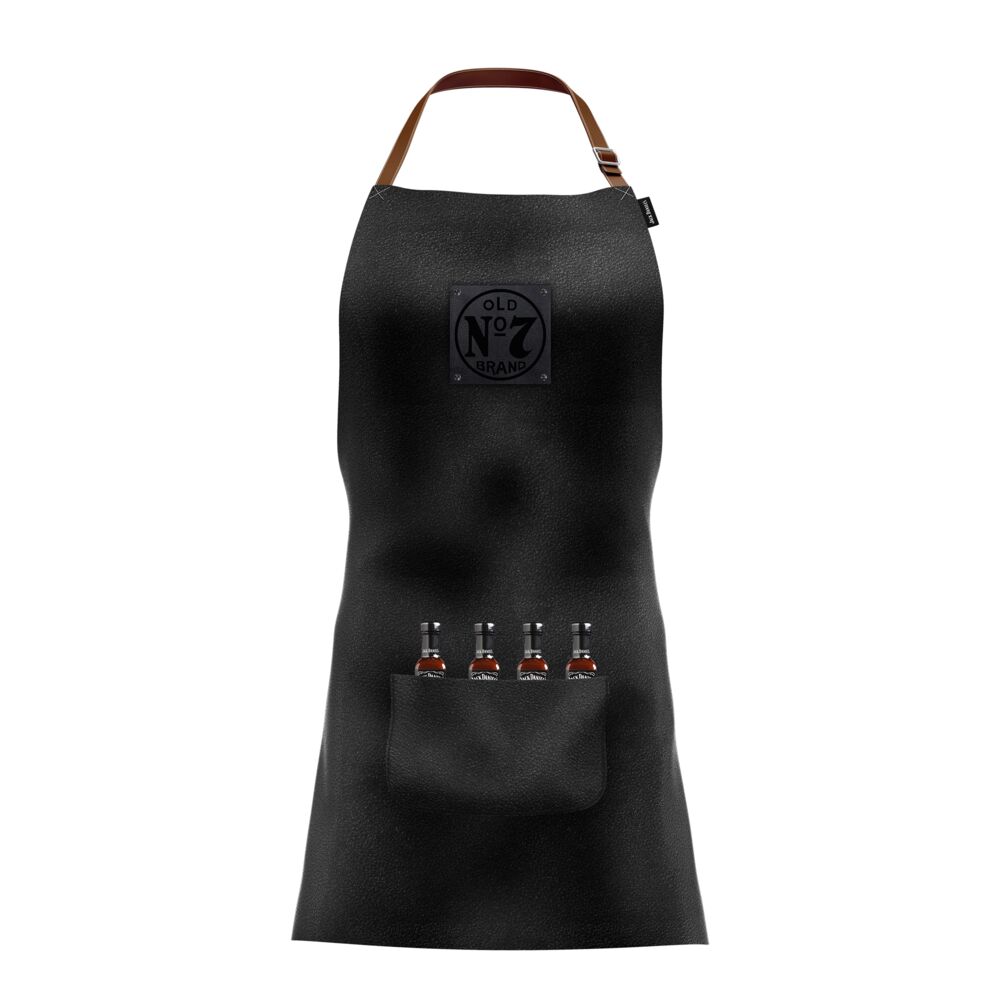
A whiskey-brand apron as a Father's Day gift. Match the product to the recipient and the apron becomes a high-value gift, not a giveaway.
Quick guide: matching the apron to the use case
| Use case | Best style | Best decoration |
|---|---|---|
| Restaurant uniform | Bib and bistro | Embroidered logo |
| Cafe / coffee chain | Barista, waist | Embroidered logo |
| BBQ campaign / gift | Custom denim or leather-look | Leather label |
| Cooking class | Custom kitchen apron | Embroidery or leather label |
| Father's Day gift | Denim or leather-look | Leather label + packaging |
Keep reading: custom aprons
Design a custom apron in 30 seconds
Pick a style for your use case, drop in your logo, choose embroidery or a leather label, and see live pricing with a real mockup.
Get free designs