

Japan does not have a blanket tax-free allowance for employee gifts. There's no general de minimis threshold you can plan a whole gifting programme around, the way there is in some other countries. What exists instead are three narrow, conditional exceptions, each with its own conditions attached, and a general rule that everything else defaults to fully taxable employment income. If you were hoping for one clean number to answer "how much can we give tax-free per employee," Japan doesn't have it. Here's what actually applies.
The three narrow exceptions
Japan's tax rules (and the National Tax Agency's administrative interpretations) recognize exactly three situations where an employer gift to an employee can be tax-free. Nothing outside this list qualifies, and each comes with its own conditions.
1. Founder and company-anniversary gifts (創業記念品)
A commemorative gift marking the company's founding or an anniversary is tax-free if its estimated resale value is ¥10,000 or less, excluding consumption tax. If the company repeats this kind of gift over time, it needs to be distributed at intervals of roughly five years or more to keep qualifying. Give it every year instead, and the exemption doesn't hold.
2. Long-service award gifts or travel (永年勤続表彰記念品)
A gift or trip recognizing long service is tax-free if the amount is "reasonable in light of social norms" for the employee's tenure and position. That's a qualitative standard, not a number: there is no fixed yen cap written into the rule. In practice, this exception is aimed at employees with roughly 10 or more years of continuous service, and like the founder-gift exception, it shouldn't be repeated more often than about every five years.
3. Condolence and celebratory money (慶弔費)
Funeral costs, condolence money, disaster relief payments, and marriage or birth congratulatory money paid to employees are tax-free if the amount is "socially reasonable" given the recipient's status and relationship to the company. Again, there's no fixed cap, it's a qualitative standard. In practice, this only holds up cleanly if the amounts follow a documented pay scale applied uniformly across the company, rather than being decided case by case.
Two of the three exceptions (long-service awards and condolence money) hinge on that "socially reasonable" qualitative standard rather than a specific figure. That's worth sitting with: it means there's no bright line you can point to when justifying an amount, only precedent, industry norms, and your own documented policy.
Why cash or vouchers disqualify the exemption
Across all three exceptions, the same disqualifying factor applies: substituting cash or gift certificates for the actual gift, trip, or award turns the full amount into taxable salary, not just the portion above some threshold. The exemption only covers genuine gifts, travel, or awards given in kind. Hand an employee a ¥10,000 envelope of cash "in lieu of" a founder-anniversary keepsake, and the exemption doesn't apply at all, the whole amount is taxed as employment income. The same logic governs the long-service award exception: swap the trip or gift for its cash value, and the full amount becomes taxable. This is one of the most common ways companies accidentally void an exemption they otherwise qualify for.
Ochugen and Oseibo: mostly a client-facing custom
Ochugen (mid-year gift-giving) and Oseibo (year-end gift-giving) are well-known Japanese customs, but there's no dedicated tax exemption for giving them to your own employees. Tax authorities treat these customs almost exclusively as a client and business-partner practice. If an employer gives Ochugen or Oseibo-style gifts to staff, ordinary in-kind-benefit rules apply, the same general rules that govern any other employer-to-employee gift outside the three narrow exceptions above.
In practice, that means the safest path to avoiding salary taxation is uniform distribution: the gift needs to go to all employees per an established, documented internal rule. Gifts handed to only some employees, a department, a few managers, top performers, get taxed as compensation for those recipients. Ochugen and Oseibo gifts to clients are a different story entirely; see the client-gifts section below.
12 gift ideas
Since there's no blanket tax-free number to design an employee gifting programme around in Japan, and the exceptions that do exist are narrow and conditional, the more useful approach is picking gifts that are genuinely well made, sit close to the ¥10,000 founder-gift threshold where relevant, and budgeting for tax honestly rather than assuming a gift qualifies. Here are 12 branded merchandise options, priced in JPY, with materials, branding methods, and minimum order quantities.
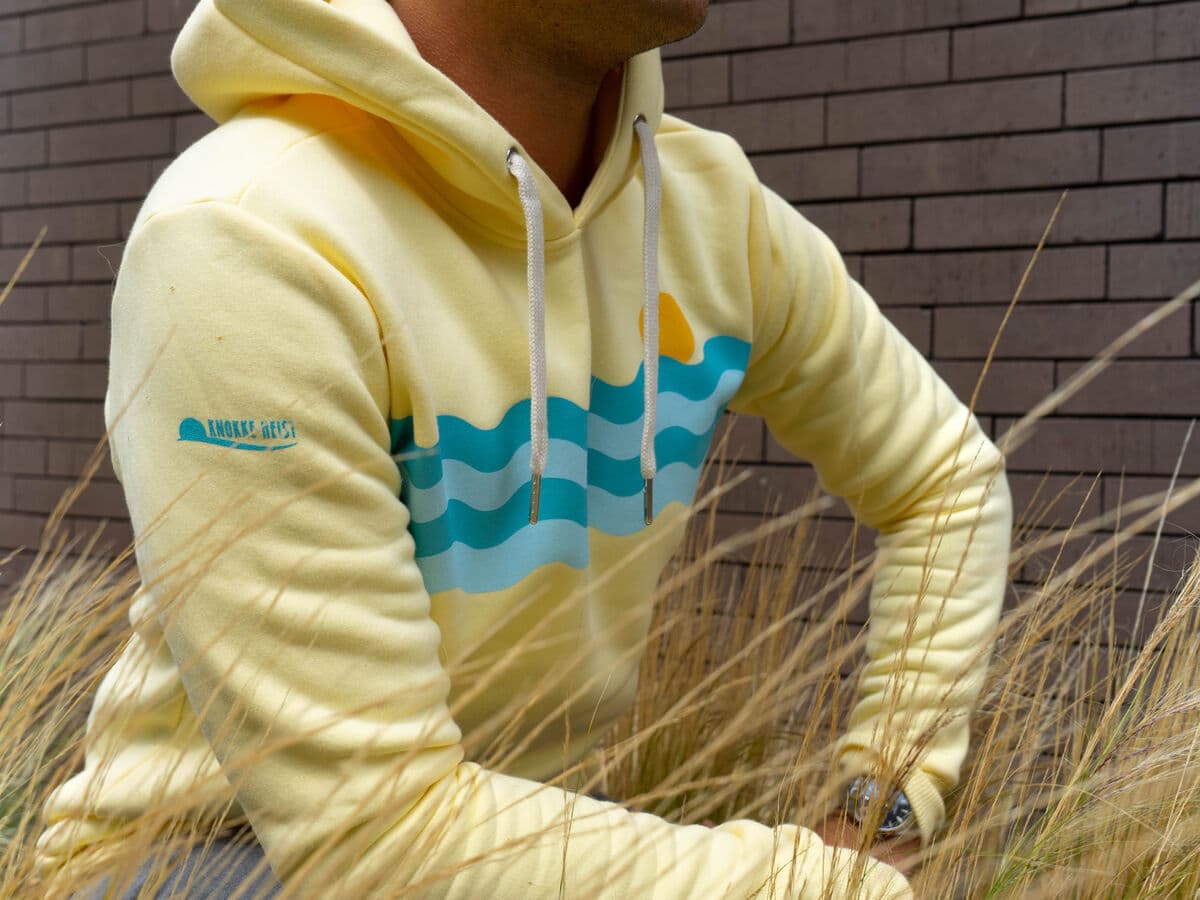
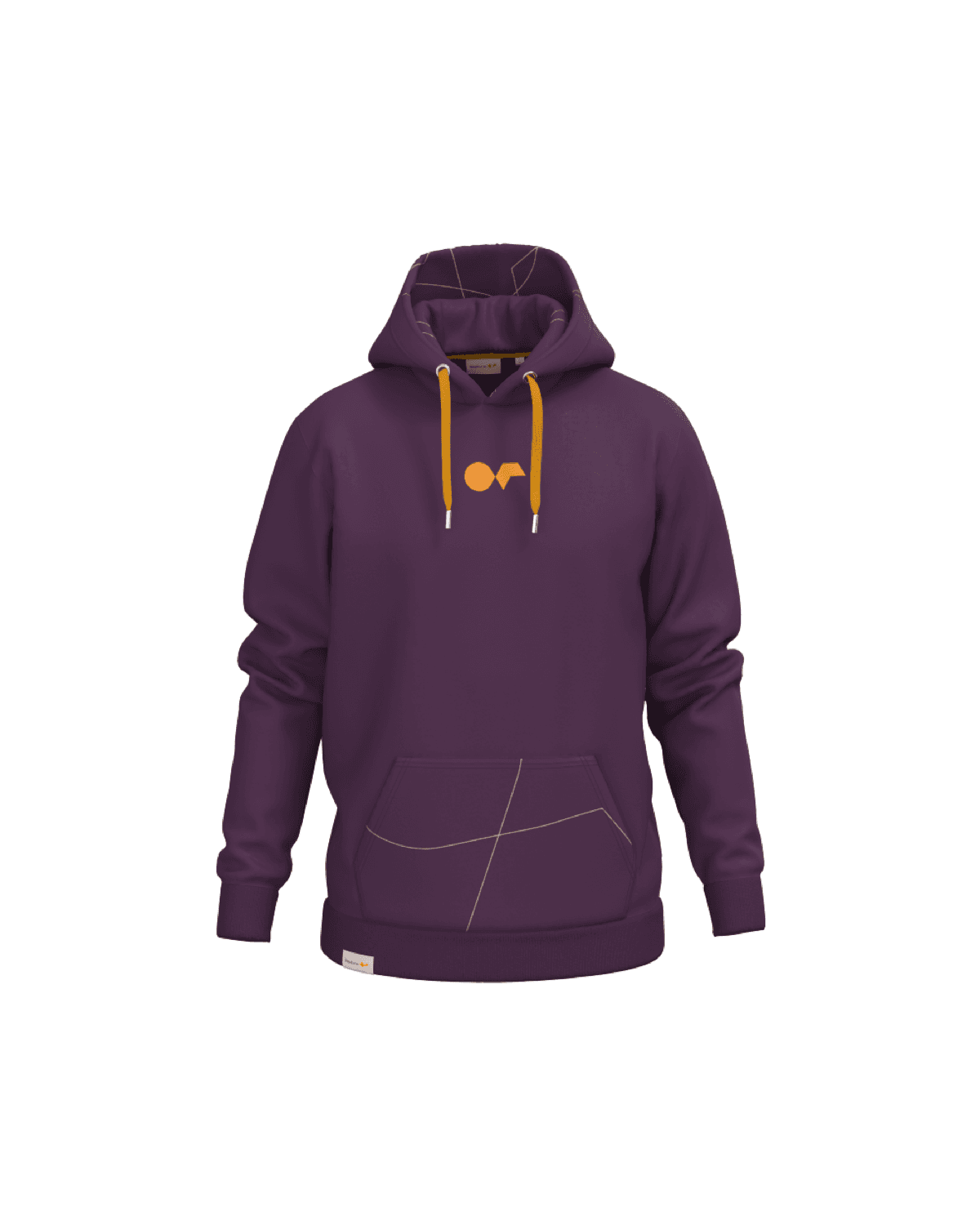
1. Hoodie – The Rex
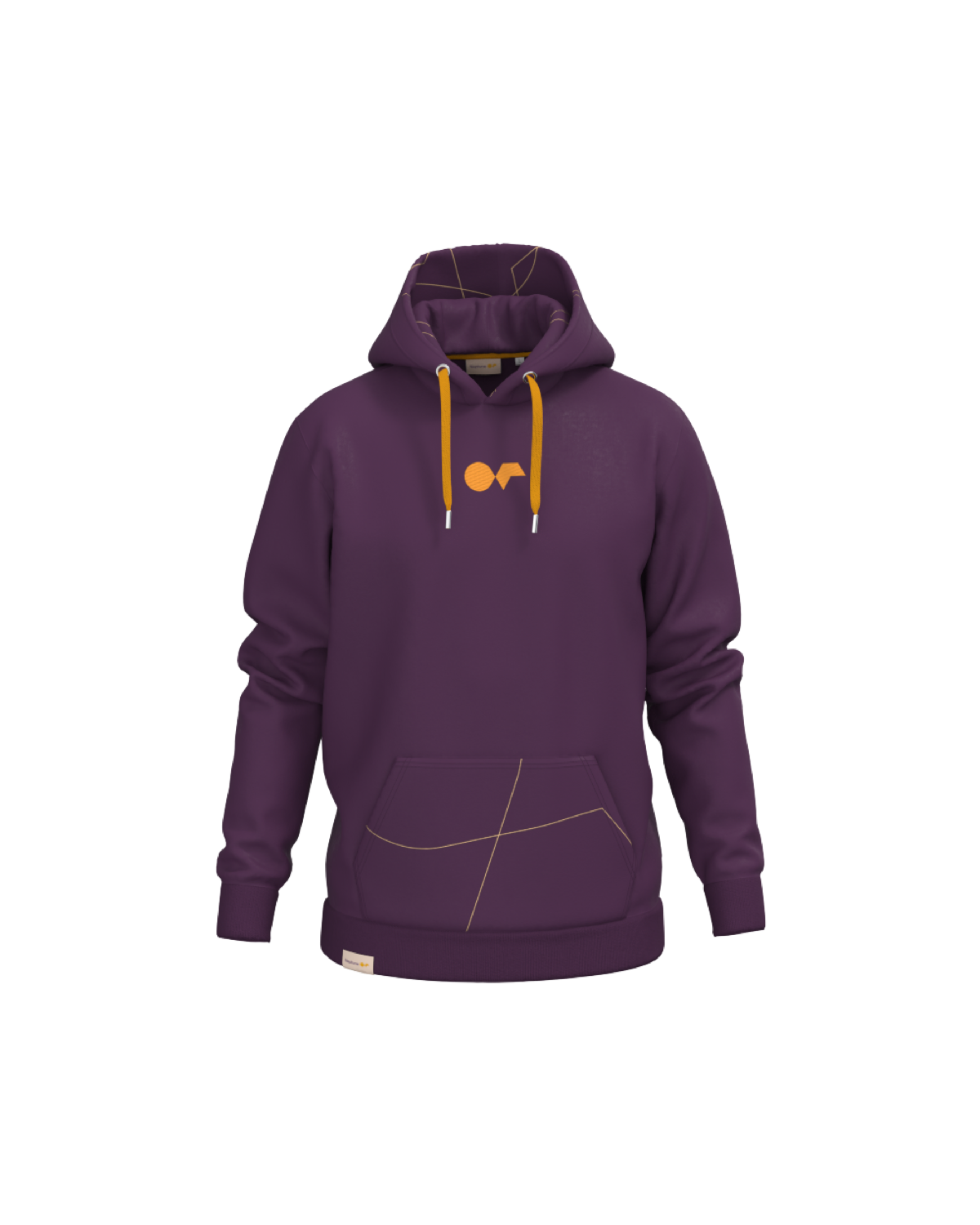
A heavyweight 280 gsm organic cotton hoodie that gets worn long after any gifting occasion is forgotten, and one of the most popular items in the catalogue.
- Material: 90% organic cotton, 10% polyester.
- Branding: embroidery, print, or patches.
- Order: MOQ 100 · from ¥6,414/unit.
2. Sports Socks
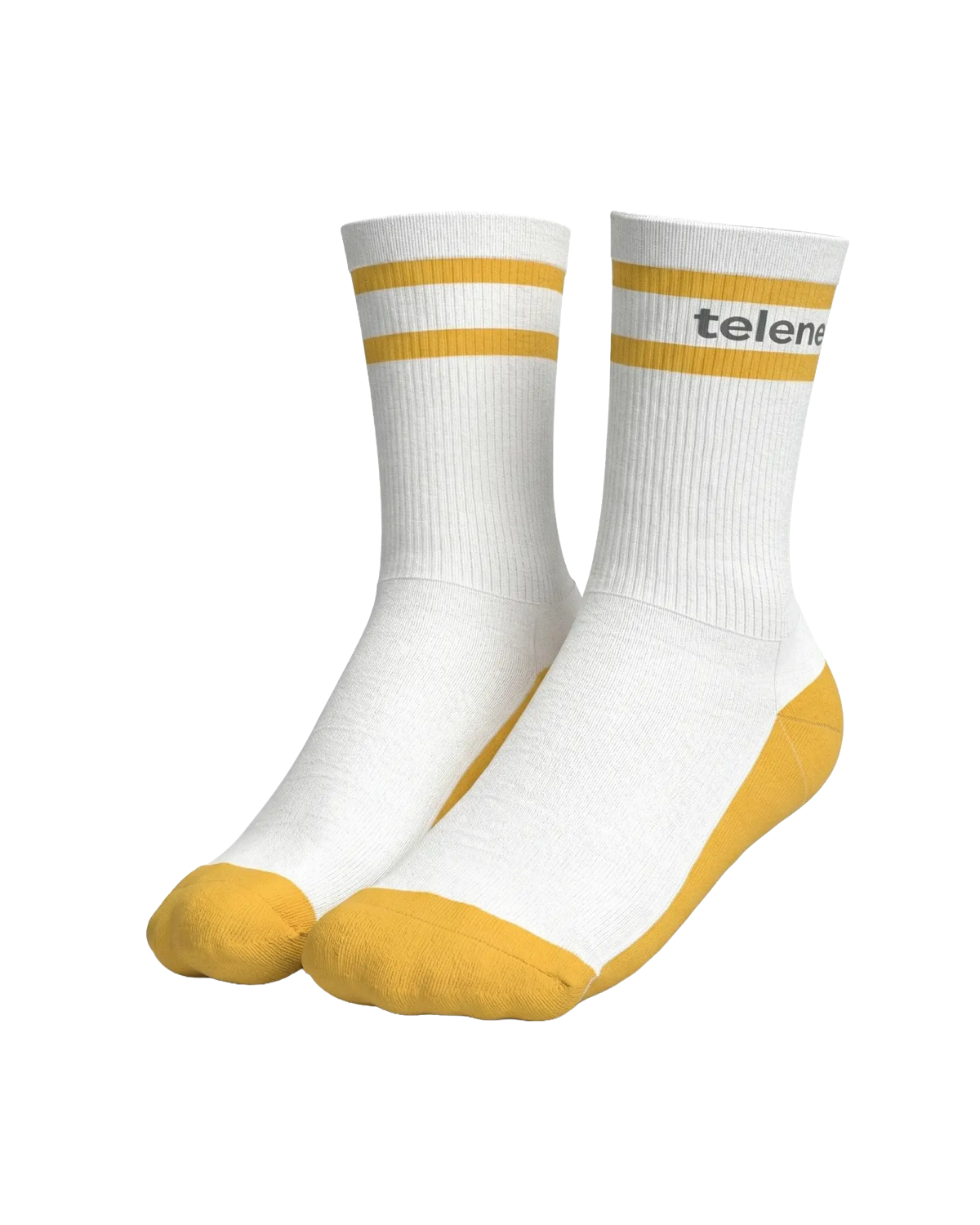
A low-cost, high-smile item that works well for a whole-team gesture without much per-head budget.
- Material: 80% cotton, 17% polyamide, 3% elastane.
- Branding: knitted-in logo zones.
- Order: MOQ 100 · from ¥640/unit.
3. Recycled Steel Bottle
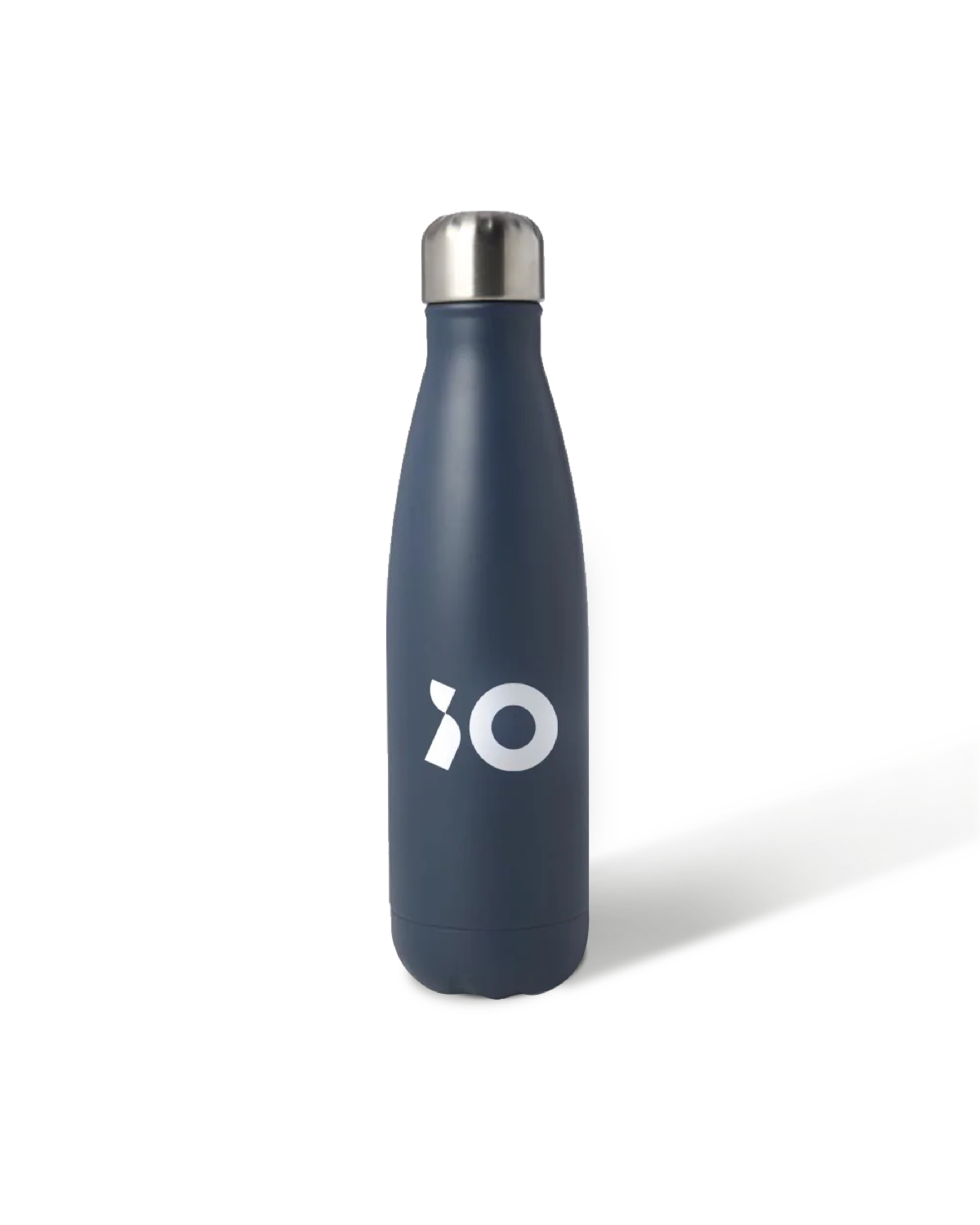
A double-walled bottle made from recycled steel: genuinely useful, and a sustainability talking point in one gift.
- Material: recycled stainless steel.
- Branding: laser engraving or print.
- Order: MOQ 50 · from ¥1,760/unit.
4. A5 Notebook
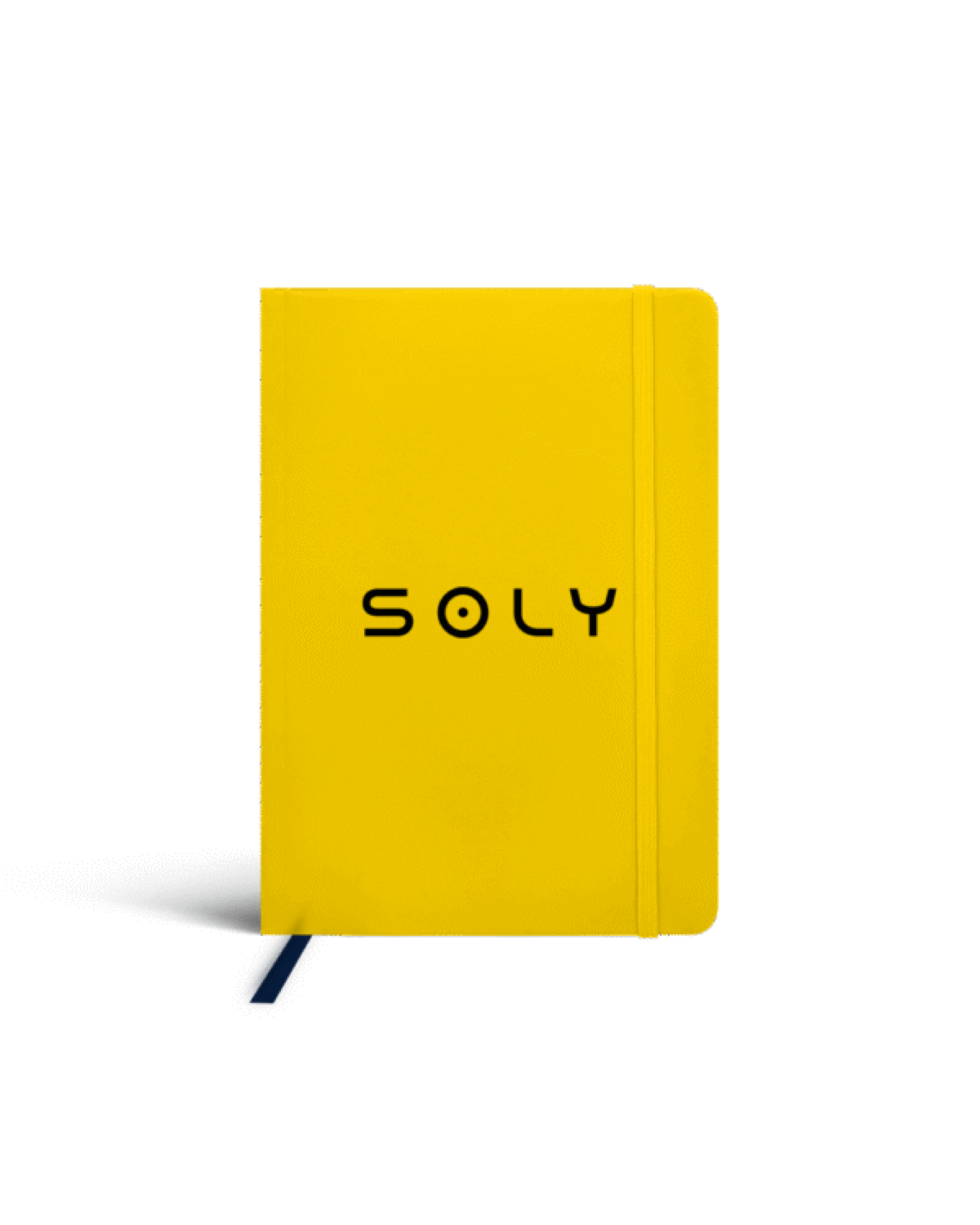
A well-made notebook still earns its place on most desks, whether for meeting notes or as a simple desk accessory.
- Material: FSC-certified paper, PU cover.
- Branding: debossed or printed logo on the cover.
- Order: MOQ 100 · from ¥733/unit.
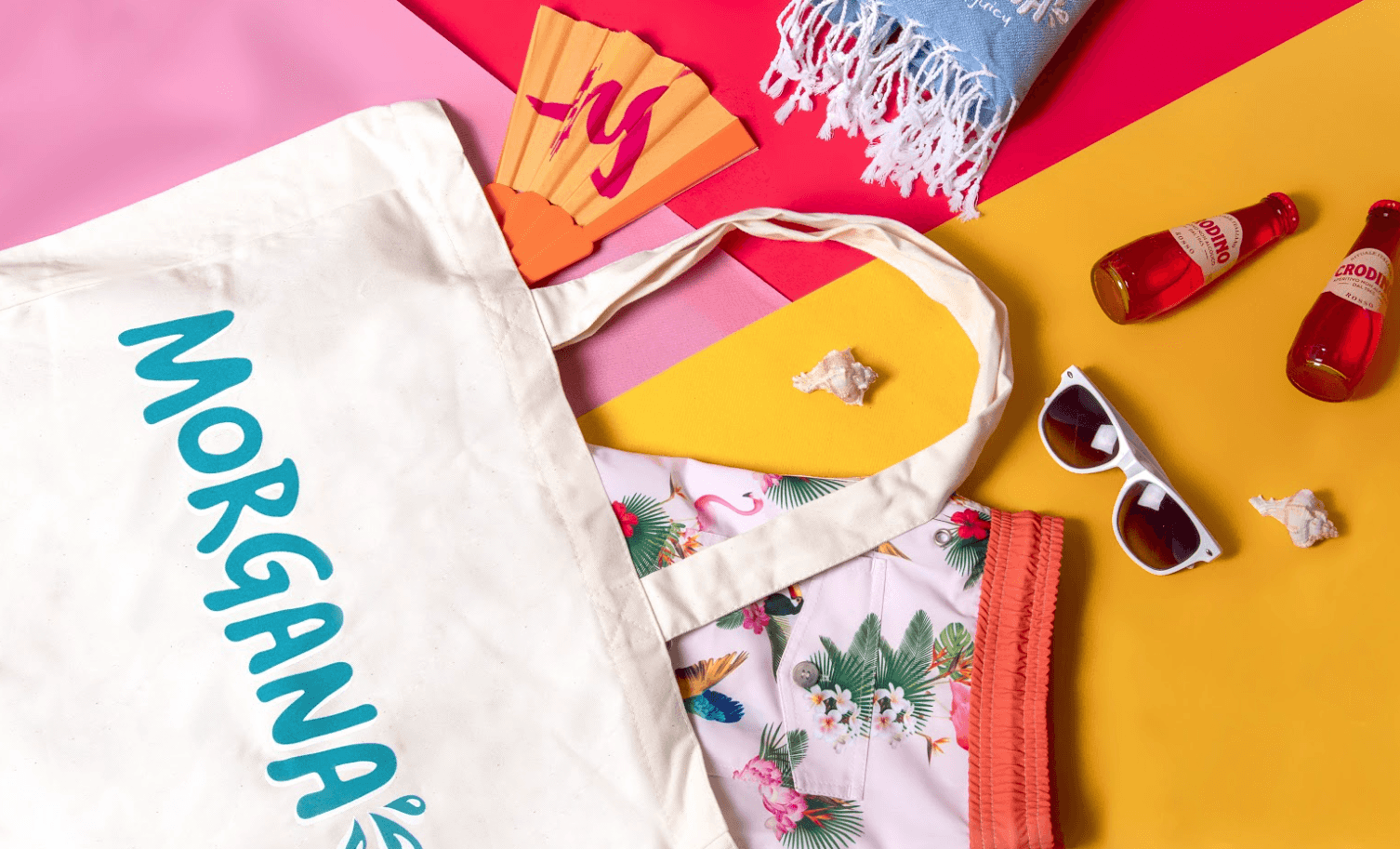
5. Premium Tote Bag
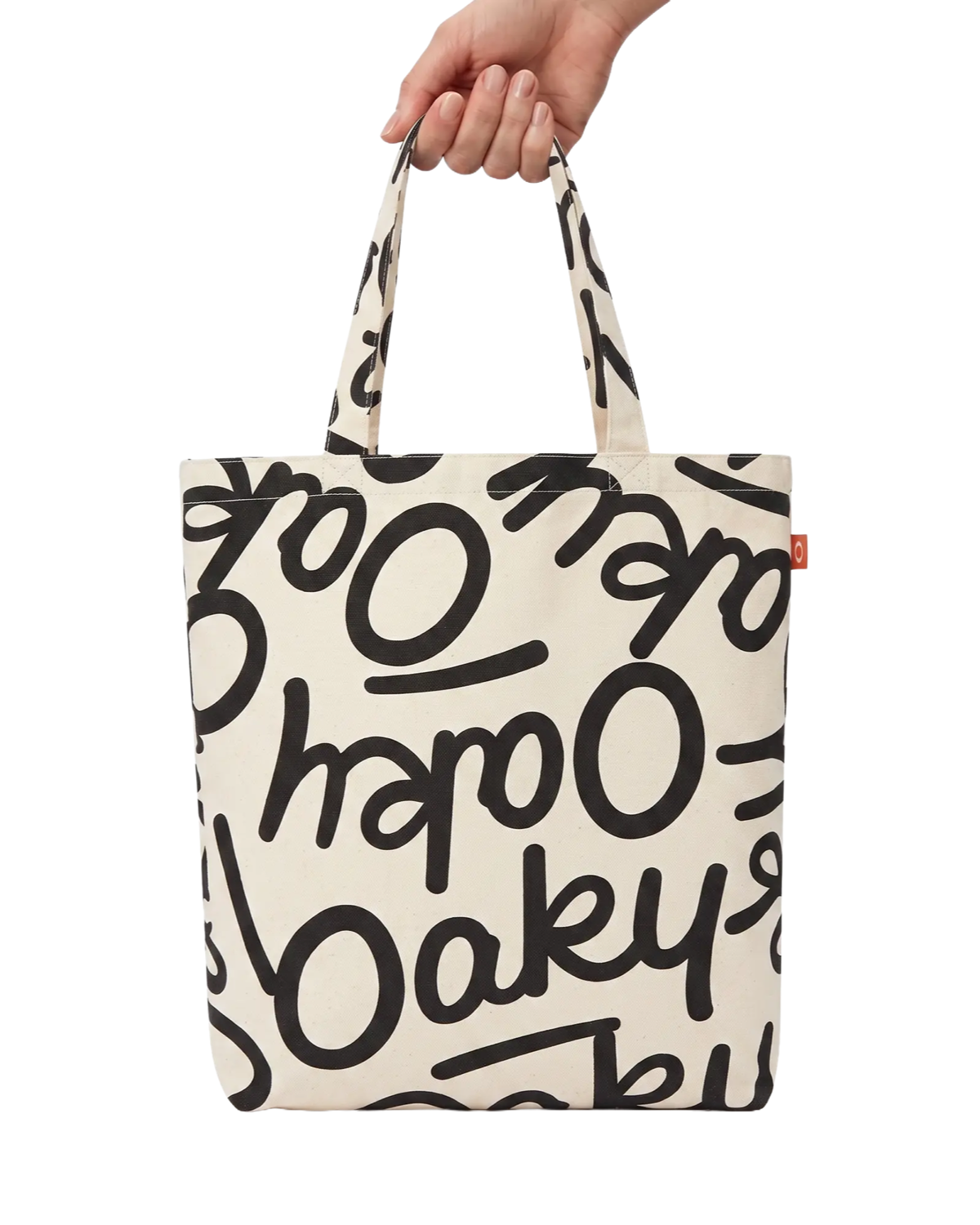
A sturdy tote leaves the office with people, on the commute, at the market, giving the branding real visibility relative to its price.
- Material: 270gsm cotton.
- Branding: print or custom straps.
- Order: MOQ 100 · from ¥1,030/unit.
6. Knitted Scarf
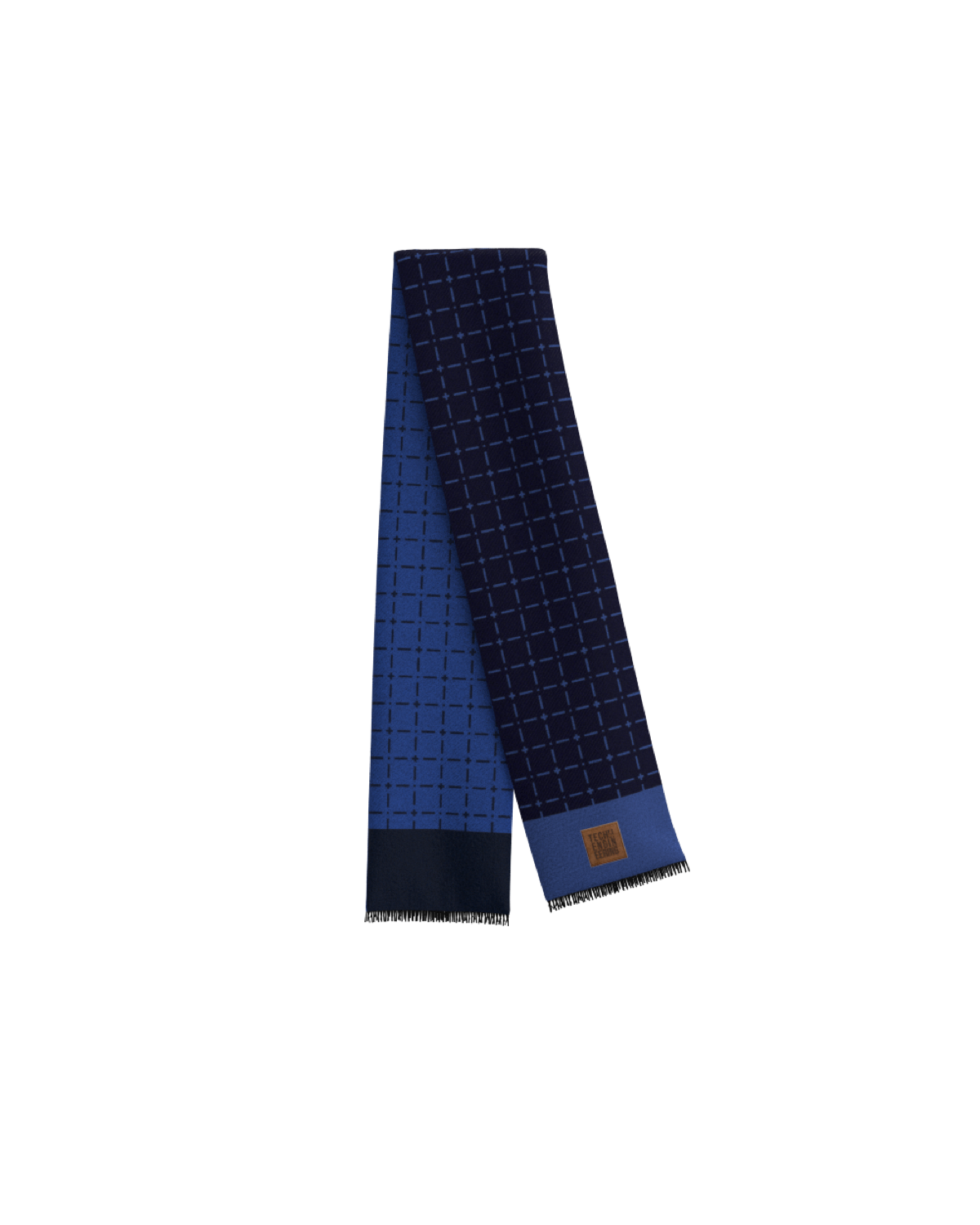
A genuinely useful winter gift, with woven branding that reads as a step above a printed logo.
- Material: 80% viscose, 20% polyester.
- Branding: woven label.
- Order: MOQ 100 · from ¥1,226/unit.
7. Baseball Cap
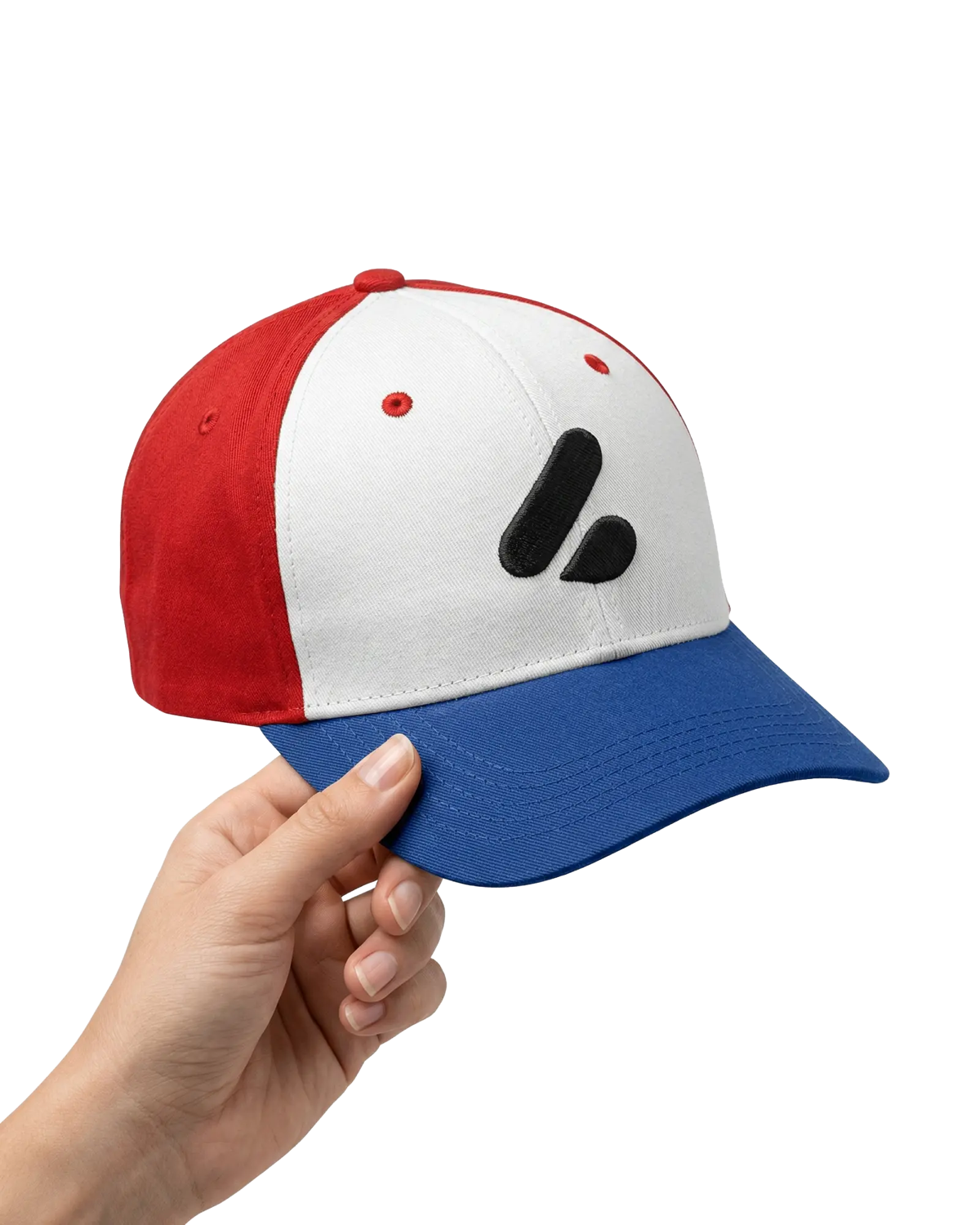
A reliable pick for outdoor events and company outings; an embroidered logo tends to look more premium than the price tag suggests.
- Material: 100% cotton.
- Branding: embroidery.
- Order: MOQ 100 · from ¥1,334/unit.
8. Espresso Mug

A good espresso mug earns daily use at the office coffee machine, putting a logo somewhere people see multiple times a day.
- Material: glazed ceramic, dishwasher and microwave safe.
- Branding: printed or laser-etched logo.
- Order: MOQ 108 · from ¥1,350/unit.
9. Bamboo Tea Bottle
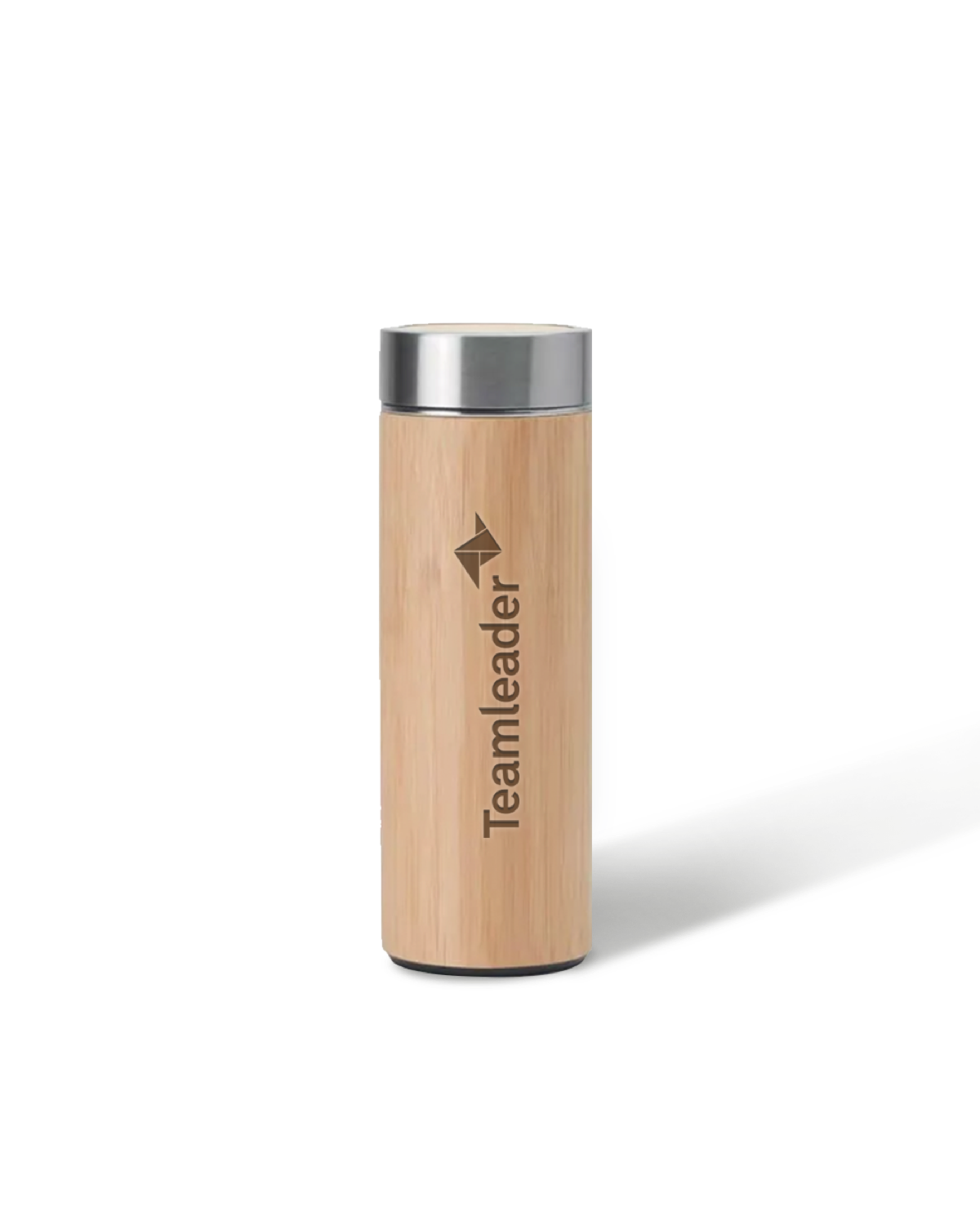
A bamboo exterior over a durable stainless steel interior gives a warmer look than an all-metal bottle, and works well as a mid-range gift.
- Material: stainless steel, bamboo.
- Branding: laser engraving or print.
- Order: MOQ 50 · from ¥2,992/unit.
10. RollTop Backpack
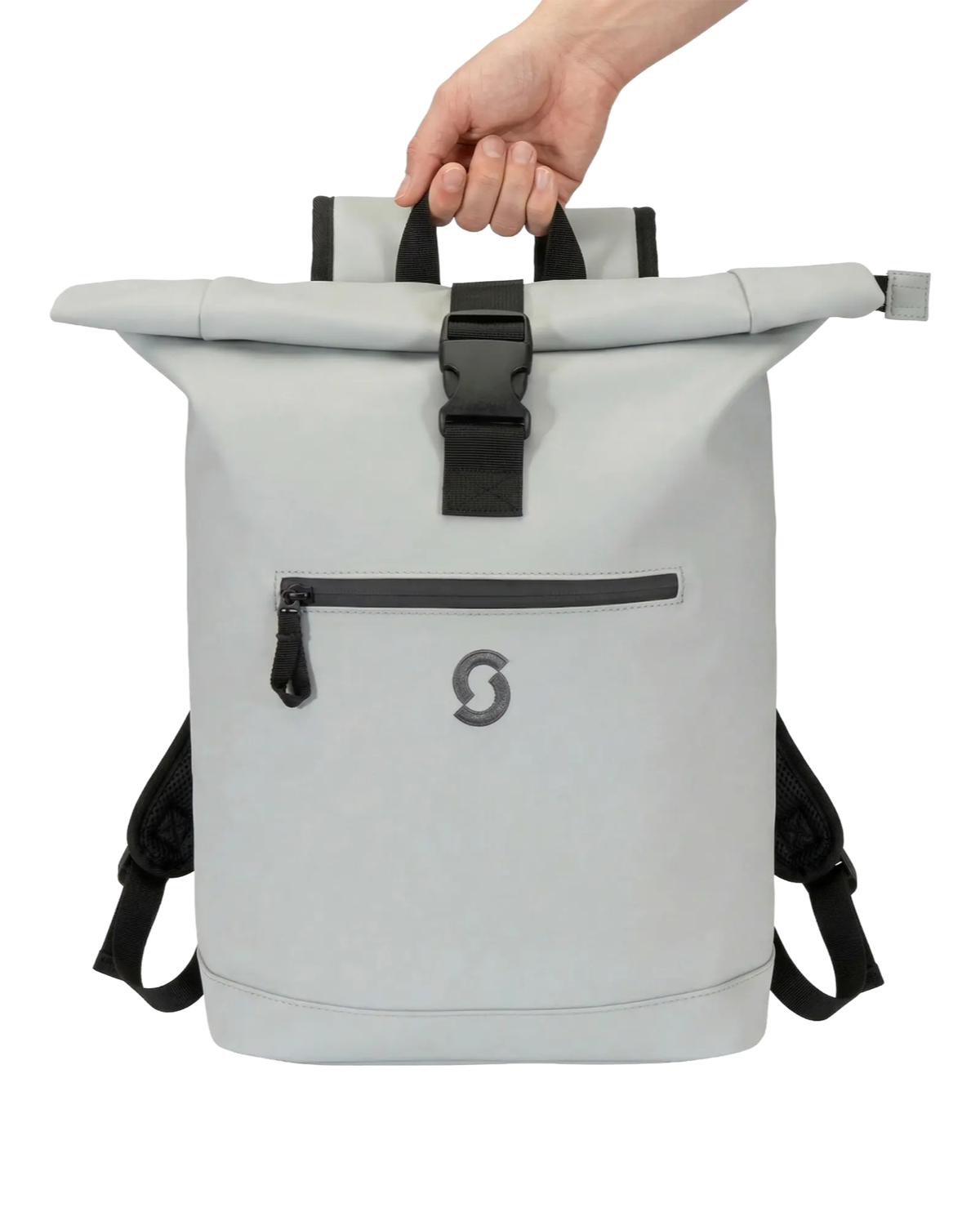
A water-resistant backpack with a laptop compartment that quickly becomes someone's everyday bag: a natural pick for a bigger single gift, such as a long-service award.
- Material: GRS-certified recycled PU, water-resistant.
- Branding: print or embroidery.
- Order: MOQ 25 · from ¥3,931/unit.
11. Noise-Cancelling Headphones
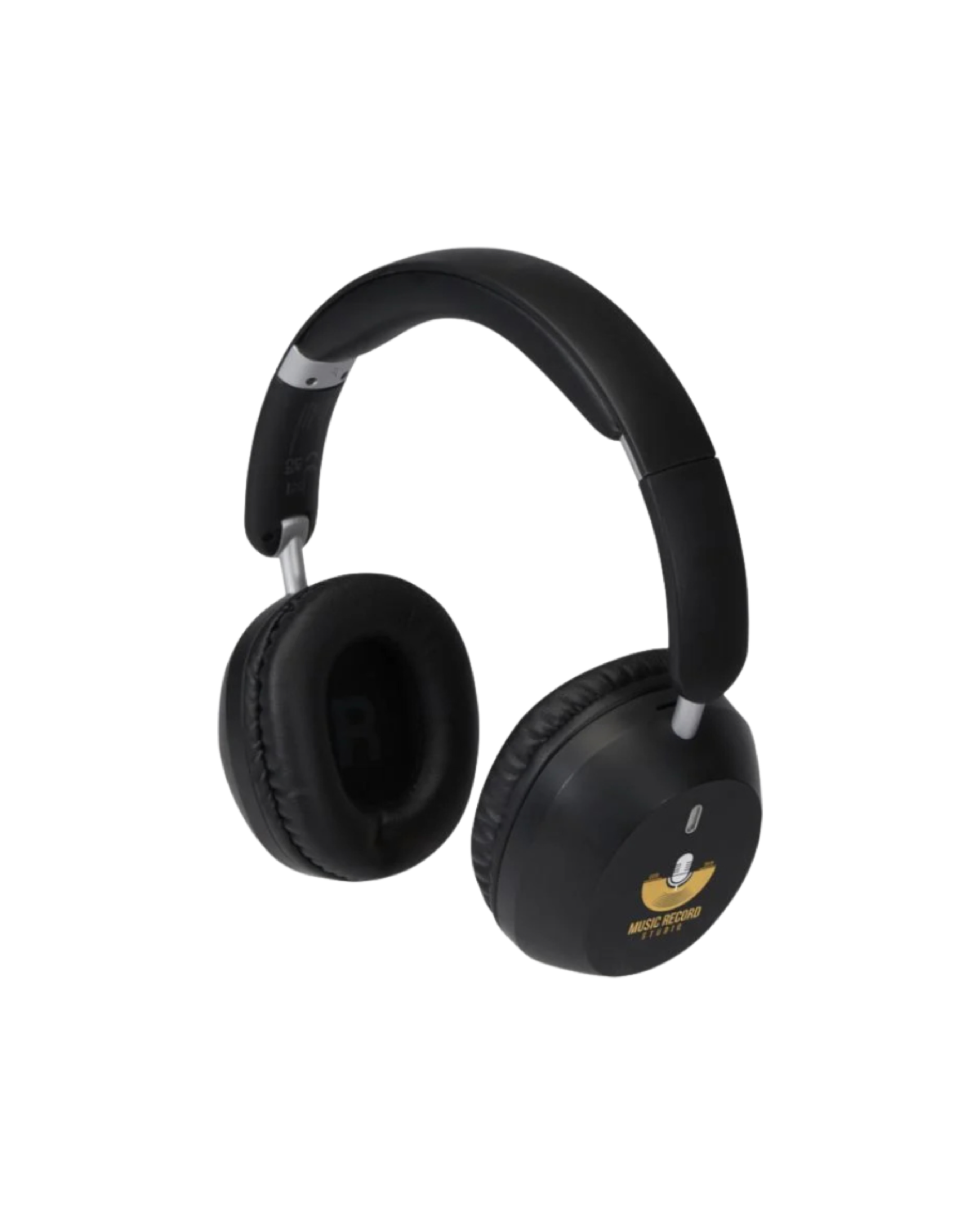
A genuine step up in perceived value, and one of the pricier items on this list, so it's best reserved for a milestone or long-service gift rather than a routine one.
- Material: recycled ABS, ANC + ENC, foldable.
- Branding: digital print or doming.
- Order: MOQ 50 · from ¥3,914/unit.
View Noise-Cancelling Headphones →
12. Wireless Powerbank
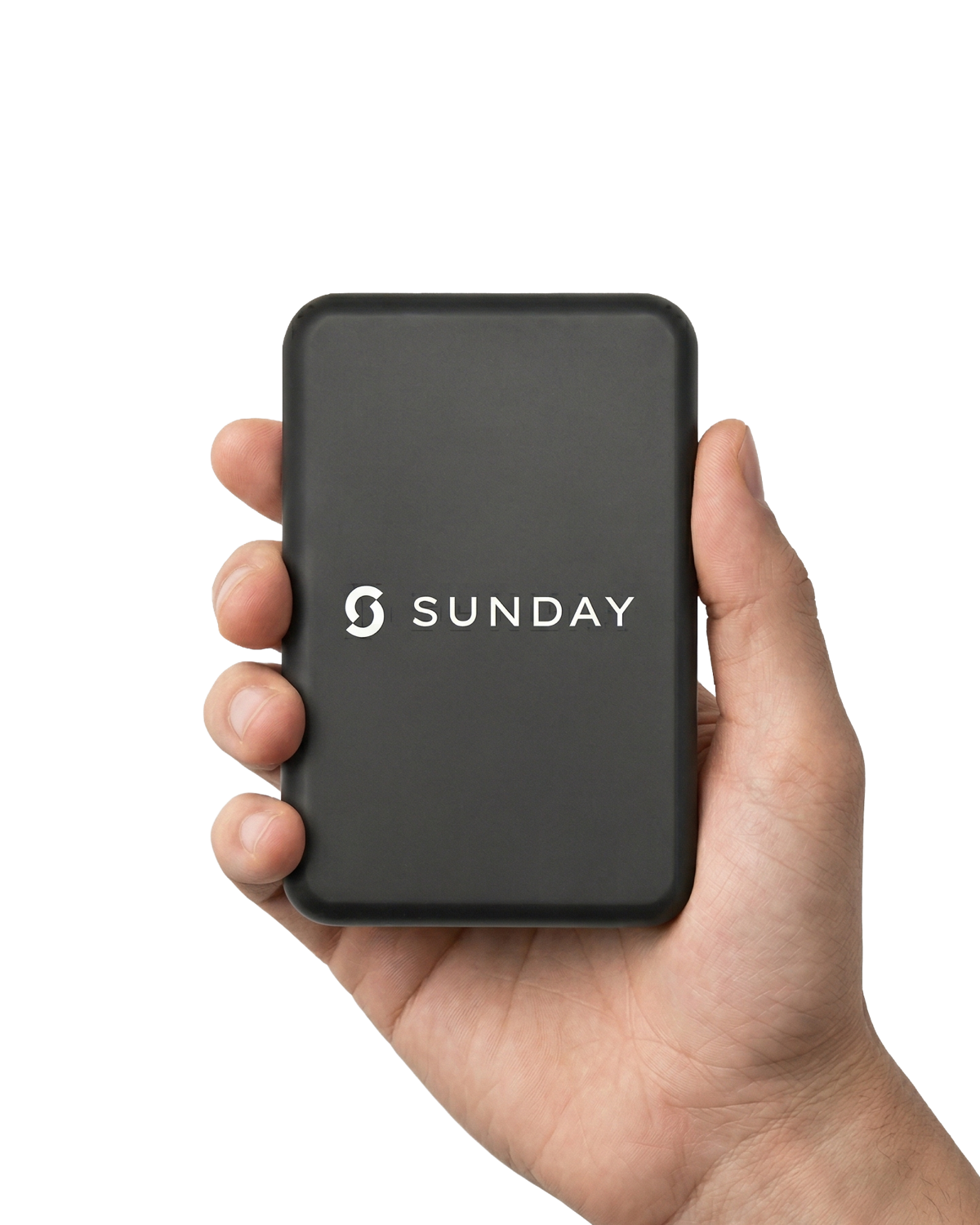
A magnetic wireless powerbank in recycled ABS plastic is genuinely useful for any commute or business trip, and a practical mid-range choice.
- Material: recycled ABS plastic.
- Branding: pad print or digital print.
- Order: MOQ 50 · from ¥2,942/unit.
Client gifts and the entertainment expense rules
Gifts to clients and business partners sit under a completely different framework: Japan's entertainment expense rules (交際費等, kōsaihi tō). How much of that spend is deductible depends on the giving company's capital size, not on the gift itself.
- Companies with capital of ¥100 million or less can choose either a flat annual deduction of up to ¥8 million, or 50% of food and drink entertainment expenses, whichever is more favorable.
- Companies with capital above ¥100 million and up to ¥10 billion get only 50% of food and drink expenses deductible; other entertainment spend is non-deductible.
- Companies with capital above ¥10 billion get 0% deductibility: entertainment expenses are fully non-deductible.
There's a standout carve-out that applies regardless of company size: food and drink expenses of ¥10,000 or less per person (raised from ¥5,000, effective 1 April 2024) are excluded from the "entertainment expense" category entirely and are 100% deductible. That's a meaningful allowance, but it comes with conditions: an external party (a client or supplier) has to be present, and the event needs to be documented, date, attendees, headcount, cost, and venue all recorded.
Ochugen and Oseibo gifts given to clients fall under this same entertainment-expense framework, they're treated as ordinary business expenses subject to the capital-size-tiered deduction structure above, not as a separate gift category.
Common mistakes
- Assuming the long-service award exception has a fixed yen cap. It doesn't. The rule is a qualitative "reasonable in light of social norms" standard, not a specific number, so the right amount depends on tenure, position, and precedent, not a table you can look up.
- Substituting a cash equivalent for a gift and losing the whole exemption. Whether it's the founder-anniversary keepsake or the long-service award, swapping the actual gift or trip for its cash value doesn't make part of it taxable, it makes all of it taxable as salary.
- Giving Ochugen or Oseibo gifts to only select employees. Since there's no dedicated employee exemption for these customs, the only way to avoid salary taxation is uniform distribution under a documented internal rule. Gifting only a department or a few managers triggers compensation tax for those recipients.
If you're setting up an ongoing employee gifting program rather than a one-off order, Sunday's employee gifting platform handles sourcing, branding, and delivery in one place.
This article is general information, not tax or legal advice. Japanese tax law and administrative interpretations can change, and individual circumstances vary, so confirm the current rules with a local tax advisor before running a gifting programme.
This guide is part of our complete country-by-country series. See Employee Gift Tax Rules by Country: The Complete 2026 Guide for all 43 countries.
Planning a gifting programme for your Japanese team? Talk to Sunday about sourcing, branding, and shipping any of the items above, from a single small batch to a company-wide rollout. Sunday also supports enterprise-scale rollouts across multiple countries — see the full Sunday platform for details.