
The best products for event merchandise are the ones people keep, use or talk about. Three categories win: unique products they have never seen, beautiful high-quality versions of familiar items (a premium tee, well-designed socks, a durable bag, a good bottle), and genuinely useful products (chargers, dongles, travel adapters, tech pouches). Keep the branding tasteful, because even a useful product gets binned if it is drowned in a logo. Then organise picks into three tiers so volume giveaways, ICP-match gifts and strategic-account gifts each get the right product.
Event merch fails when it is chosen because it is cheap, easy to hand out, or just expected at a booth. It succeeds when it gives someone a reason to keep, use or talk about the product after the event. Three principles run underneath every good pick: uniqueness, quality and usefulness, with branding tasteful enough to connect the product to the company without feeling like disposable advertising. Here is how that translates into actual products.
1. The three things people keep
Across thousands of event kits, the products people keep fall into three groups: unique, beautiful and useful. A great pick usually hits at least one hard. The strongest hit two, like a beautifully designed and genuinely useful bag. Everything else is landfill with a logo on it.
| Category | Why it gets kept | Examples |
|---|---|---|
| Unique | Something they have never seen creates attention and recall | Custom-developed items, collectible designs, distinctive objects |
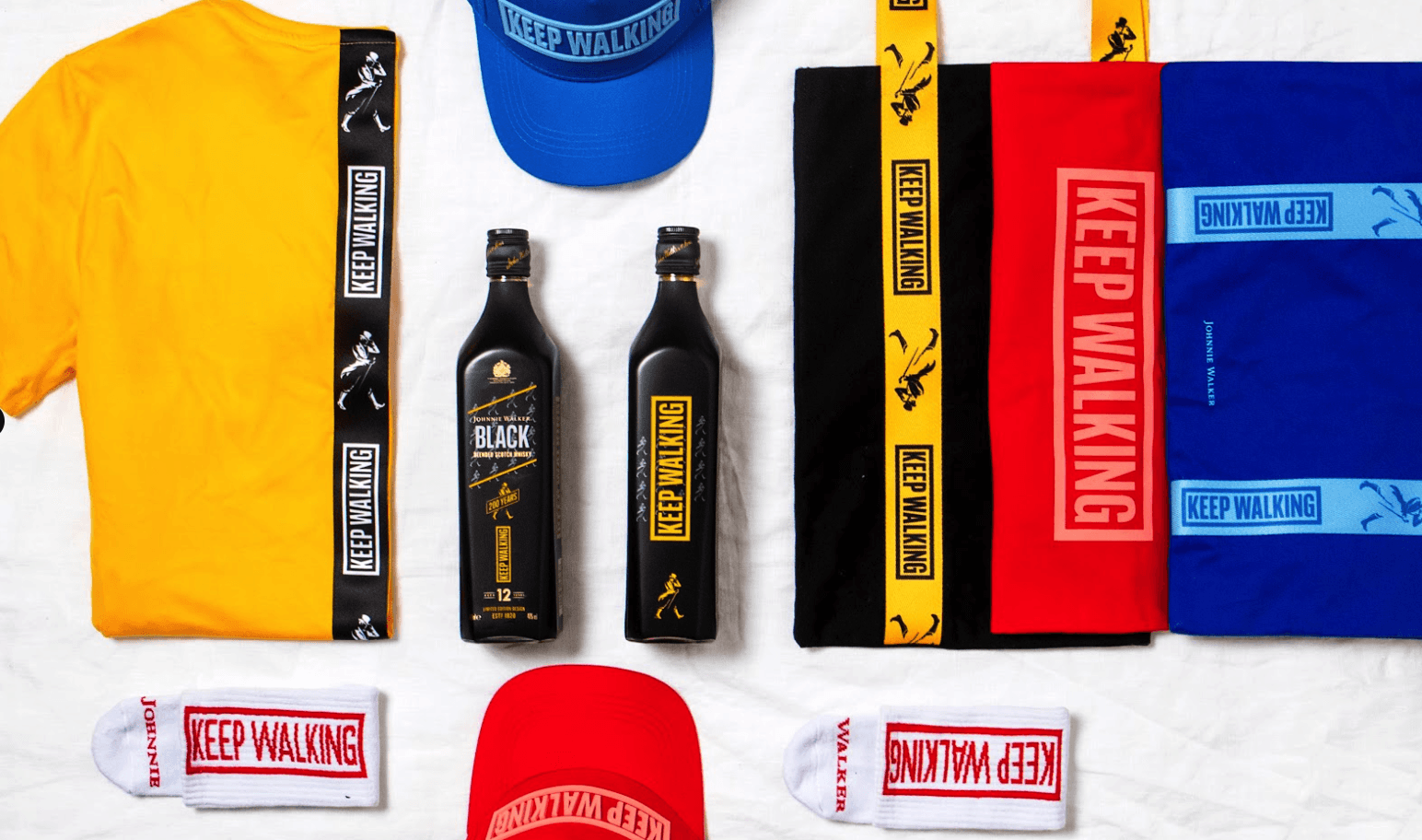
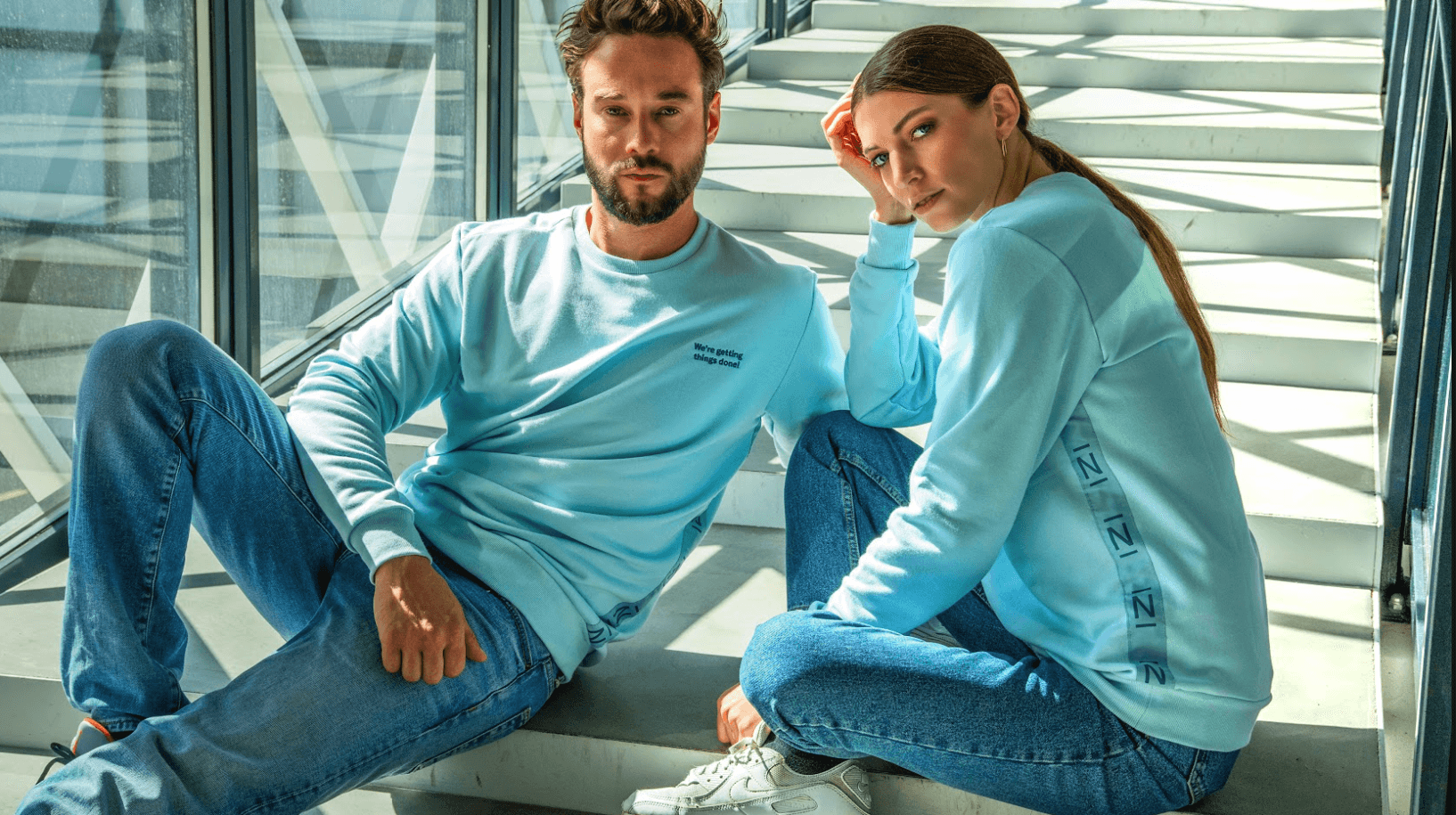
| Beautiful, high-quality | A premium version of a familiar product earns a place | Premium tee, well-designed socks, durable bag, good bottle, attractive mug |
| Useful | People genuinely use it, so the brand stays in view | Wireless and desk chargers, laptop dongles, travel adapters, tech pouches |
2. Unique products
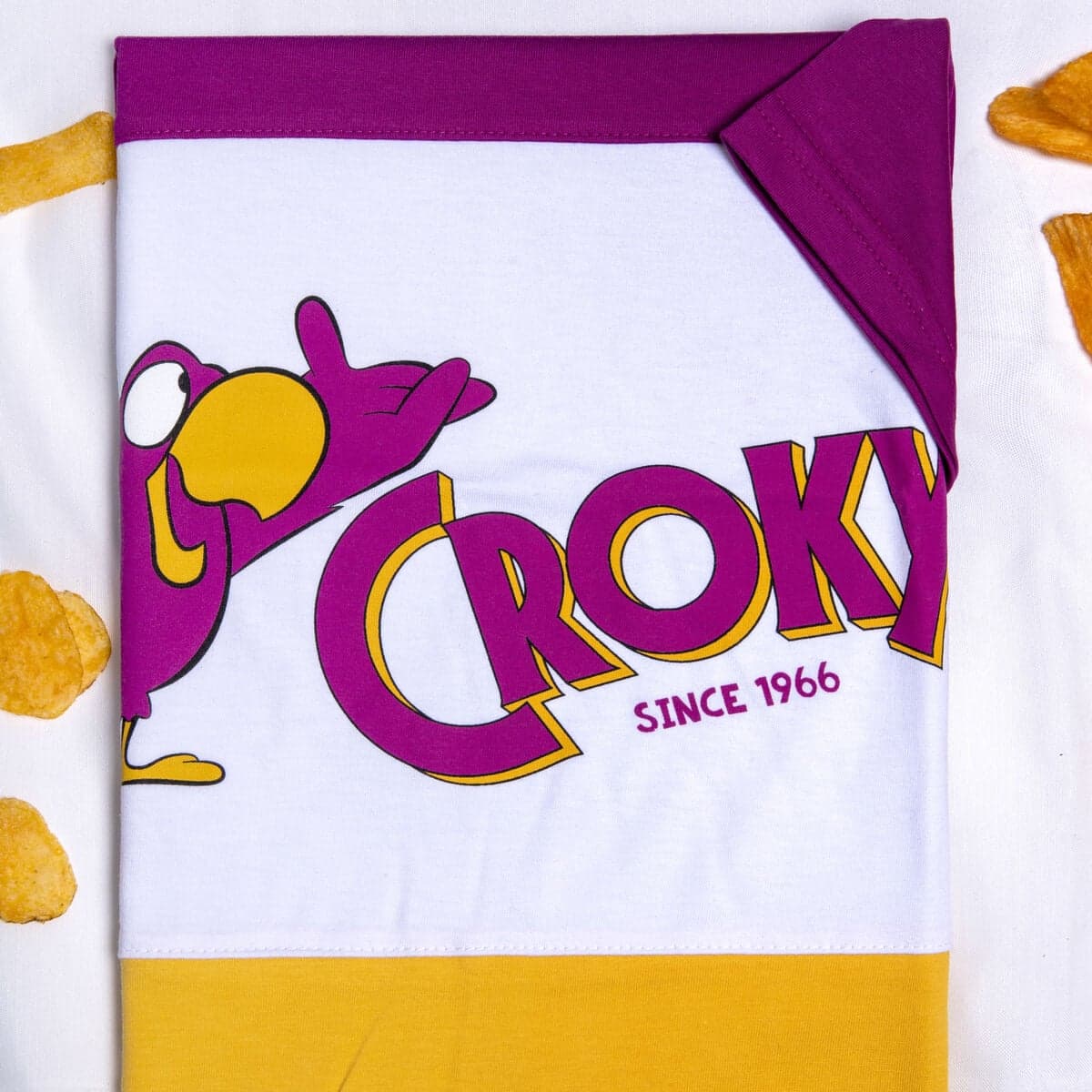
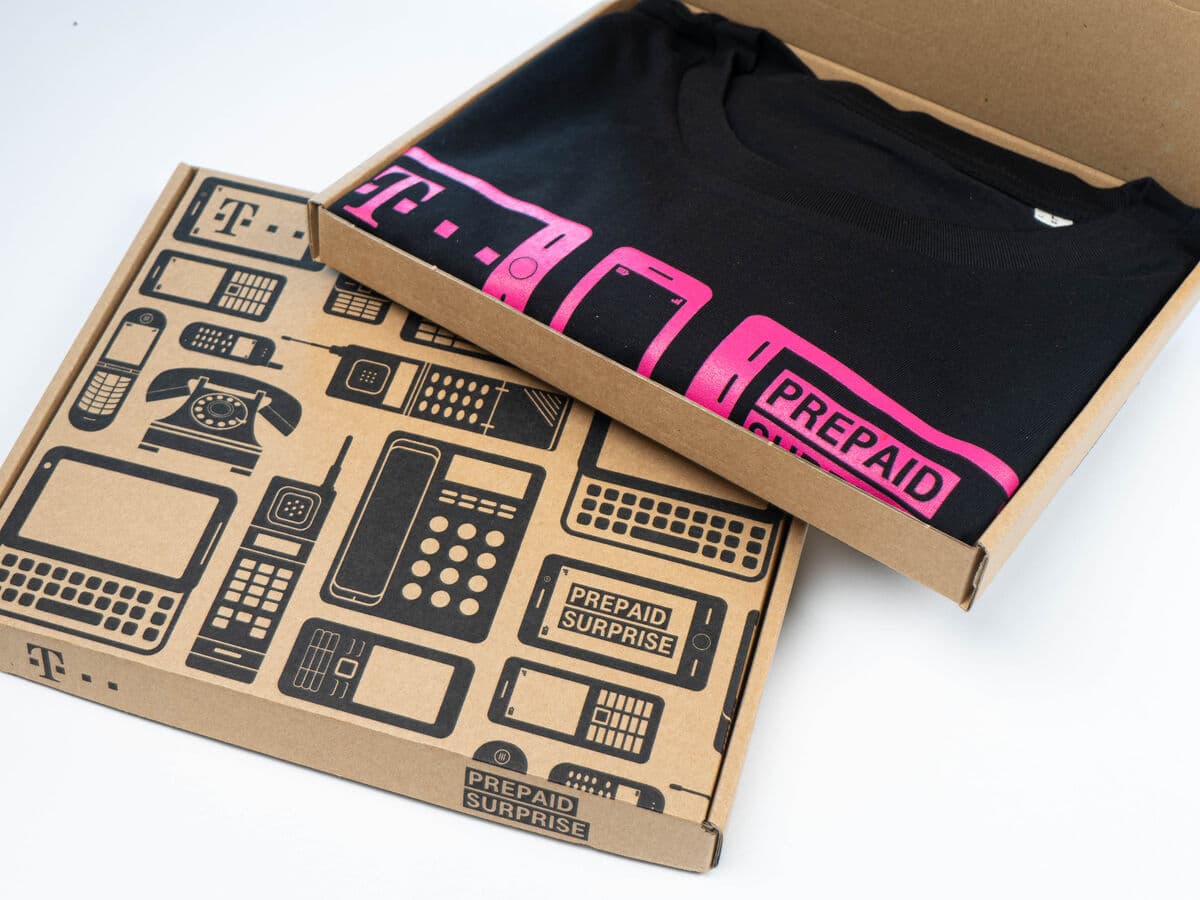
A product nobody has seen before creates attention and recall in a way a standard giveaway never will. The catch is that unique is hard: it needs creativity, product development, customisation, prep time and a real understanding of the audience. Cloudflare did this well with audience-specific collections, like a gaming-event collection that matched gaming culture rather than reaching for a generic giveaway. When unique lands, it is the most talked-about thing on the floor.
3. Beautiful, high-quality products
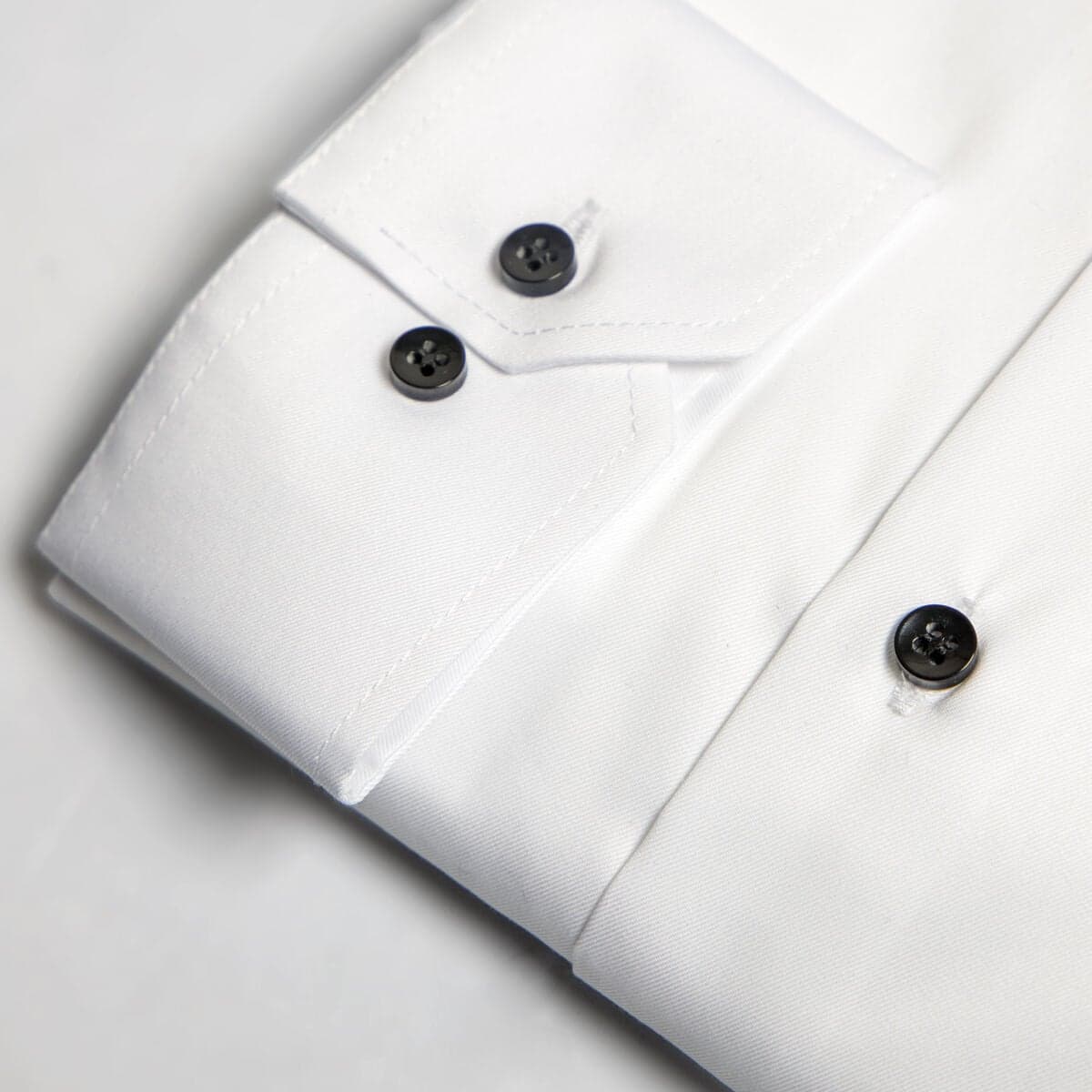
You do not always need novelty. A beautifully made version of a familiar product earns its keep: a premium tee, well-designed socks, an attractive mug, a durable bag, a high-quality bottle. Deel proved the point with collectible sock designs that drove repeat engagement, and bags that were popular and highly visible across the event. Quality and design do the work, and the brand rides along because people genuinely want the item.
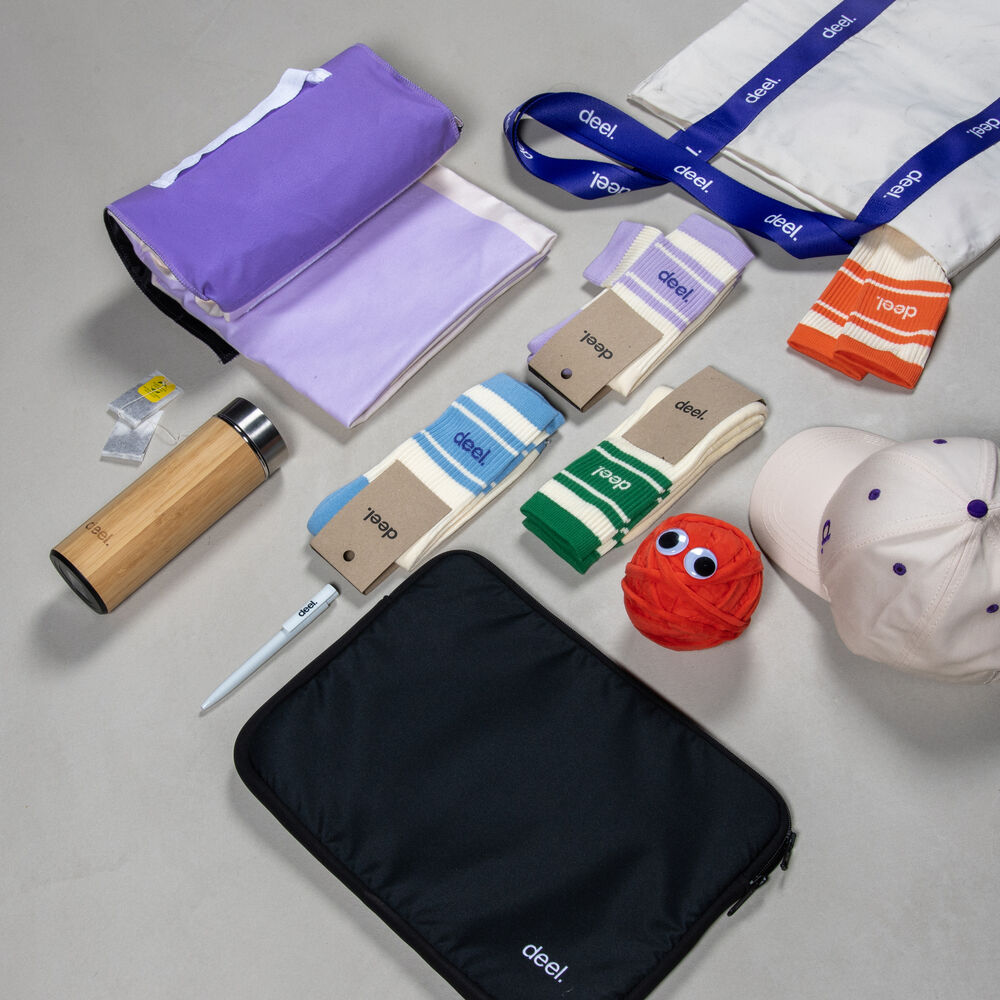
Collectible socks are a beautiful, high-quality pick that drives repeat engagement. People keep them because they actually want them.
4. Useful products
Useful products are the safest bet for keep-and-use. Desk and wireless chargers, laptop dongles, travel adapters, tech accessories and practical travel products get used in real life, so the brand stays in view long after the event. One rule: even a useful product gets binned if it is drowned in branding. Keep the logo restrained so the item reads as something people want, not an ad they tolerate.
5. The biggest useful bag wins the floor
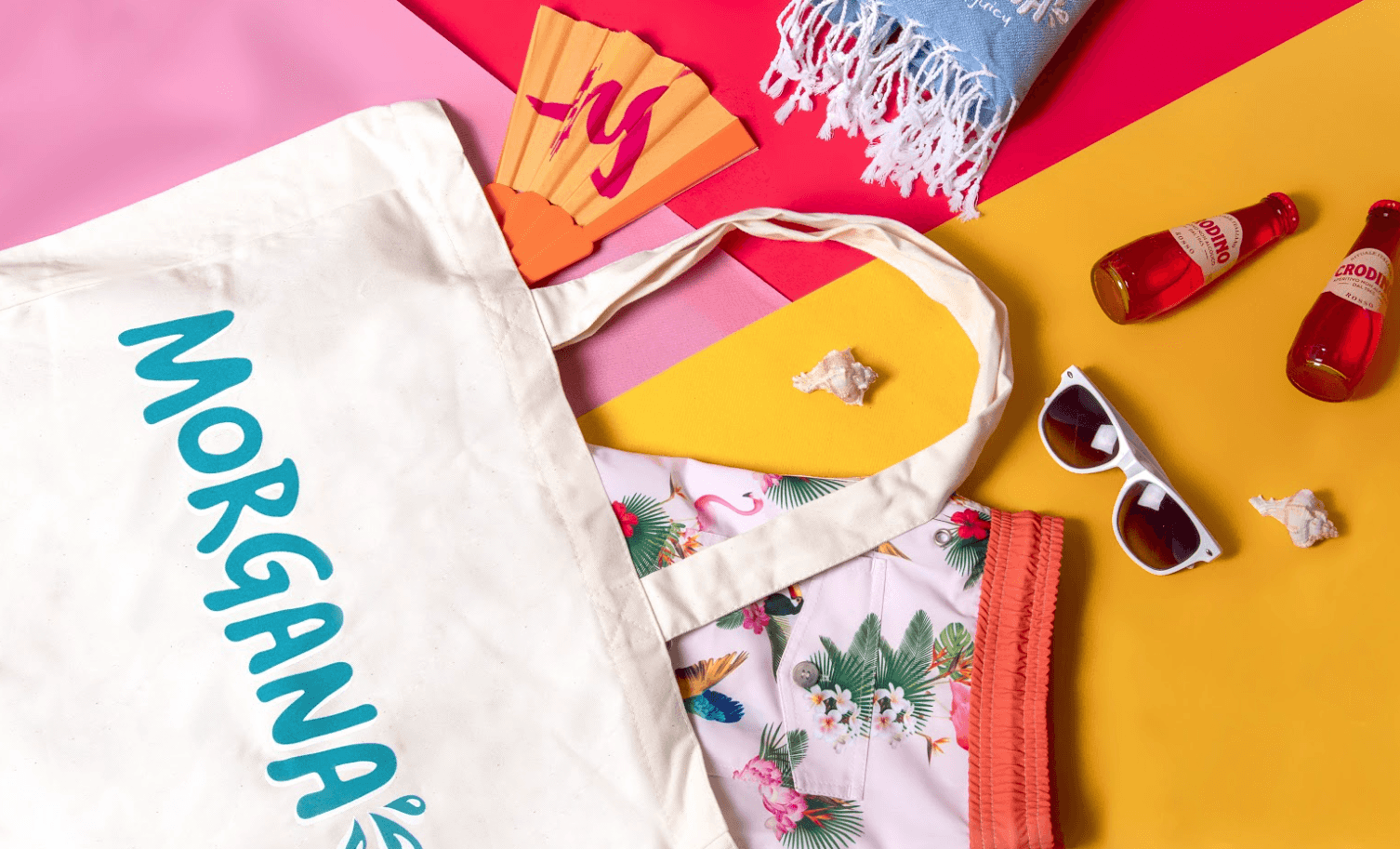
One tactic beats almost everything for floor visibility: make the biggest, most useful bag at the event. Visitors stuff every other piece of merch into the largest bag they get, so it travels the whole venue as a mobile ad. Think premium tote, travel bag or oversized carrier. The alternative is a visually striking item, an oversized plush, a large branded object, a distinctive wearable, that pulls people in. Just remember a striking item also attracts freebie-seekers, so keep a way to qualify visitors and protect your higher-value products.
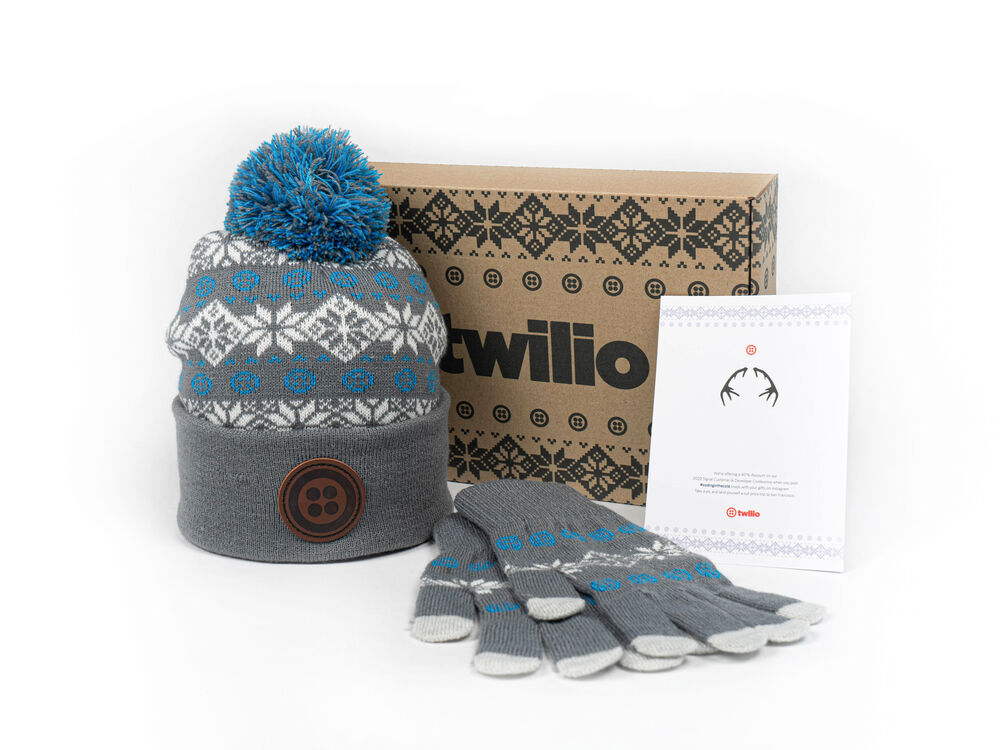
The biggest useful bag becomes a mobile ad: visitors load it with everyone else's merch and carry your brand across the floor.
6. Tiered picks by audience
The cleanest way to choose products is a three-tier model, so budget tracks commercial importance and nobody gets ignored.
- Tier 1, volume giveaways. Affordable, easy to distribute, memorable and available in volume for general booth traffic. Goal: basic awareness and recall. Think affordable socks, electrolytes, AirTag covers, small tech accessories, unusual-but-cheap items.
- Tier 2, gifts for ideal prospects. More distinctive and valuable, handed to visitors who match your ICP or sent afterwards via a redeem page. A stronger reason to remember you and continue the conversation.
- Tier 3, strategic gifts. Pre-identify the accounts you most want, known attendees, target accounts, companies with their own booths, partners, and prepare a highly tailored gift tied to a clear commercial objective.
AnyDesk runs the premium end well at partner events, with backpacks, tumblers and co-branded items, because partner audiences are highly relevant and commercially connected. The model means qualified leads get more value and strategic accounts feel recognised. For the full playbook, see the event merchandise guide.
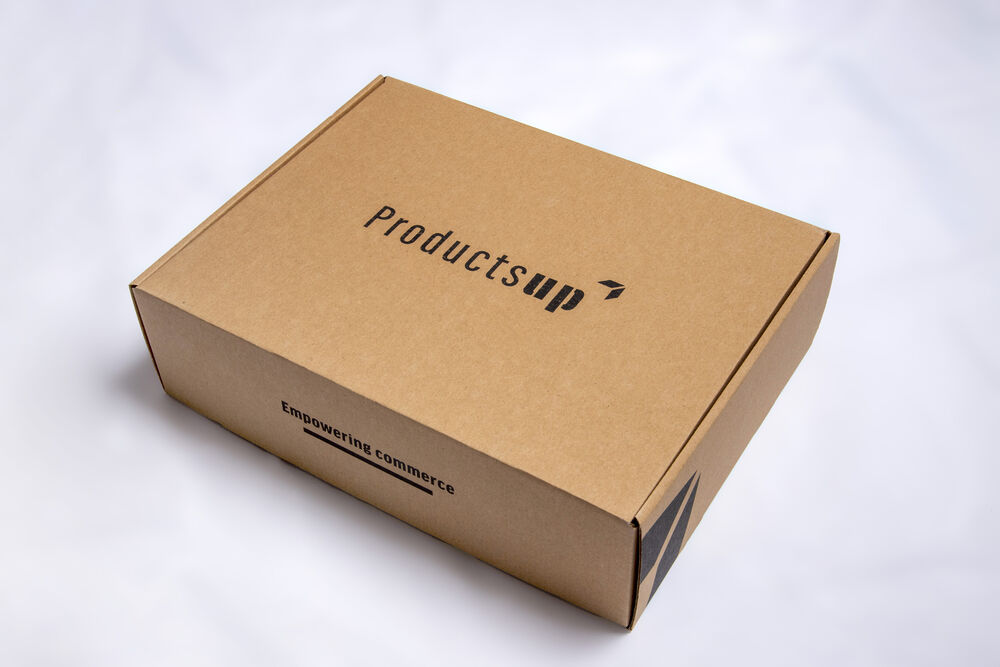
Tier 2 and Tier 3 gifts are more distinctive and tailored. Capture the recipient and you can send them afterwards rather than handing premium stock to freebie-seekers.
7. Picks by event type
The audience changes the pick. Conference attendees are more qualified, so spend more per recipient on something relevant and substantial. Booth traffic at a trade show is mixed, so use affordable, widely distributable items that do not burn premium inventory. Corporate-event audiences are people you know, so go heavier on branding and the experience, even a pre-event kit. Festivals reach a B2C crowd, so use festival-practical items like caps, hand fans and sunscreen.
| Event type | Audience | Best products |
|---|---|---|
| Trade show | Mixed booth traffic | Volume giveaways plus an attractive draw item; biggest useful bag |
| Conference | Qualified, topic-driven | Premium, relevant gifts; items you can send afterwards |
| Corporate event | Known guests and prospects | Branded kits, a stronger experience, pre-event kits |
| Festival | B2C crowd | Festival-practical items: caps, hand fans, sunscreen |
For food activations, tastings and festivals, a custom apron is event merch in its own right: it dresses the crew on-theme and doubles as a premium gift. Preview a design in your colours with the free apron mockup generator. To run any of this across a season of events, lean on Sunday's distribution: forecast, bulk order, store, then kit and ship to each event. See how it works or browse the full catalog.
About this article
Keep reading: event merchandise
Build your event merch with Sunday
Pick the products, design them in your brand, and let Sunday forecast, store, kit and ship to every event. Redeem pages and tracking built in.
Build this campaign with SundayBest products for event merchandise: questions answered
What are the best products for event merchandise?
The best products are the ones people keep, use or talk about. They fall into three groups: unique products nobody has seen, beautiful high-quality versions of familiar items like a premium tee, well-designed socks, a durable bag or a good bottle, and genuinely useful products like chargers, dongles, travel adapters and tech pouches. Keep the branding tasteful, because even a useful item gets binned if it is drowned in a logo.
What event giveaway gets the most visibility on the floor?
The biggest, most useful bag. Visitors load every other piece of merch into the largest bag they collect, so a premium tote, travel bag or oversized carrier travels the whole venue as a mobile ad. A visually striking item like an oversized plush or a distinctive wearable also pulls people in, but it attracts freebie-seekers, so keep a way to qualify visitors and protect your higher-value products.
How should I split products across a budget?
Use a three-tier model. Tier 1 is affordable volume giveaways for general booth traffic. Tier 2 is more distinctive, valuable gifts for visitors who match your ICP, handed over or sent afterwards via a redeem page. Tier 3 is highly tailored strategic gifts for pre-identified target accounts. This means budget tracks commercial importance, qualified leads get more value, and strategic accounts feel recognised.
What products suit a trade show versus a conference?
Trade show traffic is mixed, so use affordable, widely distributable items that do not burn premium inventory, plus one attractive draw item and the biggest useful bag. Conference attendees are more qualified and there to learn, so spend more per recipient on relevant, substantial gifts and items you can send afterwards. Corporate events suit branded kits and pre-event kits; festivals suit festival-practical items like caps and sunscreen.
Are aprons good event merchandise?
For food activations, tastings, pop-up bars and festivals, yes. A custom apron dresses the crew on-theme so the activation looks designed and photographs well, and a premium denim or leather-look apron doubles as a high-value gift people keep and use. It works best when there is a clear link to food, drink, cooking or hospitality at the event.
How do I avoid event merch that ends up as landfill?
Give people something they will actually keep and use, which is the single biggest sustainability and impact decision. Ask whether the item is useful, well-designed, relevant to the audience, and whether the branding is acceptable enough to wear or carry. The right strategy is usually produce less but better: fewer high-quality, genuinely used products beat large volumes of cheap merch on both brand impact and credible sustainability.