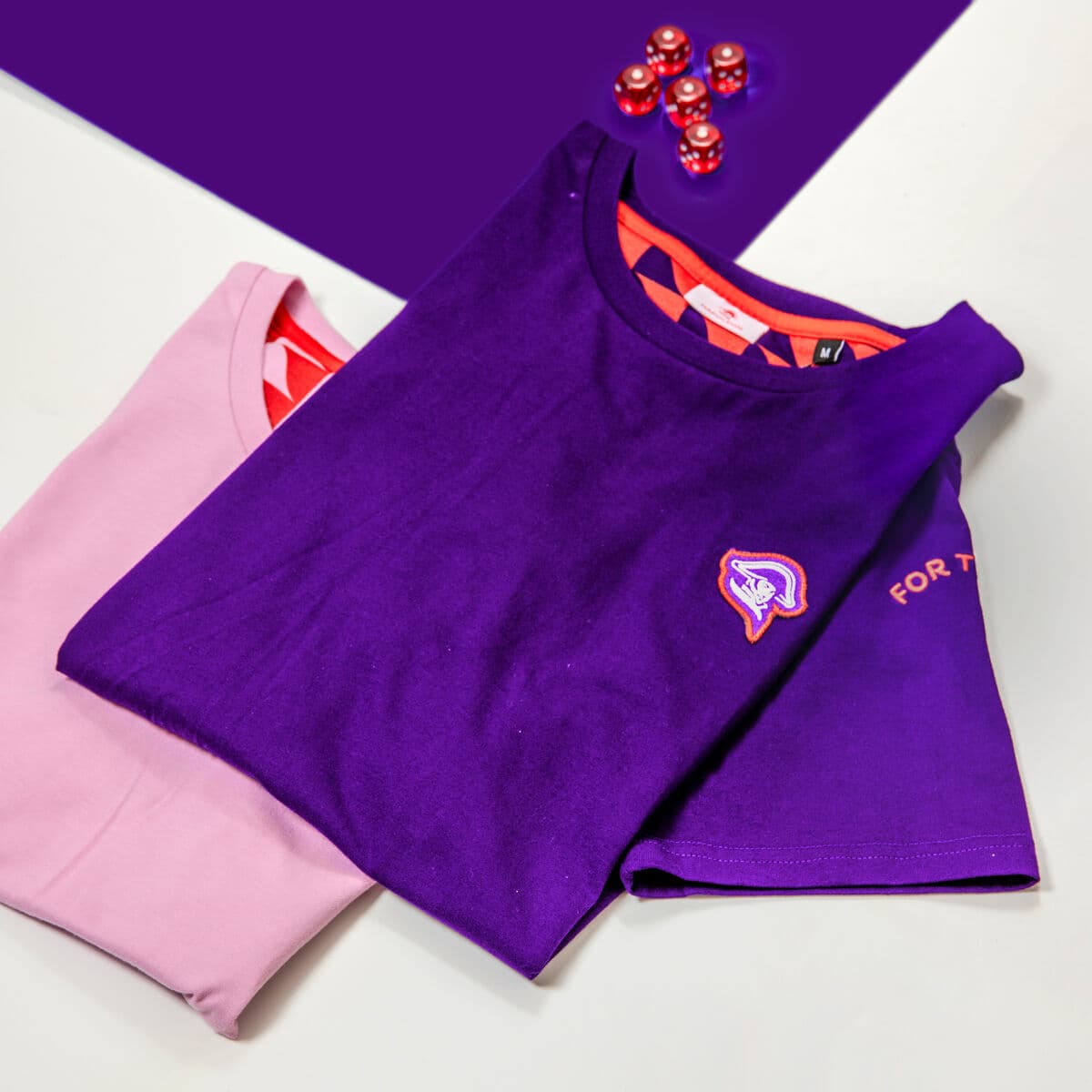
A merchandise catalog is not just a list of items. It is a decision system, a brand artifact, and a practical tool that helps customers choose with confidence while helping teams sell, fulfill, and report with fewer surprises.
When it is done well, it feels effortless. People find what they need quickly, compare options without confusion, and trust that what they see is what they will get.
What a merchandise catalog really does
At its core, a catalog answers four questions that matter to buyers and internal teams alike: What is it? Why should I care? Can I get it? What will it cost me? If any one of those answers is missing or muddy, the catalog becomes friction.
A strong catalog also sets expectations. It reduces returns, prevents mis-picks in fulfillment, and keeps promotions from colliding with inventory realities. That is not glamorous work, but it is the kind that makes growth feel stable.
Start with the audience, then build the structure
Different customers shop differently. A team ordering branded merchandise for an event behaves differently than a fan buying a single hoodie. Your catalog structure should respect those behaviors.
After you map the primary shopping paths, define the “spines” of your catalog: categories, collections, filters, and search language. Do not try to make everything a category. Some groupings belong as filters, some as collections, and some as merchandising stories.
A practical starting point is to outline the core ways people will browse:
- Apparel, accessories, home goods
- New arrivals
- Best sellers
- Gifts
Those are broad enough to orient most shoppers, while leaving room for more specific slicing through filters.
The product record: your single source of truth
Every product should have one authoritative record, even if it appears across many channels. Treat that record like a contract between merchandising, marketing, operations, and customer support. When teams disagree about what a “variant” is, or where sizing information lives, the customer pays the price.
Your product catalog should cover identity, content, commerce, and operations. Keep the required fields small enough that the team can maintain them, then add optional fields that enrich the experience when available.
Here are foundational fields that typically earn “required” status because other systems depend on them:
- SKU and variant IDs
- Product title
- Variant attributes (size, color, material)
- Price and currency
- Inventory status
- Primary image
- Shipping weight and dimensions
- Care instructions (when relevant)
Once those are solid, you can layer in the fields that improve browsing, storytelling, and search relevance.
Naming that scales past the first 50 products
Naming looks easy until the catalog grows.
A scalable naming system produces titles that are consistent, searchable, and readable. It also prevents awkward duplicates and unclear differences between similar items. A useful pattern is:
Brand or collection + item type + distinguishing attribute(s)
“Classic Logo Tee” is fine until you have ten tees. “Classic Logo Tee, Heavyweight” is better. If color is the key difference, include it. If fit matters more, put fit in the title and let color live in the variant.
Keep these rules tight and visible. When multiple people can create products, consistency will slip unless the standard is written down and enforced in tooling.
Taxonomy that supports search, filters, and reporting
Taxonomy is how your catalog thinks. It drives navigation, filtering, internal reporting, and often ad feeds. It needs to satisfy two groups at once: customers who browse in plain language and analysts who need clean groupings.
A practical approach is to separate three layers:
- Category: the broad aisle (Apparel, Accessories).
- Product type: the specific item (Hats, Hoodies, Water bottles).
- Attributes: the comparison points (color, size, material, fit).
If “Hoodies” is a category in one place and a product type in another, filters get messy and reports become hard to trust. Pick one model and stick to it.
Content that builds confidence
Most catalog problems that show up as “conversion issues” are content issues in disguise. People hesitate when they cannot predict what will arrive at their door.
Strong product content removes uncertainty. It does not need to be long. It needs to be specific, consistent, and centered on what changes between variants.
A simple content standard usually includes:
- A one sentence value statement
- A short set of specs (material, fit, dimensions)
- Use and care details
- What is included (or not included)
The fastest way to raise content quality is to standardize the spec blocks and let the creative writing vary only where it matters.
Photography standards that prevent returns
Customers often treat photos as proof. If the photos are inconsistent, the catalog reads as less trustworthy.
Consistency beats novelty for most merchandise catalogs. Set standards for lighting, background, crop, and color accuracy. Create a shot list per product type so photo coverage is predictable.
A typical apparel shot list might include front, back, detail, and a lifestyle image. For hard goods, include a scale cue when size is easy to misread. A hand holding a mug can do more than a paragraph of dimensions.
Pricing, promotions, and the reality of availability
Price is never just a number. It is a promise that must hold across channels, promos, and customer support interactions.
Define how you will manage:
- List price vs sale price
- Bundles and sets
- Limited runs and preorders
- Region and currency rules
- MAP policies (when applicable)
Availability messaging deserves equal care. “Out of stock” is clear. “Unavailable” is vague. “Back in two weeks” is helpful only if it is credible. When your catalog states an estimate, operational systems must be able to support it.
Picking the right catalog format for each job
Many organizations treat the catalog as a single thing, but it often needs multiple outputs. The same product data may need to serve an ecommerce storefront, a wholesale line sheet, a marketplace feed, and an internal ordering portal.
A useful way to think about formats is to match each one to its primary purpose.
| Catalog format | Best for | Strengths | Trade-offs |
|---|---|---|---|
| Ecommerce catalog (web) | Direct-to-consumer shopping | Search, filters, rich media, frequent updates | Requires ongoing governance and QA |
| PDF lookbook or line sheet | Sales, events, wholesale outreach | Portable, controlled layout, easy to share | Updates can drift from current price or stock |
| Marketplace feeds | Third-party channels | Scale across platforms, structured fields | Strict schemas, limited storytelling |
| Internal ordering catalog | Teams, partners, field reps | Simplified ordering, role-based pricing | Needs tight permissioning and audit trails |
The best setups keep one product truth, then publish to each channel through rules and templates.
Workflow: from idea to live product without chaos
Catalog work is cross-functional by nature. If the workflow is unclear, launches slow down and quality slips.
A healthy workflow has three ingredients: clear ownership, visible status, and a consistent QA gate. Ownership does not mean one person does everything. It means each step has a named decision-maker.
This is where roles and responsibilities can be written in a way that prevents both gaps and turf battles:
- Merchandising owner: defines assortment, pricing intent, and launch timing
- Content owner: writes and maintains titles, descriptions, and spec blocks
- Operations owner: validates SKUs, inventory logic, shipping attributes, and fulfillment rules
- Creative owner: produces images and ensures brand consistency
- Analytics owner: validates taxonomy, tracking, and reporting readiness
When these roles meet around the same product record, you avoid the common trap of fixing issues after launch.
QA that protects the customer experience
Quality assurance is not only about catching typos. It is about making sure the buying experience matches what happens after checkout.
A simple QA checklist can be run quickly if the catalog is standardized. It should cover the points that cause the most customer frustration and support tickets.
Common checks include:
- Correct variant mapping (color and size match images)
- Accurate price display across variants
- Inventory behavior matches messaging
- Shipping weight and dimensions present for rate calculations
- Mobile layout sanity check for long titles
- Search terms return expected results
Treat QA as a repeatable habit, not a heroic push before big launches.
Metrics that tell you what to fix next
Catalog improvements should be guided by evidence. A few practical measures will point to the highest-impact work.
Look for patterns in:
- Search with no results, or search refinements that spike
- Product page exits on specific product types
- High return reasons tied to fit, color, or expectations
- Customer support tags that mention sizing, materials, or compatibility
- Feed rejections from marketplaces due to missing attributes
When those signals are tied back to structured fields, your fixes become fast and durable. One corrected attribute standard can resolve dozens of downstream issues.
Building a catalog that stays healthy
A catalog is a living system. New items arrive, old items are retired, vendors change materials, and customers shift their preferences. The goal is not perfection on day one. The goal is a catalog that can absorb change without losing clarity.
The most reliable path is steady: keep one trusted product record, enforce a small set of standards, publish to multiple formats with discipline, and keep listening to what customers struggle to find or compare. That approach creates a catalog that feels calm, even as the assortment grows.
For more on building a successful merchandise catalog, explore our resources on custom merchandise.