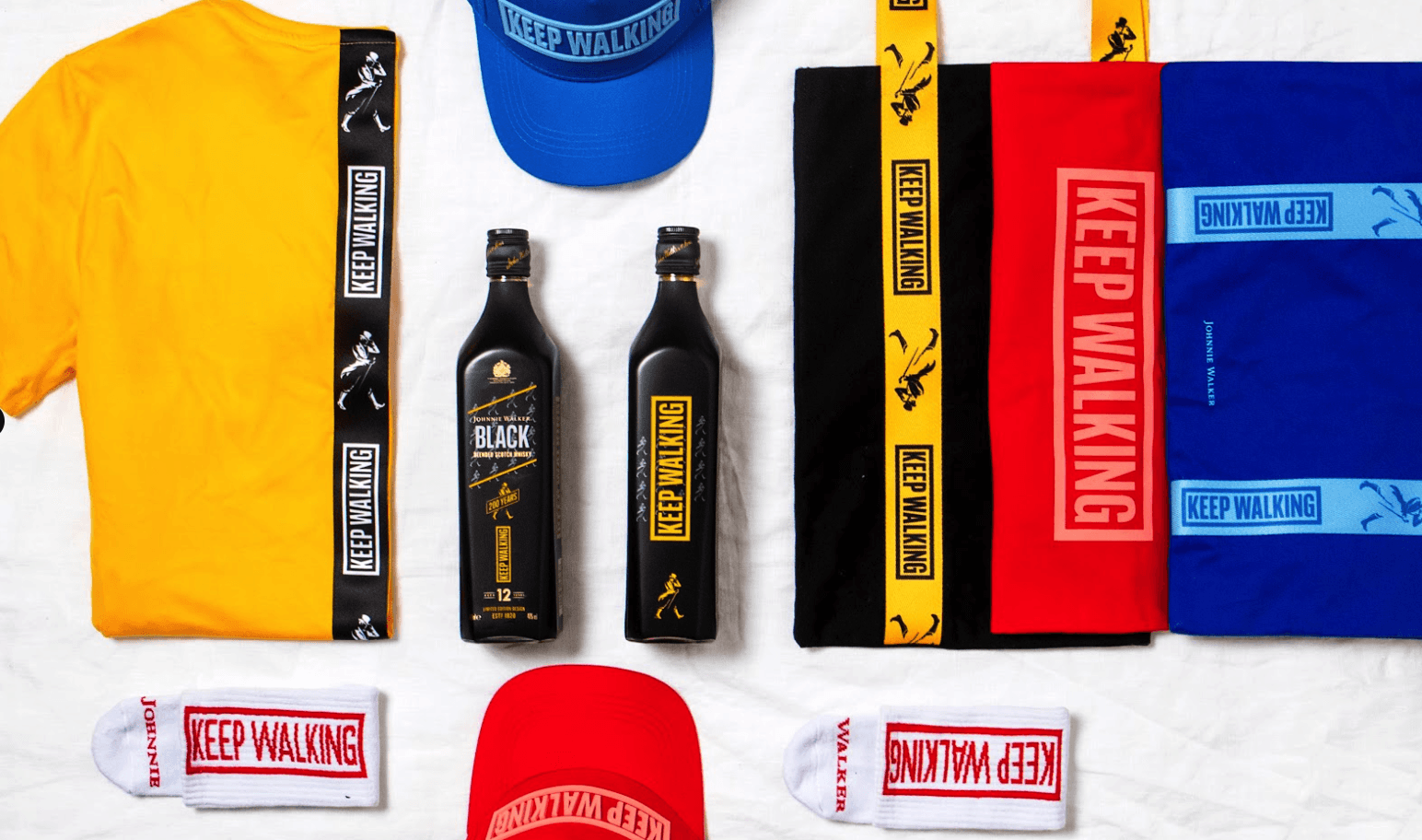
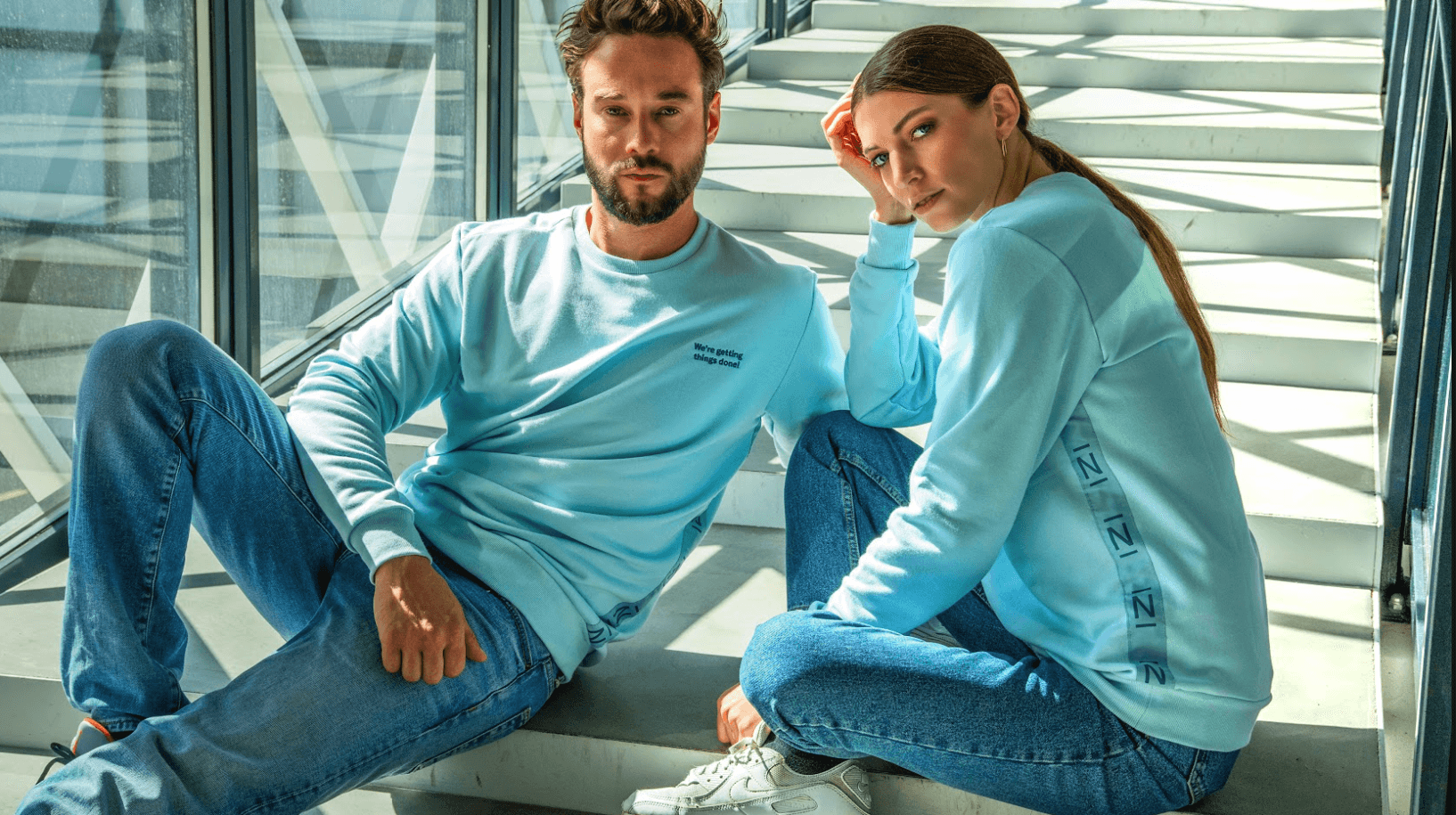

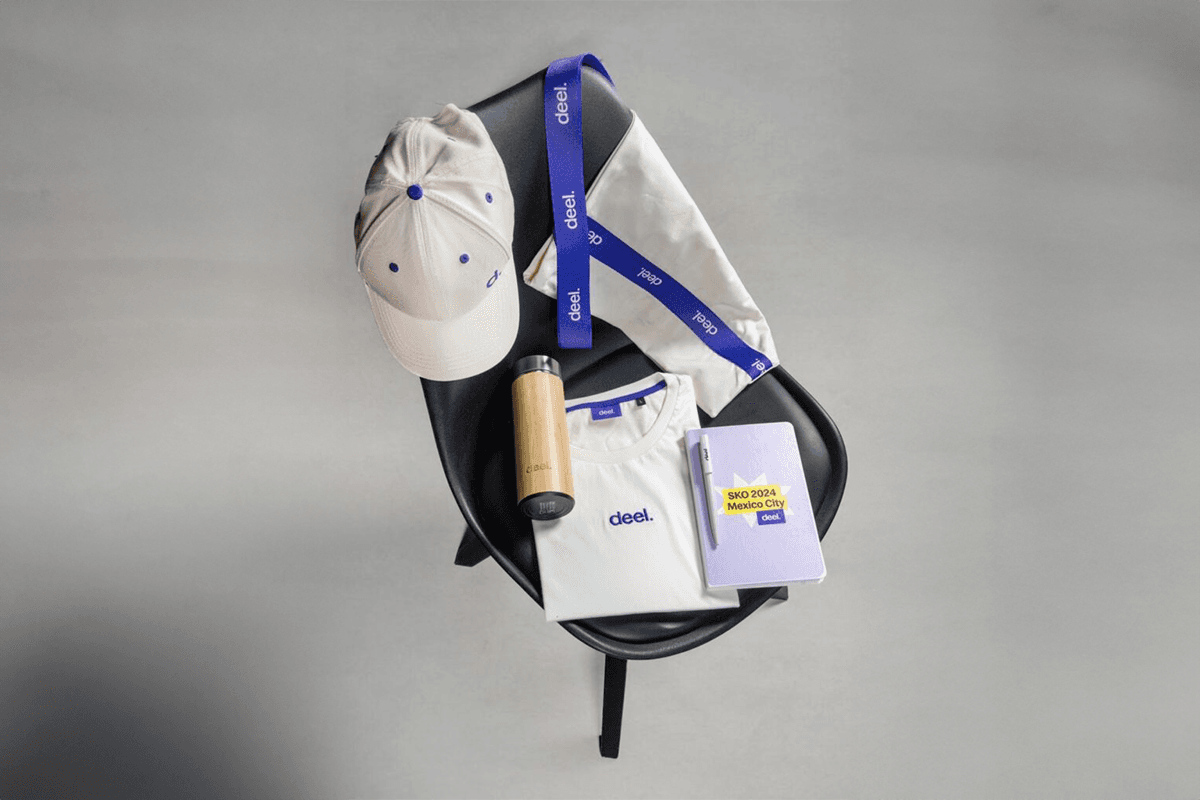
Branded merchandise is one of the few marketing channels that can live on someone’s desk, ride in their tote bag, or sit in their kitchen every day. Done well, it feels less like advertising and more like a useful object that happens to carry your name. Done poorly, it becomes clutter, and clutter is a fast route to being forgotten.
Choosing the right items is not about chasing the latest giveaway trend. It is about making careful tradeoffs between audience fit, brand meaning, quality, and distribution. When those decisions are made with discipline, merchandise can support revenue goals, deepen loyalty, and keep your brand present in quiet, high frequency moments.
Start with the outcome you want
Before you look at catalogs, decide what “success” means for your merchandise program. A mug handed to an enterprise prospect at a conference is a different tool than a welcome kit for a new customer, and both are different from internal merchandise used to build team pride.
A practical way to set direction is to pick one primary objective per campaign. If you try to make a single item do everything, you usually end up with something generic.
After you define the objective, document the distribution moment. Who receives it, when, and in what context? Merchandise is experienced in a setting, not in a spreadsheet.
Here are common objectives that work well as “north stars” for item selection:
- Lead generation
- Customer retention
- Employee onboarding
- Event attendance
- Partner appreciation
- Community building
Know your audience in real terms
“Target audience” can get abstract quickly. Merchandise rewards specificity. Consider daily routines, environment, and values. Remote workers will use different items than field technicians. A sustainability minded audience will judge materials and packaging, not just the logo.
Start by answering a few grounded questions. Where will the item live, and how will it be carried? What is the audience already buying for themselves? What would they gladly keep on their desk without feeling marketed to?
If you have customer segments, avoid picking one item that must satisfy all of them. A tighter set of two or three items, each aligned to a segment, often outperforms a single compromise choice.
Keep brand identity tangible
Merchandise should feel like your brand in object form. That does not mean slapping a large logo on everything. It means matching the item’s materials, color palette, and overall vibe to what people already associate with you.
A minimalist brand tends to win with subtle marks, clean typography, and neutral colors. A playful brand can carry bolder color and more expressive copy. A premium brand should be cautious with bargain items, because low quality can quietly rewrite what “premium” means in someone’s mind.
One sentence can keep decisions consistent: “If we removed the logo, would this still feel like us?” If the answer is no, the mismatch will show.
Choose merchandise categories with intent
A strong assortment usually includes a mix of high frequency items (used daily) and high perceived value items (kept longer and talked about). Cost does not always equal perceived value, so it helps to think in terms of usefulness, longevity, and social visibility.
The table below summarizes common categories and when they tend to work best.
| Category | Best moment | Cost range | Lifespan | Visibility | Notes |
|---|---|---|---|---|---|
| Stickers | Community, onboarding, events | Low | Medium | Medium | Great for brand fans, weak for premium positioning if overused |
| Pens | Events, front desk, field teams | Low | Low to medium | Low | Works when ink quality is genuinely good |
| Notebooks | Sales follow ups, onboarding | Low to mid | Medium | Low to medium | Choose paper quality that matches your brand |
| Tumblers and bottles | Customer gifts, internal programs | Mid | High | Medium | Strong daily use, materials matter |
| T shirts and hoodies | Employee pride, community | Mid to high | High | High | Fit and fabric determine whether it gets worn |
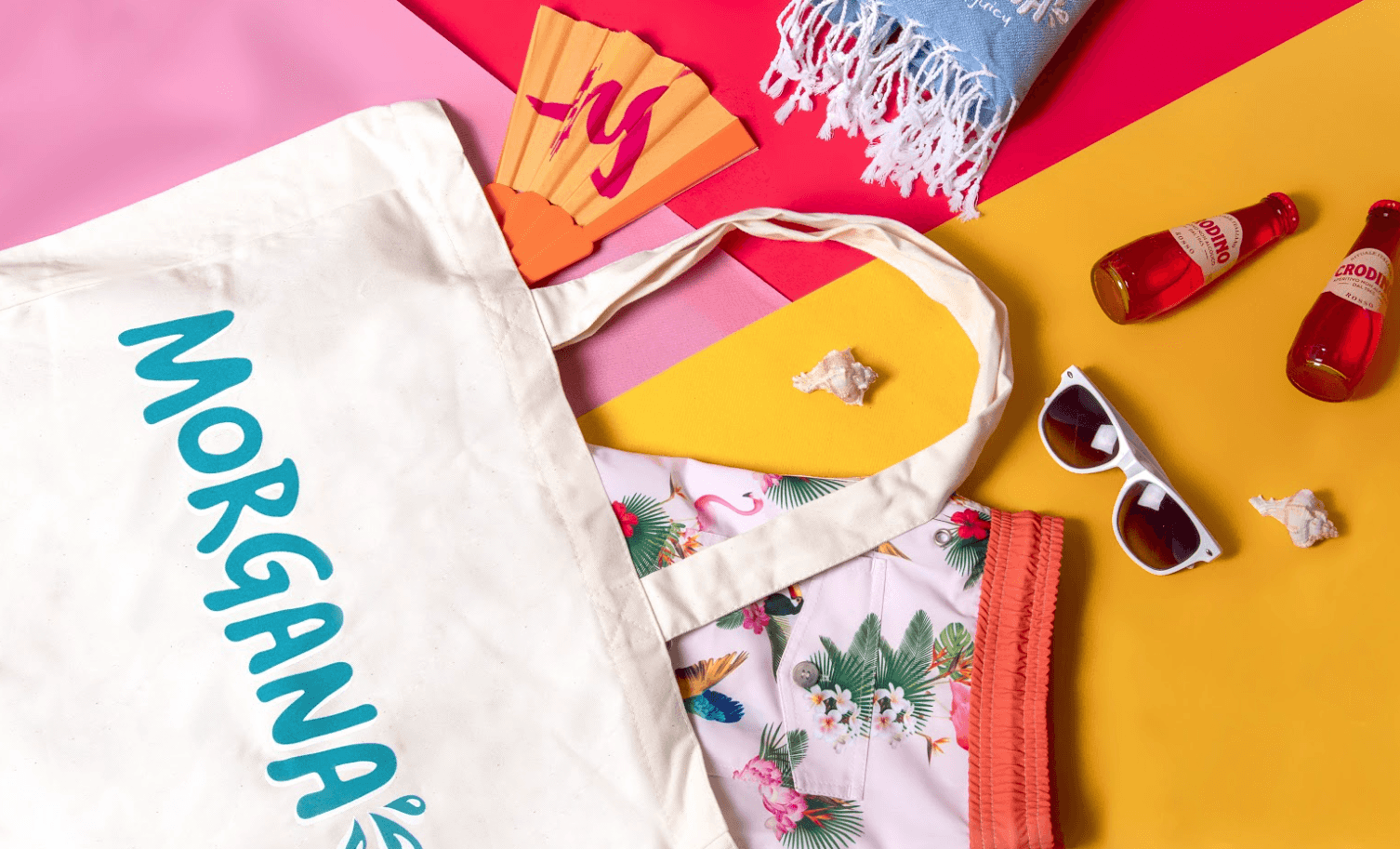
| Tote bags | Events, retail, community | Low to mid | High | High | A practical “walking billboard” when design is tasteful |
| Desk items (mouse pads, chargers) | Remote teams, retention | Mid | High | Medium | High utility can beat flashiness |
| Premium kits (curated boxes) | High value accounts, milestones | High | Medium to high | Medium | Best when tailored and not overpacked |
Use the table as a starting point, then filter it through your audience and objective. A “cheap” item that gets used every day can outperform an expensive gift that stays in a closet.
Quality and usability are the real differentiators
People can feel quality quickly. The pen that skips, the bottle that sweats, the shirt that shrinks, these are tiny experiences that quietly shape trust. If your business sells reliability, your merchandise must behave reliably.
Usability is equally important. A beautiful notebook is wasted if it is too small to be practical. A hoodie is a miss if it is heavy in a warm climate. The best items are the ones recipients reach for without thinking.
A helpful rule: pick fewer items, raise the quality. A smaller run of a truly desirable item tends to create more goodwill than a large batch of forgettable freebies.
Design for repeat use, not maximum logo size
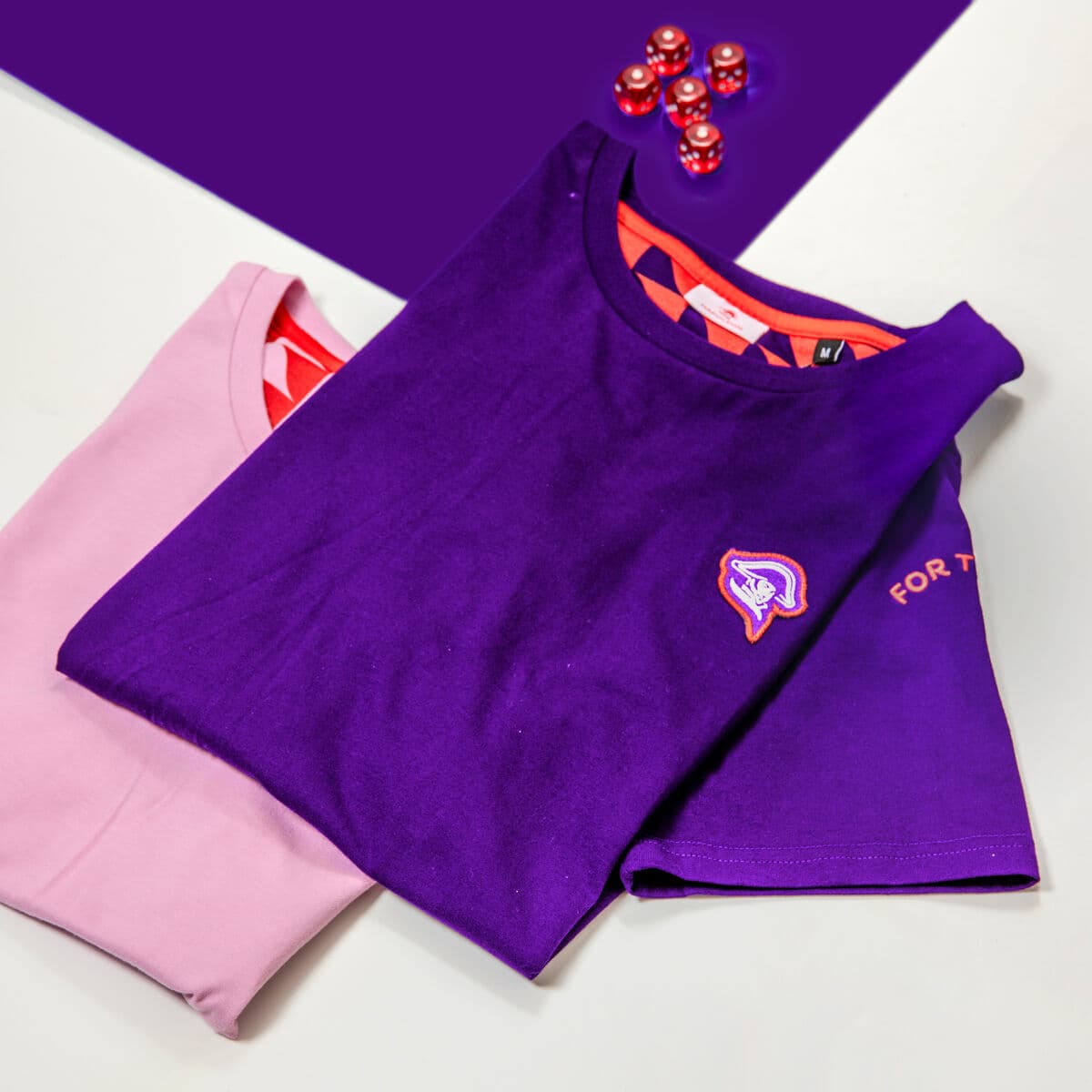
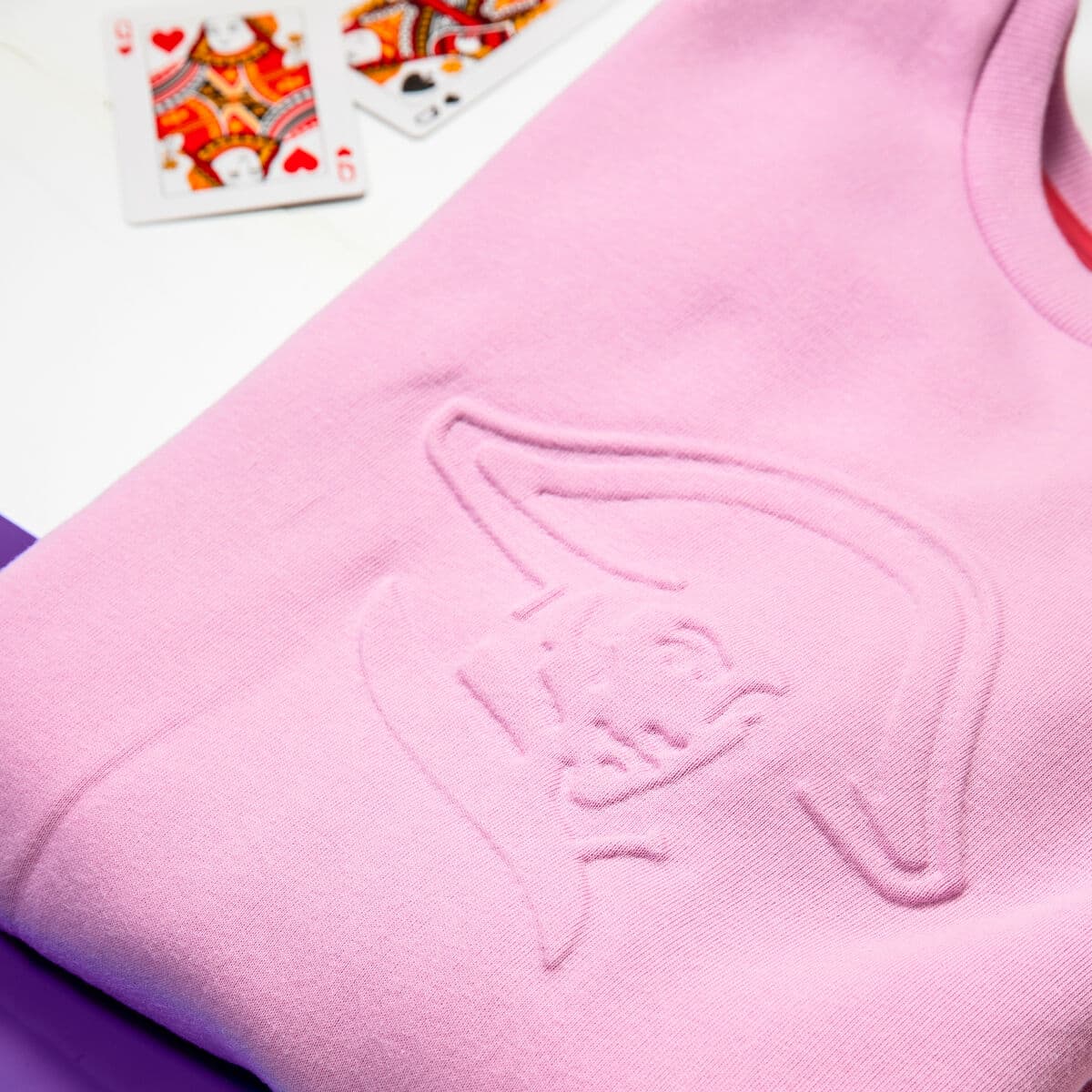
Merchandise design works when it respects the recipient’s taste. Most people prefer items that feel like something they would buy, not something they were paid to carry. Subtle branding often wins, especially for apparel and drinkware.
Think in layers. First, choose an item people would want even without your mark. Next, make the branding feel intentional: placement, scale, and color that complement the item. Finally, consider a secondary design element, like a pattern, a short line of copy, or a small icon that represents your product story.
Before you approve anything, do a “three foot test.” Look at a mockup from a few feet away. If the logo shouts, ask whether that helps or hurts your goal.
A practical scorecard for selecting items
When comparing options, a simple scorecard keeps the discussion focused. You can rate each item from 1 to 5, then total the score, while still allowing room for judgment.
Use criteria like these, and add weights if one factor matters more for your campaign:
- Audience fit: Will the recipient actually use it within a week?
- Brand match: Do materials and style reflect your positioning?
- Perceived value: Does it feel worth keeping or gifting onward?
- Longevity: Will it survive normal use for months?
- Visibility: Will others see it in daily life?
- Distribution practicality: Can you store, ship, and hand it out easily?
- Customization quality: Will the imprint look sharp after wear and washing?
This approach also makes it easier to explain decisions internally. “We chose this bottle because it scored highest on daily use and longevity” is a stronger story than “it looked cool.”
Budget with ROI in mind
Merchandise ROI is rarely a straight line, yet it can still be managed with discipline. Start by separating campaigns into two buckets: conversion focused (tied to pipeline or revenue) and brand equity focused (tied to retention, referrals, or awareness). Then choose metrics that match.
For conversion focused programs, you can estimate ROI with a simple model:
- Expected ROI = (Incremental profit from influenced deals minus total program cost) / total program cost
Incremental profit is the hard part. Keep it conservative. If you are sending gifts to a list of prospects, track meeting acceptance rates and opportunity creation compared to a similar period or a control group.
For brand equity programs, use proxy metrics that reflect real behavior: repeat purchase rate, renewal rate, event return attendance, referral mentions, employee retention, and inbound inquiries that cite the merchandise.
Also, remember the hidden costs. Packaging, shipping, storage, and time spent managing vendors can equal the cost of the items themselves. A slightly higher priced item that ships easily may be cheaper in total.
Production, logistics, and risk management
The best merchandise plan accounts for the unglamorous details early. Lead times vary widely by season. Apparel sizing requires buffers. Customs and freight can create uncertainty. Even domestic shipping rates can swing quickly.
Build a timeline backward from your distribution date, then add breathing room. If you are planning for an event, assume at least one delay and decide what you will do if items arrive late.
Compliance matters, too. If you are shipping internationally, check restricted materials, battery rules for electronics, and labeling requirements. If the audience includes children, item safety standards become non negotiable. If you operate in a regulated industry, confirm whether gift value thresholds apply.
A reliable vendor will help here, but the responsibility stays with you. Treat merchandise like any other customer facing product.
Make measurement part of the design
Measurement works best when it is baked into the campaign, not bolted on afterward. Add a light call to action when it fits the context, such as a QR code on packaging that leads to a resource, a registration page, or a community invite.
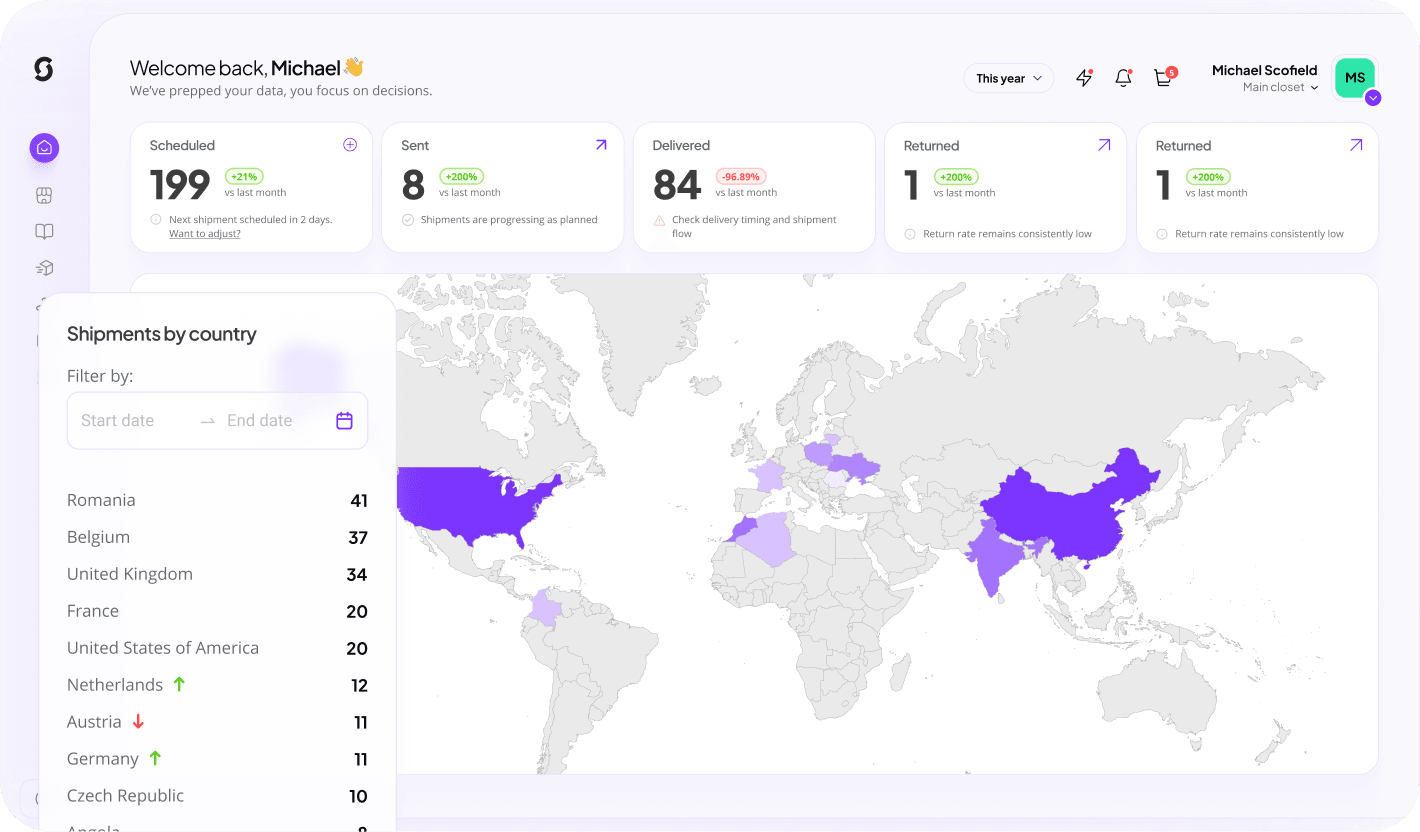
If you are sending kits, track delivery confirmation and follow up timing. If you are handing items out at events, count scans, badge swipes, or sign ups tied to the moment of exchange. If you are equipping employees, run a short internal pulse survey focused on pride and belonging, not “did you like the swag.”
Over time, you will learn which categories reliably produce results for your business, and you can standardize those while reserving experimentation for a small portion of budget.
Common mistakes that drain ROI
Most merchandise misses come from predictable patterns: buying too much too early, choosing items based on internal preference, or pushing branding so hard that recipients opt out.
After you have run a few campaigns, you will also notice that operational mistakes create the most waste. Wrong sizes, missed deadlines, and unclear ownership can turn a good idea into boxes of leftovers.
Watch for these common traps:
- Ordering large quantities before testing
- Prioritizing novelty over usefulness
- Oversized logos that reduce adoption
- Ignoring packaging and unboxing experience
- Choosing the cheapest option in a premium context
- No plan for leftovers and replenishment
- Treating shipping as an afterthought
Merchandise is not “set it and forget it.” The teams that get strong results treat it like a product: they test, measure, refine, and protect quality.
A smart way to build your next assortment
If you want a practical starting point, build a small “core set” you can use across many moments, then add one rotating seasonal or campaign specific item. The core set keeps operations simple and brand consistent. The rotating item keeps things fresh without taking unnecessary risks.
A strong core set might include one high frequency item for daily use, one apparel piece people actually want to wear, and one low cost item for broad distribution. Then, for bigger moments, add a premium gift reserved for top customers, milestones, or internal recognition.
With that structure, your merchandise stops being a drawer of random objects and starts acting like a system: predictable where it should be, distinctive where it matters, and always grounded in the experience you want people to have with your brand.