People rarely remember the exact agenda of an event. They remember how it felt, who they met, and what they carried home. High-quality branded merchandise sits right in that memory lane, not as a giveaway, but as a tactile reminder that the event was thoughtfully made.
The best event merch does two jobs at once: it earns daily use and it quietly reinforces your brand each time it shows up in the real world. That only happens when the item feels good in the hand, holds up over time, and fits the audience’s life instead of the organizer’s inventory plan.
What “high-quality” means when it’s also branded
Quality is not just “nice fabric” or “heavyweight”. For event merchandise, quality is the combination of comfort, durability, and restraint.
Comfort is obvious. A shirt that itches, a bottle that smells like plastic, or a tote with straps that dig into shoulders becomes a lesson in what not to do. Durability is just as important. Your logo should not crack after two washes, and a zipper should not fail before the attendee gets home.
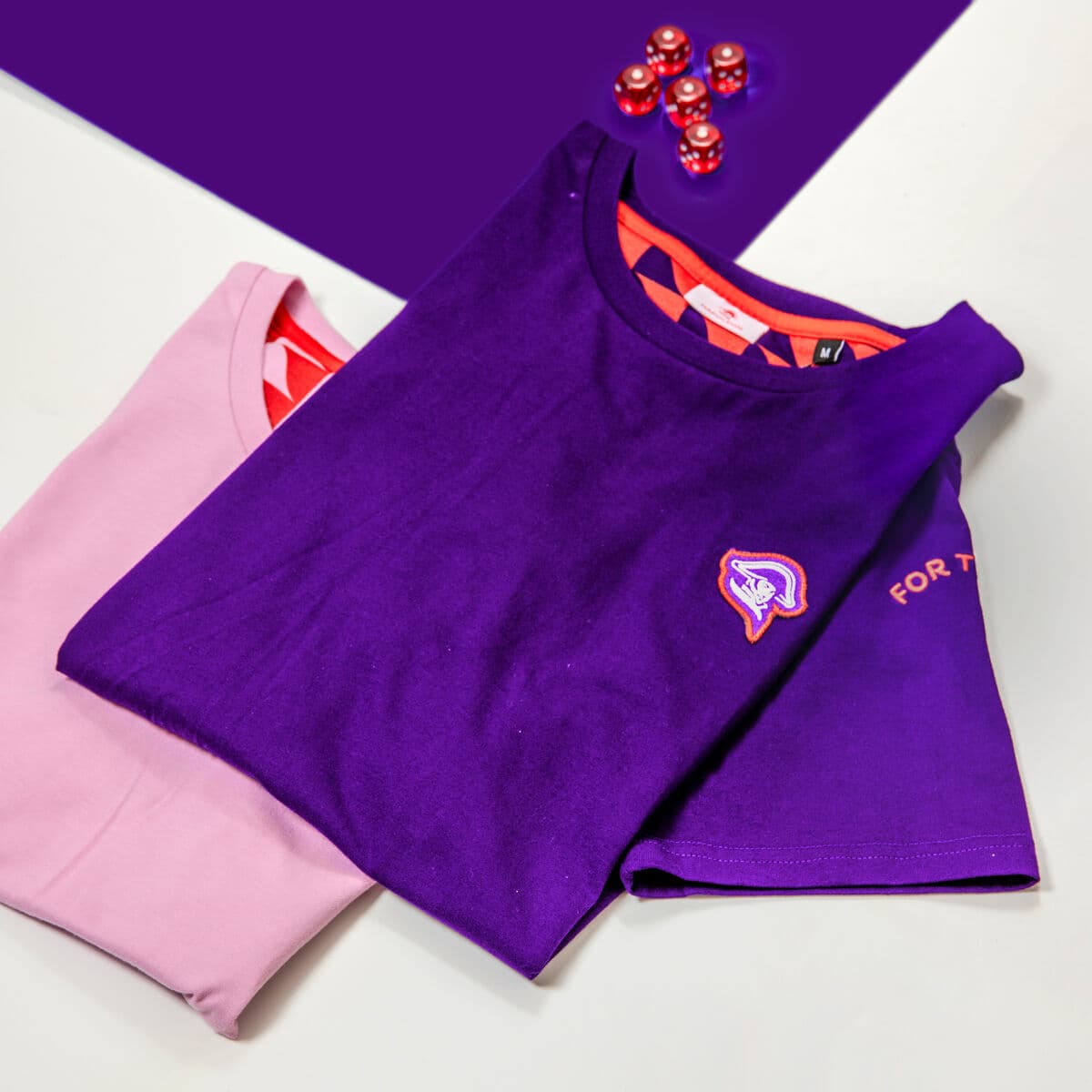
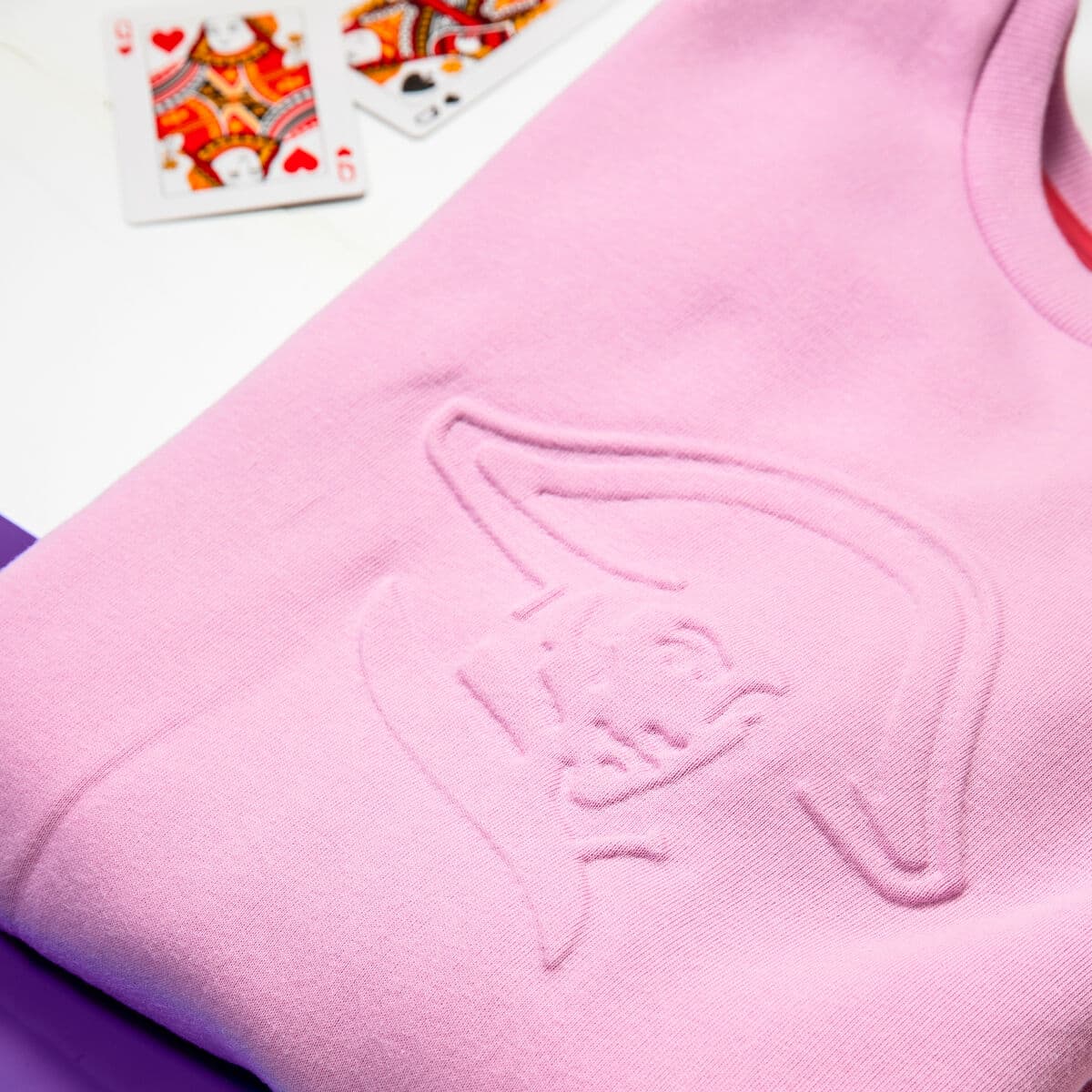
Restraint is the underrated piece. Premium merch often looks quieter, not louder. A small, well-placed mark, a tonal print, or a clean woven label can feel more confident than a logo that dominates the entire surface. When the item feels like something someone would buy for themselves, it’s already halfway to success.
Match the item to the moment of the event
The same product can feel perfect at one event and awkward at another. Think about when and where attendees will use the item, then choose merchandise that supports that scenario.
At a multi-day conference, people appreciate “in the room” utility: a notebook that opens flat, a pen that writes smoothly, a bottle that doesn’t leak in a backpack. At an outdoor brand activation, comfort and weather tolerance rise to the top: hats with breathable panels, sunglasses with decent optics, a lightweight layer that handles wind.
It also helps to plan around friction. If attendees have to carry merchandise all day, bulky items turn into a burden. If they are traveling by air, oversize liquids or oddly shaped objects get left behind. Great merch respects the attendee’s hands, bag space, and schedule.
Crowd-pleasing picks that feel premium
The strongest picks tend to be practical, well-constructed, and easy to integrate into daily routines. They also offer enough surface or placement options for branding without looking like an advertisement.
A well-curated menu might include:
- Soft-touch drinkware: Double-wall tumblers or insulated bottles with a powder-coated finish that resists scratches and feels warm in the hand.
- Everyday carry bags: Structured totes, packable backpacks, or zip pouches with reinforced seams and hardware that doesn’t look disposable.
- Modern apparel staples: Midweight tees, quarter-zips, or crewnecks with consistent sizing and clean decoration zones.
- Desk essentials people keep: Lay-flat notebooks, metal pens with a balanced weight, mouse pads with stitched edges.
- Tech-adjacent accessories: Cable organizers, slim power banks, or webcam covers that feel like tools, not trinkets.
The common thread is intent. Each item solves a small problem while making the attendee feel looked after, which reflects well on the event and the brand behind it.
Materials and printing choices that keep logos looking sharp
The decoration method can elevate an average product or ruin an excellent one. A beautiful hoodie with a stiff, plasticky print can feel cheap. A basic cap with clean embroidery can feel surprisingly premium.
Start by matching the mark to the material. Embroidery thrives on caps and structured textiles, while screen printing works best when the ink and fabric are chosen to move together. For drinkware, laser engraving and high-quality pad printing usually outperform large wraps that scratch easily.
After you’ve chosen the method, consider how the item will age. People do not judge your brand by day one. They judge it after a month of real use. A few smart choices can help:
- Pre-shrunk fabrics
- Stitching that reinforces stress points
- Engraving or embroidery for high-touch items
- Wash-tested prints with a soft handfeel
If you can get a sample, treat it like an attendee would. Wash the tee twice. Toss the bottle into a bag with keys. Put the tote under real weight. You will learn quickly whether the “premium” promise holds up.
A quick decision table for common event formats
It helps to map merchandise to event type, attendee behavior, and how the item will travel. Here’s a practical starting point.
| Event format | Attendee reality | Merchandise that fits | Why it works |
|---|---|---|---|
| One-day conference | Lots of walking, lots of notes | Quality notebook + metal pen | Lightweight, useful immediately, easy to pack |
| Multi-day summit | Repeat attendance, networking | Midweight hoodie or crewneck | Becomes a wearable memory and a comfort item |
| Outdoor activation | Sun, movement, weather | Breathable cap + insulated bottle | Comfort and hydration are always welcome |
| Trade show booth | High volume, short conversations | Zip pouch or cable organizer | Compact, easy to carry, stays in rotation |
| VIP dinner or sponsor lounge | Smaller group, higher expectations | Leatherette folio or premium drinkware | Signals care and exclusivity without shouting |
Use the table as a filter, then refine based on audience profile, climate, venue rules, and how much people will be carrying.
Sizing, accessibility, and inclusivity details people notice
Great merchandise is not “one size fits most,” it’s “most people can actually use it.”
Apparel is the obvious place to get this right. Offer a size run that reflects your audience, and consider multiple fits when possible. Small choices like tagless labels, softer seams, and predictable cuts can turn apparel into something people reach for weekly.
Accessibility matters outside apparel, too. Choose bottles that open easily, pens with comfortable grips, and bags with straps that don’t punish shoulders. If you are distributing items onsite, make the process dignified: clear signage, simple exchanges, and staff who can help without making anyone feel singled out.
Sustainability without the greenwashing
Sustainable merchandise is less about buzzwords and more about honest tradeoffs. The most sustainable item is the one that gets used for years.
Durability is a sustainability strategy. A tote that replaces dozens of disposable bags or a bottle that becomes a daily habit has real impact. Material choices help, but only when they do not compromise function. Recycled fabrics can be excellent, and responsibly sourced paper goods can feel premium, yet the build quality must still be there.
If sustainability is part of your event’s values, communicate it with clarity. Share what you know, avoid grand claims, and focus on the practical: how the item was made, how long it’s meant to last, and how to care for it so it keeps its value.
Logistics: timelines, kitting, and on-site distribution
Even the best merchandise plan can stumble if the operations side is rushed. You need enough time for sampling, production, quality checks, and the inevitable small surprises.
A reliable flow looks like this:
- Define the goal: Daily utility, VIP recognition, sponsor visibility, or onsite functionality.
- Choose one hero item: Pick the piece that carries the emotional weight, then build smaller items around it.
- Confirm branding rules early: Logo files, color targets, placement, and any required co-branding.
- Order samples and stress-test them: Wash, drop, carry, and inspect as if you’re trying to break them.
- Plan distribution: Check-in desk, room drop, badge pickup, or a staffed “merch counter” with sizing support.
- Build in a buffer: Extra units for late registrations, sizing swaps, and staff needs.
Kitting can also shape the perceived quality. A simple, well-designed insert card and thoughtful packing can make even practical items feel gift-worthy, while messy bundles can cheapen premium products.
Branding that feels confident, not loud
Strong branding does not need to dominate. Many of the most respected event programs treat the logo as a signature, not a billboard.
Consider placement that matches how people actually wear and use things: a sleeve mark on a sweatshirt, a small chest print, a woven label on a tote seam, a subtle engraving on drinkware. Tonal treatments, matte inks, and limited color palettes can read as modern and intentional.
It also helps to think beyond the primary logo. A short tagline, an event icon, or a minimal pattern can feel more “designed” and less “promotional,” while still reinforcing recognition for those who were there.
Making merchandise feel personal at scale
When attendees feel seen, merch becomes more than a free item. Personalization can do that, even with simple tactics that don’t slow down the event.
Some teams use pre-event preference collection for sizes and colors. Others keep the core item consistent and personalize through packaging, a printed note, or a choice between two variants. Choice is powerful: it reduces waste and raises satisfaction because the attendee selects what fits their life.
The goal is not perfection. The goal is a clear signal that the merchandise was selected for real humans with real routines, and that the brand respects their time, comfort, and taste. When you hit that standard, your event doesn’t just hand out items. It sends people home with something they’re glad to keep.