

The best customer appreciation gifts examples are not the most expensive ones. They are the campaigns where a clear commercial reason, a relevant product and a personal message line up. A targeted account-expansion gift box can contribute to a multi-million-dollar deal; a co-branded collection can make a customer's stakeholders part of a shared project story. The lesson across all of them: appreciation gifting works when it supports a defined strategy, not a broad, unqualified blast.
Customer appreciation gifting is not sending a product. It is recognising the value of a customer relationship in a deliberate, relevant and measurable way. Done well, it strengthens relationships, opens new commercial conversations and keeps your brand top of mind. Done badly, it is obligatory corporate noise. The examples below show the difference, and the patterns you can reuse.
1. Cloudflare: a gift box that supported account expansion
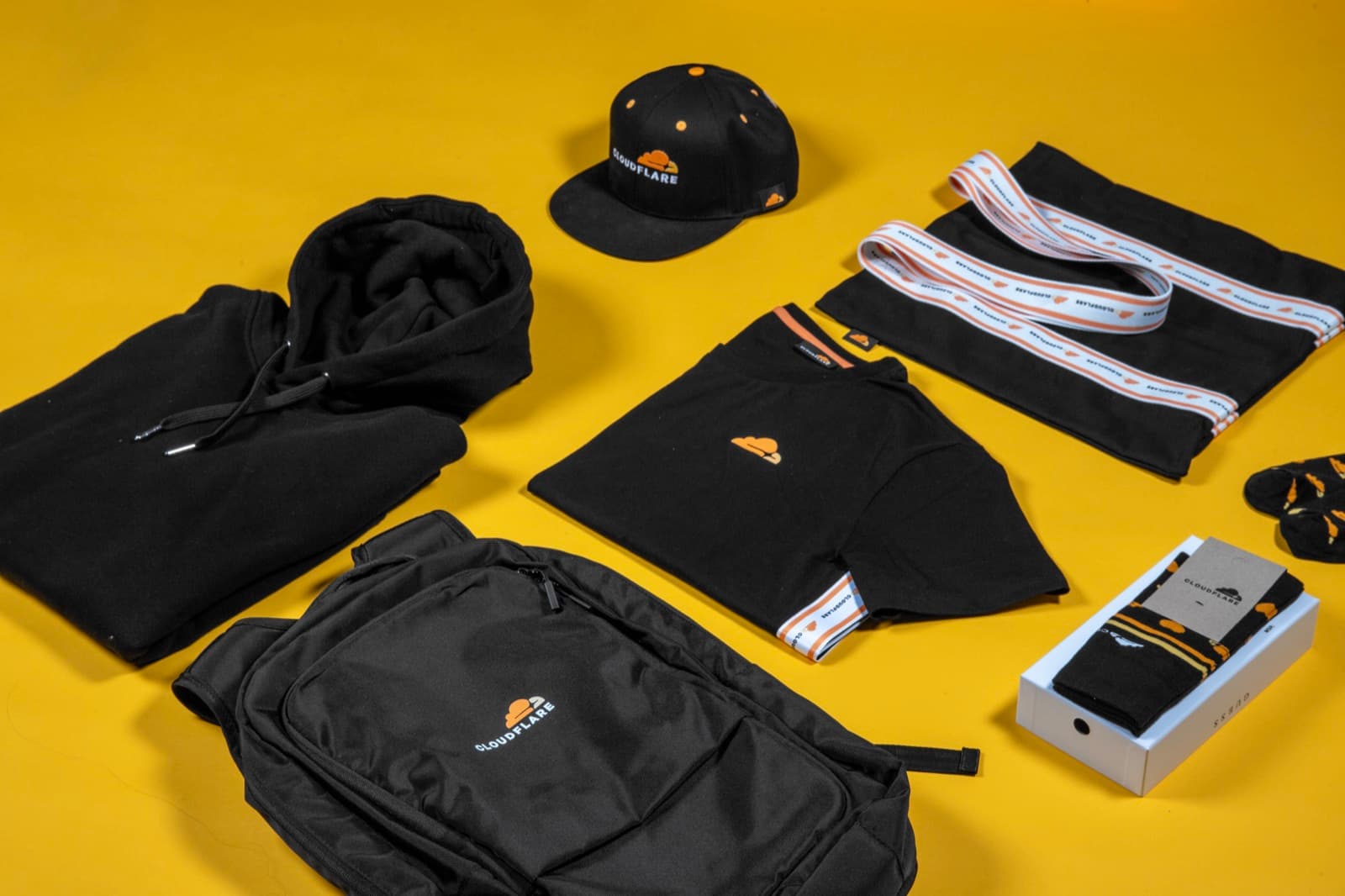
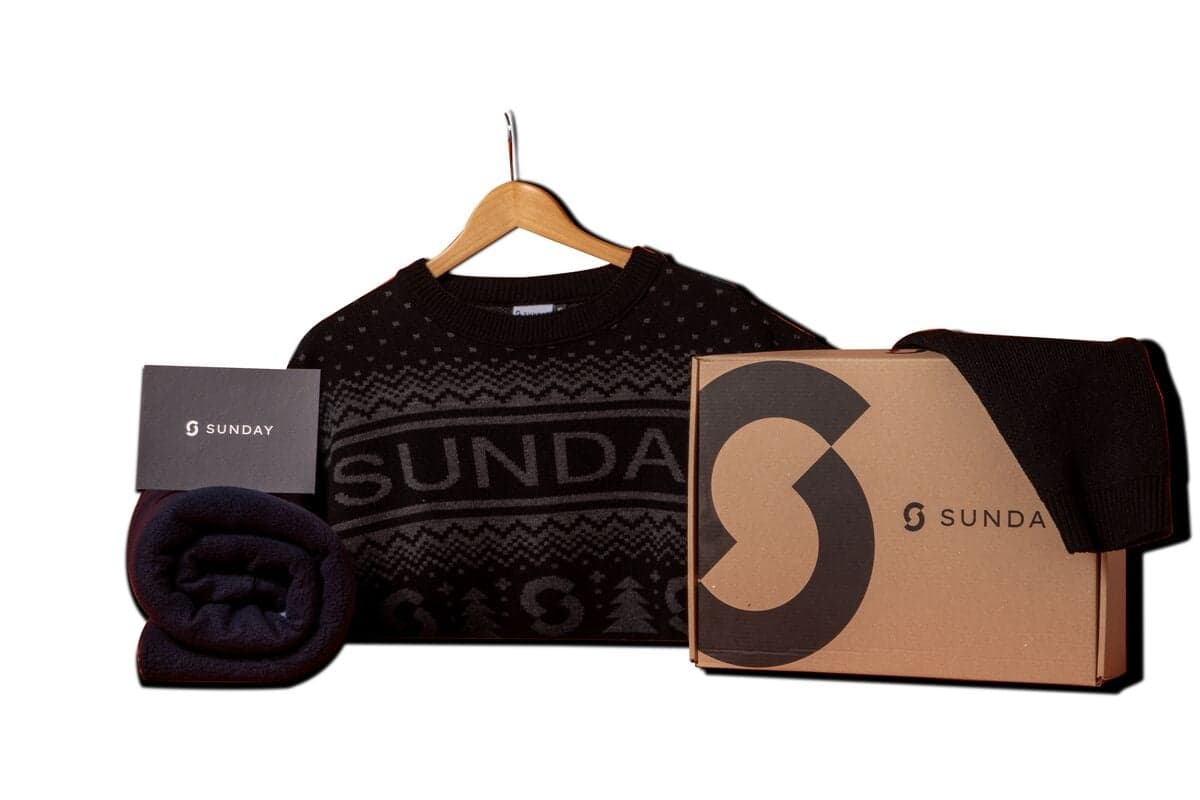
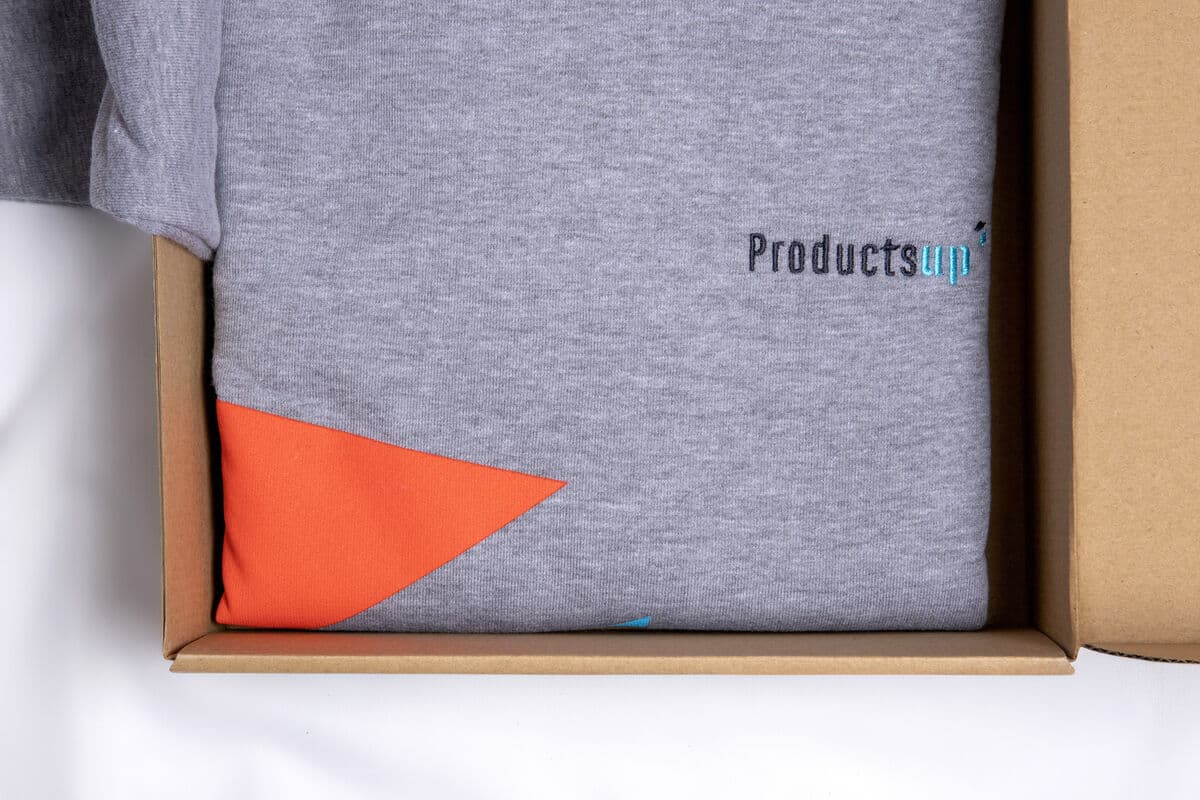
The clearest example of gifting tied to a commercial strategy is an account-expansion campaign Cloudflare ran through Sunday. Rather than a broad send, Cloudflare identified high-value customers that were not yet using a part of its enterprise suite, segmented those accounts, and focused on the decision-makers who had previously signed the commercial relationship. Each received a custom gift box with subtle Cloudflare-branded products, including a premium blanket.
The numbers tell the story. The campaign represented an investment of around €30,000 and contributed to a closed deal worth approximately $3 million. The point is not the headline figure, it is the structure behind it: a qualified target list, a clear reason to reach out, and a thoughtful gift that reopened a high-value conversation with exactly the right people.

A subtle, premium gift box aimed at named decision-makers. The targeting and the reason for reaching out did the heavy lifting; the gift made it land.
2. Silverfin and Deloitte: a co-branded rollout
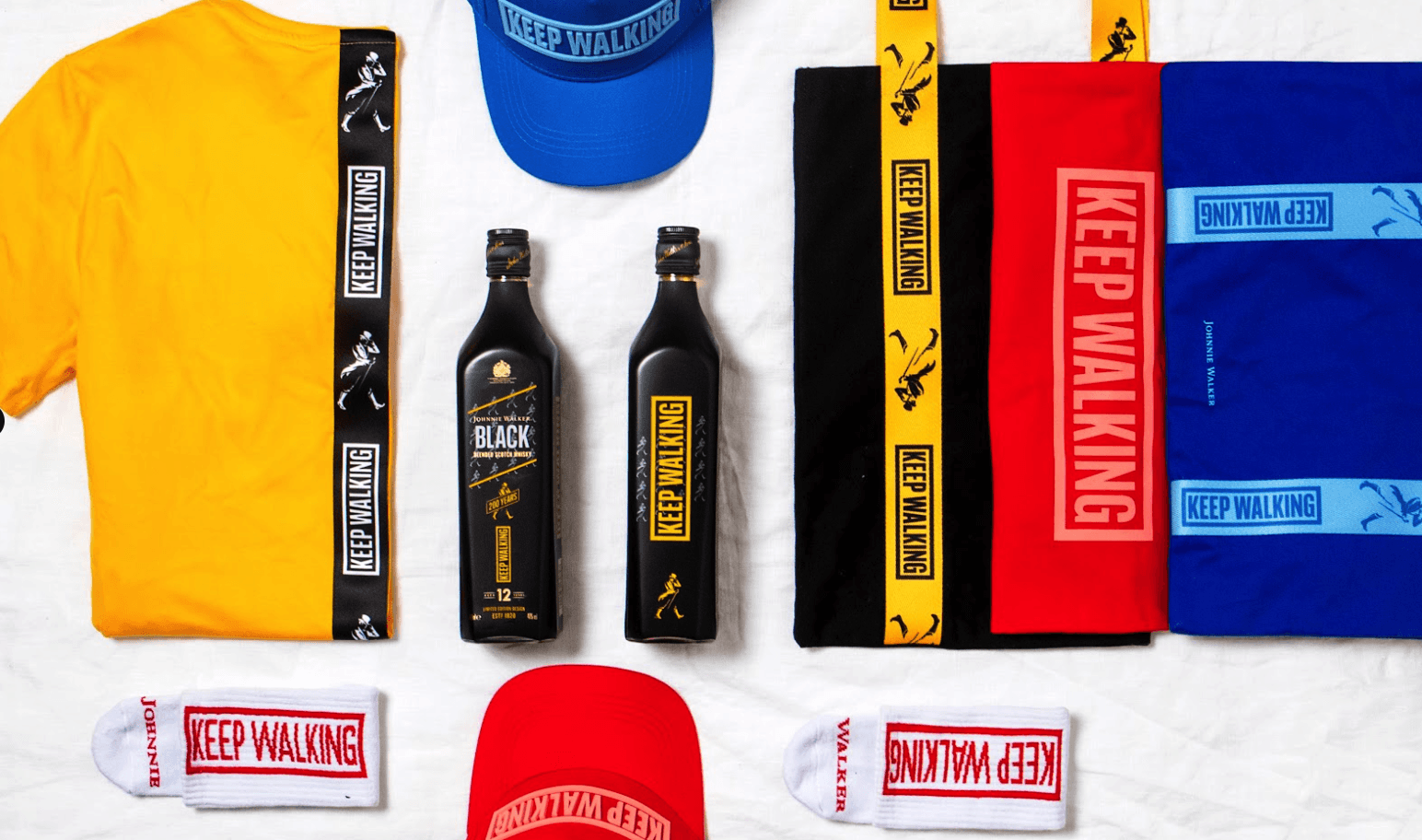
For strategic projects, the strongest move is to go beyond your own logo. When Silverfin rolled out across multiple countries with Deloitte, the stakeholders behind each country launch received a co-branded collection. Instead of a generic thank-you, the gift carried both brands and recognised the specific people who delivered each launch.
Why it works: a co-branded gift makes the recipient part of the shared project story rather than a passive account. It recognises internal stakeholders, not just the contract, which is exactly what makes project-based gifting so effective. It is the difference between thanking a company and thanking the humans who did the work.

For strategic projects, a co-branded collection makes the customer's team part of the shared story. It recognises the people, not just the contract.
3. Project-completion gifts that recognise the people
You do not need a flagship account to use the same thinking. Some of the most powerful appreciation moments are project-based: finishing a major rollout, completing an important project, or hitting a milestone like a revenue threshold, a number of licences or users, or expanding into a new service. A gift timed to one of these moments lands harder than a calendar-driven send because it has an obvious, earned reason behind it.
The other timing that works is the anniversary of the relationship, summer when the theme fits, and the end of year. Customer Appreciation Day, the first Friday of May, is a valid moment to stand out, but appreciation should not be confined to one designated week. Use the moments most relevant to each relationship.

Project-based gifting recognises the customer's internal stakeholders, not just the contract. An earned reason beats a calendar date every time.
4. The patterns you can copy
Strip away the names and every strong example follows the same playbook.
| Pattern | What it means in practice |
|---|---|
| Start from the commercial reason | Pick a specific goal: expansion, retention, a strategic project. Qualify the accounts before you choose a gift. |
| Make it relevant | A product that feels selected for them, not pulled from leftover event stock. Useful, wearable or genuinely on-brand. |
| Personalise three things | The gift, the message and the timing. A personal note explaining why they are recognised does more than a bigger budget. |
| Recognise the people | Project and co-branded gifts thank internal stakeholders, not just the contract. That is what reopens conversations. |
| Follow up | A personal follow-up confirms arrival, captures the reaction and reopens the commercial conversation. |
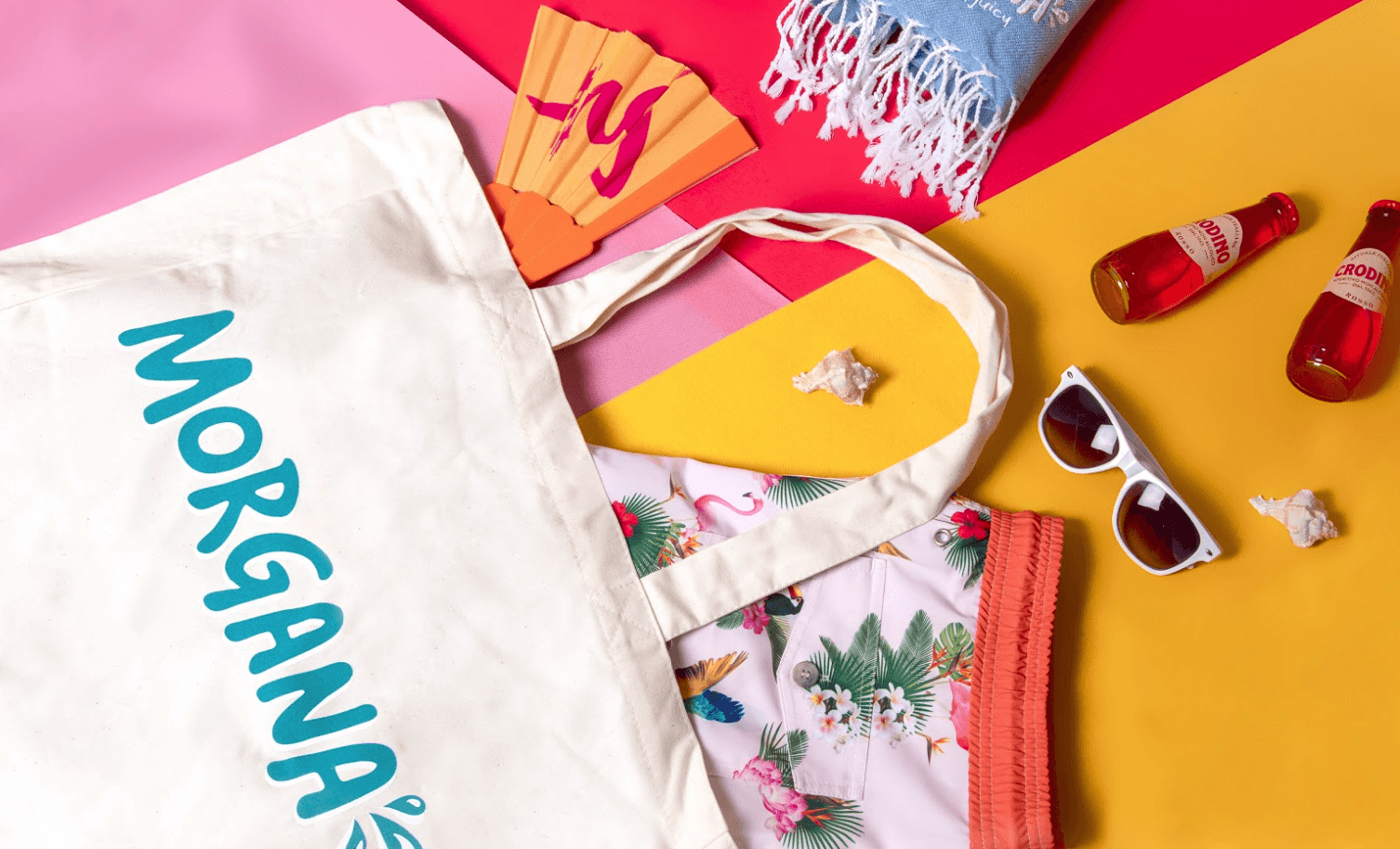
A budget of around €35 to €50 per recipient generally feels thoughtful, scaled to the value of the account: closer to €25 at high volume, €75 to €100 for high-value accounts. Quality of selection matters more than raw spend. A premium tote is a natural carry-vehicle for an appreciation kit, useful, sizeless and easy to make beautiful; preview one in your brand with the free tote bag mockup generator or browse custom tote bags.
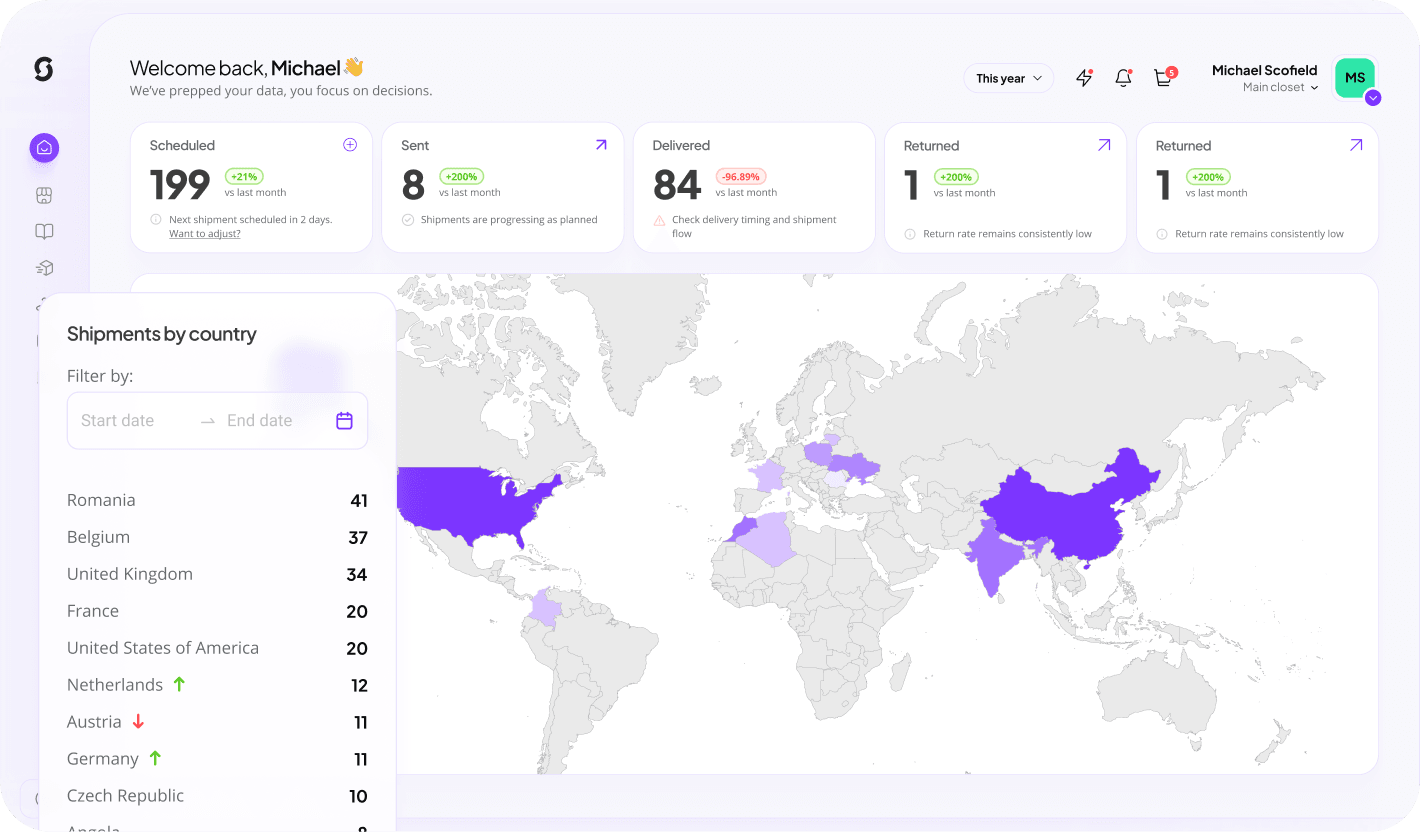
Underneath all of it, the value is operational: a curated catalogue, custom kits and packaging, global distribution and CRM-triggered automation on one platform. Sunday is not just the supplier of the gift, it is the infrastructure to plan, personalise, automate and fulfil appreciation campaigns at scale.
About this article
Keep reading: customer appreciation gifts
Build a campaign worth talking about
Plan, personalise and fulfil customer appreciation gifts at scale, from one platform. Live in 30 seconds.
Build this campaign with SundayCustomer appreciation gift examples: questions answered
What is a good example of a customer appreciation gift?
A strong example is a targeted gift box sent to named decision-makers as part of a clear commercial goal, such as account expansion or recognising a completed project. The gift itself matters less than the structure around it: a qualified list, an earned reason to reach out, a relevant product and a personal message. That is what reopens conversations and keeps your brand top of mind.
Do customer appreciation gifts actually drive revenue?
When tied to a defined strategy, yes. One account-expansion campaign with a custom gift box contributed to a deal worth around $3 million on an investment of roughly €30,000. The return comes from gifting that supports a real commercial opportunity with the right people, not from a broad, unqualified blast. Impact can show short and long term as the gift keeps you top of mind.
What makes a co-branded appreciation gift work?
A co-branded gift carries both your logo and the customer's, which makes their team part of a shared project story rather than a passive account. It is especially effective for strategic, multi-team or multi-country projects, because it recognises the internal stakeholders who did the work, not just the contract. That recognition is what deepens the relationship.
How much should a B2B customer appreciation gift cost?
Around €35 to €50 per recipient generally feels thoughtful, but budget should be proportional to the customer's commercial value. At high volumes a well-executed campaign can work at around €25 per person, and for high-value accounts €75 to €100 can fit. Quality of selection and execution matters more than raw spend.
When should you send customer appreciation gifts?
The strongest moments are earned ones: completing a major project, hitting a revenue or usage milestone, the anniversary of the relationship, or expanding into a new service. End of year and summer work when the theme fits. Customer Appreciation Day, the first Friday of May, is a valid moment, but do not confine appreciation to one week.
Is a tote bag a good customer appreciation gift?
Yes, a premium tote is a natural carry-vehicle for an appreciation kit. It is useful, sizeless so it suits a broad list, and easy to make beautiful with restrained branding. Pair it with a couple of relevant items and a personal note. You can preview a branded tote in your colours with the free tote bag mockup generator before you build the kit.