

Taiwanese employers hand out cash at three points almost every year: Chinese New Year, Dragon Boat Festival, and Mid-Autumn Festival (collectively 三節獎金, or "three-festival bonuses"), plus a year-end bonus on top. The tradition feels separate from ordinary pay, so it's easy to assume it gets separate tax treatment too. It doesn't, at least not by default. Add in client and business-partner gifting, which runs on an entirely different set of rules capped by revenue, and a VAT wrinkle that catches out companies gifting to employees and clients alike, and Taiwan turns out to have more moving parts than it first appears.
Festival and year-end bonuses are ordinary taxable income
Cash festival bonuses and year-end bonuses paid directly by the employer are ordinary taxable salary income under Article 14 of the Income Tax Act. There's no exemption and no minimum threshold below which the payment escapes tax entirely: from the employee's side, every dollar of a 三節獎金 or 年終獎金 payment counts as income, the same as their regular salary.
Where a threshold does matter is withholding, which is a separate question from taxability. A 5% withholding rate applies once a single non-monthly payment, such as a festival or year-end bonus, exceeds NT$90,501 (the 2026 annual threshold). Below that figure, the employer isn't required to withhold anything at the time of payment, but the amount is still fully taxable income that the employee must declare and pay tax on through their annual return. No withholding at source is not the same thing as no tax owed, a distinction that trips up a lot of first-time payroll planning in Taiwan.
Because Taiwan runs a 5-tier progressive personal income tax system topping out at a 40% marginal rate, a sizeable festival or year-end bonus can meaningfully move an employee into a higher bracket for that year. (Exact bracket cutoffs shift annually with inflation adjustments, so check the current-year figures rather than relying on a number from a prior year.)
The Employee Welfare Committee exception
There is one genuine carve-out, and it depends on the payment channel rather than the occasion. Benefits paid out through the statutory Employee Welfare Committee (職工福利委員會), which is funded by a separate, dedicated welfare fund rather than drawn from general company revenue, are classified as "other income" rather than salary income. Payments made this way are not subject to withholding at source.
That doesn't mean they're tax-free. Other income is still fully taxable, it's just reported and settled by the recipient on their own annual return rather than withheld by the employer up front. The distinction that matters here is the funding source and the administrative channel, not the label an employer puts on the payment. Routing an ordinary bonus through a welfare committee that isn't properly constituted or funded doesn't convert it into this category; the exception exists for benefits that genuinely flow through the statutory welfare-fund structure.
12 gift ideas
Well-made branded merchandise sidesteps a lot of this complexity for routine gifting: a physical item doesn't carry the same withholding mechanics as cash, and it reads as a considered gift rather than a payroll top-up. Here are 12 options priced in NT$.
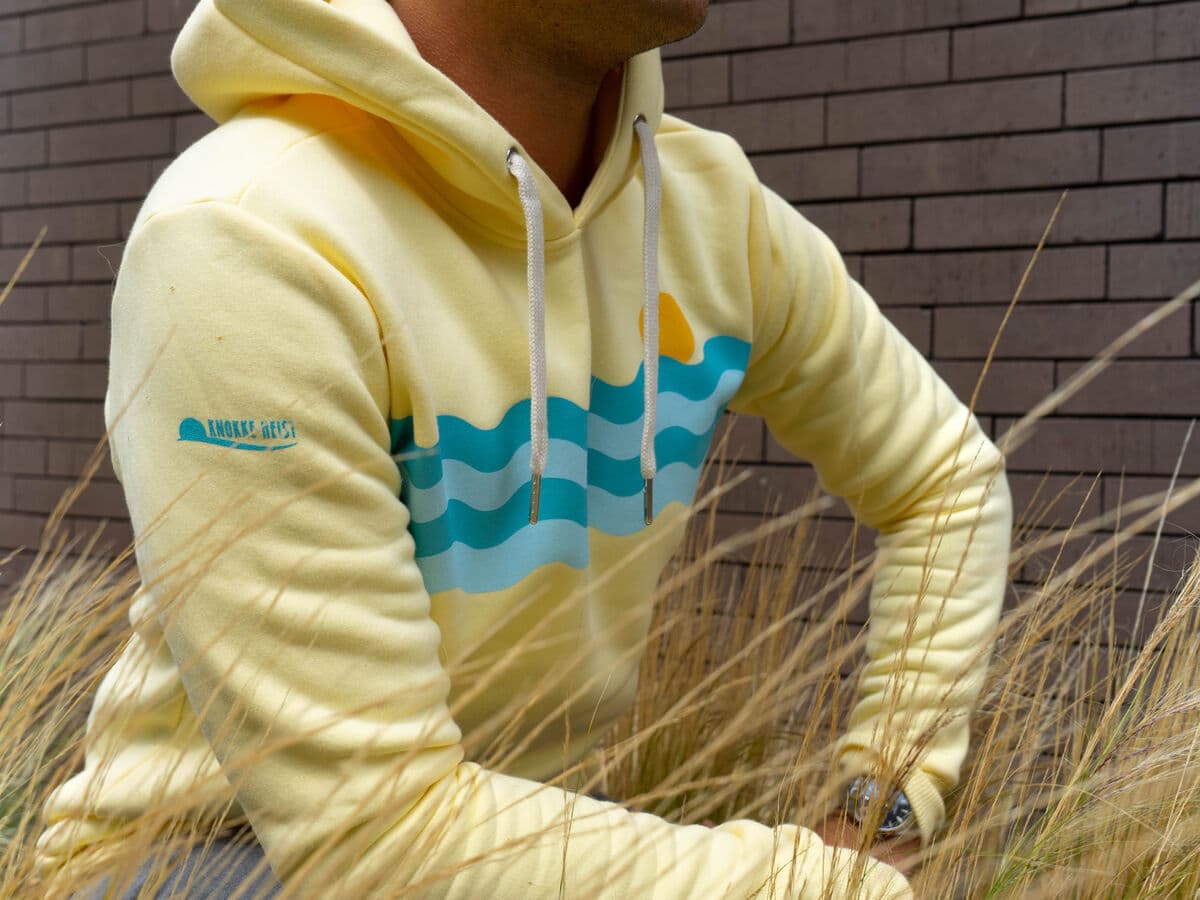
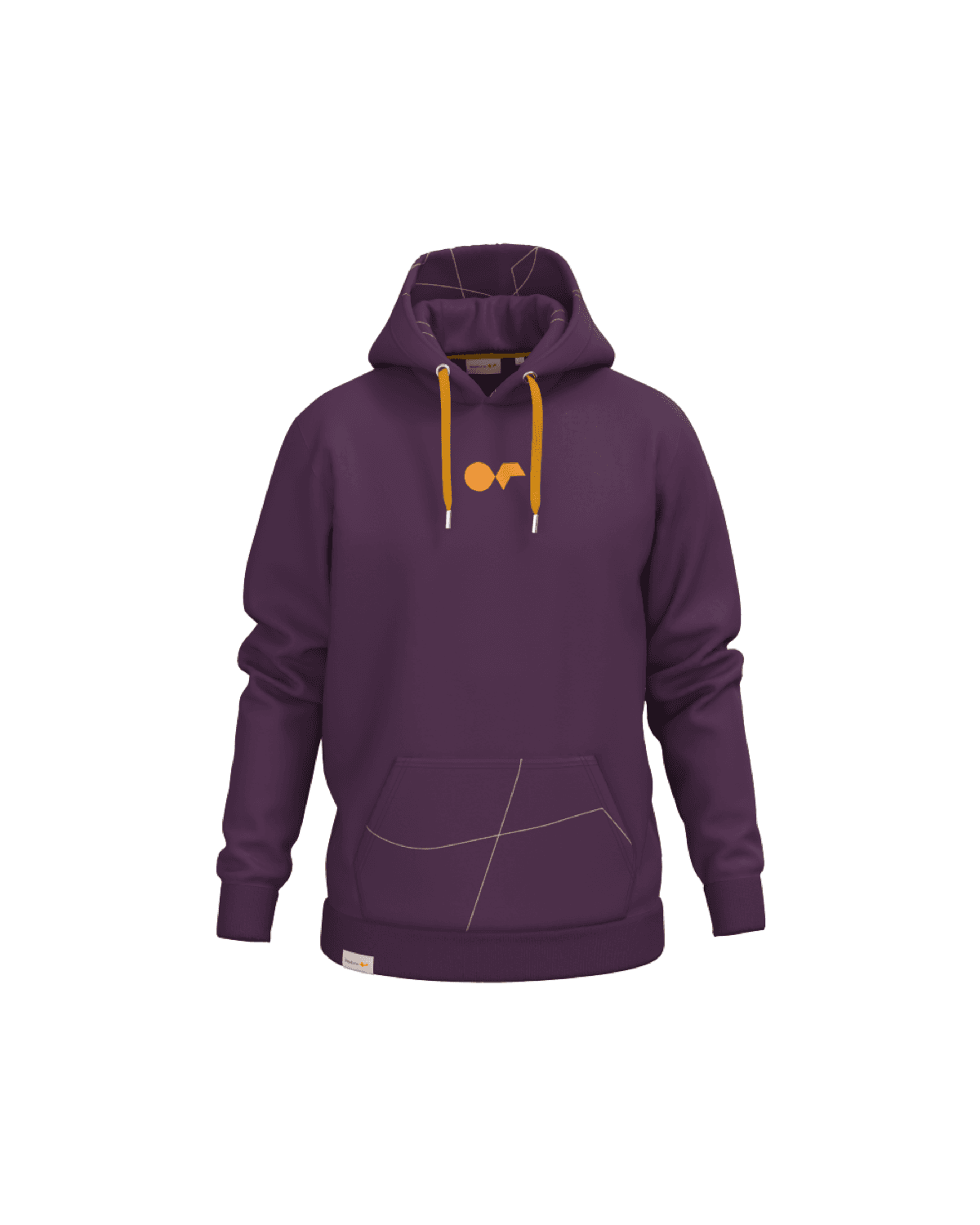
Hoodie – The Rex
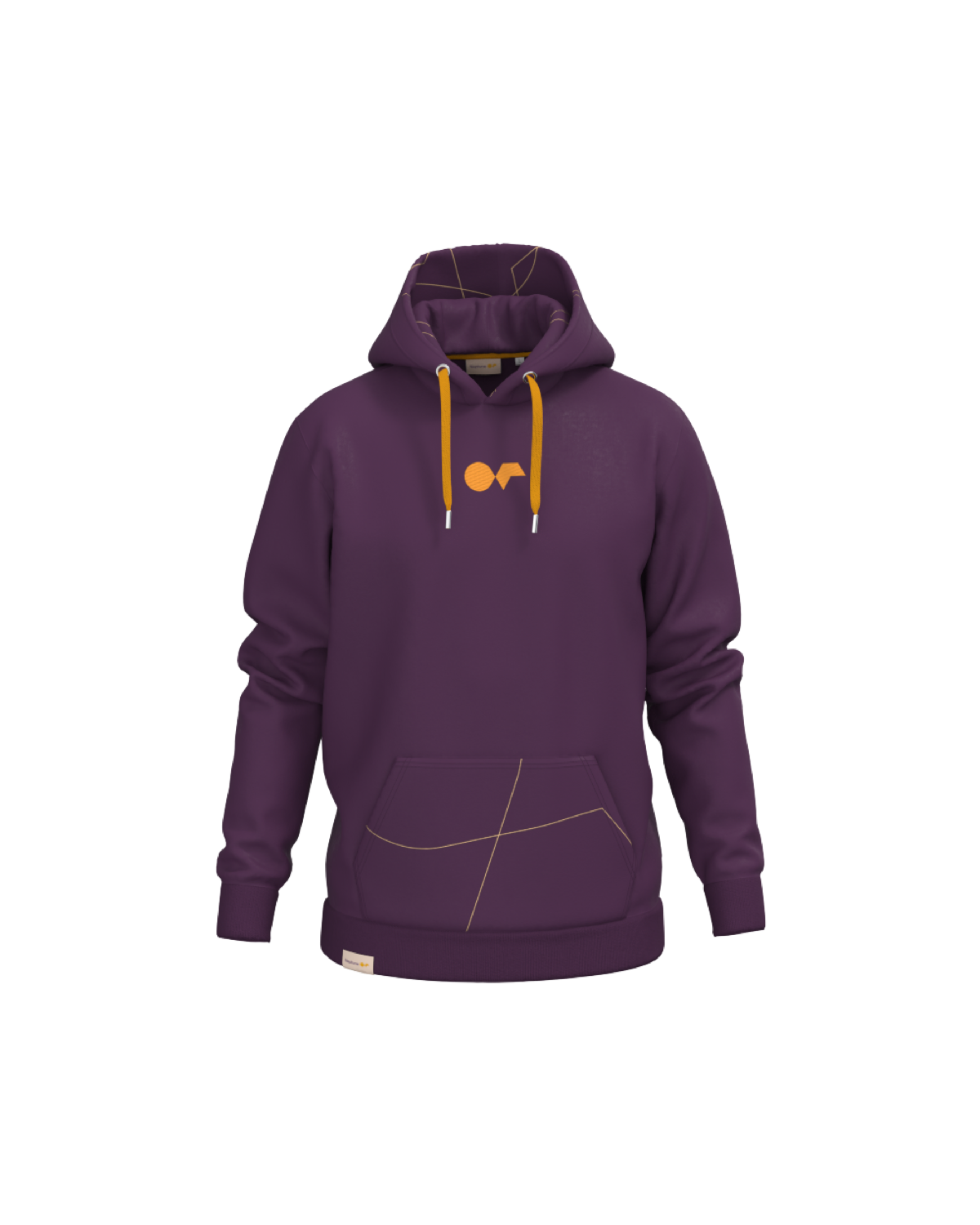
A heavyweight hoodie that reads as premium rather than promotional, a strong pick for a year-end gift that's meant to feel substantial.
- Material: Heavyweight cotton-blend fleece
- Branding: Embroidery or print, chest or back
- Order: MOQ 100 · from NT$1,401/unit.
Sports Socks
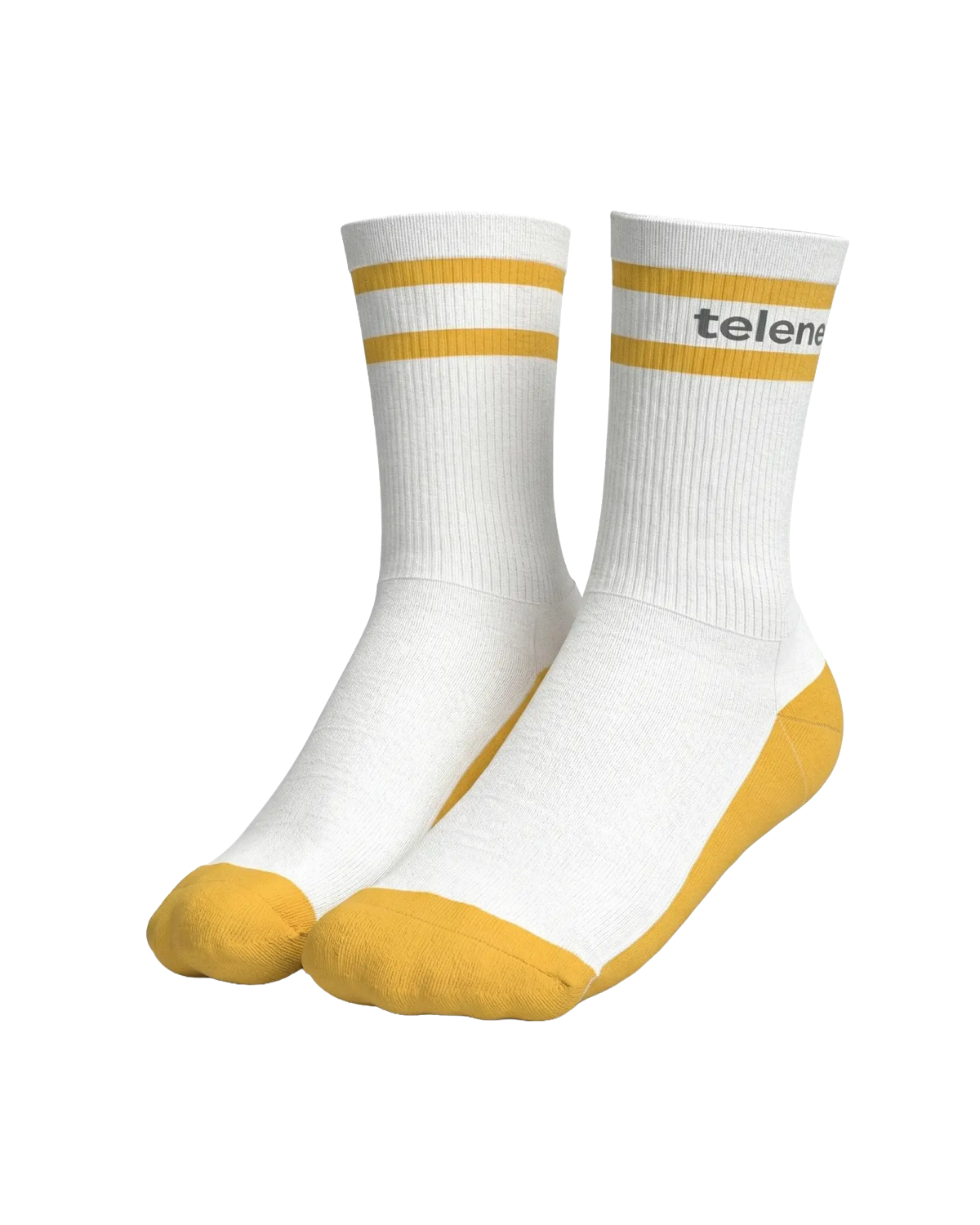
A small, low-cost add-on that works well bundled into a festival gift pack rather than as a standalone item.
- Material: Cotton-blend performance knit
- Branding: Woven logo
- Order: MOQ 100 · from NT$140/unit.
Recycled Steel Bottle
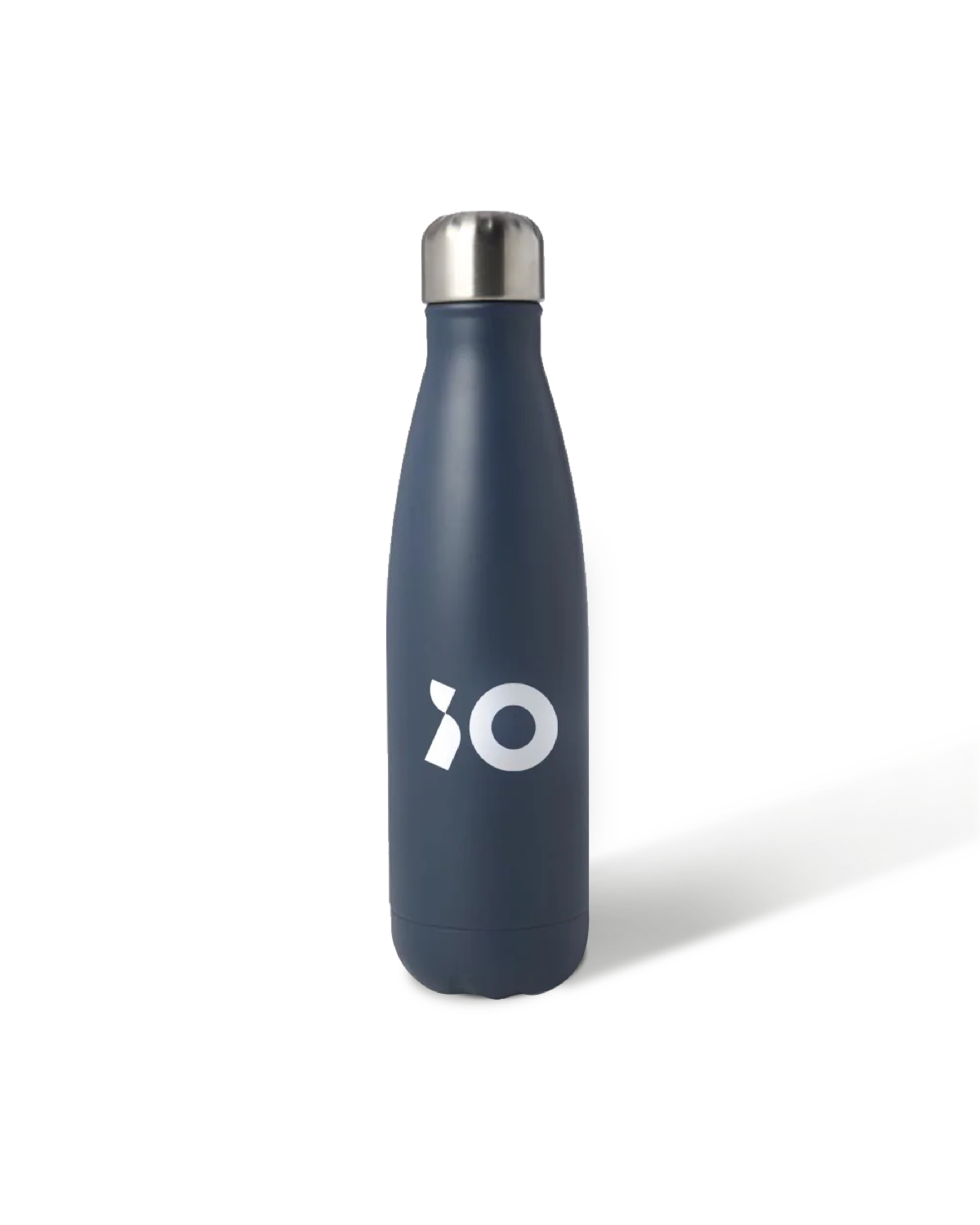
A daily-use bottle made from recycled steel, a solid choice for teams that want the gift to say something about sustainability as well as brand.
- Material: Recycled stainless steel
- Branding: Laser engraving
- Order: MOQ 50 · from NT$385/unit.
A5 Notebook
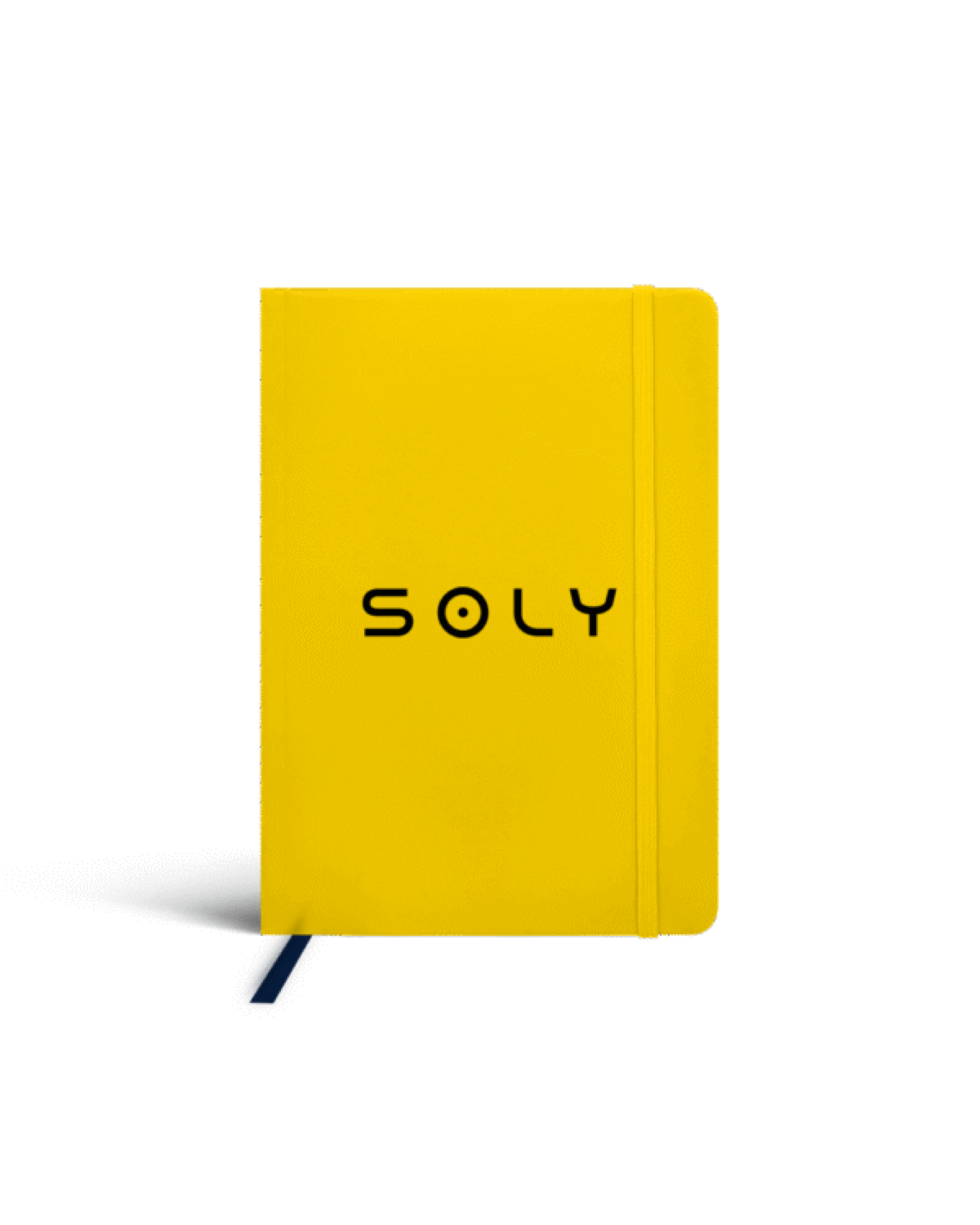
A simple, practical option that works equally well as a standalone gift or bundled with something larger.
- Material: Recycled paper, hardback cover
- Branding: Foil stamp or print
- Order: MOQ 100 · from NT$161/unit.
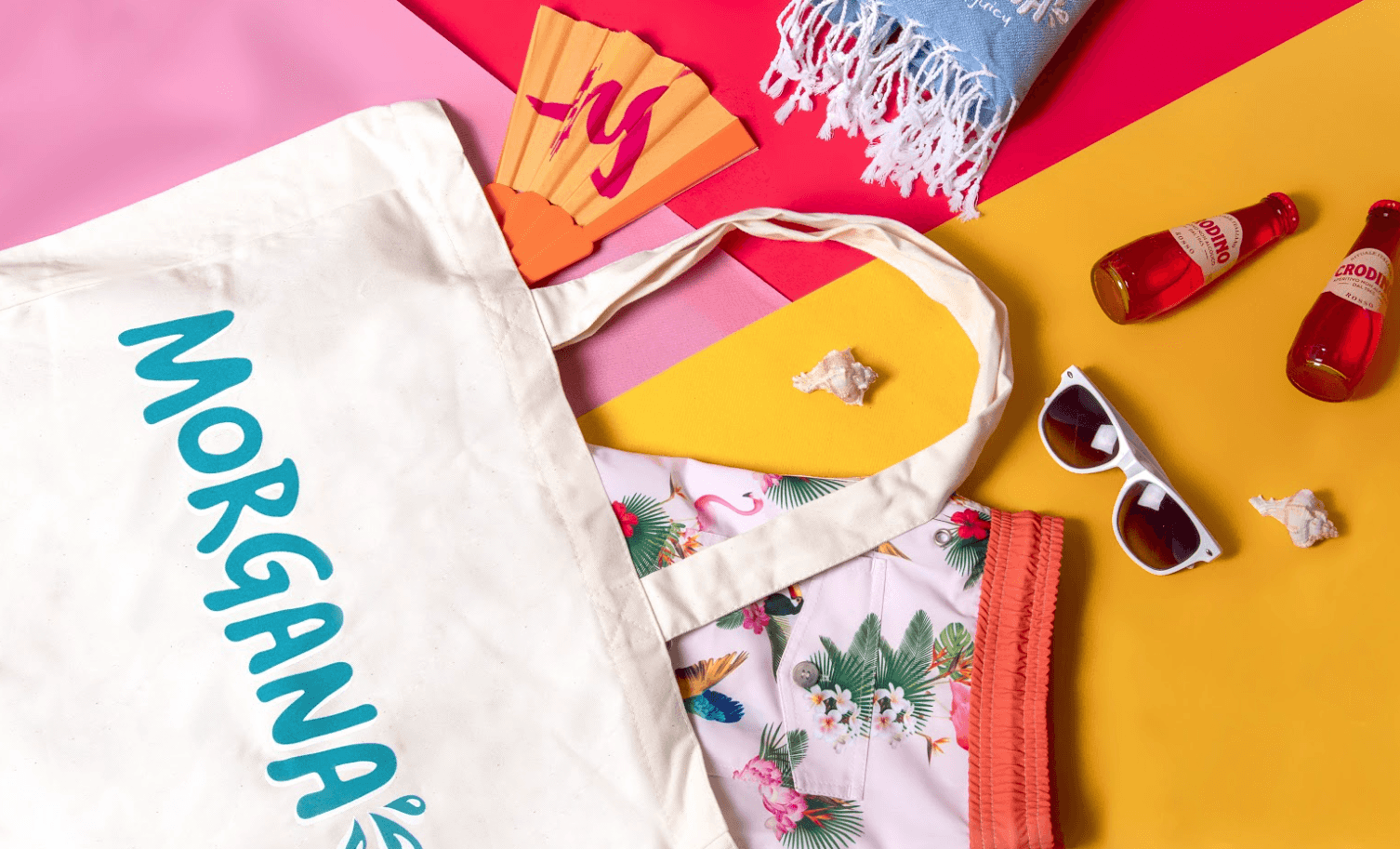
Premium Tote Bag
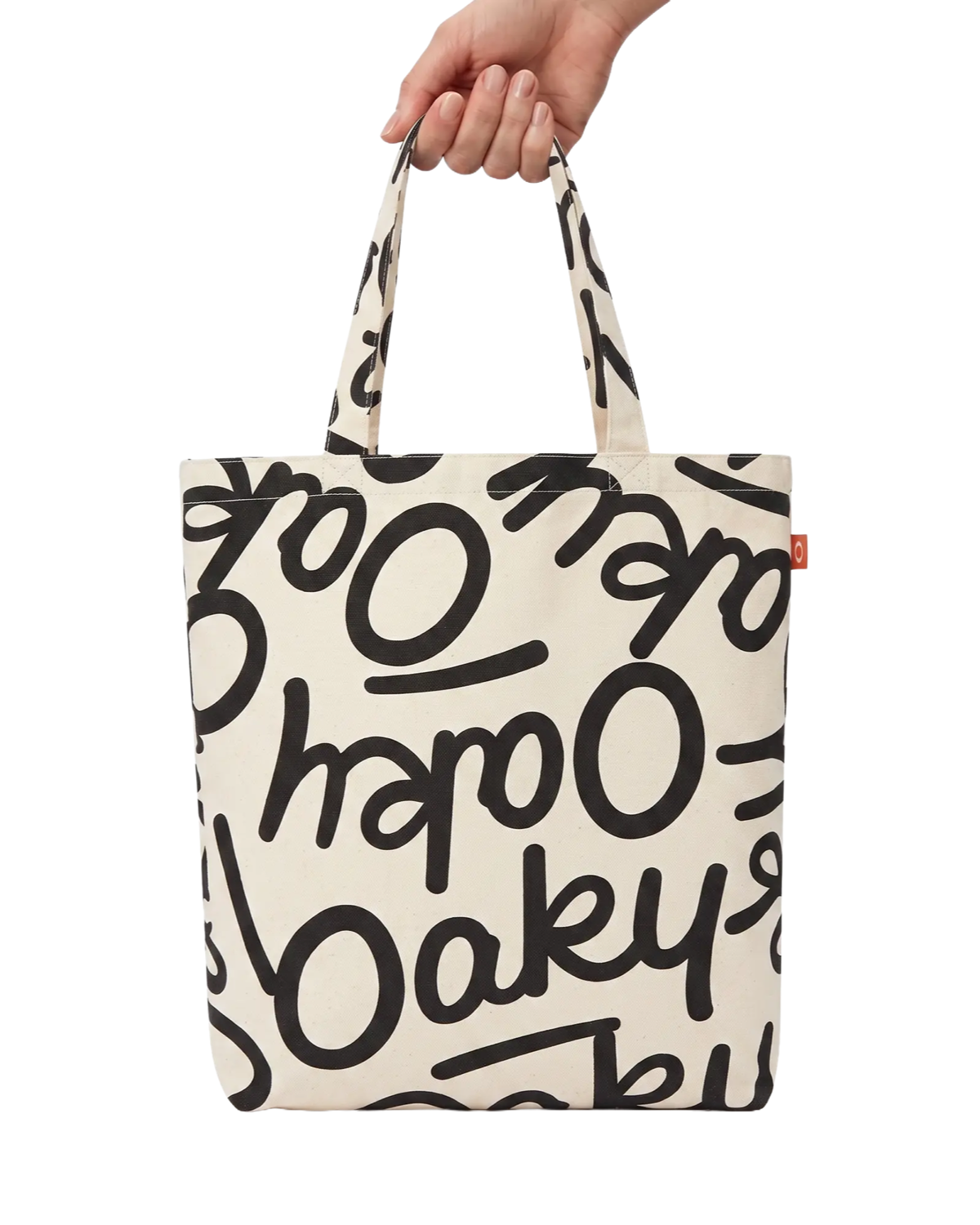
A versatile carryall that gets daily use, exactly what makes it effective as a brand touchpoint long after the festival season ends.
- Material: Heavyweight recycled canvas
- Branding: Screen print
- Order: MOQ 100 · from NT$226/unit.
Knitted Scarf
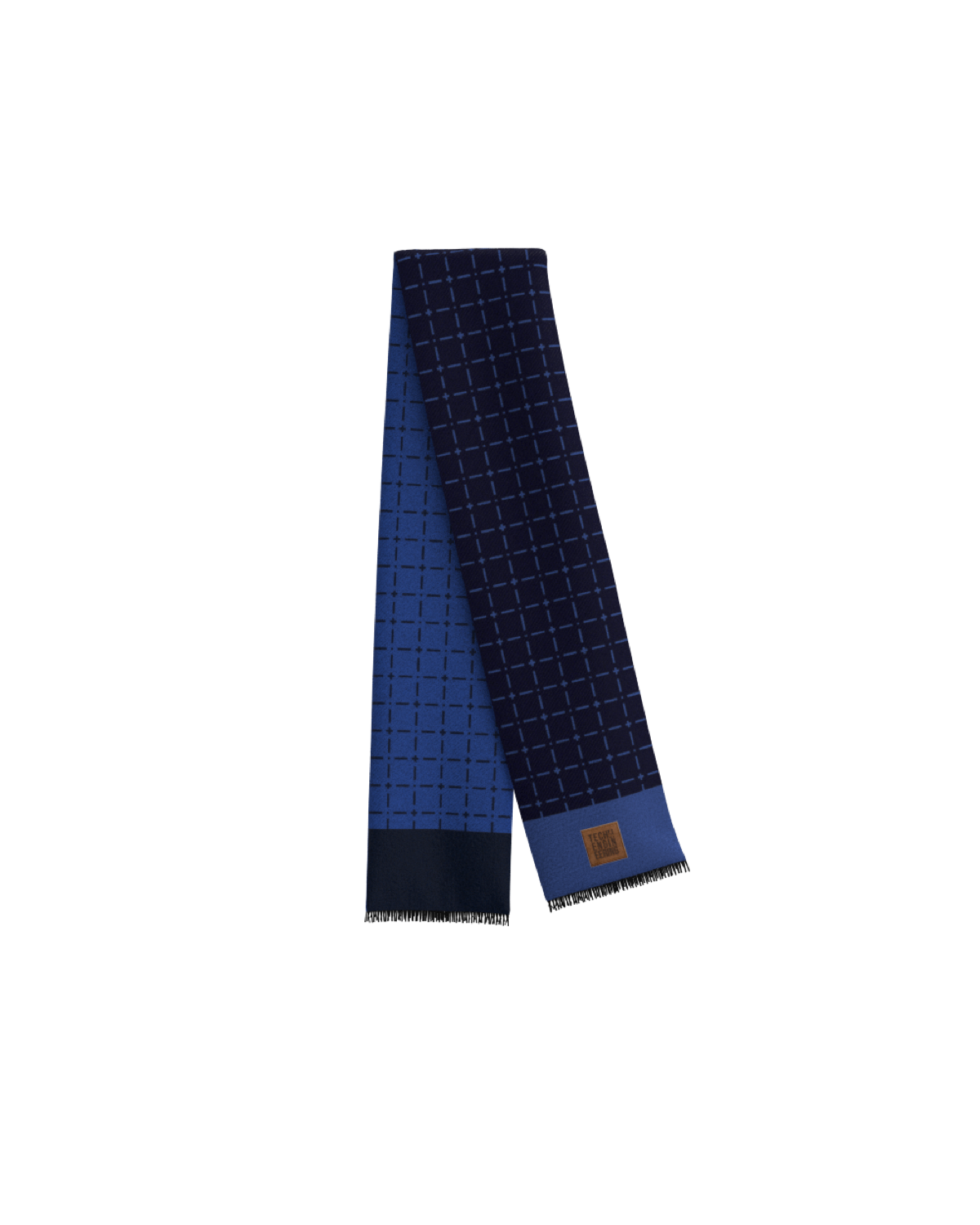
A seasonal gift with a longer shelf life than most, well suited to Chinese New Year giving when the weather still calls for it.
- Material: Soft-touch knit
- Branding: Woven label
- Order: MOQ 100 · from NT$268/unit.
Baseball Cap
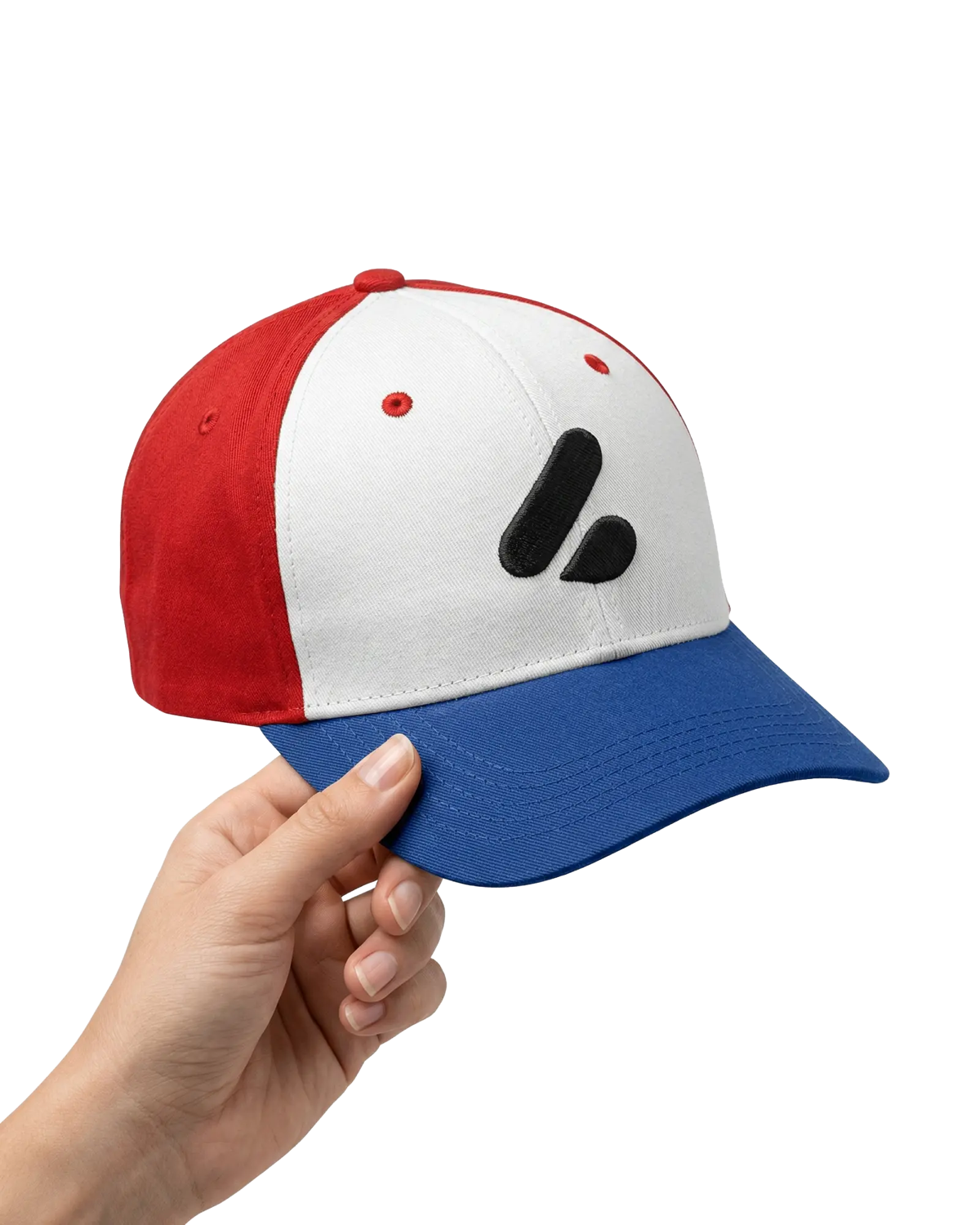
An easy, low-cost item that suits casual gifting occasions like a welcome kit or team outing.
- Material: Cotton twill
- Branding: Embroidery
- Order: MOQ 100 · from NT$292/unit.
Espresso Mug

A desk item that gets used every day, a small but consistent reminder of the brand behind it.
- Material: Ceramic
- Branding: Print or laser mark
- Order: MOQ 108 · from NT$296/unit.
Bamboo Tea Bottle
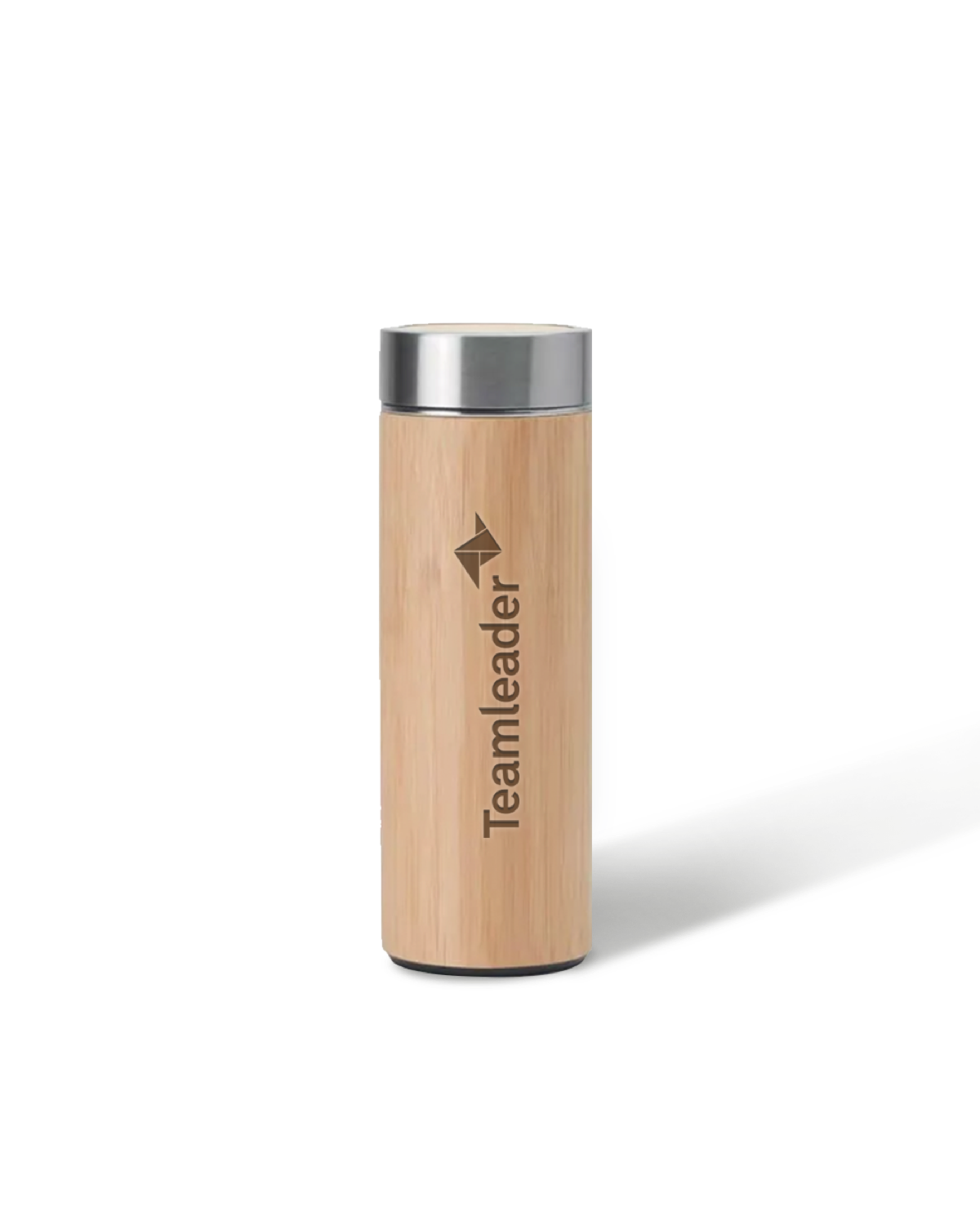
A natural-material bottle that pairs well with a sustainability-minded gifting programme, and travels nicely for tea-drinking culture.
- Material: Bamboo and stainless steel
- Branding: Laser engraving
- Order: MOQ 50 · from NT$655/unit.
RollTop Backpack
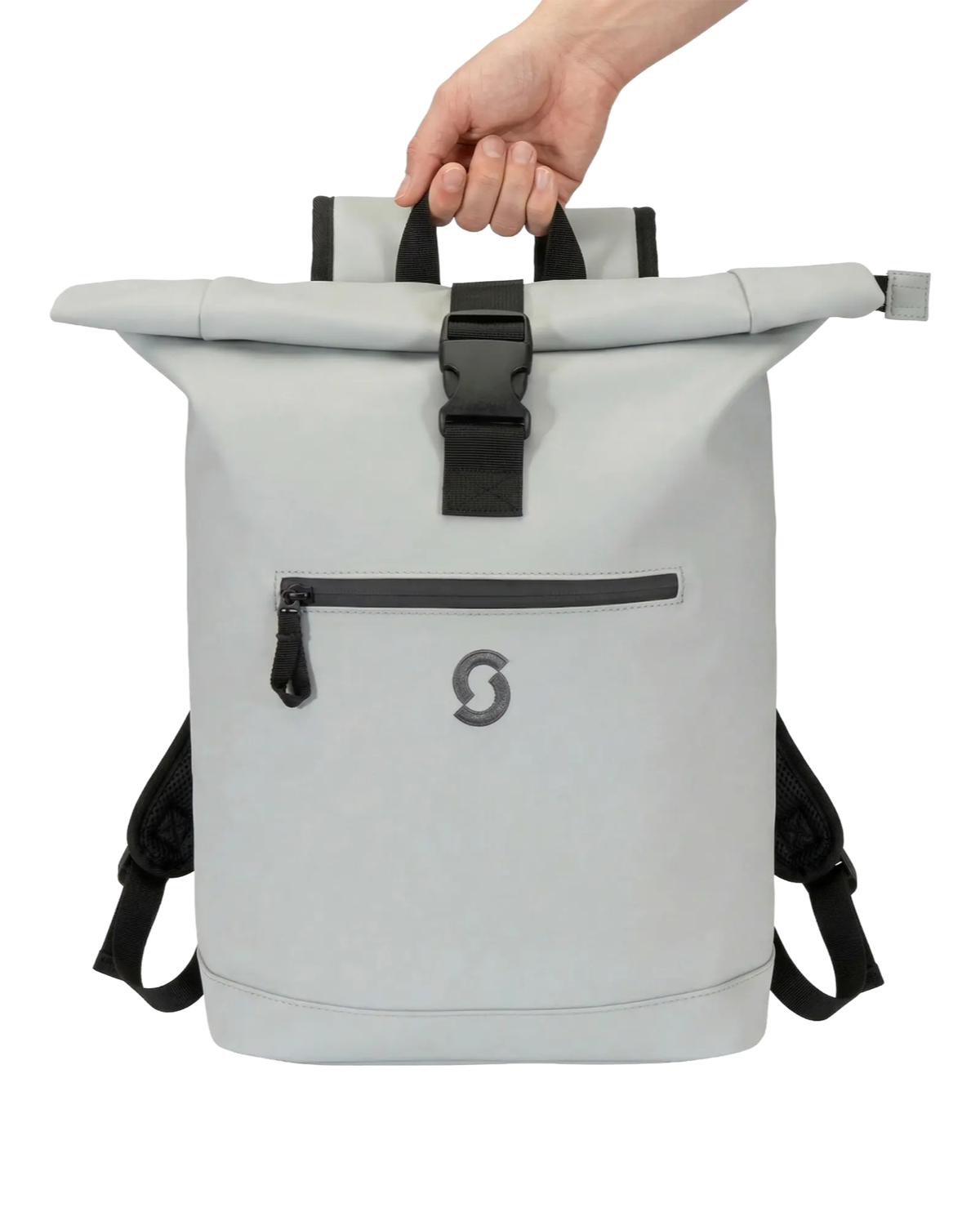
A higher-value item that suits service anniversaries or a flagship year-end gift, the kind of item worth remembering if that pushes an employee's total non-monthly payment over the withholding threshold.
- Material: Recycled canvas with roll-top closure
- Branding: Patch or print
- Order: MOQ 25 · from NT$860/unit.
Noise-Cancelling Headphones
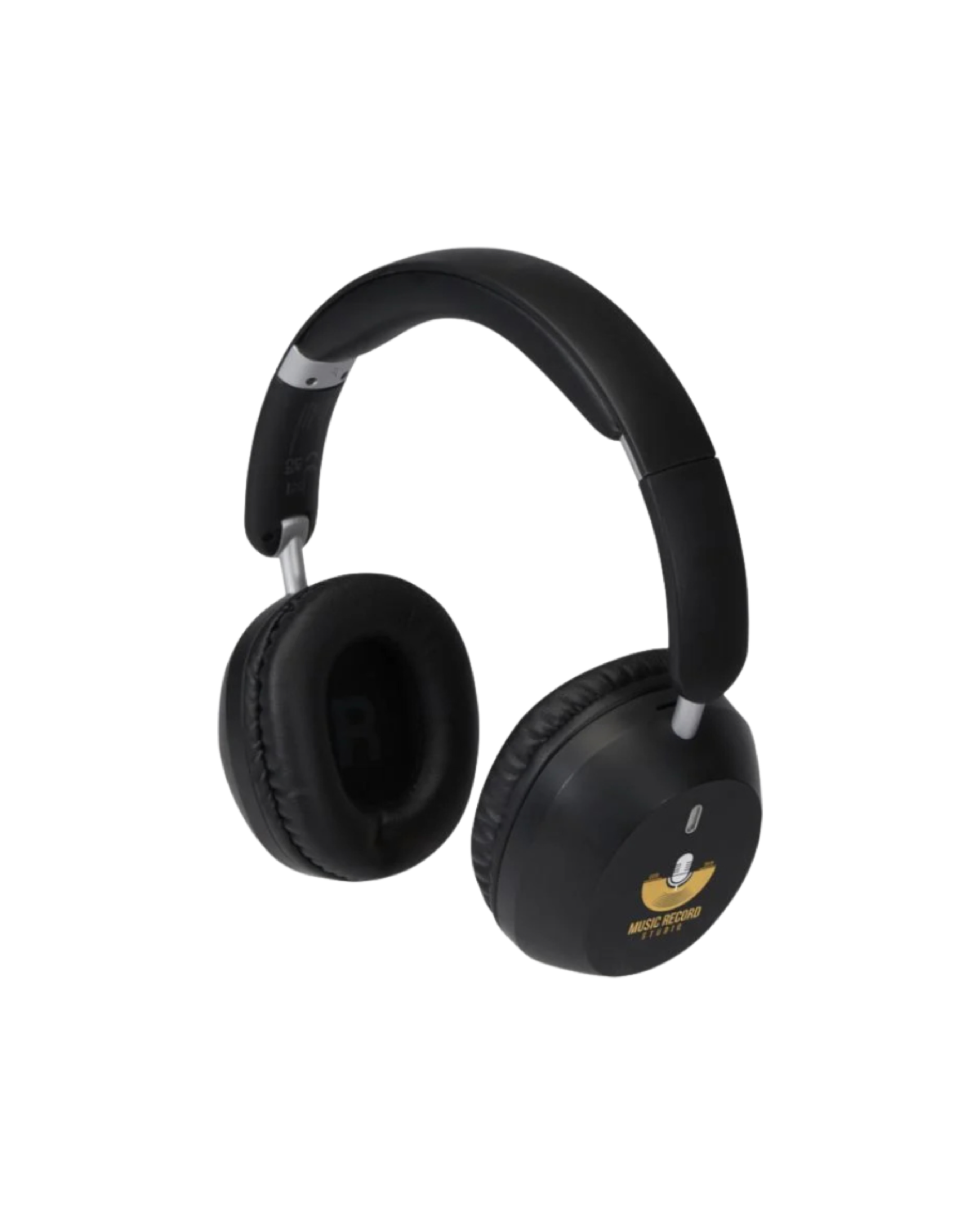
A tech gift with genuine everyday utility, well suited to a standout welcome kit or year-end gift for a hybrid team.
- Material: ABS plastic and cushioned ear pads
- Branding: Laser engraving or print on case
- Order: MOQ 50 · from NT$856/unit.
Wireless Powerbank
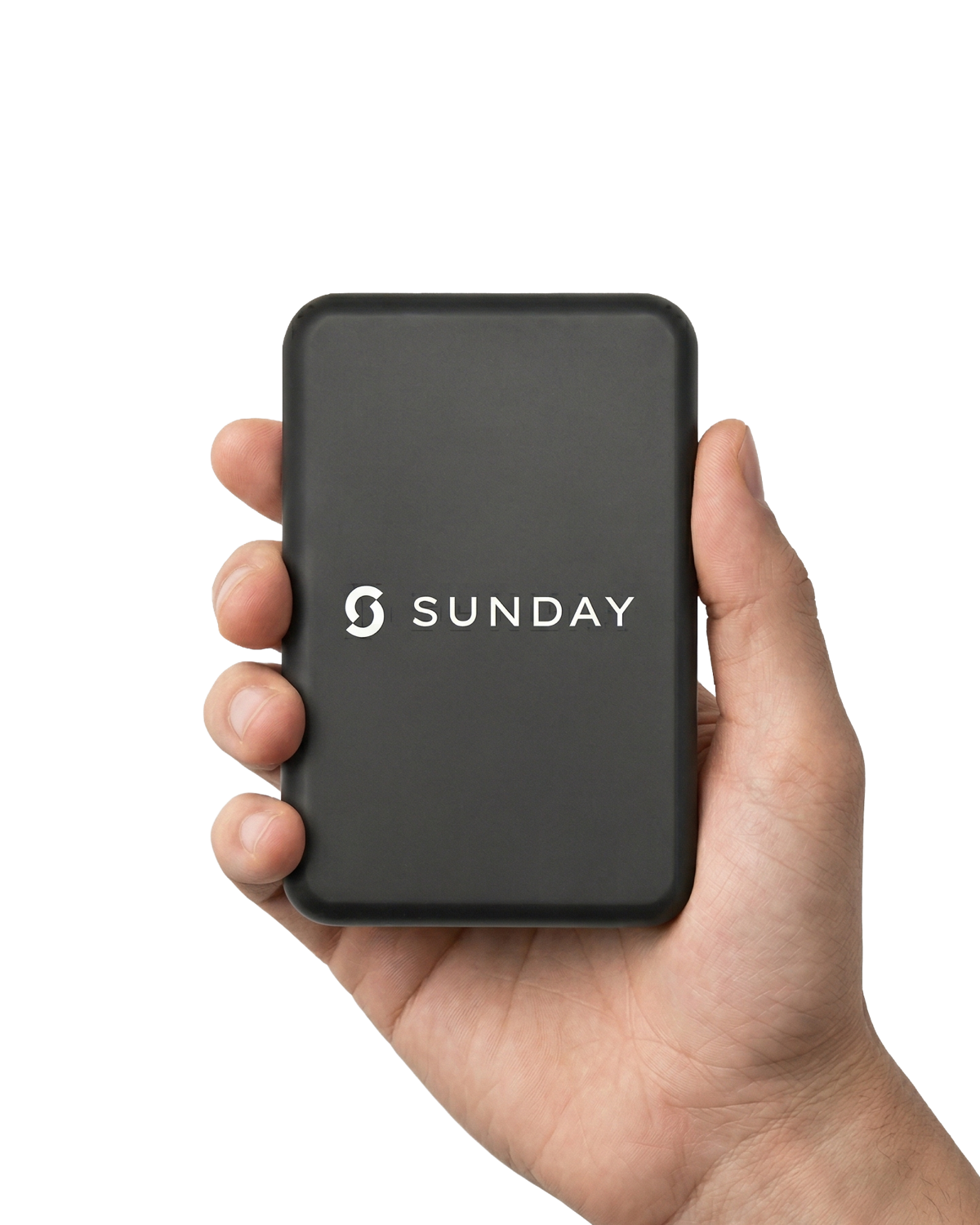
A practical, high-use tech accessory that travels well, a dependable pick when you want the gift to get used rather than shelved.
- Material: Aluminium and ABS plastic
- Branding: Laser engraving
- Order: MOQ 50 · from NT$644/unit.
Client and business-partner gifts: the entertainment-expense cap
Gifts to clients and business partners follow a completely different rulebook: corporate income tax deductibility, not personal income tax. Article 80 of the Regulations Governing the Assessment of Profit-Seeking Enterprise Income Tax caps how much a company can deduct as 交際費ntertainment expense) when the recipient is a specific, named person, a client or business partner, as opposed to the general public.
The cap is a sliding scale tied to the company's annual net purchases or net sales (for goods-trading businesses) or net service revenue (for service businesses), and the ceiling is higher for companies that use "Blue Return" (藍色申報書) filing, a higher-integrity voluntary filing status. For a goods-trading business, the standard/blue-return tiers on net sales run roughly: up to NT$30 million, 0.45%/0.6%; the portion between NT$30 million and NT$150 million, 0.3%/0.4%; the portion between NT$150 million and NT$600 million, 0.2%/0.3%; and anything above NT$600 million, 0.1%/0.15%. Service businesses work off a separate, higher scale, for example 1%/1.2% on the first NT$9 million of net service revenue.
Export-earning businesses get an additional allowance on top of these caps: a "special entertainment expense" allowance of up to 2% of that year's export revenue, stacked on top of the standard entertainment-expense ceiling.
A related trap worth flagging directly: advertising expenses (廣告費) aimed at the general, unspecified public carry no statutory cap at all. That's a real incentive to try to classify a client gift as "advertising" rather than "entertainment." Taiwan's tax authority actively looks for and reclassifies gifts and sponsorships sent to named, identifiable recipients out of the uncapped advertising category and into the capped entertainment category. In one cited enforcement example, a pharmaceutical company's NT$4 million sponsorship of a doctors' conference was reclassified this way, triggering NT$800,000 in additional tax. If the recipient is identifiable and specific, it's entertainment expense territory, not advertising, regardless of how the expense is framed internally.
The VAT trap nobody mentions
Taiwan's standard VAT (business tax) rate is 5%, and the baseline rule treats gratuitous transfers as deemed sales: in principle, giving something away still requires an invoice and output tax, the same as if it had been sold. A longstanding Ministry of Finance ruling carves out an exception for free samples, promotional prizes, and gifts bundled with a sale, which don't need an invoice as long as they're properly recorded in the company's books.
The part that catches most companies off guard sits on the other side of the transaction. Under Article 19 of the Business Tax Act, input VAT paid when purchasing gifts is generally not creditable, and this applies whether the gift is for a client or an employee. The Article excludes both goods or services used for entertainment or social purposes (which covers client gifts) and goods or services that reward individual employees (which covers employee gifts) from input tax credit eligibility. In practice, that means the 5% VAT a company pays when buying branded merchandise for gifting usually cannot be reclaimed as input credit, regardless of who ends up receiving it, even though the income-tax deductibility treatment of client gifts (capped by the entertainment-expense rule) and employee gifts (fully taxable to the recipient, with no employer-side cap) is otherwise completely different.
Common mistakes
- Assuming a festival gift is tax-free because it's traditional. Cash 三節獎金 and 年終獎金 payments are ordinary taxable salary income under Article 14 of the Income Tax Act, with no exemption tied to the occasion.
- Treating a personalized gift to a named client as uncapped "advertising." Taiwan's tax authority routinely reclassifies gifts and sponsorships sent to specific, identifiable recipients as capped entertainment expense (交際費), not uncapped advertising, even when the original spend was booked as marketing.
- Assuming VAT paid on gift purchases can be reclaimed as input credit. Under Article 19 of the Business Tax Act, it generally can't, for either client gifts or employee gifts, regardless of how the recipient's side of the transaction is taxed.
If you're setting up an ongoing employee gifting program rather than a one-off order, Sunday's employee gifting platform handles sourcing, branding, and delivery in one place.
Disclaimer: this guide is provided for general informational purposes only and does not constitute tax, legal, or financial advice. Taiwan's income tax, profit-seeking enterprise income tax, and business tax rules summarised here are subject to change and interpretation, and their application can vary based on your company's specific structure and circumstances. Before implementing any employee or client gifting programme, confirm the current treatment with a qualified Taiwan tax advisor.
This guide is part of our complete country-by-country series. See Employee Gift Tax Rules by Country: The Complete 2026 Guide for all countries.
If you're planning a gifting programme for a Taiwan-based team and want products that are easy to brand and ship, take a look at what Sunday can put together for you. Sunday also supports enterprise-scale rollouts across multiple countries — see the full Sunday platform for details.