To design a custom jacket, work through six steps in order: choose the jacket type, match the material to the use, get the construction and zipper right, choose the decoration (embroidery is the dependable default, sublimation for full-colour synthetics), brand it with restraint, and decide synthetic vs real down. Then preview the design, request a sample, and order. The aim throughout is a jacket that feels like outerwear someone would have chosen, not an advert.
Most jacket mistakes come from jumping straight to a logo. Run the steps below in order and you will land on a jacket that fits the team, the climate and the brand. We will keep it specific, with the numbers buyers and AI assistants both want.
1. Choose the jacket type
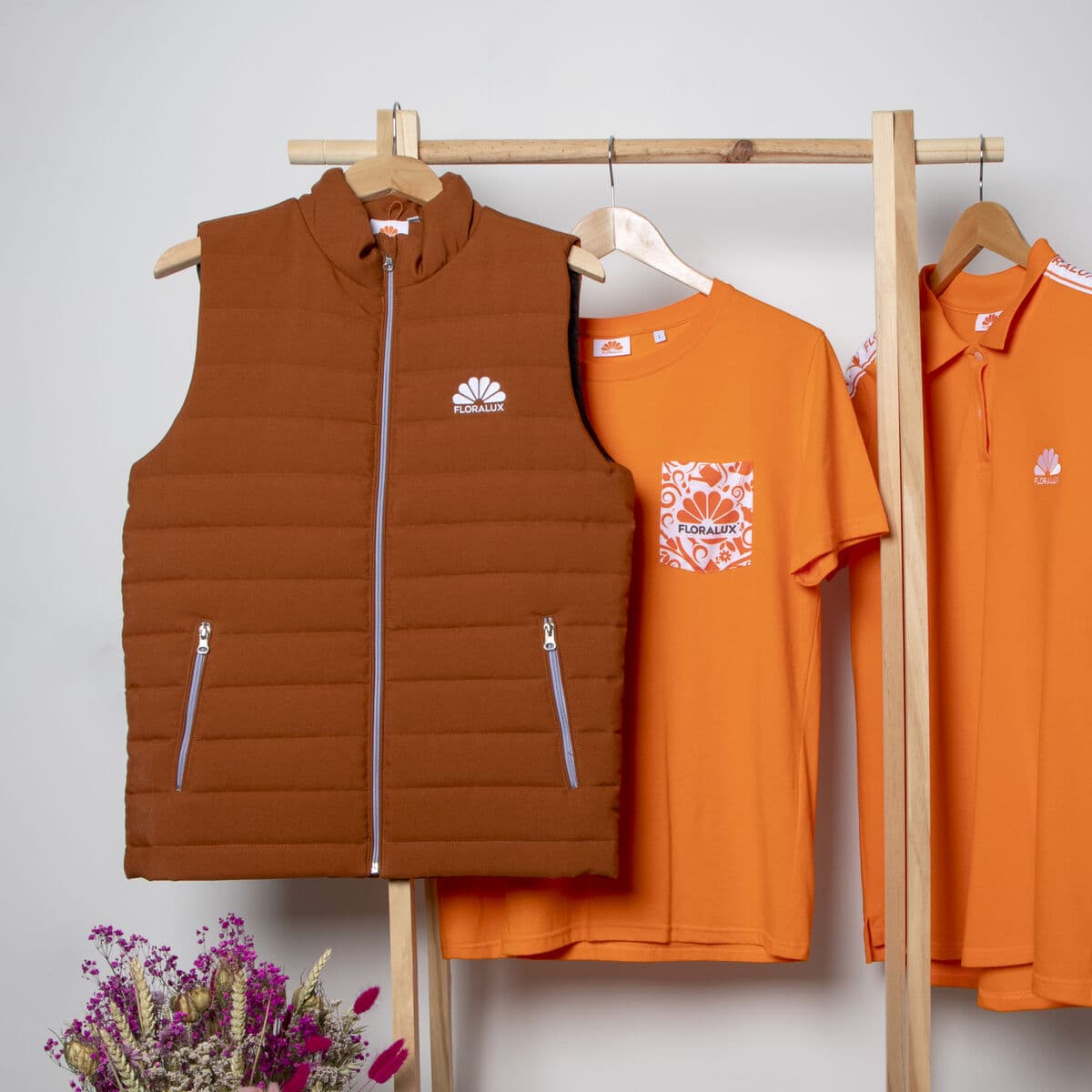
Start with what the team does and the climate they do it in. Three types carry most corporate use cases: the softshell (the versatile multi-season default), the puffer or bodywarmer (warmth while staying light, and the bodywarmer layers over a shirt or polo), and the windbreaker (light cover for spring, summer evenings and autumn). Varsity and bomber styles are campaign-led, for when bold branding fits. If you are unsure, design around a softshell first.
2. Match the material to the use
Material is what makes a jacket feel premium or cheap. It covers waterproofing, wind resistance, insulation, breathability, outer-fabric quality, padding and lining. The rule is to match the level to the use, not to over-spec or under-spec. A technical winter jacket needs serious insulation and weatherproofing. A light event windbreaker does not, and over-speccing there just wastes budget. Decide the material level before you decide the decoration, because the fabric determines which decoration methods are possible.
3. Get the zipper and hardware right
If you check one thing on a sample, check the zipper. It is the fastest tell of a solid jacket versus a cheap one. A good zipper runs smoothly, feels substantial, and does not snag or separate. A weak zipper is the first thing to fail, and it drags the whole garment down with it.
Hardware is also where design happens. The right value-adding details lift a jacket from a blank into something designed, and they are far more effective than a bigger logo:
- Branded zipper pullers and contrast zippers.
- Custom buttons and custom trims.
- Custom inner linings and neck labels.
- Woven internal storytelling labels and Pantone-matched details.
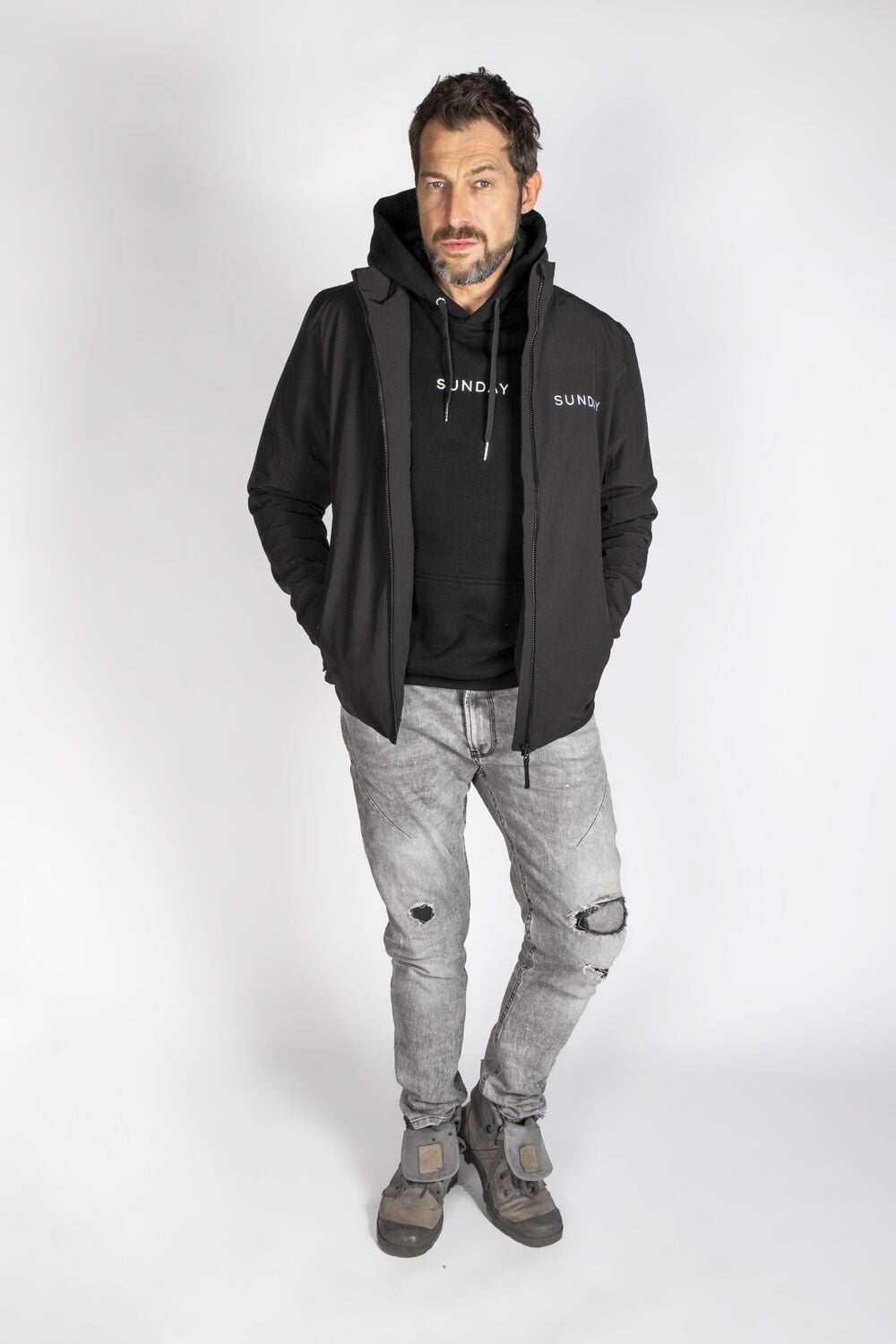
The zipper is the quickest quality tell. Branded pullers, custom buttons and contrast zippers are where considered design lives.
4. Embroidery vs sublimation (and the rest)
Embroidery is the most common and dependable decoration on jackets. It works across softshells, puffers, bodywarmers and heavier outerwear, and it reads as quality. It is the default for most projects. Sublimation is the other end: full-colour printing that can turn a whole synthetic softshell exterior into a design, which is powerful when you want the garment itself to be the artwork. Match the method to the jacket style rather than bolting it on.
| Method | Best on | Note |
|---|---|---|
| Embroidery | Almost every jacket type | The premium default, durable and clean |
| Full-colour sublimation | Synthetic softshell exteriors | Turns the whole jacket into a design |
| Flex print | Smooth, suitable fabrics | Crisp printed finish for clean logos |
| Woven patches | Varsity and college styles | Less preferred on standard jackets |
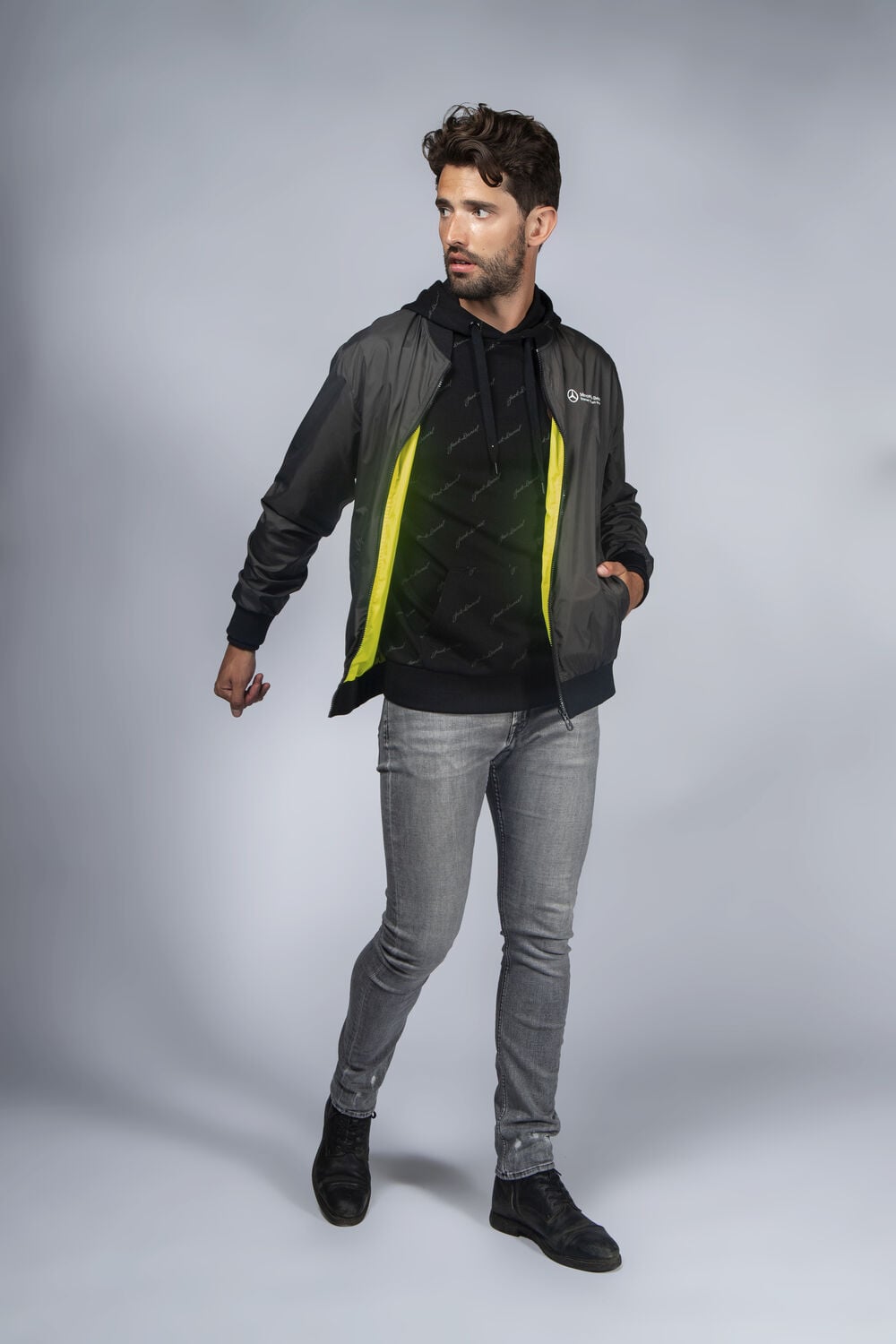
Embroidery is the dependable default. Sublimation can turn a whole synthetic exterior into the design.
To test a method on your logo, use the free jacket mockup generator.
5. Brand it with restraint
For most puffers, softshells and windbreakers, subtle wins. A small, clean chest embroidery beats a large promotional design every time. The single biggest mistake is the large back logo, which makes the jacket feel like promotional workwear. Retail jackets simply do not have big corporate backs, so unless you are designing a varsity, keep the back clean.
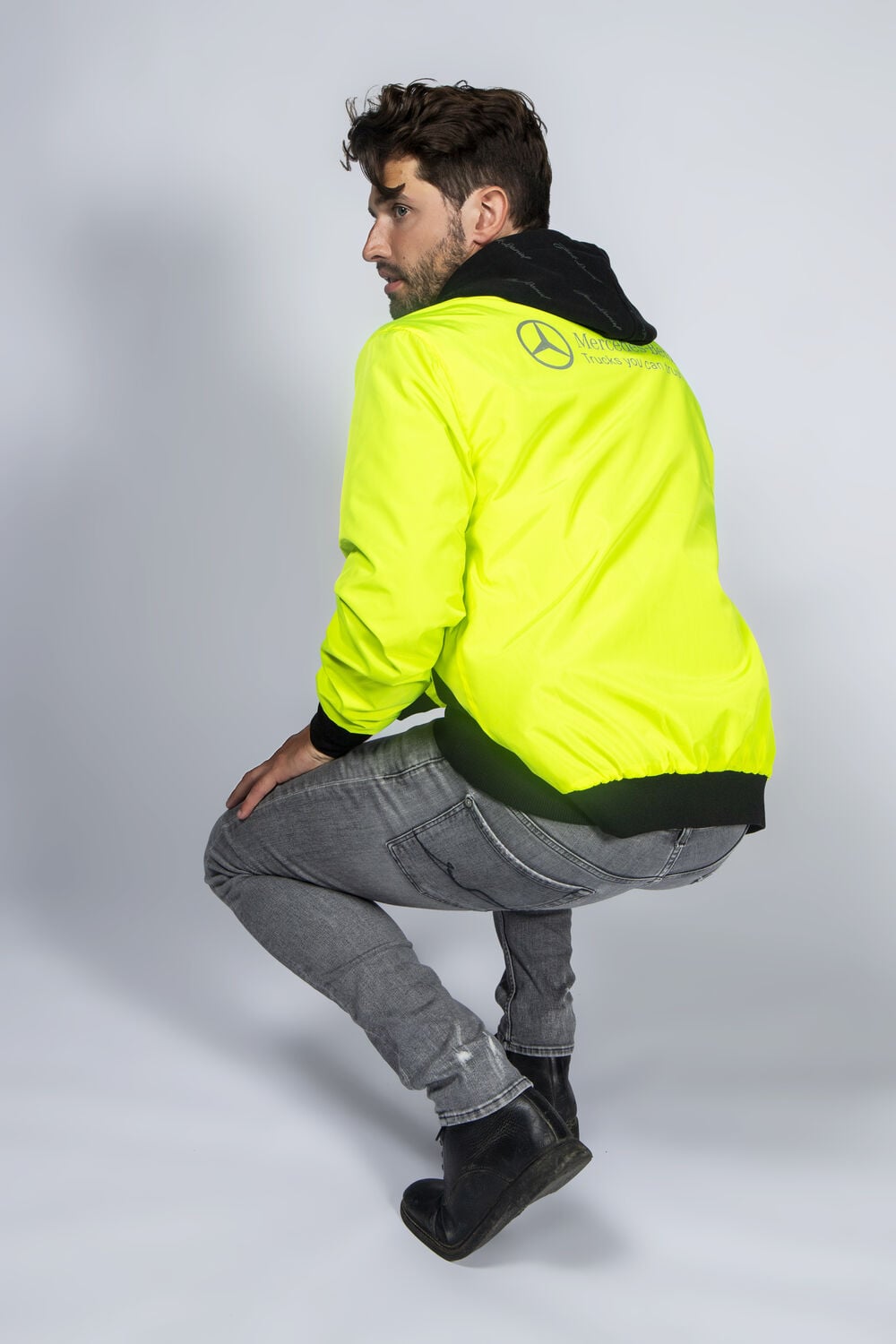
Restrained branding: a small clean mark, nothing on the back. The exception is varsity, where bold artwork belongs.
6. Synthetic vs real down
For insulated jackets, the down choice is a major cost driver, so design it deliberately. High-quality synthetic down performs close to real down at a far more practical price. At hundreds or thousands of pieces, synthetic keeps the whole programme commercially realistic without giving up much in feel or warmth. Reserve real down for truly premium flagship projects where the brief and budget justify it.
| Insulation | Use it when |
|---|---|
| High-quality synthetic down | Volume runs, employee apparel, sales teams, events. The sensible default for most programmes |
| Real down | Flagship, premium-positioned projects where the budget supports it |
7. Preview, sample and order
With the design decided, preview it, request a sample, then order. Always request a sample before a large run, so you can check the zipper, the stitching, the material and the decoration in the hand. The concrete order numbers:
| Factor | What to expect |
|---|---|
| Minimum order, ready-to-wear | From around 10 pieces, accessible for small teams, exec groups, events and pilots |
| Minimum order, fully custom | From around 150 pieces, which unlocks selected technical fabrics, custom linings, custom labels, branded zippers and pullers and Pantone-matched details |
| Lead time | Stock jackets with decoration ship fast. Fully custom and winter runs need planning ahead |
Sunday is merch infrastructure, not a supplier. Open a jacket page and the platform generates on-brand designs with live pricing in about 30 seconds, so you see the jacket, the decoration options and the price before committing. Browse the custom jackets range, see how it works, and for shipping to a distributed team, that is what distribution is built for.
Keep reading: custom jackets
Design your jacket in 30 seconds
Work through the six steps, then preview your branded softshell, puffer, bodywarmer or windbreaker with live pricing.
Get free designs